The Dosa Bombay Made Its Own
A dish that began in a temple, crossed India in a lunch box, and became the city's most democratic breakfast.
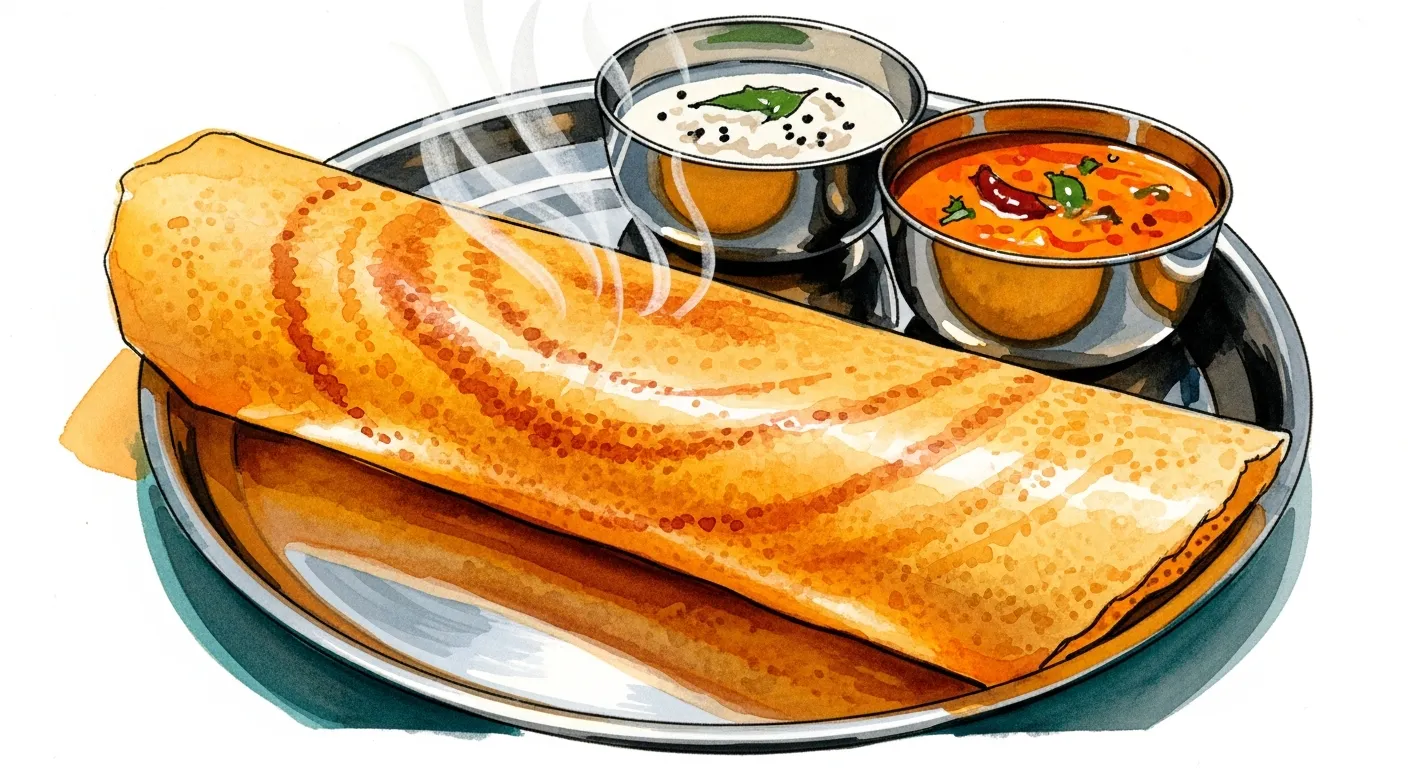
Watercolor illustration
In 1923, the city of Udupi flooded.
Not a metaphor. An actual flood, rivers overflowing, homes destroyed, fields washed out. For the small coastal town in Karnataka, it was catastrophe. For Bombay, it was the beginning of something the city still eats every morning.
The men who left Udupi after the flood were young, mostly broke, and carrying one thing of real value, they knew how to cook. Specifically, they knew how to cook the food of the Krishna temple that had made their town quietly famous for centuries. Fermented batters. Coconut chutneys. Sambar. And the dosa, that thin, crackling, impossible-to-describe thing that is simultaneously a crepe, a meal, and a mood.
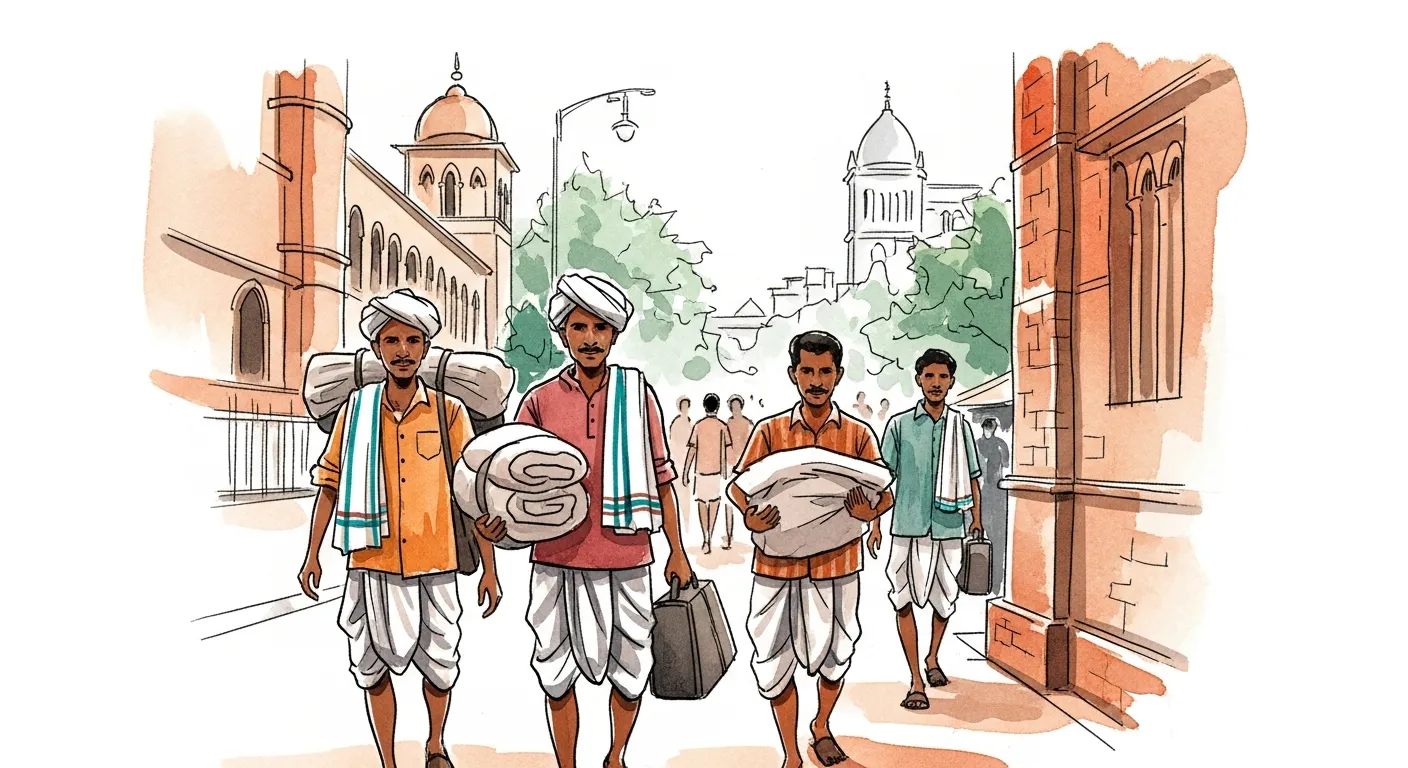
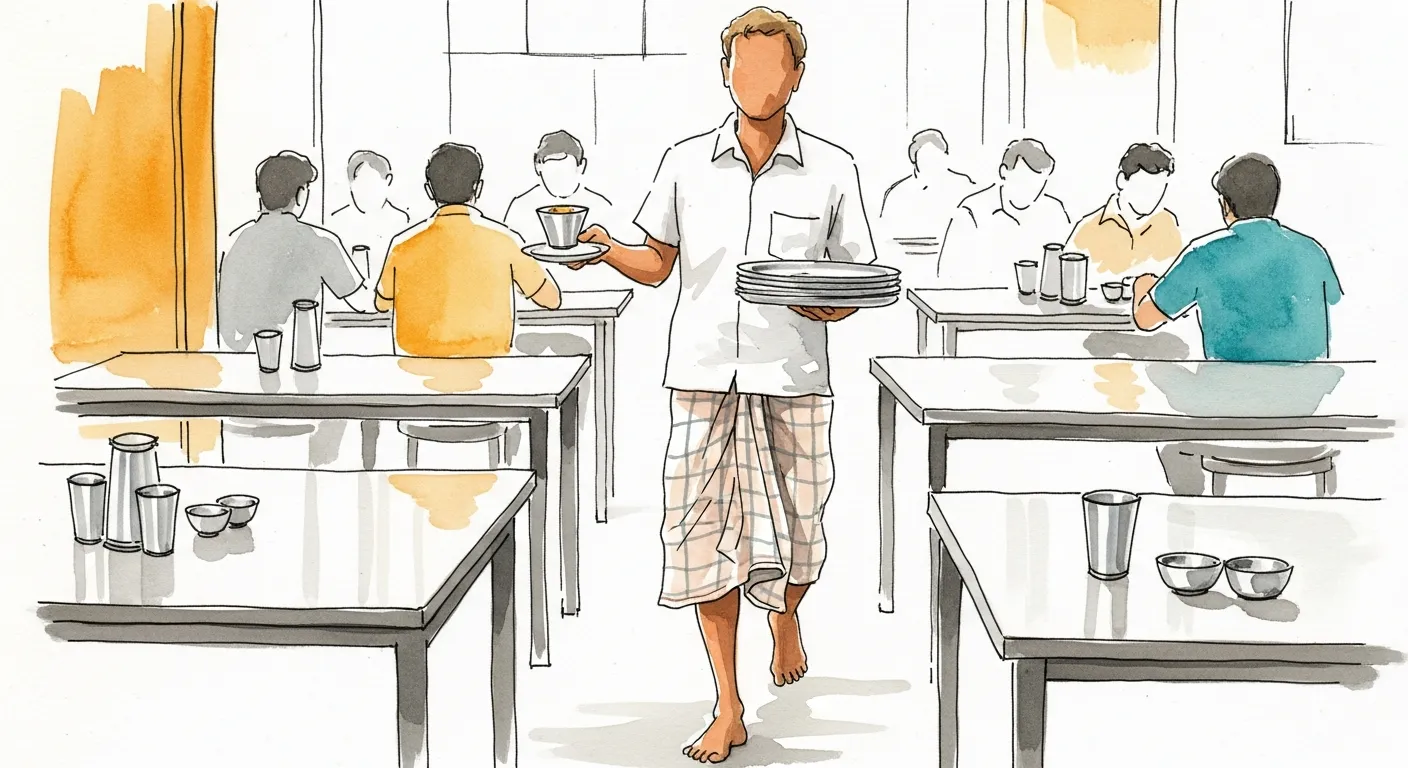
They came to Bombay because Bombay took everyone. They settled mostly in Matunga, then a new neighbourhood being laid out after the plague of 1896 had forced the city to rebuild itself northward. Among the paddy fields and freshly laid roads, they opened small restaurants. Not fancy. Formica tables, no signboards worth mentioning, a man at the tawa who had been doing this since he was a boy. They called these places Udupi hotels, not hotels in any sense you would recognise, but the Indian English word for a simple canteen. The benchmark for pricing was set at what a mill worker could afford. That was the entire business philosophy.
Amba Bhavan opened in 1933. Cafe Mysore in 1934. Cafe Madras in 1940. A Rama Nayak, the man widely credited as Bombay's first Udupi restaurateur, had arrived in the 1930s from Karnataka with one idea: to feed as many people as possible, as cleanly as possible, for as little as possible. His restaurant in King's Circle, now in its ninth decade, still runs. The food is unchanged. The waiters still walk without shoes. If you waste their sambar, you pay a fine of ₹13. The logic: food is not something you waste.
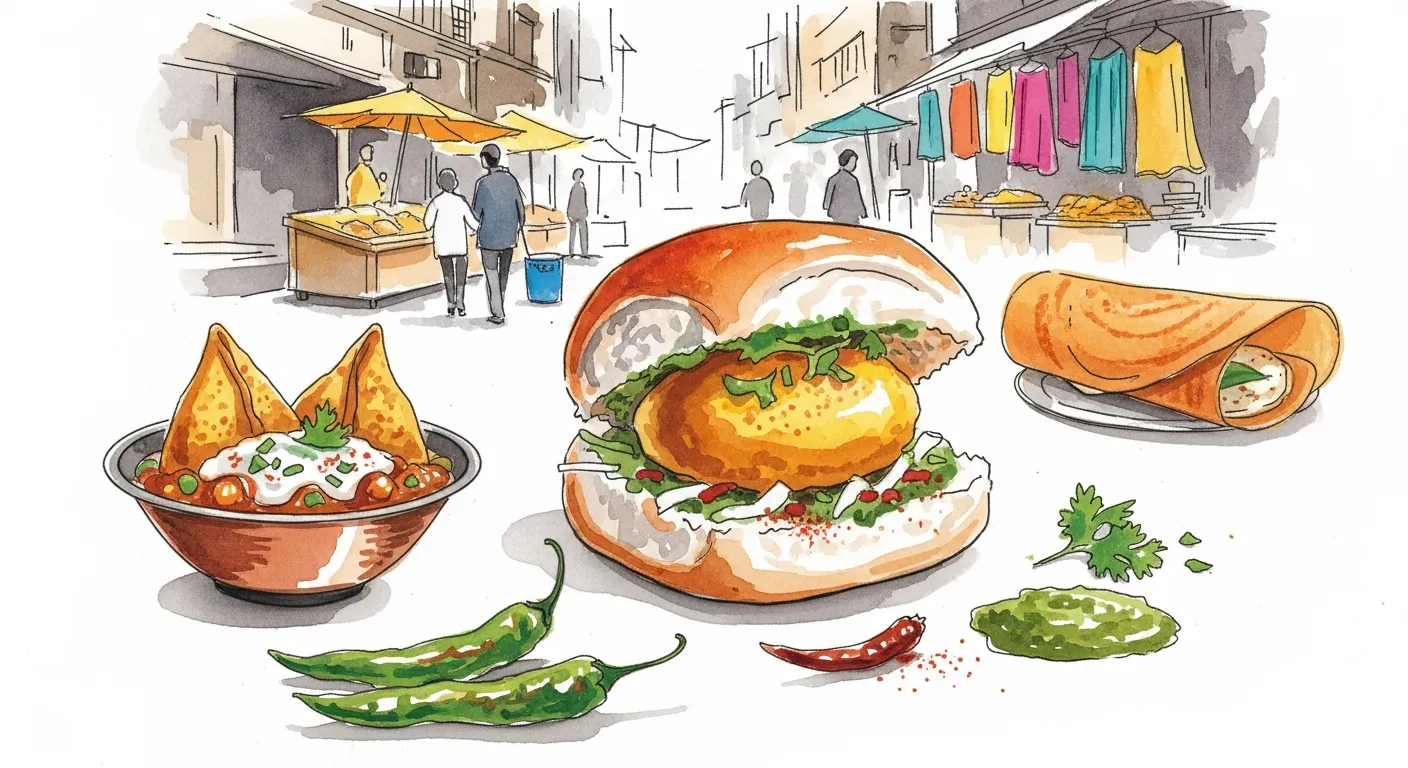
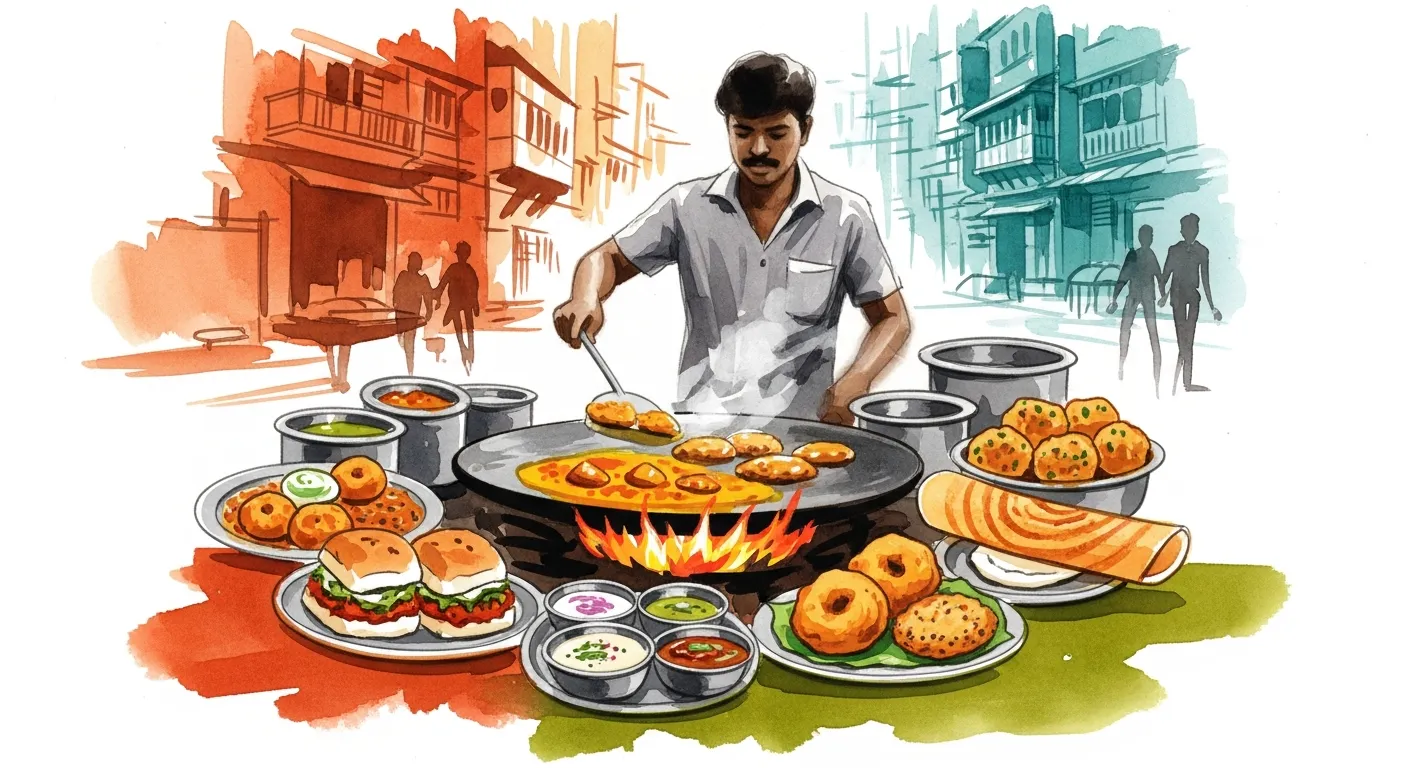
The dosa these men brought to Bombay was not the same dosa Bombay eventually made. The city did what it always does, it adapted. Street vendors adding semolina to the batter to make it sturdier. Yogurt for extra tang. A dosa that could survive the streets, the rush, the hundred hands that would buy it between 7am and 10am at a junction that never stops moving. Bombay took someone else's recipe, stressed it, simplified it, fed it to millions, and eventually made it entirely its own. No self-respecting Tamil would call the street dosa a dosa, technically. But every Mumbaikar would call it breakfast.
This is the city's oldest trick.
Now enter the butter.
While Bombay was adapting the dosa for its own streets, something entirely different was happening 450 kilometres away in Davangere, a cotton-trading town in the interior of Karnataka, landlocked, unglamorous, and quietly building one of the most specific food obsessions in India.
In 1928, a woman named Chennamma moved to Davangere with her children after difficult times. She set up a small stall near Vasantha Talkies, a cinema, a natural gathering point, the kind of place hungry people passed through twice a day. She made dosa, coconut chutney, potato palya. The food was good. The stall caught on.
Her children refined the recipe. They changed the batter, rice, urad dal, puffed rice, fenugreek, a touch of maida, and they added butter. Not a smear. Not a garnish. Butter as a commitment. White butter, fresh and unsalted, the kind you find only in local Karnataka dairies, laid on the hot tawa in quantities that would alarm a cardiologist and delight everyone else. The dosa cooks in the butter, absorbs it, crisps at the edges, stays soft in the middle. You eat it with a chutney made fierce with cardamom and green chilli that cuts straight through the richness. Then you eat another one.
Her son Shanthappa opened Shantappa Dosa Hotel near the Clock Tower in 1944, still running today, third generation in charge. Another son, Mahadevappa, opened his own place near Vasantha Talkies. His sons have their own. The family tree of the benne dosa is a small, butter-scented dynasty.
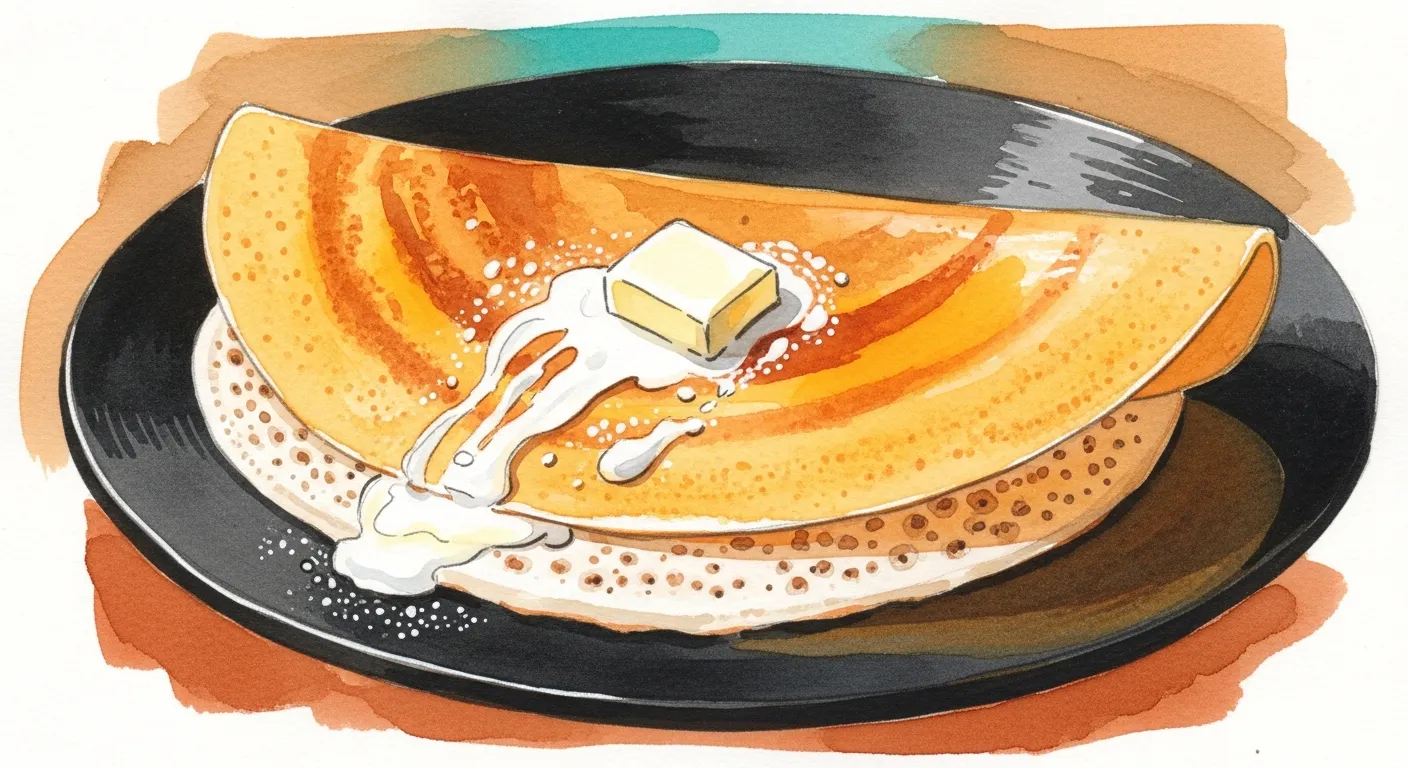
Benne is simply the Kannada word for butter. The dosa is named for the one thing it doesn't compromise on.
For decades, the benne dosa stayed in Davangere. It spread through Karnataka, to Bengaluru's darshinis, those small stand-and-eat breakfast counters where the butter arrives in a white curl balanced on a dosa that costs less than an auto fare. Students from across India passed through Davangere and left carrying the memory of it. Migrants from Karnataka carried it with them wherever they went. Slowly, the craving preceded the dish.
Every great food city is built not by chefs with concepts, but by people with hunger and a long way from home.
In 2024, a couple named Akhil Iyer and Shriya Narayan, both from Bengaluru, both living in Mumbai, opened a cafe in Bandra called Benne. Not because they had a business plan. Because every time Iyer flew back to Bengaluru, he ate a benne dosa before going home. Every time. The craving was not for food. It was for a feeling.
That cafe, a neighbourhood place, no pretension, dosa and filter coffee, filled a gap in Bombay's food map that the city hadn't known was there. A queue formed. The city understood immediately.
What ties all of this together is not the dosa. It's the movement.
A flood in 1923 sent men with recipes north to Bombay. A woman in Davangere in 1928 started a stall to feed her children. Students and migrants carried these tastes across decades and distances. A couple in Bandra in 2024 opened a cafe because they missed a feeling they couldn't find anywhere else.
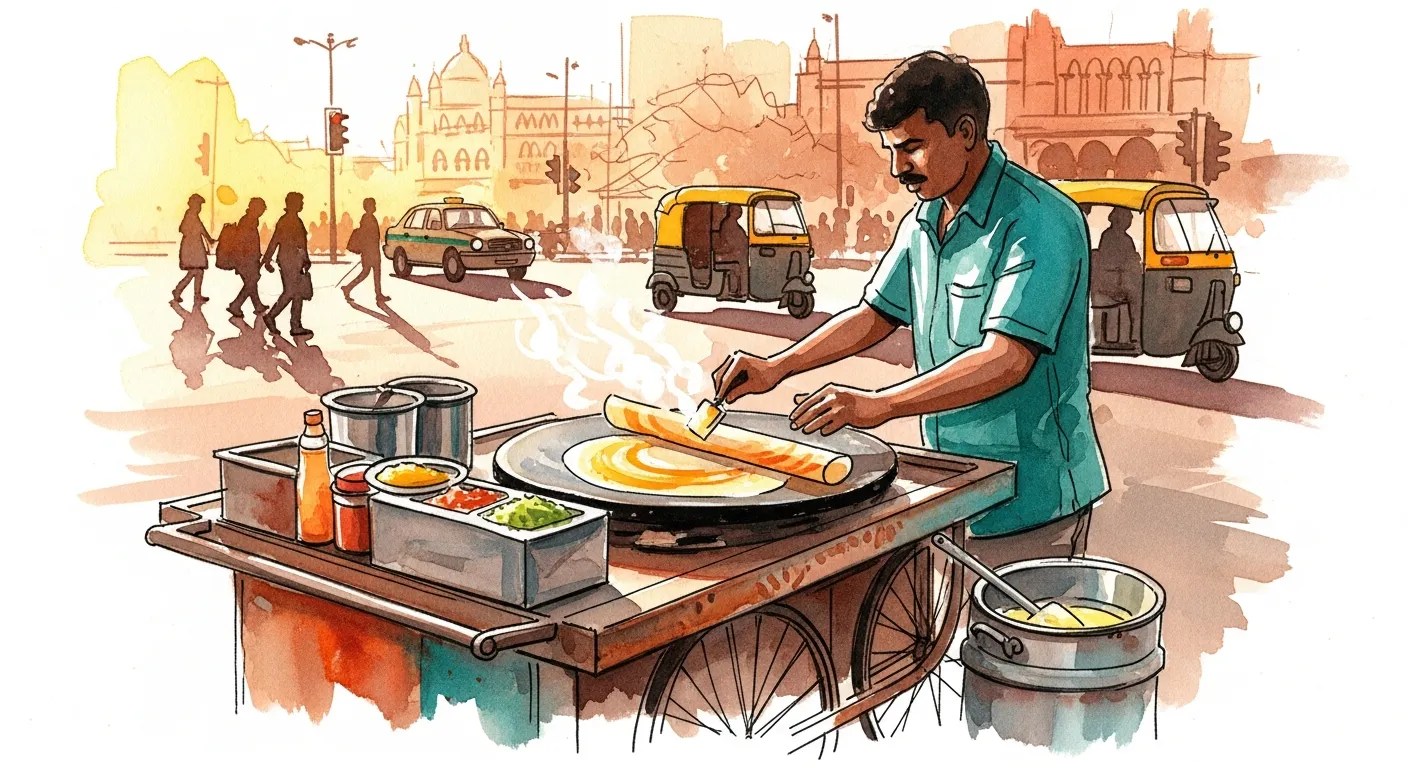
Bombay understood this before it knew what to call it. It took the dosa, absorbed it, made it strange and then familiar, turned it into a street food and a sit-down breakfast and a late-night craving and a ₹40 thing you eat standing up at a window.
The dosa arrived in this city as someone else's. It left as everyone's.
That's what Bombay does. That's always been what Bombay does.
Field Notes
Quick referenceCafe Madras, Matunga, open since 1940. Rava dosa and filter coffee. A Rama Nayak's in King's Circle, the oldest. Shared tables. Go hungry.
Benne in Bandra. White butter, proper chutney, filter coffee. The couple who opened it because they missed Bengaluru.
Davangere, Karnataka. Shantappa Dosa Hotel near the Clock Tower. Third generation. Wood-fired tawa. The butter is local, white, and not negotiable.
Puffed rice (mandakki) gives it porosity. It absorbs butter as it cooks. Chutney has cardamom. Potato palya has no onion. Every element lets the butter be the star.
Dark, chicory-blended, pulled between two tumblers until it foams. Not an accompaniment. The conclusion. Order it. Drink it hot.
Get the next story first
Join the Bhukkads. Free, no spam, just stories.
Takes 30 seconds.