01
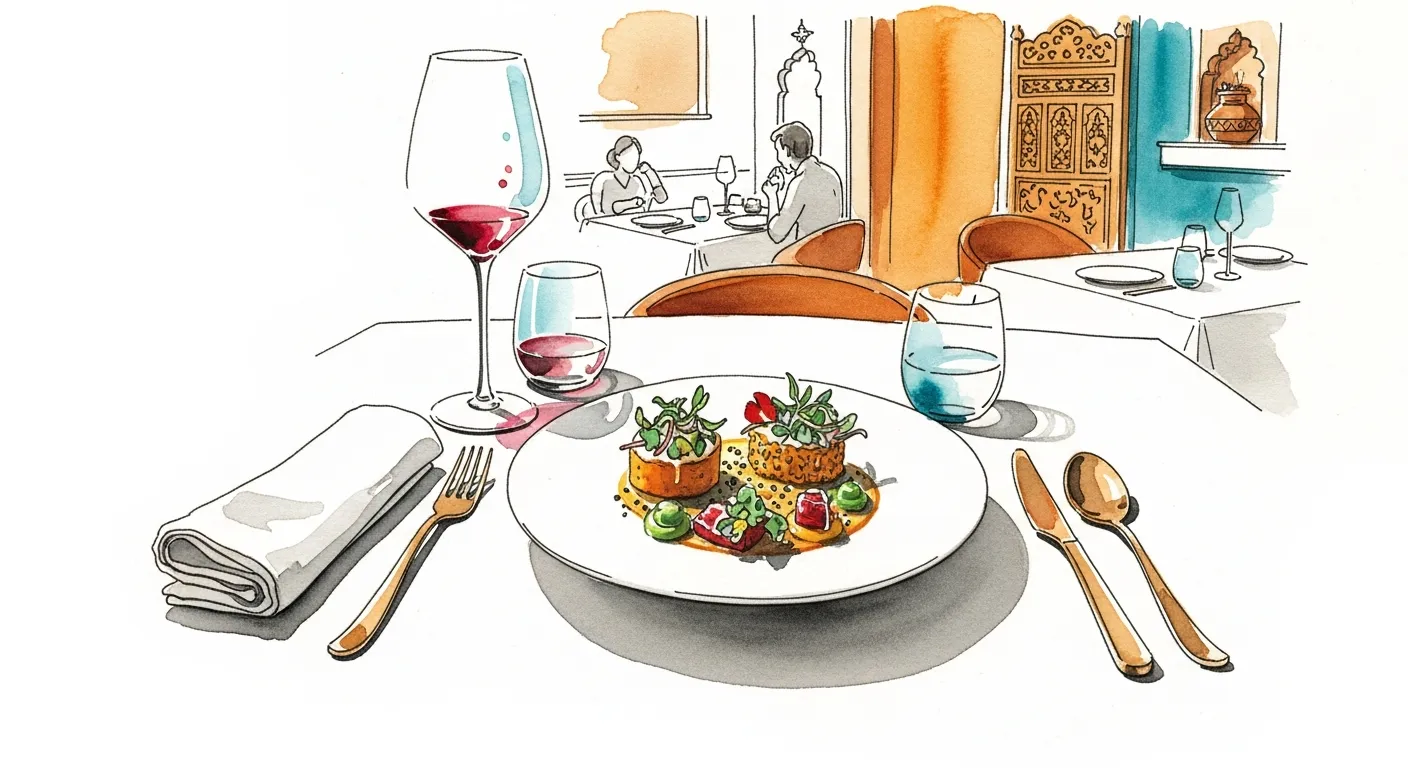
Fine Dine Lower Parel
The Twenty-Seat Rebellion
Lower Parel's fine-dining rooms are quietly shrinking. The economics finally caught up with the chandeliers.
6 min read 4 Aug 2026
A hungry state of mind
The stories behind the food. The people, the places, the plates.
Lower Parel's fine-dining rooms are quietly shrinking. The economics finally caught up with the chandeliers.
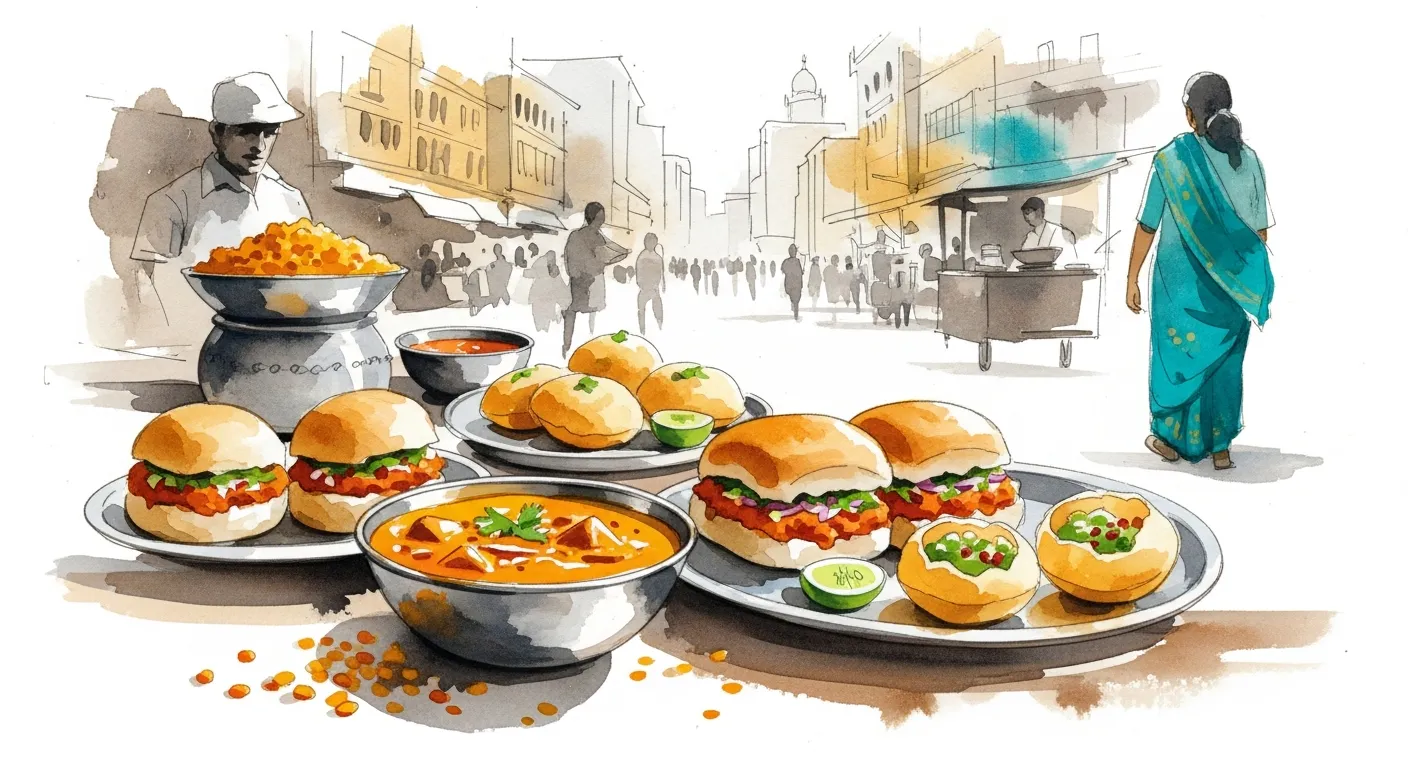
Eleven new restaurants, a tribal food festival, a Parsi brunch, and an Amalfi lemon on its ninth birthday. August has plans for you.
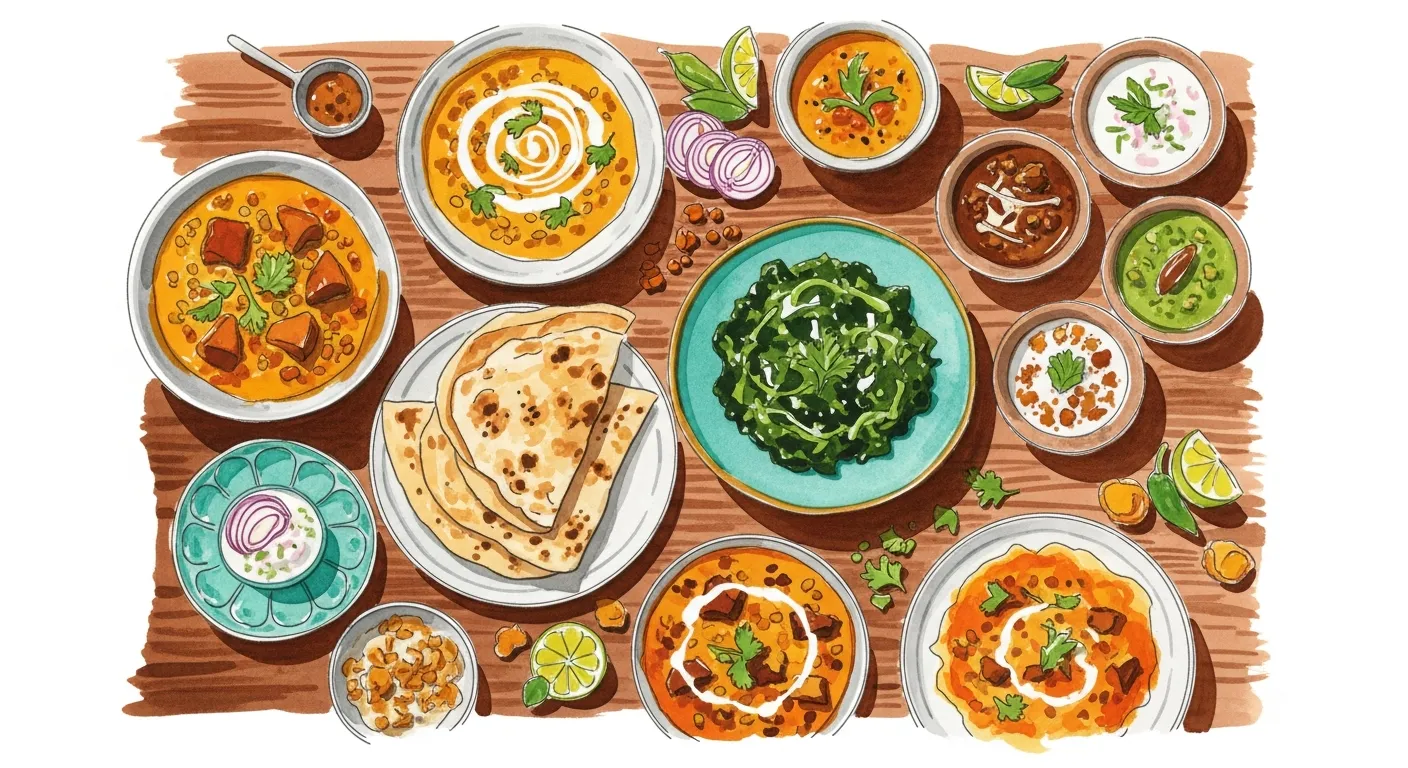
Bandra is full of restaurants that started as something else. A dinner. A weekend. A bet placed by a chef who couldn't afford to lose.
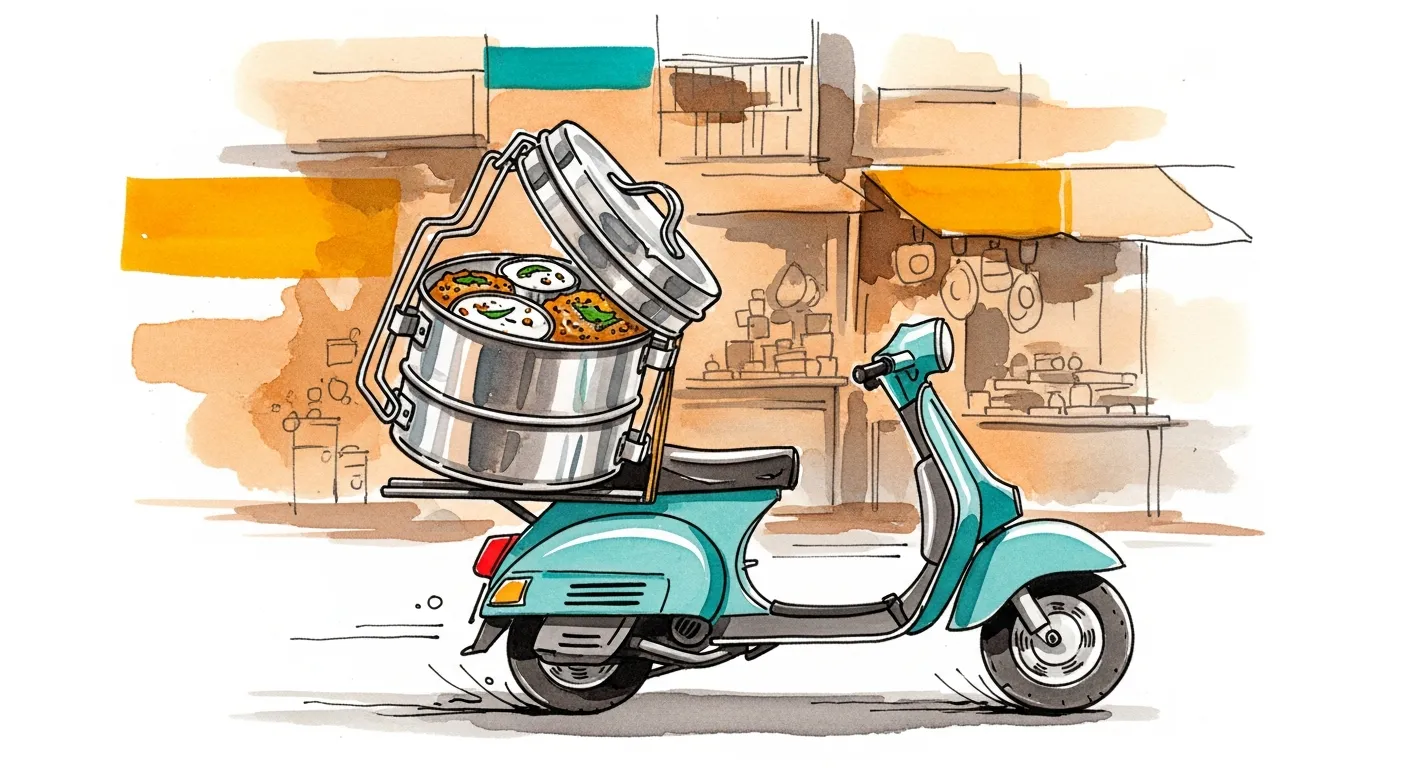
How a generation of Bengali home cooks in Chembur turned grandmother's kitchen into a subscription service, one steel tiffin at a time.
A Tokyo Bib Gourmand landing in BKC for two nights. A Sufi mehfil in a 19th-century Byculla furniture house. A Sunday buffet where the band plays until the lobster runs out. The Mumbai weekend, priced and timed.
In Bhuleshwar's lanes, a mithai economy built over 150 years is meeting the economics of organised retail. The kaju katli is fine. The kaju katli-wallah is doing the math.
Mumbai's cocktail bars stopped copying London around 2019. What happened next is a menu written like a book.

In Mazagaon, the home-chef economy was built on trust, telephones, and a tiffin passed hand to hand. Then the app arrived with an invoice.
Fine-dining kitchens in Bandra Kurla Complex are quietly rewriting their supply chains. The imported burrata is losing to the local hardy green. The spreadsheet is winning.
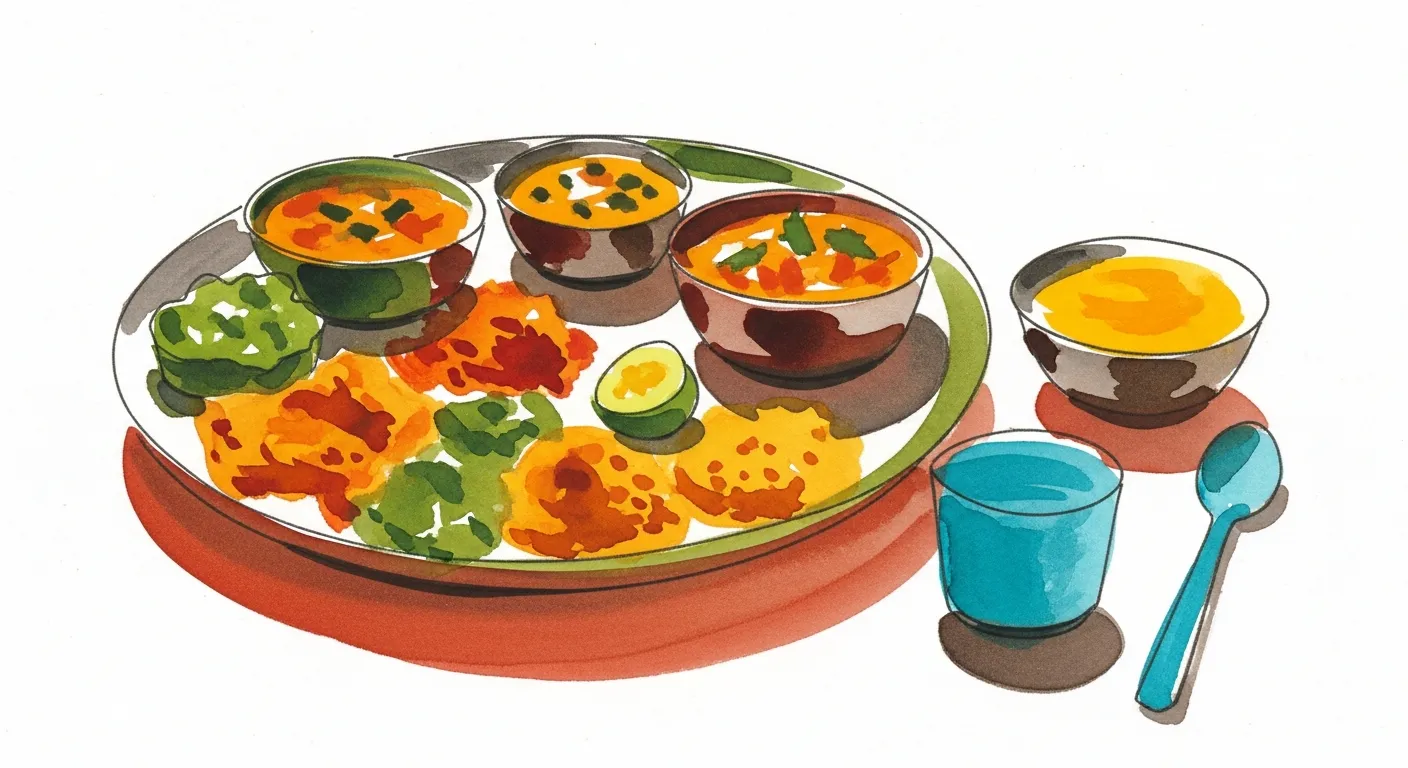
A Korean carnival at Kurla, a pier festival that runs until July 23, a Juhu hotel buffet with a live band playing to 4pm, and the market that has been closed on Sundays since 1869. Two days. One city. A schedule.
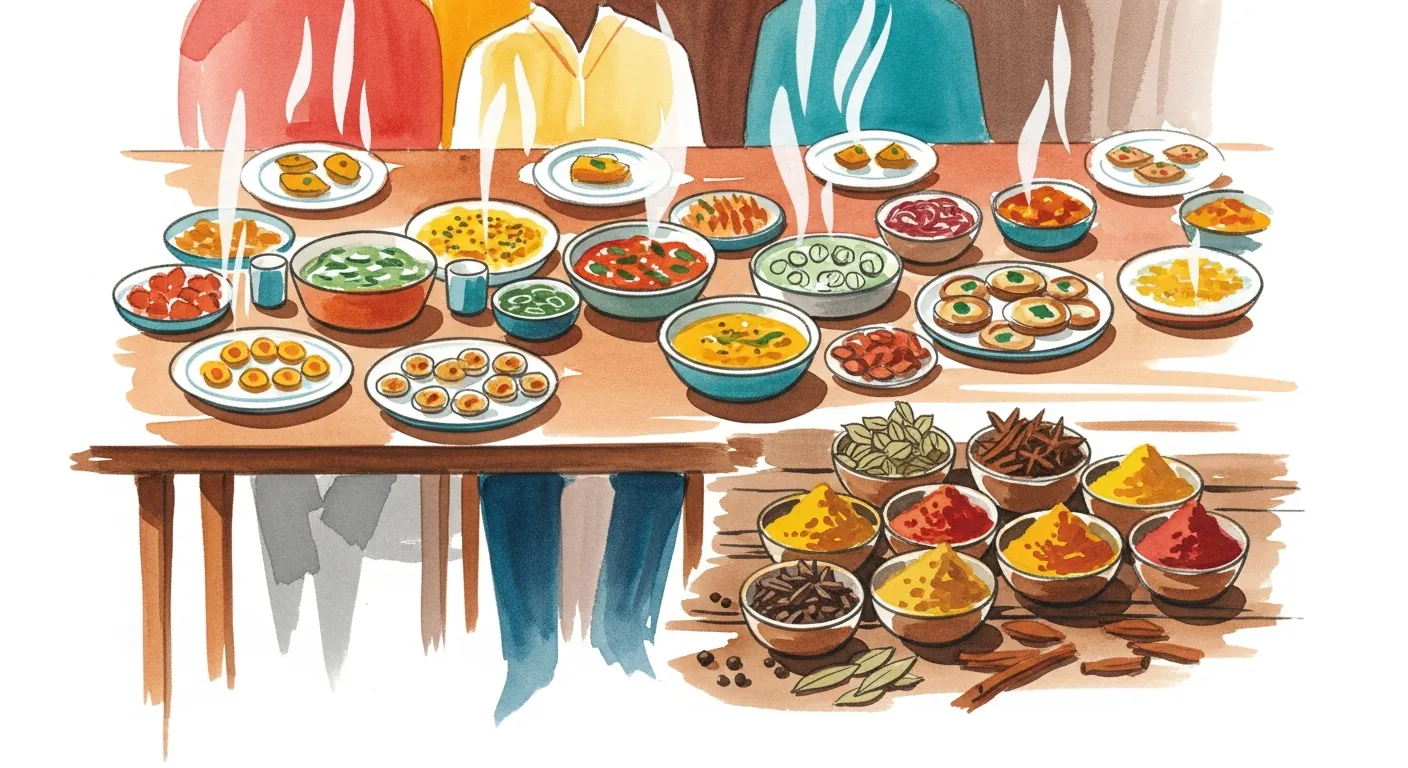
In Versova and Lokhandwala, a quieter economy is taking shape. Home cooks are pooling rent, sharing gas, and putting regional India on plates that used to belong to bar menus.
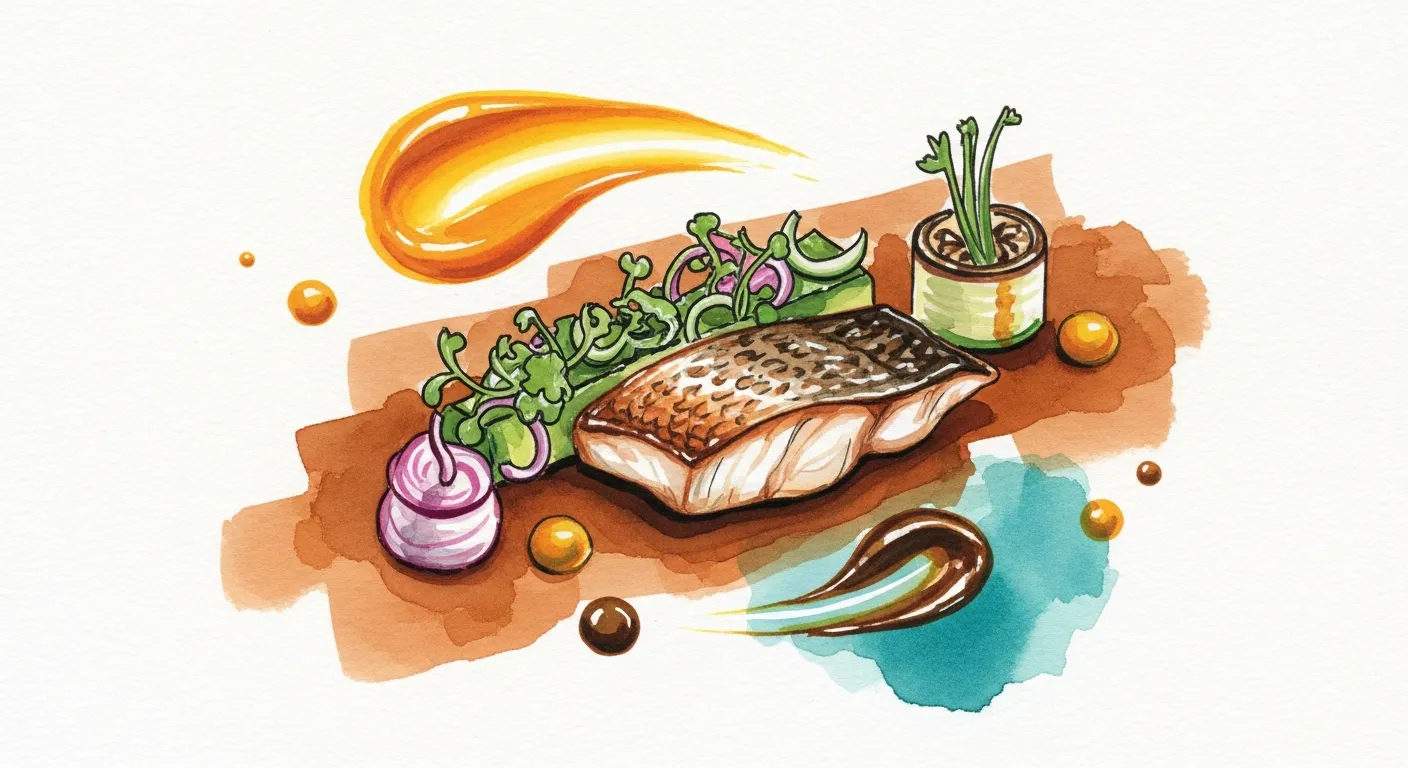
Bandra and Lower Parel's fine-dining rooms are quietly rewiring a four-hundred-year-old supply chain. The middleman is losing. The mackerel is winning.
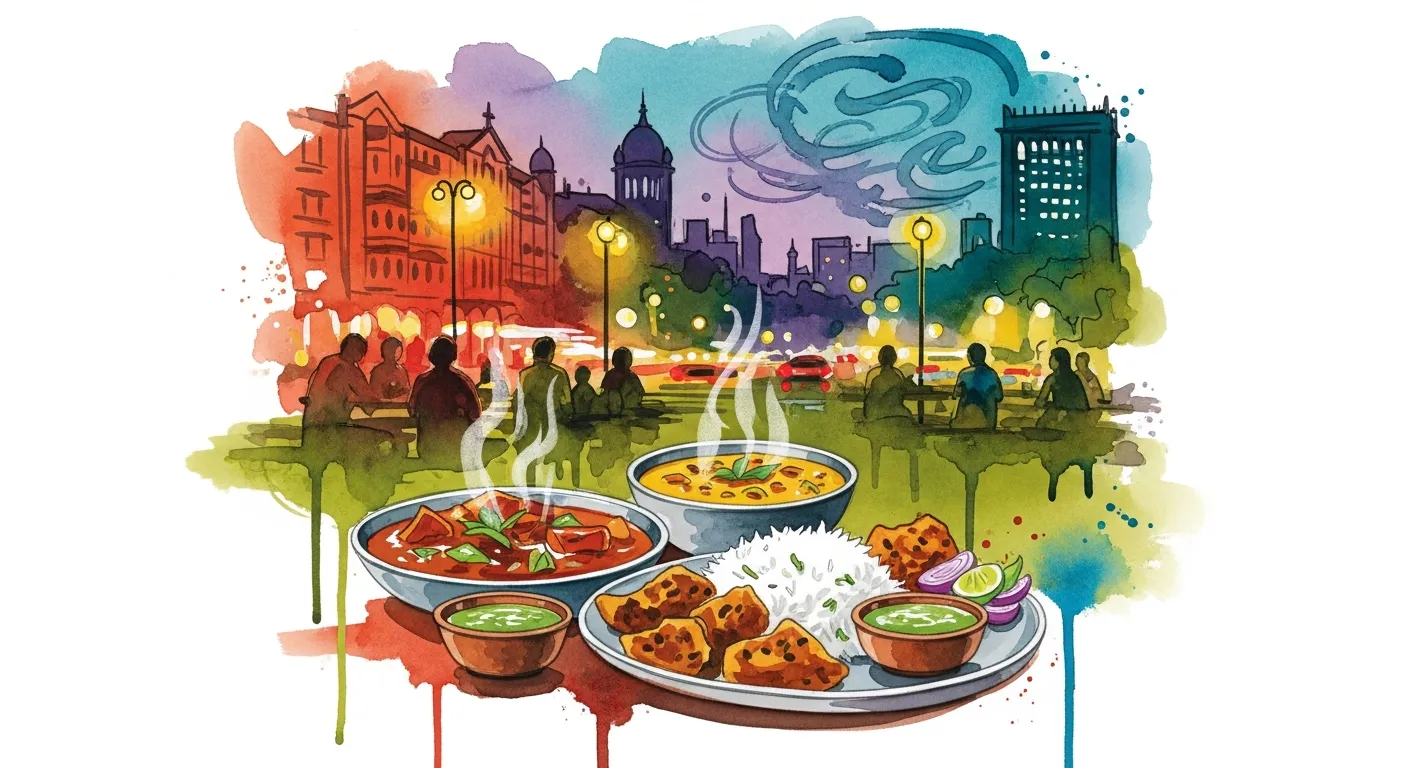
A discovery bar in Khar built around one ingredient. A speakeasy pouring half-cocktails at half the price. A Todi Mill room that took the wardrobe out of the equation. Four rooms. One night. The food menu everyone forgets.
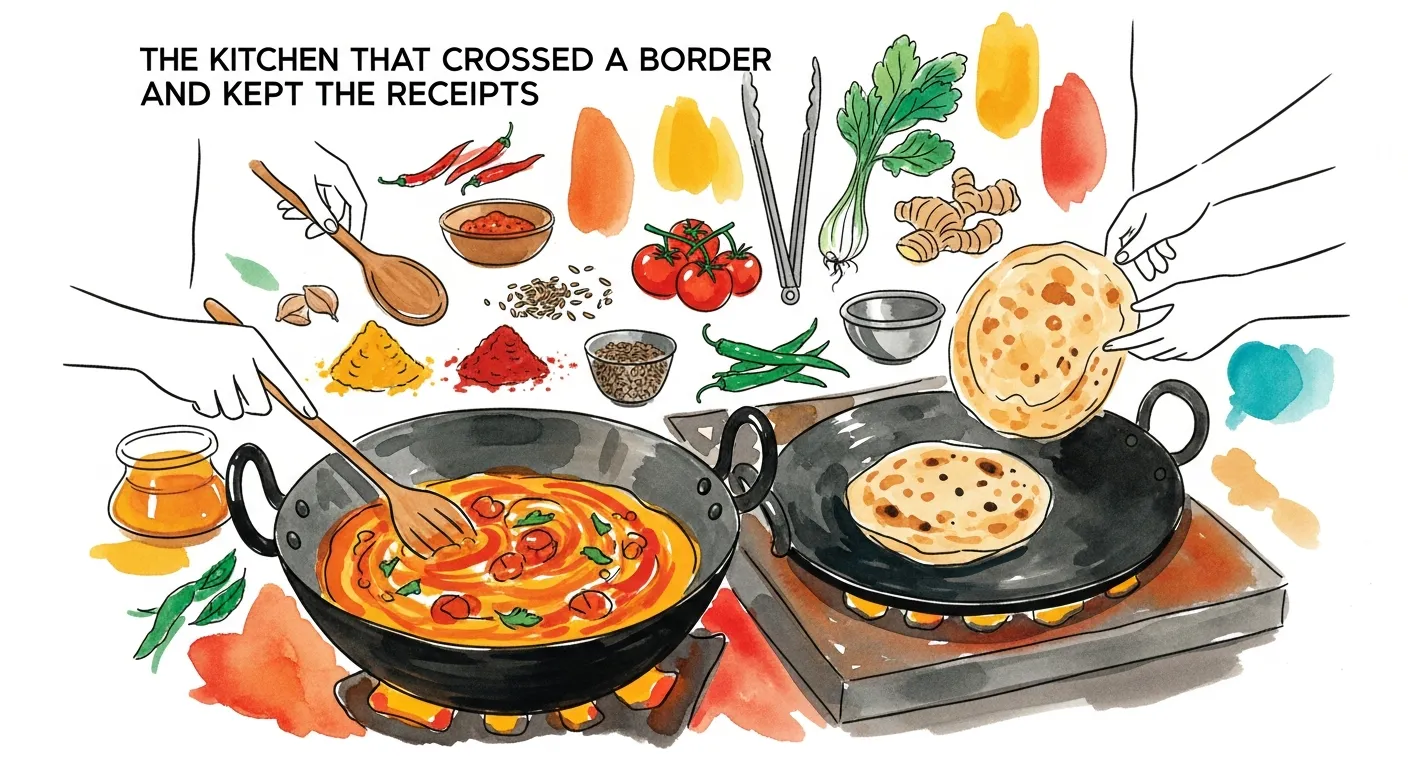
In Chembur, a generation of Sindhi home cooks is doing the maths their grandmothers never had to. The recipe survives. The margin does not.
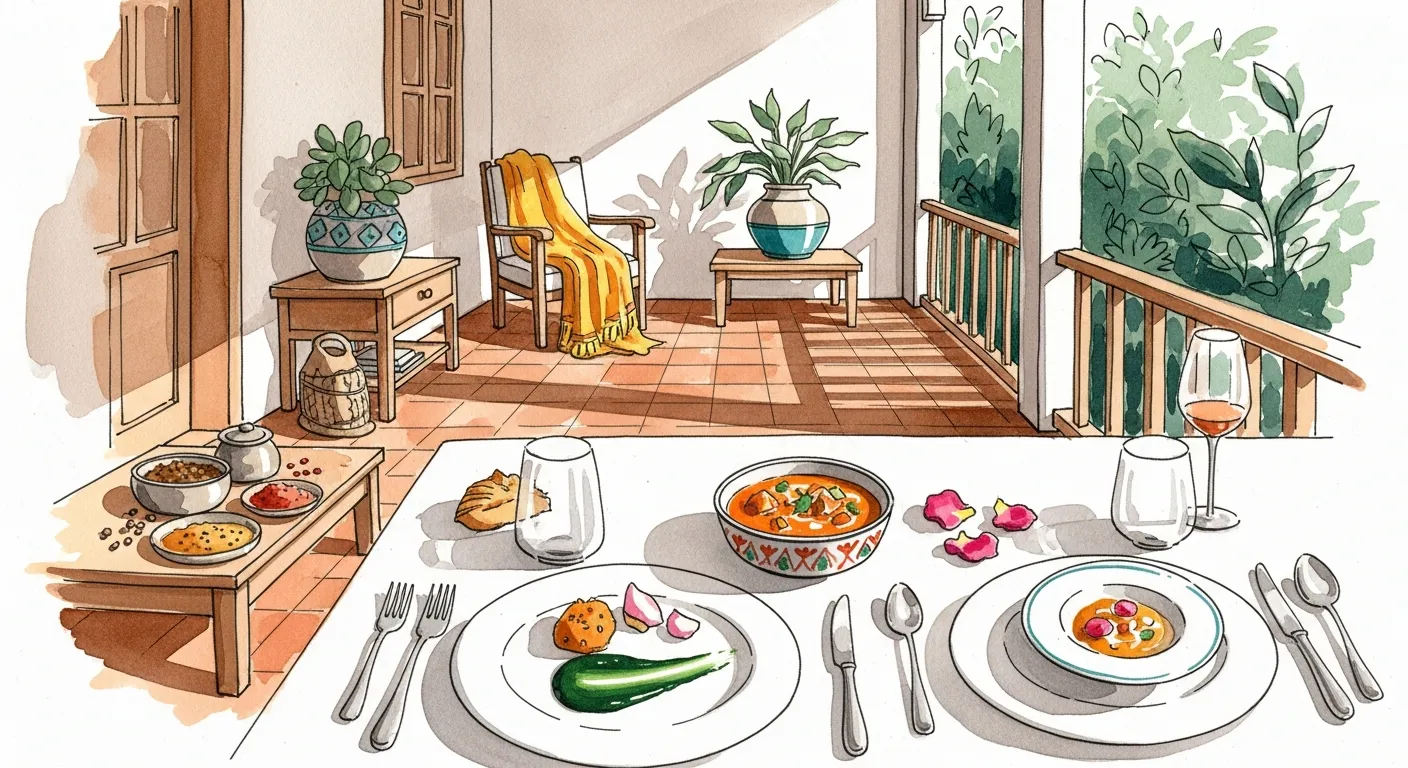
Bandra's lanes are hiding a new kind of restaurant. Fourteen chairs. No signboard. A chef who has finally stopped explaining themselves.
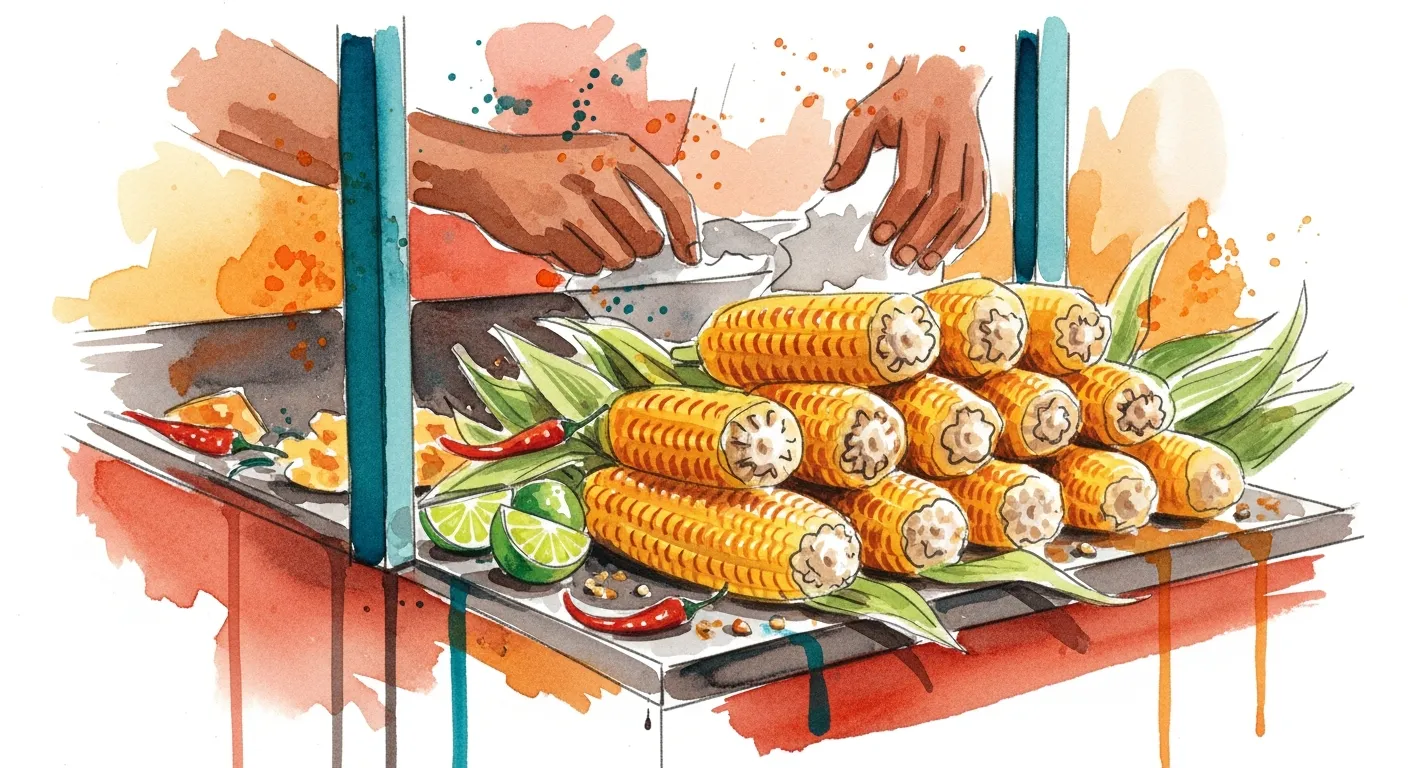
Marine Drive's bhuttawalas have run on two variables for four generations: a coal fire and a monsoon. Both are getting harder to hold.
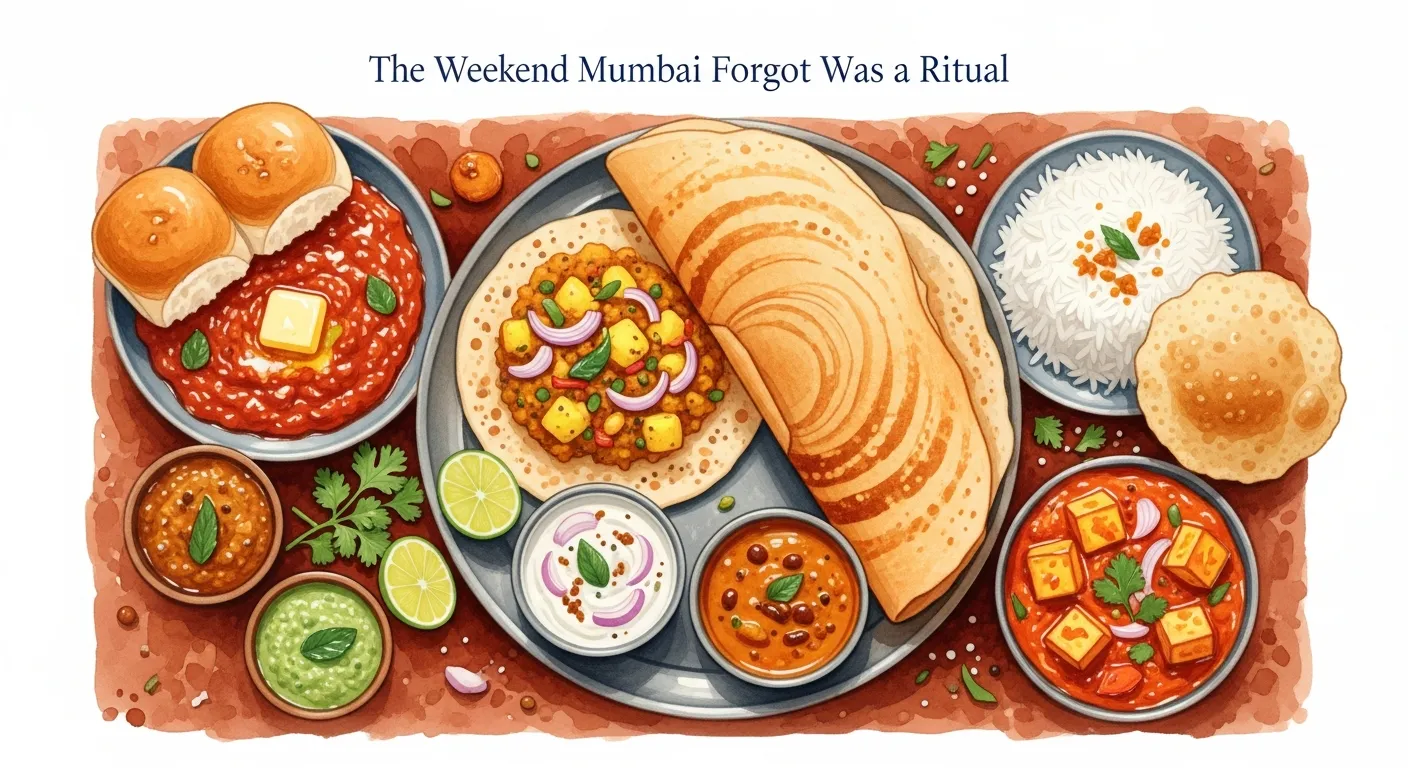
A monsoon pier festival, a blind coffee tasting in Khar, a Korean carnival at Kurla, and the Sunday buffet that still runs a live band past three. Two days. One city. A schedule that assumes you know what you're doing.
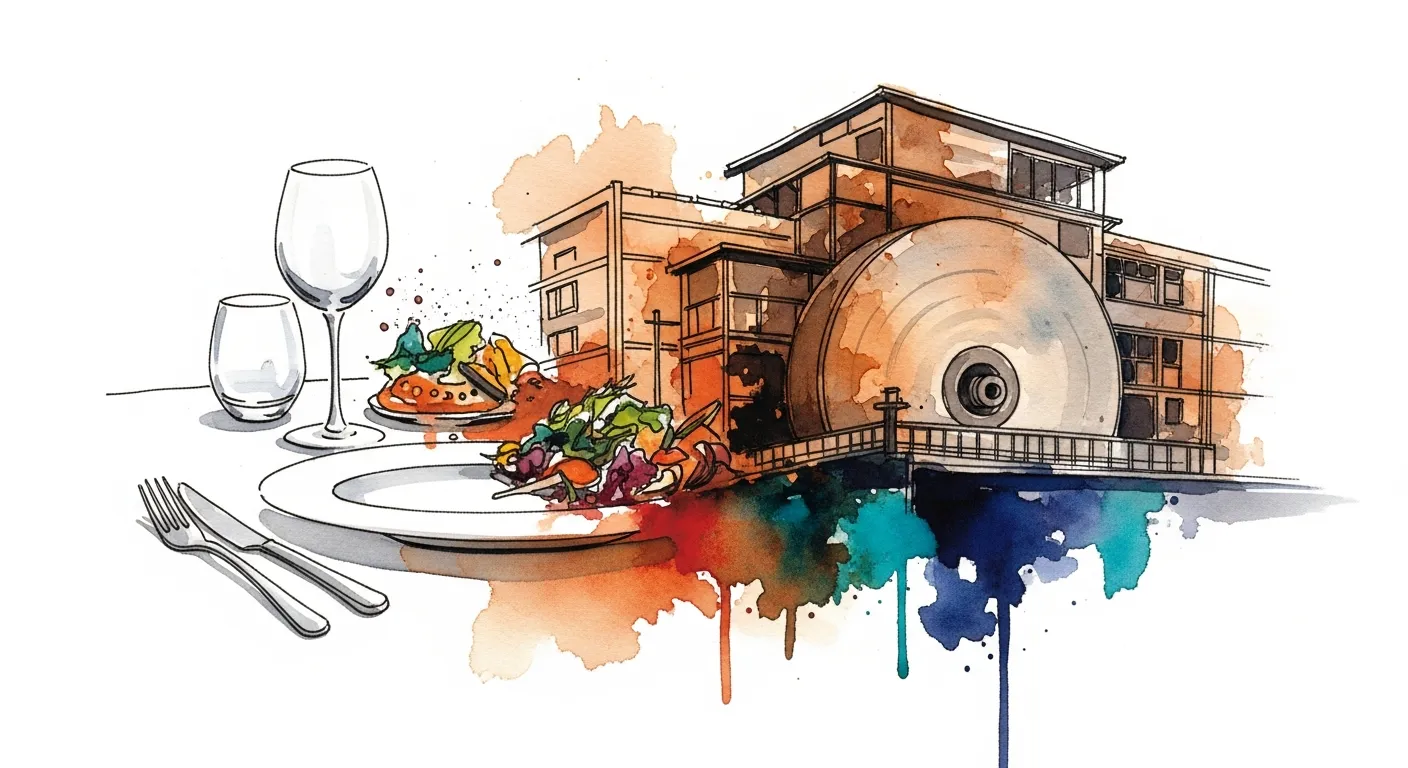
Lower Parel's textile floors are being sliced into 20-seat rooms. The fine-dining playbook is quietly being rewritten.
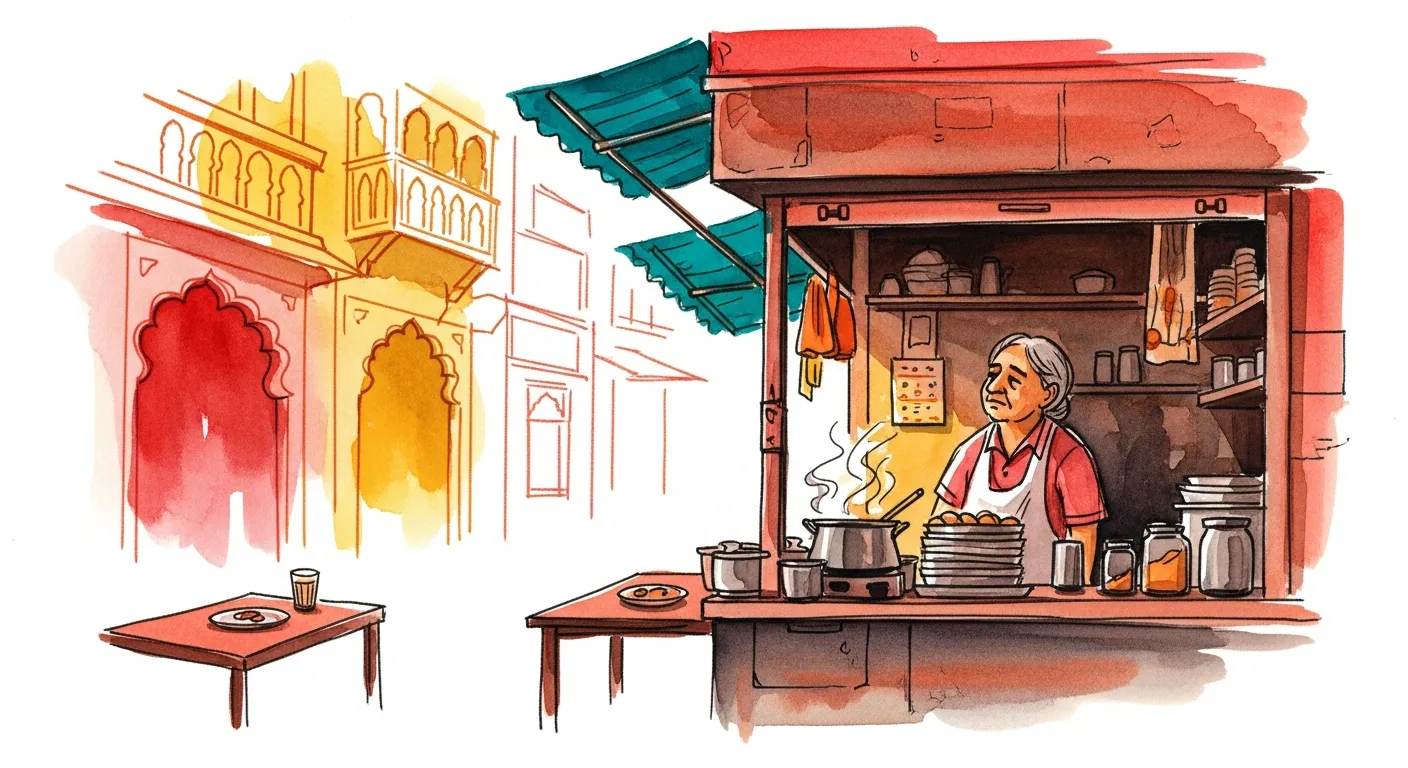
Morarji Desai banned hand-pulled rickshaws in Bombay seventy-five years ago. The men who pulled them ate at specific canteens in Bhendi Bazaar. Those canteens are still there. The men are not. Nobody planned for what happens to a restaurant when its customer base is legislated out of existence.
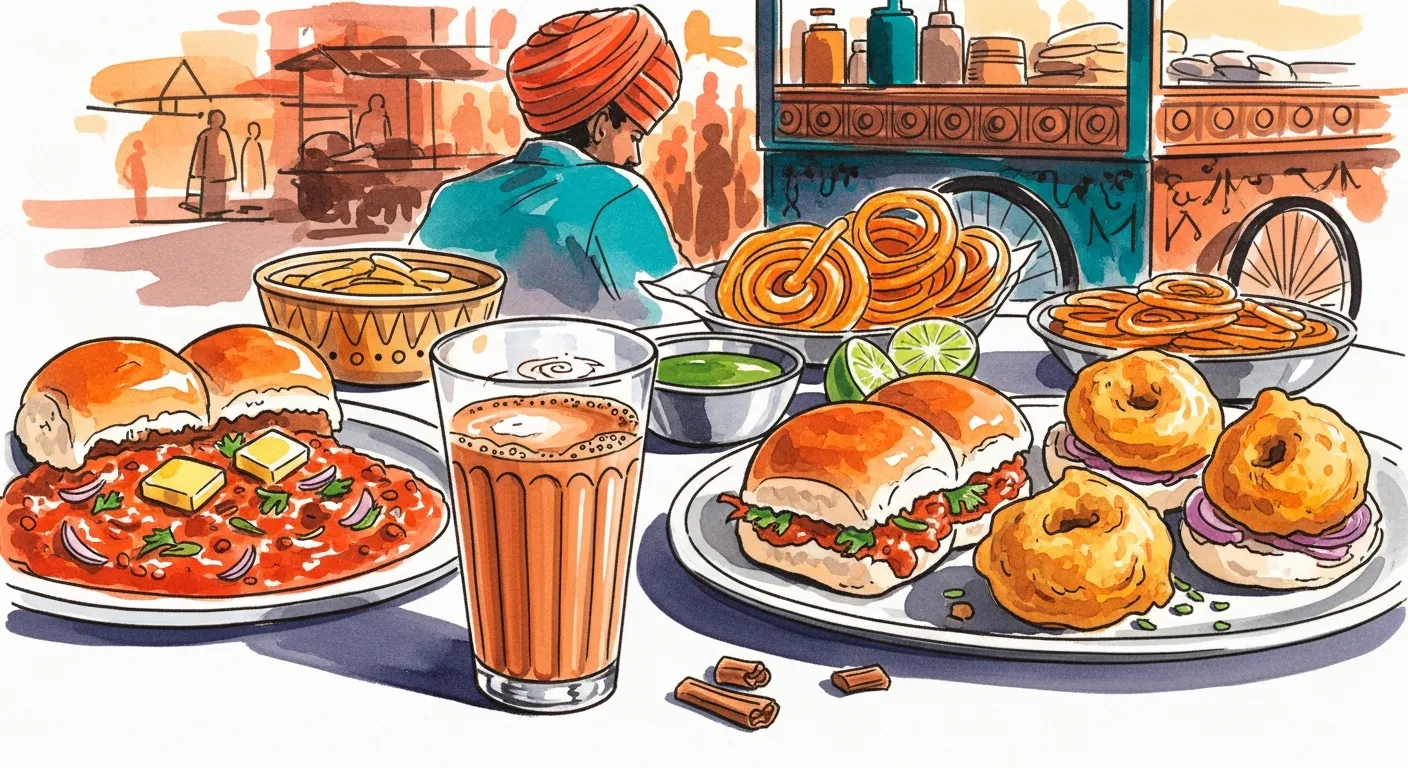
Milk went up two rupees a litre. Sugarcane went up nine hundred a tonne. A generation of office workers started ordering cold brew. The cutting chai stall at the corner of Fort is doing the maths.