The License That Built Bombay's Night
A 1949 Prohibition Act that nobody really enforced. A lounge bar that opened the same year. A cafe that survived eleven bullets. And the small, stubborn rituals of drinking in a city that was never supposed to drink.
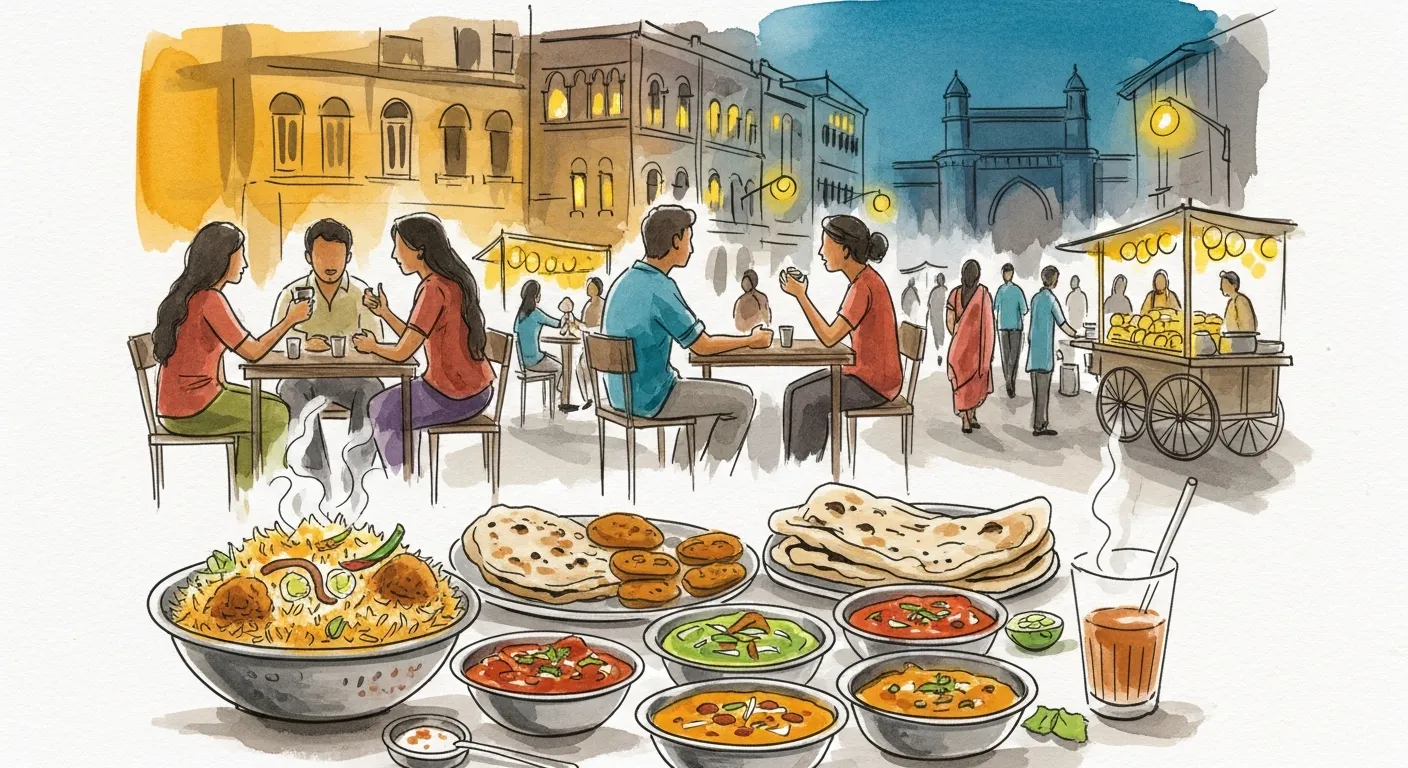
Generated by Imagen 4
In 1949, two years after Independence, the Bombay government passed a law called the Bombay Prohibition Act. It made the manufacture, sale, and consumption of alcohol illegal in the state. The Chief Minister believed Bombay would be a sober city. He believed the law would do the work.
The same year, inside the Taj Mahal Palace Hotel, the Harbour Bar opened as the city's first licensed bar. It looked out at the Gateway of India, at the warships, at the same harbour the British had sailed in on and that the new Indian Navy was now patrolling. The bar served gin. The bar served whisky. The bar served, technically, in defiance of state policy.
The state did not push back. The state, in fact, issued the license.
This is not a story about prohibition. This is a story about how Colaba learned to drink under a law that said it shouldn't, and what that taught the rest of the city about the night.
THE GEOGRAPHY OF THE LOOPHOLE
Nobody talks about the loophole. Everybody talks about the bars.
The 1949 Act was full of holes by design. Tourists could get permits. Foreigners could get permits. Residents who could prove a medical need for alcohol, on the grounds that going without might affect their health, could get a permit too. Doctors signed these forms with a steady hand. By the early 1950s, the permits were everywhere, and the bars that served the permit holders were clustered, almost entirely, in one neighbourhood.
Colaba.
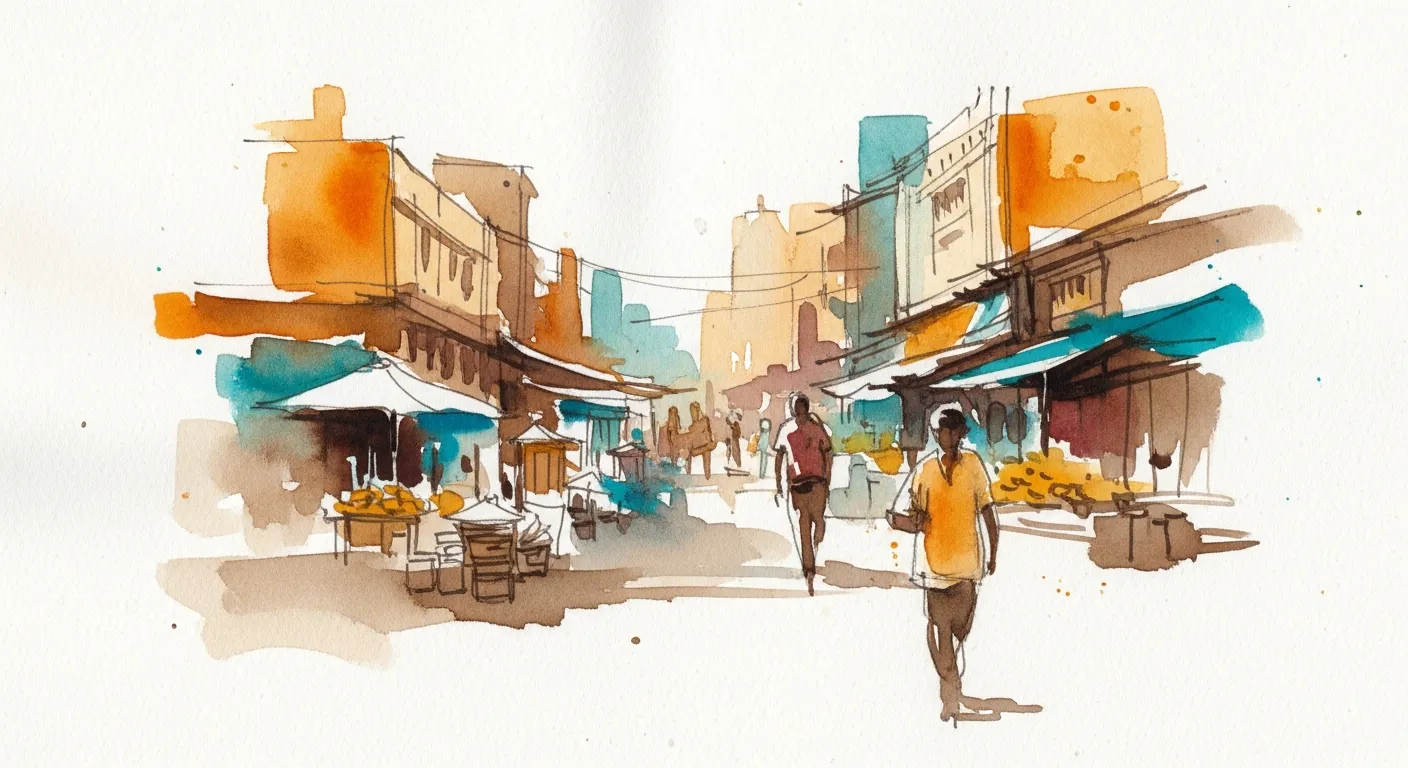
The reason was simple. Colaba had the hotels. The hotels had the foreign guests. The foreign guests had the licenses. The licenses justified the bars. The bars, once they existed, served everyone who walked in with a permit, and a great many who walked in without one.
Bombay's drinking culture was not built on freedom. It was built on a paperwork exception that everybody agreed not to look at too closely.
LEOPOLD, 1871
The oldest continuous drinking room in the neighbourhood predates the law by seventy-eight years. Leopold Cafe opened in 1871, founded by Iranian immigrants on Colaba Causeway. It was a wholesale store first, a restaurant second, a cafe third. The bar came later. The bar always comes later.
It sat on the same corner through the World Wars, through Partition, through the prohibition years, through the long slow loosening of the 1970s when the state quietly stopped checking permits, through the 1991 liberalisation that let foreign liquor brands back into the country.
In November 2008, two men walked in with assault rifles and opened fire. The cafe's facade still carries the bullet holes. The owners chose not to plaster them over.
The holes are not a memorial. They are an opening hour.
Leopold reopened several weeks later. The same waiters. The same Kingfisher on tap. The same chipped wooden chairs. People came back because the alternative, in a city like this, is to let the night belong to the people who shot at it.
GOKUL AND THE ECONOMICS OF THE DIVE
A two-minute walk from Leopold, down a lane behind the Taj, sits Gokul, the dive bar that has anchored Colaba's working drinking culture for decades. Tube lights. Formica tables. A menu that is mostly old monk and mostly fried.
Gokul is what happens when the loophole becomes the law. When the permit system collapses into a regular liquor license and the price of a drink is allowed to find its own level, this is the level it finds. Two hundred rupees for a large. A bowl of chakna that arrives without being asked for. A waiter who has worked here longer than you have been allowed to drink.
The upstairs is air-conditioned. The downstairs is not. The downstairs is where the city actually drinks.
The clientele is a cross-section that no other neighbourhood produces. Naval officers in civvies. Backpackers from the Salvation Army hostel. Journalists from the offices around Fountain. Antique dealers from the Causeway. The occasional film crew. A man in a kurta who has been there since five and will be there until close. Nobody asks anybody what they do. Gokul has a rule, unwritten, that the night flattens hierarchy. A captain of industry and a captain of a fishing boat are paying the same two hundred rupees for the same Old Monk.
THE SOCIAL CONTRACT, REWRITTEN IN 2014
In 2014, a hospitality group opened a bar on the second floor of a building on Apollo Bunder. They called it Colaba Social. Long tables. Power outlets at every seat. A menu that listed cocktails at three hundred and fifty rupees and bar bites at two hundred. The model was new for India. It was a coworking space until 7 PM and a bar after.
The younger crowd that had aged out of Gokul but could not yet afford the Harbour Bar found a third place. They had been waiting for it without knowing.
Social did not invent the Bombay night. It just put a USB charger next to it.
What Social did, more than anything, was teach the neighbourhood that the bar could be a workspace, a meeting room, a first date, a second date, a breakup venue, a launch party, and a quiet drink alone, all in the same eight-hour shift. The Irani cafes had done this for a century with chai. Social did it with a Long Island.
THE COCKTAIL THAT REMEMBERS THE TOWER
In March 2024, a bar called Neuma, housed in a restored bungalow on Mandlik Road, unveiled a cocktail menu titled From Bombay to the World and Back. The drinks were named after the city's landmarks. One of them, called Time Flies, was built around Earl Grey tea and beet-infused vodka. It was a tribute to the Rajabai Tower, the clock tower at Bombay University that has been chiming the hour over the maidan since 1878.
This is the latest grammar of the Colaba bar. The drink references the building. The building references the merchant who paid for it. The merchant, Premchand Roychand, made his fortune in the cotton boom of the American Civil War. The tower was named after his mother, who was blind and observed a strict Jain fast that ended each evening at sunset, which she could no longer see. The chimes told her when to eat.
The cocktail does not tell you any of this. The cocktail is just Earl Grey and beet vodka and a name. The story is in the glass only if you go looking for it.
The broader South Mumbai cocktail scene now leans into classic luxury formats, blending global techniques with local ingredients. The kokum negroni. The tamarind sour. The chai-washed bourbon. None of it would have been legal in 1949. All of it is normal in 2026.
THE THREE BARS, ONE STREET
Walk the Causeway from Regal to Sassoon Dock and you can drink across the entire history of the Bombay night in three stops.
Leopold for the bullet holes and the Kingfisher. The bar that survived. The bar that opened the year the Suez Canal did and is still pouring.
Gokul for the two hundred rupee large and the chakna and the man in the kurta. The bar that built itself out of the loophole and refused to upgrade when the loophole closed.
The Harbour Bar at the Taj for the gin martini and the view of the Gateway. The bar that the state licensed first, in the year nobody was supposed to be drinking, because some forms of drinking were always going to be allowed.
Three bars. One street. Seventy-seven years of negotiation between the law and the night.
WHAT THE NIGHT KNOWS
The Bombay Prohibition Act of 1949 has never been repealed. It is still on the books. The state has just amended it, again and again, until the prohibition applies to almost nobody. You can drink in Colaba tonight because of a law that says you cannot, modified by exceptions that say you can, enforced by an apparatus that decided long ago to look the other way.
The waiters at Gokul know this. The bartenders at Neuma know this. The doorman at the Harbour Bar definitely knows this. Nobody says it out loud because saying it out loud is not how the city works.
The city works on a license that was issued in 1949 to a hotel that was already serving drinks, in a neighbourhood that had been drinking since 1871, on a coastline that had been drinking since the Portuguese.
The loophole is the law now. The law is just the loophole's older cousin.
Finish the drink. The bar shuts at one thirty.
Field Notes
Quick referenceThe Bombay Prohibition Act of 1949 has never been repealed. It's still on the books.
Colaba had the hotels. The hotels had the foreign guests. The guests had the licenses.
Two hundred rupees for a large at Gokul. The same price for a captain and a fisherman.
Opened in 1871. Still carries the bullet holes from 2008. Still serves Kingfisher.
Licensed by the same state that banned alcohol. The loophole was built into the law.
Get the next story first
Join the Bhukkads. Free, no spam, just stories.
Takes 30 seconds.