The Ice That Came From Walden Pond
In 1834, a man in Boston shipped frozen lake water to Bombay. The city served it as ice cream. Nothing was ever the same.
Watercolor illustration
Somewhere in Boston in 1805, a 23-year-old named Frederic Tudor looked out at a frozen New England pond and had a thought that everyone around him considered deranged.
What if you could sell this ice to people who had never seen it?
Not people nearby. Not the American South, not the Caribbean. Eventually, India. The sweltering, sun-hammered, impossible-to-cool Indian subcontinent, 16,000 miles away, four months by sea. Tudor’s family thought he was going through a phase. The shipping companies refused to take his cargo. The Boston Gazette covered his first shipment in 1806 with the headline: "No joke. A vessel has cleared at the Custom House for Martinique with a cargo of ice. We hope this will not prove a slippery speculation."
It did prove a slippery speculation. It proved a disastrous one. The ice melted. Nobody in Martinique knew what to do with it. Tudor lost everything, then borrowed more and lost that too. He went to debtors’ prison. Twice. Each time he got out, he went back to the ice.
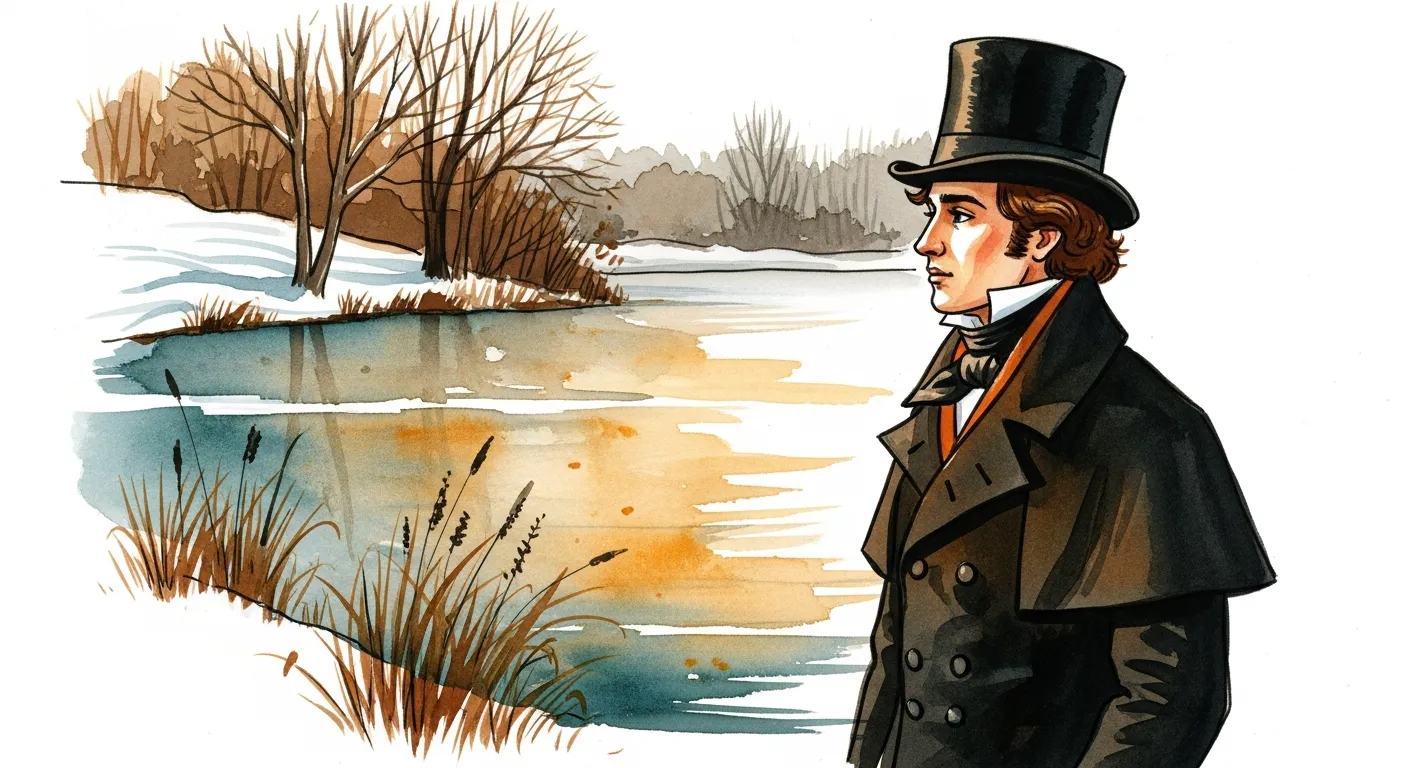
Twenty-seven years. Two stints in debtors’ prison. He kept shipping ice.
Twenty-seven years of failure, refinement, and stubbornness later, he cracked it.
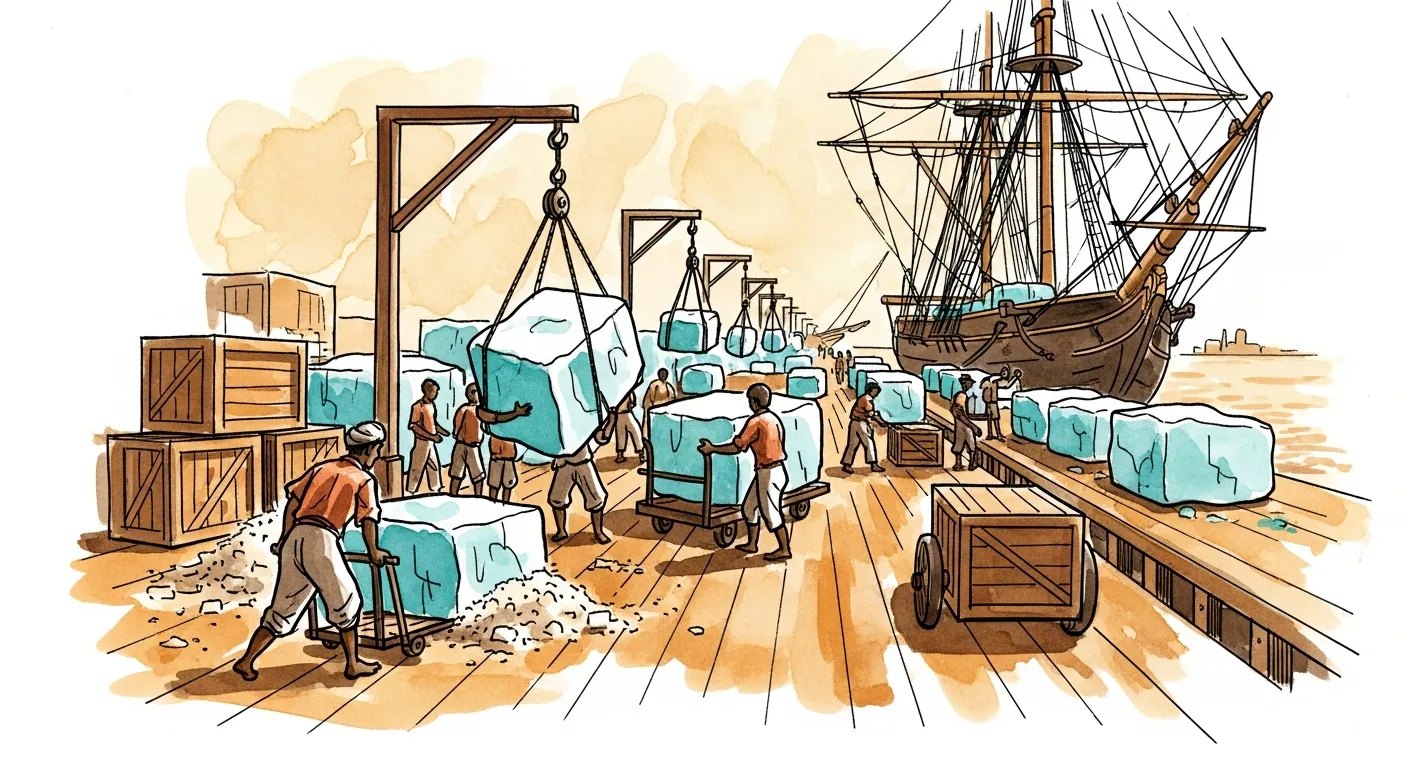
The secret was sawdust. Packed tightly between blocks of cut ice, sawdust insulated well enough to keep the cargo frozen across the Atlantic and Indian Oceans. The ice was free, cut from frozen ponds in Massachusetts winter. The sawdust was free, waste product from lumber mills. The ships were cheap, they left Boston empty anyway, heading to the West Indies to collect cargo. Tudor had built a global supply chain out of things nobody else wanted.
On May 12, 1833, the brig Tuscany sailed from Boston for Calcutta with 180 tons of ice in its hold. The journey took four months. When the ship arrived, people gathered at the docks genuinely unsure if this was some kind of elaborate British joke. It was not. Of the original 180 tons, 100 had survived the crossing. Tudor sold every block.
Bombay got its first ice cargo the following year, September 1834. The city had a geographic advantage: it was the first port ships reached coming from Boston around the Cape. The British merchants of Bombay, who had spent decades suffering through Indian summers in wool suits, raised funds immediately, nearly ₹3,900 by public subscription, eventually pooled together by what would become the Times of India, to build the city its own ice house. The building went up in 1843, near the government dockyard, between the Scottish Church and what was then the governor’s house. A circular, double-walled structure designed to hold 150 tonnes of frozen water. Thick walls, few windows, built to forget that Bombay existed outside it.
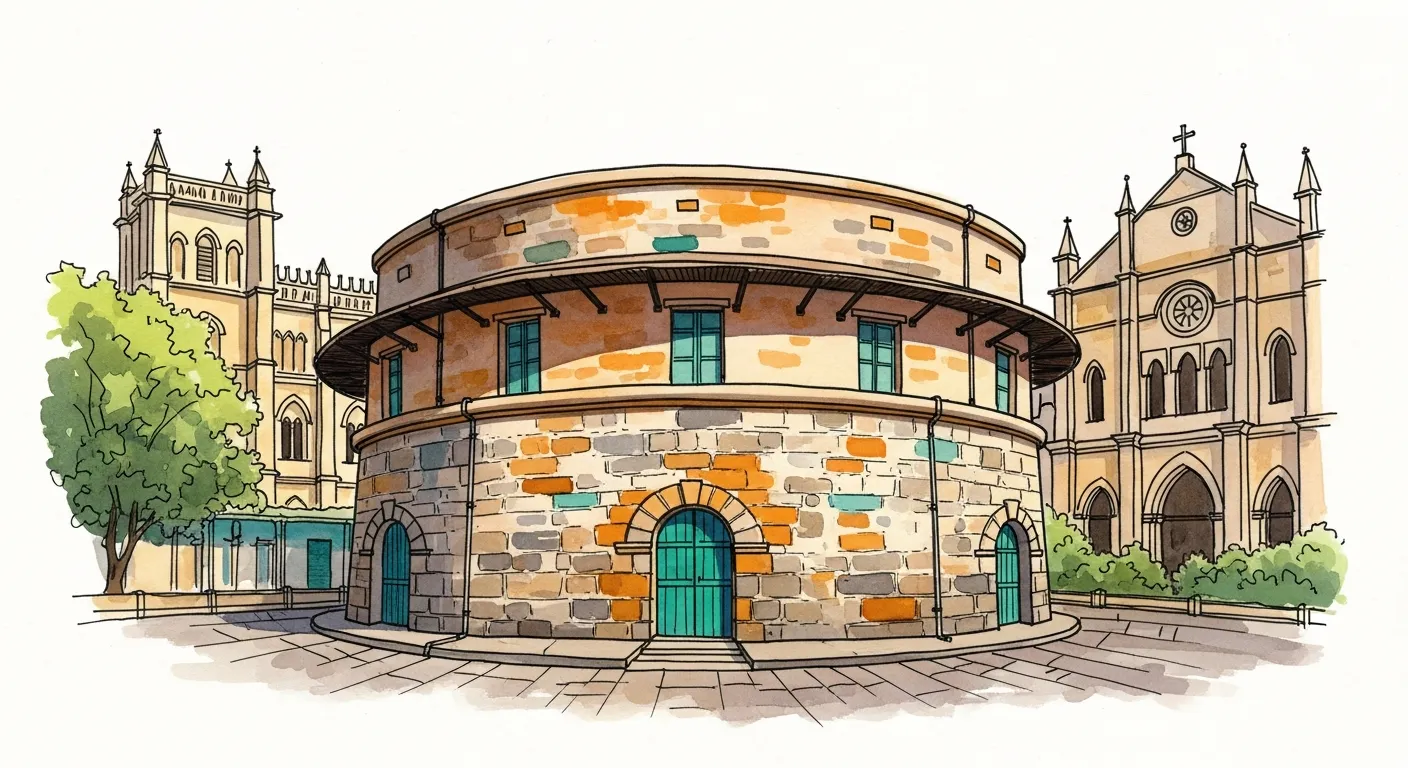
Ice sold for 4 annas, 25 paise, per pound.
The writer Henry David Thoreau, watching Tudor’s workers cut ice from Walden Pond in Massachusetts in 1846, wrote: "The sweltering inhabitants of Charleston and New Orleans, of Madras and Bombay and Calcutta, drink at my well." He was not being poetic. He was being literal. The water in Bombay’s cold drinks had, until a few years earlier, been a frozen pond in Concord, Massachusetts.
By 1847, ice was the second-most traded commodity between the United States and India after cotton. Think about that. Cotton and ice. A crop and a pond.
But Tudor had a problem nobody had anticipated. He had ice. He had ice houses. He had ships running a supply chain that worked. What he didn’t have were customers who knew what to do with frozen water. Most Indians had never encountered ice. The British colonists and Parsi merchants who could afford it, they understood cold drinks. But Tudor needed to create a market, not just fill one. He needed to give people a reason to want ice badly enough to keep buying it.
His solution was ice cream.
Give the city something it could only have with ice, and it would keep buying ice.
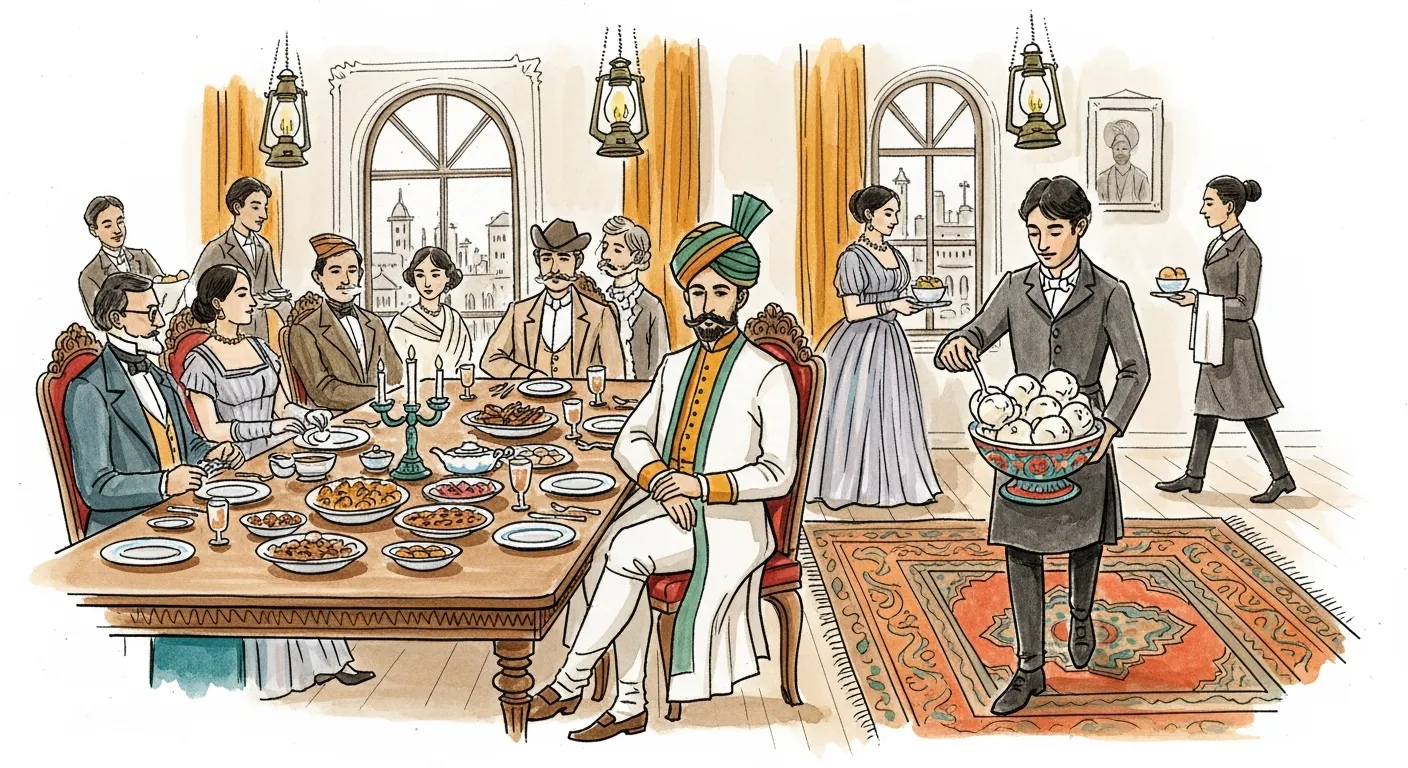
Tudor’s company began actively promoting the dish, then popular in America, unknown in India, to create demand for his product. Give the city something it could only have with ice, and it would keep buying ice.
The city needed someone to make the first move. That person was Sir Jamsetjee Jeejeebhoy.
Jeejeebhoy was Bombay’s foremost Parsi merchant and philanthropist, the first Indian to be made a baronet by the British Crown, a man who had built hospitals, funded schools, donated land for a grazing ground near what is now Charni Road so that cattle owners wouldn’t be charged exorbitant British fees. He was, in every sense, a man who understood that a city’s future depended on the decisions of its boldest citizens.
In 1834, the very year the first ice reached Bombay, Jeejeebhoy threw a housewarming party at his new house and served ice cream to his guests.
It was, as far as records show, the first time ice cream had been served at a public gathering in Bombay. The Bombay Samachar covered it. Not with wonder, with alarm. The paper wrote that the guests, having had the temerity to try this foreign dish, had since come down with colds. A fitting penalty, the paper suggested, for eating something so unnaturally cold.
The colds passed. The appetite did not.
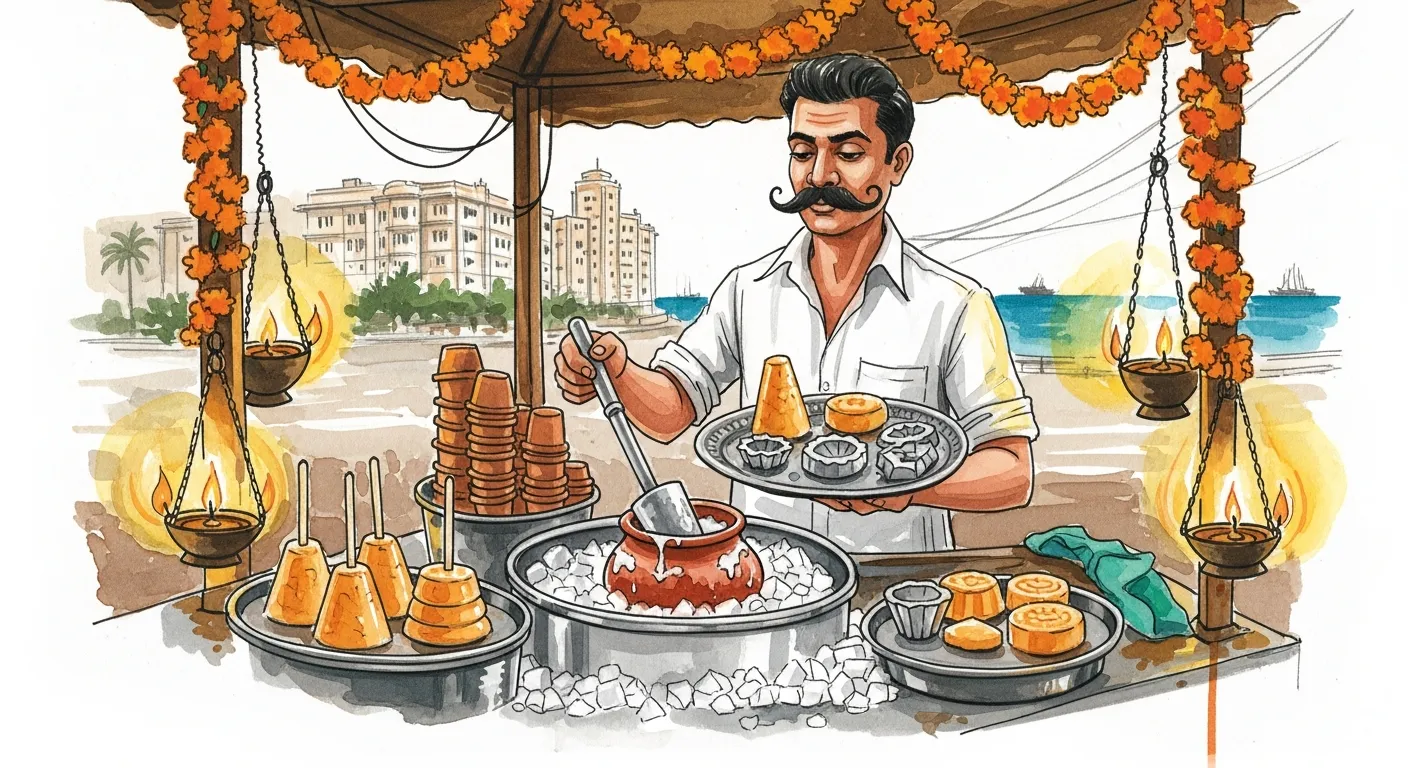
By 1860, ice was no longer a wonder. It was a given. It had restructured how the city stored food, how it served drinks, how it thought about freshness and preservation. The ice house stood near the docks for decades, warehouse, landmark, invisible presence, until it was demolished in the 1920s. A building that had changed the city’s relationship to temperature, gone without ceremony.
A building that changed a city’s relationship to temperature. Gone without a word.
Tudor died in 1864, a millionaire. He never came to India. He never saw the city his ice had helped reshape. He just kept cutting frozen ponds in Massachusetts every winter and trusting that somewhere on the other side of the world, a man in a wool suit was very, very grateful.
Bombay has always been assembled from the stubbornness of people who refused to accept that something couldn’t be done.
The ice cream you ate last week has a longer story than you think.
Field Notes
Quick referenceStood near the government dockyard, demolished 1920s. The Cama Institute on Maharshi Karve Road near Churchgate is believed to stand near the original site.
Funded J.J. Hospital, J.J. School of Art, donated Charni Road grazing ground. First Indian baronet. Introduced Bombay to ice cream and built its oldest public hospital.
The Frozen-Water Trade by Gavin Weightman is the definitive book. Smithsonian Magazine has the quick version.
The pond Thoreau wrote about was literally being shipped to Bombay as cold drinks. Both things are true simultaneously.
Kulfi at Rustom's, Marine Lines. Parsi-owned, still running. A direct line to Jeejeebhoy's 1834 housewarming.
Get the next story first
Join the Bhukkads. Free, no spam, just stories.
Takes 30 seconds.