The Last Bun Maska
550 Irani cafés once. Fewer than 30 now. The marble is cracking.
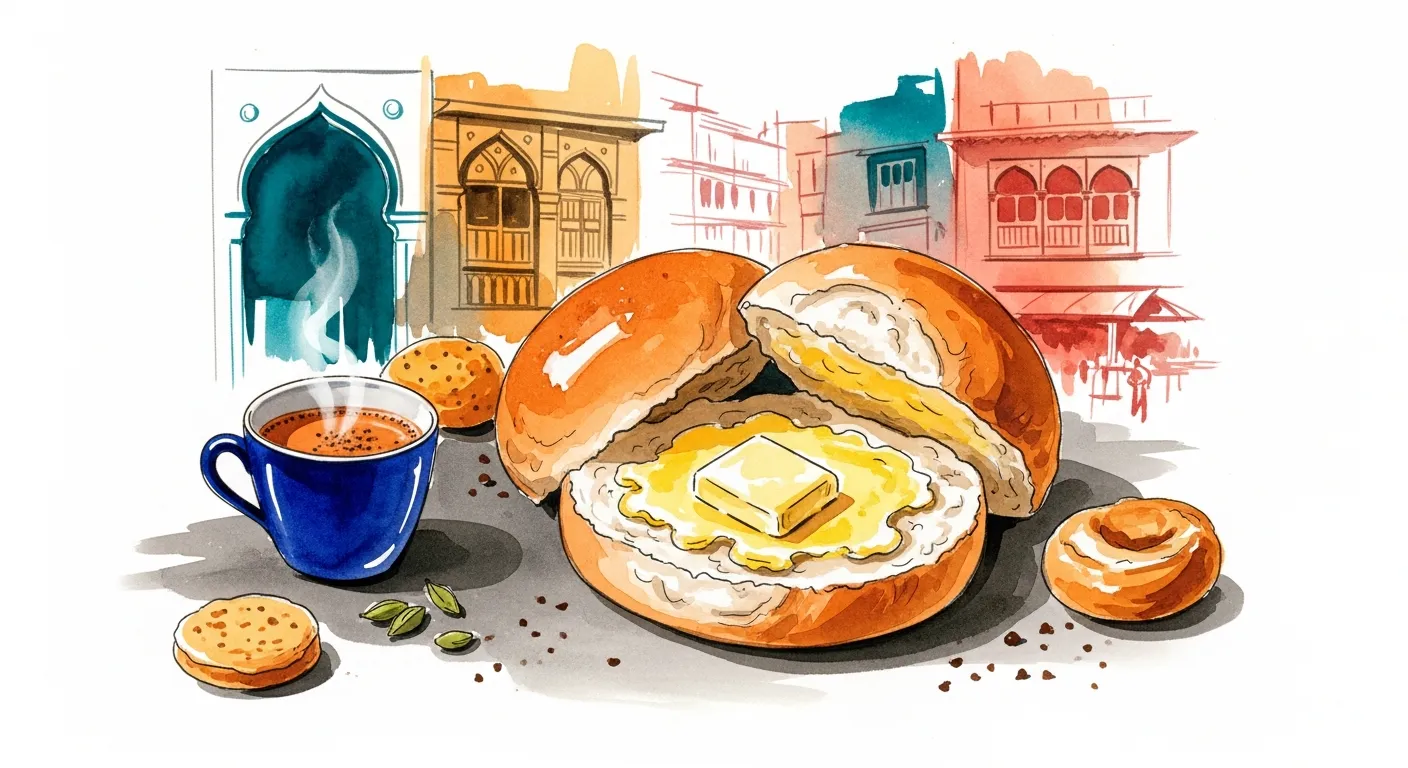
It is 5am on Marine Lines, and the oven at Sassanian Boulangerie has been burning for 113 years without going out.
Two kilometres away, the first brun of the morning comes out of Yazdani Bakery near Flora Fountain — and will be gone by 9. At Kyani & Co., opposite Metro Cinema, a waiter is already wiping down ceramic tiles that have been in place since 1904. At Britannia & Co. in Ballard Estate, the day's barberries — flown in from Yazd, because the Indian ones don't taste right — are being measured out for a pulao that has been on the menu for half a century.
Nearly thirty Irani cafés are still open across Bombay this morning. Each one is a working room full of bentwood chairs, marble-topped tables, and a hundred-year-old understanding between a waiter and his regulars. This is a story about how they got here, who still runs them, and where you should go sit this weekend.
One oven. 113 years. A fire that has never gone out.
THE CORNER PLOT
The most valuable real estate in Bombay was once the least wanted.
Corner plots. Intersection-facing. Where two roads met and the traffic never stopped. In Vastu Shastra, these are sinh-mukhi, lion-faced, wide in front and narrow at the back, considered inauspicious and traditionally passed over by merchants who followed gau-mukhi (cow-faced) orientation for shop frontage. So the corner plots sat in the market, cheap and unloved, all through the 1880s and 1890s.
So the Iranis took them.
They took those corners because the corners were perfect — two roads of foot traffic, morning sun, and room for a marble-topped table by the window.
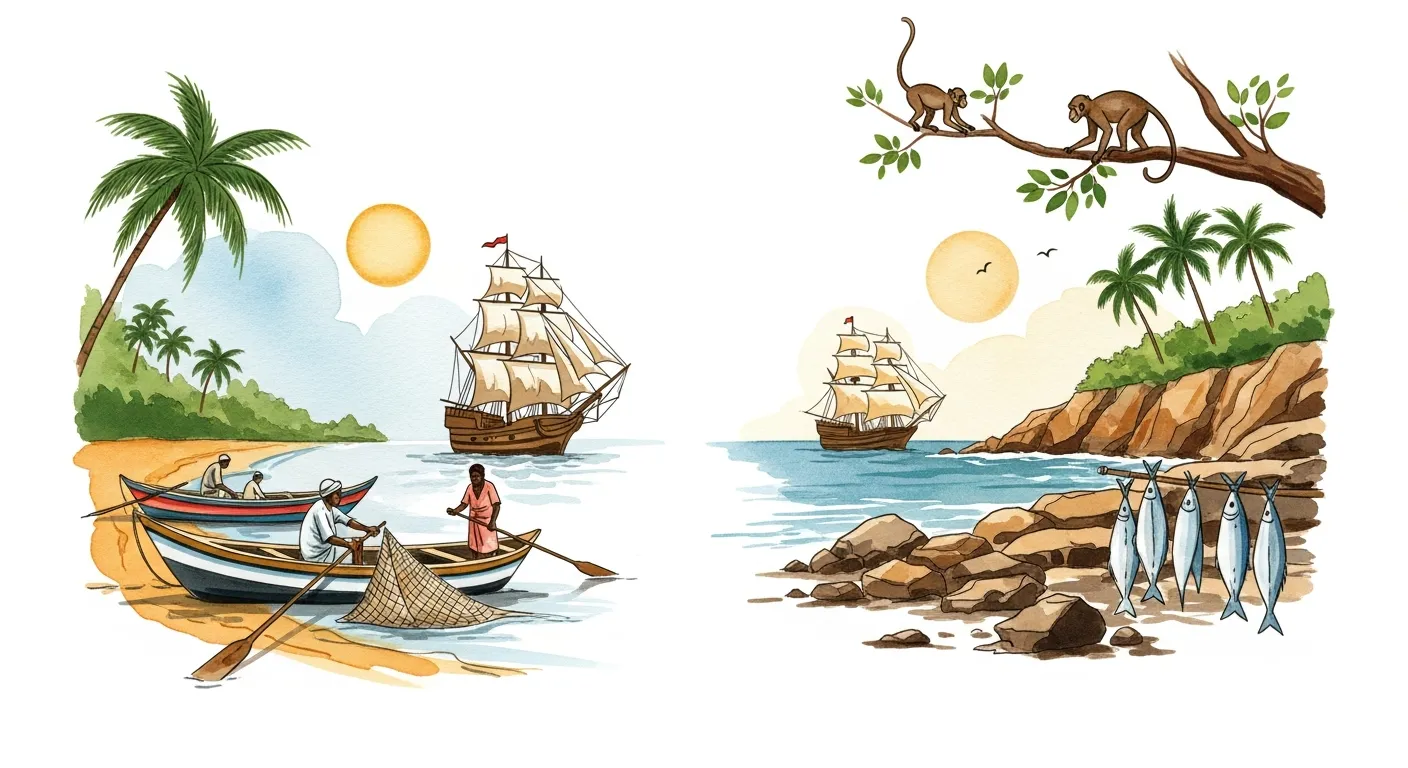
They were Zoroastrians fleeing Qajar Iran, where the jizya poll-tax on non-Muslims had crushed their families for generations, where their wells could be declared impure and their children forced to convert. In the 1880s, after the tax was finally lifted, around 200 families fled the governor of Yazd and made their way to Bombay. They didn't arrive blind. They arrived on the rails of a quietly remarkable thing: the Society for the Amelioration of the Conditions of the Zoroastrians of Persia, founded by Bombay Parsis in 1854 to help their distant cousins escape. One of the earliest documented diaspora-aid networks in Asia.
They came mostly from Yazd and Kerman. They speak a different Persian from the Parsis who arrived a thousand years earlier. They worship the same fire.
And they took the corners the market had passed over.
THE 400
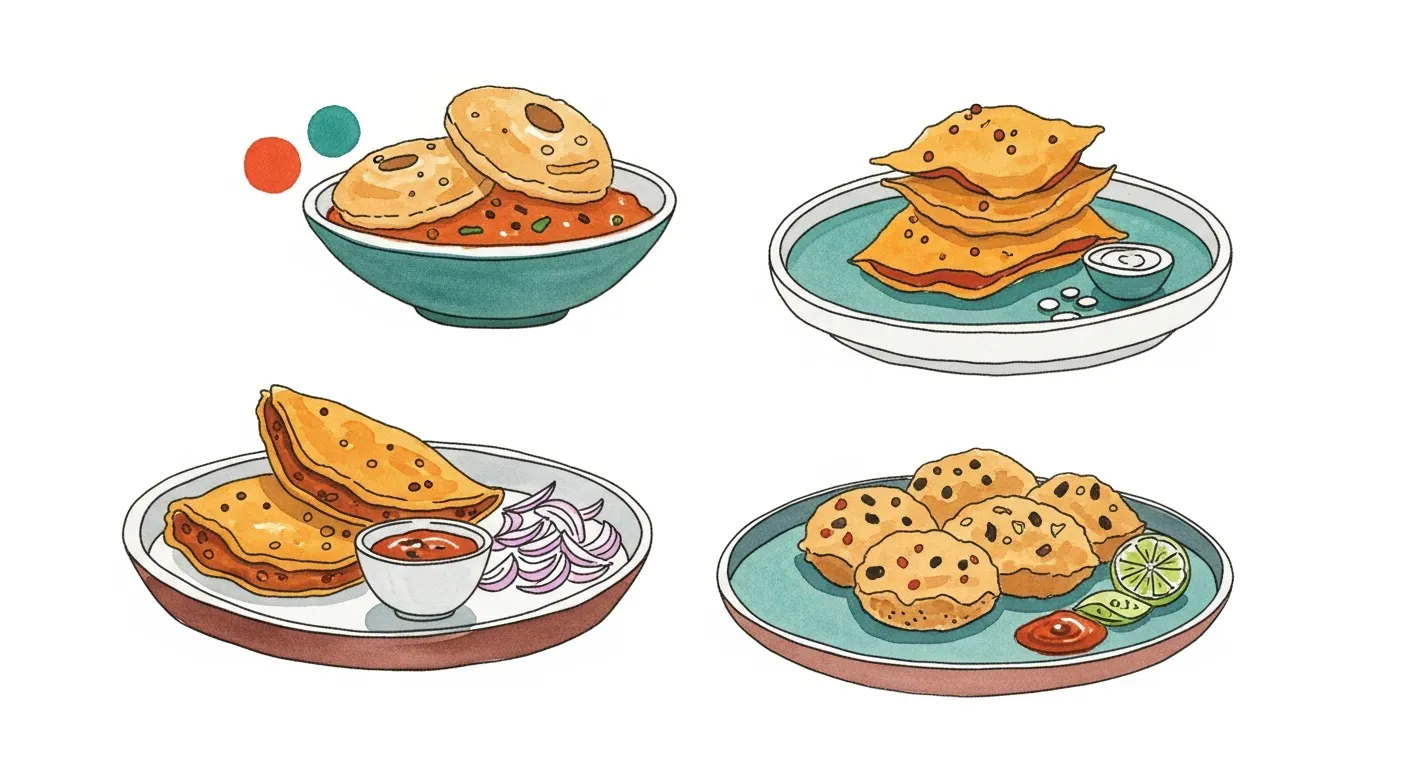
By the mid-twentieth century, depending on whose count you trust, Bombay had somewhere between 350 and 550 Irani cafés. Most reliable food historians put it around 400 at the peak in the 1960s. One café for every 5,000 to 7,000 residents. Walk three blocks in Fort, Dhobi Talao, Grant Road, Byculla, and you would pass two.
They weren't restaurants. They were infrastructure.
The mill worker coming off a night shift at 5am needed kadak chai and brun. The college student needed a table for three hours and nobody asking him to order more. The taxi driver needed a place where two rupees bought him a glass seat and a sense of belonging. The Irani café was Bombay's first co-working space, its first third place, its first democratic institution that didn't check your caste at the door.
White marble-topped square tables. Bentwood chairs in the Thonet No. 14 style, and here is a detail almost nobody knows: in Iran they call those chairs Sandali-ye Lahestani, "Polish chairs," because the woodworking technique came from Polish refugees who arrived in Iran during World War II. So the chair under your bun maska in Byculla traveled from Vienna to Warsaw to Tehran to a corner plot in Bombay. Three migrations, one piece of bent oak.
Glass jars of nankhatai lined up like soldiers on wooden shelves. Mirrors with gold lettering advertising the day's prices. Chequered tablecloths in red and blue. The menu in chalk.
And the rules. Always the rules.
In 1972, the Bombay poet Nissim Ezekiel wrote a poem called "Irani Restaurant Instructions," which was really just a transcription of the signs nailed to the walls of his neighbourhood café:
Do not spit / Do not sit more / Do not write letter / Do not comb / Hair is spoiling floor / Do not make mischief in cabin / Our waiter is reporting / All are welcome whatever caste / GOD IS GREAT.
That last line did all the work. The first twelve were rules. The thirteenth was a worldview.
THE NAMES
Kyani & Co. opened in 1904 on Jer Mahal Estate, opposite Metro Cinema, founded by the Marezaban brothers from Yazd. It is generally cited as Bombay's oldest still-operating Irani café. 122 years of chai spills on the same ceramic tiles. The building's trust threatened to renovate it out of existence in 2023. It reopened. The lease question hasn't gone away. It never does.
Sassanian Boulangerie opened in 1913, founded by Kaikhushroo Rustom Yazdabadi. Here is the detail that should make you stop. The bakery oven at Sassanian has been burning continuously since 1913. The fire has not gone out in 113 years. When you ask the family why, they will tell you: "We kept the fire because we are Zoroastrians. We worship fire." A religious practice older than the Roman Empire, kept alive in a bakery oven on Marine Lines.
A fire that has not gone out since 1913. A community that has not stopped baking bread in it.
B. Merwan & Co. opened in March 1914 on Grant Road, founded by Boman Merwan Nasra. The mawa cake from that bakery is the reason commuters missed trains for over a hundred years. It paused briefly in 2014 — exhaustion, no successor — and reopened weeks later under family pressure. It ran another decade. In late 2025, the family stepped back to settle an internal matter.
Britannia & Co. opened in 1923 in Ballard Estate, founded by Rashid Kohinoor, an immigrant from Yazd. He named it Britannia because a British municipal officer told him a British name would get his licence in 24 hours. Rashid was 28 years old. His son Boman was born the same year.
In 1939, Rashid passed in an accident. Boman took over the café at sixteen.
He ran it for the next eighty years.
BACHAN'S BERRIES
The dish that made Britannia famous wasn't on the original menu.
Boman's wife, Bachan Kohinoor, retired from her own career and joined the restaurant. She introduced berry pulao. Dhansak. Sali boti. Patra ni macchi. The caramel custard. The food that the Britannia crowd lines up for today is, almost entirely, Bachan's menu.
The berries in the pulao are zereshk, barberries, and they are flown in from Iran. Bachan insisted. The Indian substitutes don't taste right. The barberries from Yazd are sour-sweet in a way that Indian fruit cannot replicate, and a Parsi-Irani family in Bombay has been quietly importing them for half a century to keep one dish on one menu in one café true to one woman's standard.
Bachan Kohinoor's berry pulao: the longest-running private food import in Bombay. Fifty years, one dish, one woman's standard.
Boman became a national figure in his nineties. He wrote letters to Queen Elizabeth II, received a signed reply, and met Prince William and Kate Middleton at the Taj in 2016 after a video of him went viral. Imagine. A man who ran a café named "Britannia" because of a British licensing officer in 1923, writing fan mail to the Queen of England a century later. The whole arc of colonial Bombay folded into one anecdote and served with caramel custard.
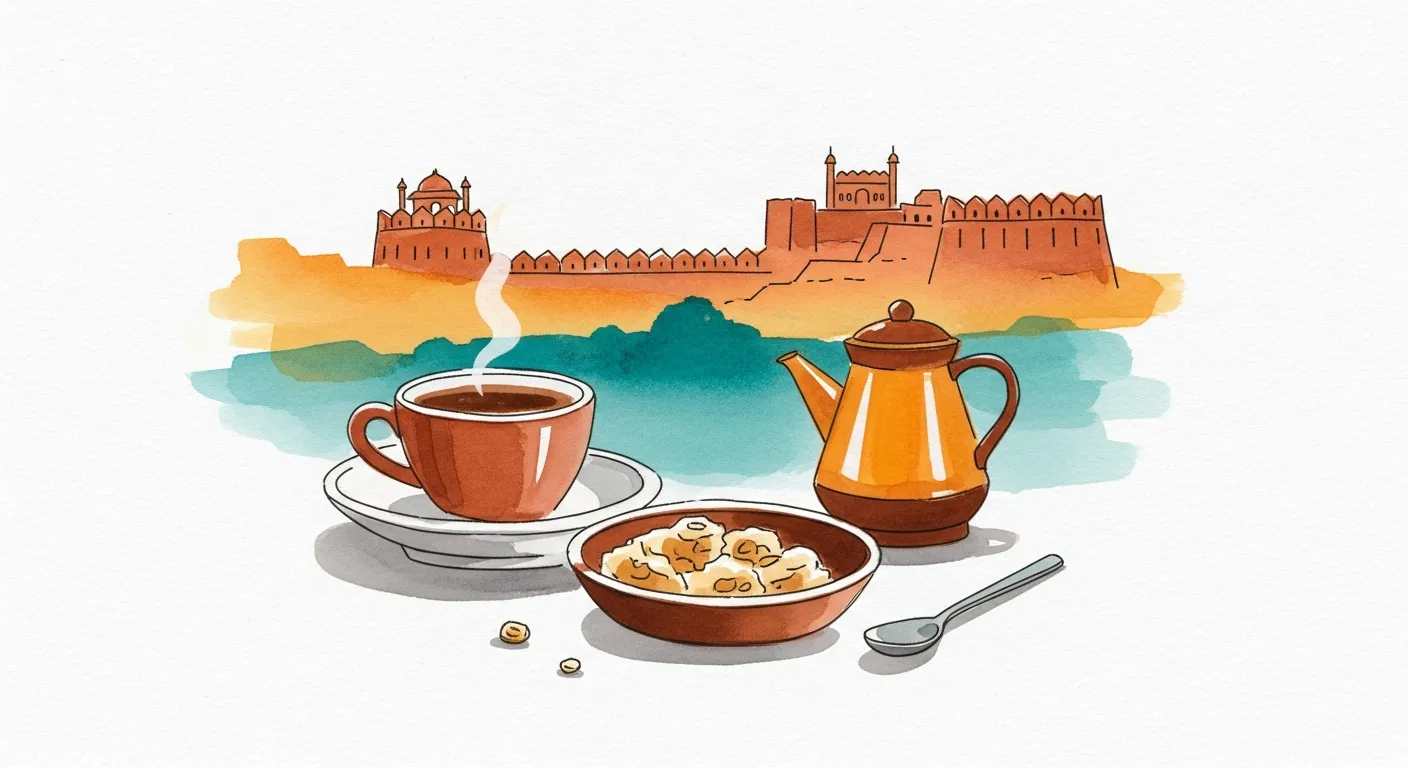
He passed in September 2019, at 97, at Parsee General Hospital. His son Afshin runs Britannia now.
THE ECONOMICS OF MARBLE
Here is the part nobody discusses.
An Irani café in South Bombay sits on land worth ₹50,000 to ₹1,50,000 per square foot. A typical café is 800 to 1,200 square feet. Do the math. A family is sitting on a ten-to-fifteen crore asset and selling bun maska for ₹60.
The chai costs ₹30. The rent, if they don't own the building, has gone from ₹500 a month under the old Pagdi system to whatever a landlord's lawyer can extract once a tenant generation passes. The margins on an Irani café were never good. They were survivable. There is a difference.
A café that has been open since 1914 doesn't serve bun maska for ₹60 because the math works. It serves it because the regulars show up at 7am.
The BMC has no heritage classification for Irani cafés. They are not monuments. They are not protected structures. The only café I can find that has any formal recognition at all is Yazdani Bakery, which received the Urban Heritage & Citizens Award from the Governor of Maharashtra in 2007, and that is one award, for one bakery, in over a century of existence.
THE TASTE OF STAYING
Nearly thirty are still open this week.
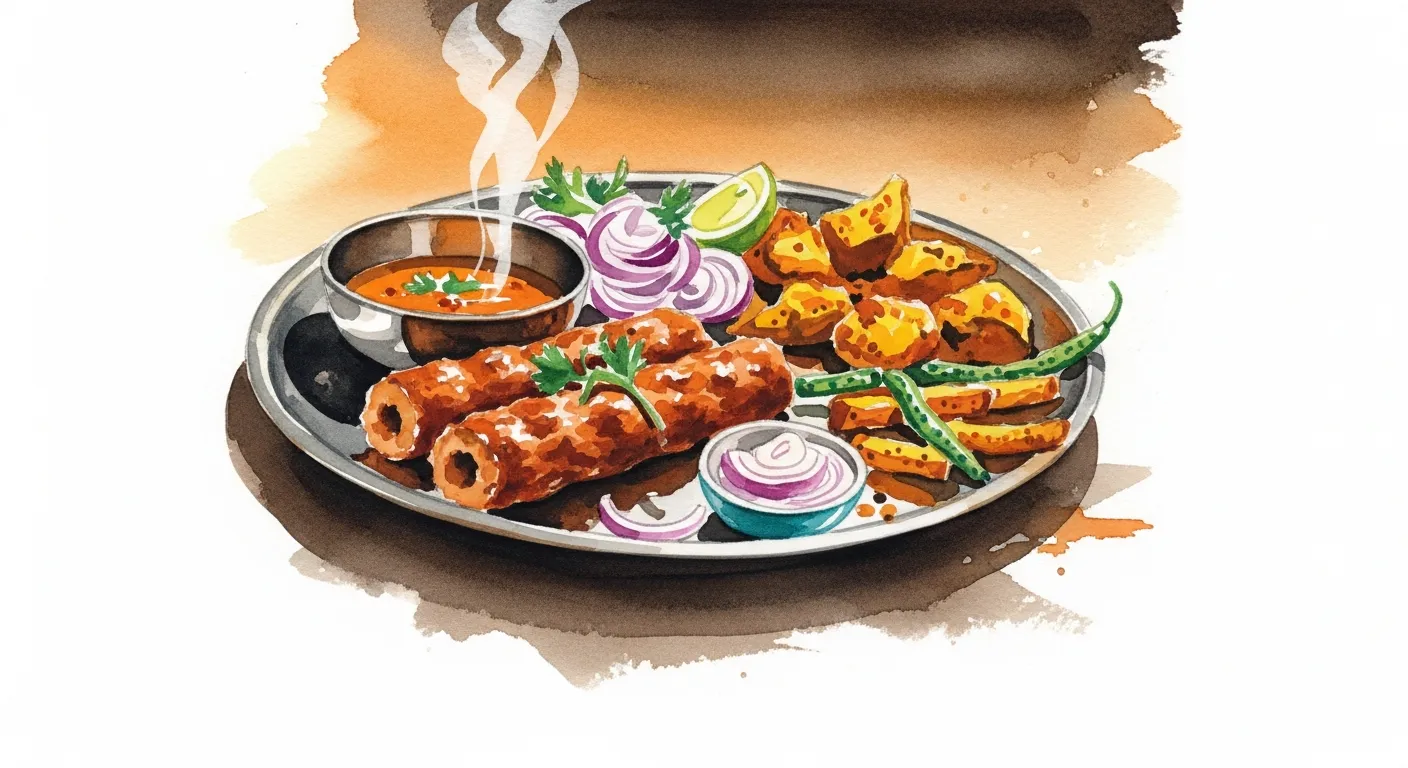
Britannia in Ballard Estate. Sassanian on Marine Lines. Kyani opposite Metro. Cafe Military on Ali Bhai Premji Road in Fort, founded in 1933 by Khodaram Khosravi from Zainabad, Iran. Yazdani Bakery near Flora Fountain, where the bread comes out at 7am and is gone by 9. Ideal Corner. Jimmy Boy. Light of Persia. Stadium. Each one is somebody's morning post.
The owners get up before dawn. The ovens are the same ovens. The recipes are the same recipes. What changed is everything around them. The street got louder. The buildings got taller. The customers got younger and started taking photographs of their chai instead of drinking it.
They don't mind the photographs. They just prefer the regulars — the ones who come back tomorrow, and the day after that.
An Irani café survives on regulars. Not tourists. Not Instagram. It survives on the person who sits at the same table every morning and orders without speaking because the waiter already knows.
That relationship is the product. Not the bun maska.
WHAT STILL CARRIES
Here is what a working Irani café still carries, every morning.
The specific ratio of water to milk to sugar to time that produces paani kam chai. The knowledge of how to keep a 100-year-old oven running on prayer and sheet metal patches. The particular gruffness of an Irani café waiter, which is not gruffness at all but the comfort of a man who has known you for thirty years and does not need to perform hospitality.
The absence of music. Irani cafés are quiet. No speakers. No playlist. Just the clink of glass on marble and the sound of a city that still knows how to move slower when it wants to.
The café isn't about the food. It's about the permission to sit.
A place where a retired schoolteacher could spend three hours with one cup of chai and nobody would look at him sideways. Where a couple on their first date could share a single plate of kheema pav because that was all they could afford, and the waiter would bring two forks without being asked.
This is Bombay's social contract — the one still taped to the inside of every surviving café door. Cheap rent, long tables, no questions, aaram se.
THE TABLE IS STILL SET
There are still corner plots across Bombay where two roads meet and the traffic never stops. Marble-topped tables by the window. Bentwood chairs. Glass jars of nankhatai on a wooden shelf. A waiter who remembers your order from last Tuesday.
An Irani family built one of those rooms in 1914 and ran it for 112 years. Another family opened one in 1904, and that oven is still burning. A third brought barberries from Yazd and put them in the pulao, and those berries are on a plate in Ballard Estate right now.
So this weekend: pick one. Sit at the marble. Order the chai and the bun maska. Tip the waiter. Come back next Tuesday and order the same thing, and again the Tuesday after. That is the whole deal. That is how the fire stays lit.
Tomorrow's chai is already brewing. It has been for over a century. Meherbani.
Field Notes
Quick reference550 Irani cafés at the peak in the 1960s. Nearly 30 still open across Bombay today — every one a working kitchen with a hundred-year-old oven.
Bombay's sinh-mukhi corner plots — wide-front, narrow-back — sat unclaimed in the 1880s market. The Iranis saw two roads of foot traffic and morning sun, and built marble-topped cafés facing both.
South Bombay Irani café land: ₹50,000-₹1,50,000 per sq ft. Bun maska: ₹60.
Around 57,000 Parsis live in India today, down from roughly 114,000 in 1941 — a small community running some of Bombay's oldest continuous kitchens.
Kyani & Co. ceramic tiles from 1904. 122 years of chai spills. Not one tile replaced.
Get the next story first
Join the Bhukkads. Free, no spam, just stories.
Takes 30 seconds.