01
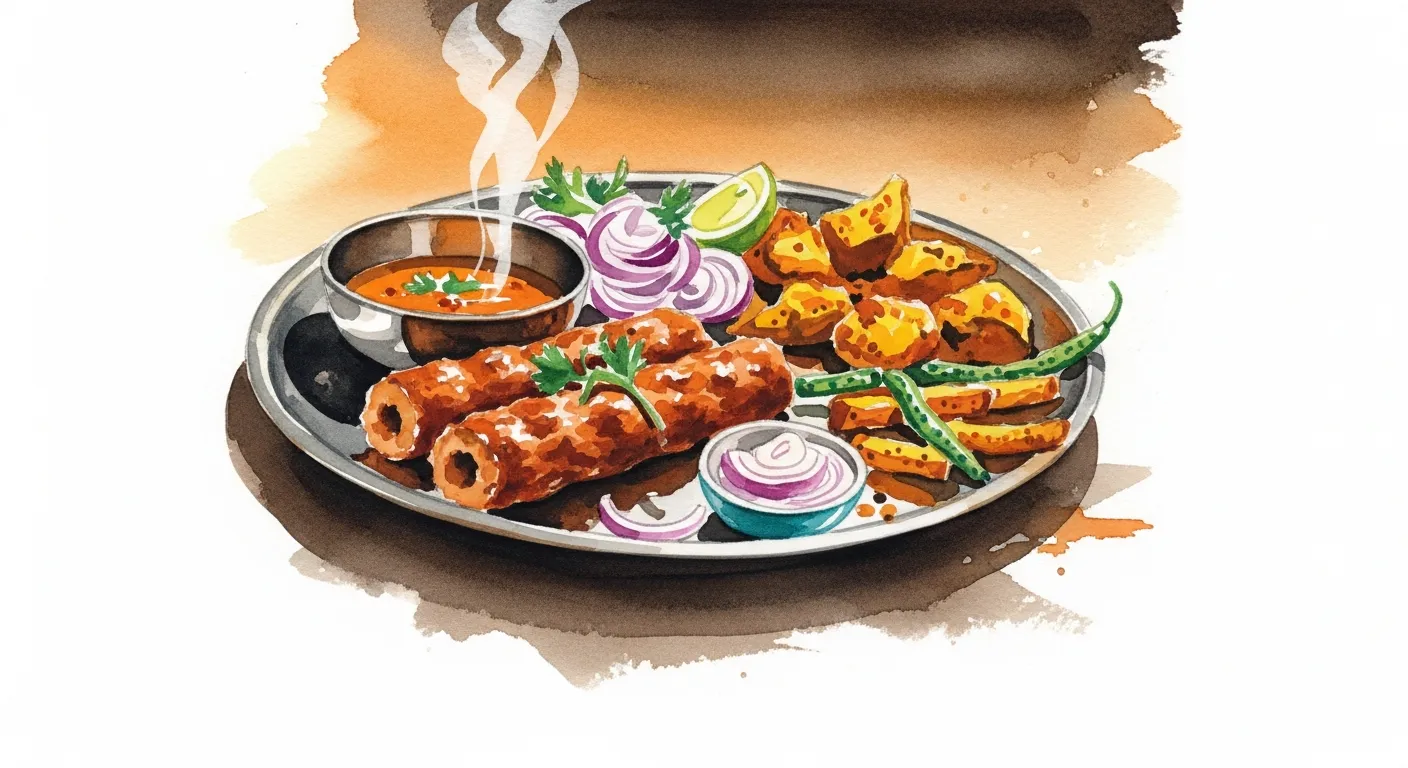
History Kamathipura
The Food the Kotha Kept Alive
Before Bollywood mythologised them and real estate erased them, the women of Kamathipura fed this city something it still eats today.
6 min read 12 Apr 2026
A hungry state of mind
The stories behind the food. The people, the places, the plates.
Category
Area
Before Bollywood mythologised them and real estate erased them, the women of Kamathipura fed this city something it still eats today.
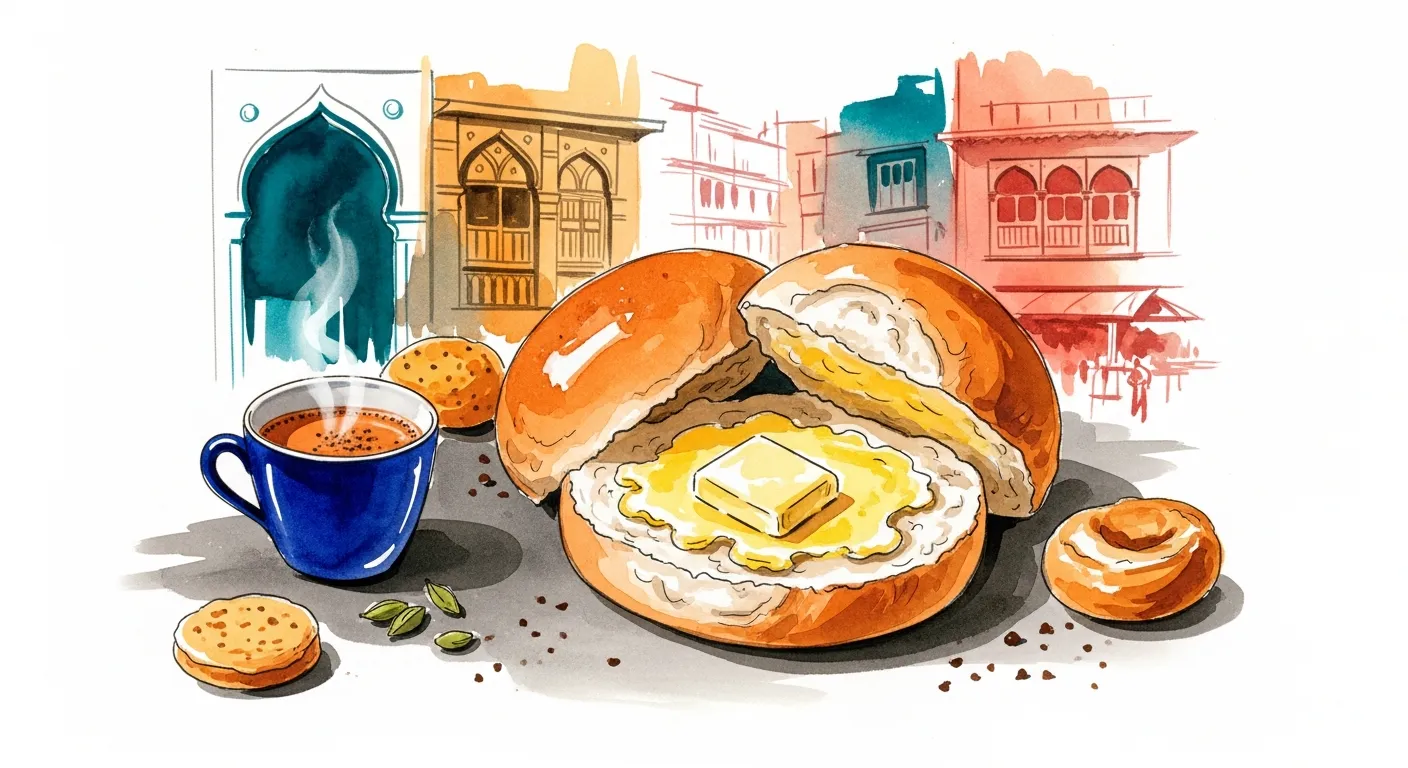
550 Irani cafés once. Fewer than 30 now. The marble is cracking.
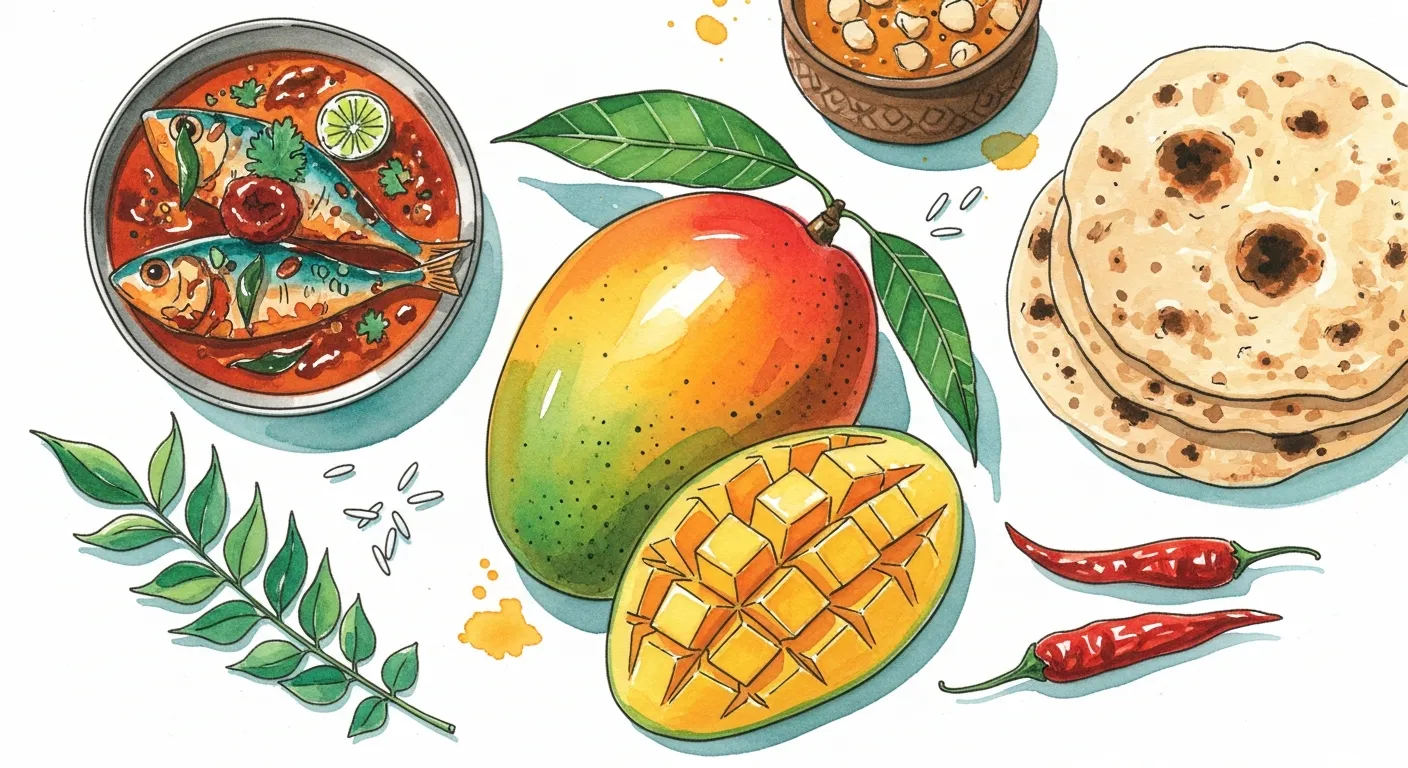
Hapus comes from Afonso de Albuquerque. Not a place. A person. The man who colonised Goa.
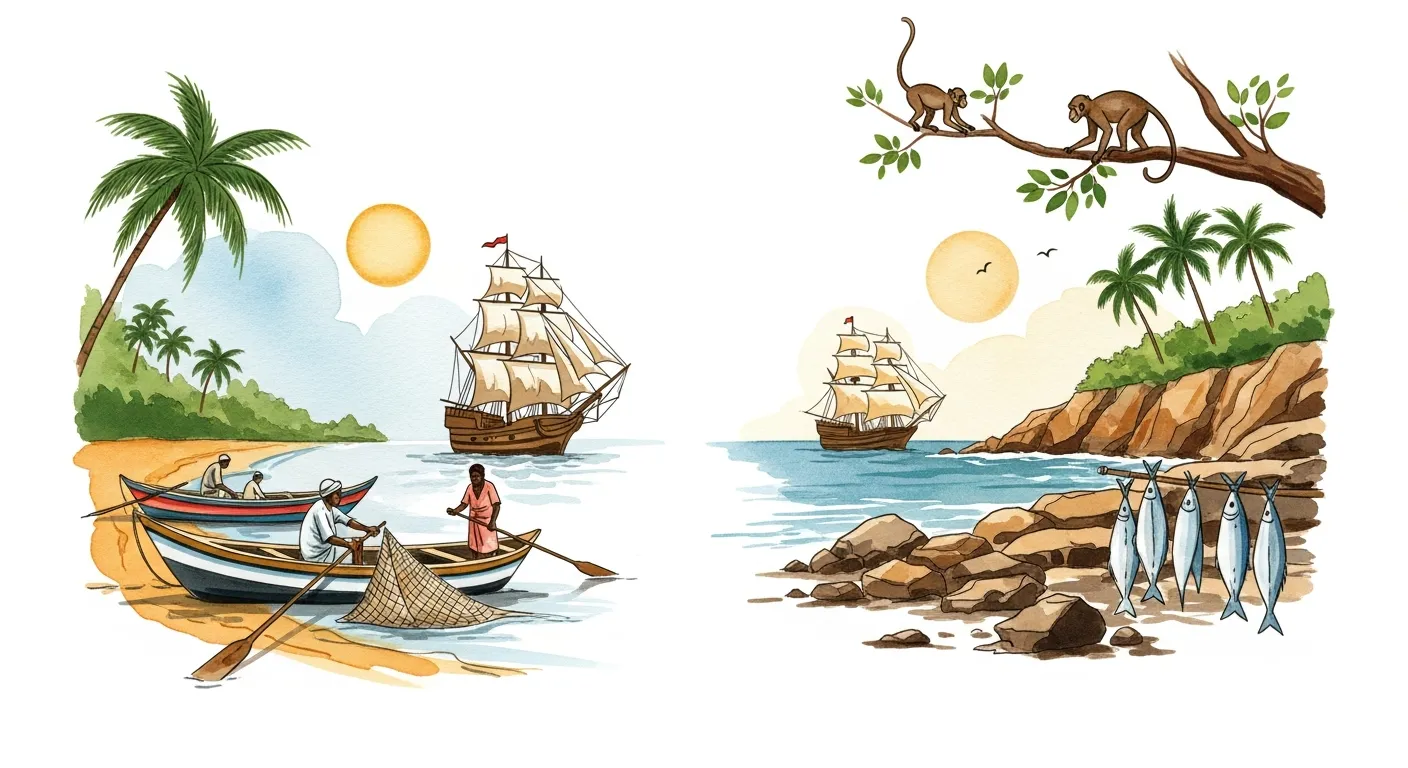
From Koli fish dried on the rocks to Portuguese pork vindaloo to a 1938 Iranian biryani to the mid-2000s restaurant boom that made a suburb into a city unto itself, the food history of the Queen of Suburbs, birth till date.
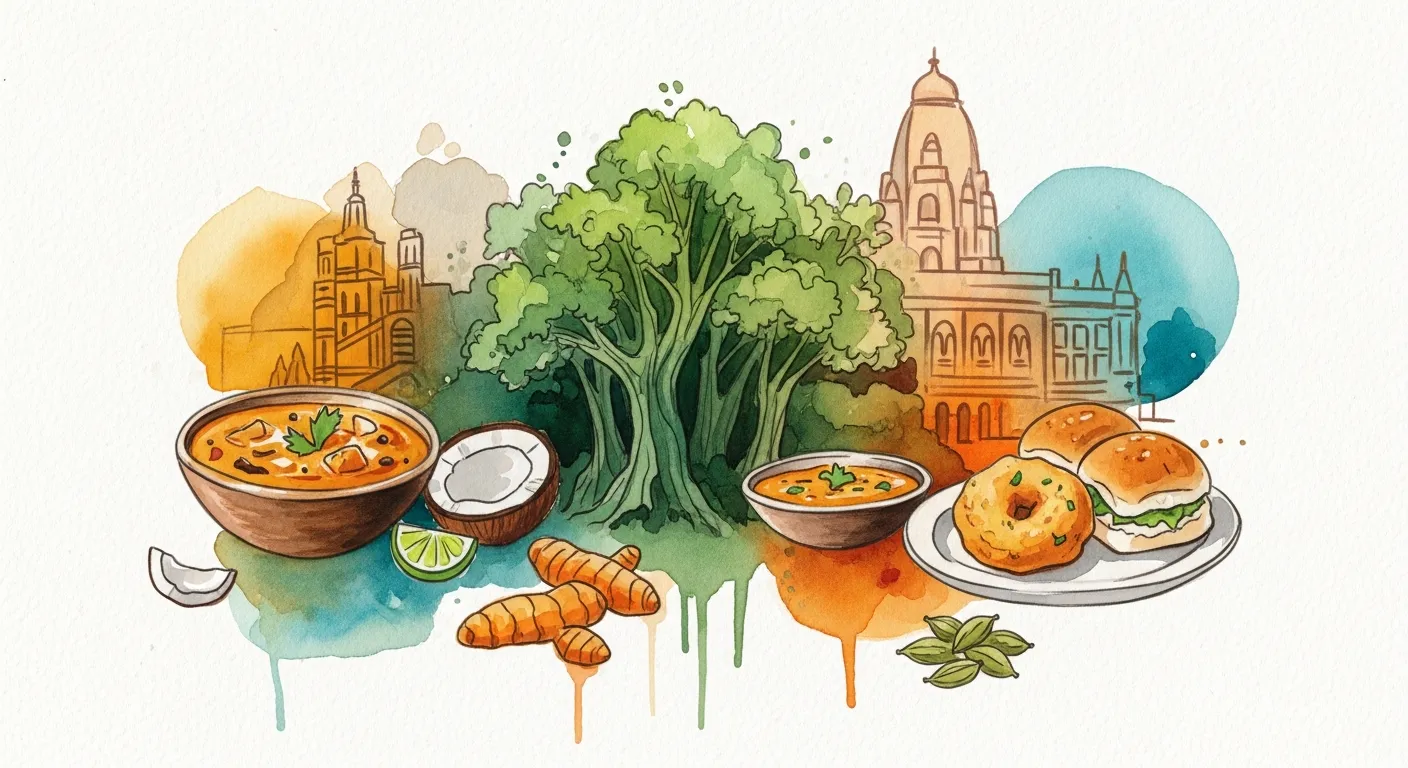
Chinchpokli means tamarind grove. Fanaswadi means jackfruit orchard. Wadala means banyan row. Mumbai didn't grow over its forest. It grew out of it.
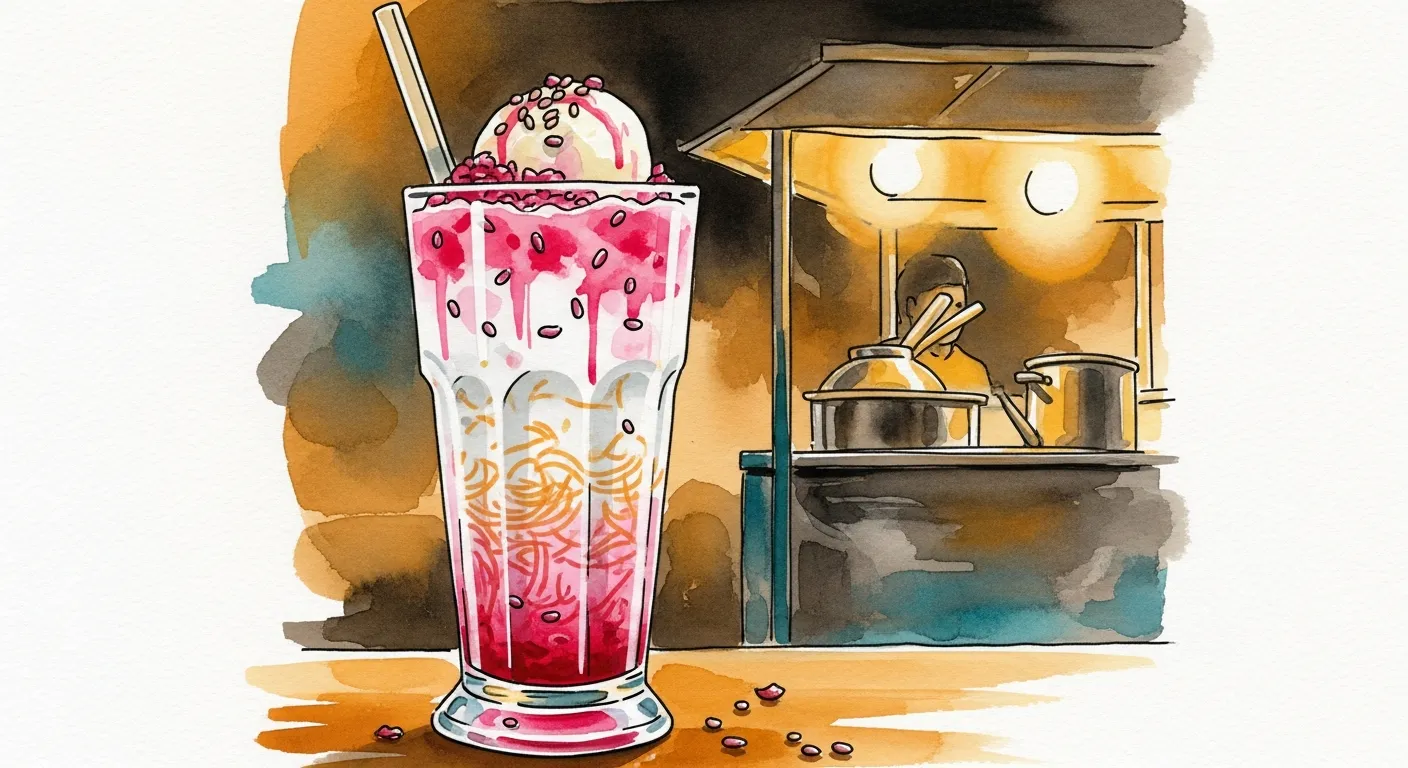
In 1905, a man stood outside his shop on Lokmanya Tilak Marg and drank a pink glass of something strange, in full public view, all day long. He did this because nobody in Bombay would buy what he was selling. That drink is now the city's most beloved dessert. This is the falooda story.
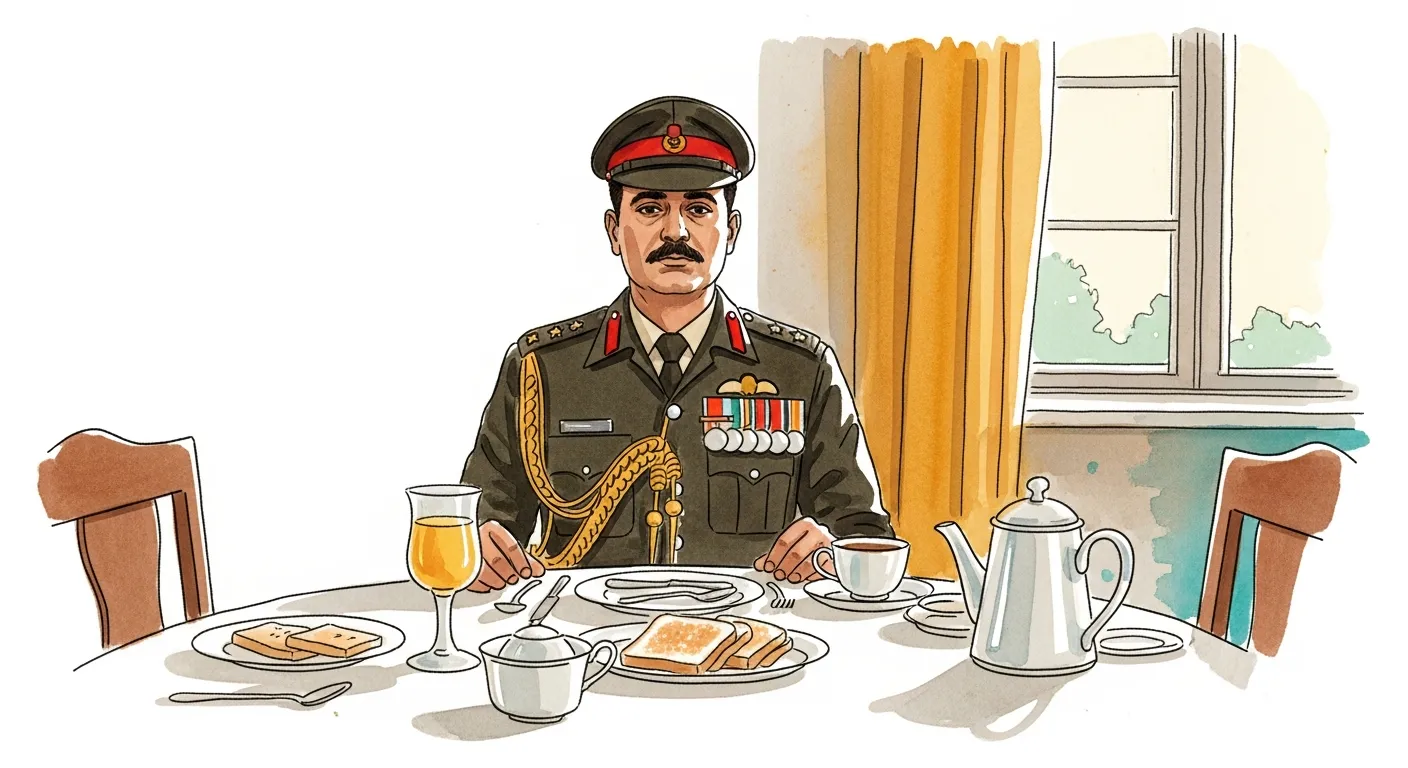
Sam Manekshaw commanded a million soldiers, won a war in thirteen days, and kept a pot of dhansak in his freezer for at least a year. This is a story about what a man eats, and what that tells you about who he is.
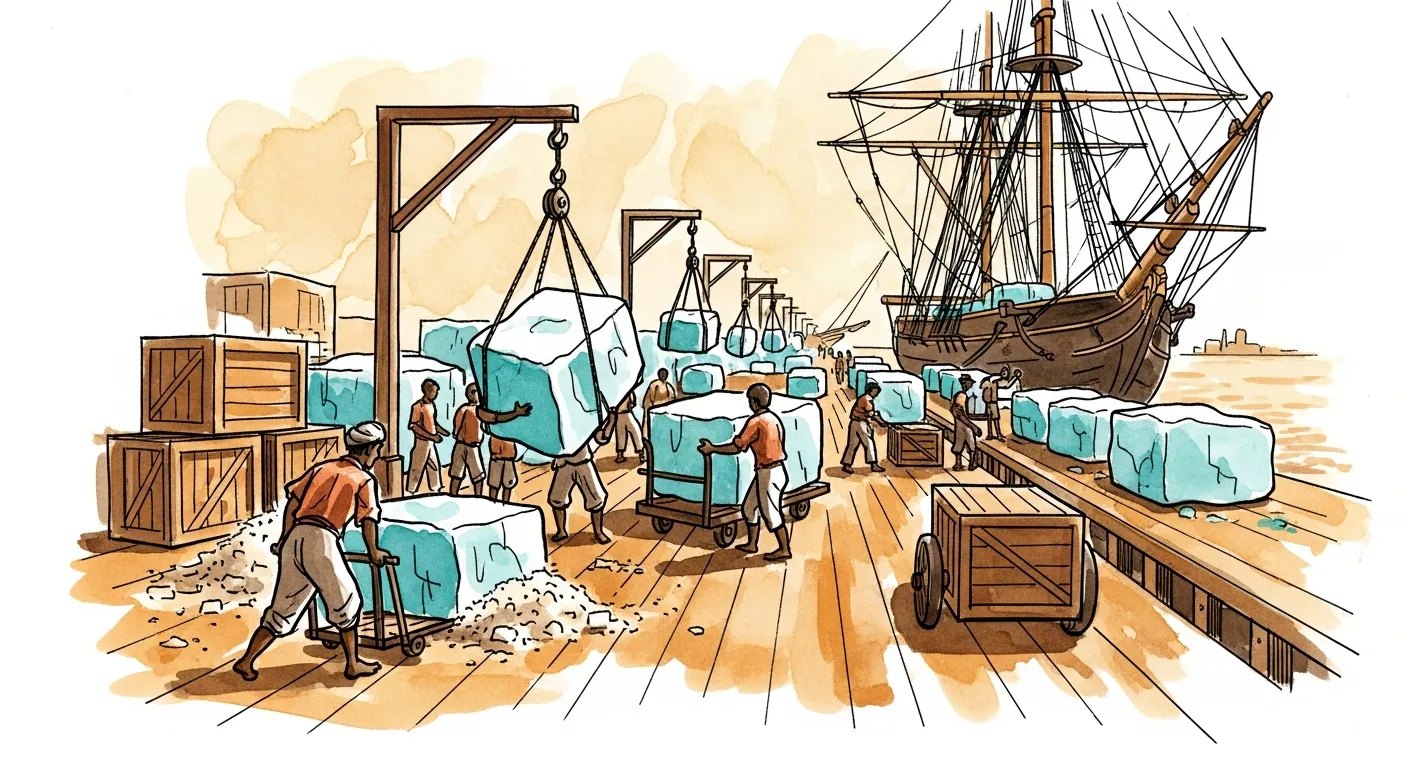
In 1834, a man in Boston shipped frozen lake water to Bombay. The city served it as ice cream. Nothing was ever the same.