The Onion That Doesn't Make You Cry
A GI-tagged crop with a 2,000-year-old story, growing one ferry ride from Mumbai.
A hungry state of mind
The stories behind the food. The people, the places, the plates.

A GI-tagged crop with a 2,000-year-old story, growing one ferry ride from Mumbai.

A 1949 Prohibition Act that nobody really enforced. A lounge bar that opened the same year. A cafe that survived eleven bullets. And the small, stubborn rituals of drinking in a city that was never supposed to drink.

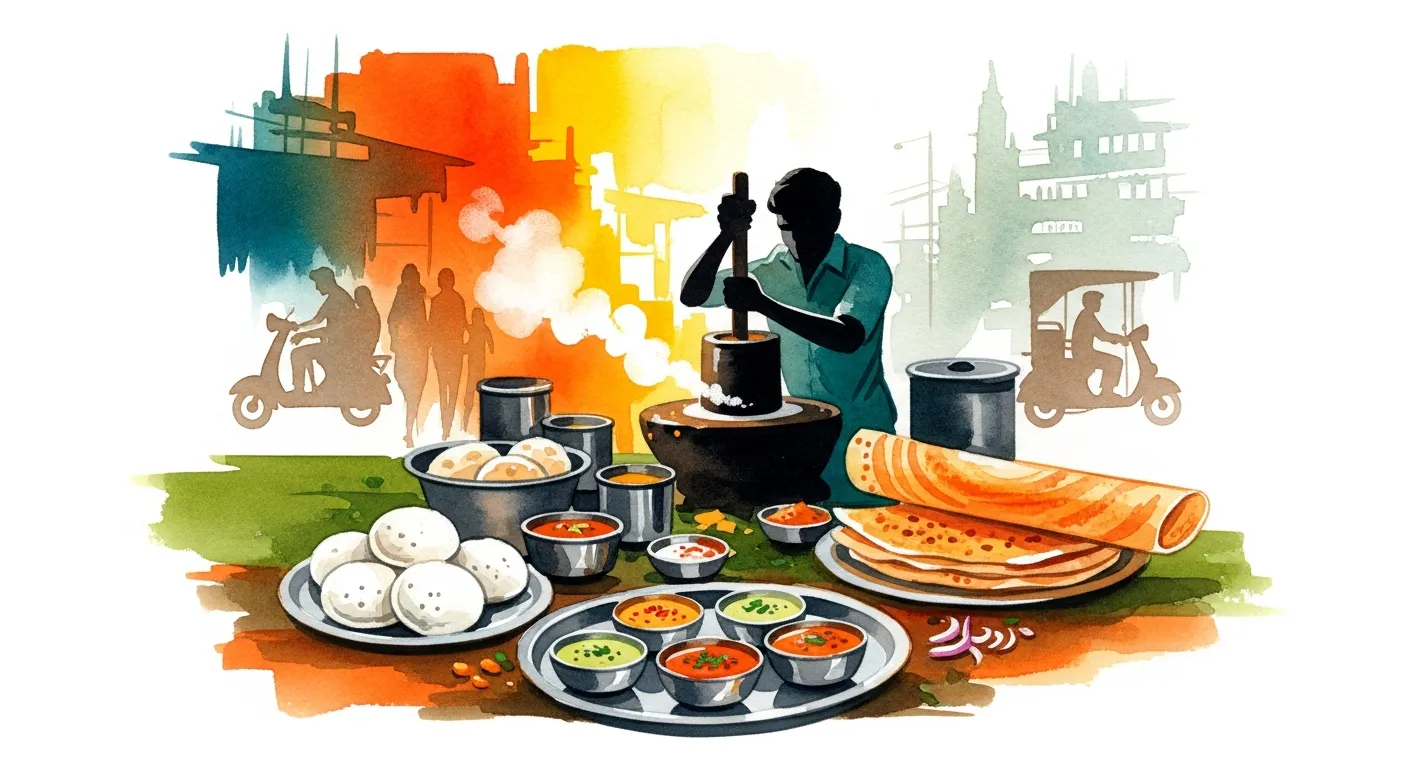
A coastal town in Karnataka. A famine in 1336. A property tax revision in 2025. And a sixty-rupee filter coffee in Matunga that is doing the work of three generations.

A neighbourhood built by Partition refugees in 1947. A tandoor that costs Rs 45,000. A bag of black wood that doubled in price. And a generation of sons who would rather work in a bank.

A 121-year-old chai stop in Fort. A property tax hike of 15 percent. A restoration quote of 2,200 rupees per square foot. And a bun maska that still costs less than a Metro ticket.

A 108-year-old shop on Princess Street. A regulator finally counting milk vendors. And a kilo of mawa that costs what it costs because someone, somewhere, is still doing the arithmetic by hand.

A wholesale cooking oil store from 1871. A jukebox from 1950. A cocktail from 1933. Colaba's drinking identity is older than most countries.

Matunga's Udupi restaurants survived prohibition, partition, and Pizza Hut. The gas cylinder might be different.

Dahisar East is getting 50,000 new homes. The litti-chokha cart beat the construction crew to the plot.

A 5.5-kilometre stretch of reclaimed concrete is quietly dismantling a street food economy that nobody planned and everybody used.

Mumbai didn't invent the weekend. It just made everyone else's look underfed.

Mumbai's bars stopped importing their imagination. Now the drink in your glass tastes like the city that made it.

Bhuleshwar's mithai makers have survived famines, partition, and the fall of empires. They may not survive Instagram.

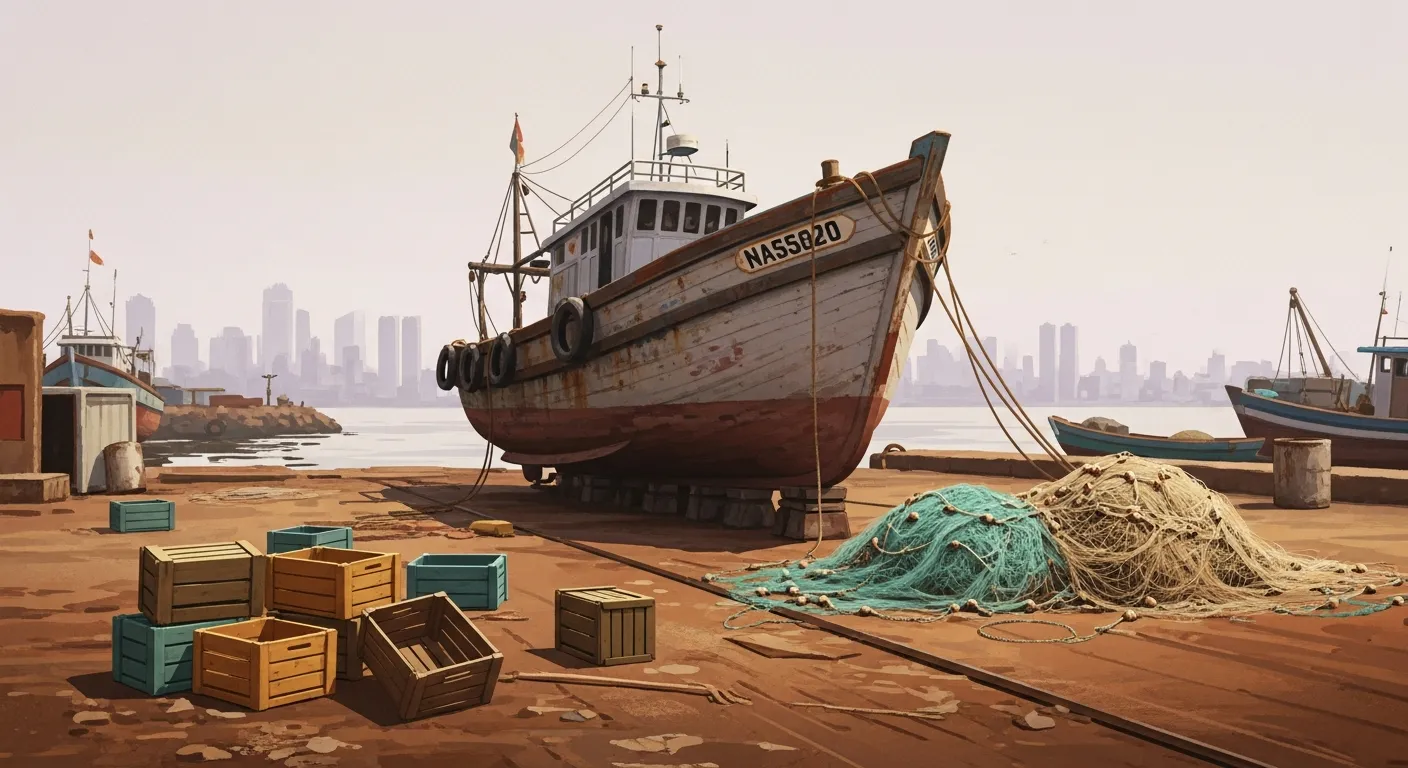
Sassoon Dock's Koli fishers aren't fighting for a market. They're fighting for the last proof that Mumbai was theirs first.

A flatbread with 3,000 years of precedent didn't need permission to arrive. It needed translation.

Three chefs walked out of New York kitchens. They ended up in Bandra. The interesting part is why they stayed.

Forty varieties. Thirteen weeks. One country’s summer.

Asha Bhosle didn't just sing for India. She took its food to the world. 14 restaurants across 5 countries, one secret garam masala nobody was allowed to decode.

Modak, momo, gujiya, kozhukattai, dim sum. A civilisation reveals itself through what it wraps in dough.

How one community from one coastal district fed an entire megacity.