The Radar Moved. The Chaat Followed.
Dahisar East is getting 50,000 new homes. The litti-chokha cart beat the construction crew to the plot.
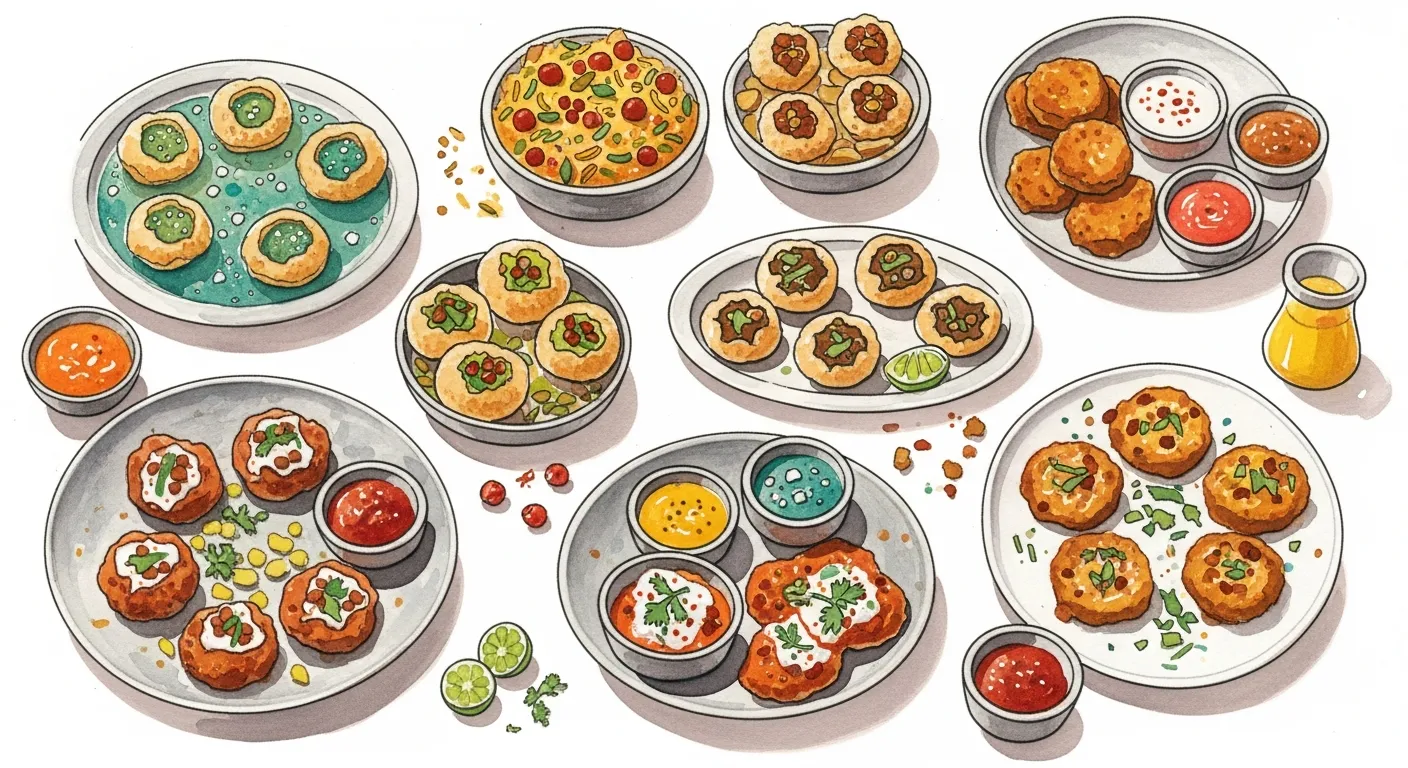
Generated by Imagen 4
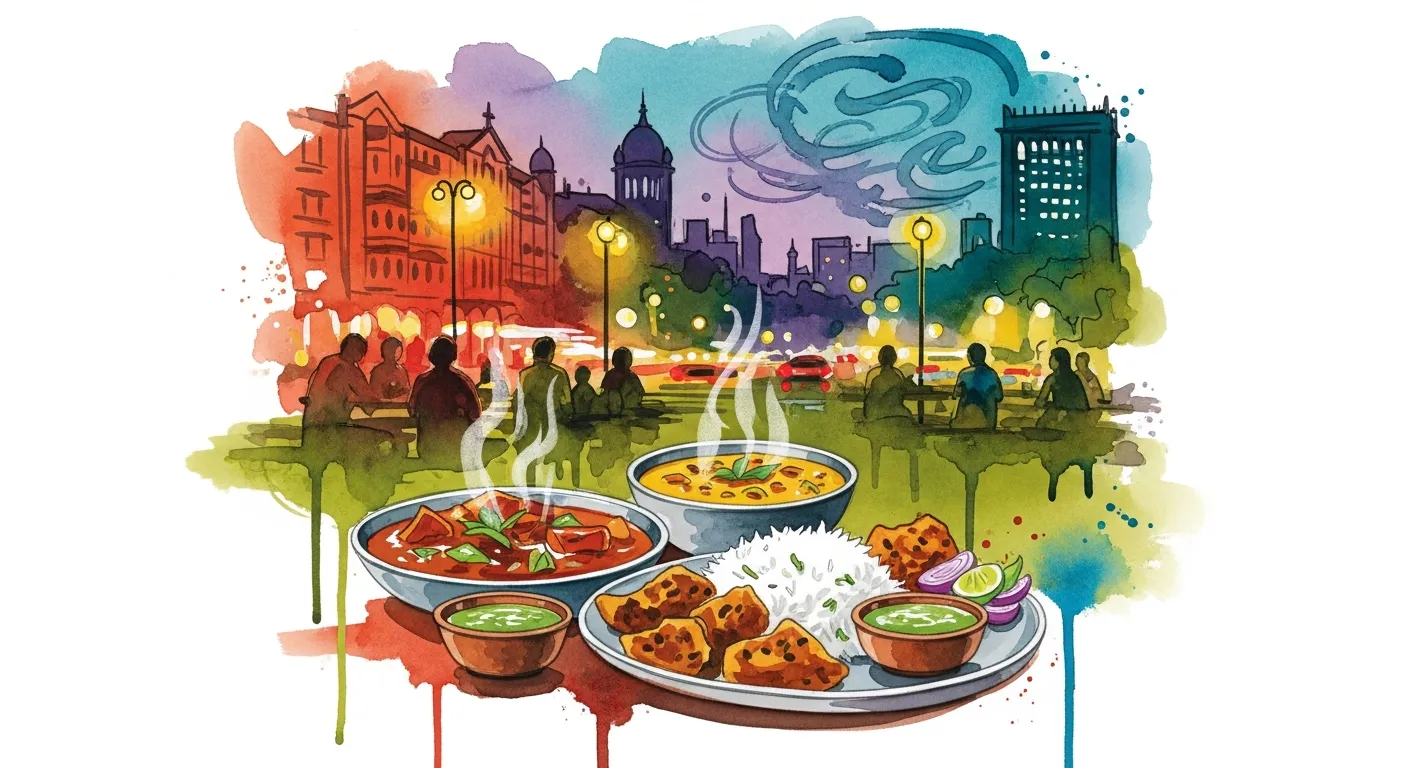
In 1948, the Airports Authority installed a high-frequency radar in Dahisar. The land around it went into a holding pattern. You could not build tall. You could not build dense. You could build a two-storey chawl, a ration shop, a temple, a tea stall. For seventy-seven years, a piece of radio equipment decided what Dahisar East was allowed to become.
Then someone decided to move the radar.
The AAI's relocation plan unlocks roughly 1,000 acres for redevelopment, with an estimated 50,000 homes projected over five years. That is not a development announcement. That is a migration announcement. Every construction site in Mumbai is, first, a kitchen.
Nobody talks about who cooks for the city that builds the city.
THE LABOUR CAME FIRST. IT ALWAYS DOES
When a ward in Mumbai is rezoned for construction, three things arrive before the cement mixer. Surveyors. Scaffolding contractors. And men from Ballia, Chhapra, Siwan, Gorakhpur, Azamgarh, and Madhubani who have done this before, in Gurgaon, in Noida, in Navi Mumbai, in Thane. They come in batches of eight and twelve. They sleep on the site. They cook on the site, if they can. If they cannot, someone from their district is already setting up a stove two lanes away.
The migration-food literature has a name for this. It calls it the adaptation of regional street foods to new urban environments driven by labour migration. That is the academic phrasing. The practical phrasing is this. A man in Ballia hears from his cousin that a 40-storey tower is coming up near Dahisar East Metro station. He knows 300 men will eat twice a day. He borrows Rs 18,000 from an uncle in Bhiwandi, buys a second-hand thela, a tawa, a gas cylinder, and a sack of sattu. He is in Dahisar East before the foundation is dug.
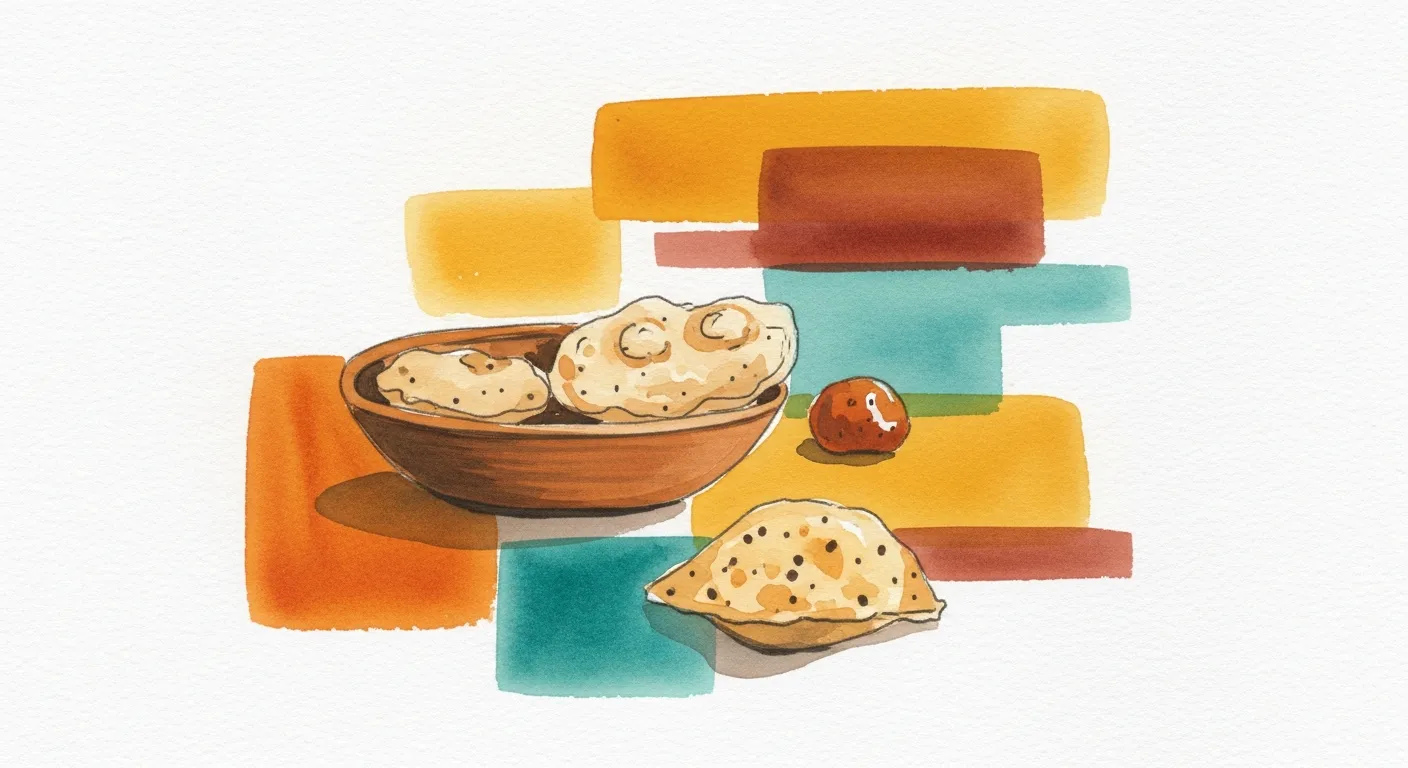
The vendor arrives before the building. The building is why the vendor arrived.
WHAT DAHISAR EAST ATE BEFORE
For most of the last forty years, the snack economy of Dahisar East was Maharashtrian and Gujarati with a light Udipi accent. Vada pav at the station. Misal at the older Marathi joints near Anand Nagar. Dabeli and khaman from Kathiawadi vendors who had moved here in the 1980s from Saurashtra. Sev puri from Gujarati families. A South Indian stall or two doing idli-dosa from six in the morning. The Rabdi Falooda stall opposite Gokul Anand Hotel on the Western Express Highway, pricing its glasses between Rs 70 and Rs 90, is the kind of institution that survived because it was older than the traffic signal outside it.
That was the map. It was legible. A Dahisar resident in 2015 could name the eight vendors she bought from. The vendors knew her order.
The map has new entries now. They did not replace the old ones. They layered on top.
THE NEW ARRIVALS, BY DISTRICT
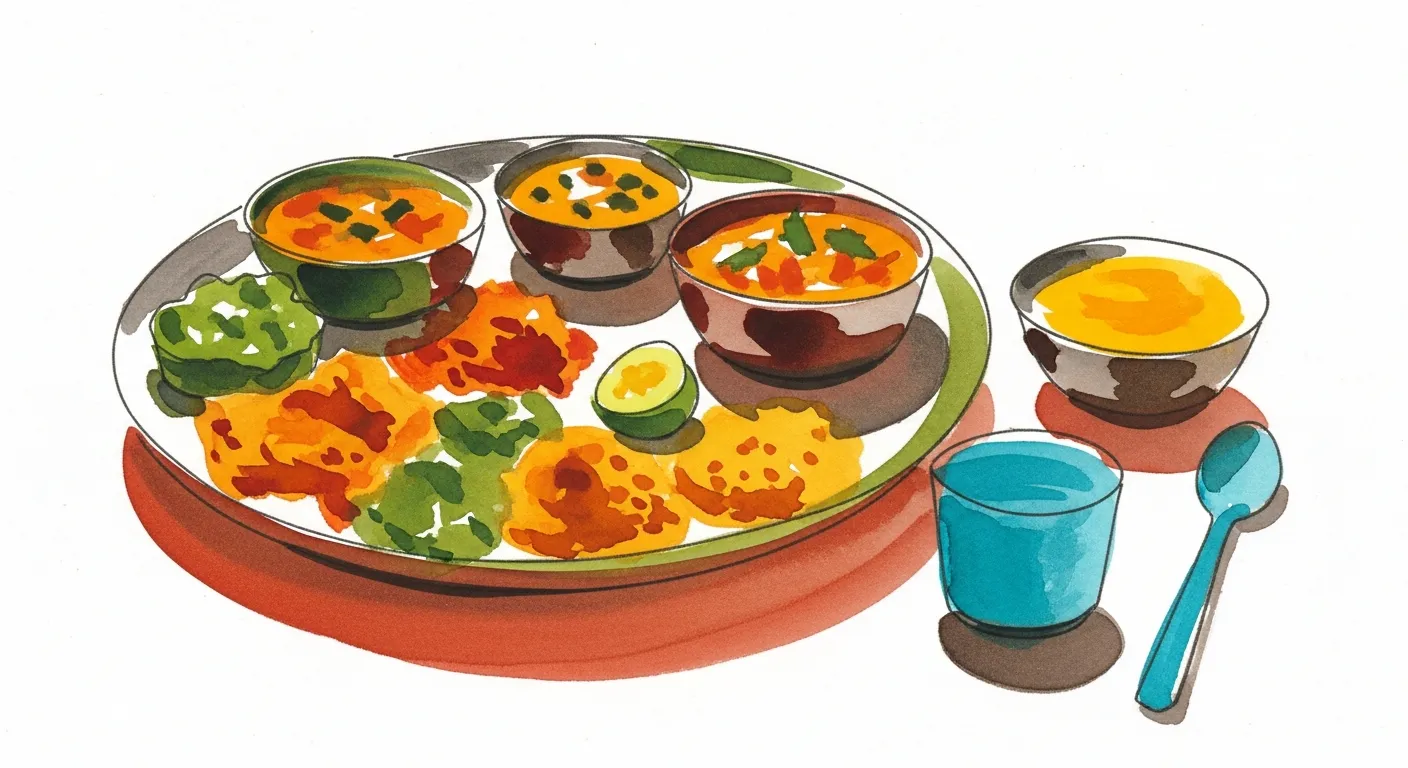
Litti chokha, which until recently in Mumbai lived mostly in pockets of Kurla, Govandi, and parts of Andheri East, is now being sold out of a blue thela near the Dahisar Check Naka. The vendor is from Nawada, Bihar. He does not do vada pav. He does not pretend to. His customers are not the Gujarati family on their evening walk. His customers are the men in grey shirts with cement on their forearms who finish a shift at 8 pm and have not eaten since a cup of tea at 6 am.
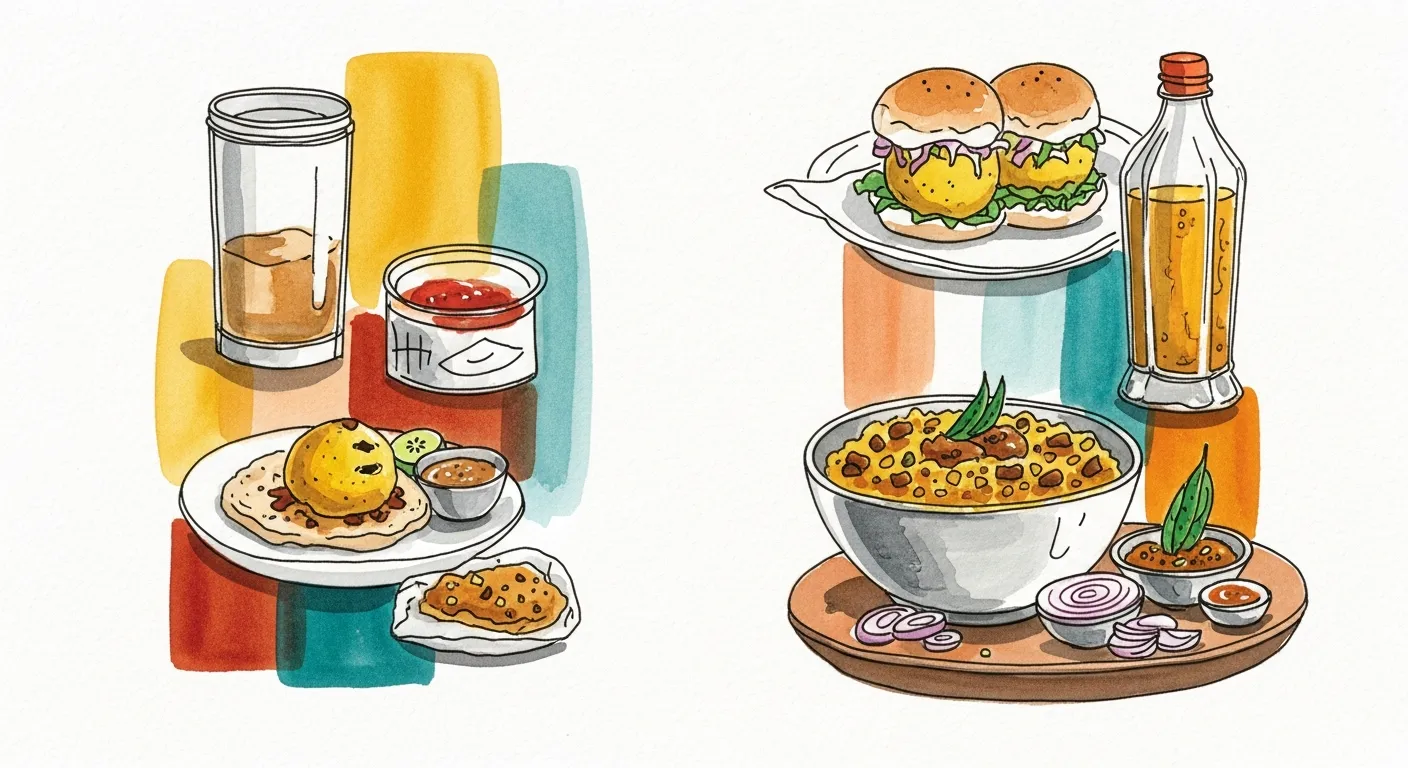
Sattu sharbat, lemon and salt and roasted gram flour whisked into a glass of cold water, has appeared at three locations along the Dahisar East service road since last summer. Chhole bhature from a Purvanchal vendor operating near the metro construction zone. Egg bhurji with pav, prepared the UP way with garam masala heavy enough to announce itself from a lane away. Momos, which in Mumbai is shorthand for a Nepali or Kumaoni vendor who has probably worked in Delhi before coming here.
A snack map is a migration map with oil stains on it.
None of these foods are new to India. All of them are new to this specific junction.
THE ECONOMICS NOBODY WRITES DOWN
A vada pav vendor in Dahisar East, selling 300 pavs a day at Rs 20 each, grosses Rs 6,000. Subtract Rs 2,800 for potato, pav, oil, chutney, gas. Subtract hafta. Subtract the rental on the thela if he does not own it. He goes home with around Rs 1,600, sometimes less.
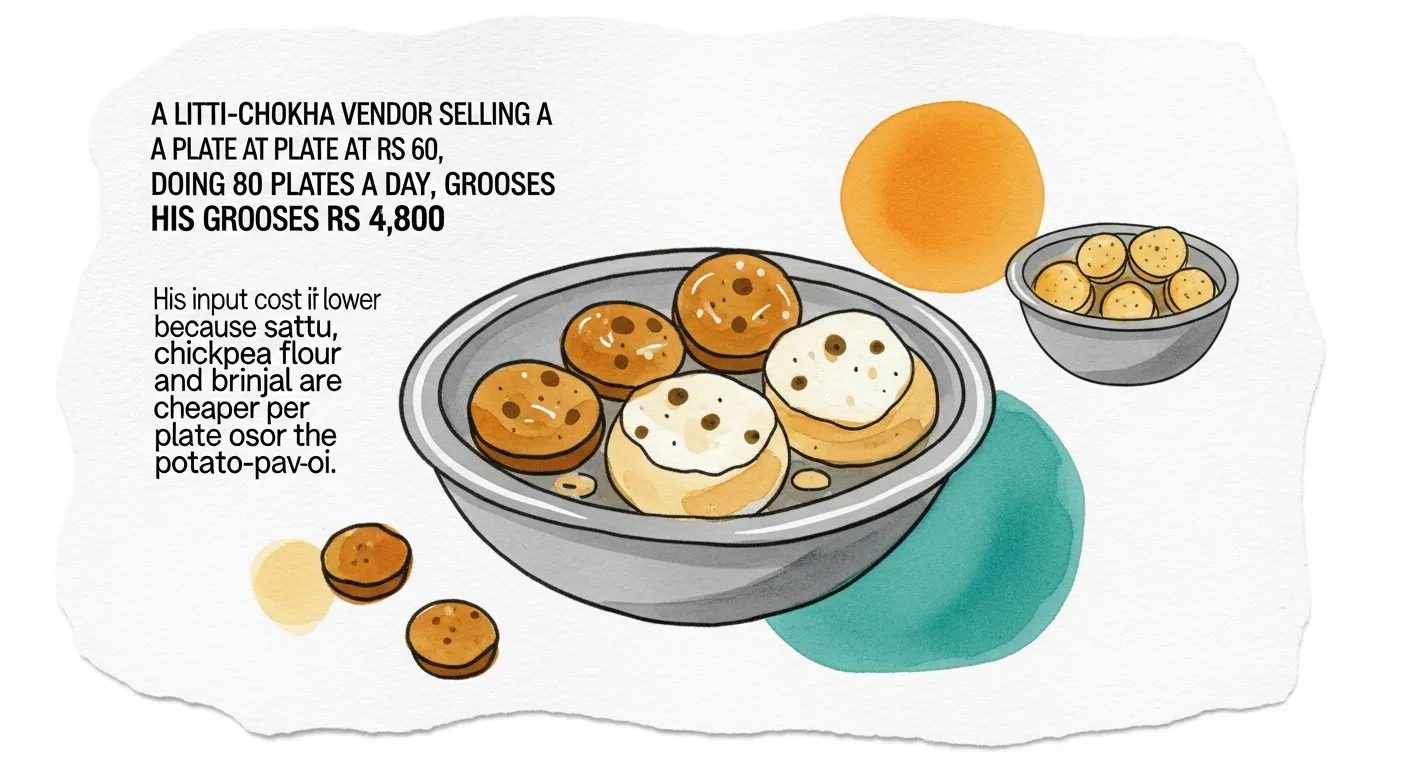
A litti-chokha vendor selling a plate at Rs 60, doing 80 plates a day, grosses Rs 4,800. His input cost is lower because sattu, chickpea flour, and brinjal are cheaper per plate than the potato-pav-oil combination. He goes home with something closer to Rs 2,000. On a good day.
The older vendor is not losing customers to the new vendor. They do not share a customer base. The Maharashtrian office worker is not switching to litti chokha. The Bihari mason was never eating vada pav to begin with.
What they share is pavement.
That is the actual pressure point. The MDPI study on Mumbai street vendors is clear that the precariousness is not about cuisine competition. It is about licensing, hafta, harassment, and the lack of legal protection under a framework that technically exists but rarely functions. The older vendor has a relationship with the local authority figure. The new vendor has to build that relationship from zero, often paying more to establish what the older vendor took a decade to negotiate.
This is the quiet cost of arrival. You do not compete on taste. You compete on access to eight feet of footpath.
THE ENTREPRENEUR THE NEWSPAPERS DO NOT INTERVIEW
Research on migrant entrepreneurship frames this clearly. Migrants leverage cultural knowledge to serve their own community or to introduce something unfamiliar to a wider audience. Both dynamics are happening in Dahisar East at the same time, on the same road, sometimes at the same cart.
Start with the first dynamic. A Bihari labourer at a construction site has roughly Rs 150 a day for food. He will not spend it on an item he does not recognise. He wants what he ate at home. The vendor from his district or the neighbouring one offers exactly that, at a price point calibrated to a labourer's wage. The ethnic enclave logic is not nostalgia. It is procurement.
Then the second dynamic. A Gujarati teenager walking home from coaching class sees the momo cart, tries it on a friend's dare, and comes back on Wednesday. A young couple from the new towers tries the sattu sharbat because it is 38 degrees and the glass is cold and the vendor explains the drink in three sentences. The food crosses the community it came with.
The cart that started as a canteen for one group ends up as a discovery for another.
This is how cuisines actually move across India. Not through restaurants. Not through festivals. Through a man with a stove and a reason to leave home.
WHAT HAPPENS WHEN THE 50,000 HOMES ARRIVE
The construction phase and the occupation phase are different food economies. Right now, Dahisar East is in the construction phase. The customer is the labourer. The menu is cheap, filling, regional, and unapologetic.
When the towers fill up, three to seven years from now, the customer shifts. The labourer moves to the next construction site, probably in Mira Road or Virar. The resident who moves into the new flat wants something else. Some of the vendors will leave with the workers. Some will stay and reinvent. The ones who stay will adjust the menu, raise the prices, add a paneer option, print a QR code for UPI.
That is the pattern Bombay has run on since the mill workers of Parel were eating at Irani cafes that outlived the mills by thirty years. The cafe adjusted. Or it closed.
The vada pav stall near Dahisar station will still be there. So will the Rabdi Falooda glass opposite Gokul Anand. They have survived worse than a radar relocation.
But the map will be longer. It is already longer.
The radar moved. The chaat followed. The building has not arrived yet.
Field Notes
Quick referenceSeventy-seven years. That's how long a radio radar dictated what Dahisar East could become.
1,000 acres unlocked. 50,000 homes projected. One litti-chokha cart already there.
Vada pav vendor: Rs 1,600 daily take-home. Litti-chokha vendor: Rs 2,000. Same pavement.
The vendor reaches the construction site before the foundation is dug.
Eight feet of footpath. That's what vendors actually compete for, not taste.
Get the next story first
Join the Bhukkads. Free, no spam, just stories.
Takes 30 seconds.