The Thaal That Learned to Speak French
A 1,400-year-old eating tradition in Bhendi Bazaar. A wholesale inflation rate of 2.13 percent. A chicken sushi roll where the kheema samosa used to be. And a generation of cooks deciding what stays and what goes.
Generated by Imagen 4
In 632 AD, in a small mosque in Medina, a man named Abu Bakr broke bread with twelve others sitting on the floor in a circle. They ate from a single large platter. They ate with their right hand. They started with a pinch of salt. They ended with a pinch of salt. The salt, the prophet had said, opens the seventy doors of the body, the seventy paths to illness, and closes them again.
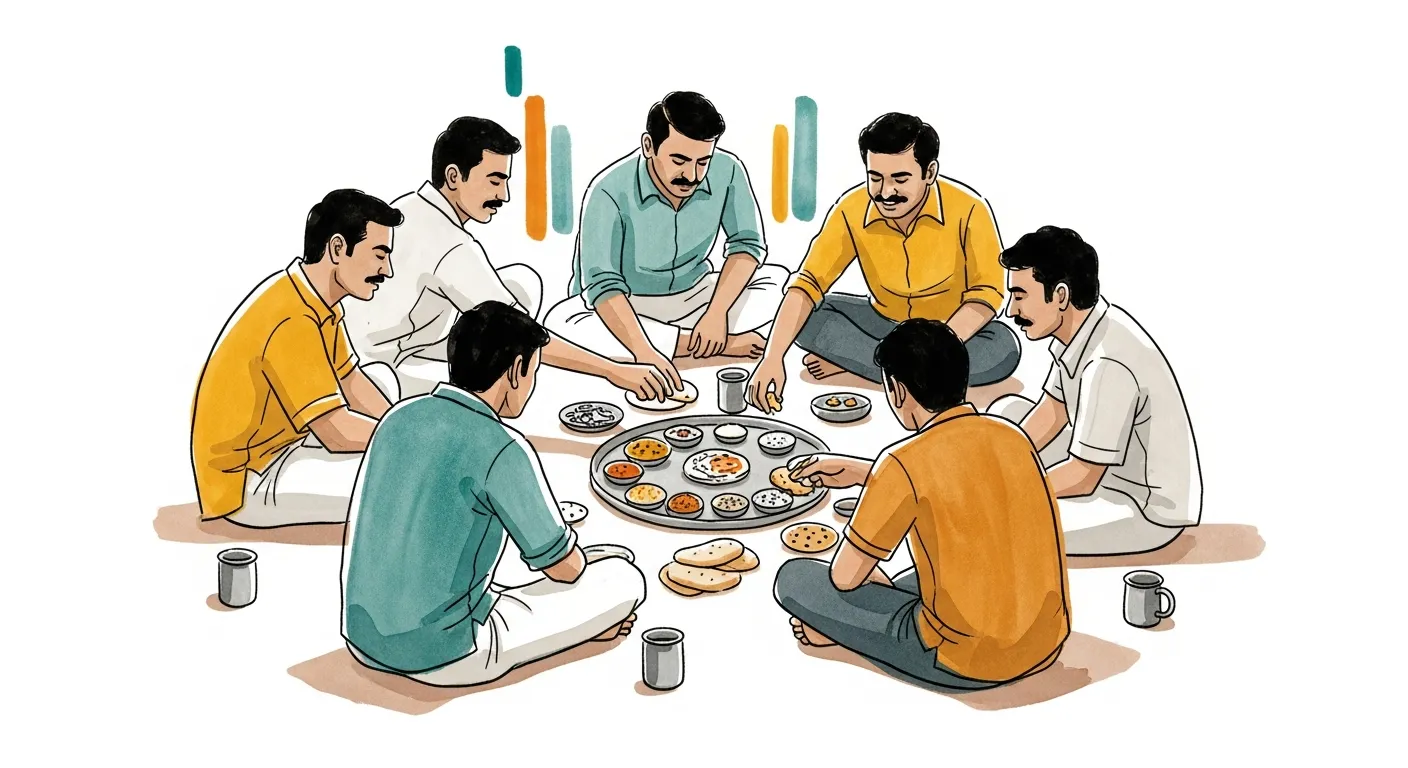
Thirteen centuries later, in a fourth-floor flat above Bhendi Bazaar, a woman named Sakina spreads a thaal on the floor. It is brass. It is the diameter of a small dining table. Eight people sit around it. There is a pinch of salt at the centre. They will end with a pinch of salt. In between, somewhere on the platter, there is a chicken sushi roll.
This is not a story about fusion. This is a story about what happens when a 1,400-year-old eating ritual meets a 19.7 percent spice inflation rate.
THE COMMUNITY THAT FOLLOWED A QUEEN
The Dawoodi Bohras are Ismaili Shias who trace their spiritual lineage through Fatimid Egypt to a queen named Arwa al-Sulayhi, who ruled Yemen from 1067 to 1138. When the Fatimid line in Cairo collapsed, Arwa kept the dawah alive from Yemen. By the sixteenth century, the seat had moved to Gujarat. By the nineteenth century, a substantial part of the community had moved to Bombay, settling in a tight grid of lanes between Mohammed Ali Road and Pydhonie that the city now calls Bhendi Bazaar.
They came as traders. Hardware. Stationery. Surgical instruments. Watch parts. The kind of small, specialised, high-margin goods that fit in a wooden box and travel by ship. They built a vertical neighbourhood of narrow buildings stacked with shops below and homes above, and on the top floor of each home, a kitchen.
The kitchen mattered because the community ate together. Not as a metaphor. As a system. The thaal is not a serving dish. It is a discipline. Eight people. One platter. Right hand only. Salt to open. Salt to close. Sweet before savoury, which is the opposite of how the rest of India eats, and the Bohras will tell you the rest of India is doing it wrong.
WHAT IS ON THE PLATTER
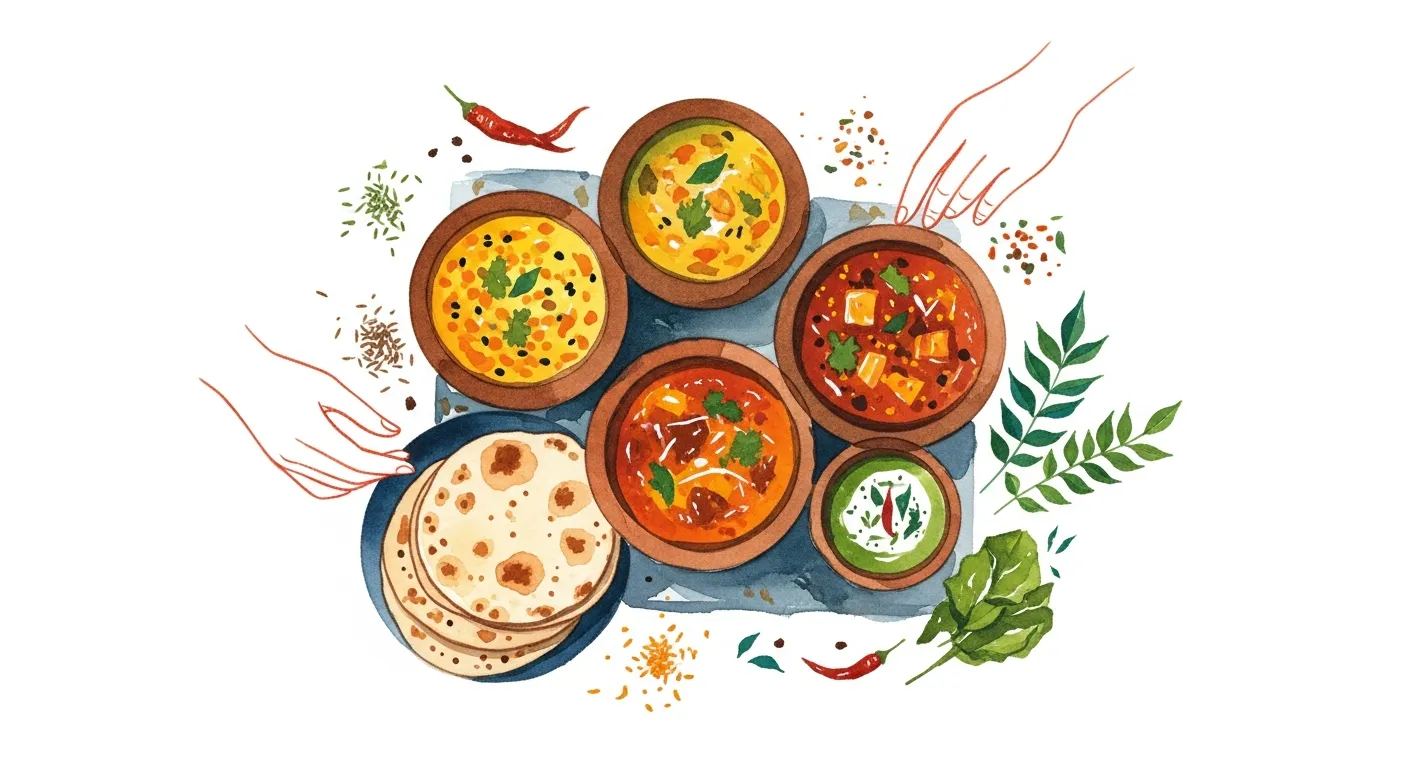
A traditional Bohri thaal moves through a sequence. A pinch of salt. Then something sweet, often a date or a piece of mithai. Then khichda, the slow-cooked wheat and meat porridge that takes six hours and a watchful aunt. Then kheema samosa. Then a curry, usually mutton, usually with the bone in because the bone is doing half the work. Then dal chawal palidu, the sour lentil broth poured over rice. Then more sweet. Then salt. Then over.
Every item has a name. Every name has a recipe. Every recipe has a woman who learned it from her mother who learned it from hers. The recipes are not written down. They are spoken into the ear of the next cook while she stirs.
The thaal is not a serving dish. It is a discipline.
THE KHOW SUEY ARRIVES
Then the phone started ringing.
Food writers. Travel bloggers. A generation of Mumbai diners who had never eaten on the floor in their lives but had seen a reel and wanted in. Bohri home chefs who had spent decades feeding their own community for weddings and Ashara began catering for outsiders. The thaal went public.
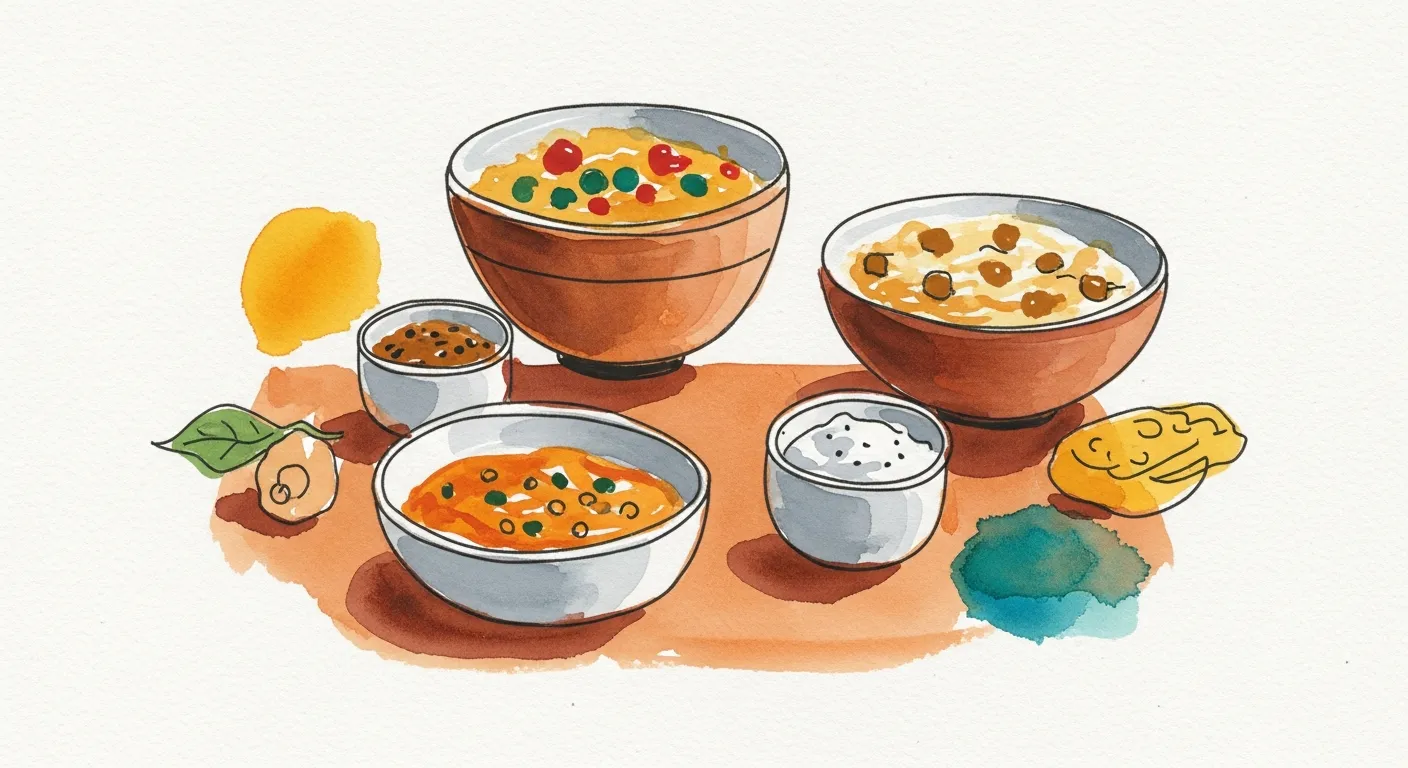
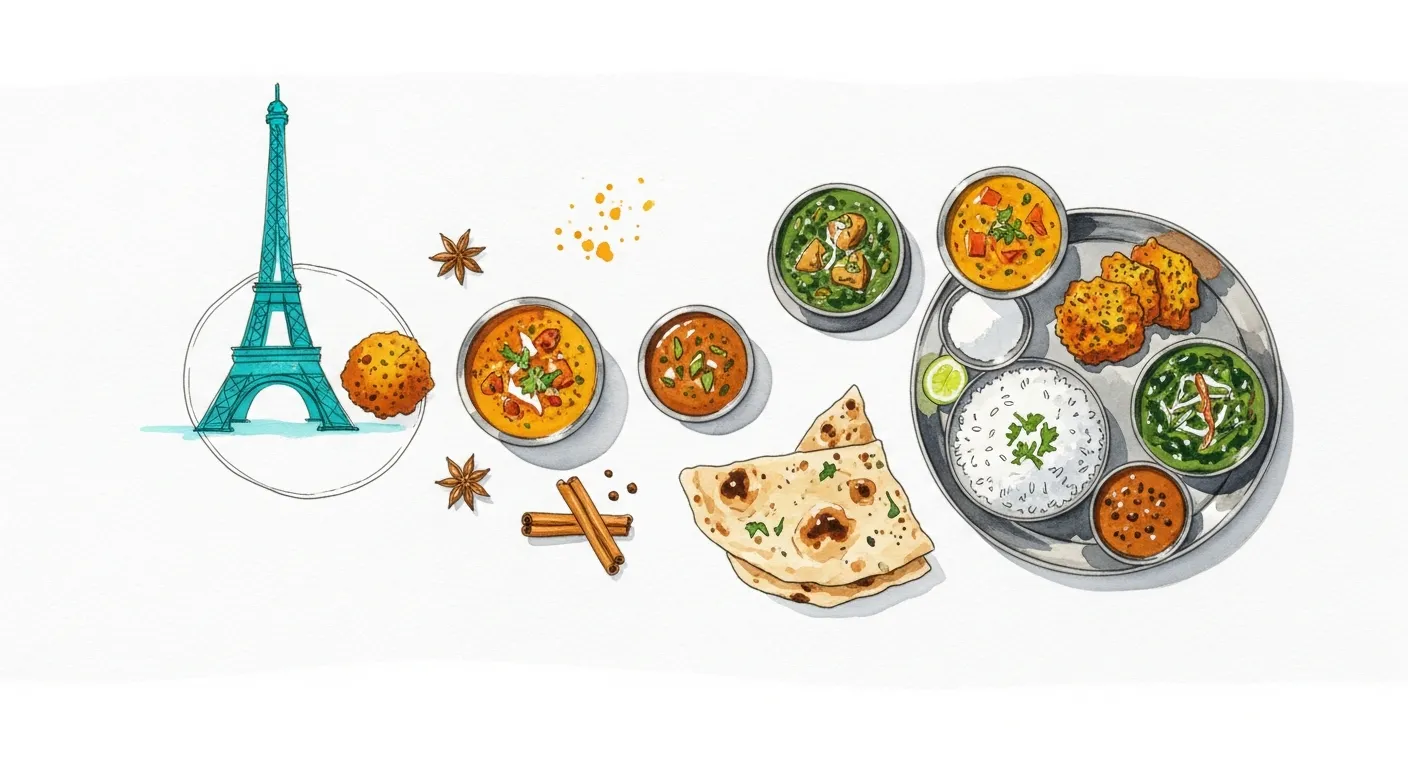
And the thaal began to change. Mint reported in 2023 that Bohri caterers in Bhendi Bazaar were folding global dishes into the traditional sequence, Burmese khow suey alongside the khichda, chicken sushi rolls in the slot where the samosa used to sit, French vol-au-vents at the centre of a platter that had not seen butter pastry in 1,400 years.
This was not desperation. It was strategy. A younger Bohri clientele, raised on Bandra cafes, wanted variety. A non-Bohri clientele, raised on Instagram, wanted novelty. The home chefs gave them both.
NOBODY TALKS ABOUT THE BUTCHER
Nobody talks about where the meat comes from.
The Bohra community sources mutton and chicken from specific halal butchers who follow the community's particular requirements, which differ in small but non-negotiable ways from generic halal sourcing. There are a handful of these butchers in Bhendi Bazaar. They have known the families they supply for three generations. The relationship is not transactional. The cook calls. The butcher delivers. The bill is settled later.
This is the part of the supply chain that does not appear in any reel.
And this is the part that has been hit hardest. Wholesale food article prices rose by 2.19 percent in February 2026 over January, with overall WPI inflation climbing to 2.13 percent. Swarajya noted that "inflation accelerated for items such as pulses, potatoes and animal products including eggs, meat and fish, contributing to the overall increase in food inflation."
This is not abstract. For a home chef preparing a thaal for eight, mutton is the largest single line item. When the wholesale rate climbs, the community butcher absorbs some of it, the cook absorbs some, the customer absorbs the rest. Nobody is happy.
THE SPICE PROBLEM
Then there are the spices. The Bohri kitchen runs on a specific masala vocabulary. Dhana jeeru in particular proportions. A garam masala that is not the Punjabi garam masala. Dried red chillies of a specific heat and a specific colour. Saffron for the kheer.
Urban food inflation in India reached 10.42 percent in December 2023, with spices alone climbing 19.7 percent year on year. Pulses, the backbone of the dal chawal palidu, rose 20.73 percent. A home chef who quoted a thaal price in 2022 cannot hold that price in 2026. The math will not work.
Wholesale food article prices rose 2.19 percent in February 2026 alone. That is one month. The cook who runs a small thaal operation out of her flat does not have a procurement department. She has a phone, a list, and a household budget that has to flex.
THE OUTSIDERS
A resident posting on r/mumbaiFood in 2024 wrote what locals had been saying privately for two years. Prices in Bohri Mohalla have climbed. Demand has surged, pushed by social media. Much of what is now being sold in the lanes is food designed for outsiders, not the community. The kheema samosa at a stall on the street and the kheema samosa on a thaal upstairs are no longer the same item.
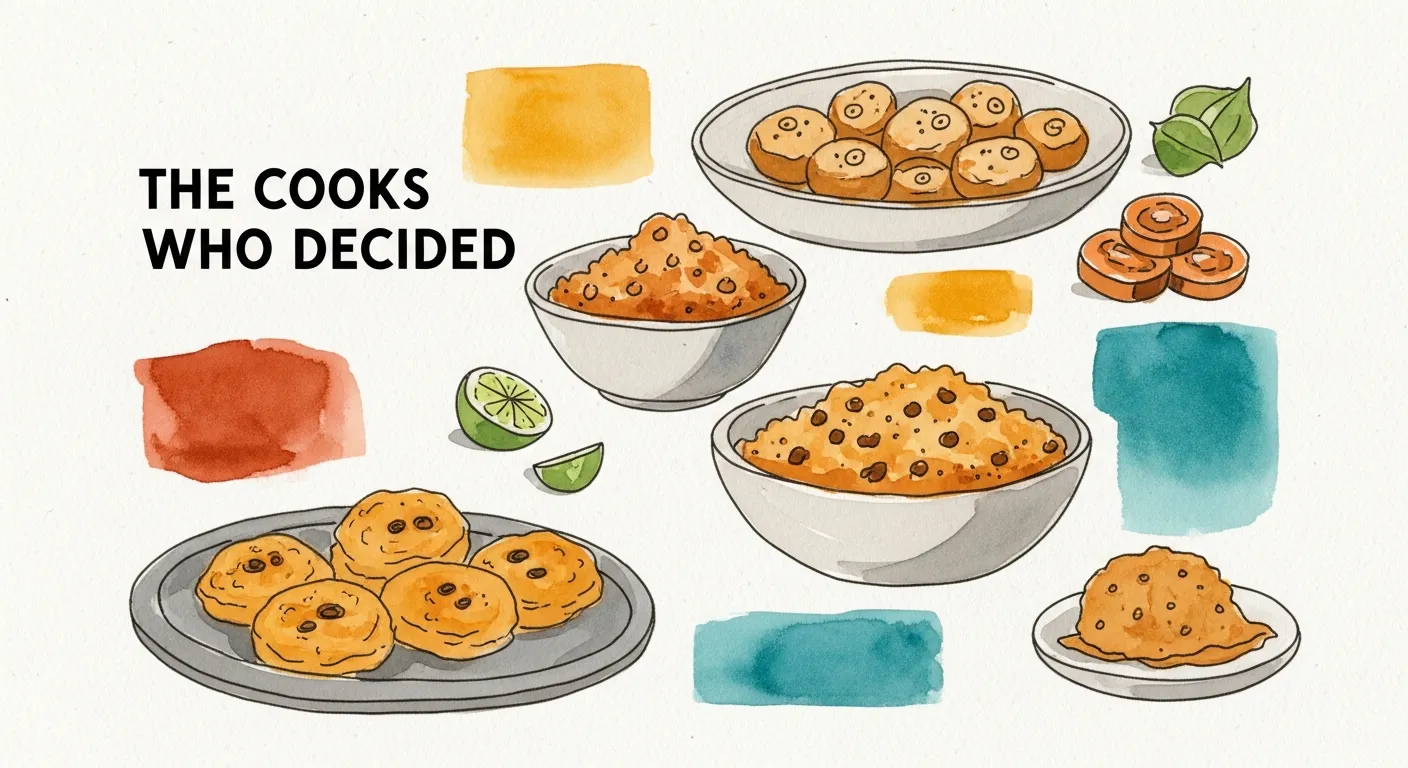
This is the cultural dilemma compressed into one sentence. The food that built the community's reputation is now being shaped by people who did not grow up eating it.
The kheema samosa downstairs and the kheema samosa upstairs are no longer the same item.
THE COOKS WHO DECIDED
Some home chefs drew a line. The thaal stays as it is. Eight items. The traditional sequence. No khow suey. No vol-au-vent. The price goes up because the cost of mutton went up, and the customer can take it or leave it. These cooks tend to feed mostly within the community, with a small waitlist of outsiders who came recommended.
Others picked up the phone and learned to make sushi. Mint's reporting describes Bohri caterers who now run dual menus, one for community functions, another for outside catering, with the second menu carrying the global additions and a price tag that justifies the labour. The traditional thaal subsidises the experimental one. The experimental one keeps the operation alive.
A third group, smaller, did something more interesting. They kept the structure of the thaal, the salt to salt, the sweet before savoury, the eight diners on the floor, and slotted new dishes into the old grammar. The vol-au-vent went where the samosa went, but the sequence held. The ritual stayed. The contents flexed.
WHAT THE THAAL IS FOR
The thaal was never just about the food. It was about eight people sitting on the floor, eating from one platter, with one hand, in one rhythm. The salt at the start and the salt at the end are bookends on a conversation. The sweet before savoury is a way of telling your body you are about to be cared for. The bone in the curry is a way of telling the cook she did not cut corners.
None of that changes when the samosa becomes a sushi roll. Some of it changes when the platter moves from a flat in Bhendi Bazaar to a catering tent in Bandra. The ritual is portable. The neighbourhood is not.
The home chefs of Bhendi Bazaar are doing what cooks have always done in this city. They are absorbing a 19.7 percent spice hike, a community butcher who calls with bad news, a younger generation that wants khow suey, and an older generation that wants the recipe their mother stirred into their ear. They are doing the math on the back of an envelope and quoting a price that is fair to everyone except themselves.
The pinch of salt at the start still opens seventy doors. The pinch at the end still closes them. Everything in between is negotiable, and always was.
Field Notes
Quick reference632 AD. Abu Bakr breaks bread with twelve others in Medina. Salt to open, salt to close. Thirteen centuries later, the sequence holds.
Spice inflation hit 19.7 percent year-on-year. The math on the back of an envelope no longer works.
Sweet before savoury. The opposite of how the rest of India eats. The Bohras will tell you everyone else is wrong.
Three generations of trust between butcher and cook. The cook calls. The butcher delivers. The bill is settled later.
The traditional thaal subsidises the experimental one. The experimental one keeps the operation alive.
Get the next story first
Join the Bhukkads. Free, no spam, just stories.
Takes 30 seconds.