The Onion That Doesn't Make You Cry
A GI-tagged crop with a 2,000-year-old story, growing one ferry ride from Mumbai.
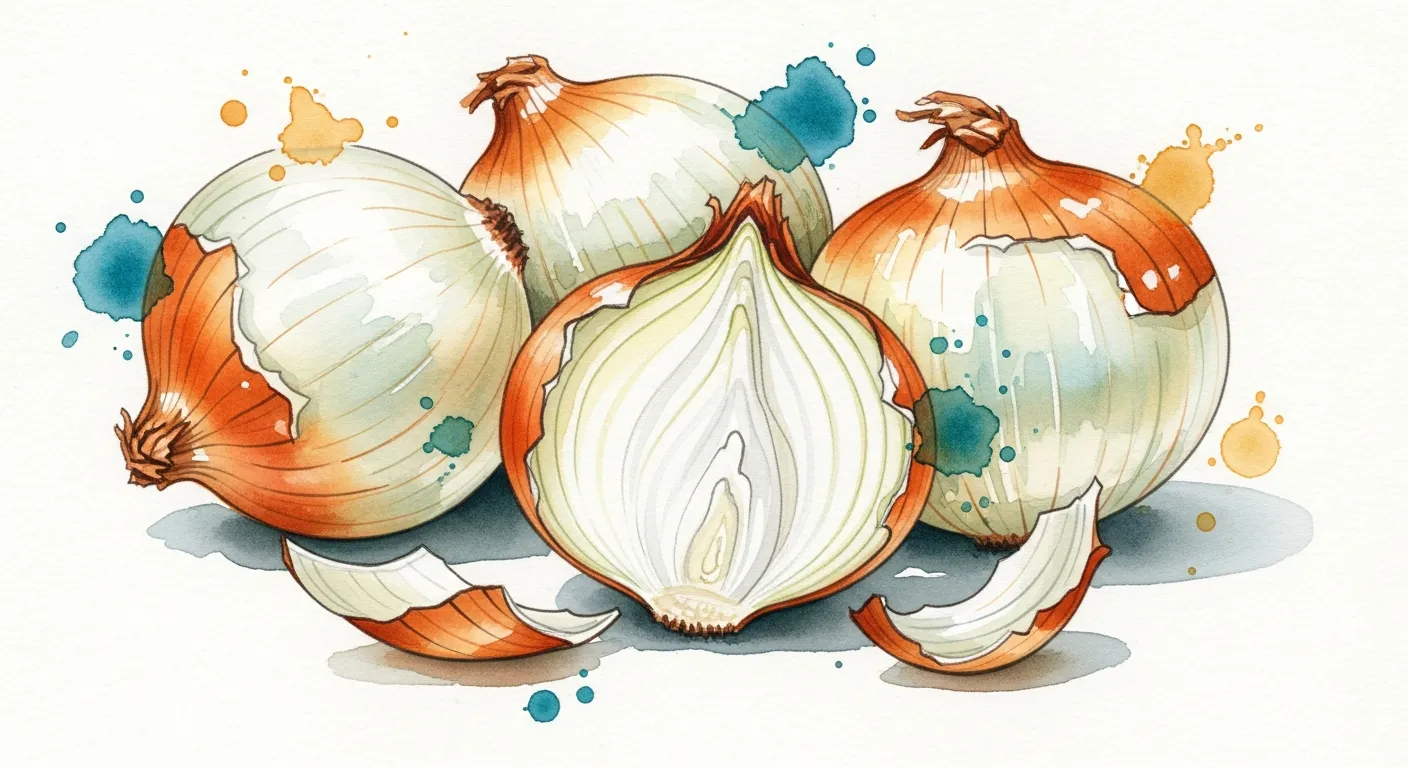
Watercolor illustration
Alibag is named after a man called Ali.
He was a Bene Israeli, part of one of the oldest Jewish communities in India, and one of the most quietly astonishing origin stories you will ever come across. Over two thousand years ago, a ship went down somewhere off this Konkan coast. Fourteen people survived. Seven men, seven women. They swam to shore near a village called Navgaon, about 20 miles south of what is now Mumbai. Just each other, a shared memory of prayers, and the particular stubbornness of people who have just survived something that should have killed them.
They stayed.
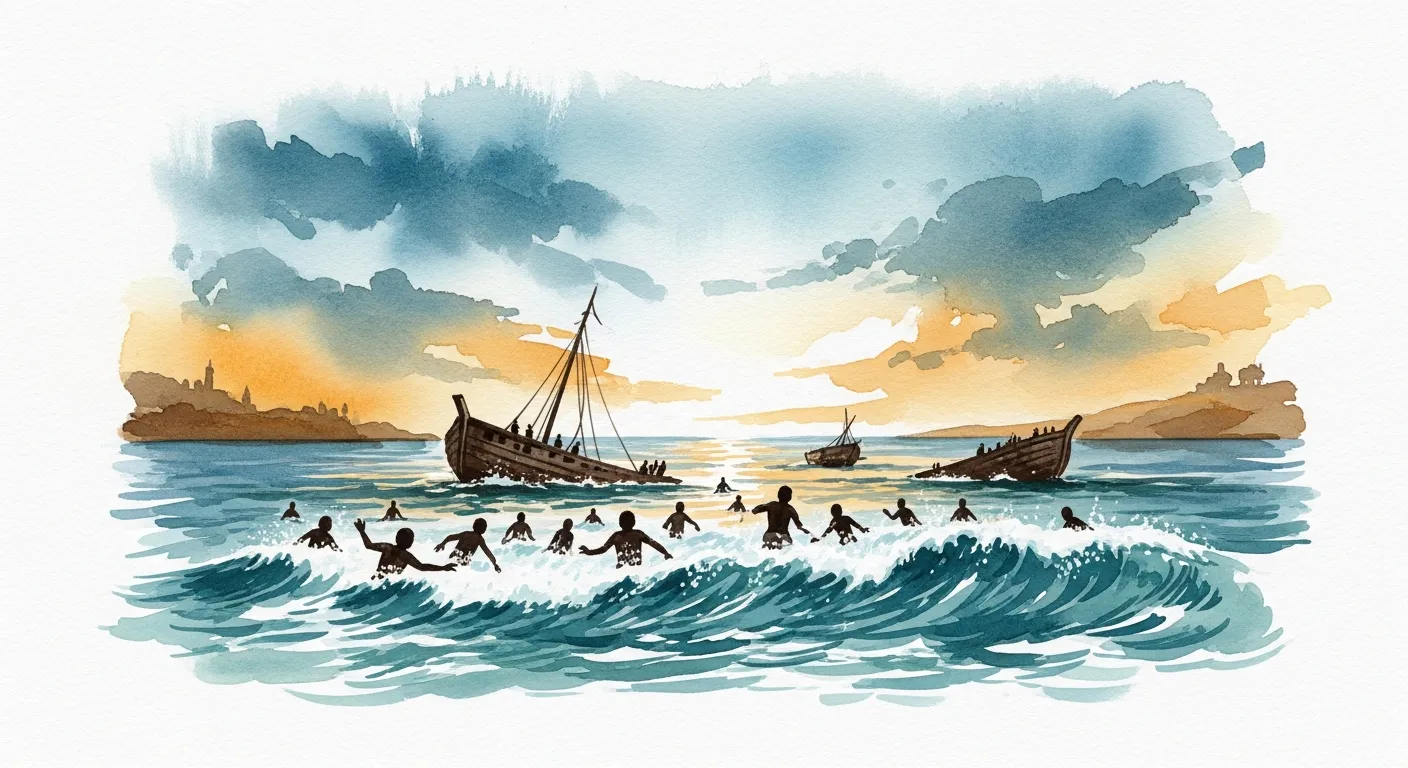
They pressed oil for a living and rested every Saturday, and the locals, watching, curious, respectful, gave them a name that has lasted two thousand years: Shanvar-telis. Saturday Oil People. They planted roots in Konkan villages, learned Marathi, added -kar to their village names as surnames, and became as woven into the fabric of this coastline as the coconut trees. When genetic researchers finally tested their DNA in 2016, they found what the community had always known: these were genuinely, verifiably, people of Jewish ancestry. The story they had carried for two millennia was true.
Ali was one of them. He came to a stretch of this coast and planted mango trees and coconut groves and dug wells, ten or eleven of them, that still hold water today. One sits near the old banyan tree by the Mamlatdar's office in Alibag town. Another near the Ganpati Temple. When people eventually needed a name for the place, they named it after his garden. Alichi Bagh. Ali's Garden. Alibaug.
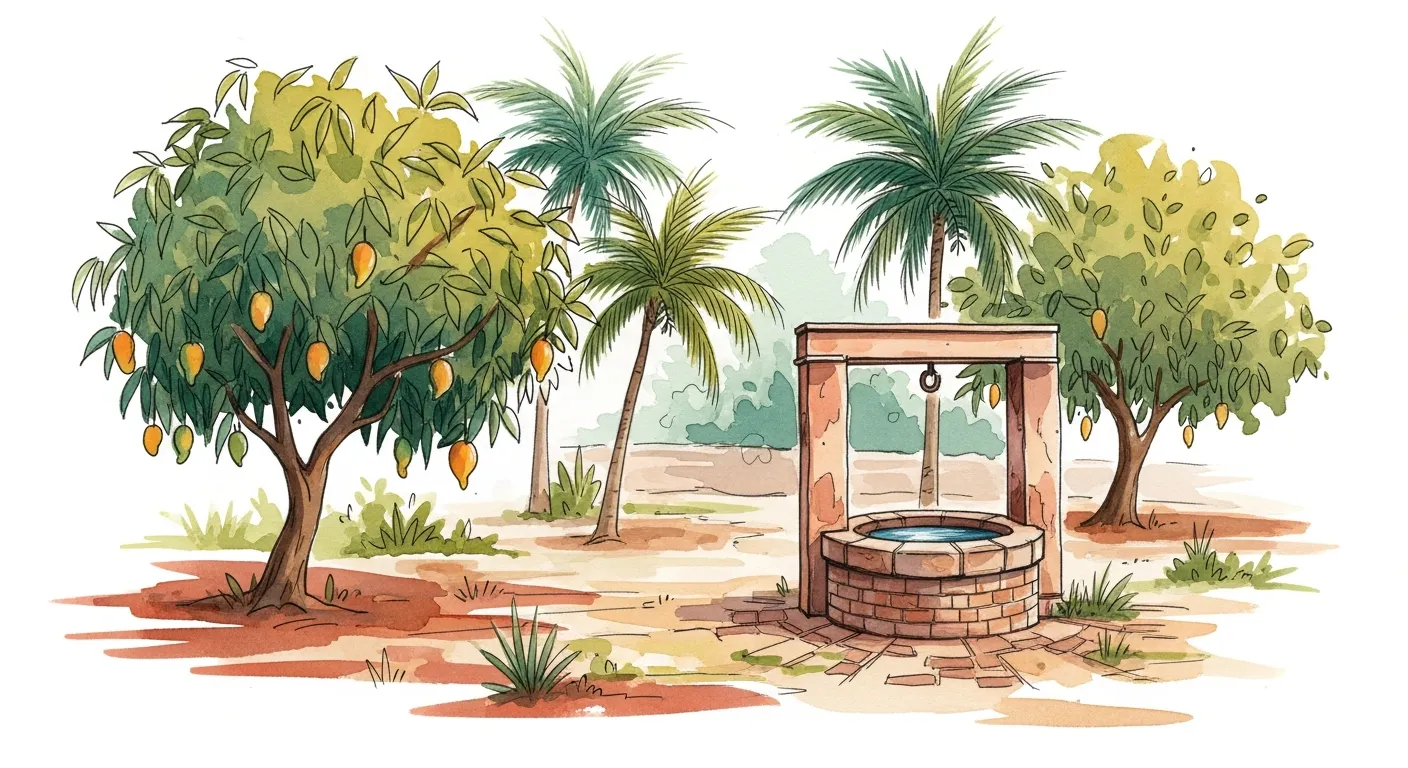
The town carries his name in every signboard, every map, every M2M ferry ticket you have ever bought.
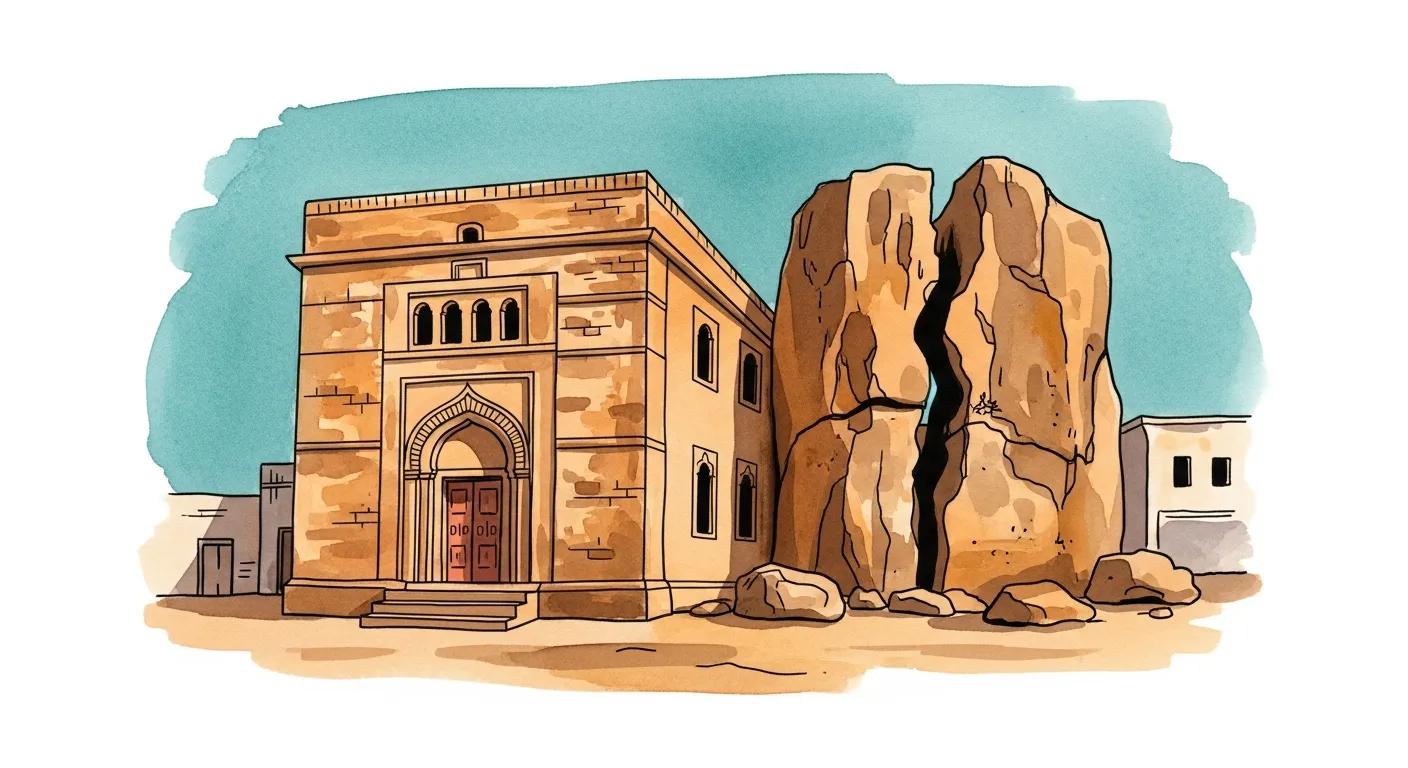
And somewhere in Alibag, if you know where to look, there is a large rock, about forty feet long, with a deep gouge running through it. The Bene Israeli community believes this is where the Prophet Elijah's chariot lifted off to heaven. They still make pilgrimages to it. There is also a synagogue, the Magen Aboth, built by the Bene Israeli community, still standing in Alibag town, still used by the small number of families who remain. Most people who have been to Alibag twenty times have no idea any of this exists.
But this is not the only thing growing quietly in that soil that nobody talks about.
In the same ancient coastal earth, low in sulphur, shaped by centuries of rice farming and sea air, an onion has been growing that is unlike any other in India. White as a fresh pearl. Mildly sweet. And when you cut it, it does not make you cry.
Not a little. Not at all.
This is not a claim. It is chemistry. The soil of Alibag is unusually low in sulphur, the element responsible for the compound that makes every other onion an act of minor violence at the kitchen counter. Without it, there is no pyruvic acid spike, no lachrymatory factor, no sting. What there is instead: genuine sweetness, a clean crunch, and high levels of quercetin, the antioxidant compound that researchers link to immunity, heart health, gut function, and blood pressure. The land is mild. What it grows carries that mildness into you.
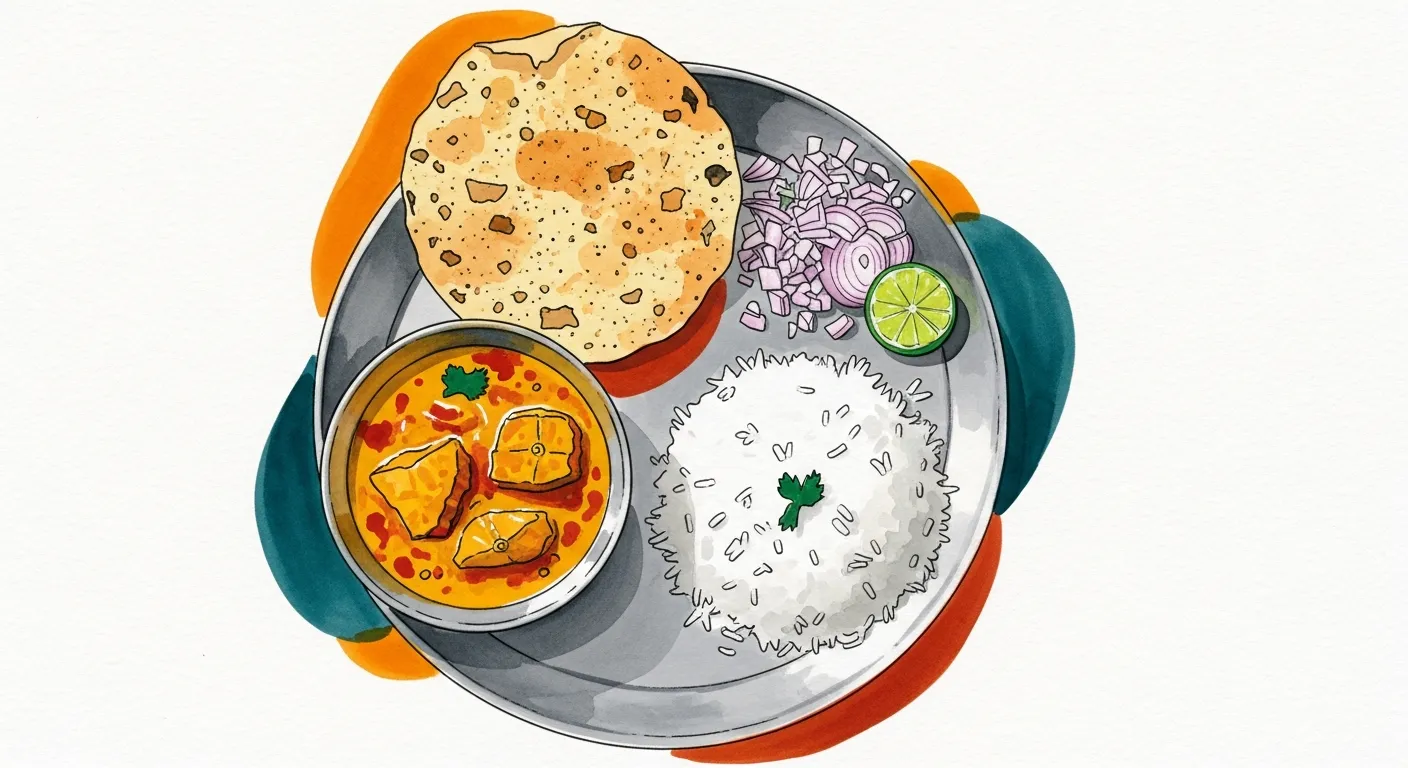
The locals have always known how to treat it. You don't use a knife. You smash it, fist down, palm flat, and eat it raw with roasted papad and a good squeeze of lime. No ceremony. Just respect.
This onion has been feeding people here for as long as anyone can trace. The British wrote it into the official government gazette in 1883. That was 142 years ago. Since then it has survived their rule and the end of it, survived the mill closures, survived the floods that cut Alibag off from the mainland for days at a time, survived the decades when Mumbai's wealthy arrived and turned fishing villages into weekend addresses. Through all of it, every October, after the rice harvest, without ceremony or announcement, the same families in the same six villages planted the same onion in the same soil.
The villages are Karle, Khandale, Nehuli, Talvali, Sagaon, and Wadgaon. Remember them.
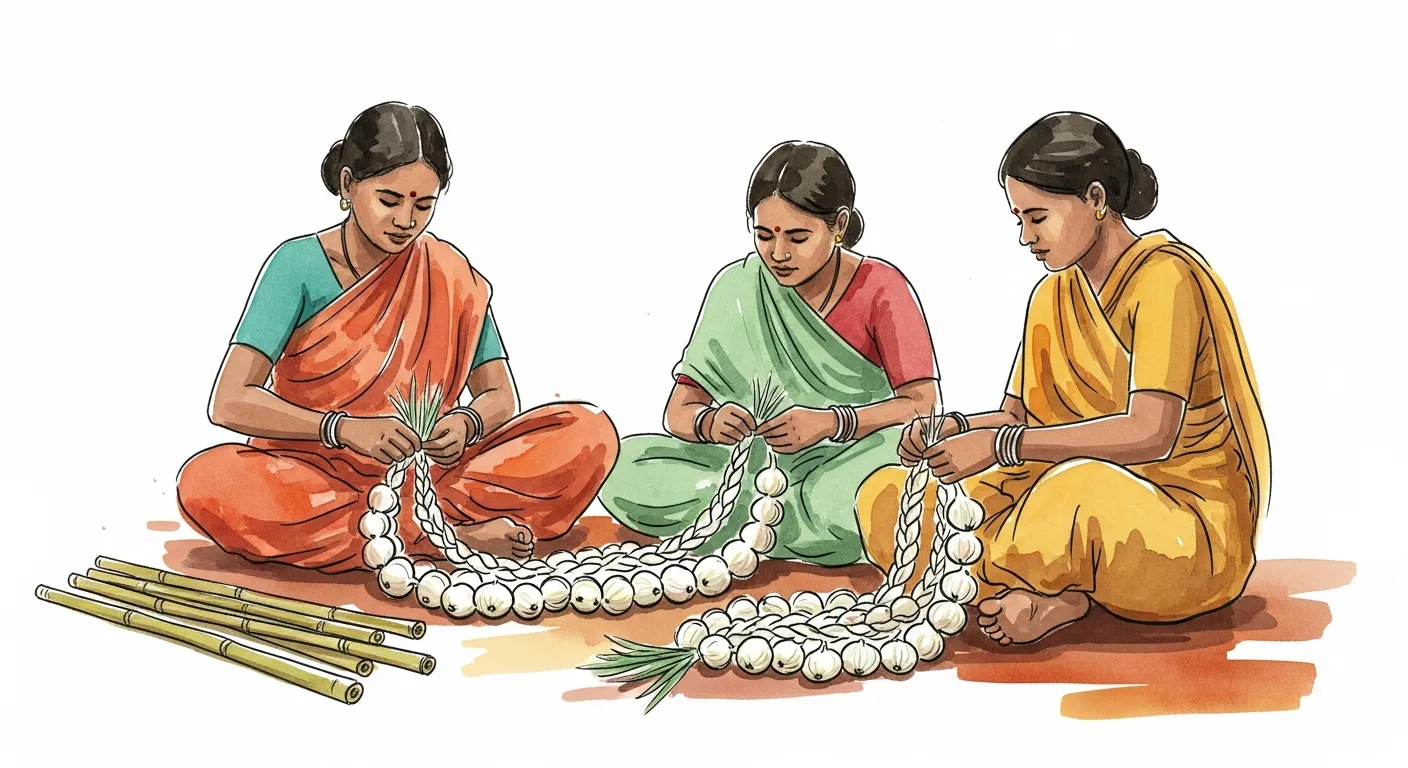
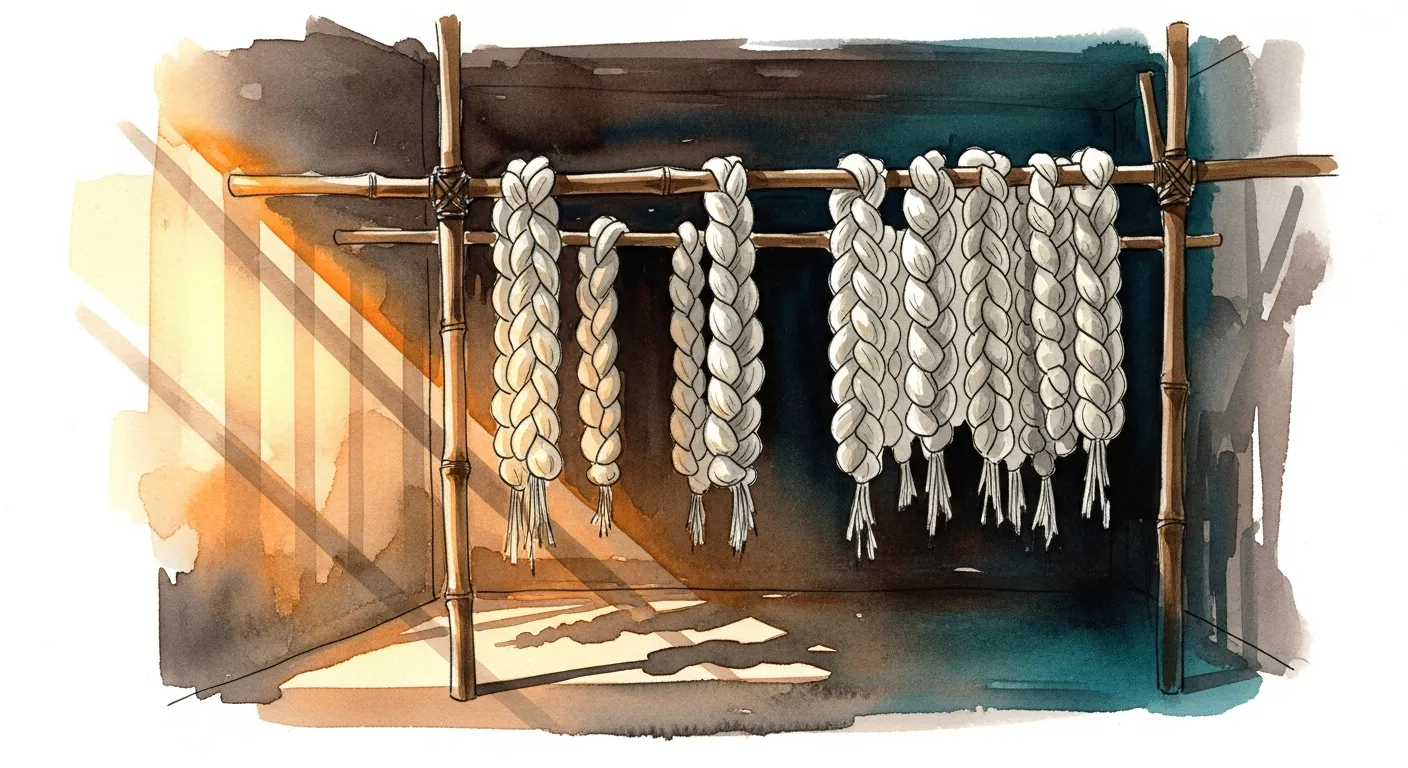
When the crop comes in, the women of these villages braid the harvested onions by hand into venis, long pearl-white plaits of 3 to 4 kg, woven like hair, hung on bamboo sticks in cool dark rooms where they stay fresh for up to a year. An entire household's worth of flavour, preserved without refrigeration, made by hand, ready when needed. Some technologies are old because they work.
Mumbai ate this onion for over a century. Never once asked what it was called.
The GI tag arrived in November 2022. Maharashtra's 34th Geographical Indication protected product, in the same official company as Darjeeling tea and Alphonso mangoes. The farmers of those six villages now earn around ₹2 lakh per acre. The name is legally protected. An onion sold as Alibag white that was never grown in Alibag is fraud. It took 139 years from the first gazette entry to get there.
Think about what held on through those 139 years. Fourteen shipwreck survivors who built a civilisation on this coast. A man named Ali who planted a garden and accidentally named a town. Women in six villages braiding onions by hand every harvest, year after year, without anyone writing a word about it. A synagogue still standing in a town full of weekend brunch spots. A sacred rock that most visitors walk past without a second glance.
Alibag has been carrying all of this quietly. It does not announce itself. It just keeps growing.
One ferry ride from the city. Two thousand years in the ground. An onion that, unlike most things, will not make you cry.
Field Notes
Quick referenceM2M RoRo Ferry, Bhaucha Dhakka to Mandwa. Under 1 hour. Cars on board. Book weekends early.
January to May. Peak season. Buy the braided veni. Keeps for a year if stored dry.
Best bet: roadside stalls on the Alibag-Mandwa road on your way back. Villages: Karle, Khandale, Nehuli. In Mumbai: APMC Vashi wholesale. BigBasket stocks it sometimes, but luck.
Farm gate: ₹35/kg. Mumbai retail: ₹90-120/kg. Under ₹80 and calling it Alibag? Walk away.
Smash with your fist. Roasted papad. Lime. Fish curry, rice. Done.
Get the next story first
Join the Bhukkads. Free, no spam, just stories.
Takes 30 seconds.