Versova, Who Are You?
The original inhabitants of Mumbai are still here. They are still fishing. They are still cooking. And their food is worth the trip.
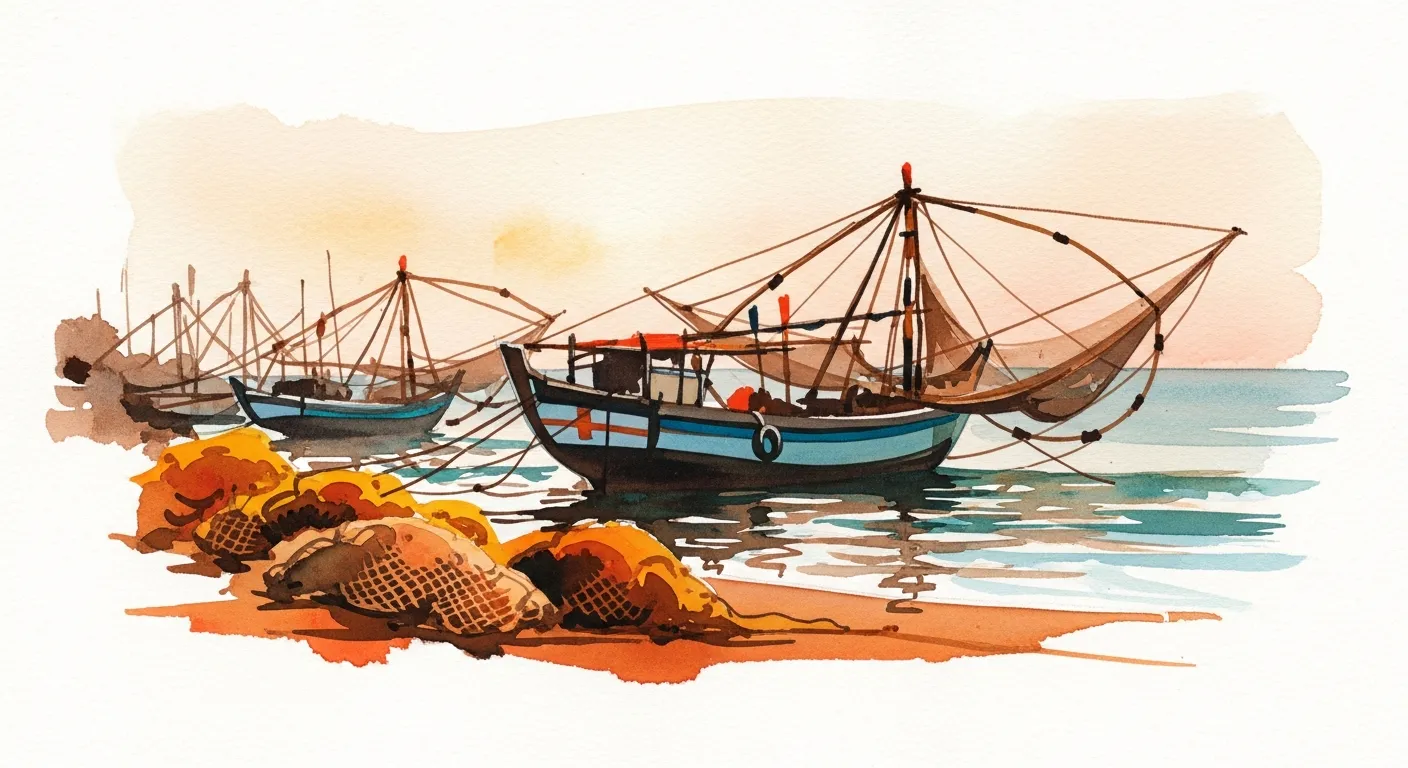
Watercolor illustration
The name means rest.
Visava, the Marathi word for a resting place. That is what this coastline was to the Koli community who settled here before the Portuguese arrived, before the Marathas came, before the British built their city on seven reclaimed islands, before the apartment towers went up and the Bollywood crowd moved in and the avocado toast cafes opened on Yari Road.
Versova was a place to rest. The Kolis rested here between voyages. They dried their nets, sorted their catch, cooked their food, sang their songs. The Italian traveller Gemelli Careri noted the village in 1695. The Portuguese built a church here. The Marathas built a fort. The British took that too in 1774. Each empire passed through. The Kolis stayed.
They are still here. In the northwest corner of the neighbourhood, pressed against the creek, living in the lanes that the city's development has not yet found economically interesting enough to demolish. The Versova Koliwada, home to Mumbai's original inhabitants, exists in the same postal code as the cafes, the production houses, the sea-facing apartments where actors and directors and people who talk about authentic food over brunch live their lives.
Two Versovas. Same address. Almost no overlap.
The Koli community are not a heritage exhibit. They are a functioning food system.
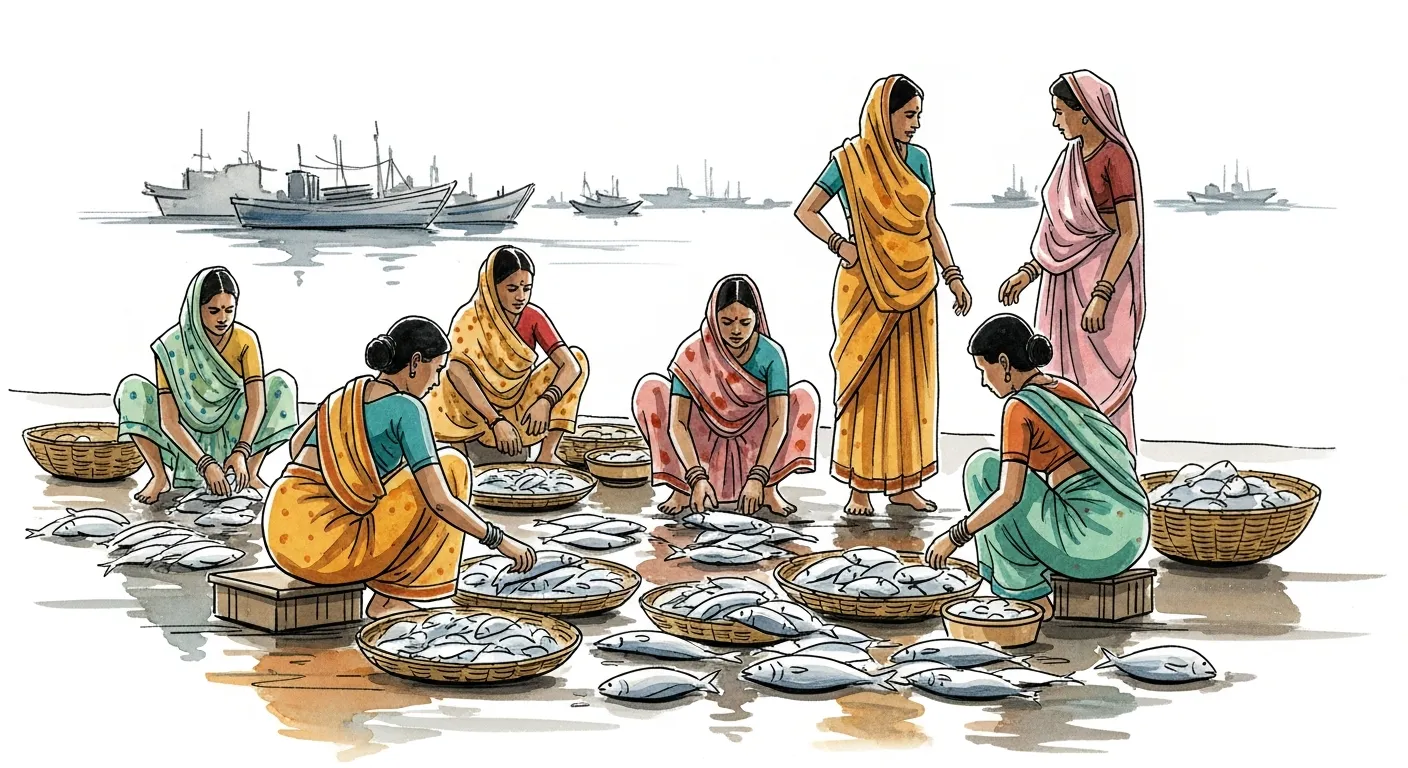
Every morning, before the city has its first coffee, the fishing boats come in. The men who have been at sea since the previous evening bring back what the Arabian Sea gave them. The women, who run the commercial side of Koli fishing with a financial authority that has been documented since the colonial era, sort, clean, price, and sell. The fish market at Versova jetty operates at wholesale prices. The city buys from it. Here are the people who made it possible.
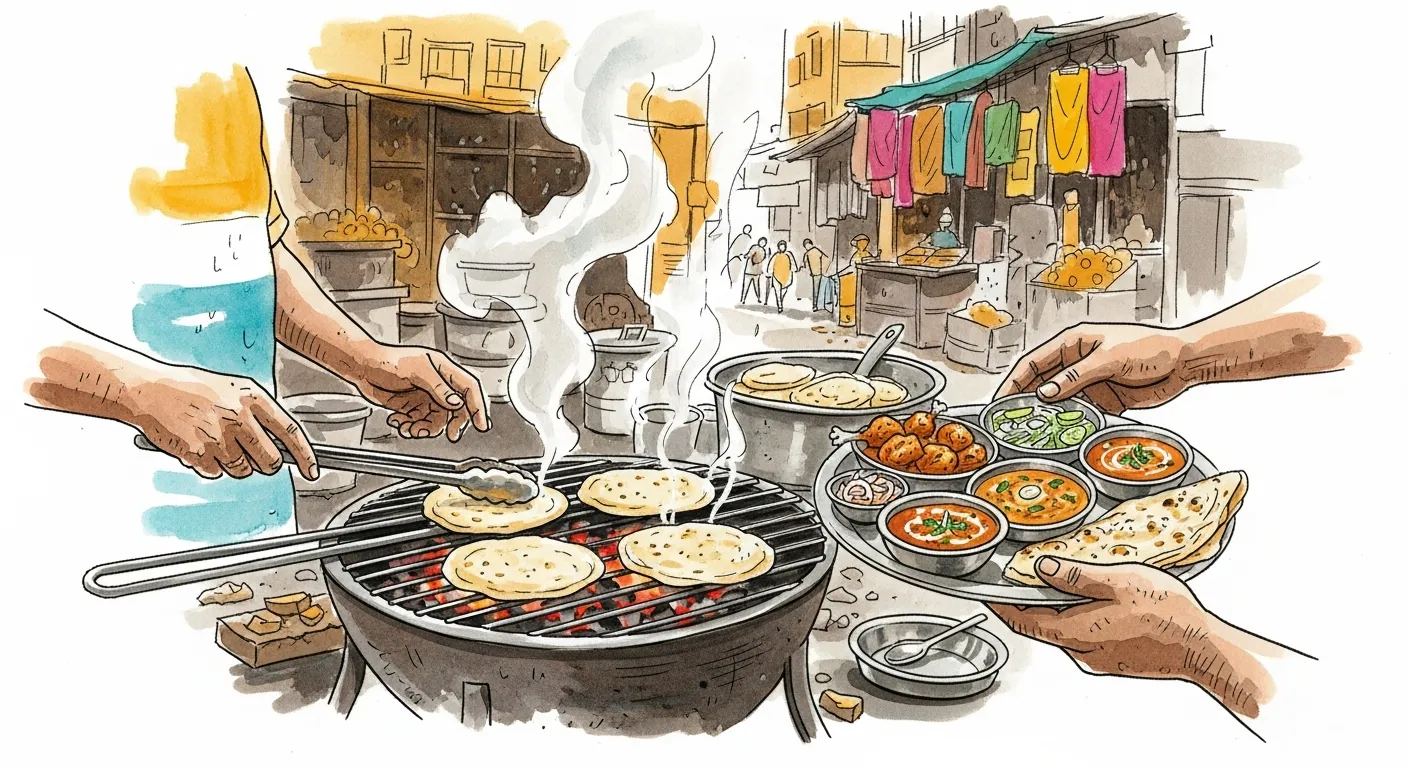
The food that comes from these boats is extraordinary in a way that no restaurant menu can fully replicate, not because of technique, but because of time. The fish that reaches a Koli kitchen in Versova in the morning was in the sea the previous night. There is no cold storage interruption, no distribution warehouse, no freight calculation. The coconut chutney is ground that morning. The rice flour for the bhakri, the flat bread that is the Koli staple, made without wheat, without yeast, without anything that wasn't growing on or near this coastline, is prepared fresh. What arrives on the plate is a direct line from the ocean to the hand to the table.
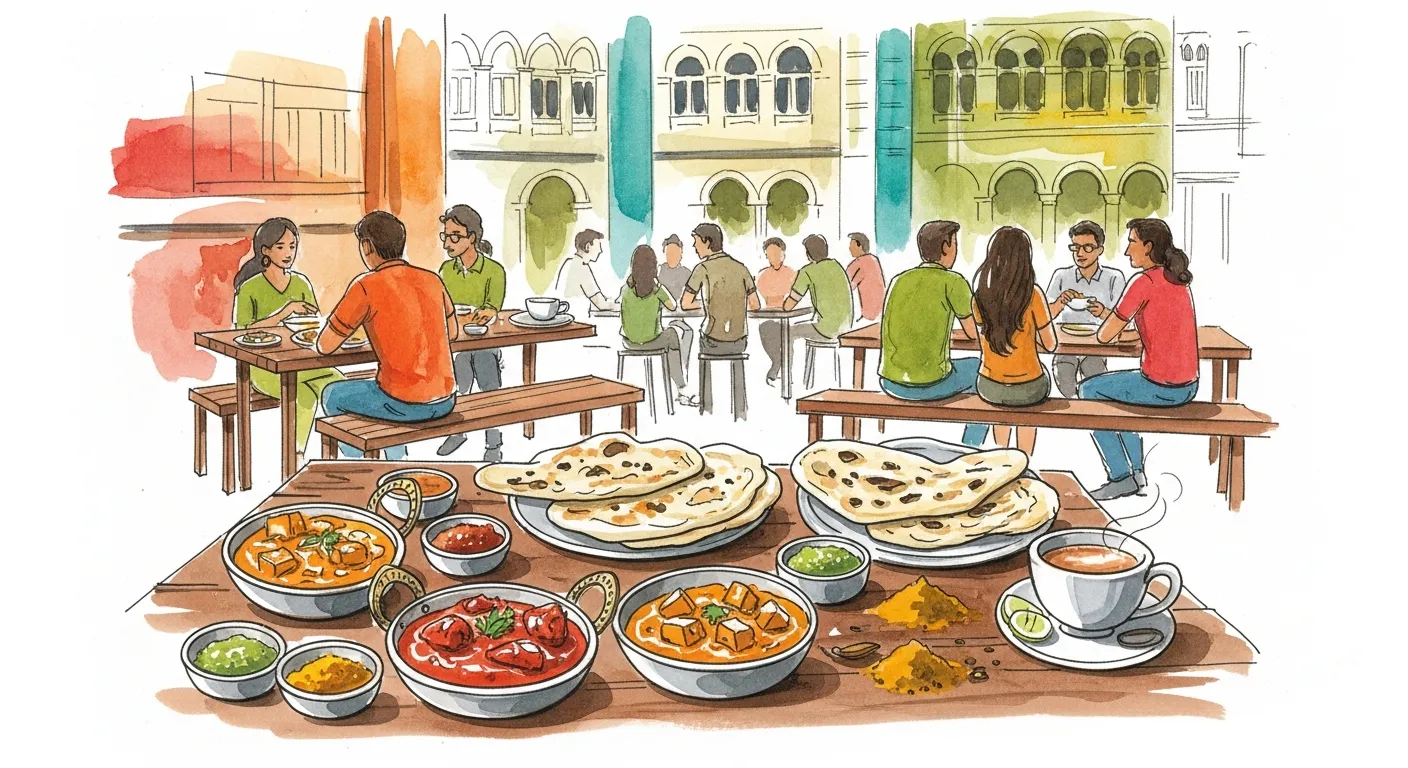
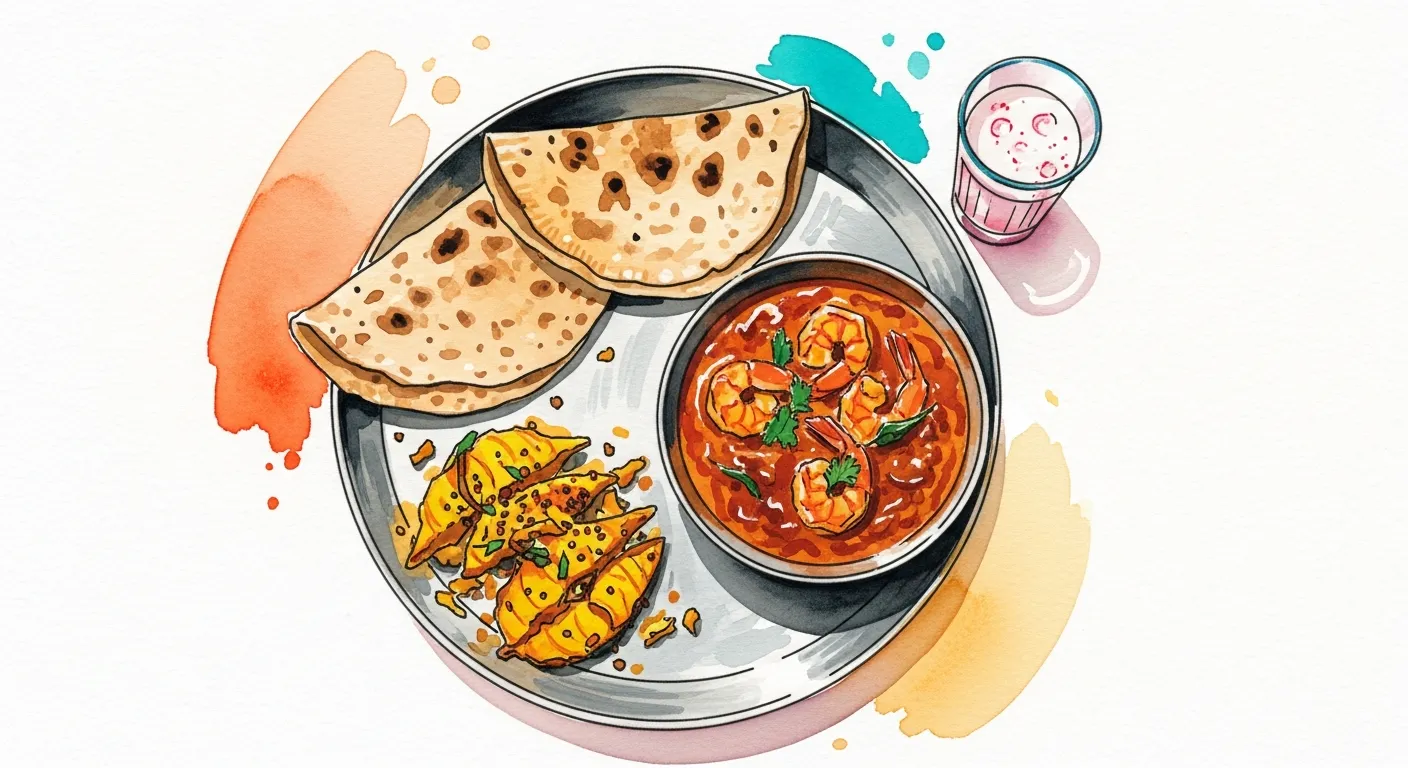
The Koli thali is one of Mumbai's great meals that nobody has properly documented. Surmai fry, the kingfish, crisp-edged and fresh, marinated in red chilli and turmeric. Kolambi che aambat, prawn curry with a coconut base, sour and deep. Tisrya, clams, cooked simply, the brine doing most of the work. Bhakri, rough and warm. And solkadi, the pink coconut and kokum drink that arrives at the end, cooling the stomach, tasting specifically and entirely of this coast.
This is not fusion. This is not curated. This is what people who have fished these waters for centuries cook for themselves when they are hungry.
Versova the neighbourhood does not know Versova the village.
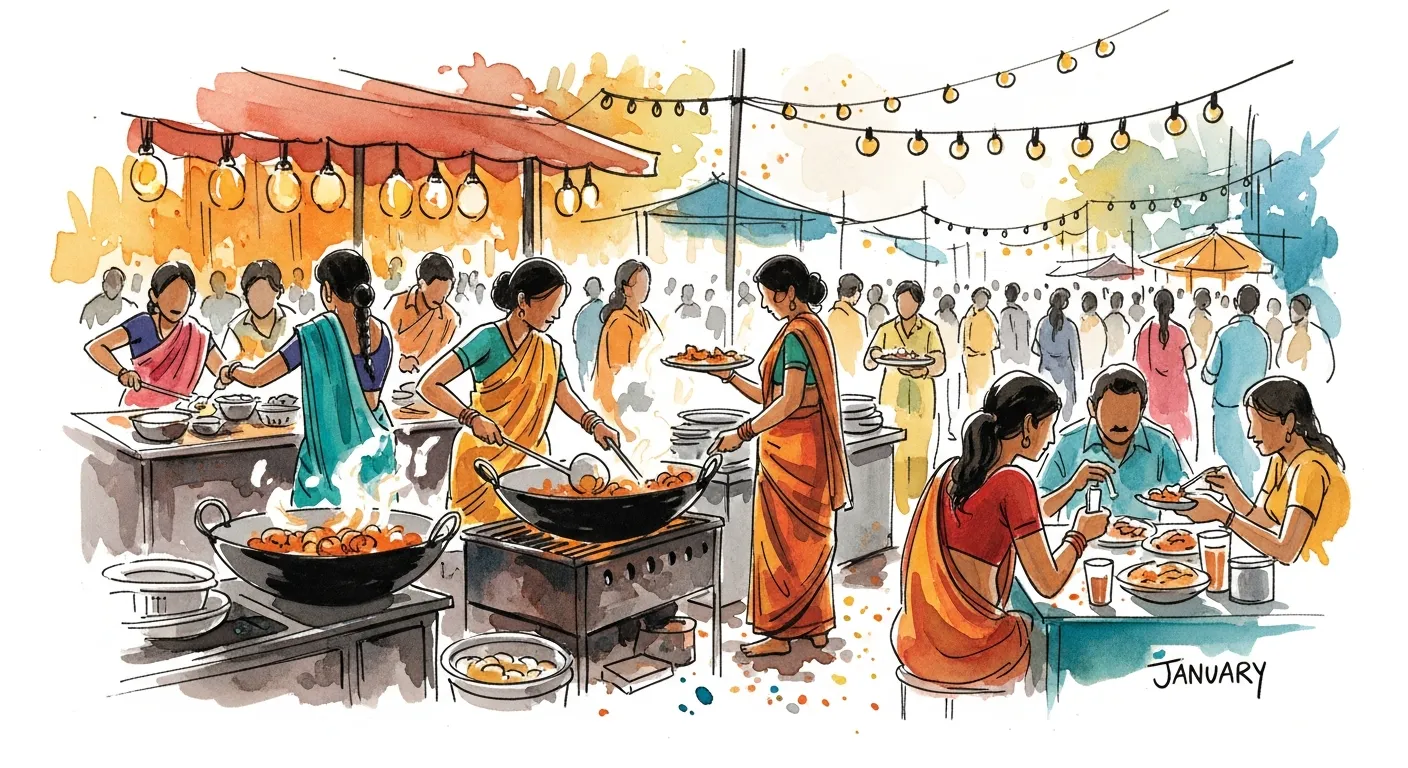
The Versova Koli Seafood Festival started in 2006, conceived by community leader Rajhans Tapke after years of watching the Koli economy shrink as industrial trawlers depleted the waters and fuel costs made each fishing trip a gamble. The first year, when Tapke asked Koli women to set up food stalls, they refused. They were not in the business of cooking for strangers. He promised to cover any losses personally. The food sold out in two hours. The women who had refused began asking for stall allocations.
The festival now draws 25,000 people a day across three January days. Over 100 Koli women participate. More than 20 varieties of fish. Solkadi, bhakri, fried fish, prawn curry, crab, lobster. Starting at ₹100 a plate, not as a charitable gesture but as the actual price of food when the supply chain has no middlemen.
Twenty-five thousand people a day, once a year, meeting the families who were here first, tasting their cooking, buying at fair prices.
There is a man called Ganesh Nakhawa who studied finance in Edinburgh, came back to Mumbai, and went fishing. He is seven generations into a Koli family. He drives a car with Last Fisherman of Bombay painted on the side, not as a joke but as a statement about what is happening to his community. The sea that his great-great-great-great-grandfather fished in is now depleted by industrial trawlers from outside Mumbai using LED lights banned by law to attract fish in bulk. The coastal road that was built along the southern shore reclaimed the intertidal zone, the shallow water where traditional fishing happened, where the Kolis had always worked. The compensation allocated was ₹136 crore. The coastline was gone.
In Against the Tide, the documentary by Sarvnik Kaur that premiered at Sundance in 2023 and won the Golden Gateway at MAMI, two Koli fishermen navigate this question from opposite sides. Rakesh fishes traditionally, in small boats in shallow waters, and sells his boat when he can no longer afford to run it. Ganesh modernises, takes loans, mortgages his wife's jewellery, tries LED fishing, and still loses. Two approaches, same outcome. The sea has changed. The city has changed. The fish are fewer.
What has not changed is the cooking. A community can lose its boats and still feed itself.
What has not changed is the cooking. The women of the Versova Koliwada still grind the spices by hand, still make the bhakri fresh, still know which fish needs what treatment. A community can lose its boats and still feed itself. It is the knowledge that lives in the kitchen, not the ocean, that turns out to be the most durable thing.
The Koli women who refused to cook for strangers in 2005 now run catering businesses, take delivery orders, and host home meals. The festival that sold out in two hours now anchors January in Mumbai's food calendar. A documentary about two fishermen premiered at Sundance. An archival project called the Tandel Fund is documenting fishing nets and spice knowledge and navigation skills before they disappear. Ganesh Nakhawa has an Instagram handle and a car with his philosophy painted on it and he talks about marine conservation to anyone who will listen.
The Kolis did not survive the Portuguese and the Marathas and the British and the industrialists and the real estate developers by being passive. They survived by being stubborn, by knowing the sea, and by cooking.
Seven hundred years of feeding this city. Meet the families behind the catch.
Get the next story first
Join the Bhukkads. Free, no spam, just stories.
Takes 30 seconds.