Why Is There Broccoli on My Plate?
Nobody asked for it. Nobody grew up with it. And yet here it is, the most aspirational vegetable in Mumbai's history.
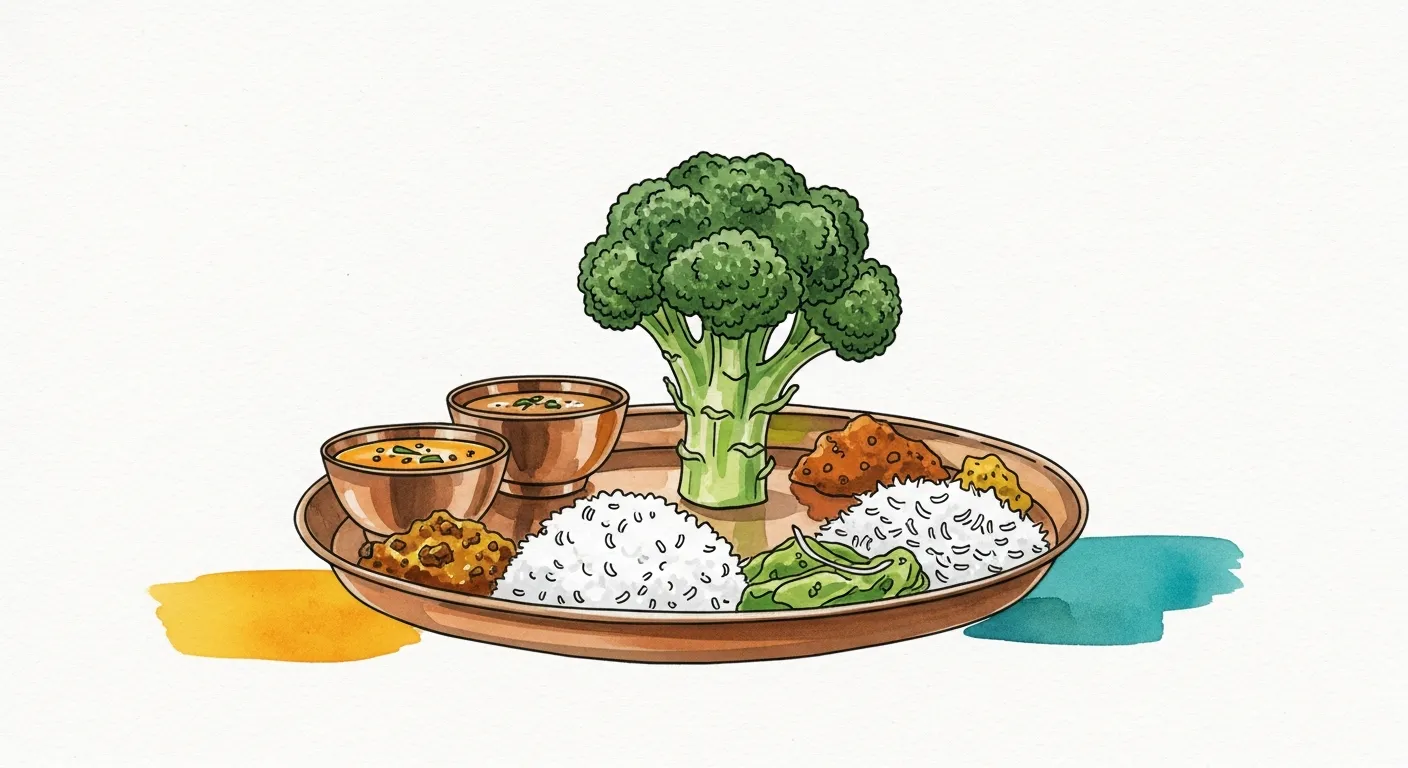
Nobody in Mumbai grew up eating broccoli. Not your parents. Not their parents. Not the generation before that. This vegetable, sitting on your plate right now like it belongs there, steamed or stir-fried or buried under cheese sauce in a restaurant that calls itself health-forward, arrived in India in the 1990s. Less than thirty-five years ago. Your fridge is older than broccoli's relationship with this country. And yet here it is. On every menu from Bandra to BKC. In every household that has discovered the phrase clean eating. In the lunchboxes of children whose parents are very anxious about nutrition. At every conference where someone says the words farm to fork without irony. Broccoli didn't arrive. It was installed.
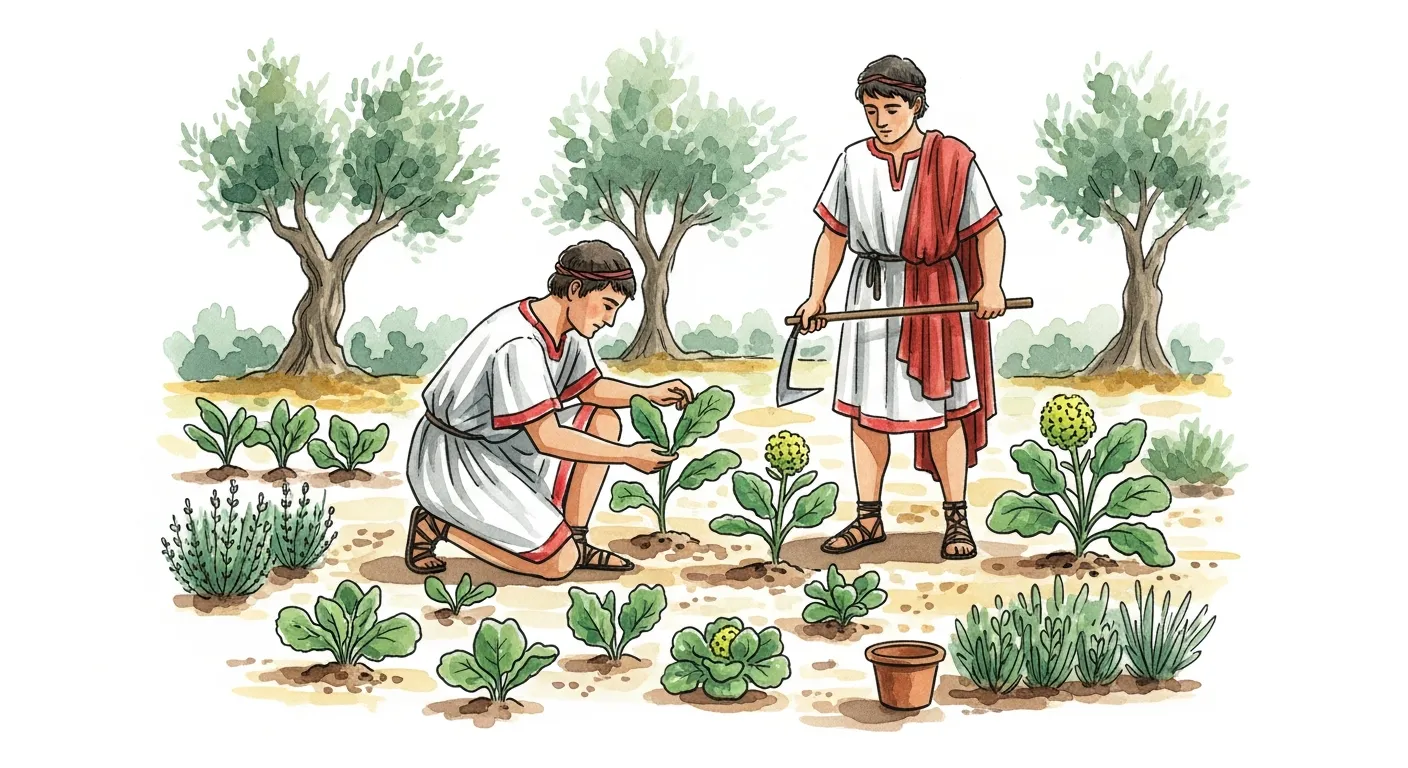
The vegetable itself has an ancient and genuinely interesting history, which it brings up at every opportunity, like someone who studied abroad. Broccoli originated in the Mediterranean, bred by farmers in southern Italy from wild cabbage around the sixth century BCE. The Romans grew it. The Etruscans before them grew it. Caterina de' Medici is said to have introduced it to France in 1533 when she married Henry II, the vegetable as diplomatic currency, which is not the worst way to travel. The British encountered it in the 18th century and called it Italian asparagus, which tells you everything about the British relationship with both Italy and asparagus. It came to America with Italian immigrants in the early 1920s. Two brothers from Messina, Stephano and Andrea D'Arrigo, planted the first commercial broccoli farm in California. Their company still exists. For decades, broccoli was an Italian immigrant food that mainstream America regarded with suspicion, largely because of the smell it produces while cooking. Then someone put it in a diet book and it never looked back. India's relationship with broccoli is even more recent and considerably more loaded. Broccoli arrived here in the 1990s, a cool-season vegetable that required the right climate, the right soil, and crucially, the right customer. A man named Jitendra Ladkat is credited with pioneering its commercial cultivation in Pune. The varieties grown here, Palam Samridhi, Punjab Broccoli-1, are Indian adaptations of an Italian vegetable that came via Britain via the American agricultural system. By the time it reached your plate it had crossed four civilisations and approximately 2,600 years. None of that history is what put it there.
What put broccoli on the Mumbai plate is a very specific cultural anxiety that arrived in the late 1990s and never left: the anxiety about being the kind of person who eats the right things. This is not about nutrition. Or rather, nutrition is the vehicle, not the destination. The destination is identity. Think about who was eating broccoli first in Mumbai. Not the city's oldest communities, not the Kolis whose food is some of the most nutritionally dense cooking in Maharashtra, not the Parsis whose dhansak has more protein per serving than any quinoa bowl, not the Udupi restaurants of Matunga whose sambar contains more bioavailable iron than a green smoothie. None of those people needed broccoli. Their cuisines had already solved the nutritional problem, in some cases for centuries. The people who needed broccoli were the people who had recently acquired the economic ability to eat differently from their parents and needed a vegetable that communicated that fact visually. Broccoli does this brilliantly. It looks like health. It looks like Europe. It looks like the kind of person who has a gym membership and uses the word wellness without hesitation. You cannot serve broccoli at a family dinner in Dadar without it meaning something. The meaning is: I have arrived somewhere. This is not a criticism. It is just an observation that food has always carried social information alongside its calories, and that broccoli, more than almost any other vegetable in contemporary Mumbai, is doing more social work than nutritional work.
The people who needed broccoli were the people who had recently acquired the economic ability to eat differently from their parents and needed a vegetable that communicated that fact visually.
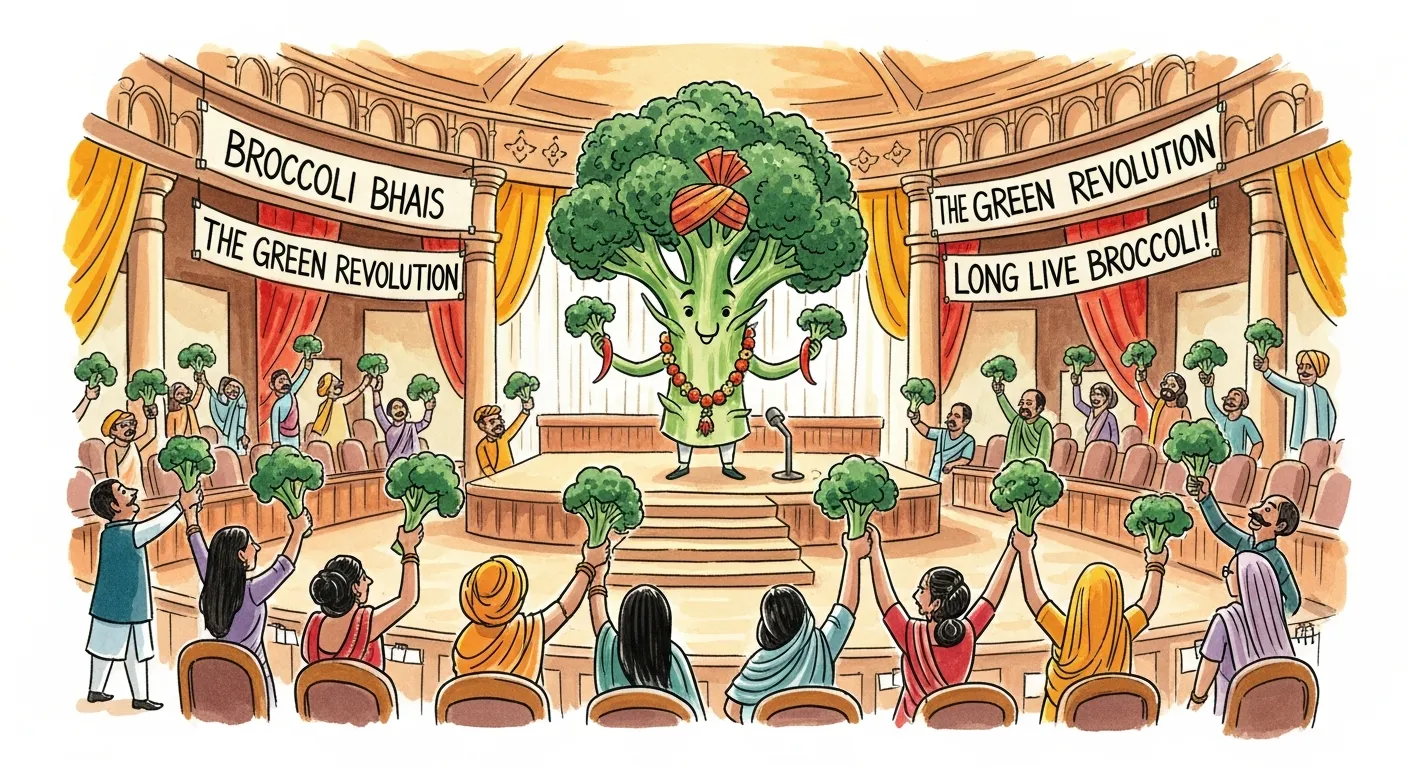
India is now the second-largest producer of broccoli in the world. China is first. The United States is third. The country that grew up on sarson ka saag and karela and drumstick sambar and all the bitter, sour, pungent, difficult, and nutritionally extraordinary vegetables of its own coastlines and hillsides is now producing nine million tonnes of broccoli annually. This February, Mumbai hosted something called the Broccoli Consumption Conference, an actual event, held under the theme From Soil to Soul, From Farm to Fork: Daily Broccoli, a Treasure of Health. Celebrity chef Sanjeev Kapoor attended. A cricket captain attended. There were cooking competitions. Someone made a broccoli paratha. Someone made a steamed broccoli cupcake. The organisers have an Instagram: @broccoliloversindia. The vegetable has a fan club. In India. In 2026.
Indian food was not nutritionally deficient. It was socially insufficient
Here is the thing about broccoli that nobody says out loud: it is not particularly delicious. It is fine. It is nutritious, genuinely, meaningfully nutritious, rich in Vitamin C and Vitamin K and sulforaphane and all the compounds that researchers link to cancer prevention and cardiovascular health. All of that is real. But as a eating experience, as a thing to put in your mouth because it tastes good, broccoli is, to be honest, somewhere between adequate and unremarkable. Especially steamed. Especially on the side of a plate where it arrived without anyone asking for it. Compare it to what this city already had. The bittergourd that your grandmother fried until it was almost caramelised. The raw mango pickle that contained more Vitamin C than any floret. The coconut-based curries along the coast that provided fat and micronutrients in ratios that nutritionists are only now beginning to formally appreciate. The turmeric in the dal that has been doing what curcumin supplements now charge ₹800 a bottle to do. Indian food was not nutritionally deficient. It was socially insufficient, meaning, it didn't look like the kind of food that rich people in other countries were eating. Broccoli fixed that problem. It looked the part. It photographed beautifully. It was expensive enough initially to signal access. And it had no cultural memory attached to it, no grandmother who made it a specific way, no festival it belonged to, no community whose identity was wrapped up in it. It was a blank vegetable. You could project anything onto it.
Here is the thing about broccoli that nobody says out loud: it is not particularly delicious.
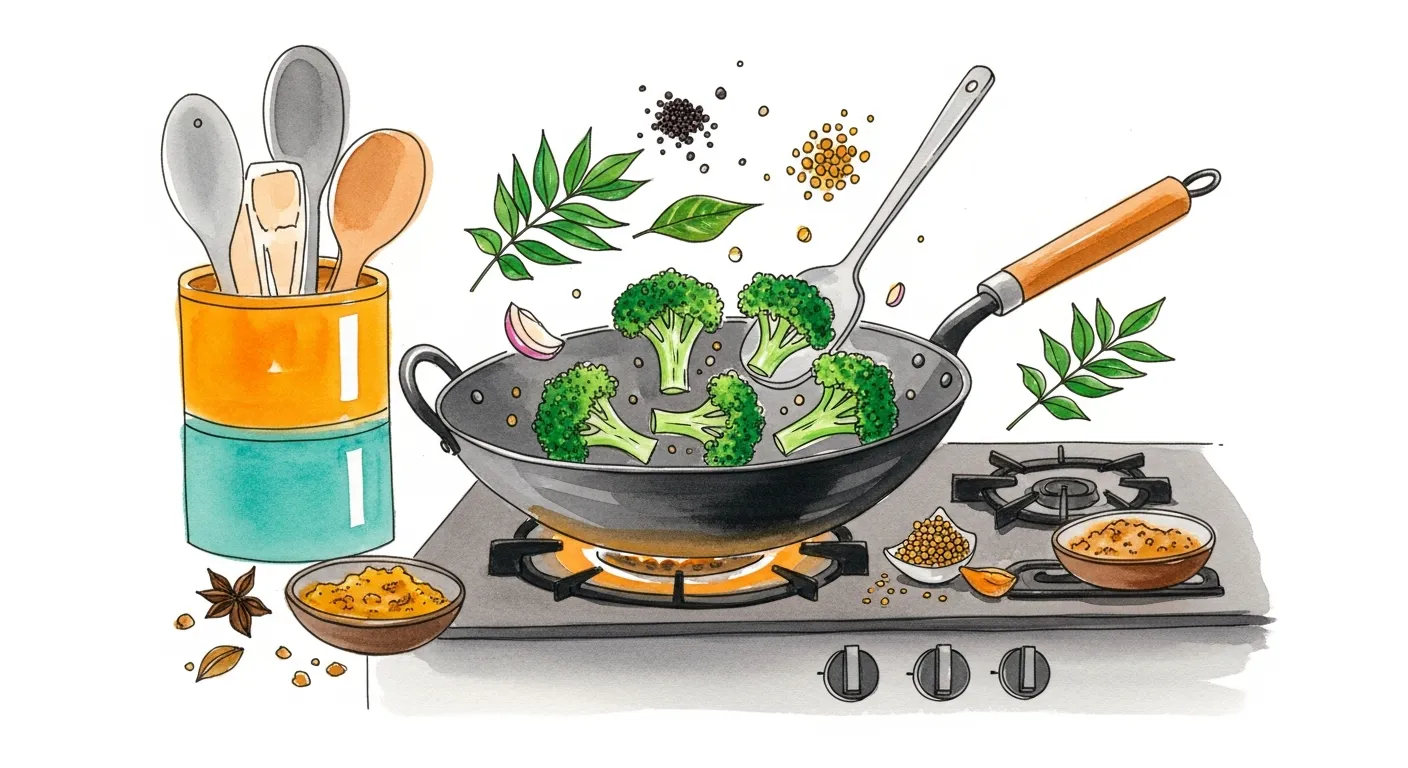
There is a Broccoli Paratha being served somewhere in Mumbai right now. There is a broccoli tikka. There is a broccoli sabzi that tastes, honestly, quite good, because Indian spicing can make almost anything taste quite good, which is a fact about Indian cooking that gets undervalued in the broccoli conversation. Broccoli, it turns out, absorbs mustard seeds and curry leaves and green chilli and asafoetida quite willingly. Cooked the Indian way it becomes something different, earthier, more aggressive, less politely European. It stops being aspirational and becomes just food. That is possibly the most interesting thing that has happened to it. A vegetable that arrived in India as a symbol of Western health culture is being slowly absorbed into the cooking that has been here for centuries. In fifty years it will probably just be another sabzi. Nobody will remember it was Italian. Nobody will remember it was exotic. It will be as ordinary as the cauliflower, which is its direct cousin, also a Brassica oleracea variant, also not originally Indian, also now completely unremarkable on every thali in the country. The cauliflower arrived. It was absorbed. It became aloo gobi. Everyone forgot it was foreign. Broccoli is on that same journey. It just hasn't finished it yet.
So why is there broccoli on your plate? Because your body doesn't need it, your existing food culture had already solved nutrition. Because your city didn't ask for it, nobody petitioned for broccoli. Because it tastes adequate at best when not cooked correctly. It's on your plate because somewhere in the last thirty years, a very specific version of eating well became visible and desirable, and broccoli was the vegetable that represented it. And because humans are social animals who eat meaning alongside their food. And because the Brassica family is extremely adaptive and found the Deccan plateau quite hospitable. And because, genuinely, when someone tosses it in a wok with ginger and garlic and a little soy sauce and serves it alongside dal and rice, it is not bad. Not bad at all.
Field Notes
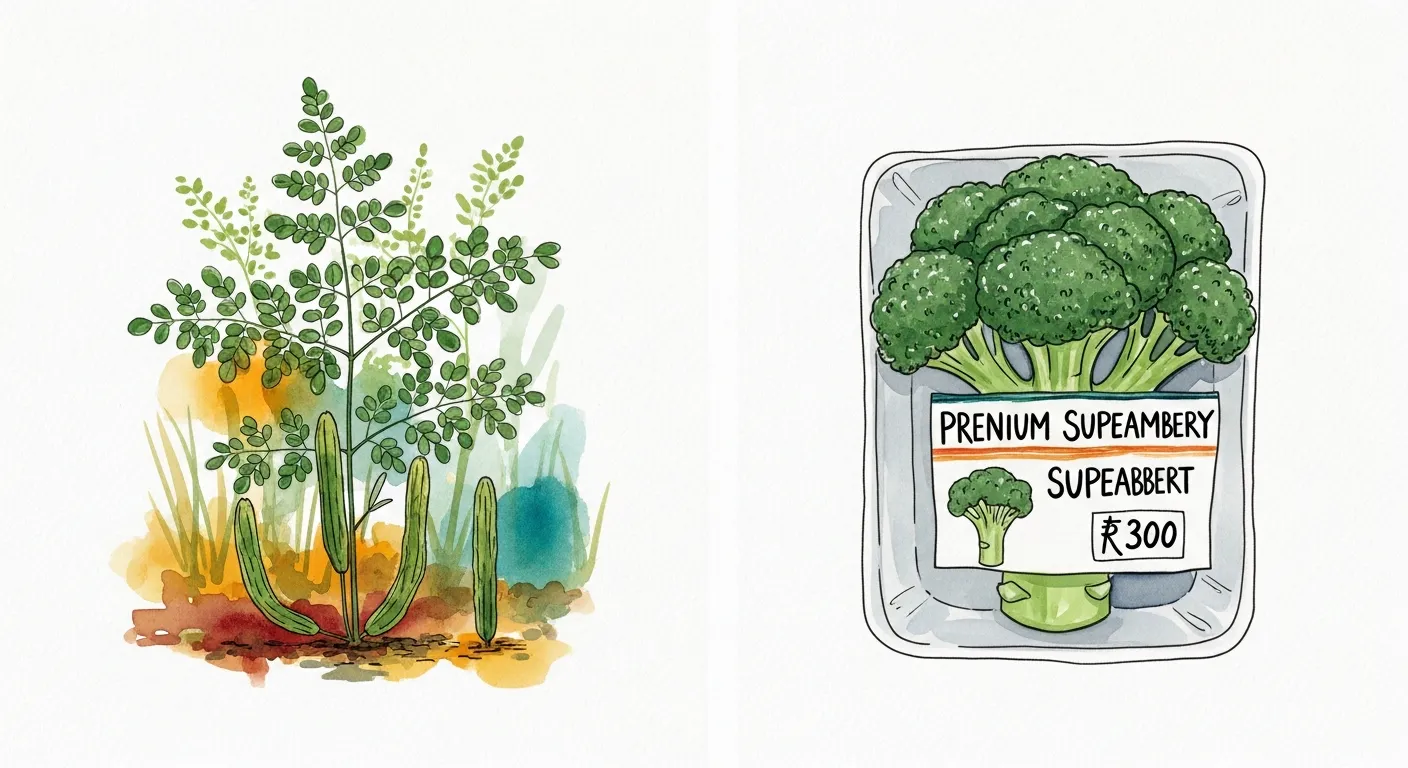
Quick referenceDrumstick/moringa, native to India, has more calcium than milk, more Vitamin C than oranges, more iron than spinach. No conference. No Instagram.
Roast at 220°C until charred, or tadka with mustard seeds, curry leaves, dried red chilli, asafoetida, lime. 4,000 years of cooking vs 30 years of vegetable.
Cauliflower, same Brassica family, also not Indian, arrived via British in the 19th century. Now it's aloo gobi. Nobody holds a Cauliflower Conference.
Broccoli: ₹60-120/head. Moringa drumsticks: ₹10-20/bunch with more nutrients per gram. The gap is narrative, not nutrition.
Any proper Chinese restaurant in the city. Hot wok, garlic, real heat. The char matters. Never accept steamed-into-submission broccoli.
Get the next story first
Join the Bhukkads. Free, no spam, just stories.
Takes 30 seconds.