The Mutton Is Just the Beginning
Every argument about biryani is actually an argument about rice.
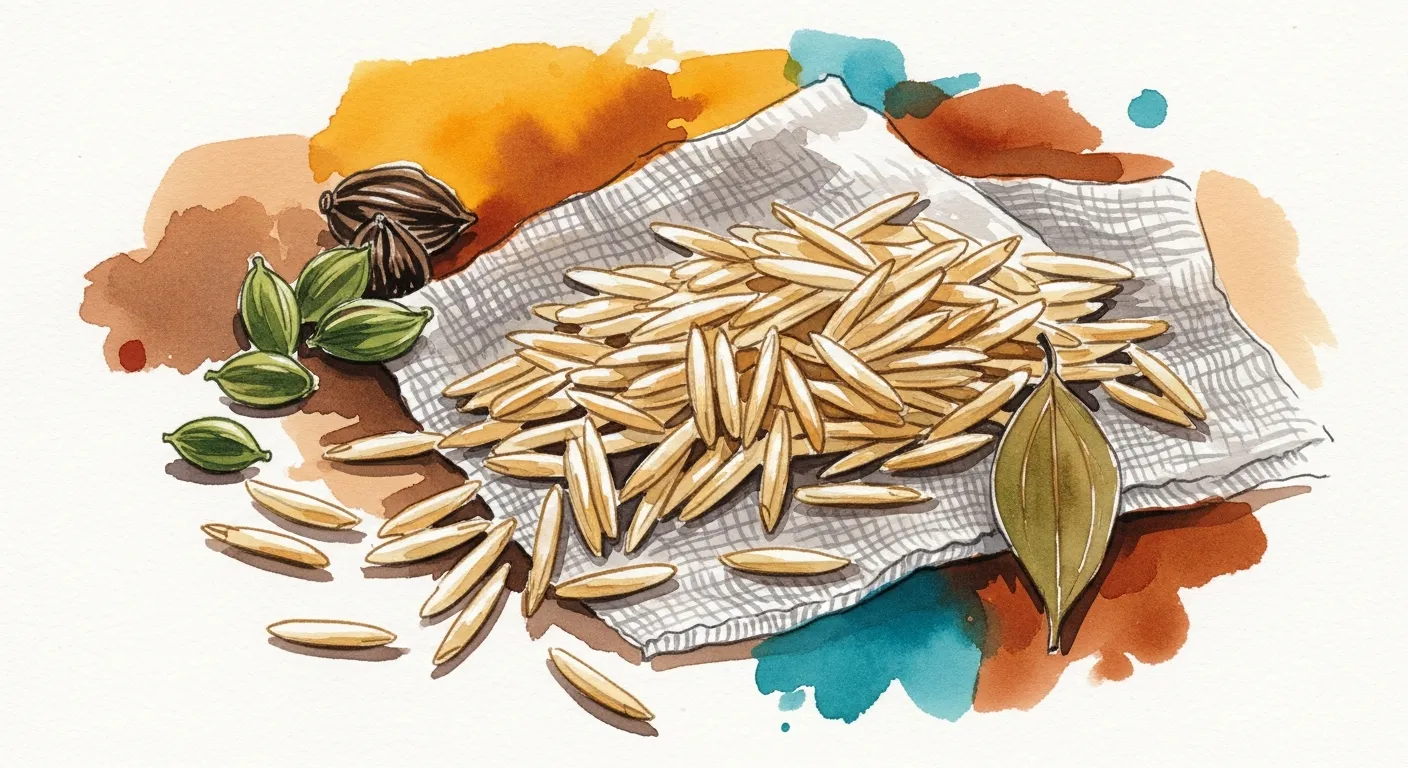
Every argument about biryani is actually an argument about rice.
Nobody admits this. Everyone talks about the mutton, which cut, which goat, how long it cooked, whether the marination was overnight or two hours or three days. The rice sits quietly in the background, doing most of the work, getting almost none of the credit.
This article is for the rice.
THE GRAIN WARS
The word "biryani" comes from Persian "birian", fried before cooking. What we call biryani now is a collision. Persian pilaf met Indian spice and the Mughal kitchen gave it a stage.
From there it traveled. With nawabs, with exiles, with armies, with trade routes. Every time it landed somewhere new, it changed. The rice changed most of all.
LUCKNOW, THE GENTLEMAN'S BIRYANI
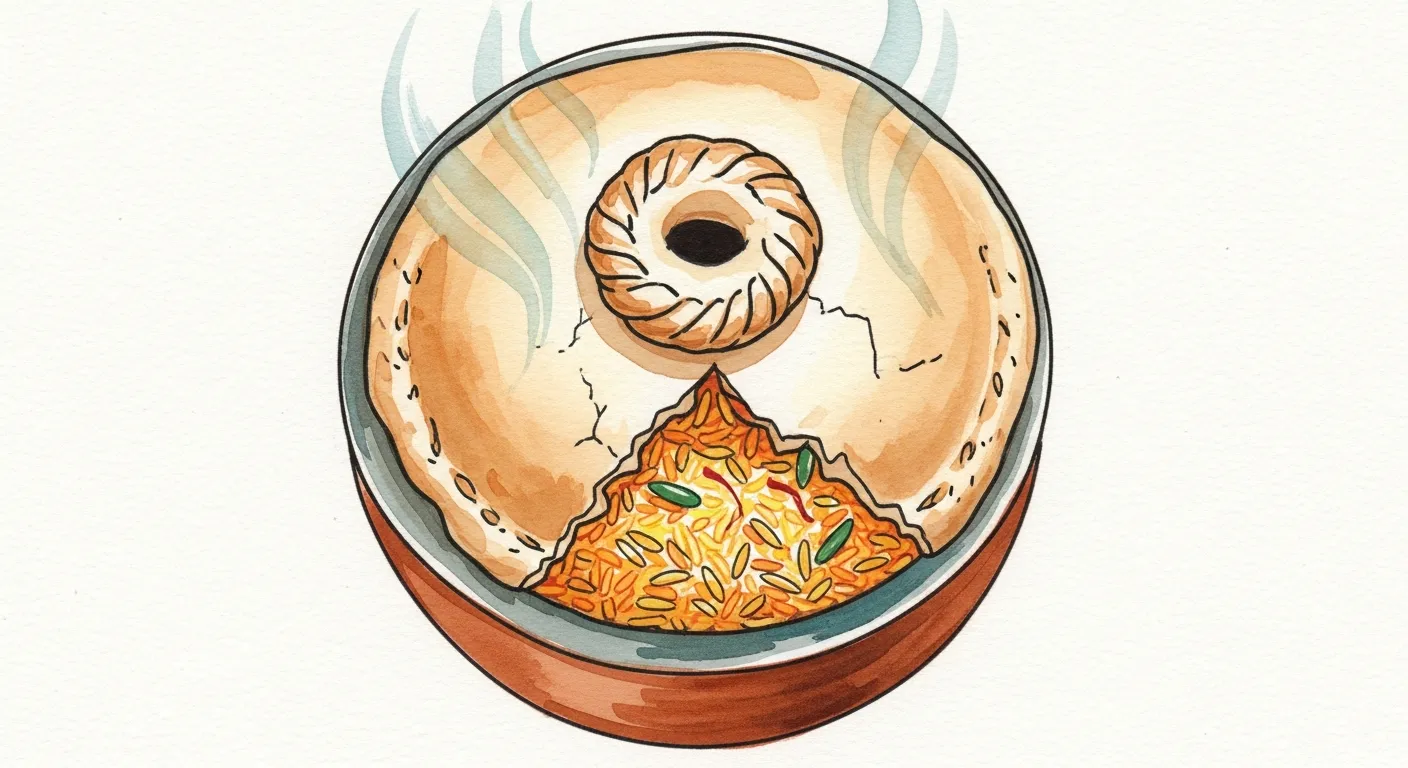
Awadhi biryani is cooked pakki, meat and rice prepared separately, then layered. The mutton is braised in yoghurt until it barely needs chewing. Then layered with par-cooked basmati, sealed with dough, finished on dum. The result is restrained. Each grain of rice stands alone. This is biryani for people who believe loudness is a character flaw.
HYDERABAD, THE KACCHI QUESTION
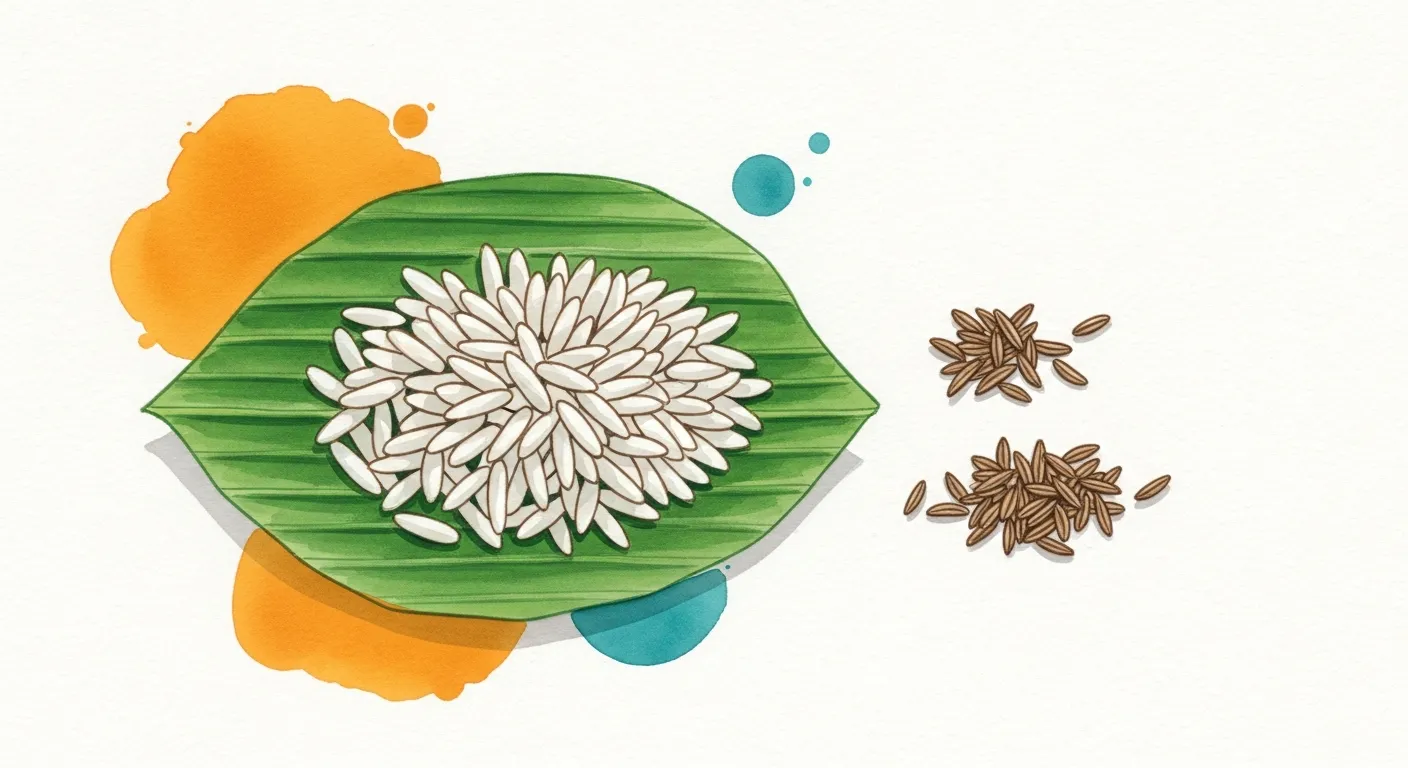
Hyderabadi biryani splits into two schools and the debate between them has ended friendships. Kacchi: raw marinated mutton layered with uncooked rice, both cooked together in a sealed pot. The meat's juices cook the rice from below. It requires timing, confidence, and the willingness to accept that you cannot check on it.
Pakki: cooked meat, layered with par-cooked rice. Safer. Still magnificent.
The rice is basmati but what makes it Hyderabadi is the kewra water, the rose essence, the way the bottom layer catches slightly against the pot and tastes like nothing else.
KOLKATA, THE EXILE'S INVENTION
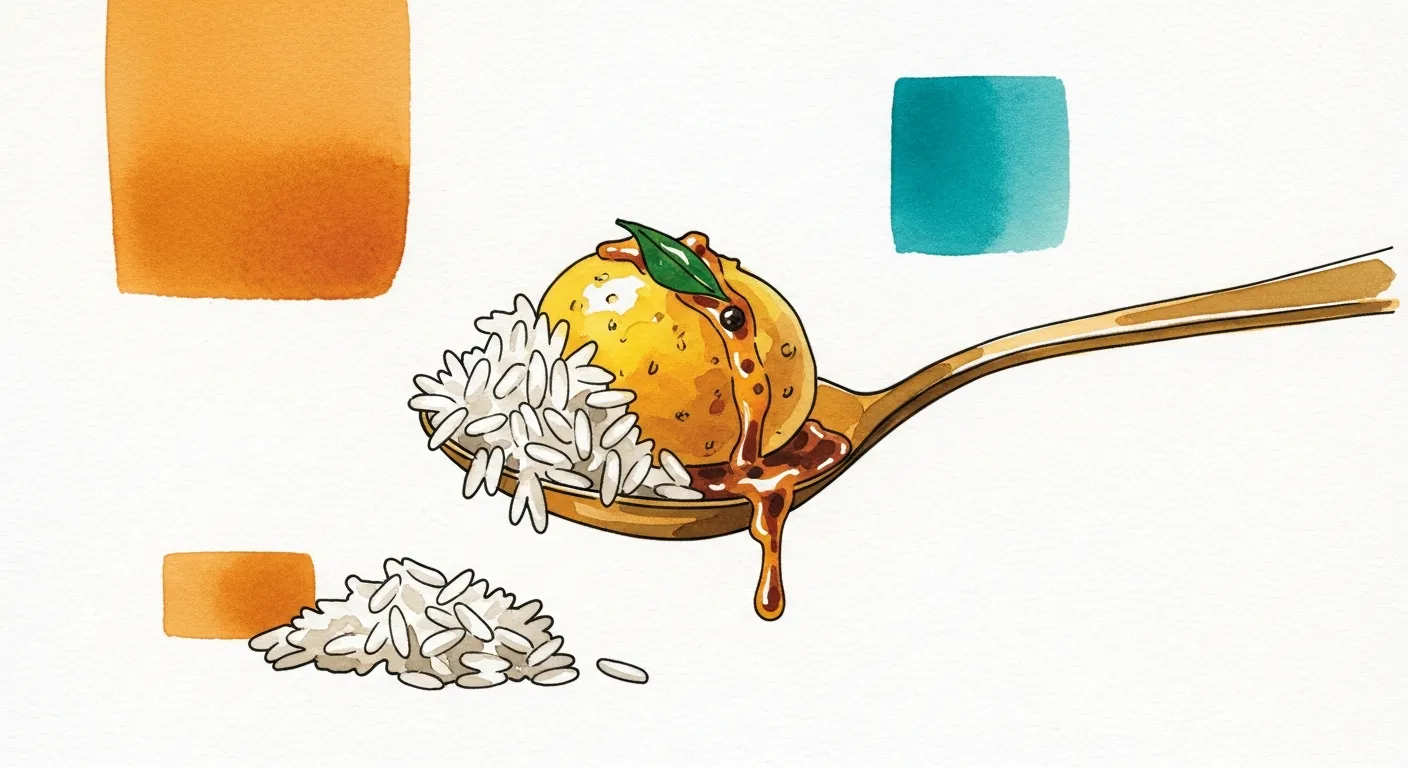
When Nawab Wajid Ali Shah was deposed from Lucknow and sent to Kolkata's suburb of Metiabruz in 1856, his chefs came with him. The meat budget shrank. The potato went into the pot. It was never removed.
Kolkata biryani today is built around Gobindobhog rice, short-grained, fragrant, slightly sticky. The potato absorbs all the fat the mutton releases and becomes something that exists nowhere else in Indian food.
TAMIL NADU, THE CHALLENGER
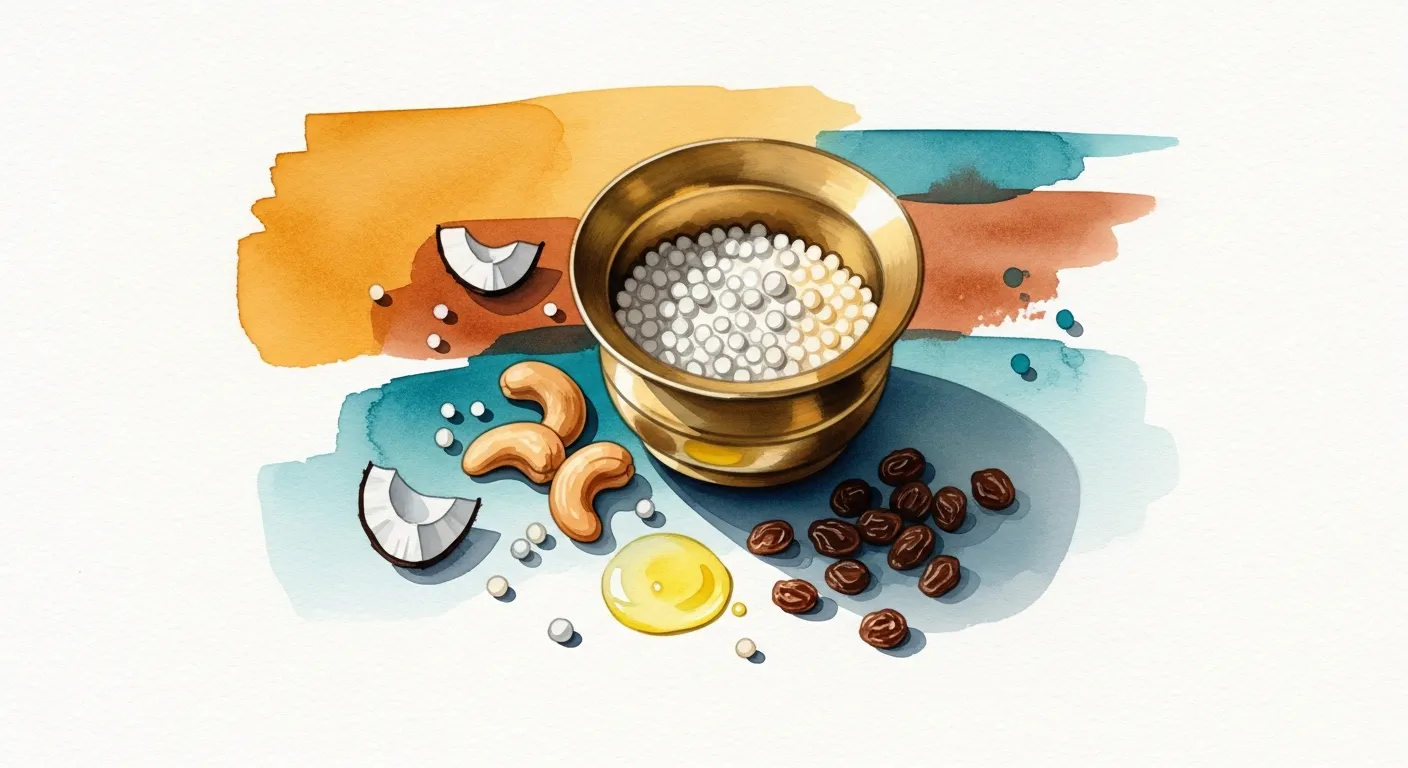
The South refuses to follow the North's script. Tamil biryanis, Ambur, Dindigul, Chettinad, are one-pot, not layered. The mutton cooks with the rice from the start. The flavours go deeper because they have no choice.
Seeraga samba rice is the standard, and it is the correct choice: short-grained, intensely aromatic, it absorbs the spice and fat without disappearing. Basmati has its own aroma that can suppress the meat's flavour. Seeraga samba steps aside and lets the goat speak.
THE RULE NOBODY TALKS ABOUT
Different cuts of mutton do different things in biryani. Shoulder, fat-marbled, holds together under long cooking. Ribs, richer, the collagen melts and makes the gravy sticky. Shank, the bone releases marrow into the rice.
Neck, the most flavourful cut. Almost no one uses it because it's hard to portion. The few restaurants that do won't tell you why it tastes better.
What no serious biryani cook will use: boneless. Boneless mutton biryani is an oxymoron. The bone is doing half the work.
Every biryani tradition in India chose its rice deliberately. The choice is never arbitrary. Basmati elongates, stands alone, competes with the meat. Seeraga samba absorbs, supports, lets the mutton lead. Gobindobhog clings, comforts, makes biryani feel like home.
The rice has to do specific work, absorb fat, carry aroma, hold structure, or surrender completely depending on what the biryani needs. The mutton gets the credit. The rice does the work.
THE RICE NUTRITION INDEX
Because you asked. Clean, scientific, no drama.
Per 100g raw. GI: below 55 = low, 56-69 = medium, 70+ = high. Cooked values ~1/3 of raw calories. Sources: IFCT 2017.
Field Notes
Quick referenceThe word biryani is Persian. The dish is Indian. The argument about which came first has been going on for four centuries and nobody is winning.
Basmati is aged for a minimum of one year before sale. It sits in a warehouse, getting better, while everything else gets stale.
The compound that makes basmati smell like basmati, 2-acetyl-1-pyrroline, is the same molecule in pandan leaves and jasmine rice. Different plants, same compound, same human response.
Kolkata biryani has a potato in it because a nawab ran out of meat budget. This potato now has a fanatical following. The nawab has been forgotten.
Seeraga samba rice contains selenium, which is genuinely unusual for rice. Most people eating Ambur biryani don't know they're getting a micronutrient bonus.
Boneless mutton biryani is a contradiction in terms. The bone is doing half the work.
Brown basmati has the best GI of any biryani rice at around 50. Nobody uses it because it takes longer to cook. Reasonable trade-off.
The highest GI rice on this list makes the most emotional biryani. The body pays a small price. The soul does not.
Kalijeera rice makes a biryani that most of India has never tasted. This is a problem worth solving.
There are at least 26 distinct regional biryanis in India. Each one chose its rice on purpose. None of them were wrong.
Get the next story first
Join the Bhukkads. Free, no spam, just stories.
Takes 30 seconds.