Food Inflation to Cross 4% in April
ICRA projects rise from March's 3.87% driven by vegetables and oils
This is not a story. This is a press release with hyperlinks.
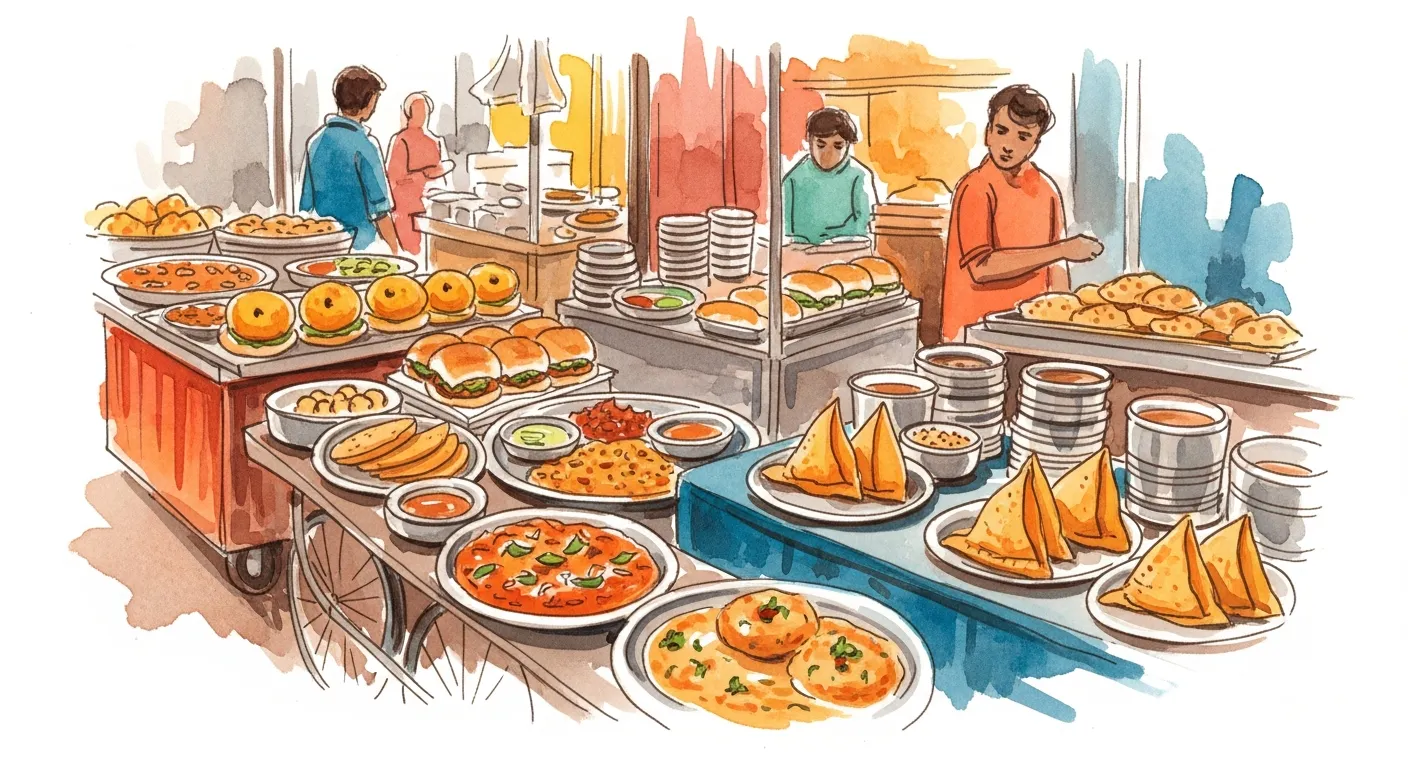
The numbers arrive without context. ICRA projects food inflation in India will cross the 4% mark in April, up from 3.7% in March. The rating agency cites vegetables, edible oils, and ready-made food segments as primary drivers. No stories about the farmers. No names of the women buying onions at double the price. Just percentages floating in economic ether.
Behind every decimal point is a kitchen. Behind every basis point, a meal delayed or substituted or skipped entirely. India's retail inflation climbed to 3.4% in March from 3.21% in February, with food prices specifically rising to 3.87% from 3.47%. The uptick reflects ongoing pressure on essential food commodities that directly impact household budgets across India.
THE MATH THAT MATTERS
Four percent means forty paise on every ten rupees. On a hundred rupees of groceries, four rupees vanishes into the mathematics of scarcity. The vegetables getting costlier aren't abstractions. They're the tomatoes that define your dal, the onions that anchor your sabzi, the oil that makes everything possible.
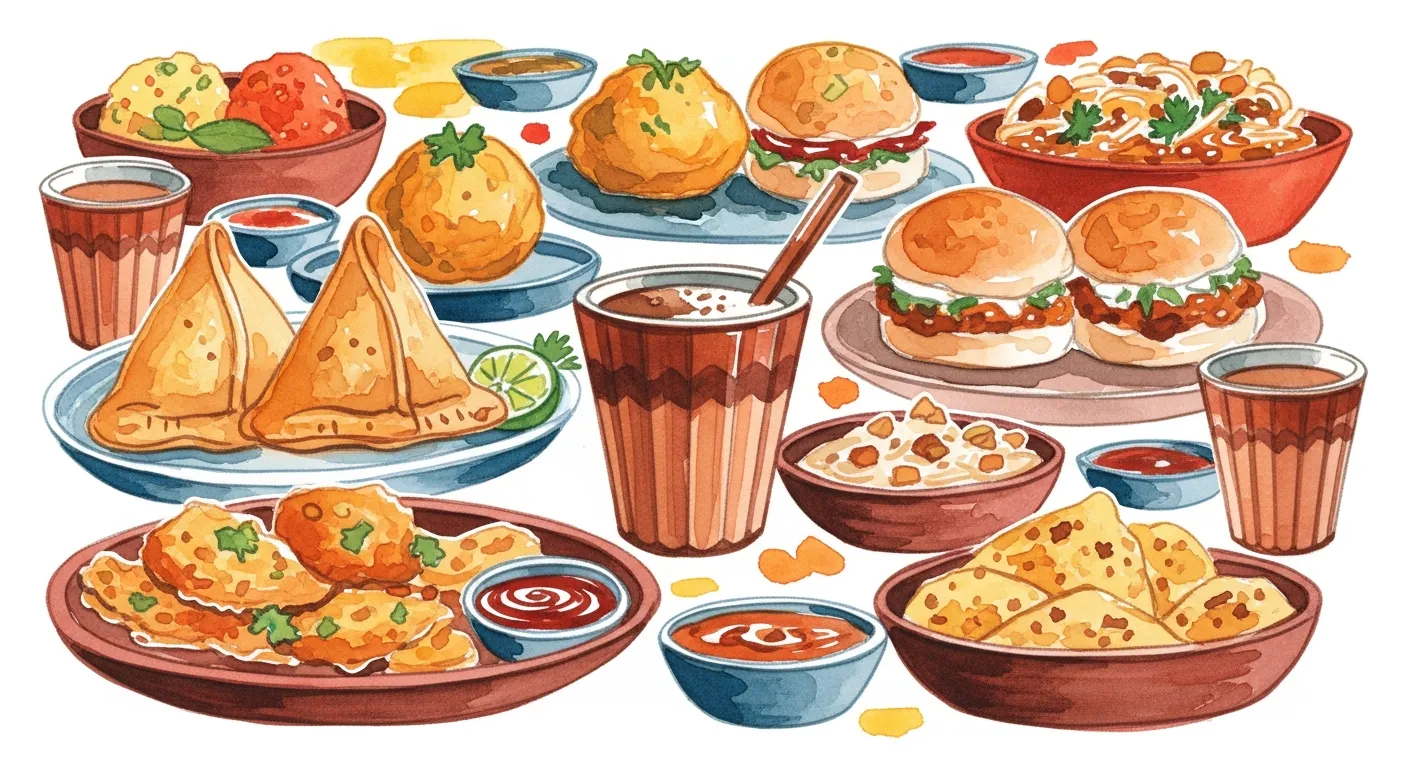
Edible oils lead this particular charge upward. Mustard oil, groundnut oil, coconut oil, the regional preferences that define how India cooks, all climbing the same inflationary ladder. Ready-made food segments join them, which means the shortcuts are getting expensive alongside the fundamentals.
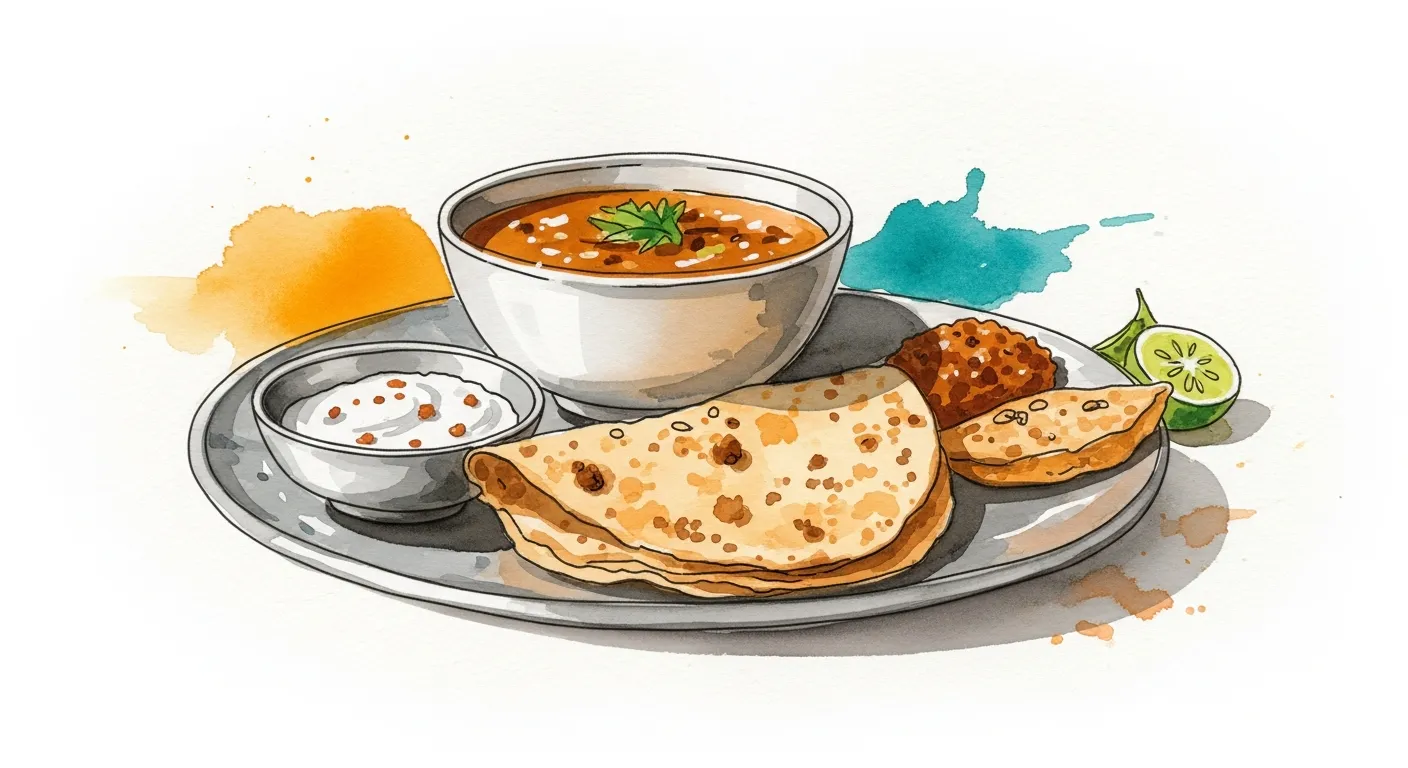
This is what happens when numbers replace stories.
THE RHYTHM OF PRICE
Inflation moves in seasons. March to April typically sees vegetable prices shift as winter crops end and summer scarcity begins. The 4% projection isn't random, it follows the calendar of Indian agriculture, the monsoon patterns that haven't arrived, the global commodity cycles that India cannot control.
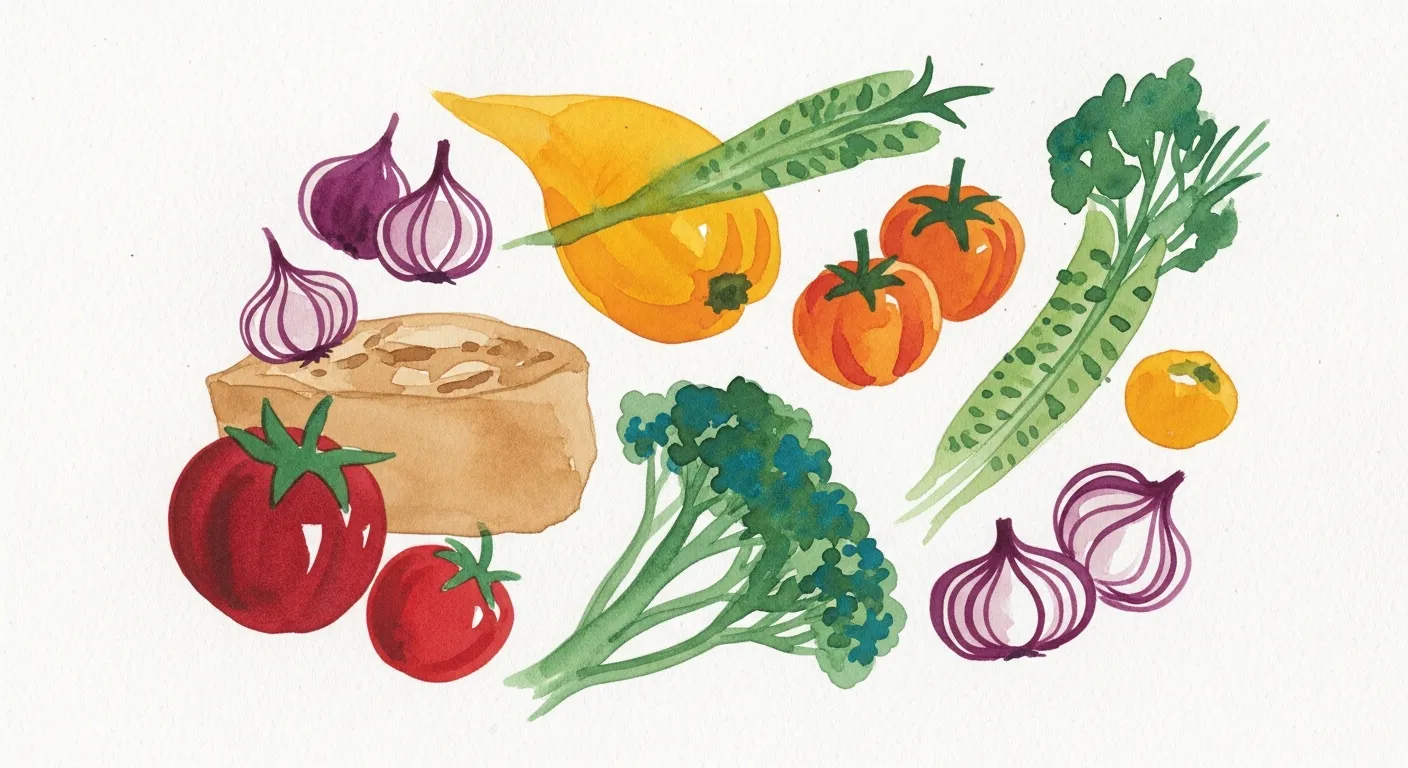
Every percentage point represents choices made at kitchen counters across twenty-eight states. Less oil in the tempering. Smaller portions of the expensive vegetables. More dal, less sabzi. The substitutions that keep meals intact while budgets bend.
ICRA's projection lands without context because context is messy. Context means acknowledging that 4% food inflation hits differently in Dharavi than it does in Bandra. Context means naming the vegetables, not just the category. Context means understanding that household budgets aren't elastic, they break.
The numbers tell you what. They never tell you who.
Field Notes
Quick referenceMarch to April sees vegetable prices shift as winter crops end and summer scarcity begins
Four percent means forty paise on every ten rupees spent on groceries
Edible oils, vegetables, and ready-made food segments driving the price surge
4% food inflation hits differently in Dharavi than it does in Bandra
Get the next story first
Join the Bhukkads. Free, no spam, just stories.
Takes 30 seconds.