The Hapus Has a Portuguese Name
Hapus comes from Afonso de Albuquerque. Not a place. A person. The man who colonised Goa.
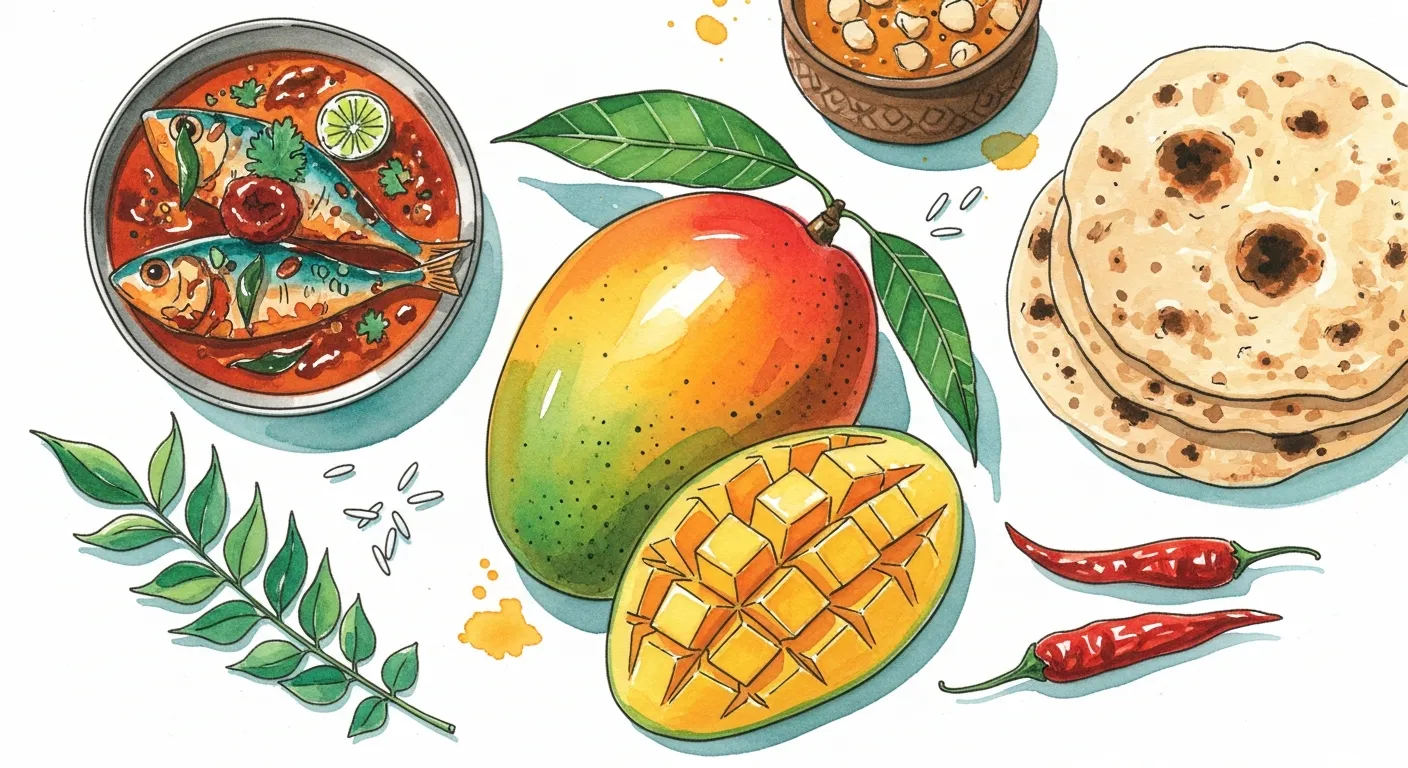
The word you're looking for is enxerto.
Portuguese for grafting. The technique of slicing a bud from one tree and binding it to the rootstock of another, forcing a fruit that nature never intended to exist on its own. In 1510, when Afonso de Albuquerque captured Goa from the Bijapur Sultanate, he wasn't thinking about mangoes. He was thinking about pepper, cloves, and the spice monopoly that would make Lisbon the richest city in Europe. The mangoes came later. Almost by accident.
But accidents have a way of outlasting empires.
THE VICEROY'S ORCHARD
Albuquerque's Franciscan missionaries, stationed along the Konkan coast between 1510 and 1560, began experimenting with enxerto on local mango varieties. The wild mangoes of the Western Ghats, sweet but fibrous and inconsistent, were grafted with selections that prioritised flesh over seed, sweetness over shelf life. The fruit they created was named Alphonso, an anglicisation of Afonso, after the viceroy who made it possible by colonising the land it grew on.

The Marathi word is Hapus. Everyone in Maharashtra uses it. Almost nobody knows it's a Portuguese name wearing a Marathi accent.
The fruit that defines Maharashtra's summers was engineered by colonisers, named after a conqueror, and perfected by farmers who got credit for neither.
By the 1600s, the Konkan belt from Ratnagiri to Devgad had become the epicentre of Hapus cultivation. The laterite soil, the Arabian Sea humidity, the 2,500mm annual rainfall, the specific altitude of 100-200 metres above sea level. Every variable conspired to produce a mango with a sugar content of 15-18 Brix, a fibreless pulp, and a fragrance that could fill a room from the kitchen counter.
No other region has replicated it.
THE GI TAG WAR
In 2018, Ratnagiri's Alphonso received a Geographical Indication tag from the Government of India. The GI tag, in theory, protects the origin. In practice, it started a war.
Devgad growers, located 80 kilometres south of Ratnagiri, argued their mangoes were identical in quality, sometimes superior. The Devgad Taluka Amba Utpadak Sahakari Sanstha, a cooperative of over 4,000 farmers led by Vishram Patil, fought for a separate GI tag for Devgad Hapus. They got it in 2022.
Two tags. Same laterite. Same rainfall. Same Portuguese name. The only thing that changes is which cooperative gets to print the sticker.
The consumer in Mumbai's Crawford Market doesn't care. They care about one thing: is it real?
THE CARBIDE QUESTION
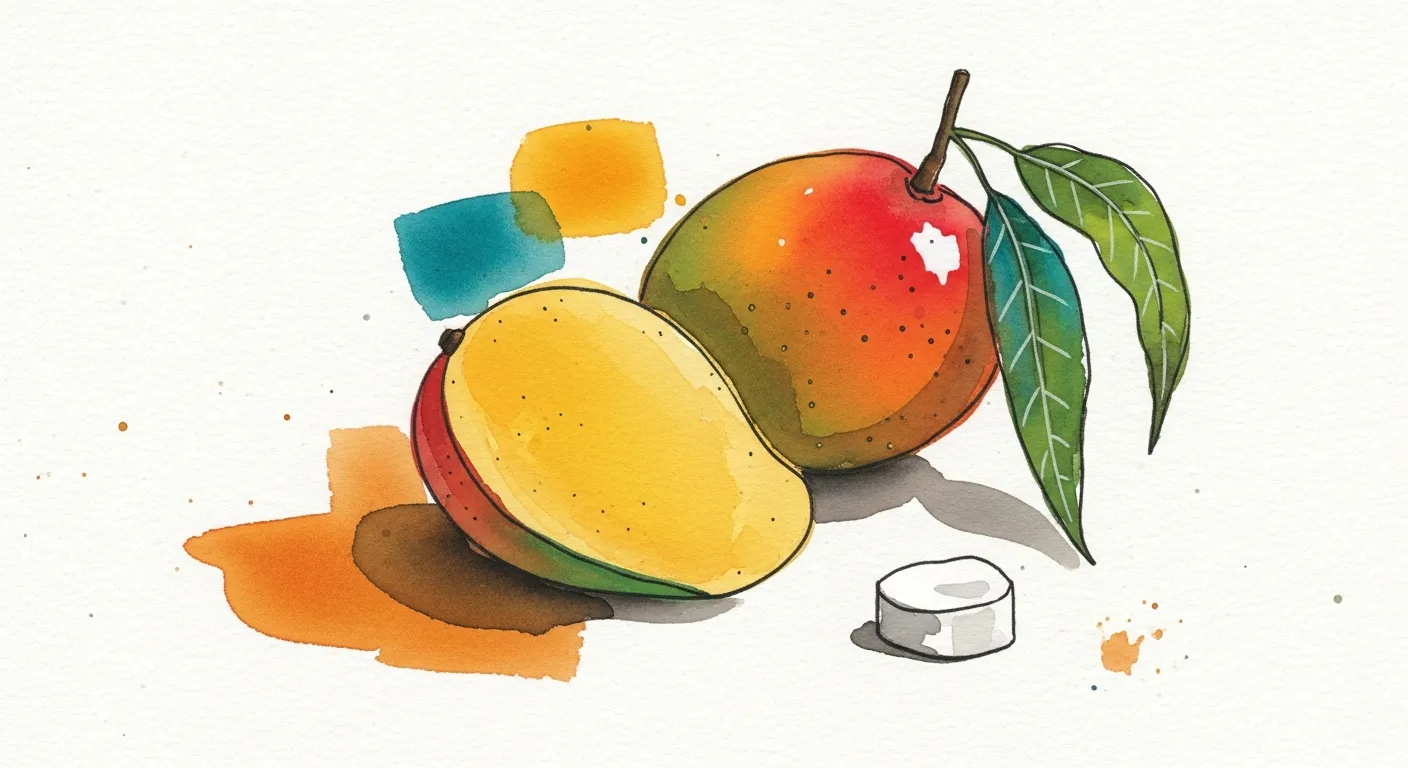
Most of the Hapus you eat in Mumbai has been chemically ripened.
Calcium carbide, a chemical compound that releases acetylene gas when exposed to moisture, is used to force-ripen mangoes in 24-48 hours instead of the natural 5-7 days. The practice is banned under FSSAI regulations. The fine is up to Rs 5 lakh.
It happens anyway. Sachin Rane, a third-generation Hapus trader at Vashi's APMC Mango Market, estimates that 60-70% of the commercial Alphonso supply arriving in Mumbai has been carbide-treated. The tell: uniform yellow skin but a slightly chemical aftertaste, and decay within 2-3 days instead of 5-6.
If you've ever bought a box of Hapus that looked perfect on Day 1 and turned to mush on Day 3, you've met carbide.
The naturally ripened ones, petika amba, tree-ripened and packed in hay, cost 30-40% more. A box of 12 Devgad Hapus, naturally ripened, retailed at Rs 3,200-4,500 in Mumbai in May 2025. Carbide-treated equivalents: Rs 1,800-2,400.
THE FARMER'S SHARE
A Hapus farmer in Ratnagiri, tending 200 trees on 3 acres near Lanja taluka, gets Rs 400-600 per dozen for Grade A mangoes at the farm gate. By the time those same dozen reach a South Mumbai fruit vendor, they retail at Rs 1,200-2,000. The supply chain, village agents, APMC commission agents taking 6-8%, transporters, cold storage, retail, absorbs 60-70% of the final price.
The man who waits 4 months for fruit, who sprays against mango hoppers in February, who loses 20-30% of his crop to pre-monsoon rain every year, takes home roughly Rs 35-50 per mango. The man who sells it in Bandra takes home Rs 100-170.
Between 2015 and 2025, Hapus yields in the Konkan belt dropped by an estimated 25-30%, according to data from the Dr. Balasaheb Sawant Konkan Krishi Vidyapeeth in Dapoli. The flowering season has shifted by 2-3 weeks. Unseasonal rain during flowering destroys the mohor before pollination.
Farmers have started planting Kesar and Payari varieties alongside Hapus as insurance. The Hapus tree takes 7-8 years to produce its first commercial crop.
THE NAME THAT STAYED
Languages are honest about power. The Marathi language absorbed the Portuguese governor's name and made it sound like its own. Hapus. Say it fast enough and you forget it was ever Alphonso.
Every April, when a box of Hapus arrives at your door and the whole house smells like a Konkan afternoon, you're celebrating a 16th-century colonial experiment that worked.
The enxerto holds. It always holds. That's the thing about grafting. The cut heals, the bond fuses, and eventually you forget which part was the original and which part was forced.
Field Notes
Quick referencePortuguese missionaries grafted wild Konkan mangoes between 1510-1560. Named after Viceroy Afonso de Albuquerque.
Ratnagiri got GI status in 2018. Devgad fought for their own tag and won in 2022. Same fruit, different politics.
60-70% of Mumbai Hapus is chemically ripened. Natural fruit costs 30-40% more and lasts twice as long.
Farmer gets Rs 35-50 per mango at farm gate. Same mango retails for Rs 100-170 in South Mumbai.
Konkan Hapus yields dropped 25-30% from 2015-2025. Flowering season moved 2-3 weeks due to weather changes.
Get the next story first
Join the Bhukkads. Free, no spam, just stories.
Takes 30 seconds.