The Week Mumbai Forgot to Eat at Home
A racecourse becomes a fine-dining room. A flea market turns twelve. The pop-up economy keeps moving the goalposts.
Generated by Imagen 4
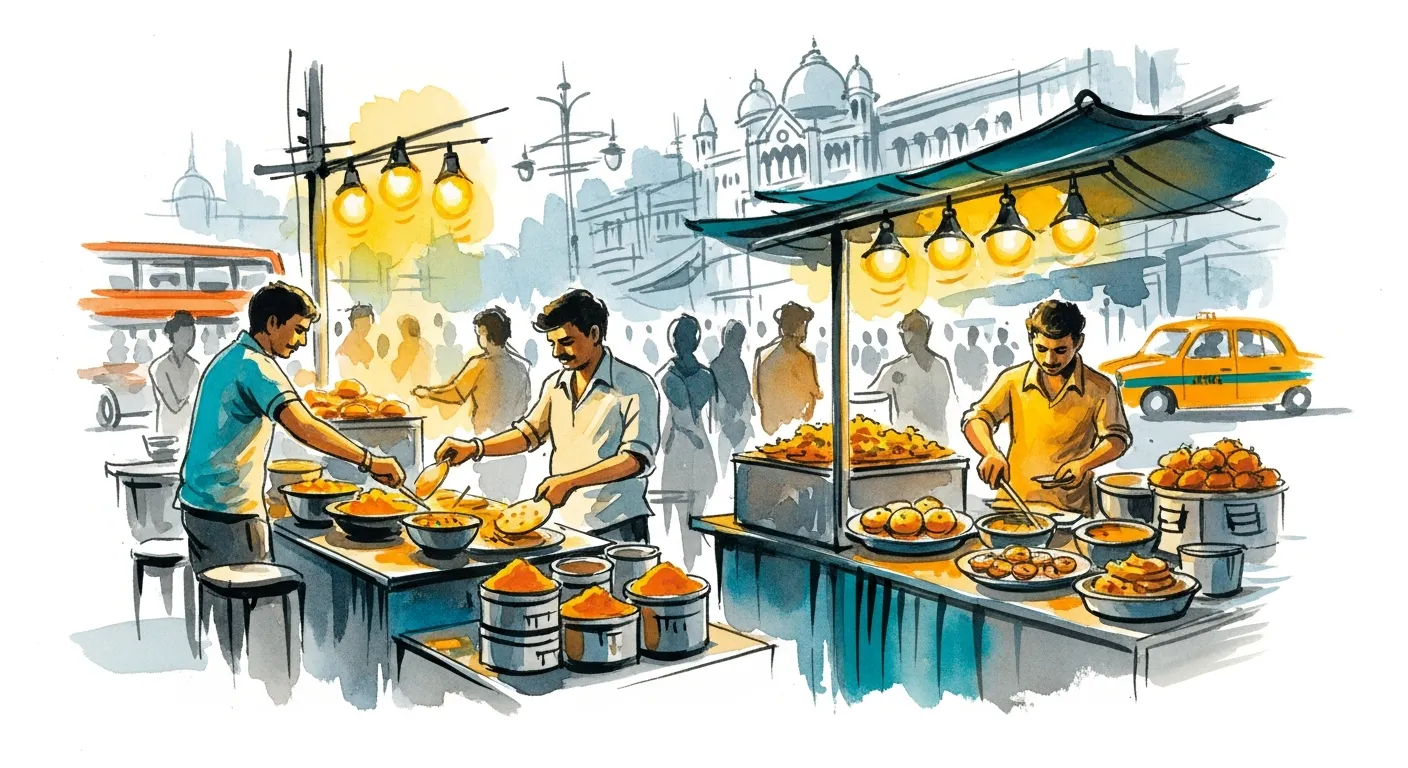
In 1883, the Royal Western India Turf Club moved its operations from Byculla to a 225-acre stretch of reclaimed land in Mahalaxmi. The horses were the point. The grandstand, the betting, the Sunday racing calendar. For the next 142 years, the Mahalaxmi Racecourse was a place where the city went to lose money in a structured way. It was not a place you went to eat.
This week, you can.
Nobody talks about how a city decides what counts as a dining destination. Until recently, the answer was the five-star hotel. Then it was the standalone restaurant. Then the rooftop. Now it is whatever empty civic space a chef can lease for a Tuesday night.
THE WEEK, IN PLACES THAT WEREN'T RESTAURANTS LAST YEAR
Soraia opened at the Mahalaxmi Racecourse with an Omakase Cocktail Bar attached to a fine-dining room. Read that sentence twice. The format that Jiro Ono codified in the 1960s for sushi, where the chef decides what you eat and you do not negotiate, has been transposed onto a cocktail bar in a colonial-era horse-racing complex in central Mumbai. The bartender is now the itamae. You sit. You drink what arrives.
Flint opened at the NCPA in Nariman Point, a grill-focused cafe built around fire-led cooking. The National Centre for the Performing Arts was conceived by Jamshed Bhabha and inaugurated in 1969 as a venue for Indian classical music and theatre. It is now also a venue for charcoal.
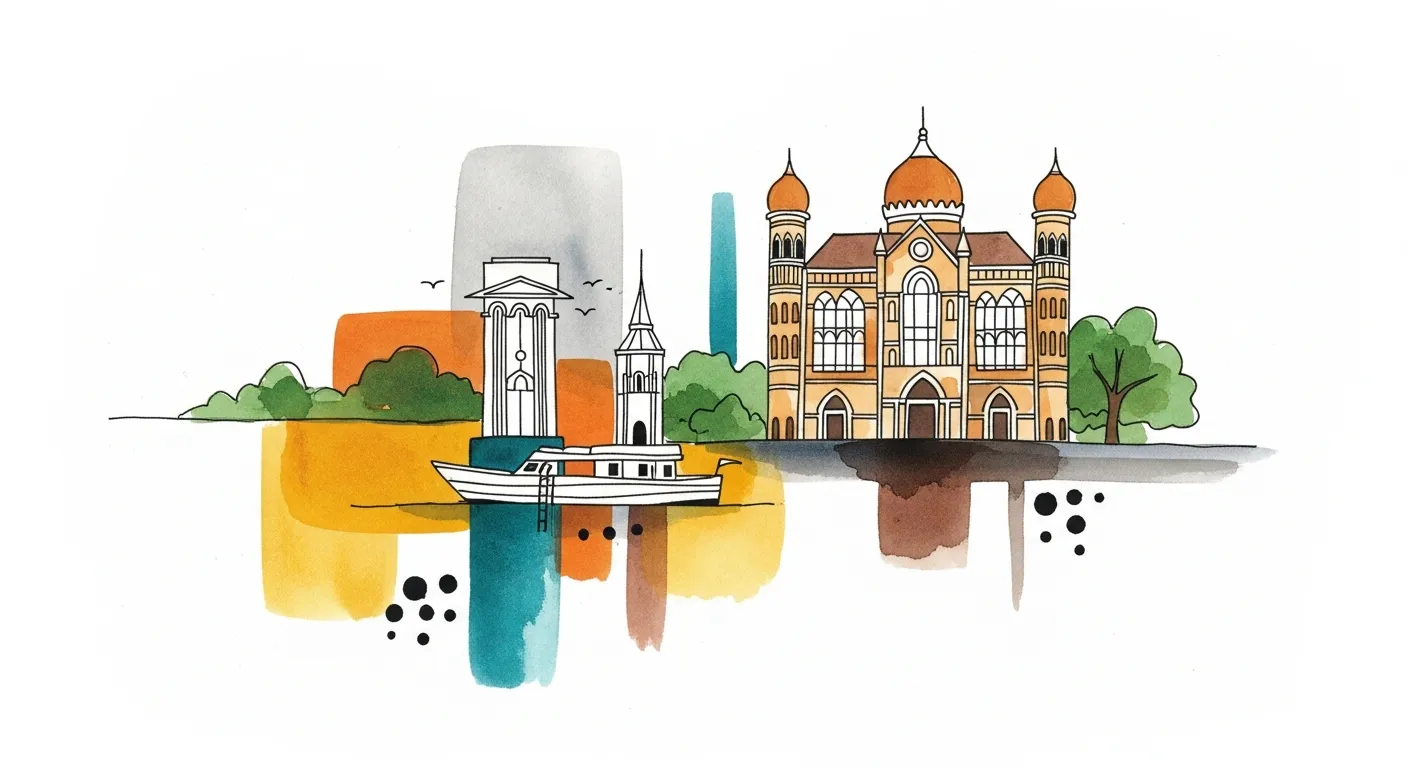
Alta Stella opened thirty floors above Andheri West, serving global and Indian fusion from a rooftop. Andheri West thirty years ago was a film industry suburb where Sindhi families ran two-storey bungalows. Now it has a thirty-floor restro-bar. The vertical economy of Bombay dining was always a function of land scarcity. It is now also a function of view as menu item.
Olive Bar and Kitchen, which opened in Bandra in 2000 and essentially invented the Mumbai brunch as a category, just opened two new outposts. One in BKC. One in Borivali's Sky City Mall. Both launched this month. The Borivali outpost is the news. Olive going to Borivali is what Starbucks going to Patna was in 2018. The geography of who is allowed to eat what is being redrawn in real time.
RESTAURANT WEEK, AND WHY IT EXISTS
Restaurant Week India runs April 24 to May 3, 2026, with three-course lunches at Rs 1,600++ and dinners at Rs 1,900++ across participating restaurants in the city. The format was invented in New York in 1992 by Tim Zagat and Joe Baum, who wanted to fill restaurant tables during the Democratic National Convention. They priced lunch at $19.92 to match the year. It worked. Twenty-eight restaurants signed up. The model has since been exported to roughly forty cities worldwide.
The Indian iteration is now in its second decade. The economics are straightforward. A high-end restaurant that normally charges Rs 4,000 for two courses agrees to do three for Rs 1,900 because the kitchen is going to be empty on a Tuesday in April anyway. The customer gets a discount. The restaurant gets a customer who would not otherwise have walked in. The city gets a week where the gap between aspirational dining and actual dining narrows by about sixty percent.
The kitchen is going to be empty on a Tuesday in April anyway.
The ++ matters. It means taxes and service charge are extra. The Rs 1,900 dinner becomes roughly Rs 2,400 once GST and the ten percent service charge are added. This is still a discount. It is also a reminder that menu prices in India are a polite fiction.
THE POP-UP ECONOMY, EXPLAINED IN ONE LINE
Pause Cafe in Bandra is hosting a seven-course plant-based menu by chef Priya Vijan at Rs 2,950++ per person. It is a collaboration. It will run for a defined window. After that, it will not exist.
"There's a certain thrill in knowing a meal won't exist next week." "It's more about catching something while it's still unfolding."
This is the structural innovation of the 2020s Mumbai food scene, and nobody has named it yet. The pop-up is not a marketing tactic. It is the new default. A chef no longer needs to raise Rs 2 crore, sign a five-year lease in Lower Parel, and bet a decade on a single concept. She can borrow a kitchen for nine days, sell 180 covers, learn what works, and leave. The risk profile of being a chef in Bombay has been completely rewritten in about six years.
The customer's risk profile has changed too. You used to discover a restaurant and assume it would be there next month. Now you discover a meal and assume it will not be.
THE KOREAN FOOD FESTIVAL AT A BAR CALLED TIPSY TIGER
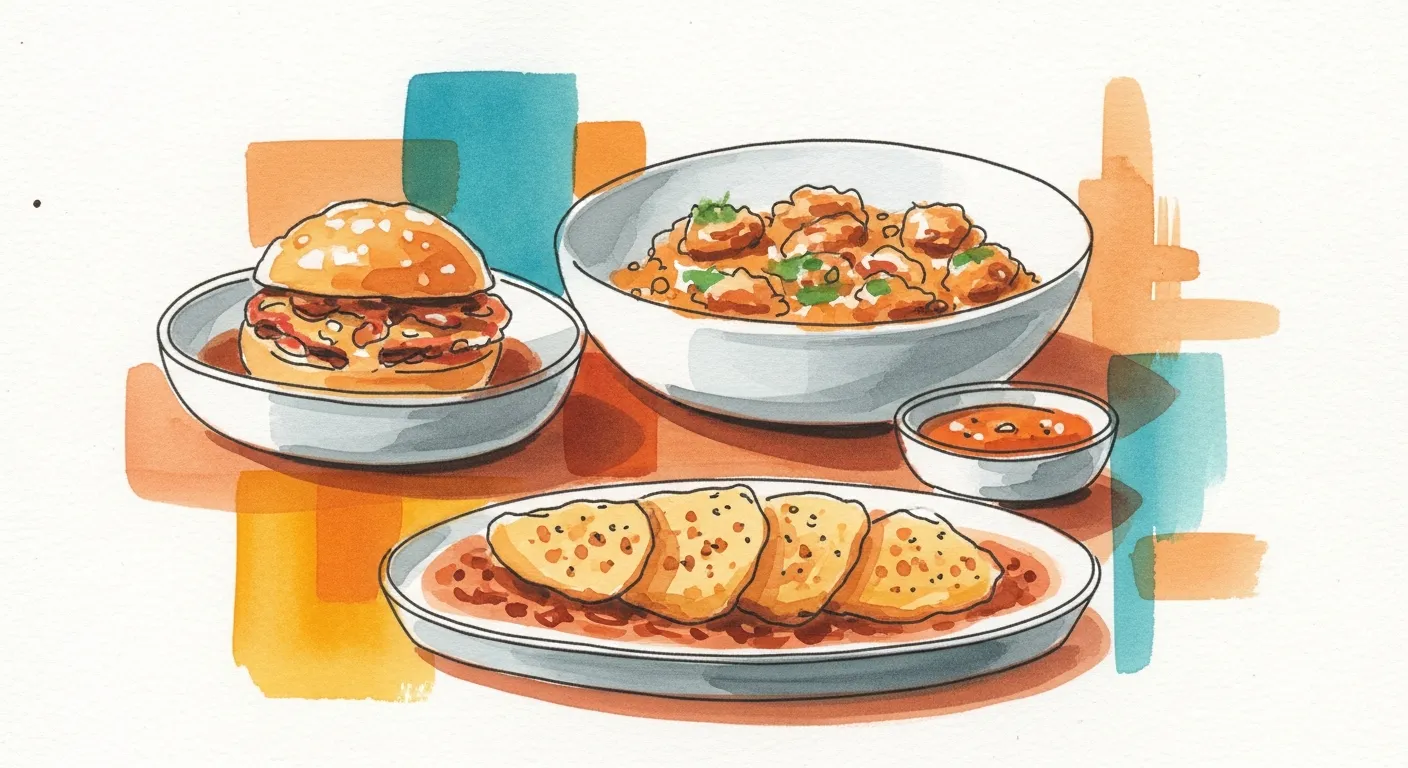
Tipsy Tiger Garden Bar is hosting a Korean Food Festival in April 2026, built around Seoul street flavours. Tteokbokki, kimchi, the full repertoire. The Hallyu wave, the Korean cultural export programme that started in the late 1990s with television dramas and pop music, hit Indian food culture roughly fifteen years late. K-dramas were on Indian Netflix in 2020. Tteokbokki at a Mumbai bar in 2026.
The lag between what a culture watches and what it eats used to be a generation. It is now about half a decade.
THE FLEA THAT TURNED TWELVE
The Lil Flea returns this April for its twelfth anniversary, with over 400 homegrown brands and more than 60 food and dessert stalls. It started in 2014 as a small weekend market. Twelve years later it is the largest curated flea-and-food event in the city, and it functions as the unofficial farm system for Bombay's independent food businesses.
The pattern is consistent. A home cook does the Lil Flea for two seasons. She gets a customer list of about 400 people. She quits her day job. She starts a delivery-only kitchen out of a 200-square-foot space in Khar. Eighteen months later she is supplying a cafe in Bandra. Three years later she has a stall at the Lil Flea where she is no longer the seller but the success story other sellers are studying.

The Lil Flea is, structurally, a chef incubator that nobody designed as one. It just happened. Sixty food stalls a season for twelve seasons is roughly seven hundred and twenty businesses that got their first paying customer at a flea market.
WHAT'S ACTUALLY HAPPENING THIS WEEK
If you want a single sentence answer to what to do this week. Restaurant Week is running. The Lil Flea is on. Soraia and Flint and Alta Stella are open. Tipsy Tiger has Korean food. Pause has a seven-course plant-based pop-up.
If you want the longer answer, the longer answer is that Mumbai's food calendar has stopped being a calendar. It is now a feed. Things appear, last nine days, disappear, and are replaced by something else. The grandstand at the racecourse hosts fine-dining events. The performing arts centre is a grill. A 5,000-square-foot rooftop in Andheri is the new Sky Bar. A flea market in its twelfth year is older than three of the four chefs cooking at it.
The city is still eating out. It just stopped eating in the same places twice.
The grandstand hosts fine-dining events. Of course it does.
Field Notes
Quick referenceRestaurant Week runs April 24 to May 3, 2026, with three-course lunches at Rs 1,600++ and dinners at Rs 1,900++.
The ++ means taxes and service charge are extra. Rs 1,900 becomes Rs 2,400 after GST and ten percent service charge.
Olive Bar and Kitchen going to Borivali is what Starbucks going to Patna was in 2018.
A chef no longer needs Rs 2 crore and a five-year lease. She can borrow a kitchen for nine days, sell 180 covers, and leave.
Sixty food stalls a season for twelve seasons is roughly 720 businesses that got their first paying customer at a flea market.
Get the next story first
Join the Bhukkads. Free, no spam, just stories.
Takes 30 seconds.