The Bar Was Always There
A wholesale cooking oil store from 1871. A jukebox from 1950. A cocktail from 1933. Colaba's drinking identity is older than most countries.
Generated by Imagen 4
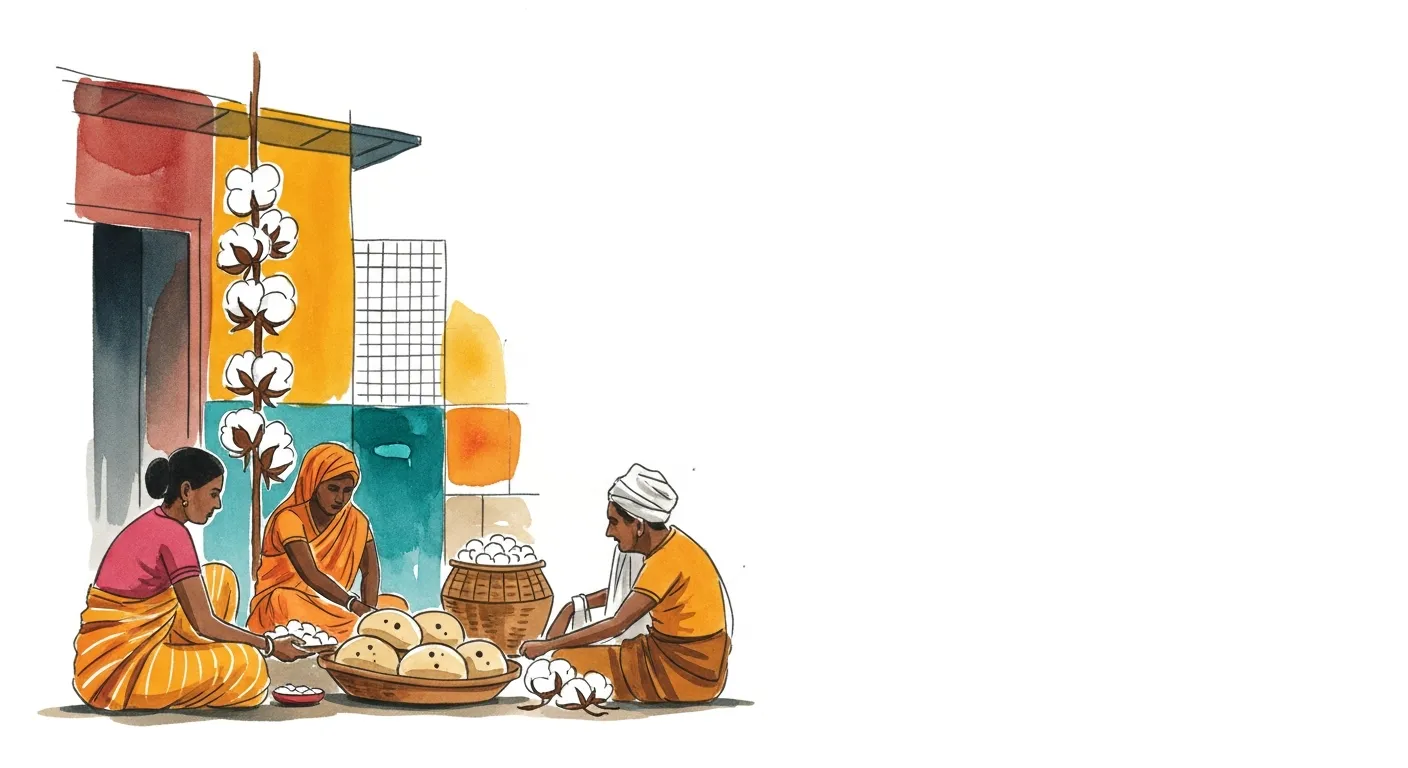
In 1865, the Suez Canal was still four years from opening. Bombay was the hinge of the British Empire's cotton economy, the American Civil War had ended its boom, and a small but determined population of Zoroastrians from Yazd and Kerman was arriving on the Konkan coast looking for work that did not involve being persecuted. They were not Parsis. The Parsis had come a thousand years earlier. These were the Iranis, the second wave, fleeing the Qajar dynasty and the famines of late nineteenth century Persia.
They did not open bars. They opened stores. Cooking oil. Bread. Tea. Cheap rooms above shops on streets the British had just paved.
Nobody talks about the fact that almost every iconic drinking establishment in Colaba started as something else. A cooking oil wholesaler. A confectionery. A residential hotel. The bar was a second act. Sometimes a third.
THE OIL STORE THAT BECAME A LANDMARK
Leopold Cafe was founded in 1871 by Iranis, a term used for Zoroastrians in Mumbai who arrived in India in the 19th century, as opposed to Parsis, and named after King Leopold of the Belgians. That sentence contains more history than most cities have. A Persian refugee community naming a Bombay establishment after a Belgian monarch in the year the Royal Albert Hall opened in London. The colonial logic was its own kind of poetry.
It first started out as a wholesale cooking oil store and over the years has variously been a restaurant, store and pharmacy, which is why the full name is still Leopold Cafe and Stores. The signage tells you everything. The bar was an afterthought. The cafe was an afterthought. The thing that made it famous was the last thing it became.
For 137 years, this was just a Colaba institution. Backpackers from the Lonely Planet era. Bombay regulars on their second beer by 4 PM. Israeli travelers fresh off army service. A hum of conversation in eight languages, Kingfisher bottles sweating onto laminate tables, a kitchen that did everything badly and nothing memorably and somehow that was the point.
Then November 26, 2008.
Leopold was one of the first sites attacked. The bullet holes are still in the walls. They were not patched. They were not memorialised with a plaque. They were left exactly where they were, because the family that runs the place decided the building would tell its own story.
The bullet holes are not a memorial. They are punctuation.
The cafe reopened four days later.
THE JUKEBOX THAT TAUGHT BOMBAY TO LISTEN
A short walk from Leopold, on the same Causeway, Cafe Mondegar opened in 1950. Another Irani family. Another building that used to be something else. The difference was the music.
Mondegar installed Mumbai's first jukebox. Think about what that meant in a city where the only public music was film soundtracks broadcast through tinny radio sets and live brass bands at weddings. You walked into Mondy's, you put a coin in, you chose what the room listened to. Sinatra. Elvis later. The Beatles eventually. A democracy of sound, paid for in annas.
Then in the 1990s, Mario Miranda was commissioned to paint the walls. Miranda was a Goan cartoonist who drew Bombay the way Bombay actually looked, the gossiping aunties, the harassed clerks, the bandwallah at the wedding, the priest sneaking a smoke. His murals at Mondegar are still there. Every face in them is somebody you have met or somebody you will meet by Tuesday.
The jukebox is still there too. The songs have changed. The principle has not.
THE COCKTAIL THAT CAME WITH THE LICENCE
In 1903, Jamsetji Tata opened the Taj Mahal Palace because, the story goes, he had been refused entry to a whites-only hotel and decided to build a better one. Whether the story is true or apocryphal, the hotel is real. By 1933, the Harbour Bar at the Taj had become Mumbai's first licensed bar.
This is the part most drinkers in this city do not know. Before 1933, you drank in clubs, in private homes, in the unlicensed back rooms of Irani cafes that everyone knew about and nobody raided. The Harbour Bar was the first place where the law and the liquor agreed to be in the same room.
The cocktail they invented to commemorate the licence is still on the menu. From The Harbour Since 1933. Rum, orange, a bitter element, a citrus lift. The recipe has been tweaked over nine decades but the name has not. Order it today and you are drinking the same toast that was raised the year King Kong premiered and Prohibition ended in America.
The bartender who told the story to Mid-day described it as a working drink. Not a showpiece. Something a returning sailor or a docking passenger would have ordered, looked at the harbour through the window, and finished in three sips before the bellboy came for the bags.
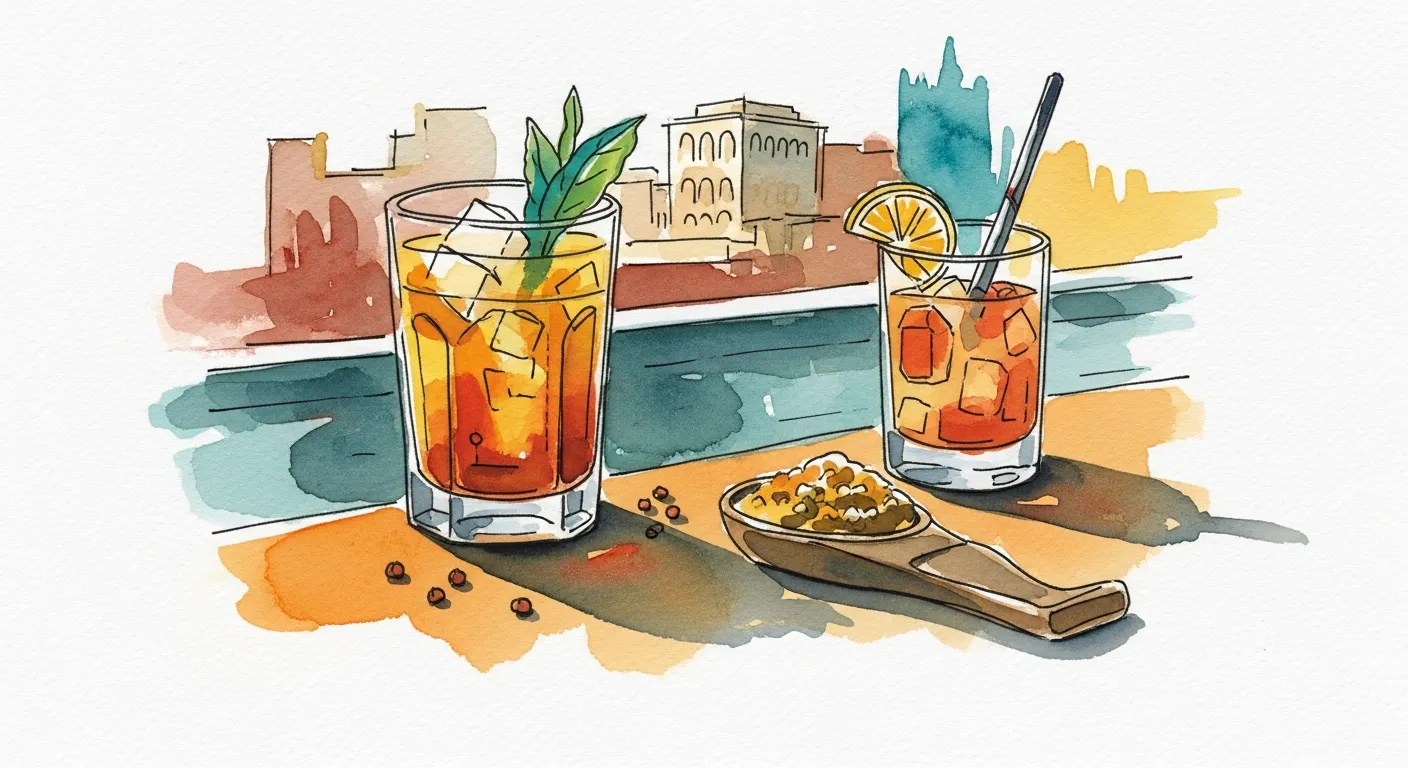
Three sips. Ninety three years. The drink has outlasted the British Empire and the cassette tape.
THE GEOMETRY OF A NIGHT IN COLABA
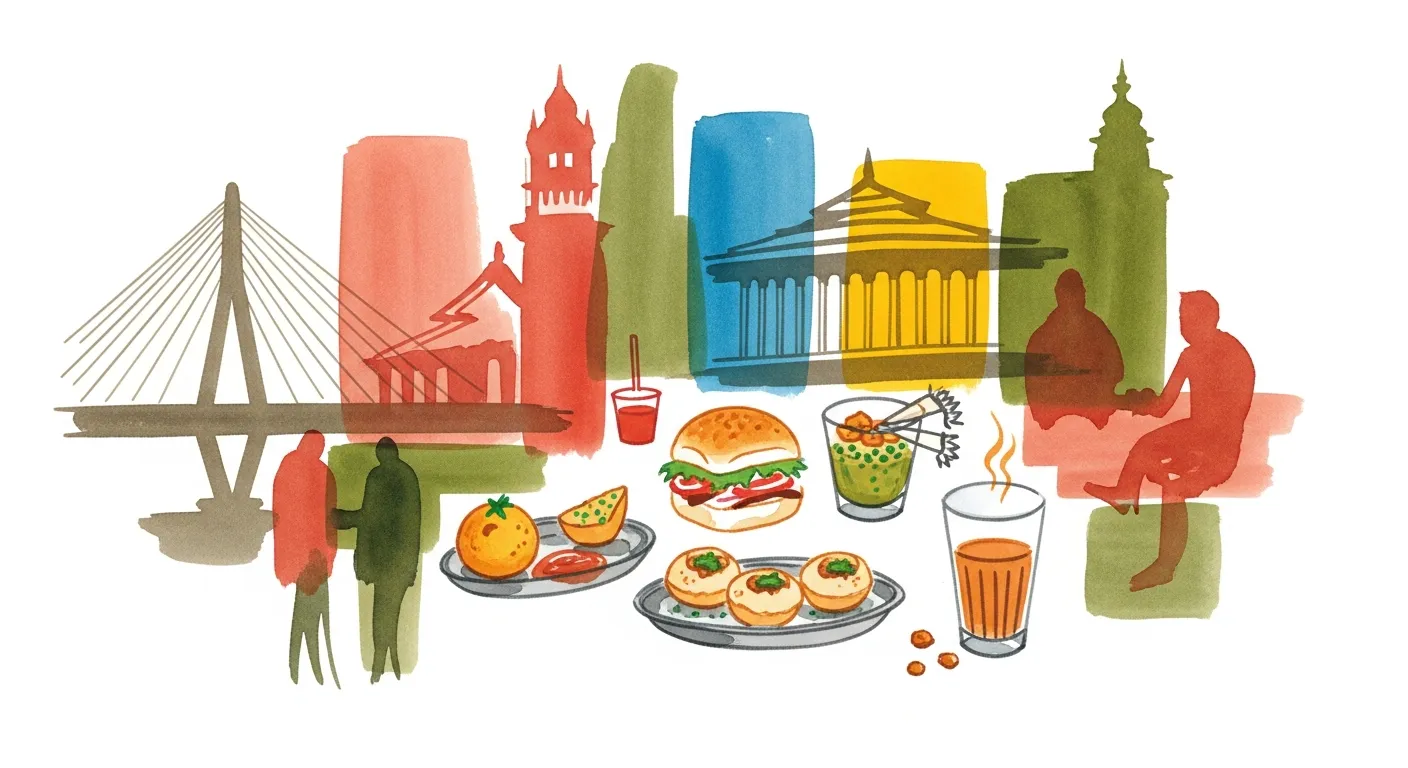
Walk Colaba Causeway from the Gateway south, and the bars present themselves in chronological order, more or less. Harbour Bar at the Taj. Then Mondegar. Then Leopold. Then the newer places that came up in the 1990s and 2000s, the Cafe Universals and the Woodside Inns and the rooftop spots that rotate names every three years.
The old ones do not advertise. They do not need to. A Colaba bar that has been open for more than fifty years is essentially a piece of civic infrastructure, like a tram stop nobody can move.
The drinkers know this. The regulars at Leopold are not the same as the regulars at Mondegar. The Harbour Bar crowd is its own thing entirely, a mix of suited businessmen, foreign tourists who have just checked in, and the occasional Bombay family celebrating a graduation. Each room has its own gravity. You do not wander between them in a single evening unless you are showing somebody around.
And you can tell who is showing somebody around. They are the ones explaining things.
THE IRANI THESIS
Here is what the Iranis figured out that nobody else in this city did. A bar is not a destination. A bar is a habit. You build a habit by being open at the same hour, with the same chairs, the same waiters, the same chipped glassware, for long enough that three generations of one family have walked through the door without thinking about it.
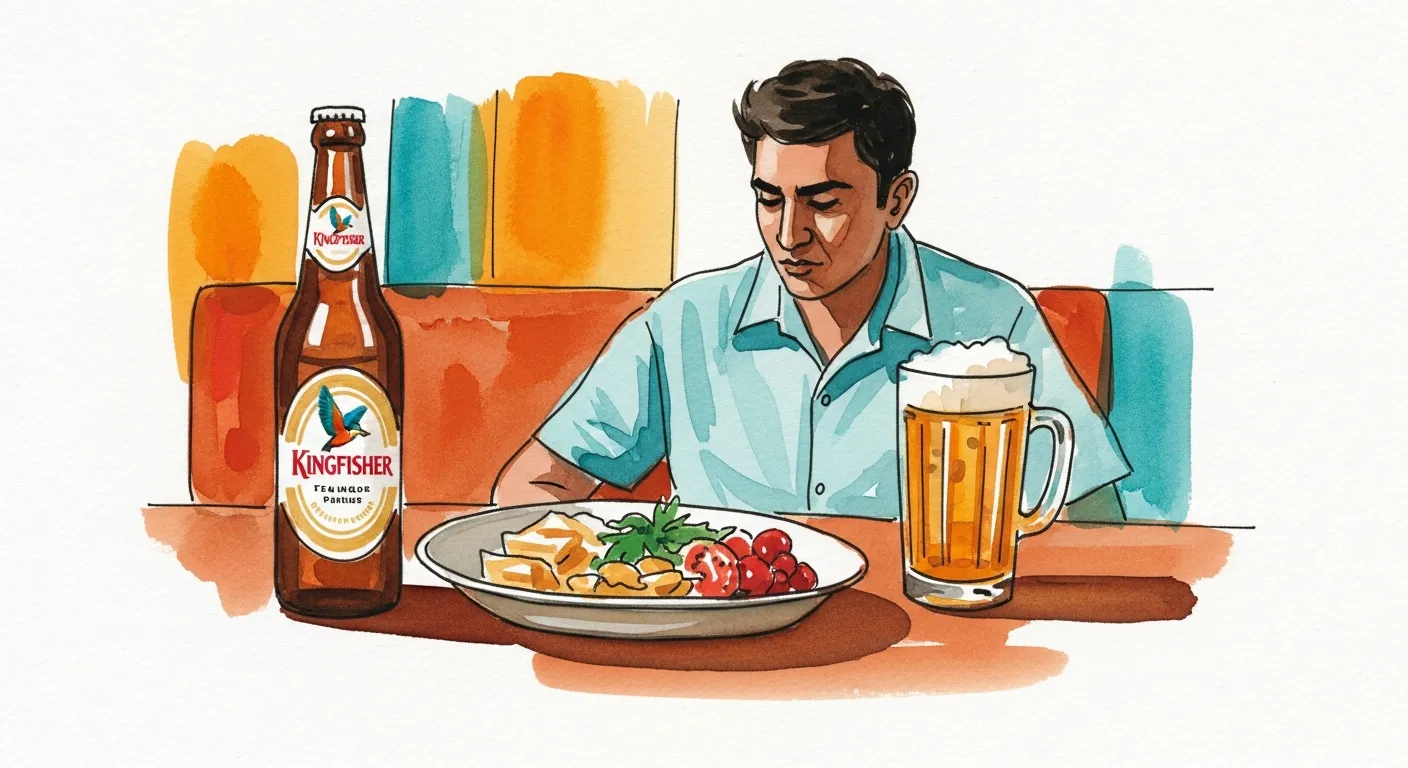
The grandfather drank Kingfisher at Leopold in 1962 because the rent on his Cuffe Parade flat was paid and he had an hour before dinner. The son drank Kingfisher at Leopold in 1991 because his father had told him that was where you went. The grandson drinks Kingfisher at Leopold in 2026 because his Tinder date suggested it, having read about it on a list.
The beer is the same. The transaction is different. The bar does not care.
THE LAST POUR
Mumbai keeps building new bars. Thirty floors up in Lower Parel. Speakeasies behind unmarked doors in Kala Ghoda. Omakase cocktail counters where the bartender decides what you drink. All of it valid. All of it the city doing what the city does, which is move forward at a speed that embarrasses every other Indian metro.
But on the Causeway, three rooms keep their hours. One opened the year the Royal Albert Hall did. One installed a jukebox before most of India had radios. One served the first legal cocktail in the city and is still pouring it. They are not competing with the new places. They are doing something the new places cannot do, which is be old.
A hundred and fifty five years of pouring drinks into the same room.
The glasses change. The drinkers change. The bar was always there.
Field Notes
Quick referenceLeopold Cafe started as a cooking oil wholesale store in 1871. The bar came later.
Mondegar installed Mumbai's first jukebox in 1950. Democracy of sound, paid for in annas.
The Harbour Bar served Mumbai's first legal cocktail in 1933. Before that, you drank in unlicensed back rooms.
Leopold's 26/11 bullet holes were never patched. The building tells its own story.
'From The Harbour Since 1933' was designed for returning sailors. Three sips before the bellboy came for bags.
Get the next story first
Join the Bhukkads. Free, no spam, just stories.
Takes 30 seconds.