The Sardars of Sion and the Price of Charcoal
A neighbourhood built by Partition refugees in 1947. A tandoor that costs Rs 45,000. A bag of black wood that doubled in price. And a generation of sons who would rather work in a bank.
Generated by Imagen 4
On the night of August 14, 1947, a man named Premji Thadhani was on a train. So was a man named Hardev Singh Bhatia. So were tens of thousands of others, Sikhs and Hindus from what had just become Pakistan, sitting on the floors of carriages, on the roofs of carriages, in carriages where the doors had been wedged shut to keep people out and people in. Some of these trains arrived. Some did not. The ones that arrived in Bombay disgorged their passengers at Victoria Terminus, and the passengers walked.
They walked north. Not because anyone told them to. Because the south of the city was already taken. The Parsis had Fort. The Gujaratis had Kalbadevi. The Marwaris had Bhuleshwar. The Bohras had Bhendi Bazaar. A refugee with a steel trunk and a wife and three children does not negotiate for Marine Drive. He keeps walking until somebody points at a patch of swamp and says, here.
The patch of swamp was Sion Koliwada. The fishing village was already there, had been there for centuries, the Kolis pulling pomfret out of the creek that connected Bombay to Salsette. The government built barracks on the marsh next to them in 1947 to house the new arrivals. The barracks were temporary. The arrivals stayed.
This is not a story about Partition. This is a story about a piece of charcoal that now costs seventy rupees a kilo.
THE FISH THAT GOT A PUNJABI SURNAME
Nobody talks about the fact that Fish Koliwada is not a Koli dish. It is a Punjabi dish with a Koli postcode.
The Kolis caught the fish. The Sikhs from Lahore and Rawalpindi marinated it in besan, ginger, garlic, ajwain, red chilli, deep-fried it in mustard oil, and named it after the neighbourhood that had taken them in. The Indian Express has traced the dish to the kitchens of refugees who settled in Sion Koliwada after 1947, the same kitchens that would eventually become Mini Punjab, the catering empire that fed Dev Anand's birthday parties and a generation of weddings at Shanmukhananda Hall.
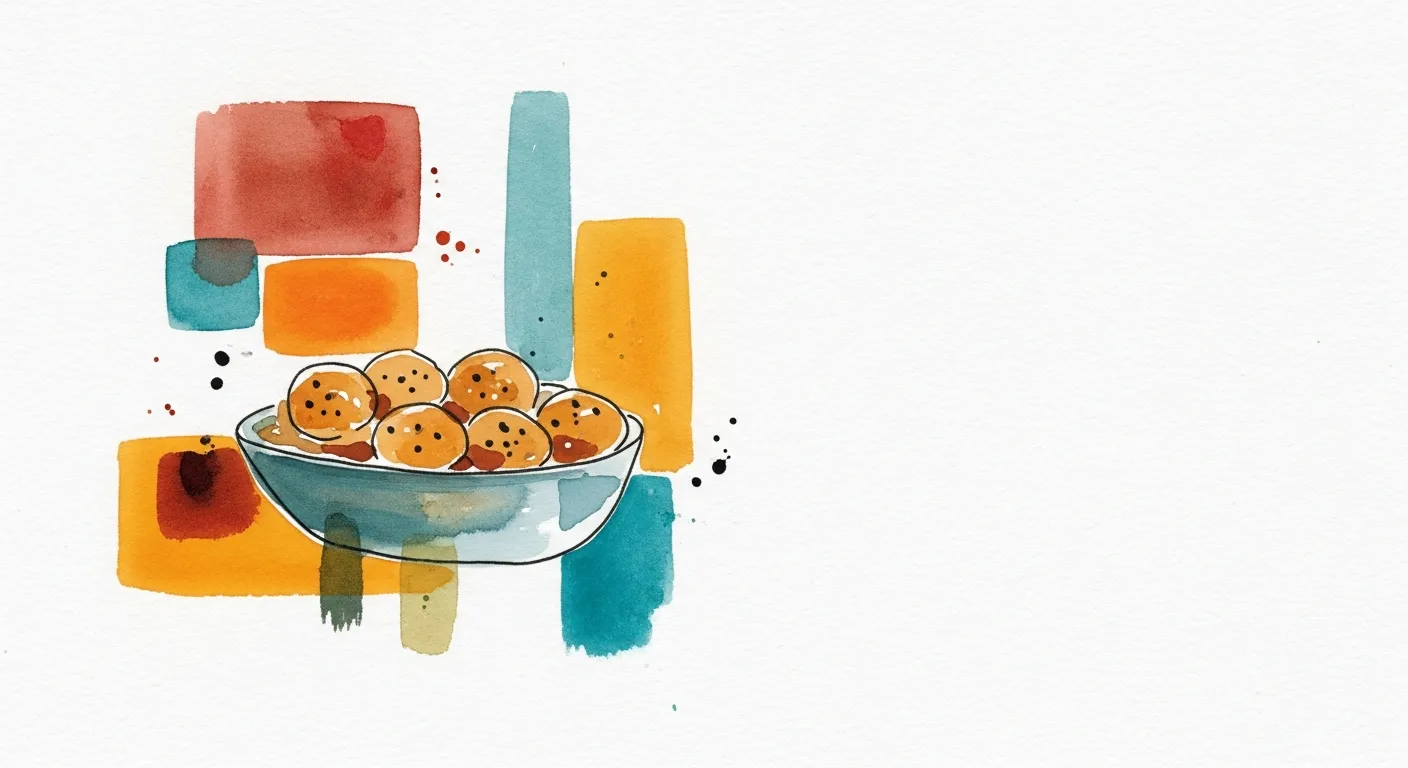
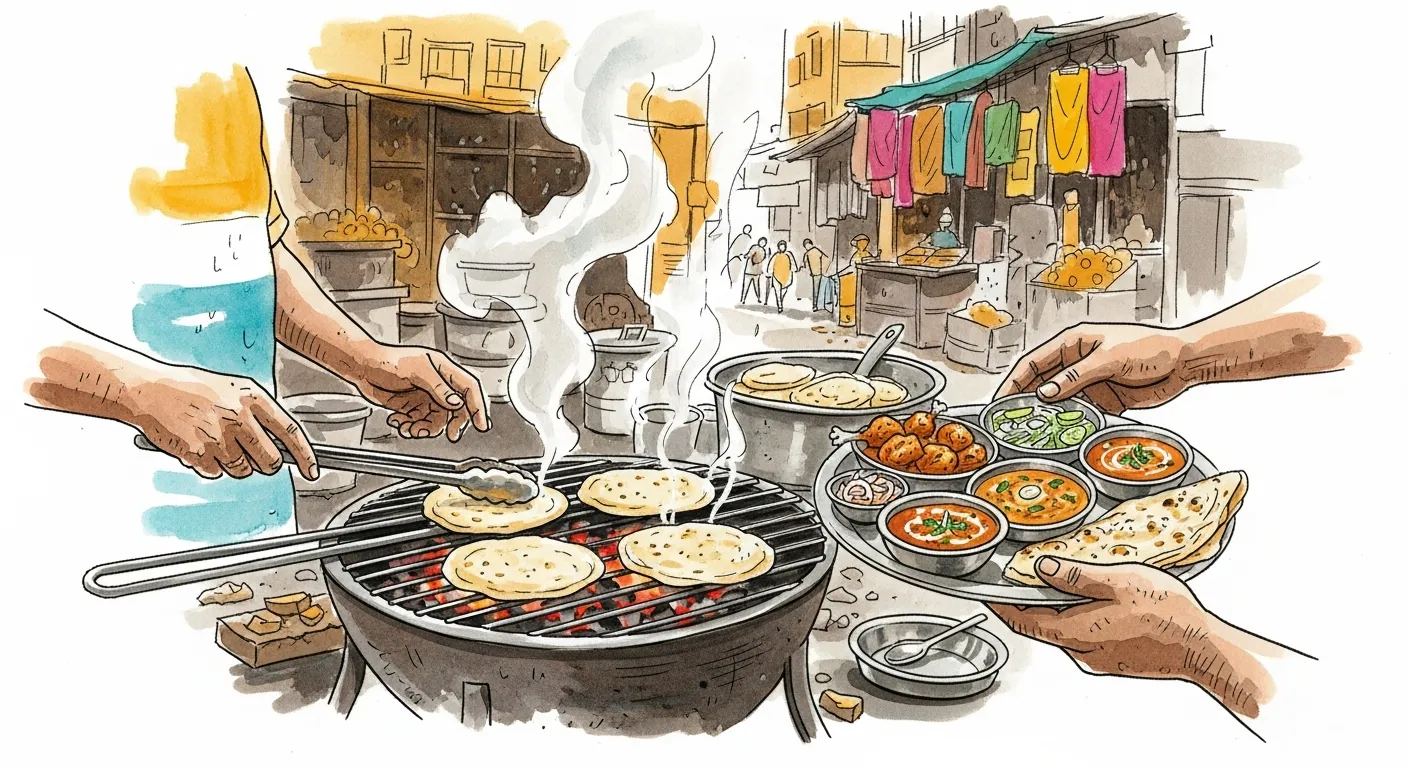
What the refugees brought with them, more than recipes, was a piece of equipment. The tandoor. A clay cylinder, three feet deep, lined with mud and salt and mustard oil, fired with charcoal until the inner walls held a temperature of around 480 degrees Celsius. You cannot make a Punjabi restaurant without one. You cannot make a tandoori pomfret, a tandoori prawn, a Sion Koliwada chicken tikka, without one.
The tandoor came down from Lahore on the same train as the family.
MINI AMRITSAR, GUDI PADWA TO LOHRI
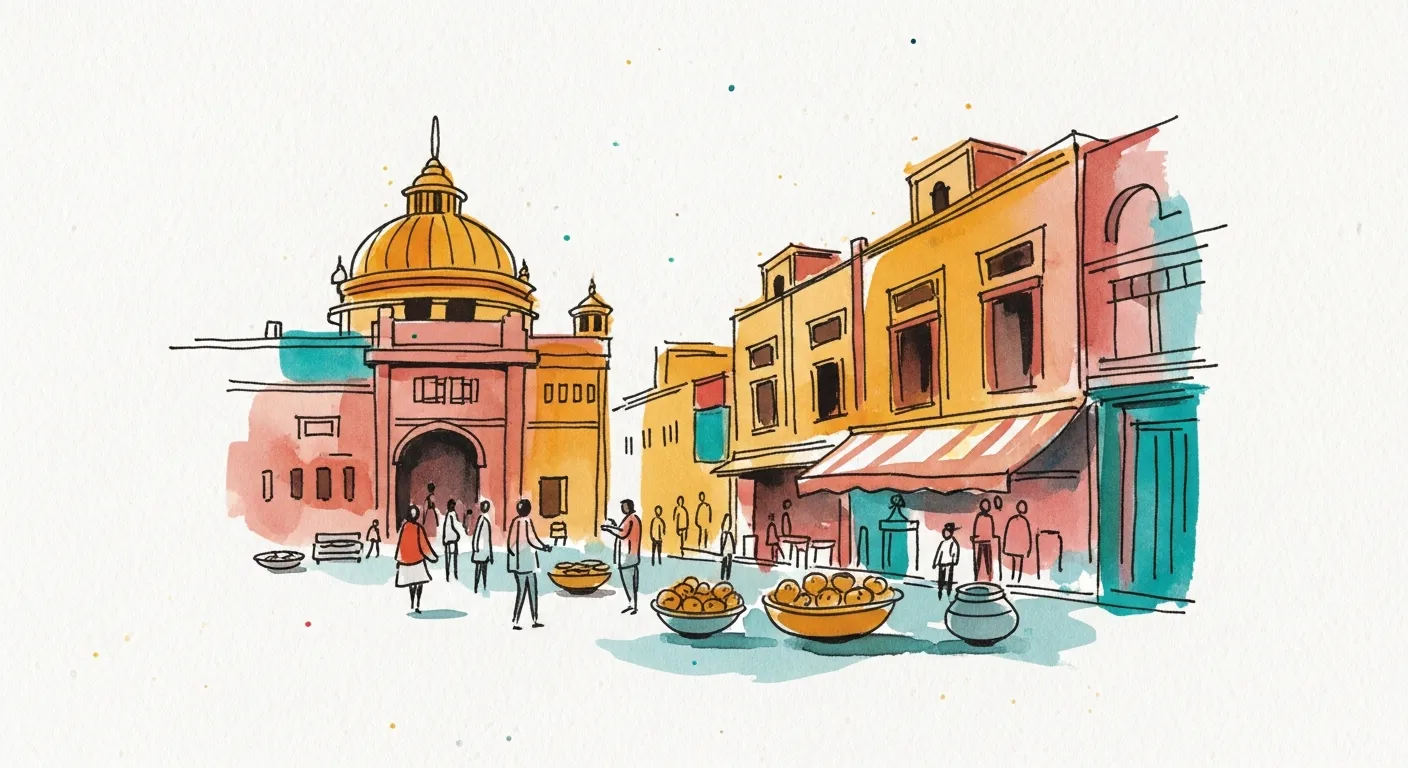
By the 1970s, the barracks were buildings. The buildings were restaurants. The food writer Kalyan Karmakar, walking through the lanes in 2024, described the area as Mumbai's mini Amritsar, a grid of small establishments run by the second and third generation of the men who had walked north from VT.
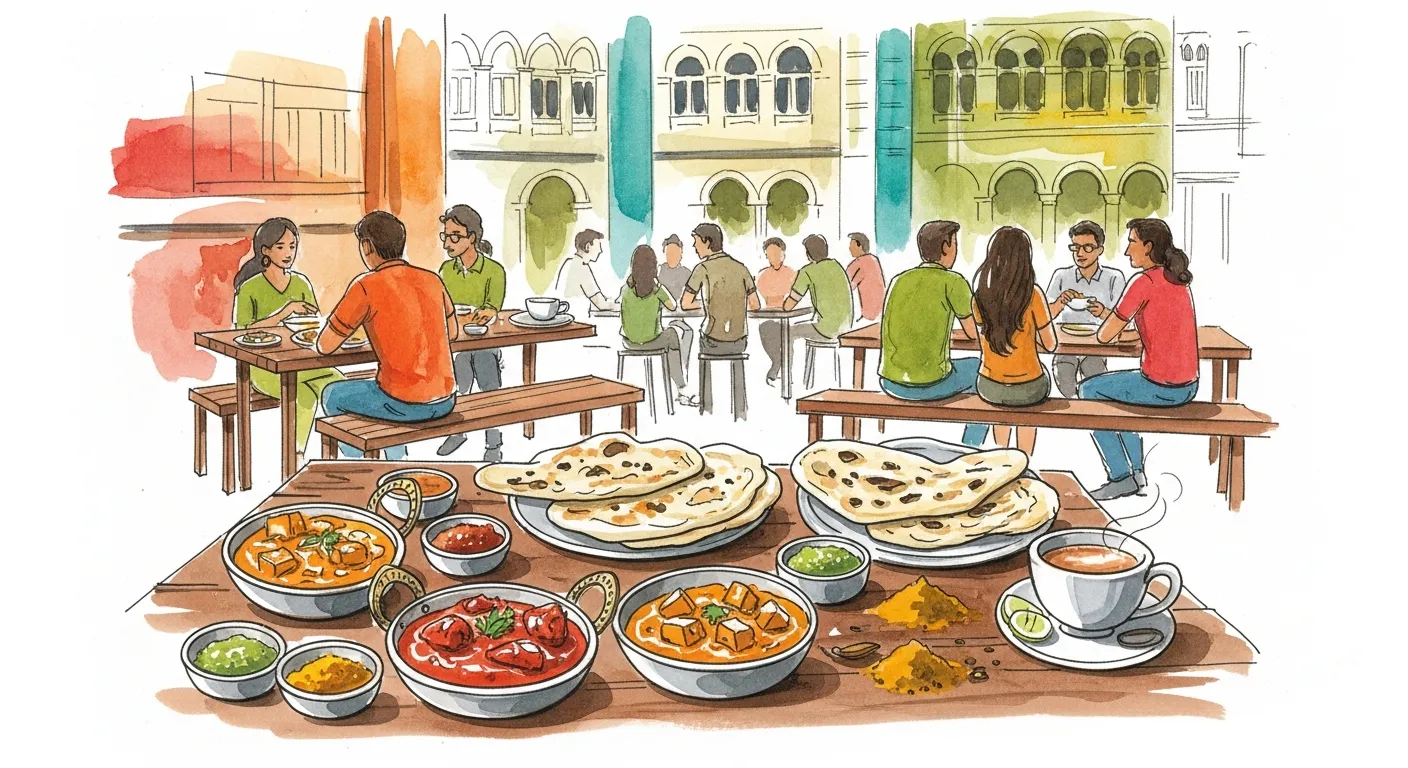
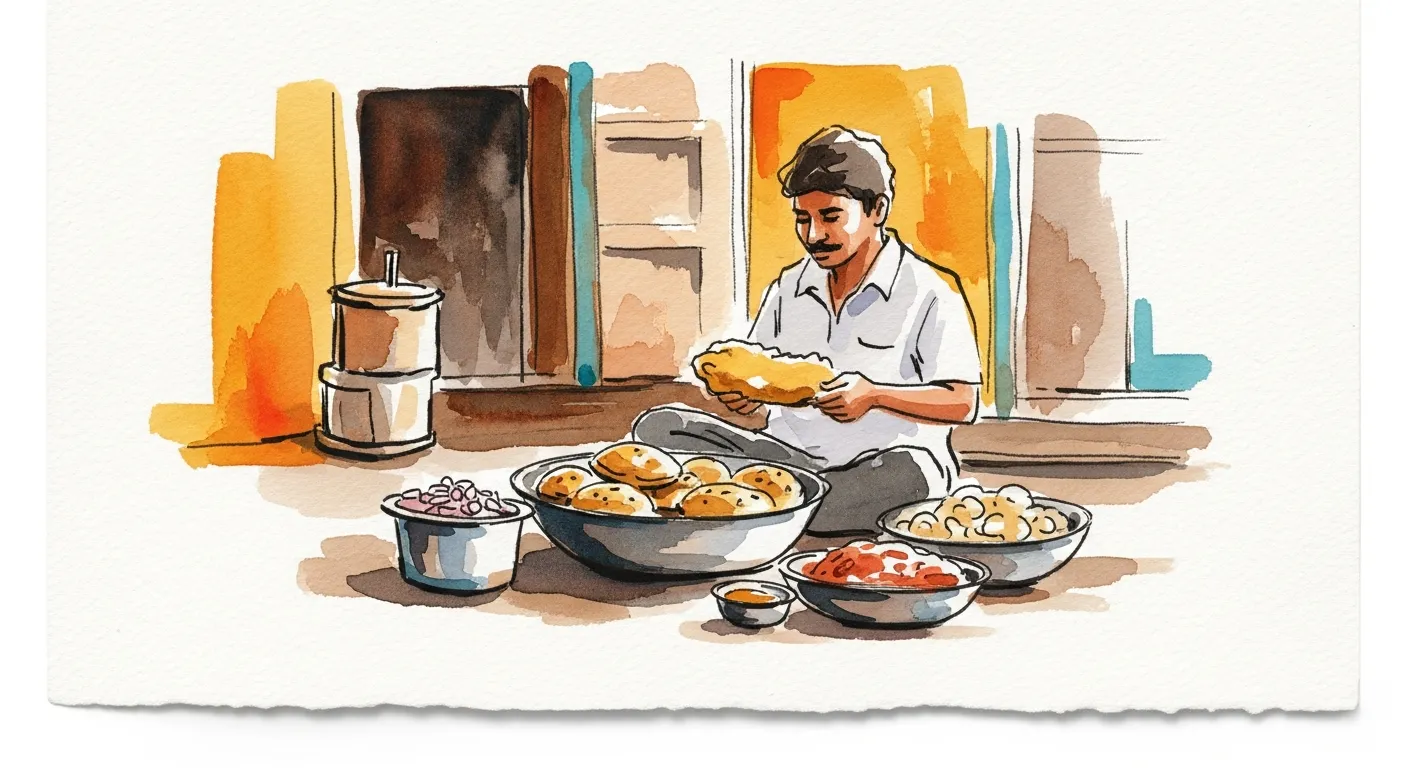
The names are familiar to anyone who has eaten there. Sardar Refreshments. New Lakhpati. Gurukripa, which started as a small snack shop and is now a Sindhi-Punjabi institution. The kitchens are mostly open to the lane. You can stand outside and watch the man at the tandoor, his face lit orange every time he leans in, lift a skewer of marinated fish out of the coals.
The man at the tandoor is, almost without exception, over fifty.
This is the part the menus do not mention.
THE BLACK GOLD PROBLEM
In March 2024, The Times of India reported that the retail price of charcoal in Mumbai had climbed from Rs 35-38 per kilo to Rs 60-70 per kilo. A near doubling. The piece called it black gold, which is the kind of phrase a sub-editor writes at midnight, but the math is real.
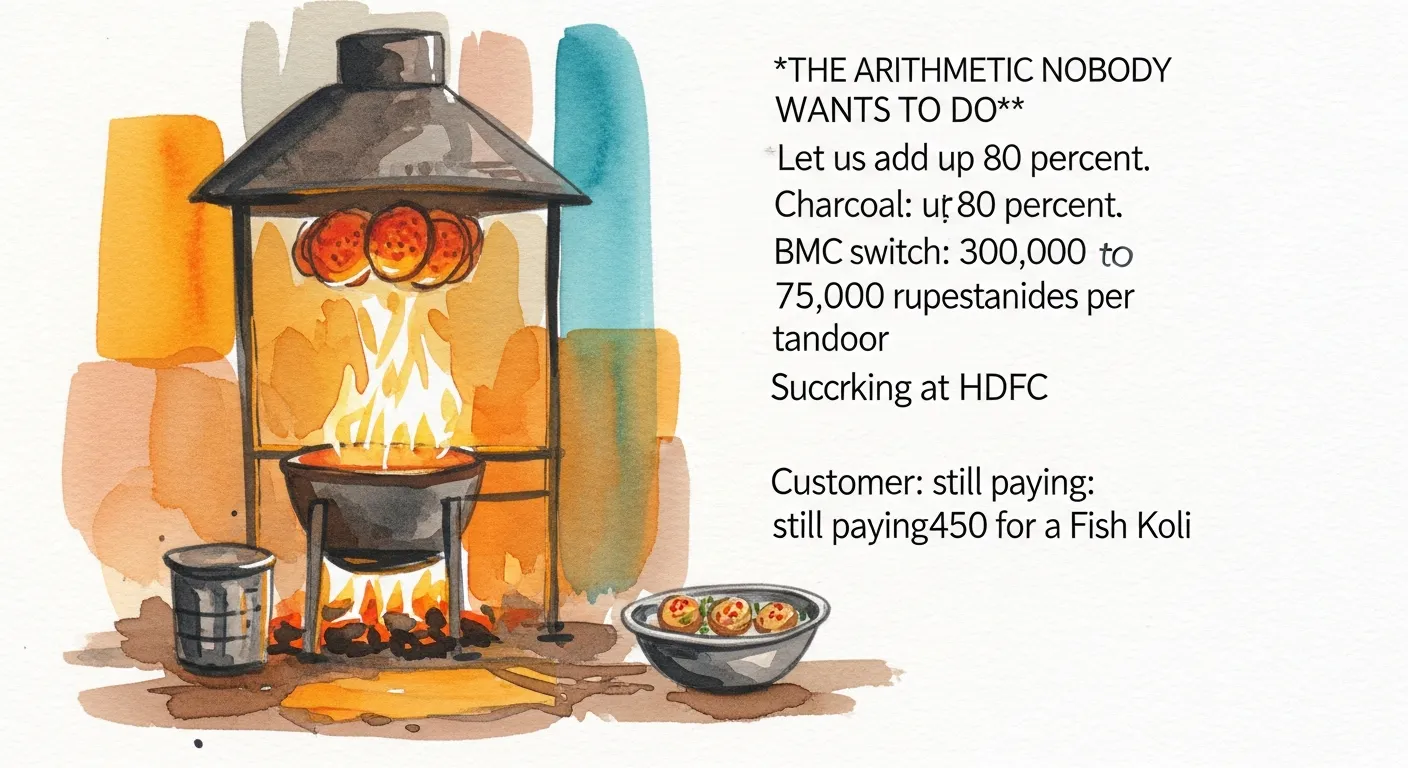
A mid-sized tandoor at a Sion Koliwada restaurant burns through roughly 15 to 20 kilos of charcoal a day. At the old rate, that was around 700 rupees. At the new rate, it is closer to 1,300. Multiply by thirty days. The monthly fuel bill on a single tandoor has gone up by about 18,000 rupees.
A Fish Koliwada plate sells for around 450 rupees. The vendor is not putting his prices up by 40 percent to match. He cannot. The customer who has been coming since 1985 will simply stop coming.
The tandoor came from Lahore on a train. The charcoal that feeds it now comes from a market that has decided it is precious.
THE BMC AND THE JULY DEADLINE
Then the regulator arrived. The Indian Express reported that the Brihanmumbai Municipal Corporation set a deadline of July 8, 2024, for restaurants to switch from charcoal and wood-fired tandoors to electric or green fuel alternatives, citing air quality. A traditional clay tandoor with charcoal costs around Rs 45,000 to install. A PNG-fired version costs around Rs 75,000. An electric version costs more.
The Sion Koliwada economy is not a Bandra economy. The owners are running on margins that the Lower Parel cocktail bar would consider a rounding error. A 30,000 rupee equipment switch, multiplied across a kitchen that runs three or four tandoors, is a number that decides whether the third generation keeps the lights on.
There is also the flavour question, which the regulator has not been asked about. A PNG tandoor cooks. It does not smoke. The black-edged char on a tandoori prawn, the thing that the dish is actually about, comes from charcoal. Not from gas.
THE SON WHO WORKS AT HDFC
Nobody talks about the son.
The son is twenty-eight. He has an MBA from Symbiosis. He works at a private bank in BKC. He earns more in a month than his father's restaurant clears in two. He visits on Sundays. He eats the food. He does not stand at the tandoor.
A Governance Now investigation in September 2024 found that only 7 percent of heirs to Indian family businesses report a sense of obligation to join, with the rest preferring corporate careers for what the report called lifestyle and independence. The number is striking but the lived version is sharper. A man who lifts skewers out of a 480-degree tandoor for ten hours a day, every day, for forty years, is not going to insist his son do the same. He sent the son to Symbiosis precisely so the son would not have to.
This is the contradiction at the centre of every family restaurant in Sion Koliwada. The first generation built it so the second generation could leave it.
Premji Thadhani did not walk north from VT in 1947 so his great-grandson could stand in front of a tandoor in 2024.
THE ARITHMETIC NOBODY WANTS TO DO
Let us add it up.
Charcoal: up 80 percent. BMC switch: 30,000 to 75,000 rupees per tandoor. Successor: working at HDFC. Customer: still paying 450 for a Fish Koliwada plate, still expecting the smoke, still expecting the char, still expecting the recipe Hardev Singh Bhatia's grandfather wrote on a piece of paper in Rawalpindi in 1943.
The restaurants that survive will be the ones that figure out one of three things. They will move to PNG and accept that the dish tastes 15 percent less like itself. They will keep the charcoal and absorb the cost. Or they will hand the kitchen to a manager from outside the family, a Bihari or Nepali cook who has worked in the lane for fifteen years and knows the marinade by feel, and the family will become landlords of their own legacy.
Most will do the third thing. It is already happening. Walk through the lanes on a Wednesday afternoon and look at who is actually at the tandoor. The surname on the signboard and the surname of the man holding the skewer have started to come apart.
WHAT STAYS
The dish stays. Fish Koliwada will outlive the families that invented it, the way biryani outlived the Mughals, the way pav outlived the Portuguese. The recipe is in the city now. The city will keep it.
What shifts is the architecture behind the plate. The tandoor goes electric. The owner moves to Khar. The son signs onto a Zoom call in BKC. The cook is from Siwan. The customer does not notice, or notices and does not say.
A train arrived at Victoria Terminus on August 15, 1947. The passengers walked north until somebody pointed at a swamp. They built a kitchen. The kitchen is still open. The man at the tandoor is somebody else's grandfather now.
Field Notes
Quick referenceOn August 14, 1947, Premji Thadhani and Hardev Singh Bhatia were on trains from Pakistan to Bombay. They walked north from VT until someone pointed at Sion Koliwada swamp.
Charcoal prices doubled from Rs 35-38 per kilo to Rs 60-70 per kilo. A single tandoor's monthly fuel bill increased by Rs 18,000.
Not a Koli dish. Punjabi refugees marinated Koli fish in besan and chilli, named it after their new neighbourhood.
July 8, 2024 deadline for restaurants to switch from charcoal tandoors to electric or PNG alternatives.
Only 7% of Indian family business heirs feel obligated to join. The son with the MBA earns more at HDFC than his father's restaurant.
Get the next story first
Join the Bhukkads. Free, no spam, just stories.
Takes 30 seconds.