The Sugar Is Not the Problem
Bhuleshwar's mithai makers have survived famines, partition, and the fall of empires. They may not survive Instagram.
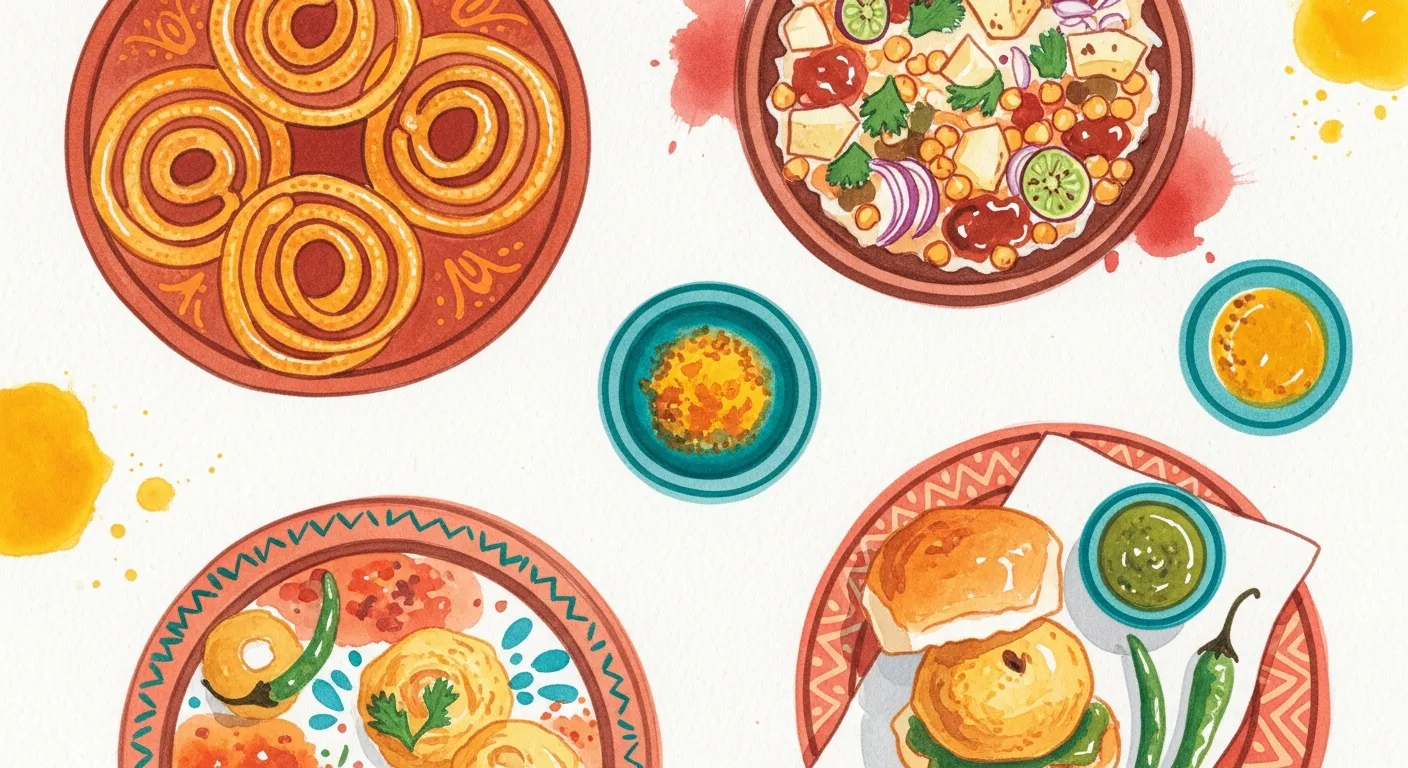
Generated by Imagen 4
In 1904, a Maharashtrian chemist named Pandurang Sadashiv Bhagwat published a paper arguing that India's indigenous sugar refining methods, some dating back to the Gupta period, were being systematically dismantled by colonial preference for European beet sugar. The British did not ban Indian khandsari. They did something more effective. They made it unfashionable.
One hundred and twenty-two years later, in a narrow lane off Bhuleshwar's Kalbadevi Road, a third-generation halwai is telling me the same story in different words. He is not talking about the British. He is talking about his own grandchildren.
"They want cheesecake," he says, not with anger but with the flat recognition of a man watching the tide come in.
THE LANE THAT SWEETENED A CITY
Bhuleshwar is not a neighbourhood. It is a condensation. Every community that ever passed through Mumbai left a residue here, and much of that residue is edible. The area's mithai shops, many of them wedged into storefronts no wider than a tempo, have been feeding the city's ritual calendar for generations. Navratri, Diwali, Ganpati, weddings, barsi, naming ceremonies. Every significant Hindu, Jain, and Gujarati occasion in this city has, at some point, passed through a Bhuleshwar sweet counter.
The economics were simple for decades. Buy milk from the Aarey belt. Buy sugar wholesale from Vashi. Buy dry fruits from Crawford Market's Afghan traders. Make pedha, barfi, mohanthal, puranpoli. Sell at a margin that covered rent, labour, and a modest life. The margin was never fat. But it was reliable.
It is no longer reliable.
THE NUMBERS THAT NO ONE WANTS TO PRINT
India's retail food inflation rose 3.87% year-on-year in March 2026. That is the headline number. The headline number is a liar. It averages dal with dragon fruit and pretends that tells you something.
The numbers that matter to a Bhuleshwar halwai are more specific. Milk and dairy product prices increased 2.56% in December 2025 alone. Kaju, which is the backbone of at least a third of a Gujarati mithai box, has climbed steadily. Badam, pista, kesar, all trending upward. And the cost nobody budgets for: fuel.
In Bengal, the situation reached breaking point. An LPG crisis in March 2026 forced sweet shops across the state to cut production of milk-heavy sweets, malai roll, rabri, anything that required hours of slow thickening over flame. The fuel cost of reducing 15 litres of milk to 3 litres of khoa had become untenable. Shops didn't announce this. They simply stopped stocking certain items. Regular customers noticed. New customers never knew those sweets existed.
The fuel cost of reducing milk to khoa had become untenable. Shops didn't announce it. They simply stopped stocking.
Bhuleshwar is not Bengal. But the physics is identical. Every mithai that requires slow reduction, every barfi that needs real mawa, every ghevar that demands hours of patient frying, all of it now costs more to produce than it did even eighteen months ago. The halwais absorb what they can. They pass on what they must. And they watch as customers balk at a box of kaju katli that costs what a cake from a Bandra patisserie costs.
THE OLDER PROBLEM
But cost is the crisis you can see. The one you cannot see is quieter, and more lethal.
Nobody talks about the fact that India's mithai tradition is not losing to price. It is losing to meaning. For three generations, a box of mithai was not a dessert. It was a social instrument. You sent pedha when a child was born. You sent barfi when a deal closed. You distributed laddoo at the temple. The sweetness was incidental. The gesture was the point.
That gesture is being replaced. Not by malice, but by a generational shift so thorough that the people living through it barely notice.
India's Dessert Index 2025 found that Gen Z is India's most dessert-engaged demographic, and their preferences are almost entirely oriented away from traditional mithai. They want novelty. They want visual appeal, which is to say Instagram appeal. They want matcha-flavoured everything and Middle Eastern-inspired desserts. They will pay more for a single pistachio kunafa slice at a South Bombay cafe than for an entire box of mohanthal from Bhuleshwar. This is not a criticism. It is just arithmetic.
THE IRONY OF THE REVIVAL
Here is the part that stings. Traditional Indian sweets are, in fact, experiencing a revival. But not in the hands of the people who invented them.
Industry analysts describe it as the "Revival of the Mithai Moment," a trend where brands are re-engineering classics with modern packaging, aspirational branding, and premium positioning. Think kaju katli in minimalist boxes with Japanese-style wrapping. Think motichoor laddoo rebranded as artisanal spheres with single-origin ghee. Think heritage sweets sold at heritage prices, but by new-age companies with design studios and social media managers.
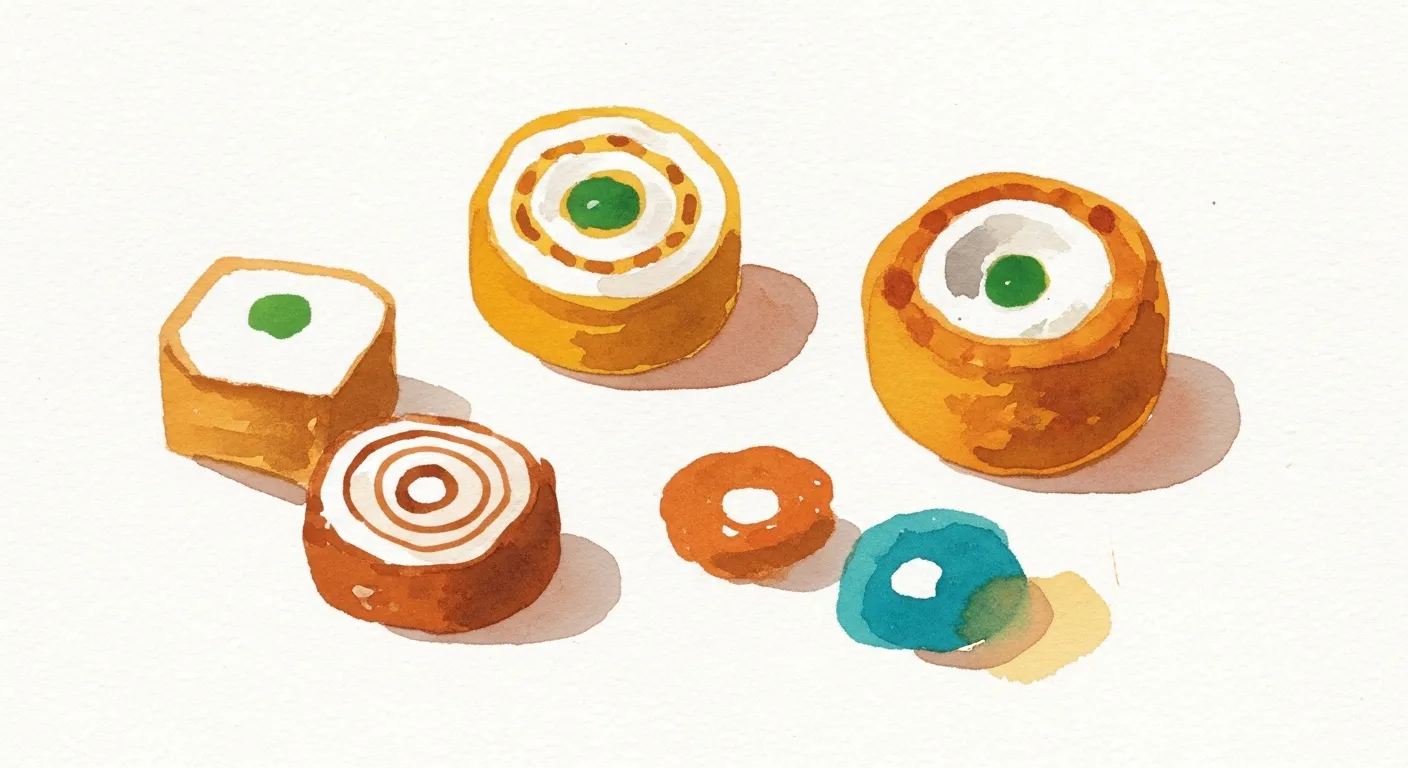
The Bhuleshwar halwai has neither. He has a glass counter, a balance scale, and a recipe his grandfather calibrated by hand. His packaging is a cardboard box. His branding is word of mouth. His social media is the uncle who tells his nephew to go to that shop, the one near the Mumbadevi temple, the one with no signboard worth mentioning.
His social media is the uncle who tells his nephew to go to that shop near Mumbadevi.
The new-age mithai brands are doing well. They understand that modern consumers want desserts that are shareable, both physically and digitally. They understand social currency. They understand that a 22-year-old will post a photo of a rose-pistachio barfi if it comes in a box that looks like it was designed in Copenhagen, but will not post the same barfi if it comes wrapped in a sheet of newspaper.
The product inside is often the same. Sometimes worse. The halwai in Bhuleshwar is making better mawa barfi than 90% of the premium brands selling it at four times the price. But nobody is photographing his counter.
THE CRAFT THAT CANNOT BE SCALED
This is the thing about traditional mithai. It does not scale gracefully. A chhena-based sweet requires a specific hand. Too much pressure and the chhena turns grainy. Too little and the shape will not hold. A proper ghevar requires the batter to be poured through the fingers at a precise height and temperature. No machine does this well. Many have tried.
The skills that make Bhuleshwar's mithai worth eating are the same skills that make it economically fragile. You cannot train a new halwai in six months. The apprenticeship takes years. And the generation that would have apprenticed, the sons and grandsons of the current makers, are looking at the margins, looking at the hours, looking at the Zomato delivery riders earning comparable money with zero inventory risk, and making rational decisions.
They are not lazy. They are not ungrateful. They are doing the math.
WHAT REMAINS
Diwali still comes. Ganpati still comes. The ritual calendar has not been deleted, and as long as a grandmother in Girgaon insists on pedha from her specific shop, the shop stays. But ritual is a diminishing asset when the generation performing it is shrinking.
Some Bhuleshwar shops have adapted. They have added kaju bites, chocolate modak, dry fruit rolls that look modern enough to survive a group gifting situation. A few have started selling online, packaging their sweets in boxes that would not embarrass a millennial at an office Diwali party. These are sensible moves. They are also concessions.
These are sensible moves. They are also concessions.
The shops that cannot adapt, or will not, are not closing dramatically. They are fading. Fewer items on the counter. Fewer batches per day. A son who works in IT and keeps the shop open on weekends as a kindness to his father. The lane gets a little quieter each year. Not empty. Not yet. But quieter.
THE SUGAR IS NOT THE PROBLEM
The British did not ban khandsari. They made it unfashionable. Instagram did not ban mohanthal. It simply never learned the word.
Somewhere in Bhuleshwar, a man is still stirring a kadhai of milk at 5 a.m., reducing it slowly to something that will become the finest mawa in the city. The fuel costs more than it did last year. The kaju costs more than it did last year. The customer who used to buy two kilos now buys half. The customer's daughter buys cheesecake.
The sugar was never the problem. The forgetting is.
Field Notes
Quick referenceA halwai's day starts at 5 a.m., reducing milk to mawa before the city wakes.
Fuel cost of reducing 15 litres of milk to 3 litres of khoa became untenable in Bengal's 2026 LPG crisis.
Bhuleshwar's supply chain: Aarey milk, Vashi sugar, Crawford Market dry fruits.
Ghevar batter must be poured through fingers at precise height and temperature. No machine does this well.
Traditional mithai apprenticeships take years. Zomato riders earn comparable money with zero inventory risk.
Get the next story first
Join the Bhukkads. Free, no spam, just stories.
Takes 30 seconds.