The Cafe That Cannot Afford Its Own Building
A 121-year-old chai stop in Fort. A property tax hike of 15 percent. A restoration quote of 2,200 rupees per square foot. And a bun maska that still costs less than a Metro ticket.
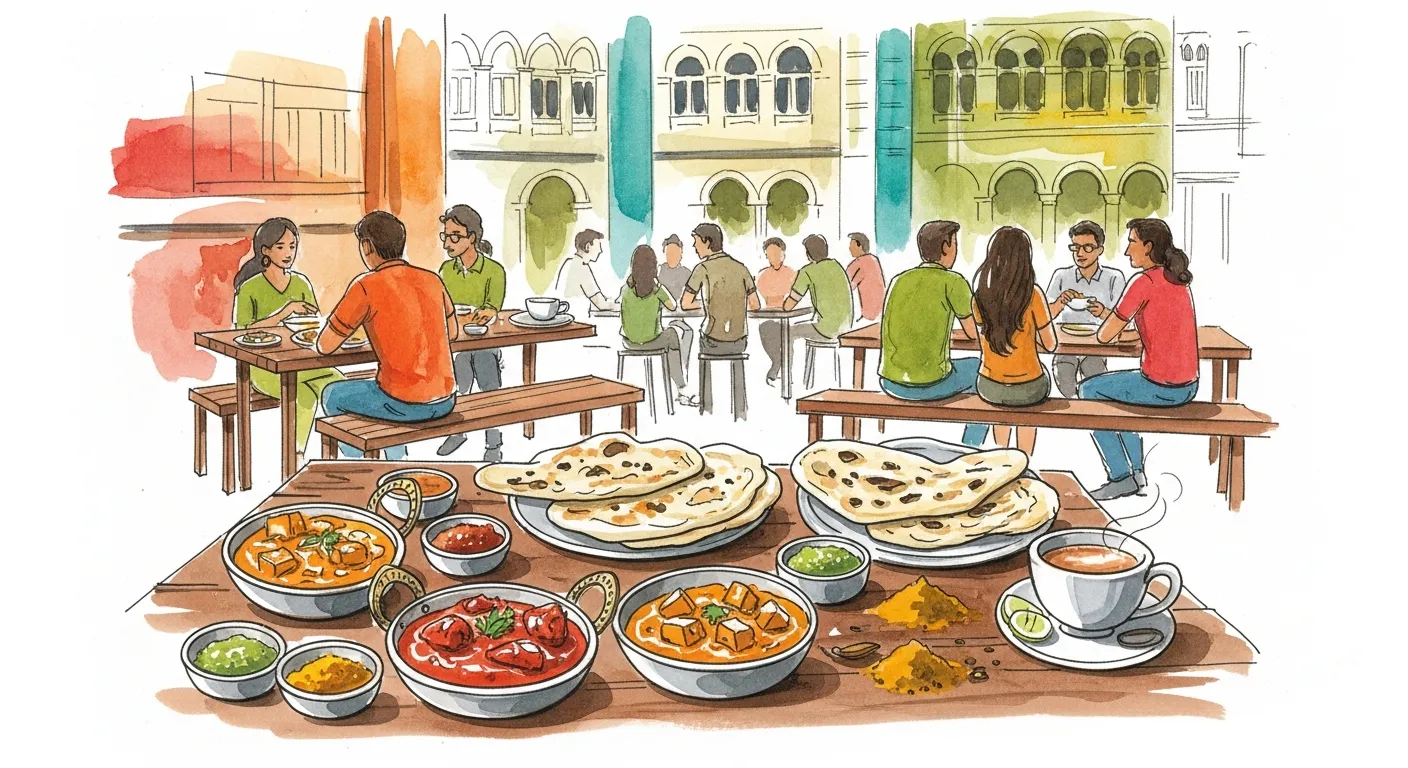
Generated by Imagen 4
In 1900, a Zoroastrian named Marzban Kohinoor walked off a ship from Yazd. He was one of several thousand Iranis who had left the desert plateau of central Persia in the late nineteenth century, fleeing famine, drought, and the slow grind of being a religious minority in Qajar Iran. The Parsis had made the same journey eight centuries earlier. The Iranis came late, and they came hungry, and they came with one specific skill. They knew how to run a corner shop that sold tea.
By 1904, Kohinoor and his cousins had opened a cafe at the corner of Jer Mahal, opposite Metro cinema, on what was then called Dhobi Talao. They named it Kyani & Co. The bentwood chairs came from Poland. The marble tables came from Makrana. The glass jars on the counter held khari biscuits and batasa and the kind of coconut macaroons that no longer exist anywhere else in this city.
A hundred and twenty-one years later, the chairs are the same chairs. The tables are the same tables. The building is the same building. And that, precisely, is the problem.
THE BUILDING IS THE BUSINESS
Nobody talks about the building. Everybody talks about the chai, the bun maska, the berry pulao, the old-world charm. The building is treated as scenery. A backdrop. A vibe. As if the cafe could be lifted out of its corner and dropped into a Bandra coworking space and still be the same thing.
It cannot. The cafe is the building. The high ceilings that keep the room cool without an air conditioner. The mezzanine that doubled as the family quarters until the 1970s. The wooden trusses overhead that came from Burmese teak shipped through the same port that brought the family. The mosaic floor that has been mopped twice a day for four generations and still has not given up.
This is what makes an Irani cafe affordable. The bun maska costs forty rupees because the rent is grandfathered, the fittings are paid off, the staff have been there for decades, and the building does its own cooling. Take any of those four pillars away and the math collapses.
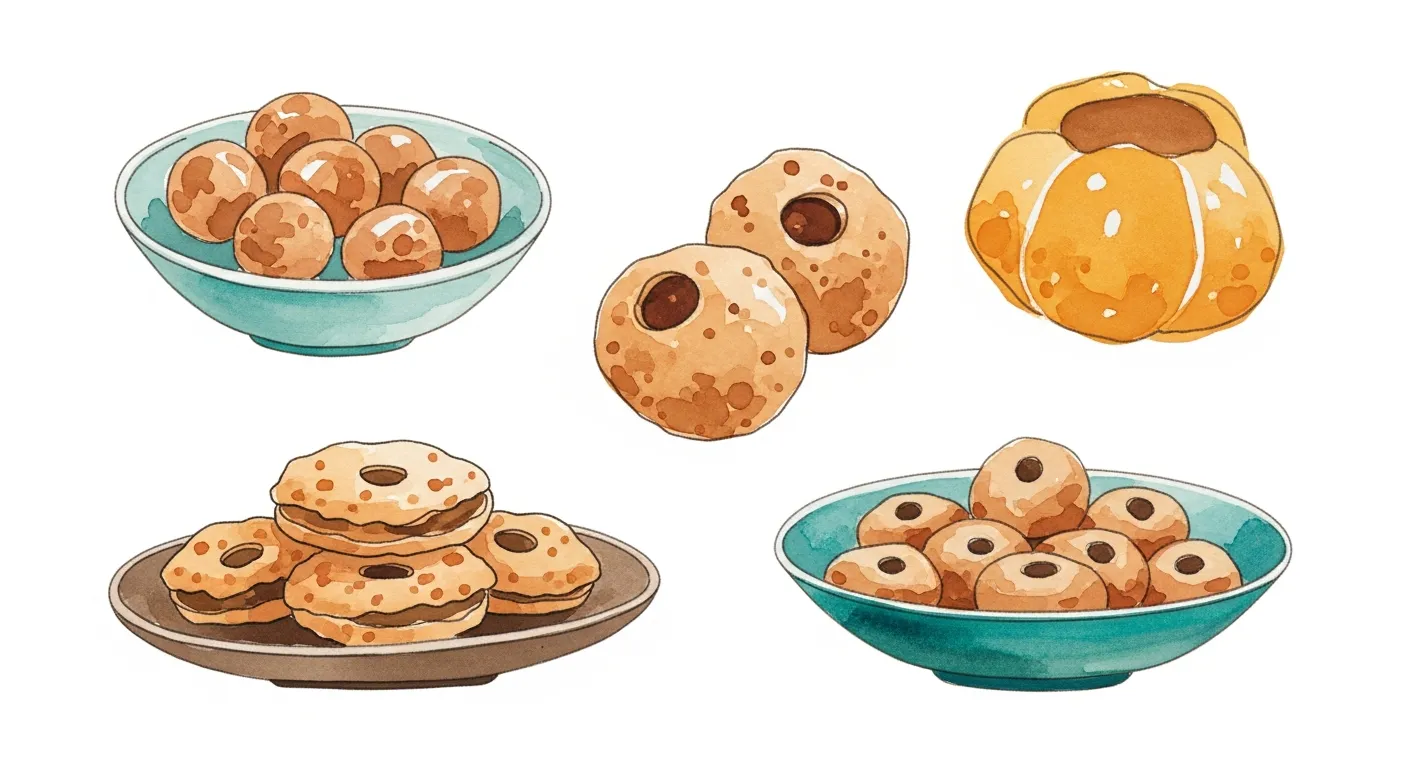
The cafe cannot leave the building. The building cannot leave the century.
THE TAX THAT ARRIVED IN MARCH
In early 2025, the Brihanmumbai Municipal Corporation announced property tax hikes of up to 15 percent for the 2025-26 fiscal year, affecting over nine lakh properties across the city. Some residents in certain wards reported jumps of close to 26 percent. The first revision in a decade.
For a flat in Bhandup, this is a line item. For a heritage cafe in Fort sitting on a commercial plot at A-Ward rates, this is a structural threat.
The BMC calculates property tax on capital value, which is tied to ready reckoner rates, which in Fort and Dhobi Talao are among the highest in the country. The cafe owner is taxed not on what the cafe earns but on what the building would theoretically sell for if a developer bought it tomorrow and put up a tower. The building is worth a fortune. The cafe sells tea for fifteen rupees.
This is the gap that has been widening for thirty years. The 2025 hike just made it visible.
THE RESTORATION QUOTE
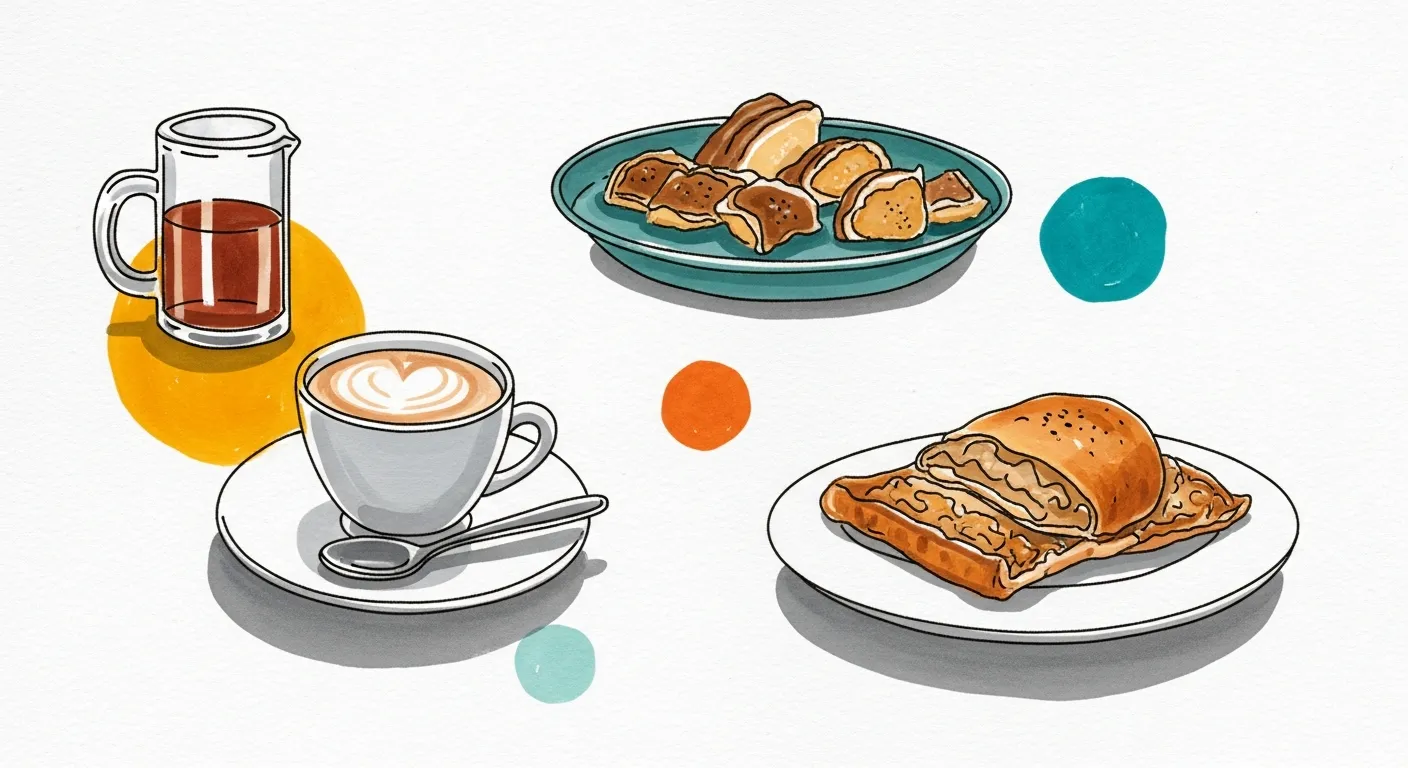
Here is the number that does not get printed in the heritage features. Specialised restoration work in Mumbai, the kind needed to repair a Grade II-A or Grade III heritage facade without the BMC's heritage committee filing a notice, runs at around 2,200 rupees per square foot for old building restoration, with general building restoration services starting at 410 rupees per square foot.
A modest Irani cafe occupies roughly 1,200 square feet on the ground floor. A full facade and interior restoration, the kind these buildings need every fifteen to twenty years, lands somewhere between 25 lakh and 26 lakh rupees. Plus scaffolding. Plus the heritage committee's approved consultant fee. Plus the lost revenue from being closed for three months.
The restoration firm's own brochure puts it plainly. "We make sure that the structures are restored keeping intact their uniqueness and in order to preserve these structures from completely disintegrating away with time." The work is careful. The work is correct. The work is also unaffordable for a business whose signature dish costs less than a vada pav.
THE OVEN NOTICE
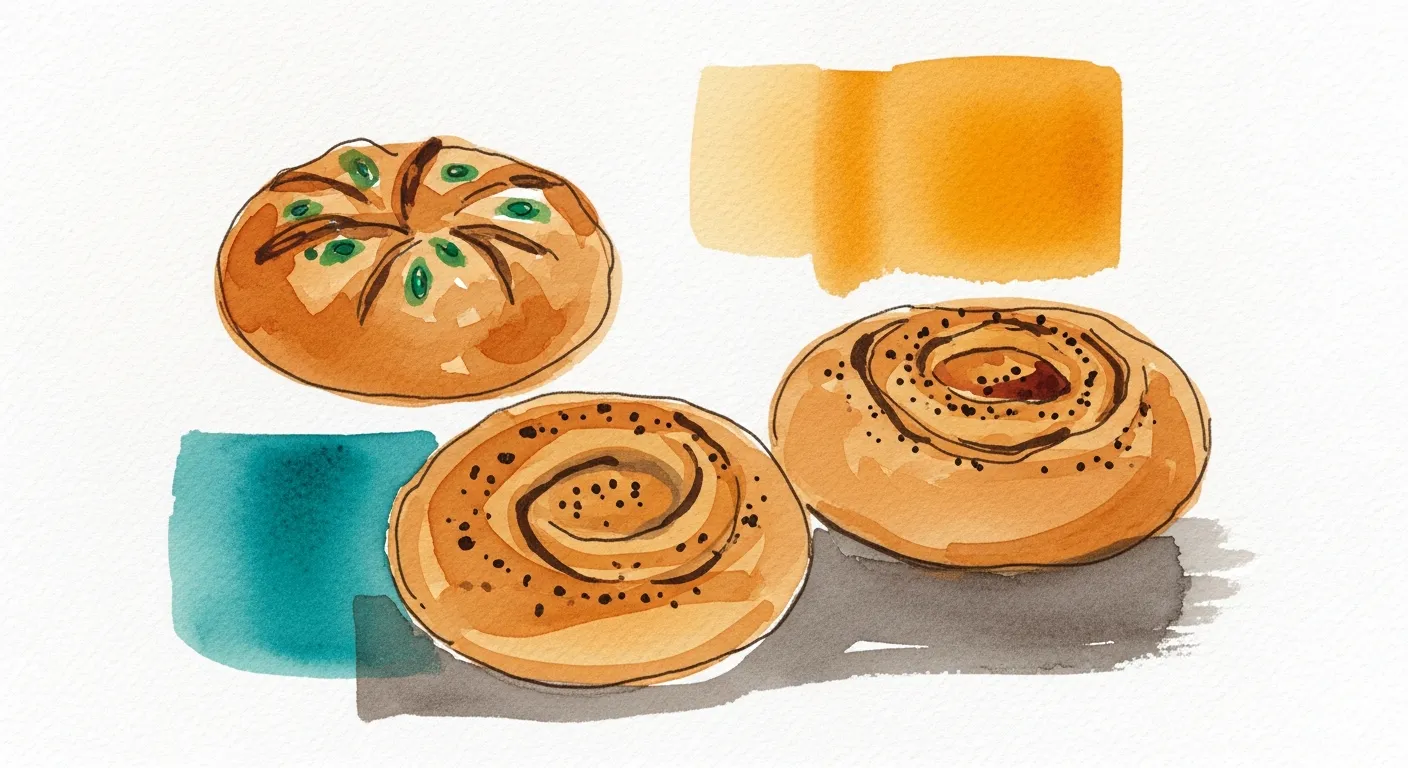
Then, in January 2025, the BMC issued a fresh notice. Wood-fired ovens, the kind that have baked the brun pav and khari at Yazdani Restaurant & Bakery on Cawasji Patel Street since 1953, were to be phased out. Air quality. Particulate matter. The same regulation that came for the tandoors in Mohammed Ali Road.
Yazdani's owner, Tirandaz Yazdani Irani, told India Today that without government subsidies for replacement equipment, the bakery would have to shut. The wood-fired oven is not a stylistic choice. It is the oven. The brun pav has its specific crust because of the smoke and the uneven heat. An electric oven produces a different bread. A different bread is a different bakery.
The family arrived in Bombay in the 1950s from the same Yazd plateau that produced the Kohinoors. They have been baking on the same premises for seventy-two years. The oven is older than the regulation. The regulation does not care.
THE SOCIAL INFRASTRUCTURE PROBLEM
The Lab Mag, in a recent piece on these cafes, called them "social infrastructure". The phrase is exact. An Irani cafe is not a restaurant in the sense that a restaurant is a place you go to eat. It is a place where a retired clerk reads the Mumbai Samachar for two hours over a single chai. Where a college student writes her dissertation. Where a Dabbawala drops his bag and waits out the afternoon. Where a journalist meets a source who does not want to be seen at the Press Club.
The cafe charges forty rupees for the bun maska because charging two hundred would empty the room. An empty room is not social infrastructure. It is an Instagram set.
The affordability is not a marketing decision. It is the entire point.
This is what the property tax revision and the restoration cost and the oven notice are collectively threatening. Not the cafes themselves, which can technically continue. But the price point. The forty-rupee bun maska is the load-bearing wall. Once the owner has to charge a hundred and twenty to cover the new tax bill and the restoration EMI and the electric oven, the clerk stops coming. The student stops coming. The Dabbawala stops coming. The room fills up with people who came for the photograph.
A cafe full of people who came for the photograph is a cafe that has already closed. It just has not noticed yet.
WHAT THE OWNERS ARE ACTUALLY DOING
The fourth-generation owners are not sentimental. They are doing arithmetic. Some have started selling packaged biscuits and chai masala to add a margin layer that the dine-in business cannot. Some have leased mezzanine space they no longer use. Some have raised prices by ten rupees and absorbed the rest. Most are waiting to see whether the heritage committee, the BMC, and the state's tourism department can agree on a property tax rebate for Grade II-A and Grade III heritage commercial structures, which has been discussed in committee since 2017 and has not been notified.
The cafe owner is being asked to subsidise the city's heritage out of his bun maska margin.
The restoration firms, meanwhile, keep advertising. The line in their own brochure is the one that should be on the wall of every BMC heritage hearing. "We carry out the work with a lot of caution and finesse so that nothing is damaged and the history can be preserved for the future."
Finesse is expensive. Caution is expensive. The future, on a per-square-foot basis, costs 2,200 rupees.
THE LAST POUR
Marzban Kohinoor's great-grandsons still run Kyani. The chairs are still Polish. The tables are still Makrana. The chai still arrives in a steel kettle, and the bun is still split with a knife that has been at the counter longer than most of the customers.
The building stands. The tax is paid. The oven, for now, still smokes.
One hundred and twenty-one years from a ship out of Yazd. Forty rupees for a bun and a chai.
Sit at the marble table. Read the paper. Order another. The math is somebody else's problem until it isn't.
Field Notes
Quick referenceBMC's first revision in a decade — up to 15% for fiscal 2025-26, some wards seeing 26% jumps
Heritage building restoration runs 2,200 rupees per square foot — 25-26 lakh for a modest cafe
BMC issued notices in January 2025 to phase out wood-fired ovens for air quality — same rule that hit Mohammed Ali Road tandoors
Both Kyani & Co. (1904) and Yazdani Bakery (1950s) trace back to the same Persian plateau
Bun maska at 40 rupees works because rent is grandfathered, fittings paid off, building self-cooling
Get the next story first
Join the Bhukkads. Free, no spam, just stories.
Takes 30 seconds.