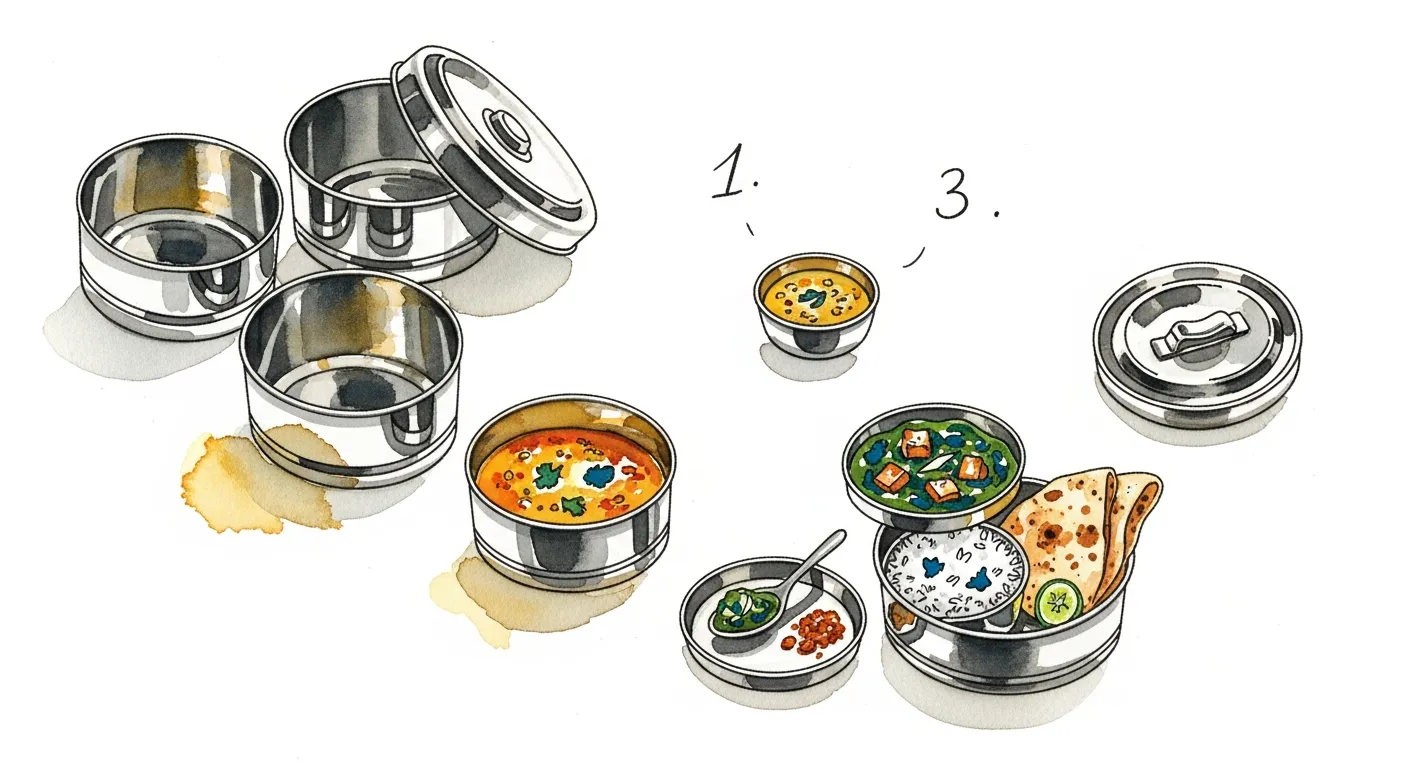
The Colony That Kept Its Own Recipes
Dadar Parsi Colony is 97 years old. The kitchens inside it are older. Now they're open for business.
Generated by Imagen 4
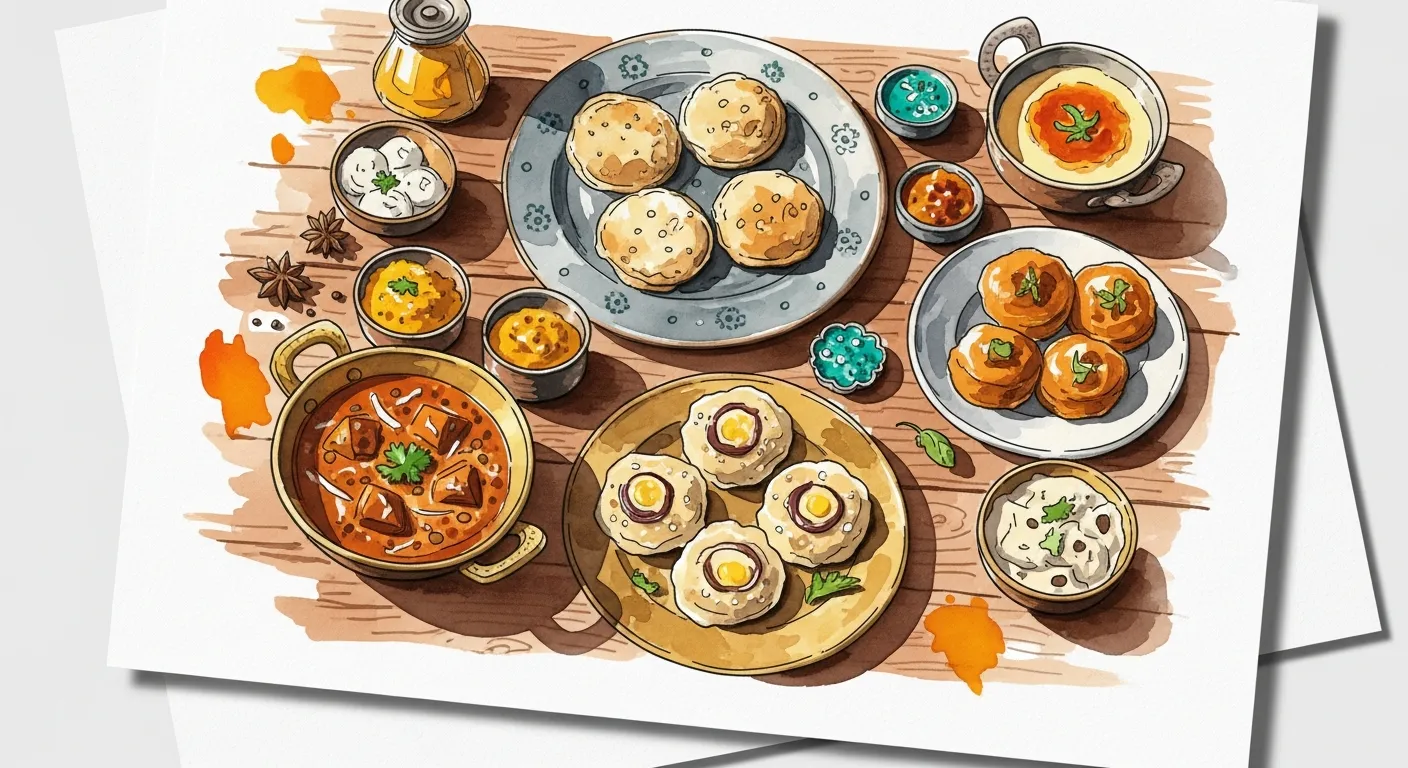
In 1918, a civil engineer named Mancherji Edulji Joshi walked across 440 acres of swamp, sewage, and scrub between Dadar and Matunga and drew a map. The Bombay City Improvement Trust had asked him to plan a residential scheme. He planned a refuge. Wide streets. Five Gardens. Low-rise buildings with cross-ventilation. A fire temple. And a demographic covenant that was never written down but was understood by every family that bought a plot: this would be the first planned Parsi neighbourhood in the world.
By 1930, Dadar Parsi Colony had roughly 5,000 residents. Today it has about 10,000, and it is the largest Zoroastrian enclave on the planet.
Nobody talks about what happens to a community's food when its community shrinks.
THE NUMBERS NOBODY WANTS TO SAY OUT LOUD
The 2011 Census of India counted 57,264 Parsis. The 1941 census had counted 114,000. That is a halving in seventy years, not by war or famine but by late marriages, low fertility, and emigration to Toronto, London, and Houston. The Jiyo Parsi scheme, launched by the Ministry of Minority Affairs in 2013, is a government programme that pays for fertility treatment to keep the community from disappearing. Think about that. A government paying a community to reproduce, because the alternative is watching a 1,300-year-old diaspora evaporate inside a generation.
When a community is that small, food stops being nostalgia and starts being infrastructure.
Every Parsi wedding in Bombay is, statistically, a rescue operation for a recipe.
WHAT A PARSI MEAL USED TO COST
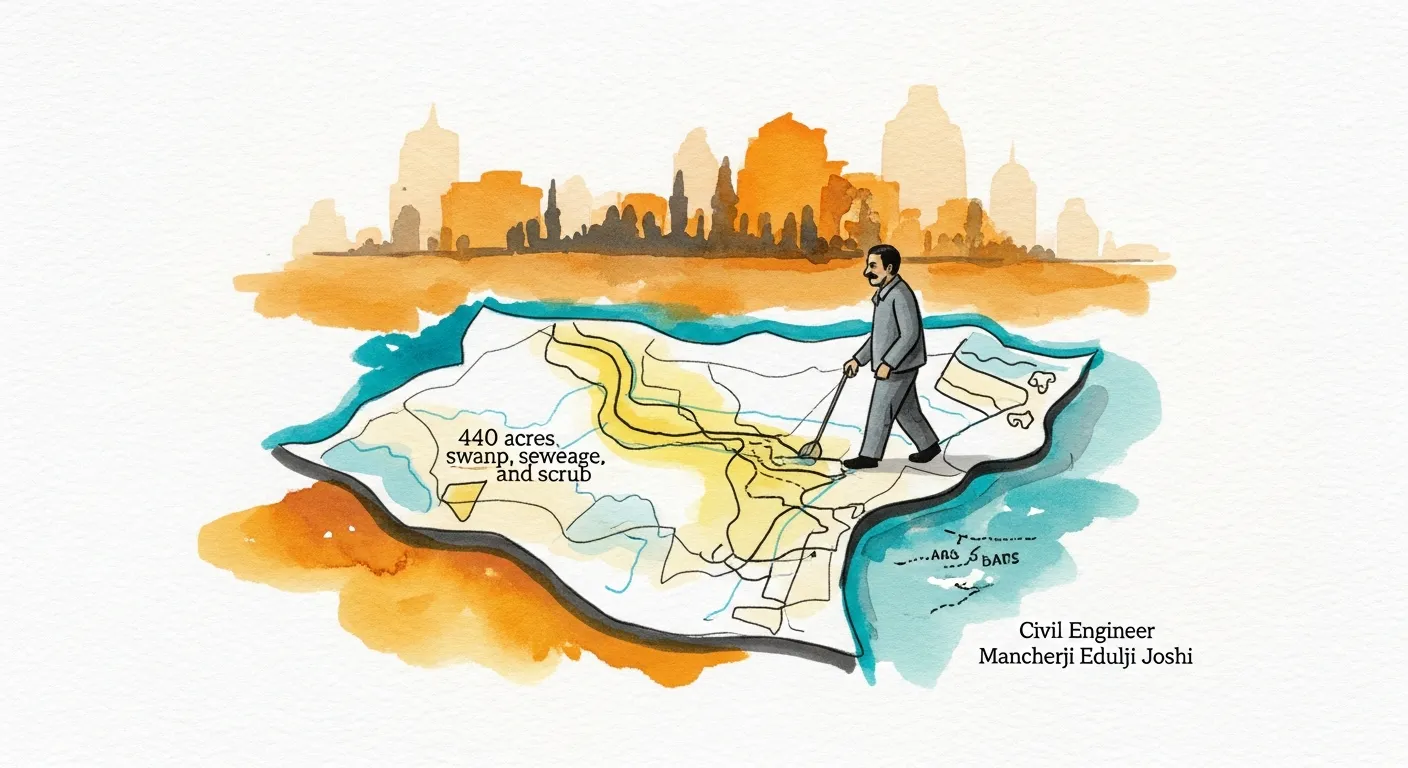
For most of the twentieth century, a Parsi navjote or wedding was catered by one of a handful of institutional names. Tanaz Godiwala. Katy's. Jimmy Boy for the smaller orders. The bhonu, the full ceremonial meal served on banana leaves, followed a sequence that had not changed in a century. Rotli, achaar, wafers. Saas ni macchi. Patra ni macchi. Chicken farcha. Mutton pulao dal. Lagan nu custard. The order was the liturgy. The caterer was the priest.
That arrangement worked when a colony flat cost Rs 40,000 and a caterer charged Rs 80 a head. It does not work now.
The Times of India, citing CRISIL data from November 2024, reported a 7% year-on-year increase in the cost of a vegetarian thali and a 2% increase for a non-vegetarian thali. That is the general inflation number. For ceremonial catering, which runs on ghee, mutton, prawns, almonds, and eggs, the real number is higher. A full Parsi bhonu for 200 guests, which would have cost roughly Rs 1.2 lakh in 2015, now starts at Rs 4 lakh and climbs fast if you want the saas ni macchi made with pomfret instead of surmai.
The colony noticed before the rest of the city did.
THE KITCHEN THAT WAS ALWAYS THERE
Every Parsi home in Dadar Colony has, in some drawer or in some aunt's head, a unique repository of culinary secrets and distinct recipes for dishes like Dhansak. This is not a marketing line. This is a structural fact of a community that arrived on the Gujarat coast in the 10th century, absorbed local ingredients, married them to Persian technique, and then spent 1,200 years refusing to standardise.
One family's dhansak has six dals. Another has four. One uses brinjal. Another refuses. One family browns the onions for forty minutes. Another considers that heresy. There is no canonical dhansak. There are only dhansaks, plural, inherited down specific matrilines like jewellery.
The caterer flattened all of this. For fifty years, a Parsi eating at a wedding was eating someone else's grandmother's recipe, standardised for a banquet hall.
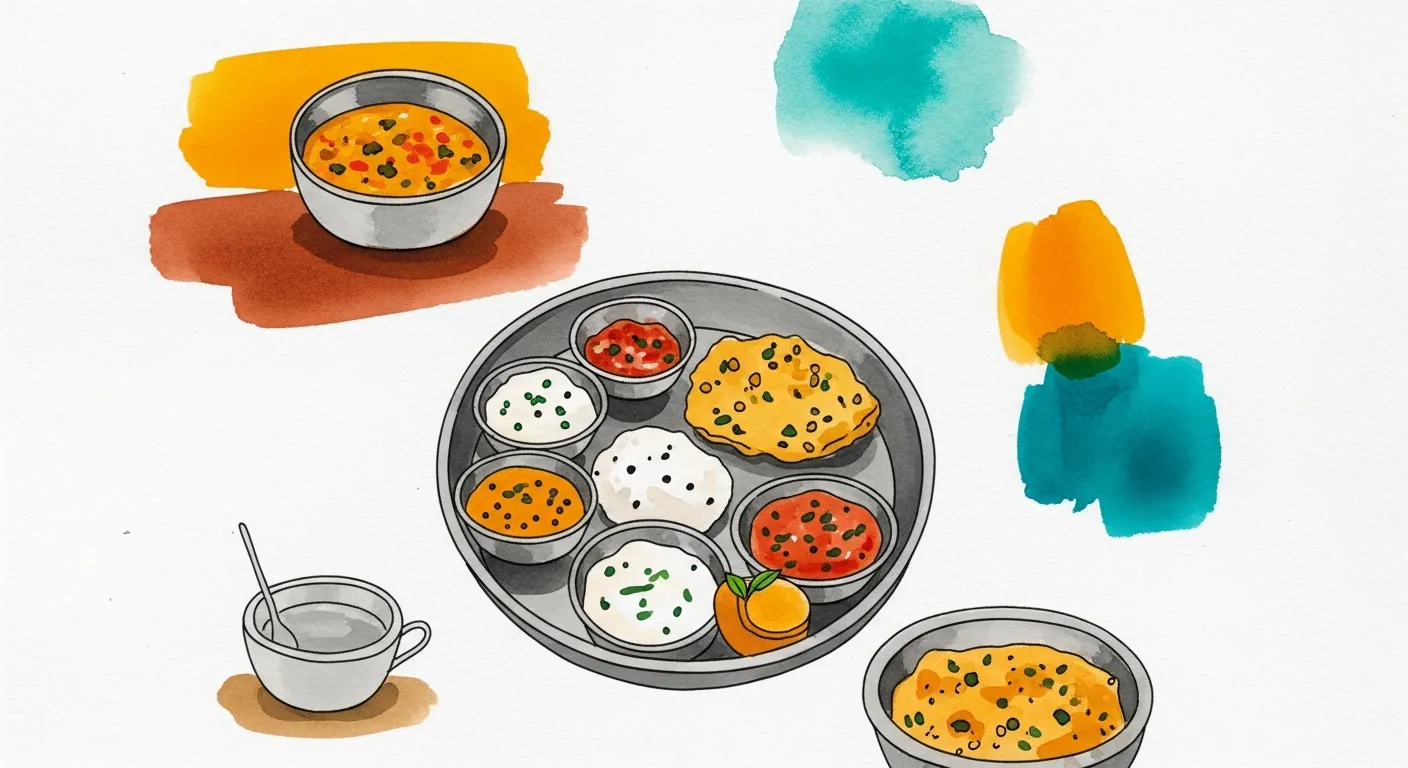
The caterer flattened all of this. The pop-up unflattened it.
WHAT KARRYLICIOUS PROVED
In 2020, a mother-daughter duo in Mumbai started a cloud kitchen called Karrylicious Kitchen, cooking from 150-year-old family recipes. The recipes were not invented for the business. The business was invented for the recipes. That sequence matters.
The pandemic gave them a customer base. It also gave the wider neighbourhood a template. Artisanal food from home kitchens across Mumbai scaled faster between 2020 and 2024 than in the previous two decades combined, driven by customers who no longer trusted restaurants and home cooks who no longer needed one.
Inside Dadar Parsi Colony, this translated into a specific pattern. A widow in a ground-floor flat on Mancherji Joshi Road started taking orders for patra ni macchi, ten pieces minimum, 48 hours' notice. A retired schoolteacher near Five Gardens began doing full bhonu trays for navjotes of fewer than 40 guests. A couple in their thirties, both with day jobs, turned their Saturday kitchen into a dhansak pop-up served on their own balcony to eight strangers at a time.
None of them called themselves chefs. All of them called themselves by their first names followed by the dish. Pervin's farcha. Rhea's lagan nu custard. Zarine's kid-gosht.
THE ECONOMICS OF A 12-SEAT BALCONY
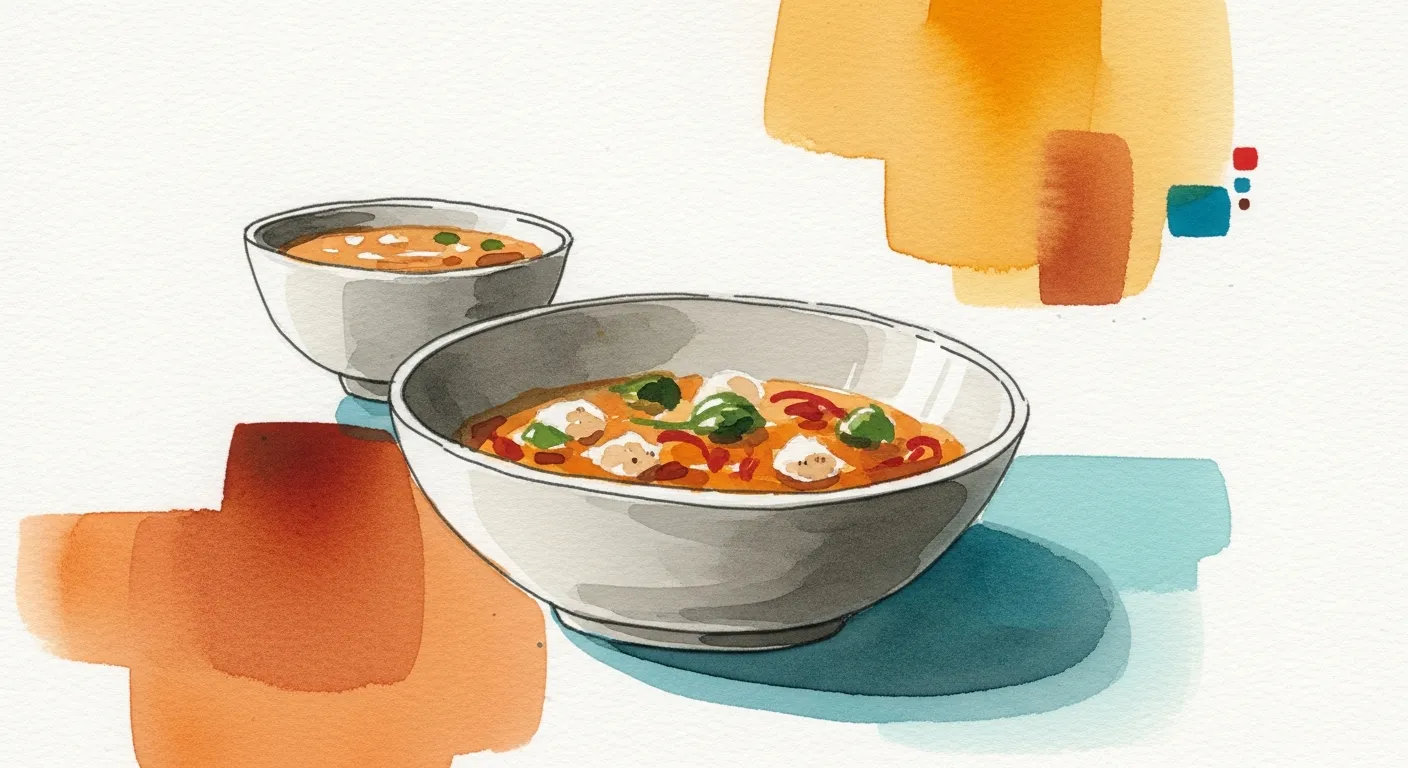
A Parsi home cook running a weekend pop-up in Dadar Colony operates on numbers the institutional caterers cannot touch. No rent. No staff. No GST registration below the threshold. The kitchen is already built. The crockery is already inherited. The marketing is a WhatsApp group with 340 members, most of whom are related to someone on the cooking side.
Charge Rs 1,800 per head for a four-course bhonu. Seat 12 people. Gross Rs 21,600 on a Saturday. Food cost lands around 35%. Net, after gas and cleaning, is roughly Rs 12,000 for one evening of cooking that the cook was going to do anyway for her own family on Sunday.
A Dadar Colony grandmother makes more in a weekend pop-up than she did in a month of her last pension-era job.
Multiply that by the estimated 40-odd home kitchens now operating in some semi-commercial capacity inside the colony, and you have a parallel food economy running on banana leaves and inherited copper vessels.
THE CULTURAL MATH
Here is the part the economic story misses. When a 72-year-old woman cooks her mother's saas ni macchi for twelve strangers on a Saturday, three things happen simultaneously.
The recipe gets written down, usually for the first time, because her daughter is now pricing ingredients and needs a standard.
The recipe gets eaten by non-Parsis, which it almost never was before, because the colony's food was cooked inside the colony, served inside the colony, and never travelled.
The recipe survives the cook, because someone under 40 has now watched it get made, plated, and praised.
A community that is halving every seventy years is suddenly documenting itself at kitchen speed.
The pop-up is not a business. It is an archive that happens to charge for dinner.
WHAT DOES NOT FIT THE NARRATIVE
Not everyone in the colony is cheering. The institutional caterers, some of them fourth-generation Parsi businesses themselves, are losing the mid-sized order. The 200-guest wedding still goes to Godiwala. The 40-guest navjote now goes to the grandmother on the second floor. The Bombay Parsi Punchayet, which has views on everything from housing to fire temple administration, has not formally commented, which in Punchayet terms means it is thinking about it.
There are also the obvious frictions. A colony built in 1928 for residential use is now hosting twelve-seat dinners on weekends. Neighbours complain about the smell of prawns. Building committees argue about the definition of commercial activity. One flat on Dr Ambedkar Road reportedly received a legal notice in 2024 for running what the complainant called an unlicensed restaurant and what the cook called her grandson's birthday party that happened to have paying guests.
None of this has slowed the trend. It has only made it quieter. The WhatsApp groups are invite-only now. The addresses are shared only after payment. The colony has always been good at keeping its own counsel.
THE MAP MANCHERJI DID NOT DRAW
Mancherji Joshi planned for schools, gardens, and a fire temple. He did not plan for Saturday-night bhonu pop-ups on the ground floor of C-block. He could not have. In 1918, the idea that Parsi food would one day need rescuing by its own grandmothers, sold to strangers at Rs 1,800 a head, would have struck him as science fiction.
But the colony he built had good bones. Wide streets. Cross-ventilation. A demographic covenant. And, as it turned out, enough kitchens to feed a community back into visibility.
The caterers still get the weddings. The grandmothers got the recipes back.
Field Notes
Quick referenceParsis halved from 114,000 to 57,264 between 1941 and 2011. Government now pays for fertility treatment.
A 200-guest Parsi bhonu jumped from Rs 1.2 lakh in 2015 to Rs 4 lakh today.
12 seats × Rs 1,800 = Rs 21,600 gross. Rs 12,000 net for one Saturday evening.
Roughly 40 home kitchens now operating semi-commercially inside Dadar Parsi Colony.
Recipes get written down, eaten by strangers, and taught to the next generation in one Saturday.
Get the next story first
Join the Bhukkads. Free, no spam, just stories.
Takes 30 seconds.