The Recipe Card Went Online
In Khareghat Colony, a generation raised on WhatsApp is doing what the aunties did for a century, just with a payment gateway and a delivery partner.
Generated by Imagen 4
In 1908, a Parsi philanthropist named Khan Bahadur Cursetji Furdoonji Khareghat left a piece of land at the top of Cumballa Hill to the Bombay Parsi Punchayet. The instruction was simple. Build housing. Keep it for the community. The colony that came up in the 1930s, three blocks of tall, quiet buildings around a central compound, has been one of the most concentrated Parsi addresses in the city ever since. Behram Baug next door. Rustom Baug down the road. A five-minute walk between them and you have passed through more Parsi kitchens than exist in most Indian states.
The kitchens are the point. Not the buildings.
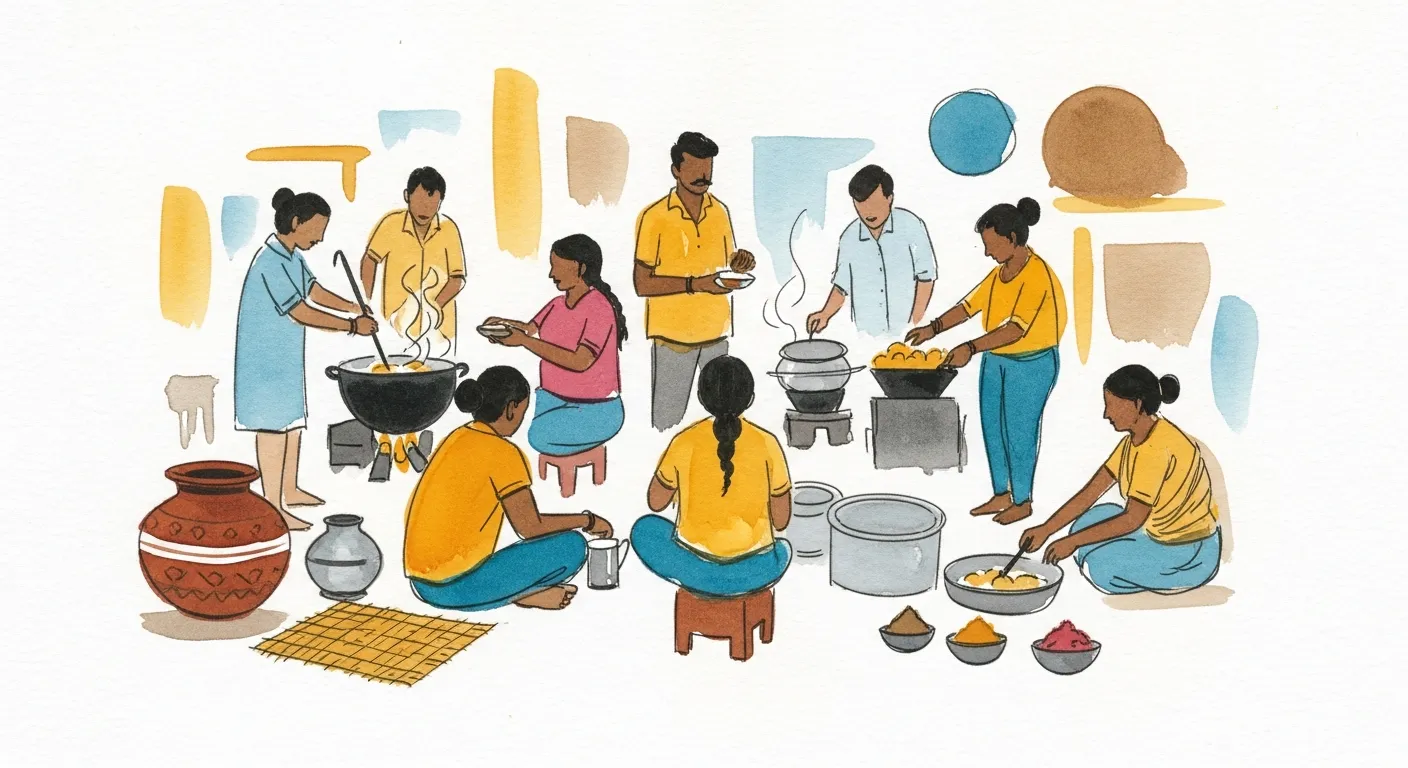
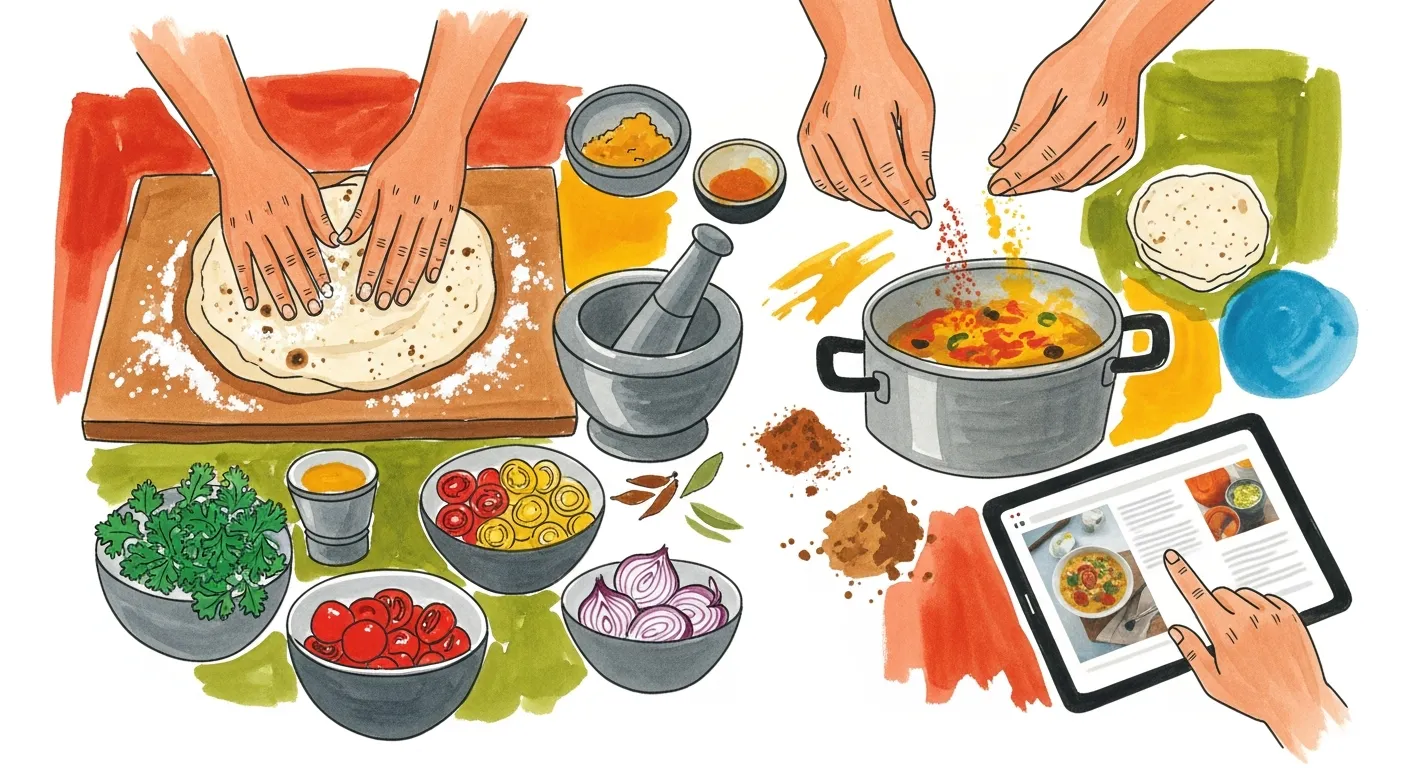
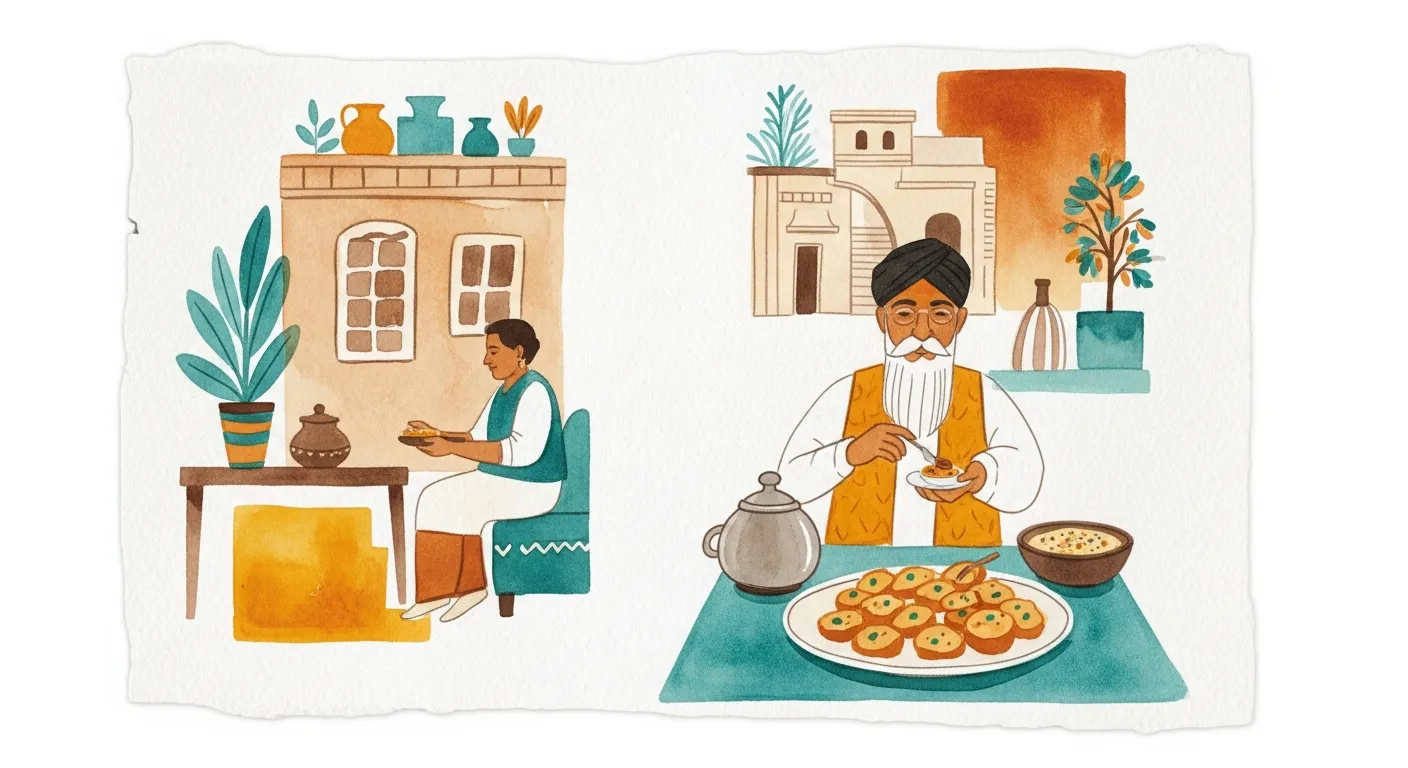
Every one of those flats, at some stage in the last ninety years, has produced a dhansak on a Sunday, a patra ni machi wrapped in banana leaf for a navjote, a lagan nu custard set overnight for a wedding the family down the corridor was hosting. The recipe did not sit in a book. It sat in the head of the woman who made it, and she taught the daughter, and the daughter taught the granddaughter, and somewhere between the second and third handover, the measurements stopped being measurements and started being instinct. A fistful. Till it smells right. Till the oil separates.
That chain is now, statistically, under pressure.
THE NUMBER NOBODY IN THE COLONY WANTS TO SAY OUT LOUD
The Parsi population of India has been contracting for decades. The community's own demographic reality, an ageing population, a low birth rate, and a diaspora that stretches from Toronto to Sydney, means that every kitchen that goes quiet in Khareghat is a kitchen not automatically replaced by the next generation moving in downstairs. Sometimes the granddaughter is in London. Sometimes the flat is locked half the year. Sometimes the aunty who ran the tiffin service for forty years has stopped taking new orders.
A recipe with no measurements survives only as long as the hands that know it keep cooking. The hands, in Khareghat, are getting fewer.
This is where the story gets interesting. Because the response has not been sentimental. It has been operational.
THE PANTRY THAT WENT ONLINE
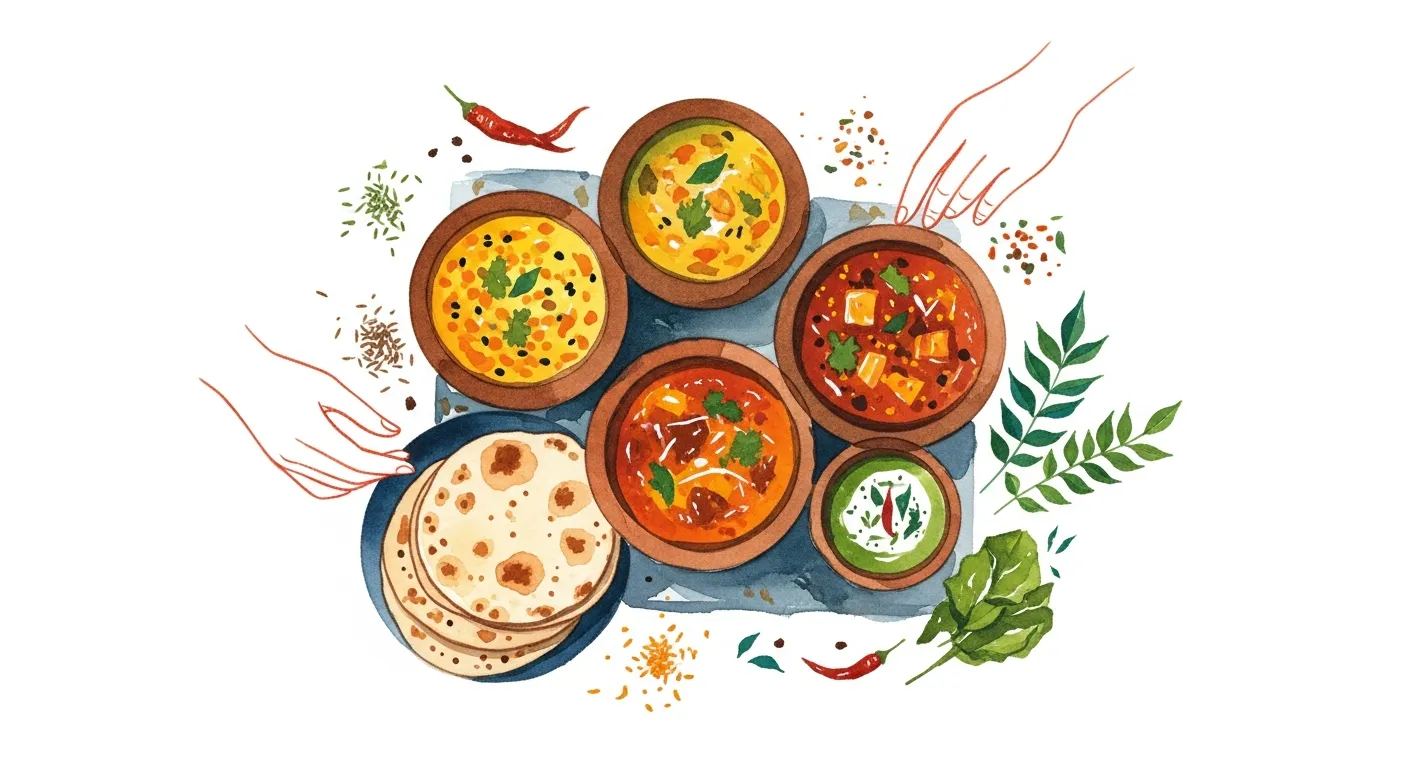
The Parsi Pantry is one of a growing set of Bombay-based Parsi food businesses that took the home kitchen and gave it a URL. The model is not complicated. Mutton dhansak, patra ni machi, sali boti, lagan nu custard, all available for party orders and bulk orders, all cooked to recipes that were, until recently, only ever cooked for a specific family on a specific Sunday.
What changed is who is doing the cooking, and who is doing the ordering. The cook is often a woman in her fifties or sixties who has been making this food for her family for thirty years and is now, for the first time, being paid for it by strangers. The customer is often a Parsi household two suburbs away that does not have a grandmother in the kitchen anymore, or a non-Parsi household that has eaten dhansak once at a friend's place and wants it again.
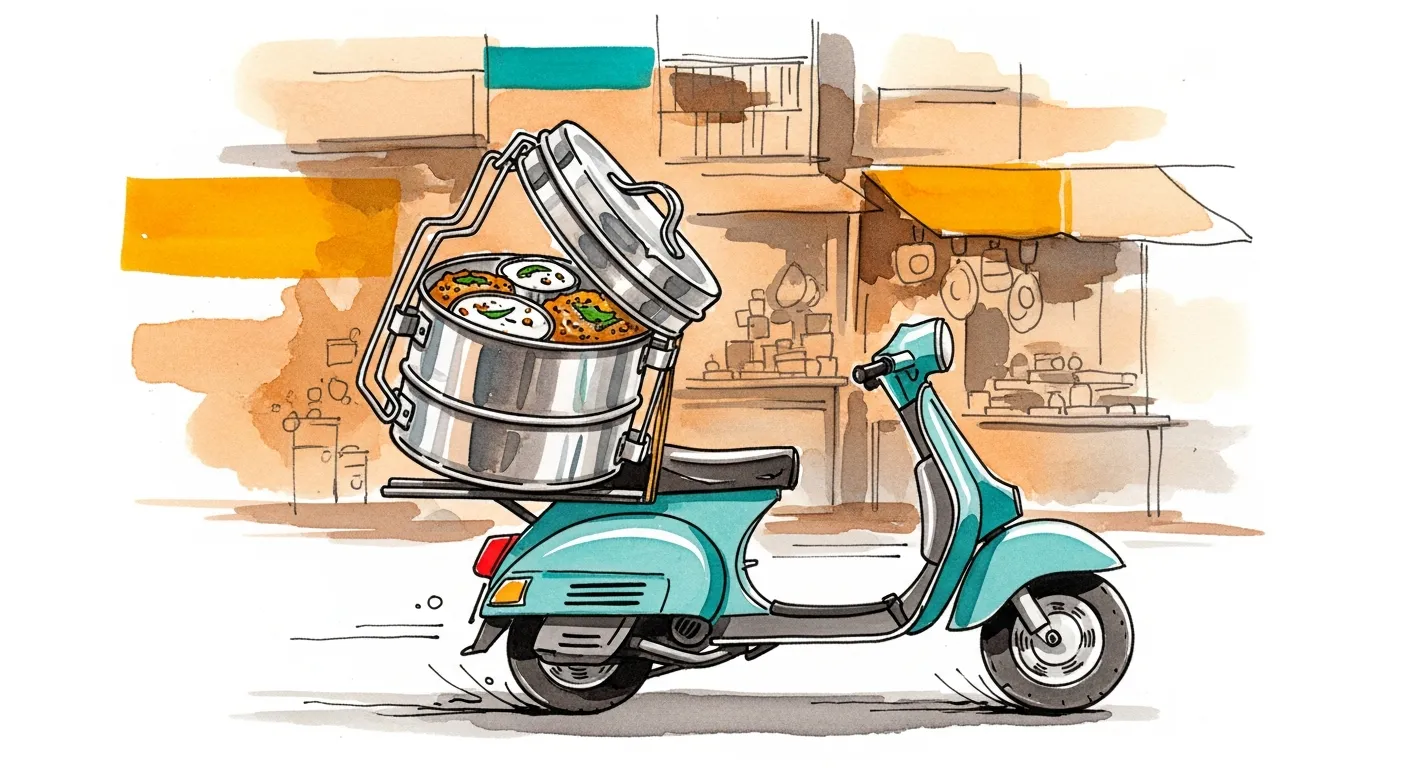
Oota Box does the same thing from a different direction. It connects home chefs specialising in Parsi cuisine to customers across Bombay, running the logistics the aunty never had to think about. Cold chain. Delivery windows. Payment. Repeat orders.
The recipe did not need saving. It needed a payment gateway.
THE WEDDING THAT PAID FOR ITSELF
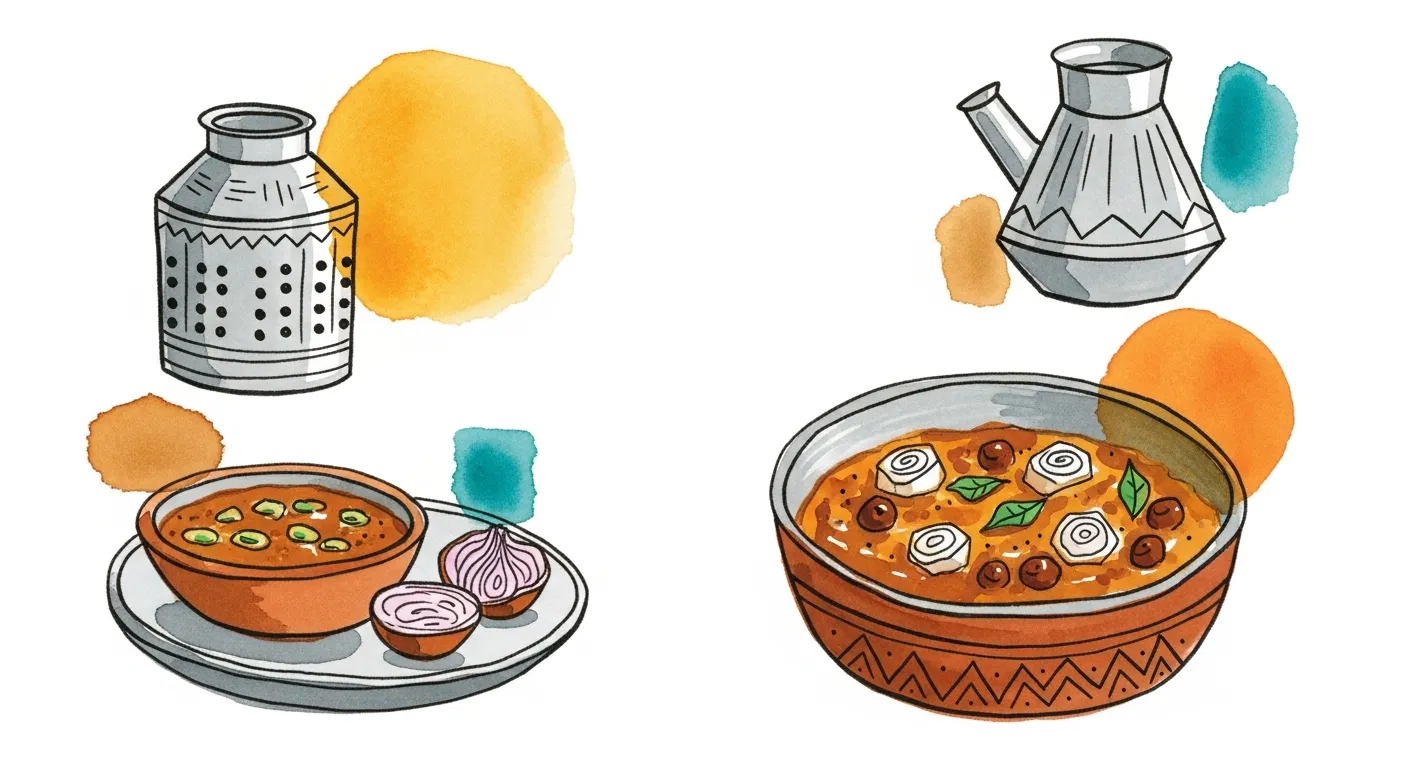
Gahambars, the community feasts that anchor the Zoroastrian calendar, and lagans, the weddings, and navjotes, the initiation ceremonies, have always been catered events. What has shifted, Mid-day reported in January 2026, is that professional caterers are now handling these functions at reduced fees, specifically to keep the tradition accessible to families who might otherwise have scaled back. A gahambar at community rates. A lagan nu bhonu that does not require a second mortgage.
The caterers are, in many cases, the same people running the online pantries. The wedding on Saturday pays for the tiffin service on Tuesday. The bulk order for a navjote in Andheri subsidises the delivery of four portions of sali boti to a flat in Prabhadevi where a widower lives alone and used to eat this food every week.
Nobody talks about the widower. Everybody should.
THE MONEY BEHIND THE STOVE
On May 10, 2026, a group of Parsi business leaders launched a new entrepreneurial fund in Bombay. The Free Press Journal reported that "the fund, promoted by a group of Parsi business leaders, will provide mentorship, strategic guidance and financial support to early-stage ventures." The stated aim is to promote enterprise among Parsi youth. The fund was launched alongside a book drawing 51 principles from more than 3,000 years of Zoroastrian philosophy and traditions.
The framing at the launch was, in the words of the organisers, "not so much a religious book as it is a practical guide to becoming a better person, and as we better ourselves, we contribute to the vital task of nation-building."
Read that with the kitchen in mind. A generation that grew up watching a grandmother make dhansak now has, for the first time, a formal community-backed mechanism to turn that watching into a business. Mentorship. Capital. A room full of people who understand that a food business run out of a Cumballa Hill flat is not a hobby. It is a livelihood, and it is also an archive.
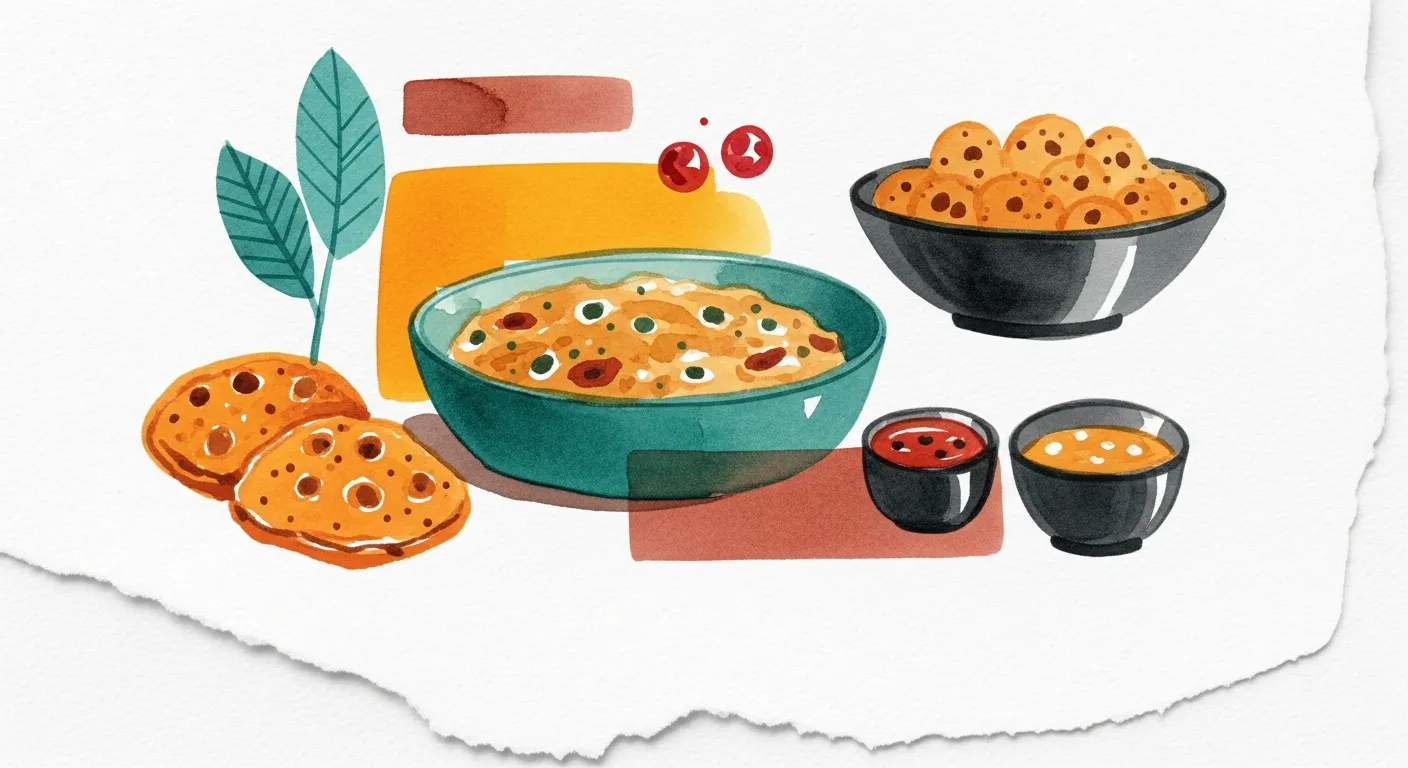
The fund is not a food fund. But every fund that backs a Parsi twenty-eight-year-old with a laptop and a recipe her grandmother never wrote down is, functionally, a food fund.
THE WOMEN NOBODY PUT ON A LETTERHEAD
Parsi Delicacies runs as a platform specifically for Zoroastrian women entrepreneurs, showcasing their traditional products and giving the ones who have been cooking for their families for forty years a shop window that does not require them to leave the flat. The women were always the archive. The recipe cards, where they existed at all, were in their handwriting. The measurements were in their forearms.
What these platforms have done is take the labour that was invisible for a century, the Sunday cooking, the wedding catering done as a favour, the tiffin sent to a neighbour who just had a baby, and put a rate card next to it. Not because the labour was ever worth less. Because the market never bothered to notice.
They were the archive. They just never got listed as one.
WHAT THE GRANDDAUGHTER DID
The granddaughter in this story is a composite. She is twenty-nine. She lives in Khareghat, or she lived there till she moved to Bandra, or she moved to Toronto and came back for a year to figure things out. She grew up eating her grandmother's food. She watched, badly, from a distance, the way most granddaughters do. She thought she had time.
Then she did not.
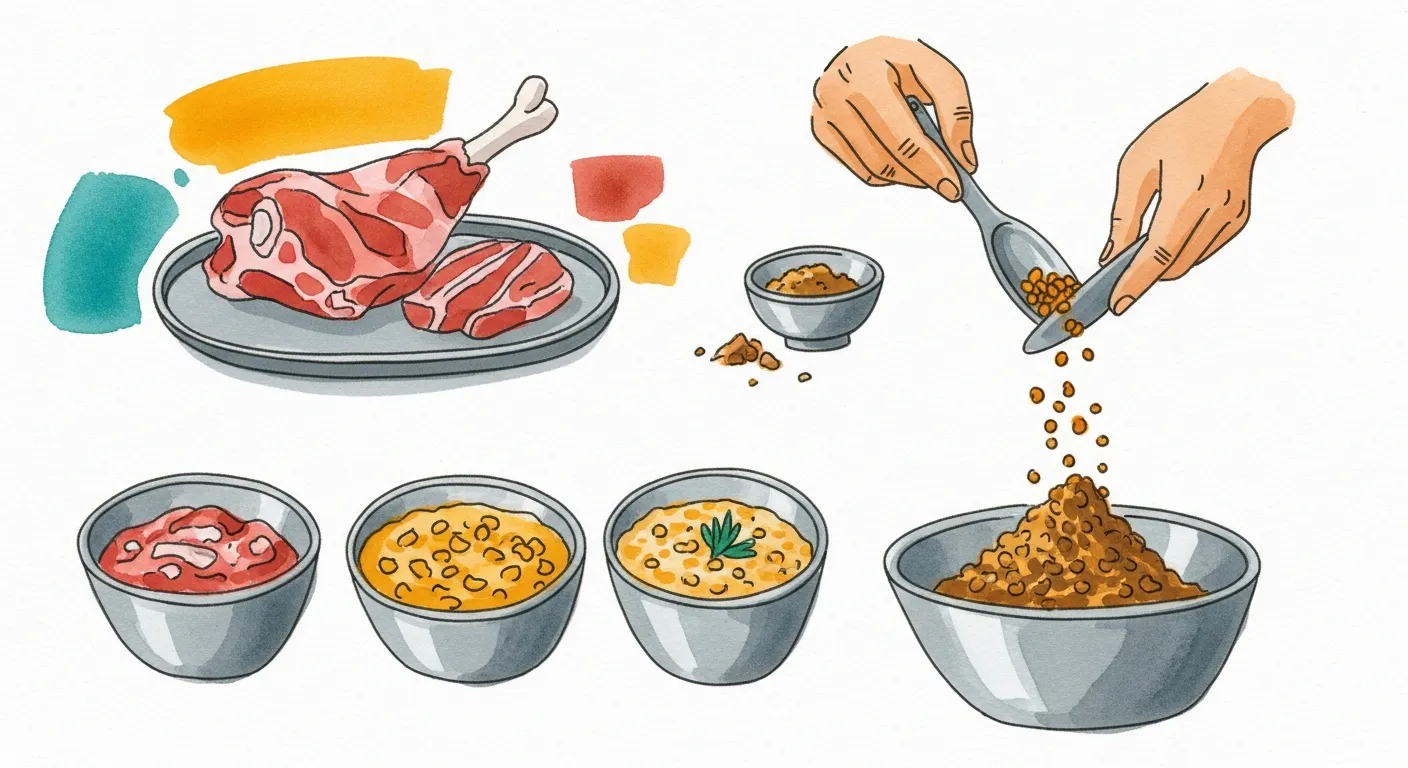
So she opened a WhatsApp broadcast list. She took orders for Parsi New Year. She priced the dhansak at what it actually costs to make properly, mutton and four dals and the masala her grandmother pounded by hand and she now buys pre-ground from a shop in Grant Road that has been grinding it for three generations. She delivered forty portions on the first day. She delivered eighty on the second. She raised the price. Nobody complained.
The recipe survived not because it was preserved. It survived because it was sold.
THE CALLBACK
Khan Bahadur Khareghat left a piece of land in 1908 so that a community could live near each other and not have to worry about the roof. What he could not have written into the deed was that ninety years later, the roof would matter less than the kitchen underneath it, and that the kitchen would need a delivery partner and a payment gateway to stay alive.
The compound is still there. The buildings are still there. The Sunday dhansak, on more Sundays than anyone would have predicted a decade ago, is still there.
It just arrives now with a receipt.
Field Notes
Quick referenceKhareghat Colony was built in the 1930s on land bequeathed to the Bombay Parsi Punchayet in 1908. The kitchens have been running ever since.
Khareghat Colony, Behram Baug, Rustom Baug. Three colonies, five minutes apart, more Parsi kitchens than most Indian states.
Launched May 10, 2026. 51 principles. 3,000 years of Zoroastrian philosophy. One very practical question: who backs the granddaughter with the recipe?
Forty portions on day one. Eighty on day two. She raised the price. Nobody complained.
The recipe moved: grandmother to mother to daughter. Somewhere between the second and third handover, measurements became instinct. A fistful. Till the oil separates.
Get the next story first
Join the Bhukkads. Free, no spam, just stories.
Takes 30 seconds.