The Yard Is Worth More Than the Fish
In Khar Danda, the Kolis who fed Bombay before Bombay had a name are cooking against three currents at once. The sea, the soil, and the skyline.
Generated by Imagen 4
In 1534, the Sultan of Gujarat signed a treaty with the Portuguese and handed over seven islands. The Portuguese gave them a name that went through enough spellings over the next century that historians still argue about which word it came from, Marathi roots, Portuguese tongue, the usual colonial blur. The people who lived on the islands called them home and had been calling them home for close to two thousand years. They were fishers. They spoke a language that was neither Marathi nor Konkani but something older that borrowed from both. They worshipped Ekvira at Karla and Golfa Devi on the shore. They knew which winds meant bombil and which meant surmai. The Portuguese wrote them into the deed as an inconvenience. The British later wrote them into the census as a caste. Everyone else has been writing them out ever since.
The city is named after their goddess. Mumba Devi. The Kolis were here first. They are, at the last count, still here.
THE PART NOBODY TALKS ABOUT
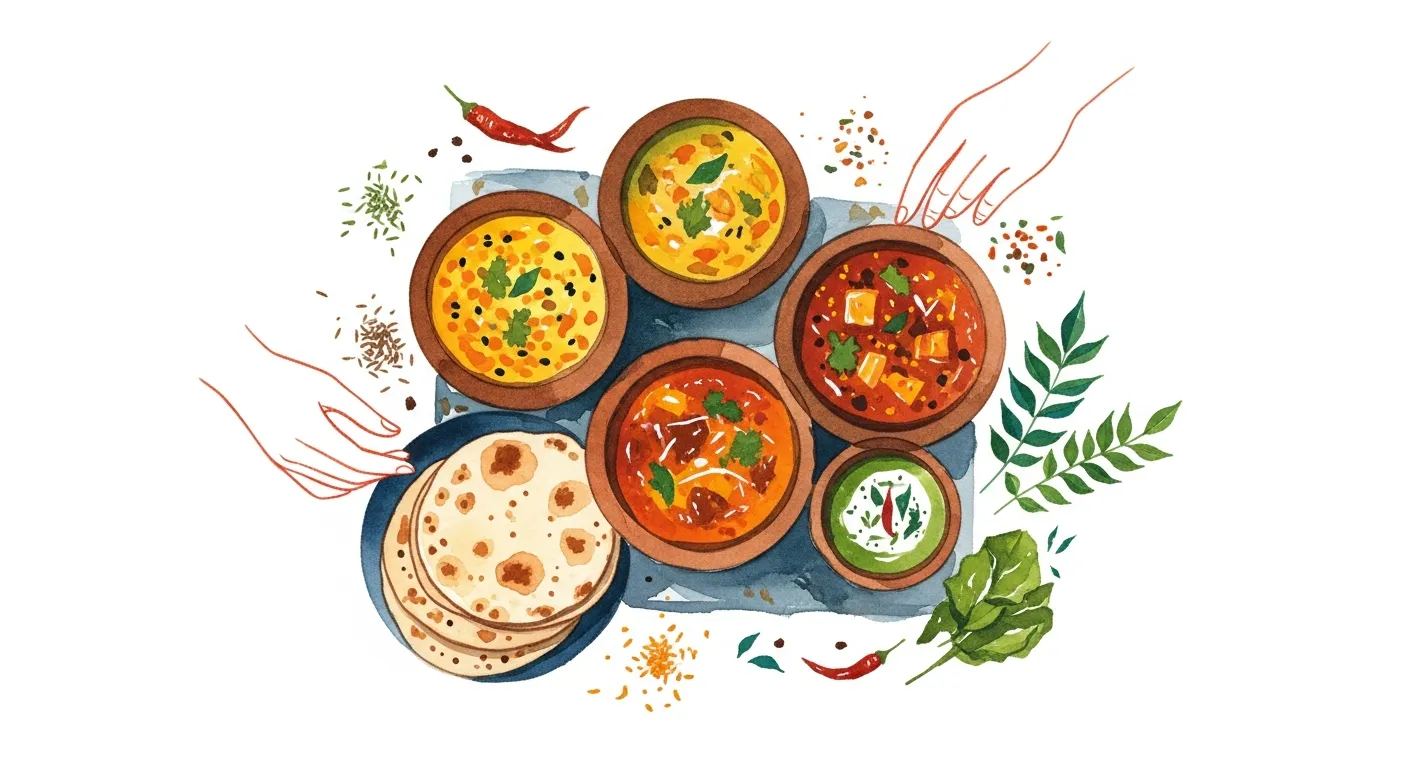
Everyone talks about the Koli seafood thali. The bombil fry that arrives with the head still on. The sol kadhi that resets your palate between the prawn curry and the crab. The bhakri that has to be slapped between wet palms because a rolling pin ruins the texture. The tamarind. The kokum. The coconut ground on a stone, not a mixer.
Nobody talks about the yard.
Every Koli thali worth eating starts on a piece of open ground where fish are laid out to dry in the sun for three to seven days. Bombil becomes Bombay duck on that yard. Prawns become sode. Mackerel becomes bangda sukat. Without the yard, half the pantry disappears. The masala changes. The gravy thins. The thali stops being a Koli thali and starts being seafood, which is not the same thing.
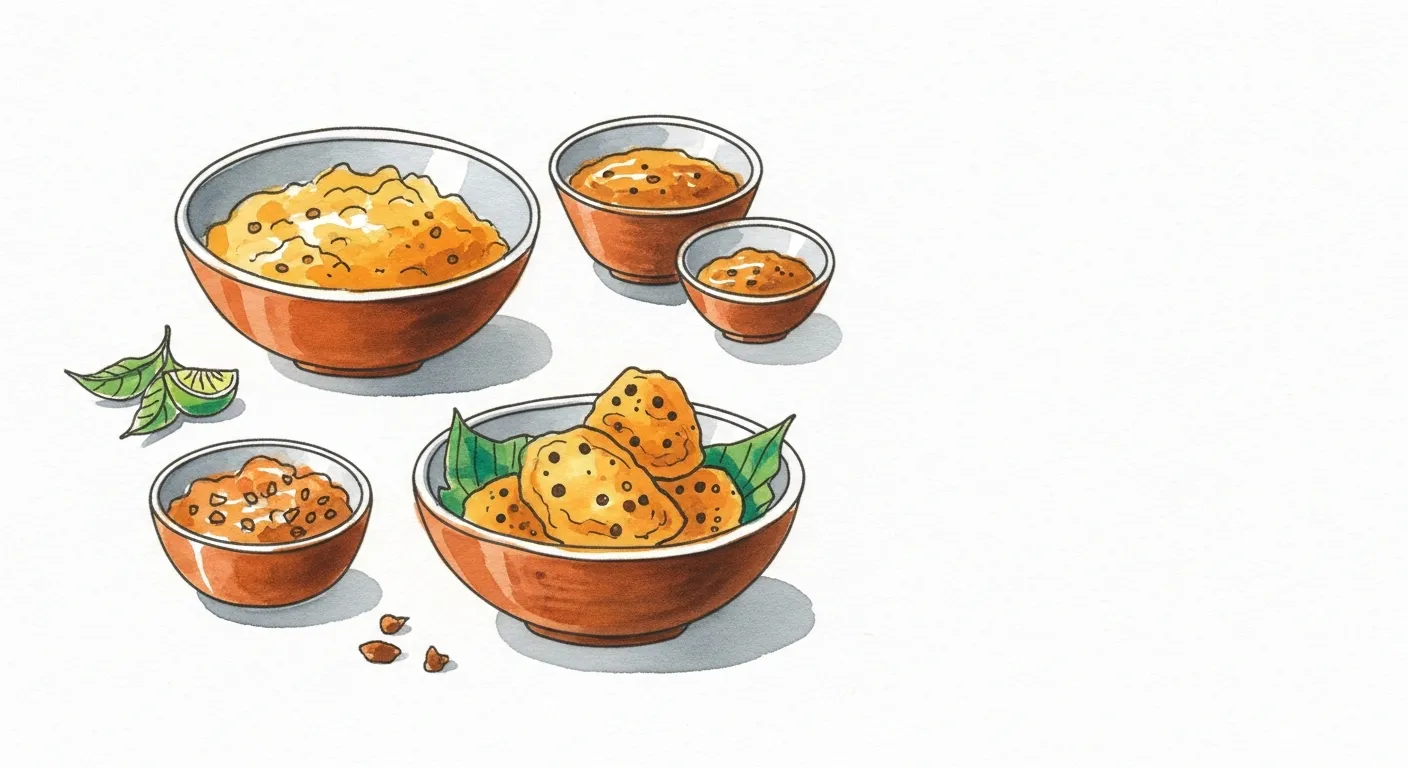
In Khar Danda, the yards are shrinking. A building project has been encroaching on the community's fish drying land, the same yards that have been in use for longer than most street names in this suburb. The koliwada was here before Khar was Khar. The Times of India documented the pushback. The construction did not stop.
The yard is worth more than the fish. So the yard goes first.
THREE PRESSURES, ONE KITCHEN
The Koli home-cook in Khar Danda in 2026 is fighting on three fronts at once, and they are not the fronts that make it into the food supplements.
The first is the sea. Quartz reported on Bombay's Koli fishermen dealing with smaller catches, rising diesel bills, and the visible impact of climate change on the Arabian Sea. The fish that used to come in by the basket now comes in by the kilo. The kilo that used to cost hundreds now costs thousands. The pomfret that anchored a Sunday lunch is now a special-order item. Surmai has moved from weekday to weekend. The home-cook who ran a thali service out of her kitchen for two decades is now doing arithmetic she did not have to do in 2005.
The second is the yard. The drying grounds are the free infrastructure of Koli cuisine. Take them away and the sukat that costs a hundred rupees a kilo at Sassoon Dock becomes an import from Alibag or Ratnagiri, marked up twice before it reaches the kadhai.
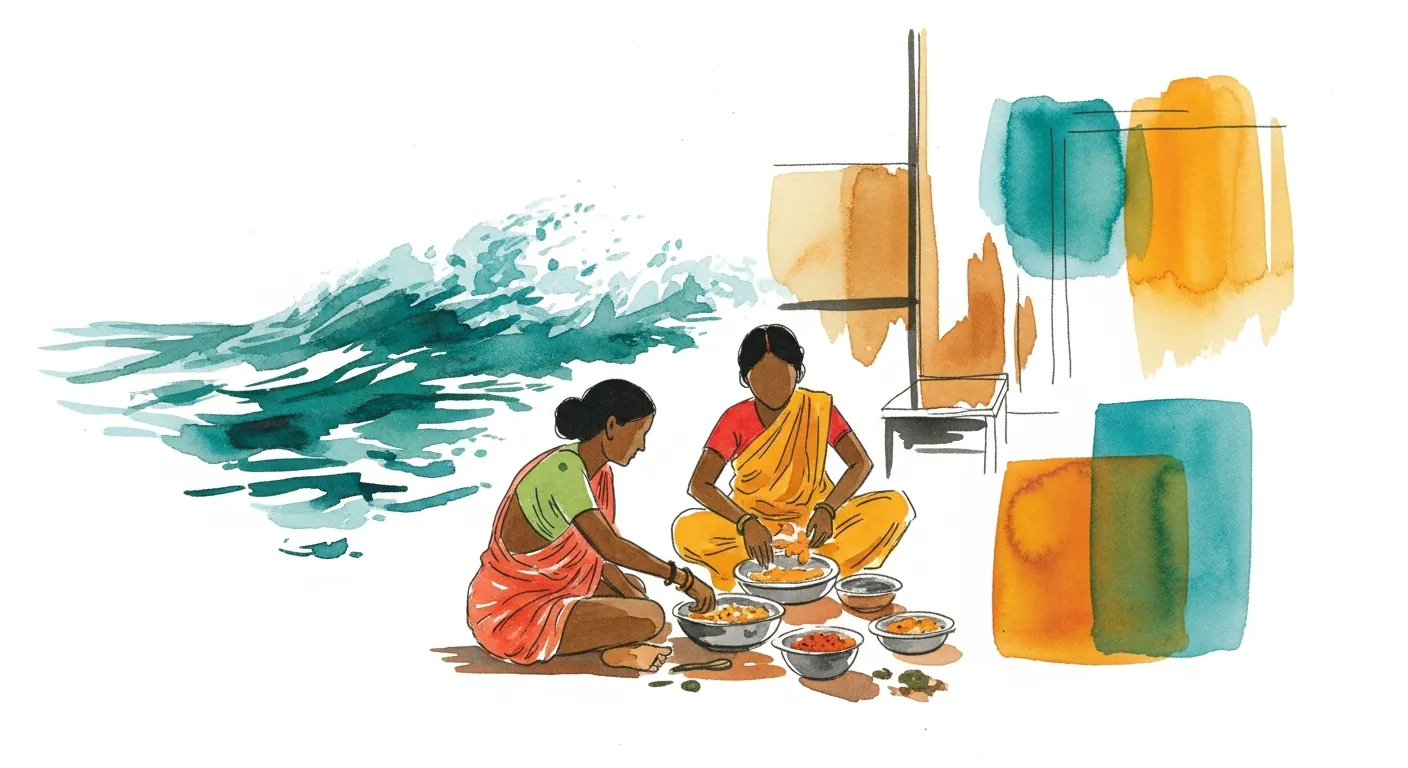
The third is the palate. The Bombay that grew up on fish is being replaced by the Bombay that grew up on sushi. A thali of six curries, three fries, two dry preparations, sol kadhi, bhakri, and rice does not fit the vocabulary of small plates. The kitchen that fed a family of ten now has to convince a table of four that this is worth two hours of their Sunday.
THE WOMEN WHO REFUSED TO EXIT
Here is where the story stops being about pressure and starts being about who is running the counter-move.
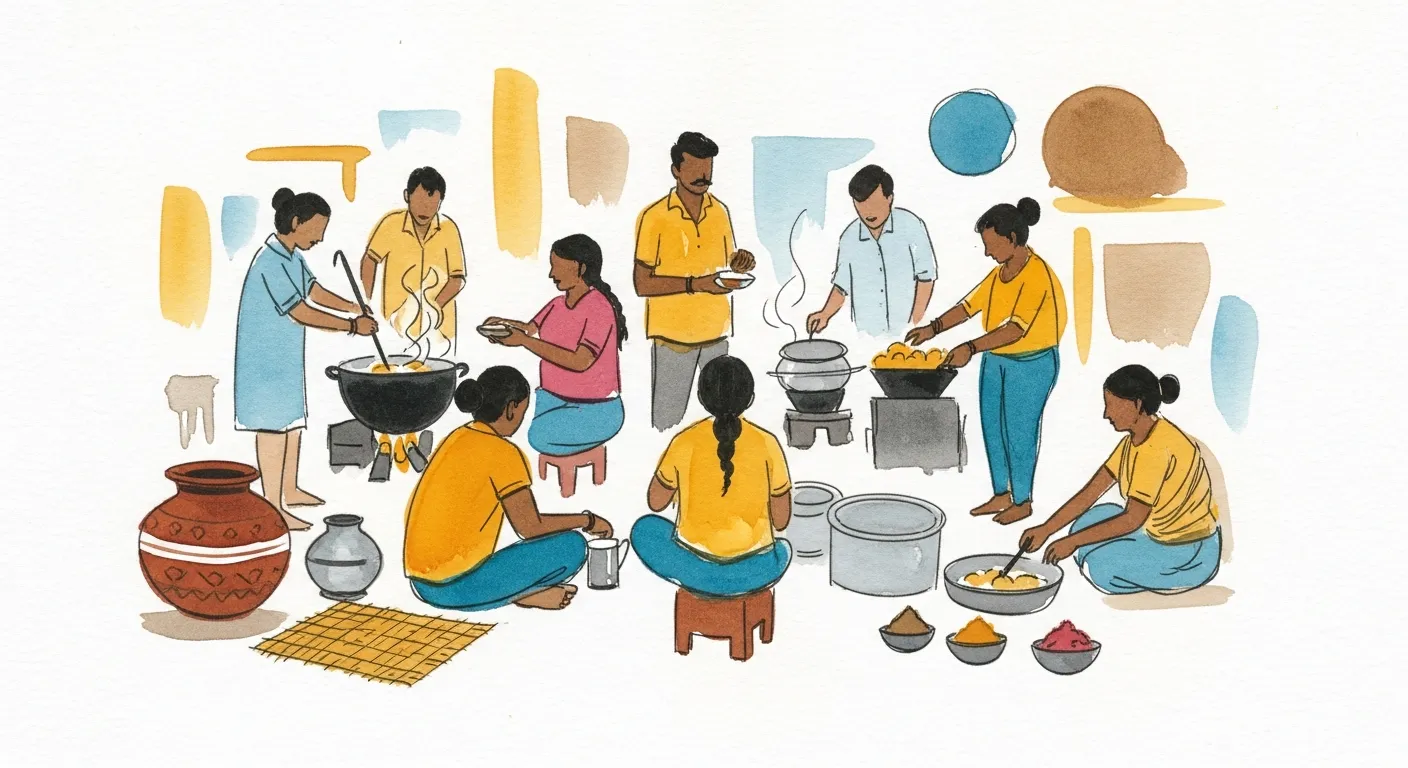
Koli women are turning kitchens into companies. Registered entities. Koli-themed buffets in five-star ballrooms. Stalls at food festivals across Maharashtra. Direct-to-consumer seafood on WhatsApp, cleaned, cut, and delivered the same morning the boat comes in. The cottage kitchen has been rewritten as a small business, and the rewriting is being done by women in their forties, fifties, and sixties who did not go to hospitality school.
The thali is still the thali. What has changed is the distribution.
The kitchen that used to feed the koliwada now ships to Andheri, Bandra, Powai, and Lower Parel by nine in the morning.
THE PLAZA ON CARTER ROAD
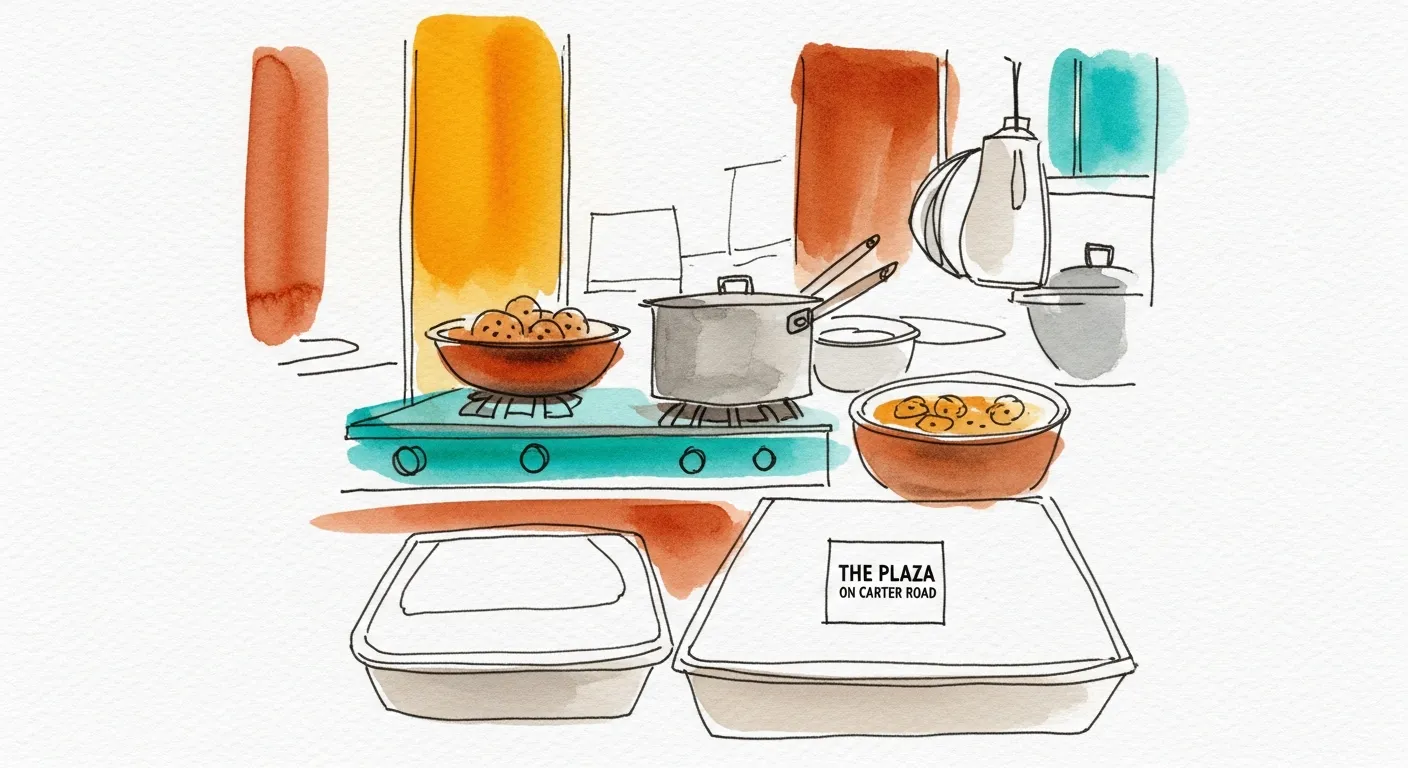
In the middle of all this, the BMC put a proposal on the table. A dedicated seafood plaza in Khar Danda. Stalls for Koli women. A permanent address on Carter Road. Knocksense covered the plan. The women's collectives were in favour, with the reasoning being straightforward. A footprint on Carter Road, one of the busiest evening promenades in the city, means access to the diner who would never otherwise walk into a koliwada.
The rest of the community was less convinced. Hindustan Times reported the objections. Traffic. Environmental load on a stretch already choking on Sunday evenings. The classic Bombay standoff, where the thing that would help one part of the neighbourhood is the thing another part cannot absorb.
The plaza is still on paper. The kitchens are not waiting.
WHAT A THALI ACTUALLY COSTS
A proper Khar Danda Koli thali in 2026 has bombil, sode, bangda, tisrya, a prawn curry, sol kadhi, tandalachi bhakri, and rice. The ingredients alone, at post-monsoon rates from a Sassoon Dock or Versova auction, do not leave much room. The masala is ground fresh. The coconut is scraped that morning. The kokum has been sitting in salt since summer. The sukat has been drying on a yard that may or may not exist next year.
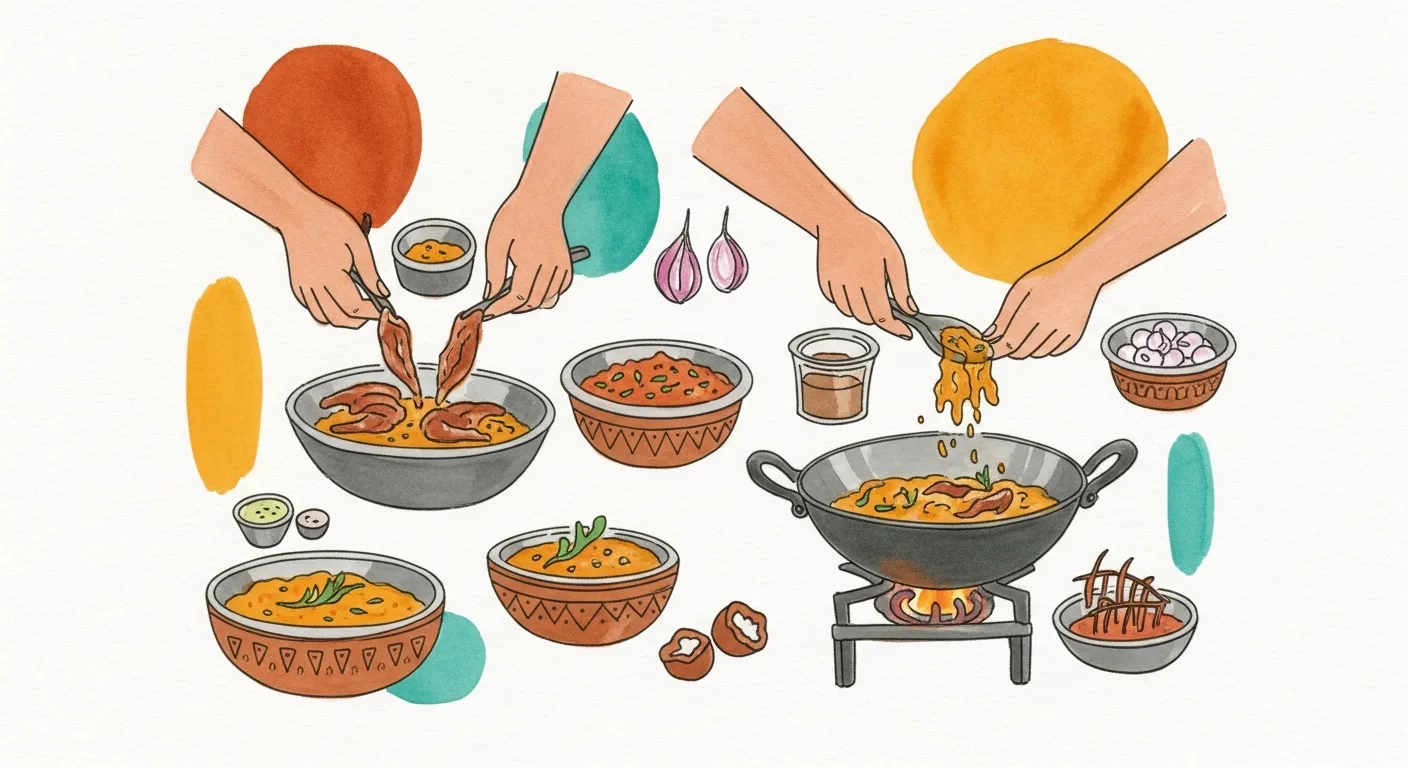
The home-cook who charges twelve hundred rupees for this thali is not overcharging. She is undercharging by about forty percent, and she knows it, and she does it anyway because the diner who walks in expecting a Koli meal has an anchoring price in her head from ten years ago, and closing that gap is a conversation nobody wants to have at the door.
The thali is a subsidy. The cook is the one paying it.
THE TRANSMISSION PROBLEM
The recipe is not written down. It never was. The bombil is judged by the pressure of the thumb. The masala is judged by the colour of the oil when it splits. The bhakri is judged by the sound it makes on the tava. This is a kitchen that trained by standing next to the previous kitchen for fifteen years.
The daughters are in offices. The granddaughters are in Melbourne, Toronto, and the Gulf. The knowledge that walked from mother to daughter for a hundred generations is now walking into a WhatsApp voice note and hoping it survives the compression.
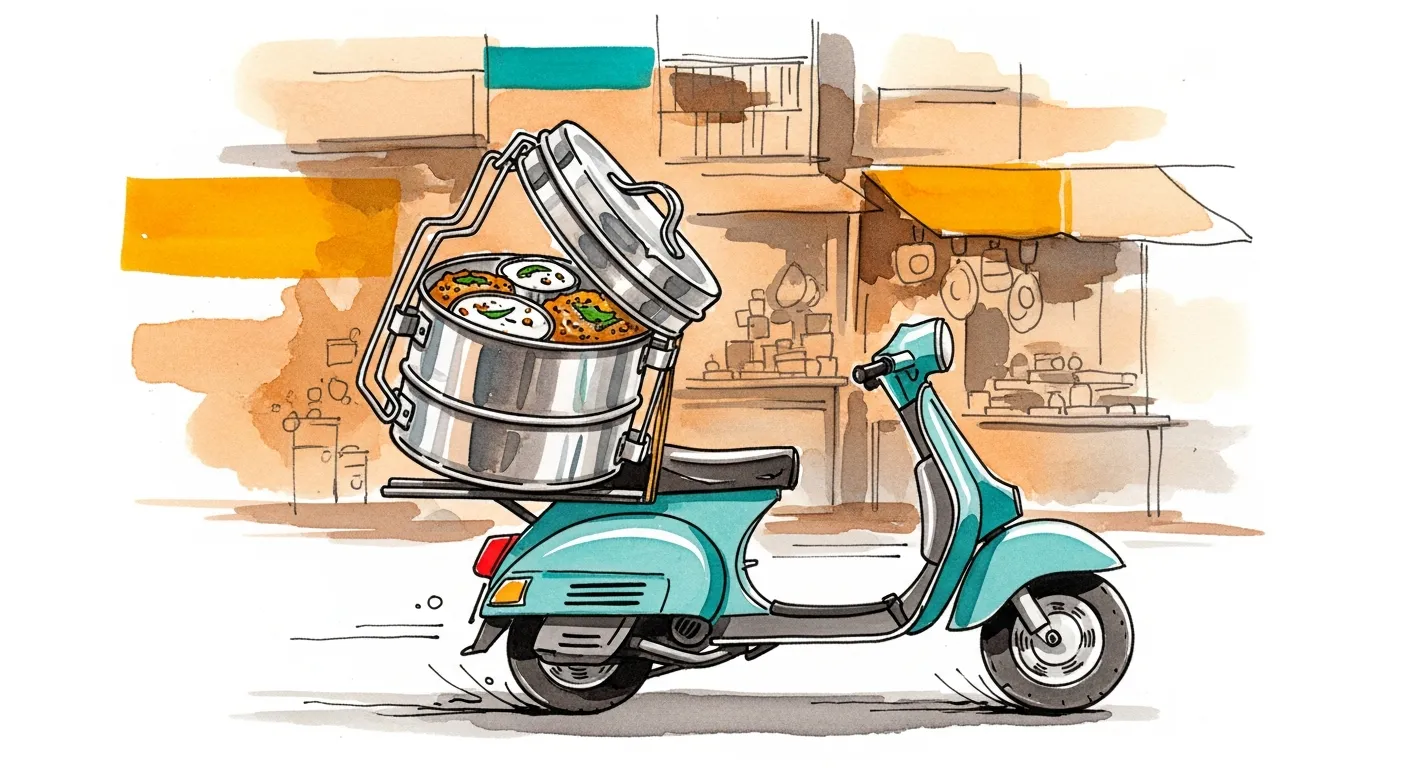
Some of it will. The Koli-themed buffets are keeping the vocabulary alive. The direct-to-consumer boxes are keeping the pantry alive. The plaza, if it happens, will keep the address alive.
The yard is the one that still worries the kitchen.
THE CALLBACK
Mumba Devi still stands at Bhuleshwar. The temple is older than the city named after her. The Kolis who built the shrine were fishers, and the fishers are still here, and their kitchens are still here, and their thalis are still worth the two hours they ask of you.
The city was named after their goddess. The least the city can do is show up for lunch.
Field Notes
Quick referenceThe Sultan of Gujarat signed the islands over to the Portuguese in 1534. The Kolis had already been fishing those waters for close to two thousand years.
Bombil becomes Bombay duck on the drying yard. No yard, no sukat. No sukat, no Koli thali. The yard is infrastructure. It just doesn't show up on any zoning map.
A proper Koli thali at twelve hundred rupees is underpriced by roughly forty percent. The cook knows this. The diner's anchoring price is ten years old.
Koli women in their forties, fifties, and sixties are registering businesses, running five-star buffets, and delivering cleaned fish via WhatsApp before 9am. No hospitality school involved.
The BMC proposed a dedicated Koli seafood plaza on Carter Road. The women's collectives want it. The rest of the community has objections. The plaza is still on paper.
Get the next story first
Join the Bhukkads. Free, no spam, just stories.
Takes 30 seconds.