The Shukto That Travels By Two-Wheeler
How a generation of Bengali home cooks in Chembur turned grandmother's kitchen into a subscription service, one steel tiffin at a time.
Generated by Imagen 4
In 1911, the British moved the capital from Calcutta to Delhi. Nobody in Bengal has forgiven them since. What that decision did, apart from breaking the political spine of eastern India, was scatter a certain kind of Bengali across the subcontinent. Clerks. Accountants. Engineers. Doctors. Professors. The people who ran the paperwork of an empire were suddenly asked to run it from other cities. Bombay was one of the cities they ran to.
They came in waves. The first wave arrived for the mills and the docks. The second came for the film industry, which in the 1940s and 1950s was still figuring out what it wanted to be, and Bengali directors and lyricists were happy to teach it. The third wave came for the corporates in the 1970s and 1980s, mostly ending up in Chembur, because Chembur was where the refineries were, and refineries hired chemists, and Bengal produced chemists at a rate no other state could match.
They stayed.
THE PART NOBODY TALKS ABOUT
Every story about Chembur mentions the Sindhis and the South Indians and the Gujaratis. The Bengali presence is usually reduced to one line about Durga Puja at the Bengal Club. What nobody talks about is that one of the largest Bengali populations in Mumbai lives here, in the stretch between Chembur East and Chembur Camp, and it has lived here for three generations.
Three generations is long enough to lose a language. It is also long enough to lose a recipe.
Which is why what is happening in Chembur right now matters. A quiet, unfussy, entirely undramatic economy of Bengali home cooks has taken shape in the last few years, and it is doing two things at once. It is feeding the working professionals of the neighbourhood the food they grew up with. And it is keeping alive a set of recipes that, in one more generation, might have gone quiet.
THE KITCHENS THAT RUN ON WHATSAPP
Walk through Chembur East around eleven in the morning and you will see the delivery boys queuing outside apartment building gates. Not for Zomato. For a woman on the fourth floor who cooked shorshe ilish that morning because a client texted her at nine the previous night.
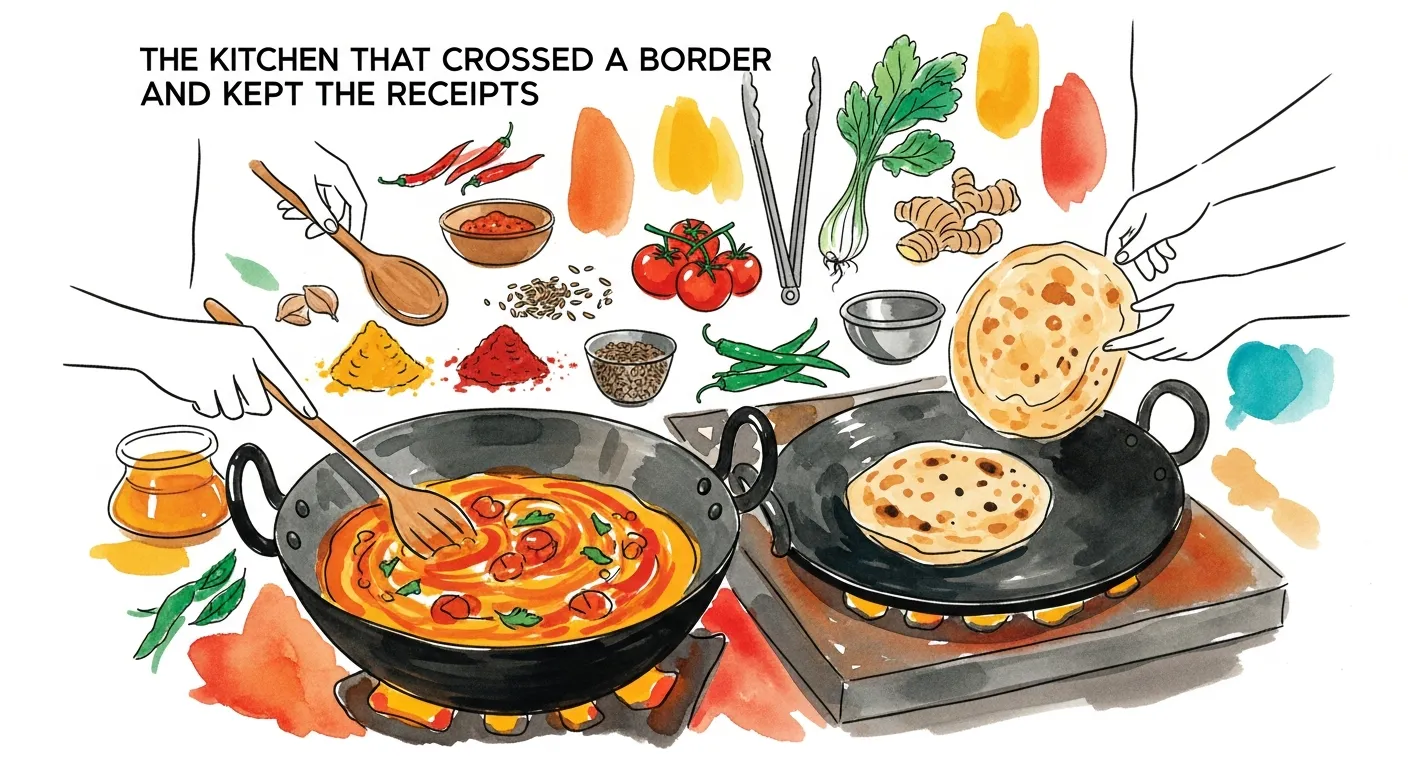
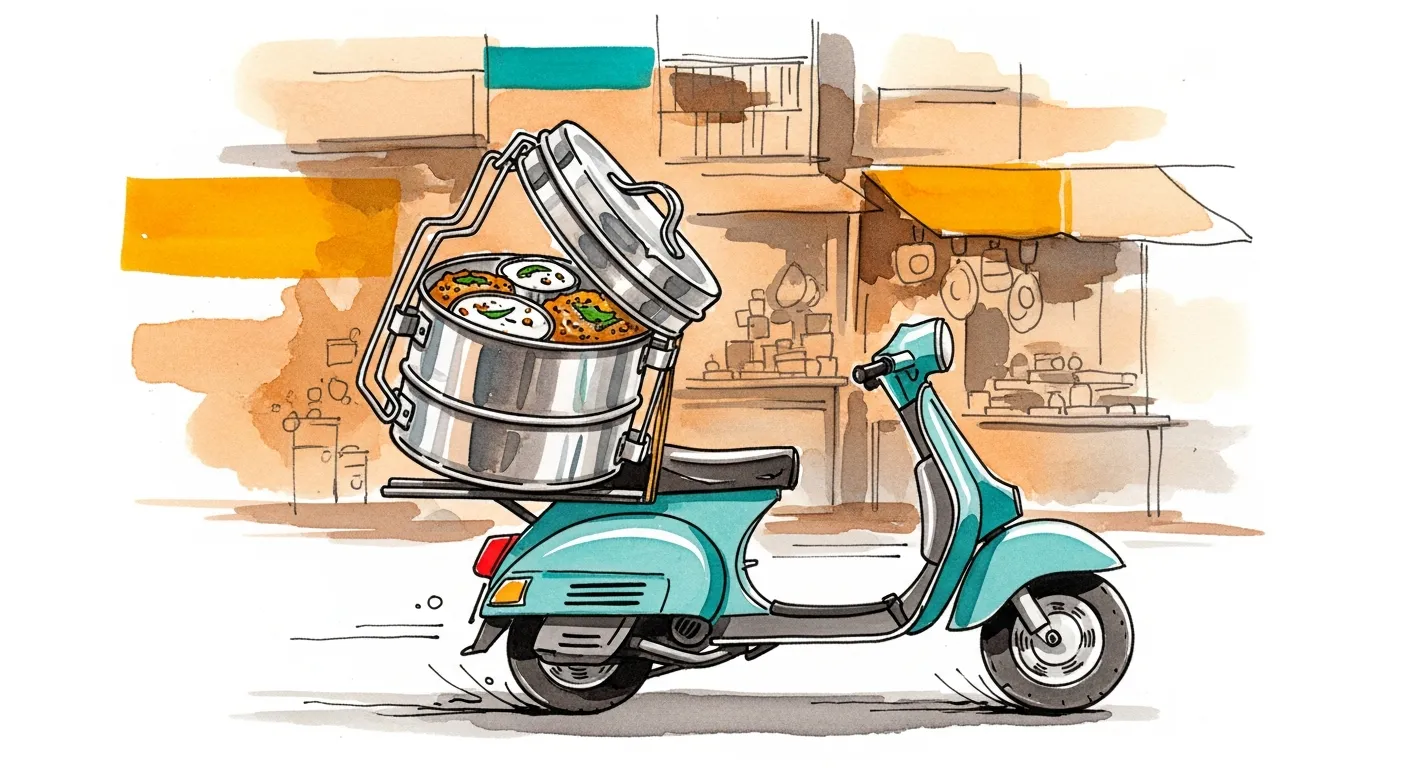
The tiffin services listed on Justdial for Chembur East offering Bengali home-cooked meals are only the visible top layer. The actual economy runs on WhatsApp broadcast lists and building group chats. A woman decides on Sunday what she is cooking for the week. She sends the menu to eighty subscribers. They reply with what they want and how many portions. She cooks Monday through Friday. Delivery is on a two-wheeler by a college kid earning pocket money.
No app. No commission. No middleman. The margin stays with the cook.
The margin stays with the cook. Read that line again if you work in food tech.
THE RECIPES THAT WERE ALMOST FORGOTTEN
Ancestral Bengali recipes are anchors. Anchors to a village most cooks have never seen. Anchors to a grandmother most subscribers never met. Anchors to a way of eating that has almost nothing to do with what a restaurant menu calls Bengali food.
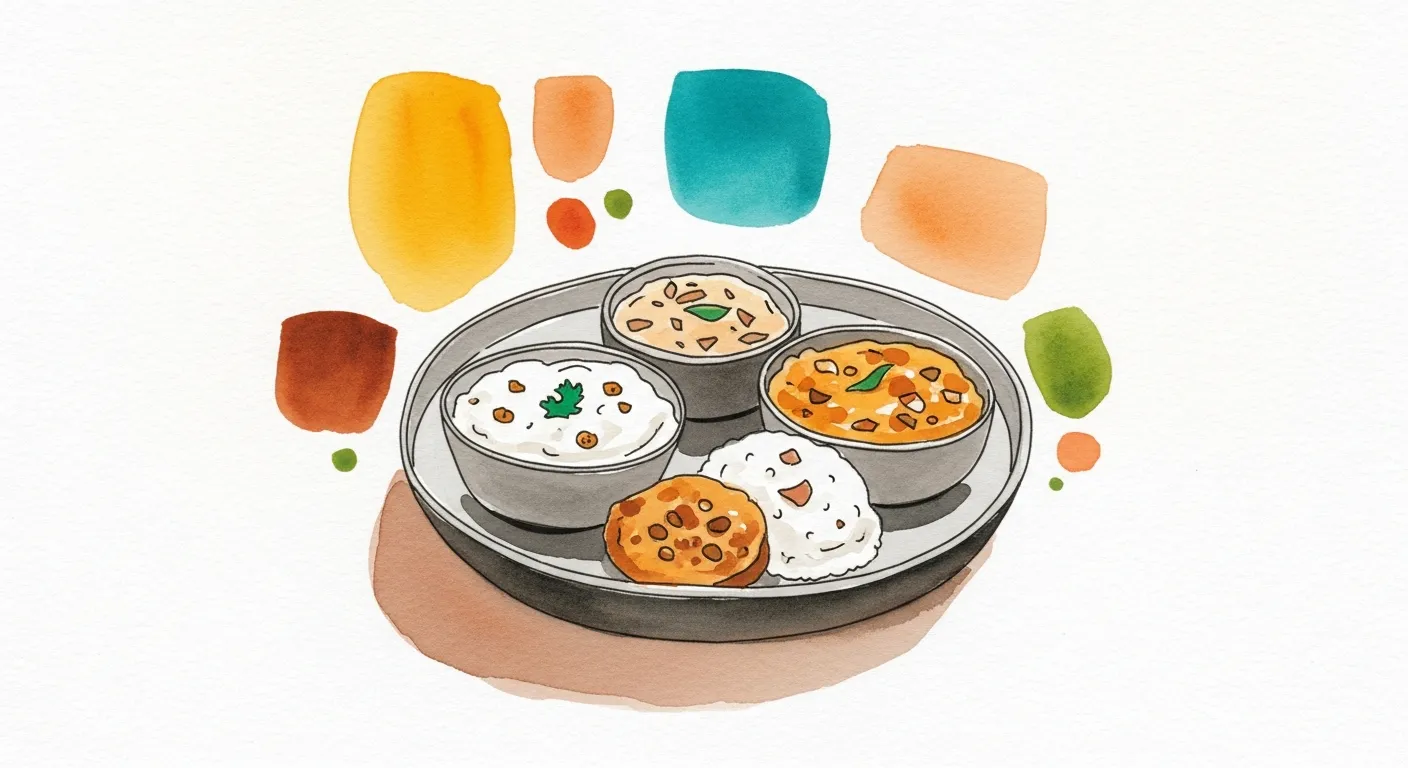
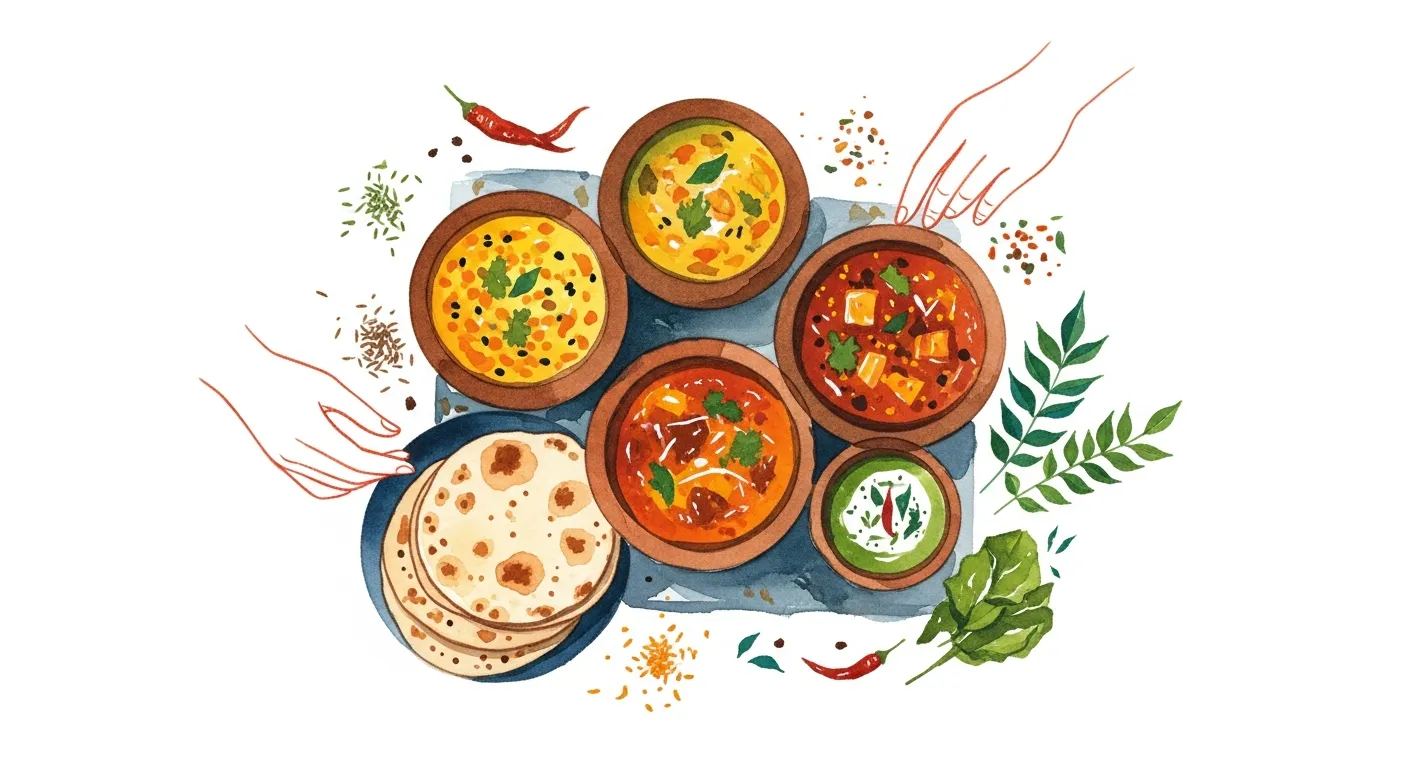
Restaurant Bengali food in Bombay is fish fry, kosha mangsho, and mishti doi. That is not wrong. It is just not the whole story. The whole story includes shukto, the bitter opener that starts a proper meal. It includes chorchori, made from vegetable peels that most kitchens throw away. It includes mochar ghonto, banana flower cooked down for two hours until it stops resisting. It includes doi maach, which is not fish curry with yogurt, it is fish cooked in yogurt, and if you have never had it made correctly you have never had it.
These are not restaurant dishes. They take too long. They require ingredients you cannot buy in a rush. They demand a cook who knows when the mustard oil has stopped smoking without looking at it.
The home kitchen is not a lesser version of the restaurant. The restaurant is a compressed version of the home kitchen.
THE ECONOMICS
A tiffin subscription in Chembur runs at prices that make the math work for both sides. A cook feeding twenty regulars can clear a working salary without ever leaving her building. Add the twice-a-week Sunday special orders, biye barir maach, the whole hilsa for a family gathering, the pujor bhog for the pandal down the road, and the annual number starts looking like what a mid-level office job pays.
Platforms like Shero Home Food have built structured support around this, helping women home chefs across India turn traditional culinary skills into registered businesses. Financial independence, not as a slogan, as a bank statement. Tiffit's Chembur Camp operation has taken the model further, certifying home chefs and standardising hygiene without standardising the food itself.
That last part is the tricky one. Standardising hygiene is easy. Standardising taste is where these operations lose the plot. The Chembur cooks who have kept their subscriber lists small have kept the plot.
THE CLIENTS
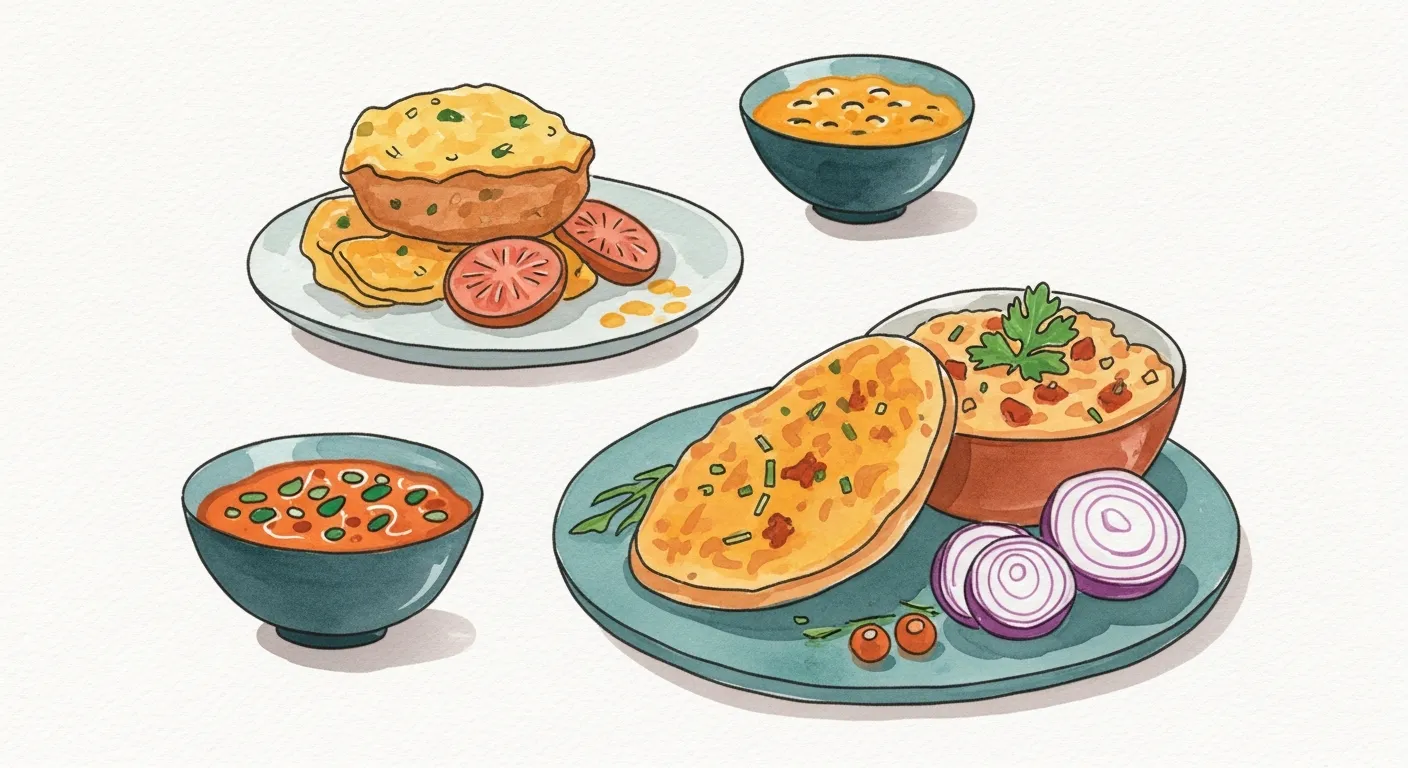
The client base is not what you would guess. It is not the aunties in the building. It is the twenty-nine-year-old analyst at a consulting firm who grew up in Kolkata, moved to Bombay for the job, and cannot bring herself to eat one more paneer tikka masala. It is the couple in their thirties, both working, both from Bengal, who have neither the time nor the inclination to make shukto from scratch on a Wednesday. It is the retired professor whose wife moved to Bangalore to live with their daughter, and who eats alone now.
They are the people market research firms describe when they talk about growing demand for authentic regional cuisines and hyperlocal food experiences. Except in Chembur, the hyperlocal is not a marketing category. It is a fourth-floor kitchen with a pressure cooker whistling.
Regional cuisine is a phrase invented by people who no longer live in the region.
THE BENGAL THAT TRAVELLED
What you eat when you eat this food is a version of Bengal that no longer exists in Bengal itself. That is the strange part. The cooks who left in the 1970s carried their recipes intact. They did not update them. They did not modernise the fish. They kept cooking the way their mothers cooked, because they wanted their children to remember.
The children moved on anyway. But then the grandchildren, the ones now working in offices in BKC and Powai, started ordering the tiffin. And the recipes went from the mother in the fourth-floor kitchen to the granddaughter in the office cubicle, skipping the generation in between.
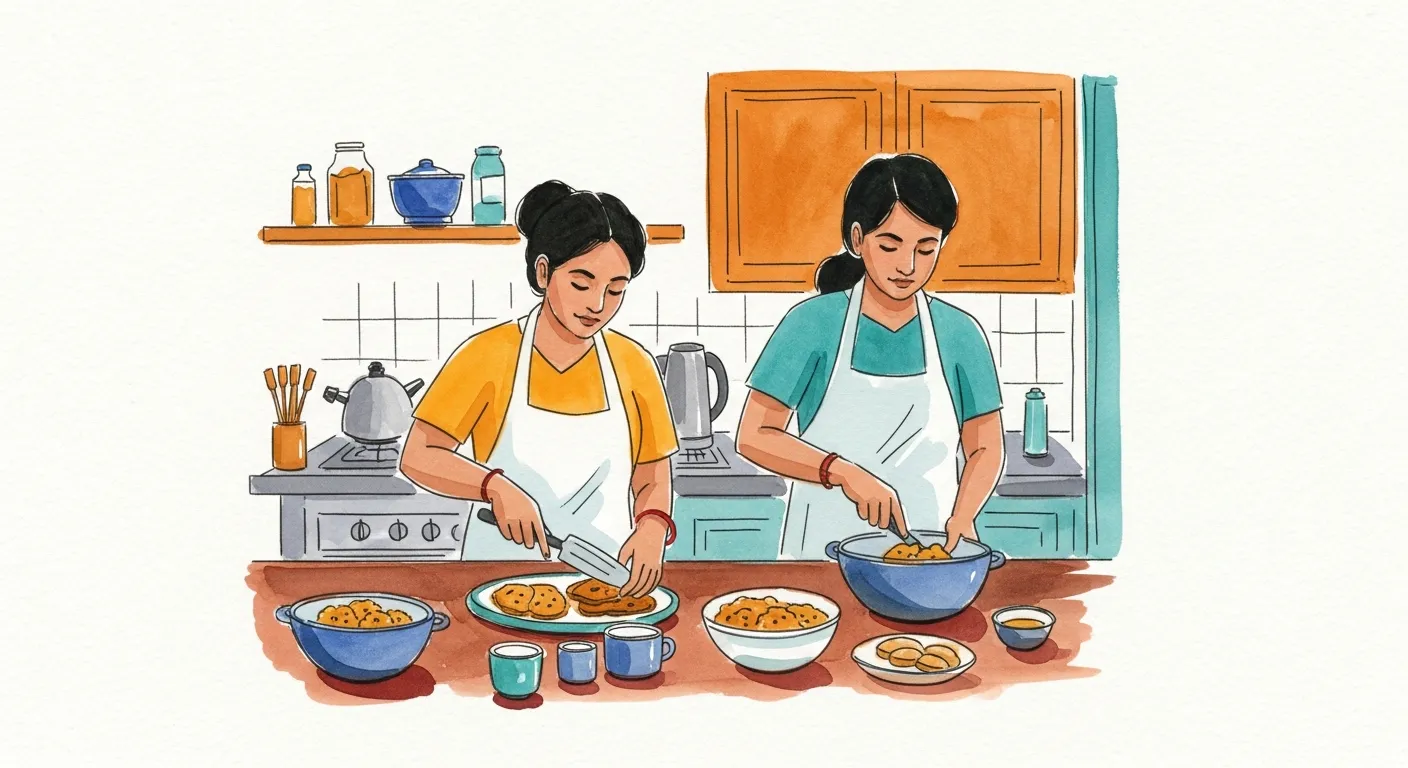
This is not a small thing. This is how a food culture survives a migration. Not through cookbooks. Not through YouTube. Through steel tiffin boxes moving on two-wheelers between apartment buildings, five days a week, at lunchtime.
THE FUTURE
There is a version of this story where a food-tech platform scales up the Chembur Bengali kitchens and turns them into a brand. It has been tried. It usually flattens the food. The mustard becomes less sharp. The bitter becomes less bitter. The shukto becomes something you can serve to a client who thinks Bengali food means fish fry.
The cooks who have refused that route are the ones whose subscriber lists are full. Eighty regulars, a waiting list of twenty, and a Sunday special that sells out by Thursday.
Ask them why they cook. They will tell you it is because their daughter did not learn. They will tell you it is because their mother would want them to. They will tell you it is because a man in Powai called last week and said he had not eaten aam kasundi in eleven years and could she please send some with the Friday tiffin.
She sent it. Of course she did.
The capital moved in 1911. The recipes moved later. They are still moving, one tiffin at a time.
Field Notes
Quick referenceThe British shifted India's capital from Calcutta to Delhi in 1911. Bengali professionals followed the work outward. Bombay got the third wave, in the 1970s and 1980s, mostly chemists hired by the refineries in Chembur.
The real Bengali tiffin economy in Chembur runs on WhatsApp broadcast lists, not apps. Search building group chats before you search Zomato.
Shukto, a bitter vegetable opener, is how a proper Bengali meal begins. It does not appear on a single Bombay restaurant menu. It appears every Wednesday in Chembur East.
Eighty subscribers. One cook. One WhatsApp broadcast on Sunday night. No commission, no app cut. The margin stays in the building.
The recipes skipped a generation. The parents forgot. The grandchildren, now in BKC and Powai, are ordering shorshe ilish for lunch on a Tuesday.
Get the next story first
Join the Bhukkads. Free, no spam, just stories.
Takes 30 seconds.