The Bartender Became the Author
Mumbai's cocktail bars stopped copying London around 2019. What happened next is a menu written like a book.
Generated by Imagen 4
The first cocktail served in Bombay was not a cocktail. It was punch. The word comes from the Hindi paanch, meaning five, for the five ingredients the British East India Company sailors mixed on the deck of ships anchored off the Bombay harbour in the 1670s. Arrack from Goa. Sugar from Bengal. Lime from the Konkan. Water from whatever river had not killed them yet. Spice from wherever the ship had last docked.
The drink was Indian. The empire took the credit.
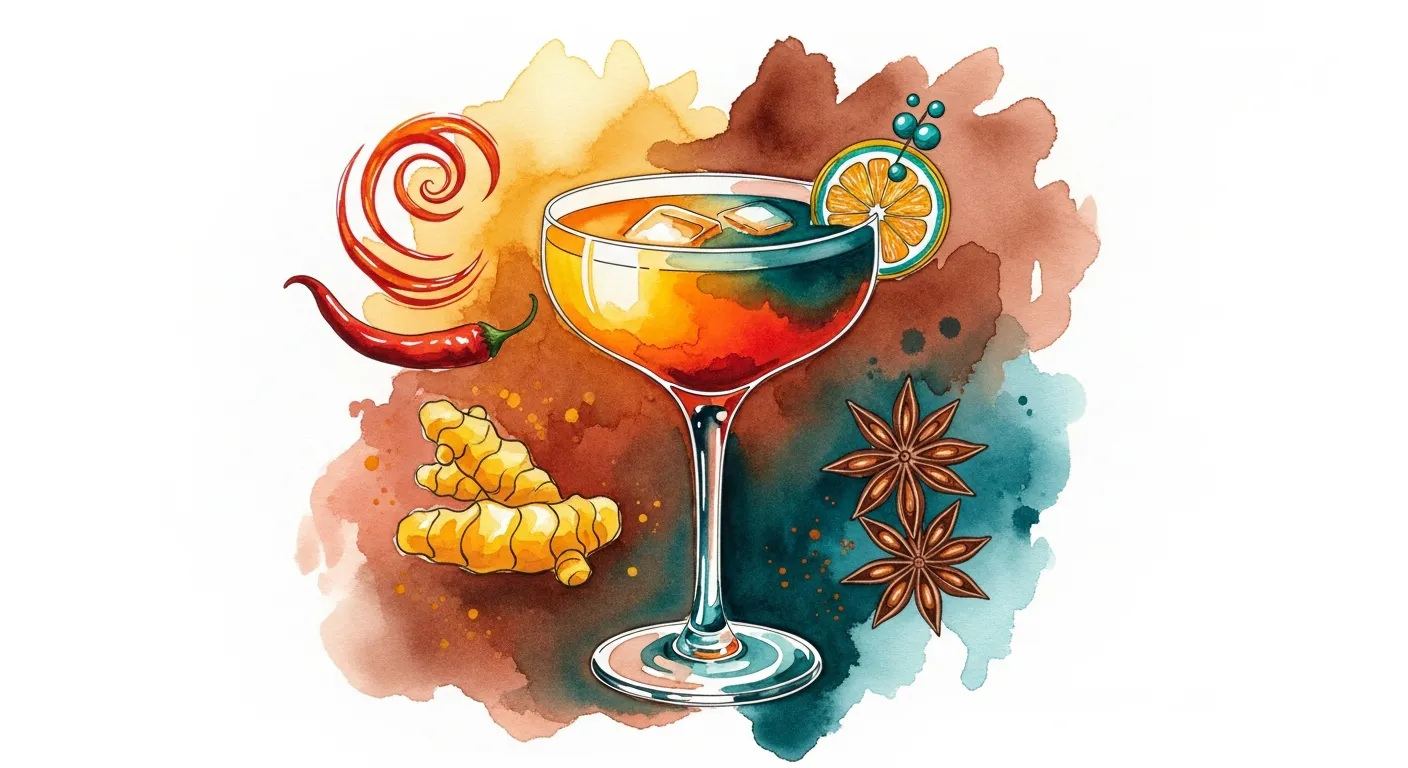
Three hundred and fifty years later, on a Tuesday night in Kala Ghoda, a bartender named Jishnu AJ is standing behind a marble counter at Ekaa, pouring something the British would not have recognised. Twelve indigenous botanicals. An Ayurvedic framework. A menu called Dwadash, which is the Sanskrit word for twelve.
The punch has come home. It just took a while.
THE PART NOBODY TALKS ABOUT
Every article about Mumbai's cocktail scene talks about the drinks. The mezcal. The clarified milk. The kaffir foam. The house-made brine. The bar programmes with names in Sanskrit and menus that read like poetry.
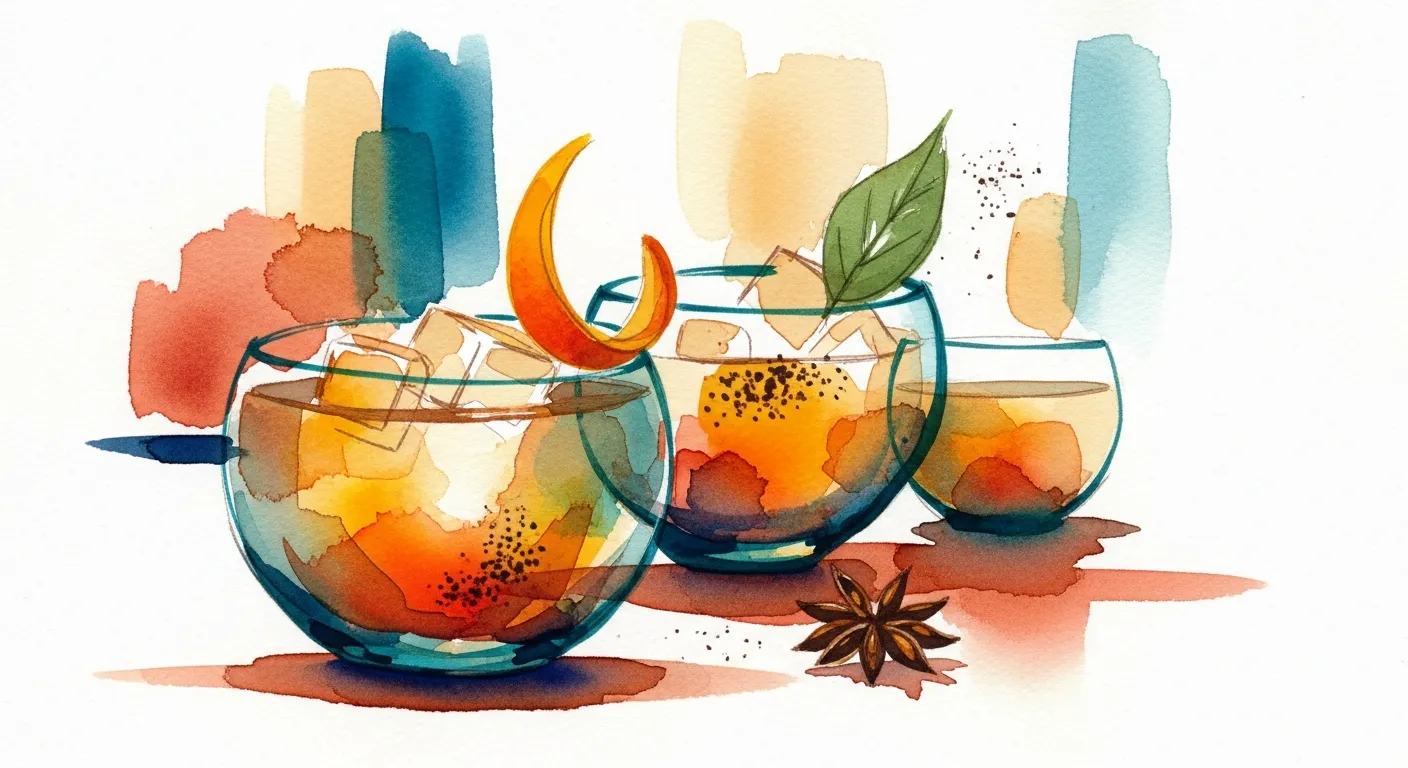
Nobody talks about the writing.
The menu is the point. The drink is what happens after you have already agreed to the story. This is the shift that happened in Mumbai between 2019 and 2024, and it is the reason a city that spent two decades copying Soho and Shoreditch is now exporting a format the rest of Asia is learning from.
THE LEAN YEARS
Mumbai's cocktail culture had its first real moment between 1998 and 2001. This was the Indigo years. The Athena years. Bombay was liberalising. Imported spirits arrived legally. The Cosmopolitan was on every menu because Sex and the City had just aired.
Then the 2008 attacks happened. The Taj burned. Leopold's took bullets. Nightlife in South Bombay went quiet for a long stretch. The cocktail conversation moved to Delhi, where PCO opened in 2012 with a speakeasy format and a password door, and everyone in Mumbai spent the next five years trying to copy it.
The copying was not good. It was mood-board bartending. Edison bulbs, exposed brick, a Negroni variation named after a jazz musician nobody in the room had listened to.
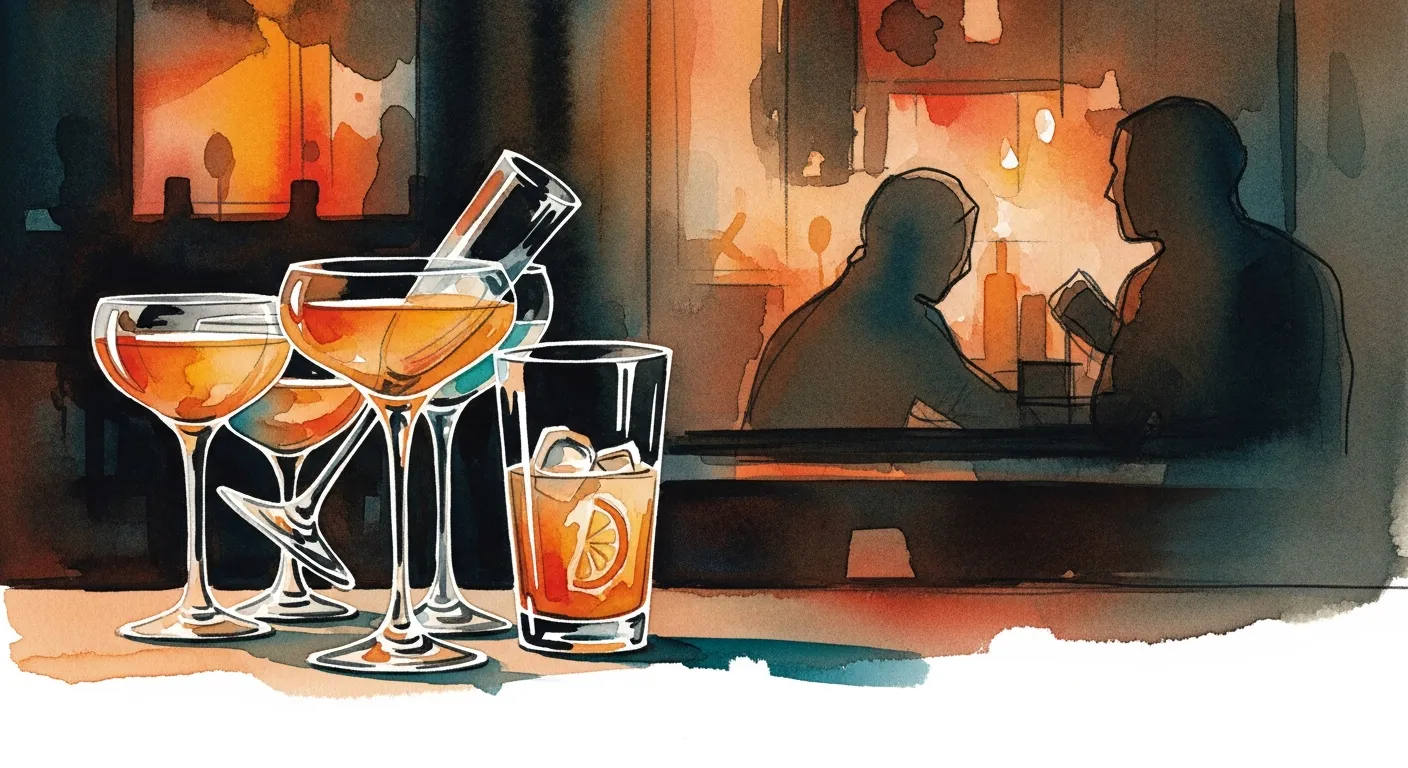
Then something shifted.
THE FIVE PEOPLE WHO MOVED THE NEEDLE
In 2019, a bar called Hideaway opened in Anjuna, and while it was technically in Goa, it was staffed and financed and creatively led by people who lived in Bandra. The lines had blurred.
Back in Bombay, PCO opened its Mumbai outpost inside an old textile mill and did something the Delhi original had not. It wrote its menu around Indian textiles. Kantha. Ikat. Bandhani. Each drink was a fabric. Each fabric was a region. Kantha, the drink, is white rum, kaffir, pineapple, coconut, liquorice, and a citrus foam. It tastes like Bengal wrapped in a Bombay summer.
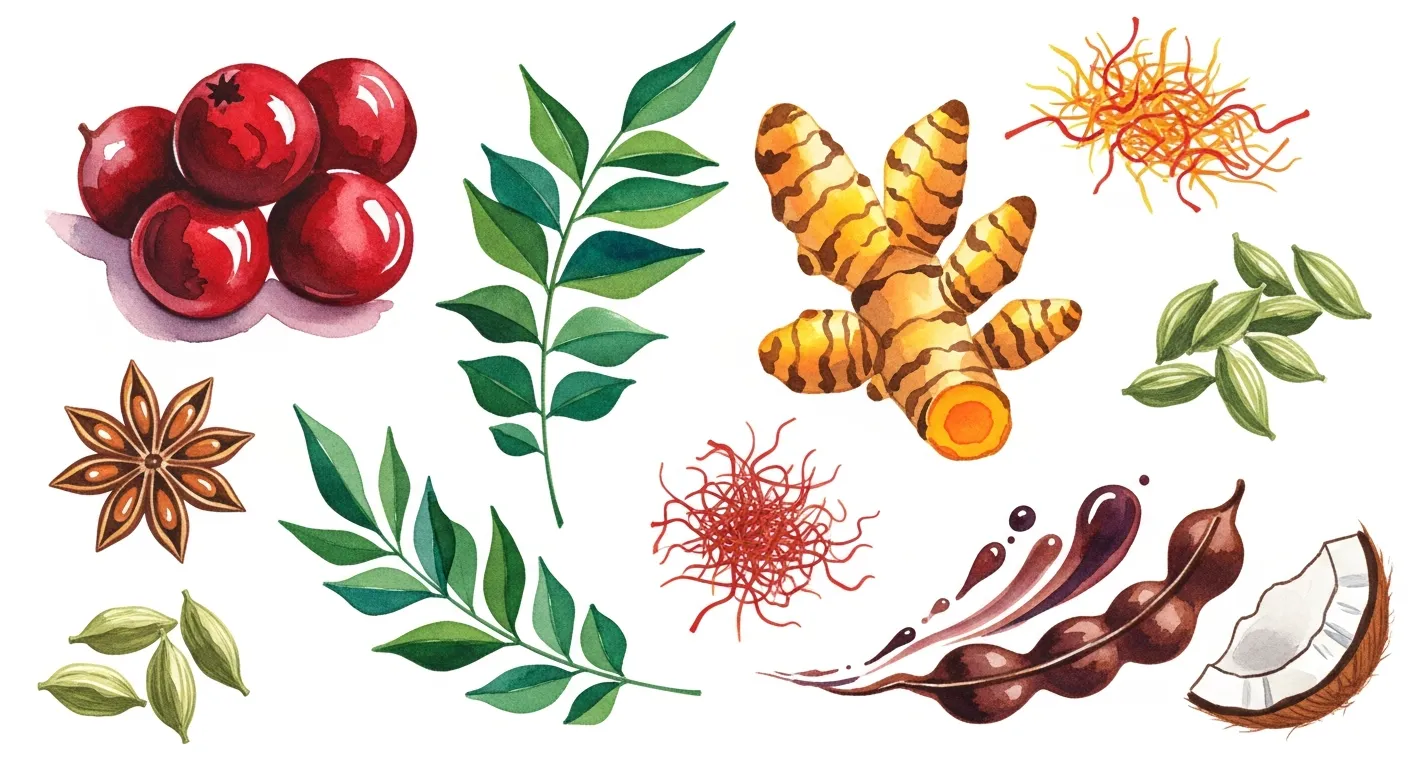
Then came Jishnu AJ at Ekaa, working with chef Niyati Rao. Their bar programme, Dwadash, pays homage to the unique ingredients native to India, spotlighting individual, indigenous ingredients in every drink. Twelve drinks. Twelve botanicals. An Ayurvedic logic underneath the whole thing, which sounds like marketing until you actually drink it and realise the pairings make sense in a way that a Manhattan never quite did in this climate.
At Adam and Eve in Bandra, a 25-seater, the approach went the other way. Not indigenous. Pantry. Ponzu. Beeswax. Truffle. Enoki. The cocktail as a dish, built by someone who thinks like a chef and pours like a bartender. The room is small enough that you can hear the bar spoon hit the mixing glass from any seat.
At Papi Papi, the format tilted again. A cocktail-first restaurant and tapas bar, centred on an ingredient-led drinks programme featuring house-made brines, distillates, and ferments. The kitchen serves the bar. Not the other way around.
And then Black Lacquer, tucked inside Roswyn, an underground listening bar built around vinyl-led music, carefully crafted cocktails, and Japanese-inspired dining. The music is on vinyl. The cocktails are quiet. The dining is Japanese. You sit down at nine and look up at midnight and the record has been changed four times and you have not noticed.
The menu is the point. The drink is what happens after you have already agreed to the story.
WHY MUMBAI, WHY NOW
More than 20 million people call this city home, and a growing slice of them are what the market intel reports call a well-travelled cohort who appreciates hole-in-the-wall joints, craft breweries, and Michelin-worthy restaurants alike. This is the drinker who has been to Tokyo. Who has queued for High Five. Who has sat at the Connaught bar in London and knows what a proper martini stir looks like.
This drinker is not impressed by imported gin anymore. They want to know what the bartender did with the kokum.
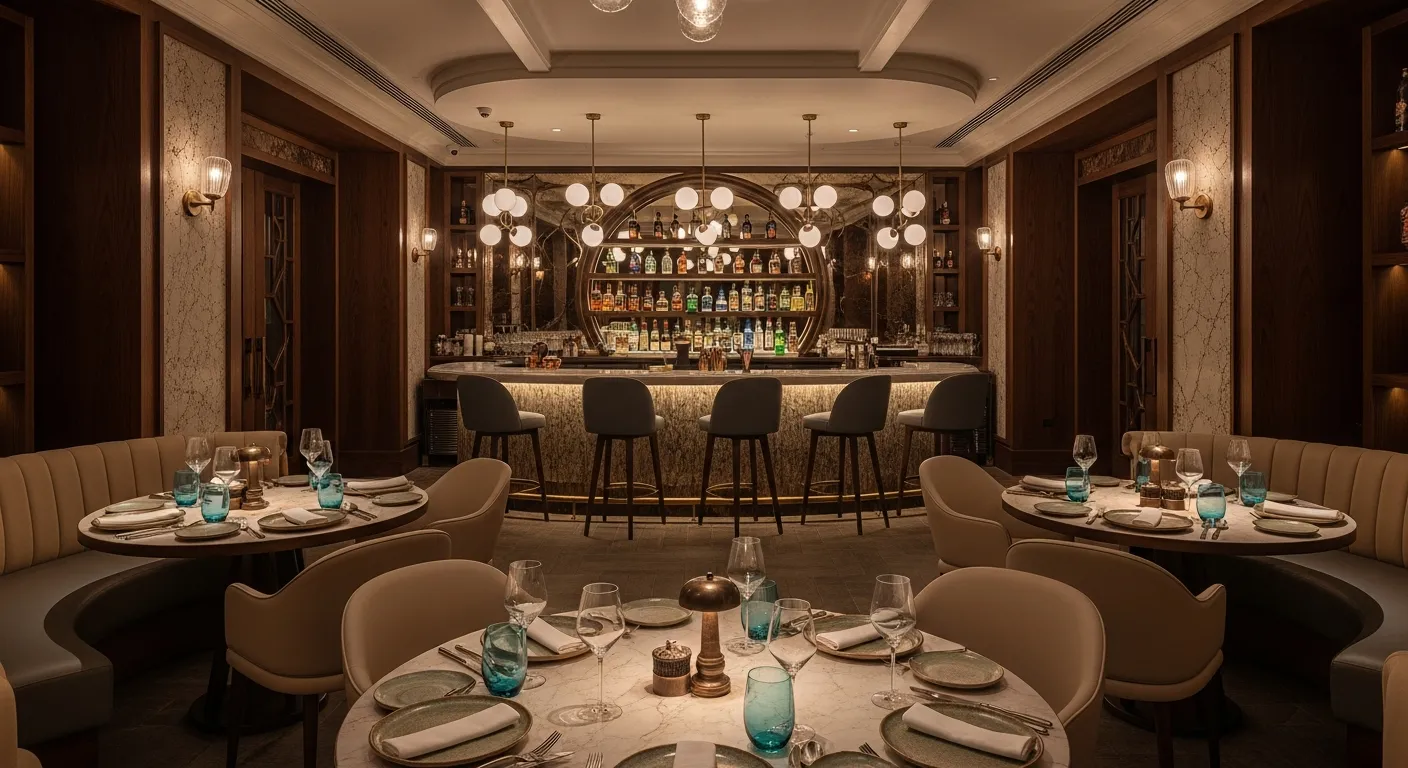
So the bartenders started writing. Themed menus with an emphasis on storytelling now define the cocktail bars of Mumbai, and the writing is not decoration. It is the product.
THE NEW ROOMS
The latest additions push the format further. EL, The Portal to Elsewhere, at JW Marriott Mumbai Sahar, calls itself elevated cocktails for another world. The room is designed as a threshold. You walk in from the airport hotel lobby and you are somewhere else. The cocktails are built around global techniques, but the base ingredients keep pulling you back to something recognisably Indian.
KMC Pirojshanagar, further out, splits itself into an open-air Art Terrace and an intimate Cocktail Space. Two rooms. Two moods. One programme.
The bartender is no longer a person who mixes your drink. The bartender is the person who wrote the room you are sitting in.
THE PUNCH, RETURNING
The five ingredients of the original Bombay punch were arrack, sugar, lime, water, and spice. Every serious cocktail programme in Mumbai right now uses some version of the same five. The arrack has become mahua or feni or a small-batch Goan rum. The sugar has become jaggery or palm nectar. The lime has become kaffir or gondhoraj. The water has become clarified milk or a filtered tea. The spice has become twelve botanicals arranged in an Ayurvedic grid.
The drink was Indian. The empire took the credit.
Three hundred and fifty years later, on a Tuesday night in Kala Ghoda, someone is quietly taking it back.
One drink. Twelve botanicals. Three hundred and fifty years. And a menu that finally reads like it was written by someone who lives here.
Field Notes
Quick referenceThe word 'punch' comes from the Hindi paanch, five, for the five-ingredient drink mixed by East India Company sailors off Bombay in the 1670s.
Dwadash at Ekaa: twelve indigenous botanicals, one Ayurvedic framework, zero apologies for not having a Negroni variation.
Adam and Eve in Bandra seats 25. You can hear the bar spoon hit the mixing glass from anywhere in the room.
Kantha at PCO Mumbai: white rum, kaffir, pineapple, coconut, liquorice, citrus foam. Each drink is a fabric. Each fabric is a region.
Mumbai spent five years copying Delhi's PCO speakeasy format after 2012. By 2019, it stopped copying anyone.
Get the next story first
Join the Bhukkads. Free, no spam, just stories.
Takes 30 seconds.