The Bungalow Will See You Now
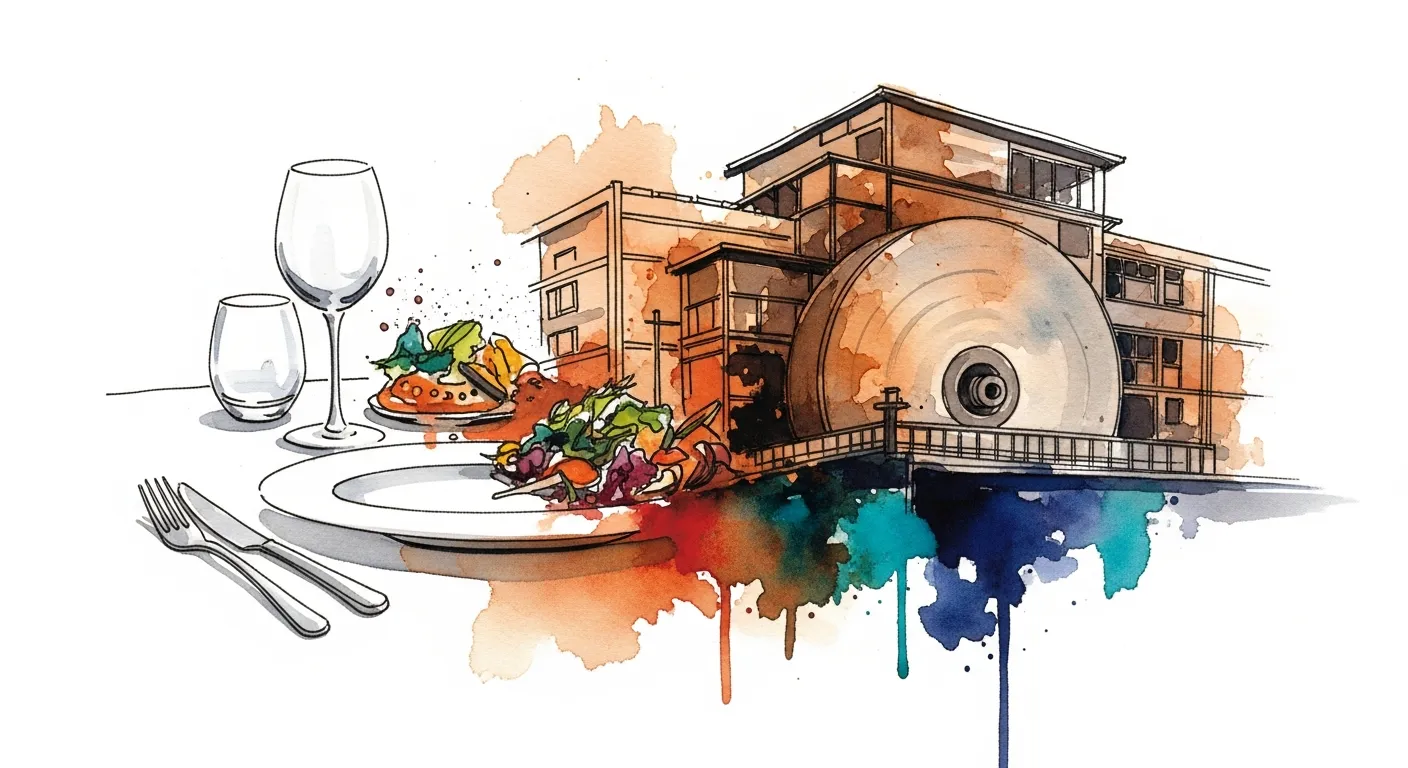
Bandra's lanes are hiding a new kind of restaurant. Fourteen chairs. No signboard. A chef who has finally stopped explaining themselves.
Generated by Imagen 4
In 1919, in the middle of Prohibition-era America, a bartender named Jack Kriendler opened a room with no sign on the door. You knocked. Someone looked at you through a slot. If your face was known, the door opened. If it wasn't, you went home. The room was called a speakeasy because you had to speak easy about it, quietly, to the right person, in the right ear.
The speakeasy was not born of glamour. It was born of law. The Volstead Act had made alcohol illegal, and the response was not resistance but relocation. The bar moved indoors, upstairs, behind bookshelves, into brownstones. Exclusivity was a byproduct of survival.
A hundred years later, the door with no sign has returned. This time it is in Bandra. This time the thing being smuggled is not liquor. It is a menu.
THE LAND THE LANES SIT ON
Before the supper clubs, before the tasting menus, before the fourteen-seat counters, Bandra was rice fields and fishing villages and Portuguese chapels. The bungalows that now house these clandestine dinners were built between roughly 1880 and 1940, some by East Indian Catholic families whose ancestors had lived on this land since long before the causeway connected it to the island.
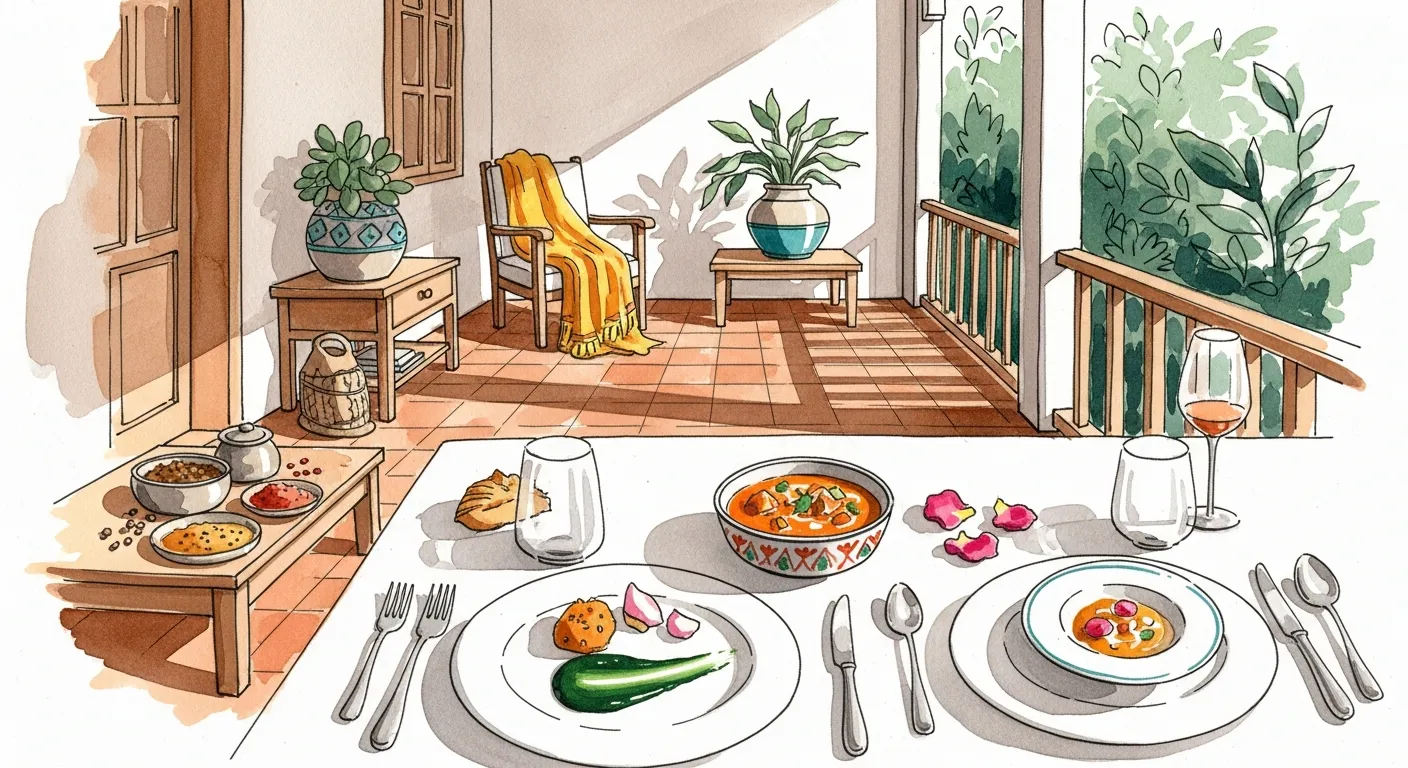
The Bandra bungalow, with its sloped Mangalore-tile roof, its verandah, its interior courtyard, was not designed as a restaurant. It was designed as a home that could breathe in the monsoon and cool itself without electricity. The rooms were small because the family was large. The kitchen was at the back because the smoke had to go somewhere.
Most of these bungalows are gone now. Ranwar, Chuim, Pali, Sherly Rajan, the old gaothans, have been steadily eaten by four-storey redevelopments. What remains is precious, protected in patches, and increasingly, quietly, being reinhabited by chefs.
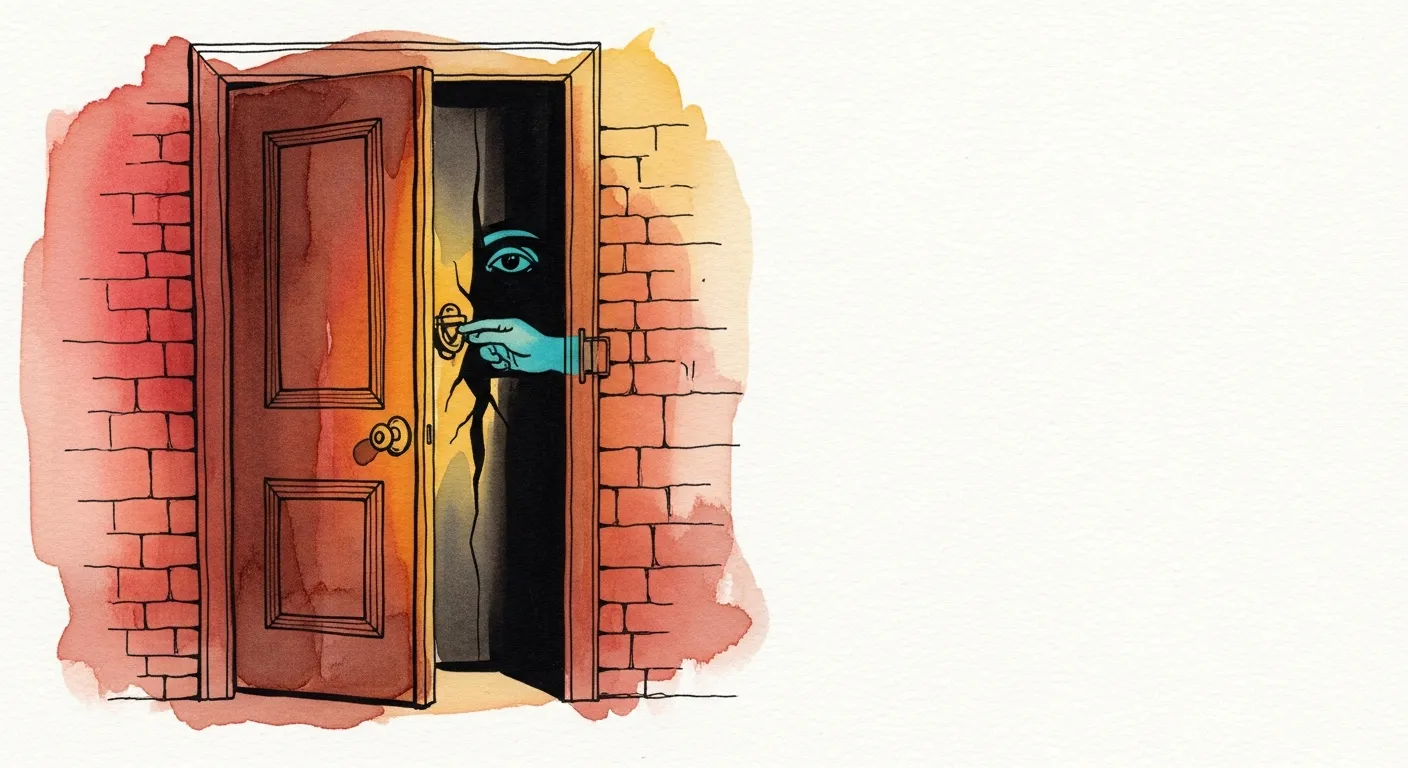
The bungalow was never meant to be a restaurant. That is exactly why it works.
THE FIND ATELIER
On a lane in Bandra sits a 140-year-old residence that has been restored, not renovated. The difference matters. Renovation flattens. Restoration listens.
Inside, The Find Atelier seats 25 guests. It opens only on weekends. Aalisha Sable runs the kitchen. Riona Sable handles the room. The menu changes every month. There is no a la carte. There is no signboard. You find it because someone tells you.
Aalisha told BW Businessworld that the supper club model let her strip away the noise of conventional dining, the covers-per-hour math, the menu that has to please every table, the kitchen that has to run at full tilt for twelve hours a day. In a 25-cover room that opens two nights a week, none of that applies. The math is different. The food is different. The conversation with the guest is different.
This is the pivot nobody talks about. Everyone frames the speakeasy dinner as a luxury thing, an exclusivity thing, a status thing. It is also, and maybe primarily, an economics thing.
THE NUMBERS
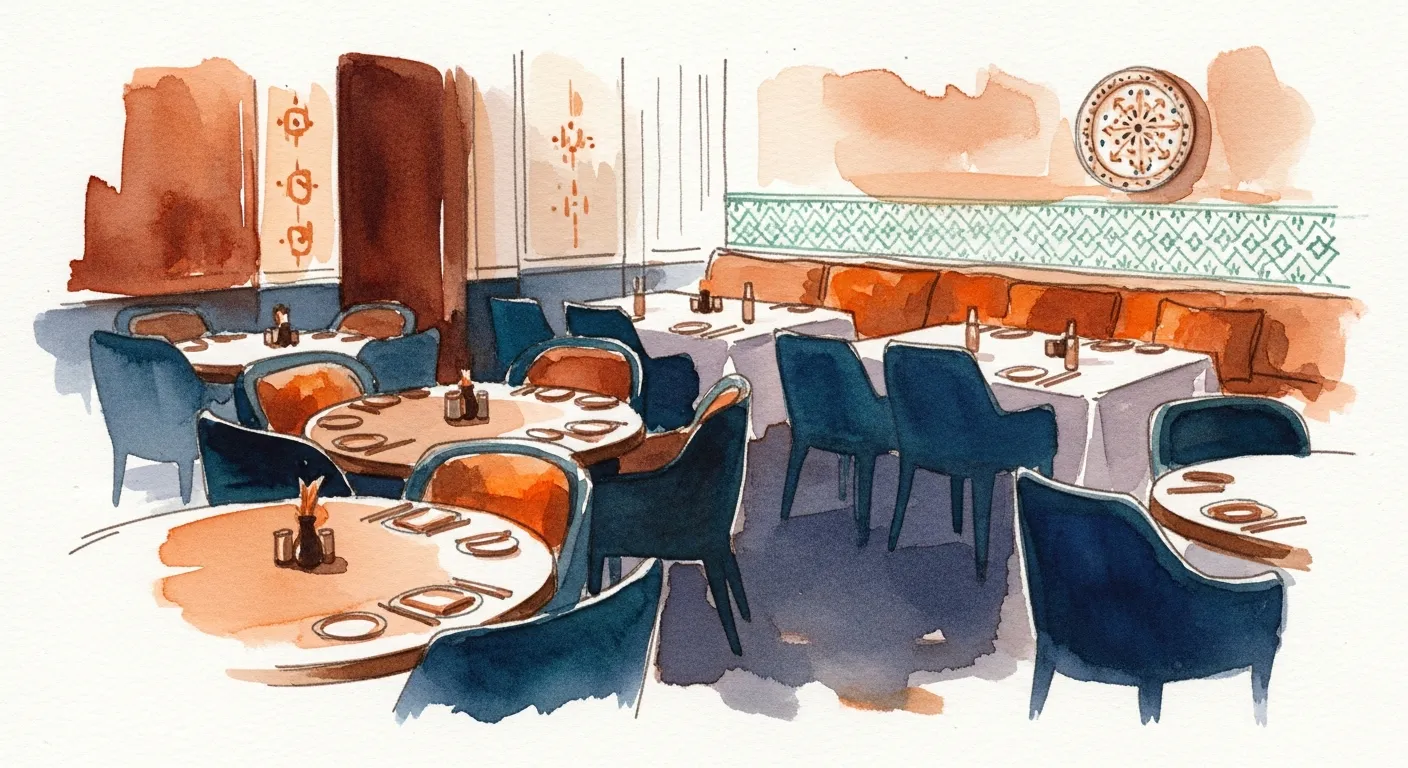
A full-service restaurant in Bandra pays rent that starts at around two lakh rupees a month for a small space and climbs fast. Add licences, staff of fifteen or twenty, electricity, gas, insurance, waste, breakage, and a chef needs to fill 40 to 60 covers a night, six nights a week, just to keep the lights on.
A supper club in a residential bungalow runs on a fraction of that. The bungalow already exists. The kitchen is smaller. The staff is four or five, sometimes fewer. There is no printed menu, no bar programme, no seven-page wine list. The chef cooks what the chef wants to cook. The guest pays a fixed fee, usually announced in advance, sometimes on Instagram, sometimes only over WhatsApp.
Indulge has tracked this shift across Indian cities, noting that pop-ups and supper clubs have become the platform ambitious chefs use to test ideas that a conventional restaurant investor would never sign off on. The clandestine dinner is not a rebellion against fine dining. It is a laboratory that fine dining pretends it does not need.
THE MENU YOU CANNOT ORDER
NDTV Food reported earlier this year that Indian diners, particularly in Mumbai, are increasingly trading crowded restaurants for private chefs and hidden-address dinners. The framing was luxury. The reality is storytelling.
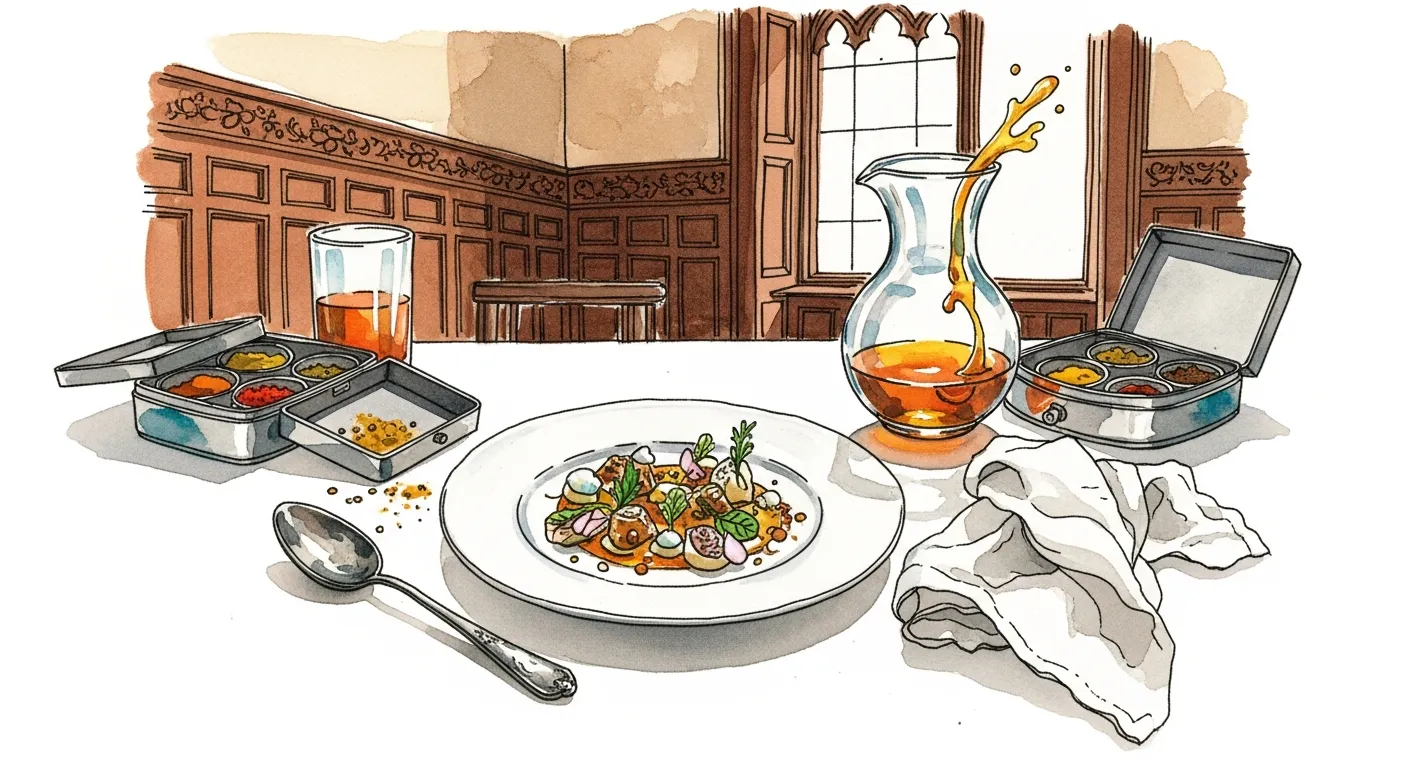
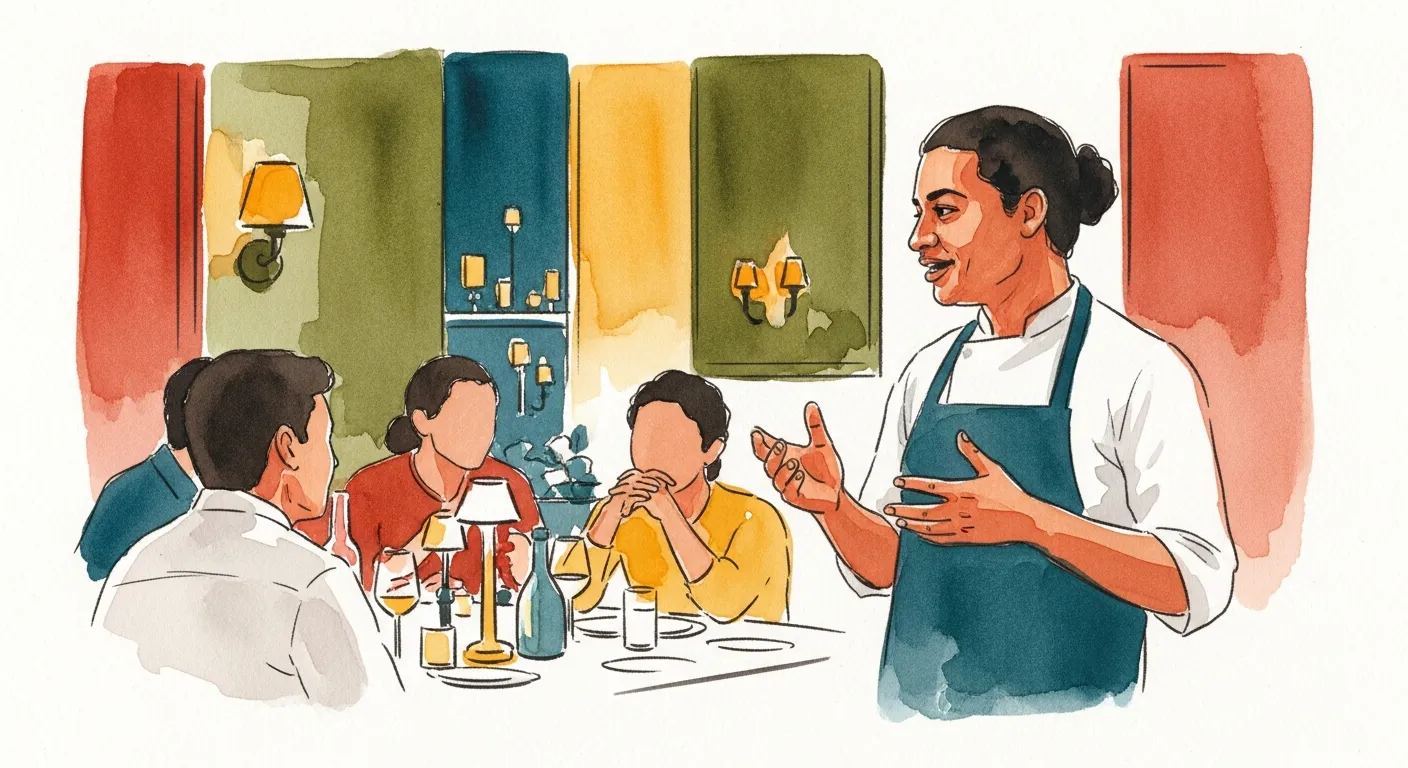
At a supper club, the chef comes out. Not for a photo op. To talk. To explain why the amuse is a fermented rice thing from a village in coastal Karnataka their grandmother is from. To tell you the fish was caught that morning off Versova by a Koli boat they know by name. To explain that the plate you are holding was thrown by a potter in Kumbharwada.
You cannot do this at 60 covers. You can barely do it at 25. At 14, it becomes the whole point.
The menus tend to be tasting formats, seasonal, roughly six to nine courses. They lean on memory and travel: a chef who spent time in Copenhagen brings back the fermenting; a chef who grew up in Mangalore brings back the neer dosa but plates it with sea buckthorn. Nothing on the menu has to defend itself against a market survey.
No focus group ever approved a good dish.
THE ARCHITECTURE OF INTIMACY
Architectural Digest India recently profiled a 2,100 square foot restaurant inside a Bandra bungalow that, in the magazine's phrasing, chose calm over noise. The design references the neighbourhood's Art Deco past, keeps the original bones, and refuses the bright-lights-loud-music formula that most new openings default to.
This is the second thing nobody talks about. The room is doing half the work.
A heritage bungalow in Bandra comes pre-loaded with atmosphere. The verandah is already charming. The tiles are already interesting. The wooden staircase is already photogenic. A chef opening a supper club in one of these houses inherits a mood that a new-build restaurant in Bandra Kurla Complex would spend two crore rupees and eighteen months trying to fake.
The bungalow is the co-chef. It plates the evening before the food arrives.
WHO GETS IN
The guest list is the quiet politics of this whole movement. Some clubs operate by application. Some by referral. Some by first-come Instagram DM on the first of the month. The Find Atelier's 25 seats on a weekend evening are gone in hours.
This is not democratic. Nobody is pretending it is. But it is also not the old fine-dining exclusivity of gold-rimmed plates and maitres d' in tuxedos. It is a newer, stranger exclusivity, built on knowing the right person, following the right account, being on the right thread.
Which is, if you think about it, exactly how Jack Kriendler ran his room in 1919.
THE LONGER GAME
Some of these supper clubs will graduate. They will find backers, take real leases, become restaurants with signboards and reservation portals and 45 covers. A few already have. The Find Atelier's founders have been open about the club being a stage, not a destination, a way to build a following and refine an idea before committing to bricks.
Others will stay small forever. Two nights a week. Fourteen chairs. A menu written on the morning of. A door that opens if your name is on the list and stays closed if it is not.
Both outcomes are wins. The supper club is not competing with the restaurant. It is feeding it, testing it, teaching it what the guest actually wants when the guest is not being sold to.
A hundred years ago, a door with no sign meant the law was watching. In Bandra, in 2026, a door with no sign means the chef is finally not.
Field Notes
Quick referenceThe Find Atelier runs out of a 140-year-old restored bungalow in Bandra. No signboard. You find it because someone tells you.
A small Bandra restaurant space starts at two lakh rupees a month in rent alone. A supper club in a bungalow already sidesteps that entire calculation.
Six to nine courses, tasting-only, no a la carte. The menu is written by what arrived at the market that morning, not by what a focus group approved last quarter.
The Find Atelier opens two nights a week. Its 25 seats are gone within hours of the slot going live.
Jack Kriendler's speakeasy operated on referral and a slot in the door. Bandra's supper clubs operate on Instagram DMs and a WhatsApp thread. Same system. Different century.
Get the next story first
Join the Bhukkads. Free, no spam, just stories.
Takes 30 seconds.