The Weekend Mumbai Forgot Was a Ritual
A monsoon pier festival, a blind coffee tasting in Khar, a Korean carnival at Kurla, and the Sunday buffet that still runs a live band past three. Two days. One city. A schedule that assumes you know what you're doing.
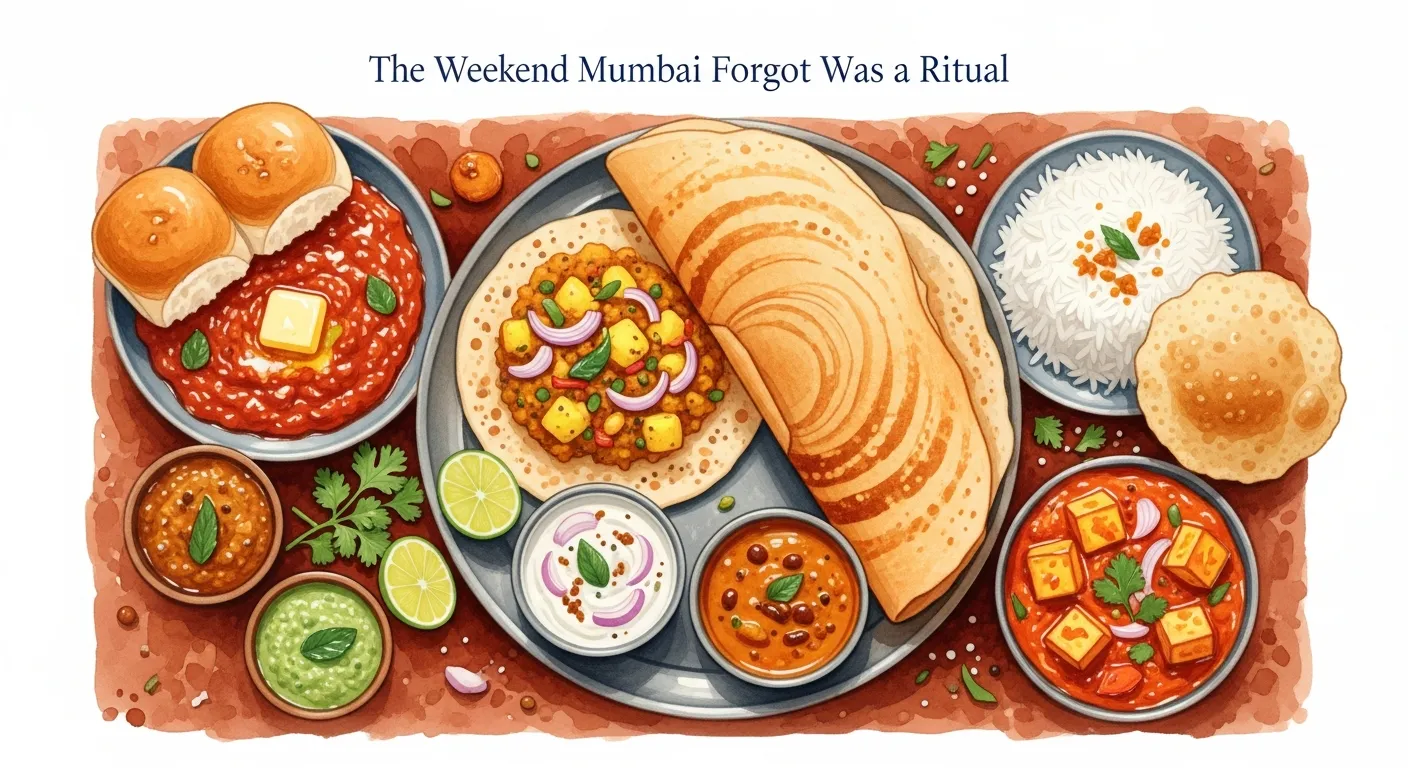
Generated by Imagen 4
In 1843, a British civil servant named George Buist arrived in Bombay to edit the Bombay Times. He wrote, in a letter home, that the city had no idea what to do with a Sunday. The English had brought the concept of the day off. The Parsis, the Bohras, the Kolis, the Marathis, the Gujaratis, and the six other communities running the port each had their own weekly rhythm, and none of them agreed with the calendar the Company had printed. Sunday, in 1843 Bombay, was a suggestion. Everybody worked through it. Everybody ate through it.
One hundred and eighty-three years later, the city has finally decided what Sunday is for.
It is for eating.
THE FESTIVAL THAT REMEMBERED THE MONSOON
Ballard Pier was built in 1914 as a passenger terminal for the P&O steamships that brought civil servants and their wives from Southampton to a city they had been briefed on but not warned about. The pier was designed for arrivals. For most of the twentieth century, that is what it did. Then the ships stopped coming. The pier went quiet. The godowns behind it turned into storage for things nobody was in a hurry to move.
This July, the pier is doing something it has not done in a hundred years. It is throwing a party.
Pier Pop at Ballard is a month-long monsoon festival running until July 23 at the Ballard Pier Downtown Experience Centre. Food pop-ups. Curated shopping. Live music. It runs through the weekend and does not pretend to be anything other than what it is, which is an argument that the monsoon is the best time to be outdoors in this city if you know where to stand.
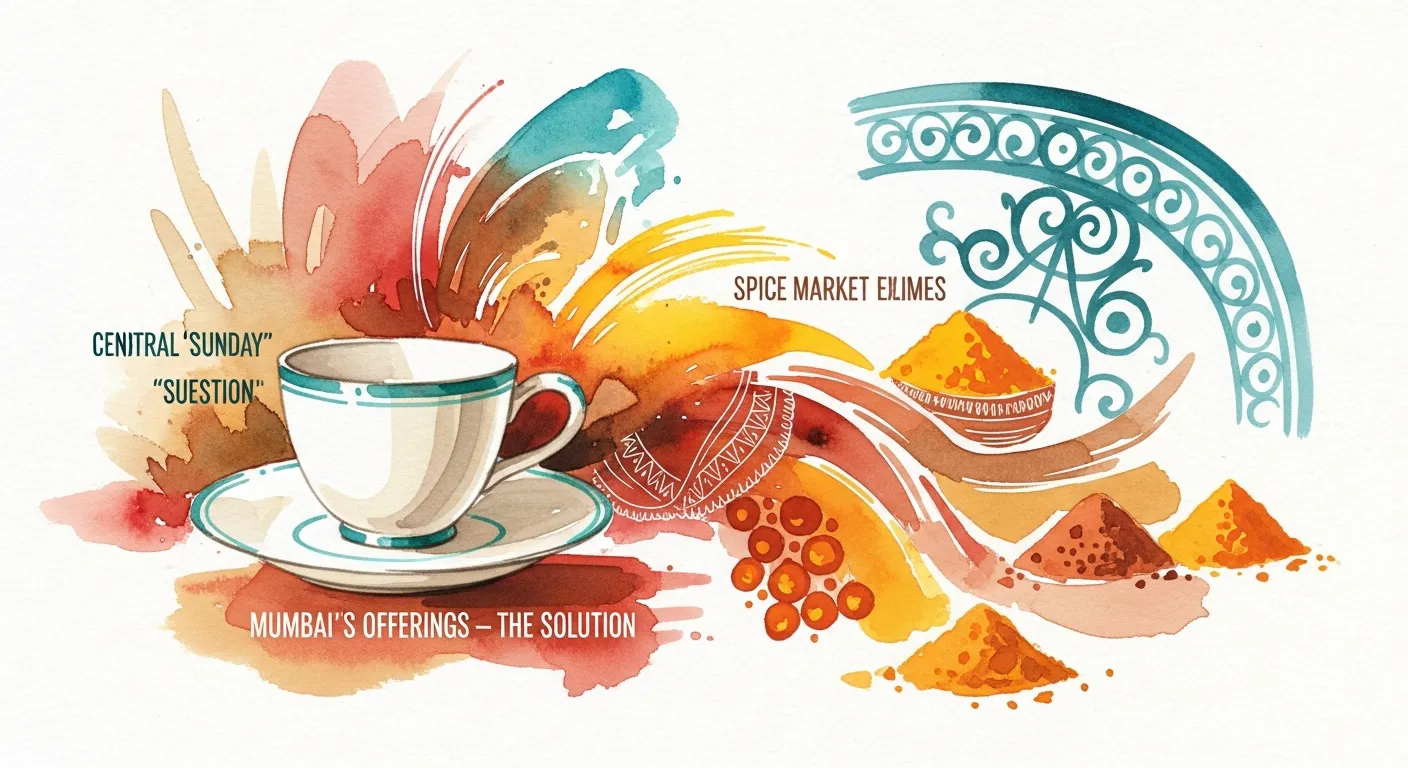
The rest of India runs from the rain. Bombay built a festival around it.
THE COFFEE THAT ASKS YOU NOT TO LOOK
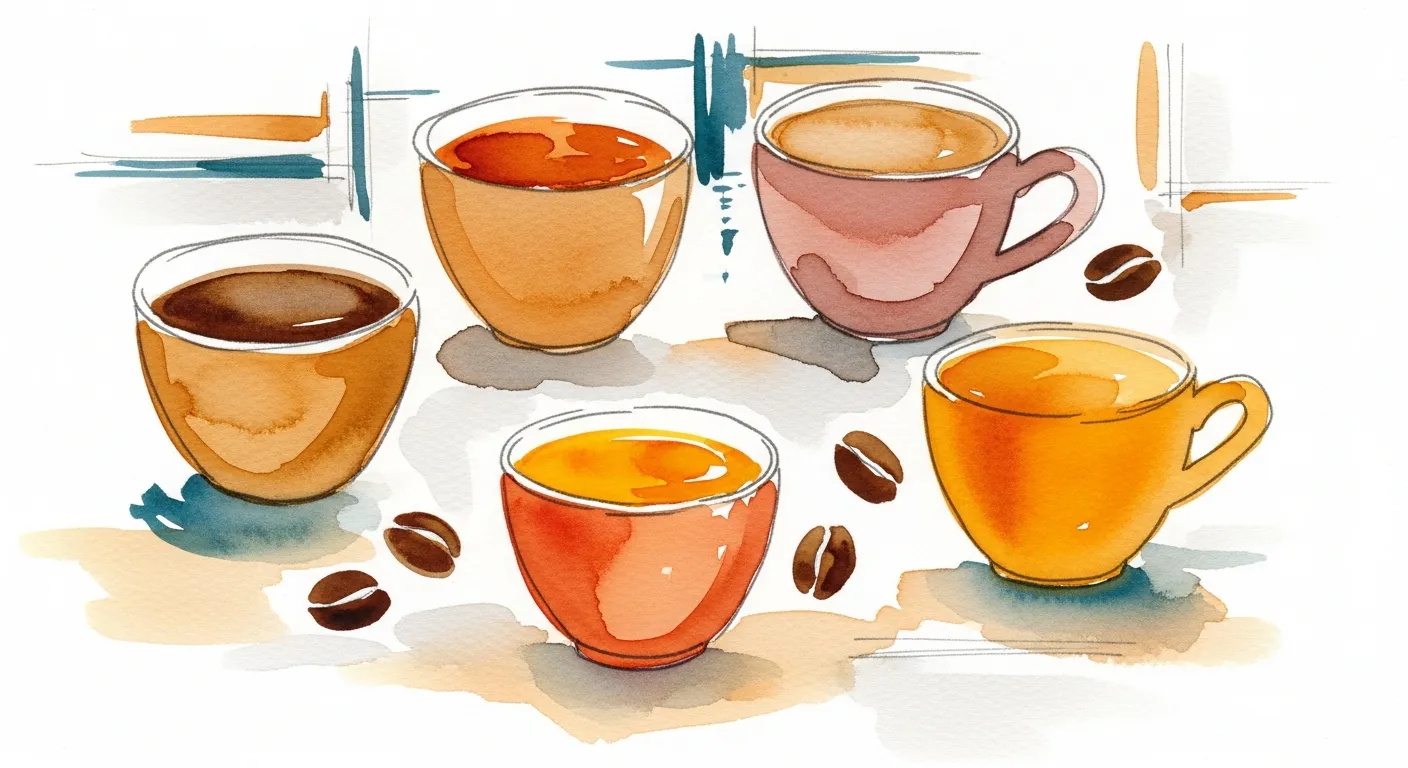
On Saturday, July 4, a cafe in Khar called Blondie is running an event called A Blind Date With Coffee. The premise is simple and slightly cruel. You are handed cups. You are not told what is in them. You taste. You guess. You pair. By the end of the afternoon, you have either discovered that your palate is sharper than you thought or that the last five years of ordering flat whites at chains have flattened your ability to distinguish an Ethiopian Yirgacheffe from a Kodagu robusta.
This is the part nobody talks about. Mumbai's specialty coffee scene, the one you read about in Sunday supplements, has spent the last decade telling you what to drink. Blondie's Saturday event is the first time in a while that a room full of coffee people has admitted that the customer might know something the barista does not.
The blind tasting is not a trick. It is an audit.
THE KOREAN CARNIVAL AT KURLA
The following weekend, on July 11 and 12, Curly Tales K-Food Carnival is bringing a taste of Korea to Phoenix Marketcity, Kurla, at Dublin Square from 4 PM to 10 PM. The two-day festival will feature over 20 stalls serving authentic Korean street food, desserts, beverages, and K-culture-inspired brands.
The interesting number here is not twenty. It is Kurla.
For thirty years, the Korean food conversation in Mumbai lived inside two hotels in Powai and one restaurant in Bandra. It was expensive. It was formal. You made a reservation. In 2026, the conversation has moved to a mall in the eastern suburbs, in an open square, at street food prices, on a weekend when the rain is doing half the ambience. The Korean wave did not arrive in Mumbai. It filtered through Kurla's chai stalls and Powai's tuition classes and finally settled in the one format the city actually respects, which is a stall with a queue.
THE SUNDAY THAT NEVER STOPPED
Restaurants for Kings put it plainly. "Mumbai treats Sunday brunch as a city-wide ritual, and it happens on two fronts."
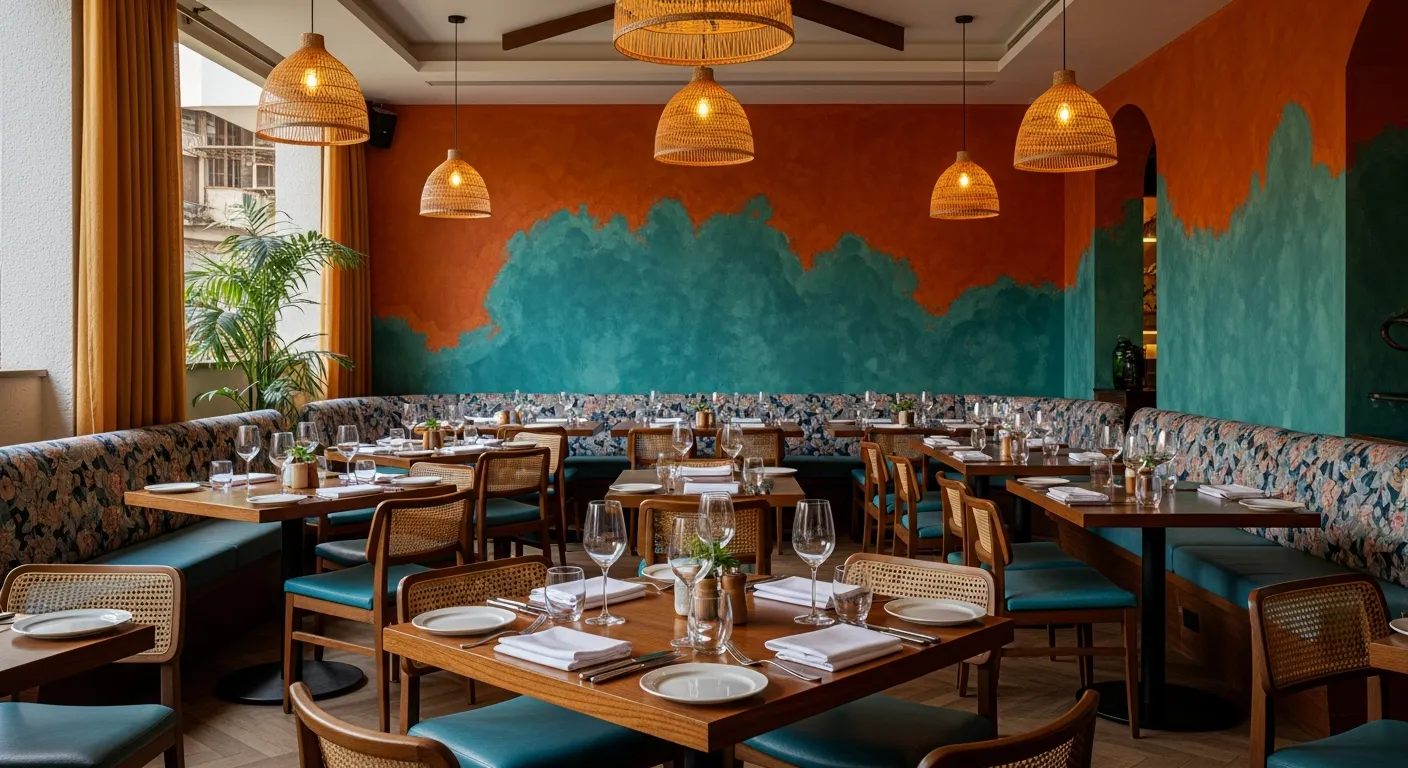
The first front is the hotel buffet. The most-loved version, by their reckoning, is the beachside seafood spread at JW Marriott's Lotus Cafe in Juhu, where lobster, tiger prawns and oysters fill the bar and a live band plays through to mid-afternoon. Around Rs. 2,900 per person plus taxes, without alcohol. The band does not stop until the last table has stopped ordering.
The second front is the standalone. The Table in Colaba, Rs. 2,500 to Rs. 3,500 per person, a la carte, no buffet, no band. You order what you want. You stay as long as you want. The bill is negotiable in the sense that you decide how much of it you build.
The buffet is a monument. The a la carte is a conversation. Mumbai is the only Indian city that runs both formats at the same volume on the same day.
THE SUNDAY MORNING THAT PLAYS BEFORE NOON
On Sunday, July 6, a place in Lower Parel called Late Checkout is running an event called SoundRise Sunday: Toast & Tunes. Live independent music. An a la carte brunch. Complimentary mocktails. The show starts before noon, which is the interesting part.
Mumbai's live music brunch has, for most of the last fifteen years, started at 1 PM and run to 4 PM because that is when the industry decided people were awake. Late Checkout has moved the clock back two hours. The bet is that a certain kind of Mumbai listener, the one who has spent the last decade in indie venues in Bandra and Andheri, will show up at eleven on a Sunday for coffee, eggs, and a set from a band they have not heard of yet.
The eleven AM set is the only honest set. Everybody in the room is sober. Everybody in the room chose to be there.
THE TOUR THAT NEVER GOES OUT OF SEASON
And then there is the street food walk. The format has not changed in thirty years. You meet a guide at Chowpatty at seven in the evening. You eat pani puri on the beach. You walk to Mohammed Ali Road. You eat baida roti and seekh and phirni and a dozen other things you did not know you had room for. You end at a chai stall somewhere near Bhendi Bazaar. You pay somewhere between Rs. 1,500 and Rs. 3,000 depending on the operator.
The Viator-listed operators run these walks every weekend, rain or shine, monsoon or October heat. The route is the route. The dishes are the dishes. What changes is the guide, and the best ones are not the ones with the sharpest patter but the ones who know which stall at Mohammed Ali Road has changed its oil that week.
This is the walk that outlasts every festival on this list. Pier Pop will close on July 23. The K-Food Carnival will pack up on July 12. Blondie's blind tasting is a Saturday afternoon. The street food walk was running before any of these events were conceived, and it will be running long after they wrap up.
THE WEEKEND, ASSEMBLED
Here is what a serious weekend looks like in Mumbai this July.
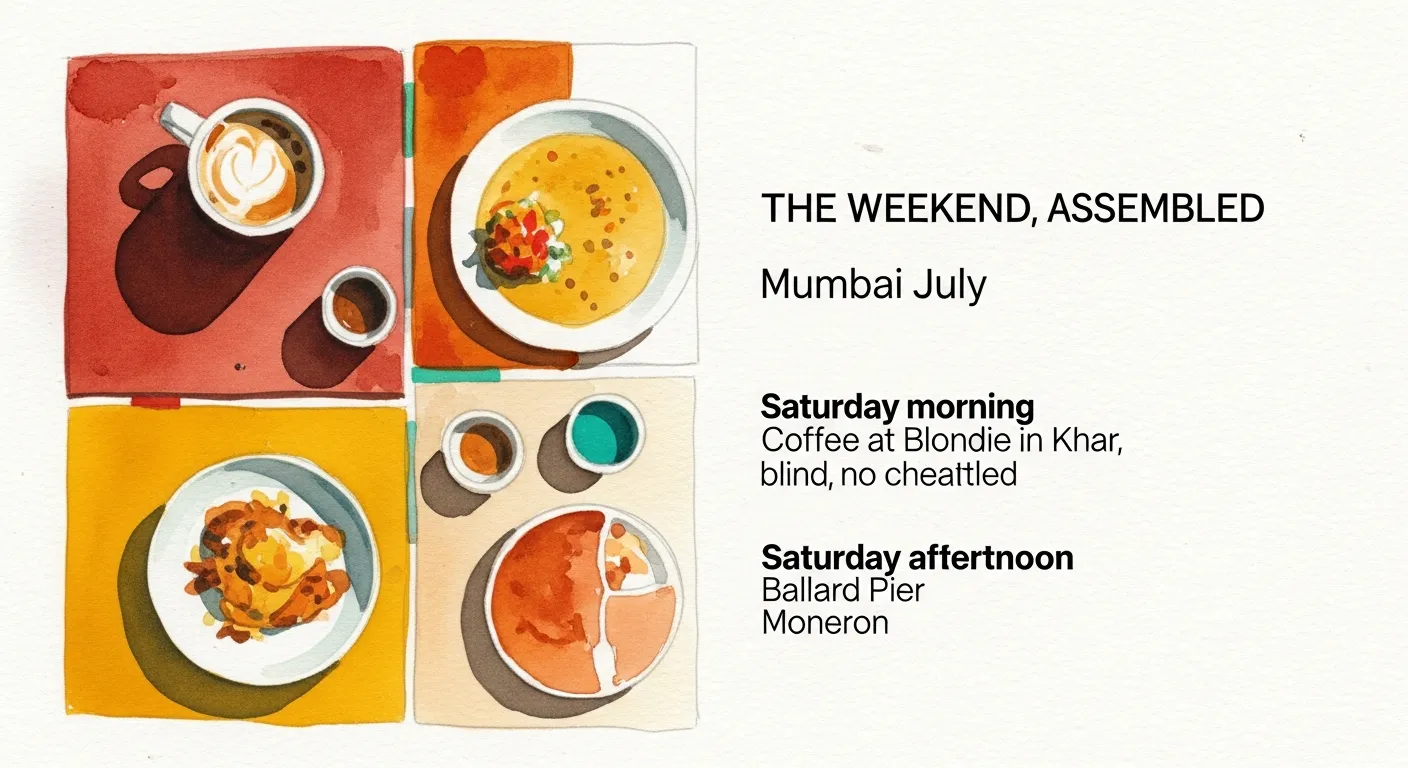
Saturday morning: coffee at Blondie in Khar, blind, no cheating. Saturday afternoon: Ballard Pier, the monsoon festival, a slow lunch from whichever pop-up has the shortest queue. Saturday evening: a street food walk through Mohammed Ali Road, because the rain makes the fried things taste sharper. Sunday morning: SoundRise at Late Checkout, eleven AM, eggs and a band. Sunday afternoon: the Lotus Cafe buffet at JW Marriott, if you have the appetite and the budget, or The Table at Colaba if you want to eat like an adult. Sunday evening: nothing. You have earned the couch.
The city that could not decide what Sunday was for in 1843 has, in 2026, decided that Sunday is for everything, in sequence, without apology.
George Buist would have hated it.
He would have shown up anyway.
Field Notes
Quick referenceBallard Pier's month-long monsoon festival runs until July 23. A passenger terminal built in 1914, now throwing the party it never had.
Blondie in Khar, Saturday July 4. Cups handed to you. No labels. No hints. Your palate against five years of chain flat whites.
Over 20 Korean street food stalls at Phoenix Marketcity, July 11-12, 4 PM to 10 PM. The Korean wave did not arrive in Mumbai. It settled in Kurla.
JW Marriott Lotus Cafe, Juhu: Rs. 2,900 plus taxes per person, live band till mid-afternoon. The Table, Colaba: Rs. 2,500 to 3,500, a la carte, no band, no clock.
Chowpatty to Mohammed Ali Road to Bhendi Bazaar. Thirty years, same route, same dishes. The guide who knows which stall changed its oil that week is the one worth paying for.
Get the next story first
Join the Bhukkads. Free, no spam, just stories.
Takes 30 seconds.