The Mill That Ate the Restaurant
Lower Parel's textile floors are being sliced into 20-seat rooms. The fine-dining playbook is quietly being rewritten.
Generated by Imagen 4
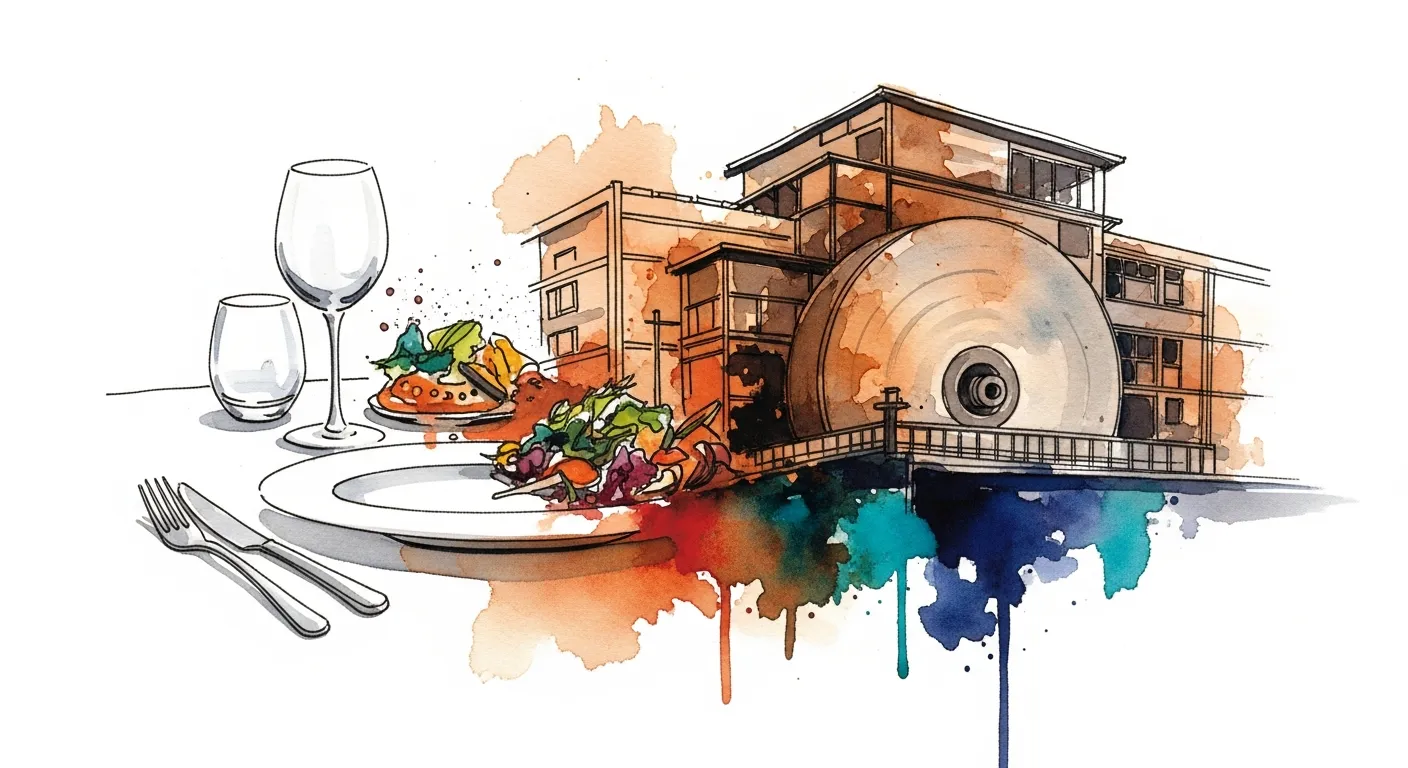
In 1982, Datta Samant led a strike of over 250,000 textile workers across Bombay's mills. The mills never fully recovered. By the late 1990s, the compounds at Lower Parel, Elphinstone, and Currey Road stood mostly quiet, their looms sold for scrap, their chimneys leaking rust.
What replaced them was not another industry. It was real estate. Kamala Mills. Phoenix Mills. Todi Mills. Mathuradas Mills. The old floors were carved into offices, ad agencies, nightclubs, and eventually, restaurants. The corporates arrived. The lunch crowds followed.
And then, quietly, the room got smaller.
THE ROOM GOT SMALLER
For about fifteen years, the Lower Parel formula was fixed. You took a 4,000 to 6,000 square foot slab in a converted mill, hired an architect from Bandra, put a hundred covers on the floor, and ran a menu long enough to feed a bank's leadership offsite. The bill averages sat at four to six thousand a head. The economics assumed volume.
The formula is under pressure. Not from a new fine-dining giant. From rooms that seat twenty.
The chef's table pop-up is doing to Lower Parel what the mill closures did to the neighbourhood: quietly rewriting what the space is for.
WHAT NOBODY TALKS ABOUT
Everyone talks about the big openings. INKA by Bastian launching its luxury lunch program at Peninsula Corporate Park. Luna Et Sol installing its projected shifting skies and cosmic cocktails a few blocks away, pulling Instagram reels by the thousand. These are the marquee moves.
Nobody talks about the rooms above them. The mezzanines, the studio floors, the converted warehouse corners that host a single seating of eighteen people on a Friday night, book out in ninety seconds on a Sunday morning drop, and then vanish for a month.
A restaurant needs footfall. A pop-up needs a phone number.
The pop-up doesn't compete on volume. It competes on scarcity. And in a neighbourhood where the corporate expense account funded the last two decades of dining, scarcity is the new luxury.
THE MATHS OF TWENTY SEATS
Here is why the model works.
A fine-dining room in Kamala Mills carries rent that sits somewhere between fifteen and thirty lakh a month, depending on the compound and the frontage. Add a full kitchen brigade, a floor team of twelve to fifteen, a beverage license, and a marketing spend to keep the room full six nights a week. The break-even is unforgiving.
A chef's table pop-up runs on a fraction of this. A shared kitchen, sometimes borrowed from an existing restaurant on its off-day. A single seating. No printed menu. No walk-ins. The chef cooks what the chef wants to cook. The diner pays four to eight thousand for the privilege of not choosing.
The overhead is a WhatsApp group. The marketing is a waitlist.
And the diner, crucially, is not the same diner who was going to Bastian on a Saturday. This is a different customer. Younger. Curious. Willing to sit through a nine-course tasting of fermented Himalayan produce or a single-ingredient deep dive into Kerala pepper.
THE SHAPESHIFTERS
The pop-up isn't always in a kitchen. Nilaya Anthology, the design gallery, has been hosting community dinner parties, art pop-ups, and theatre performances in the same room where you were looking at furniture the day before. The Nod Mag called these shapeshifting venues, spaces where the function changes by the evening.
This is the cultural shift underneath the economic one. The gallery becomes a dining room. The dining room becomes a listening bar. The listening bar hosts a chef from Nagaland on a two-night residency.
The diner isn't paying for a restaurant anymore. The diner is paying for an evening.
The gallery is not just for art. The restaurant is not just for food.
THE CLOUD KITCHEN INVERSION
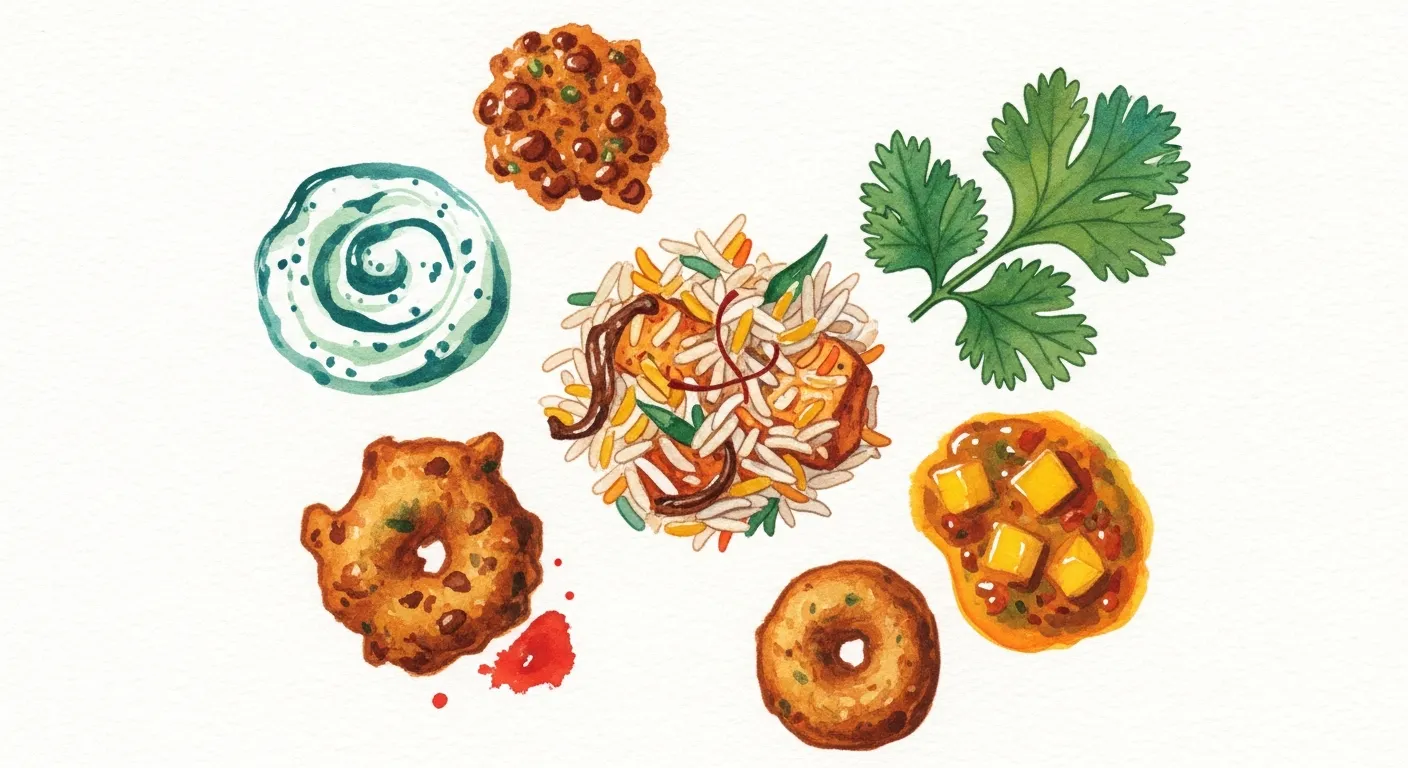
The other quiet rewrite is happening at the other end. Lil Gamby, which started as a cloud kitchen, opened its flagship dine-in in Lower Parel, running the traditional restaurant playbook in reverse. Start with zero overhead, build the audience on delivery, then invest in a physical room only once the numbers demand it.
This is the opposite of how Bastian, or Masque, or the older Lower Parel operators built their businesses. They opened big and hoped the audience would come. The new operators build the audience first and open small when it does.
Either way, the middle is getting squeezed. The 100-cover, 6,000 square foot, all-day-menu fine-dining room is the format under the most pressure. Too big to be intimate, too expensive to be casual, too broad to be a destination.
WHAT THE DINER LEARNED
The more interesting shift is on the plate. The Lower Parel corporate crowd of 2015 wanted a familiar menu with premium ingredients. Truffle risotto. Lobster thermidor. A wine list they could pronounce.
The Lower Parel diner of 2026 sits through a nine-course menu built around a single fisherman's catch from Ratnagiri that morning, or a residency by a chef who cooks only Bohri food, or a dinner where the entire meal is built around one grain of Manipuri black rice.
The palate broadened because the room shrank.
A hundred-cover restaurant cannot afford to be niche. A twenty-seat pop-up cannot afford to be broad. The economics of scale forced the old rooms into the middle of the menu. The economics of scarcity push the new rooms to the edges of it. And the edges are where the interesting food lives.
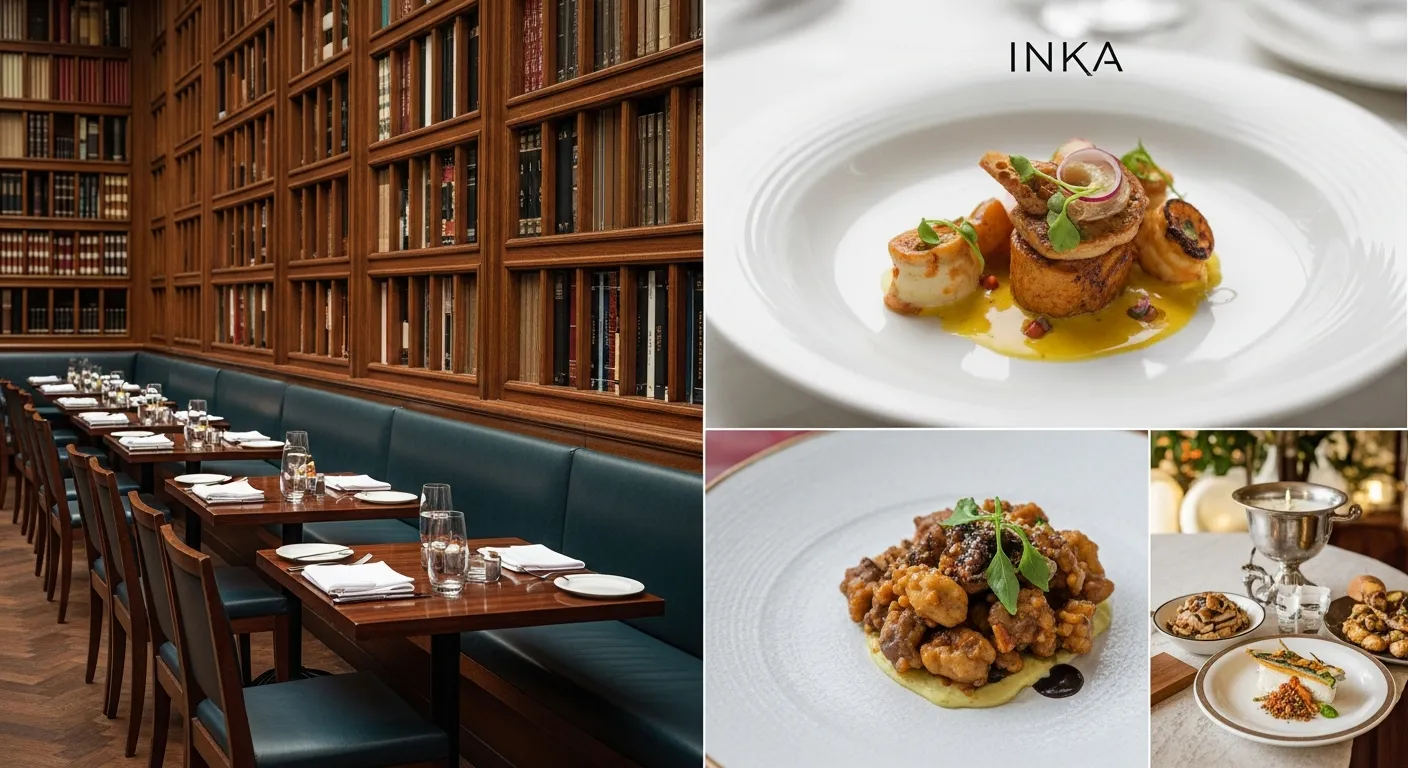
THE ESTABLISHED RESTAURANTS ARE ADAPTING
The old operators are not standing still. INKA's luxury lunch program is a direct response, carving out a smaller, more curated slice of its day for the executive crowd at Peninsula Corporate Park. Sahib Room at St. Regis is running Awadhi residencies. Bastian itself has been segmenting its own room into experiences within an experience.
The playbook now is not one restaurant, one menu. It is one address, five formats. Lunch is a corporate program. Wednesday is a chef's residency. Friday is the main service. Sunday is a tasting. The room stays the same. The evening changes.
This is how the fine-dining giants survive the pop-up. They become the pop-up.
THE MILL FLOOR, AGAIN
Walk through Kamala Mills on a Thursday night now and you'll see it. The big rooms are still there, full, doing their job. But behind an unmarked door on the second floor, eighteen people are sitting around a communal table eating a menu that will never be served again. The chef, who does not own the kitchen, is cooking food he learned from his grandmother in a village most of the diners cannot place on a map.
He made the booking list on Instagram. He collected the payment on UPI. He paid the kitchen a per-cover rental. He'll do it again next month, in a different room, in a different mill.
The looms are long gone. The floor is still working.
Field Notes
Quick referenceDatta Samant's 1982 textile strike brought out over 250,000 Bombay mill workers. The mills never reopened at scale.
Kamala Mills. Phoenix Mills. Todi Mills. Mathuradas Mills. Every compound a different era of the same conversion story.
Rent at Kamala Mills: fifteen to thirty lakh a month. A pop-up's marketing budget: one Instagram drop and a waitlist.
One address, five formats. Lunch is corporate. Wednesday is a residency. Sunday is a tasting. The room stays the same. The evening changes.
Lil Gamby built its audience on delivery, then opened a physical room only once the numbers demanded it. The old operators did it the other way around.
Get the next story first
Join the Bhukkads. Free, no spam, just stories.
Takes 30 seconds.