The Kitchen Without a Dining Room
A 300-square-foot room in Versova, no signboard, no waiters, no rent that would close a restaurant. The economics of dinner just got rewritten on a service road behind Yari Road.
Generated by Imagen 4
In 1762, a Frenchman named Mathurin Roze de Chantoiseau printed a pamphlet in Paris listing the addresses of men who sold something called restaurants. The word did not mean a place. It meant a thing. A restorative broth, sold by the bowl, to people too unwell to cook. The room you ate it in was an afterthought. The broth was the business.
It took roughly thirty years for the room to overtake the broth in importance. By the 1790s, after the French Revolution emptied aristocratic kitchens and put their cooks on the street, the restaurant became what we now recognise: a fixed address with a dining room, a menu, a maitre d', and a rent.
The rent is the part nobody questioned for two hundred and thirty years. Until Versova.
THE NUMBER THAT BROKE THE MODEL
A 3,300 square foot commercial space in Versova currently lists at ₹3.35 lakh per month. A smaller shop, the kind you would actually use to open a 24-seater, starts at ₹80,000. Add deposit at ten months. Add a CAM charge. Add the licenses, the FSSAI registration, the fire NOC, the eating house license from the Mumbai Police, the shop and establishment, the music license if you want a speaker, the excise if you want anything stronger than nimbu paani.
Before you have cooked one plate of food, you are eighteen lakh rupees in. Before you have served one customer, your monthly burn is north of five lakhs.
This is the math that has, for thirty years, decided what Versova eats. It is why the strip from Yari Road to Seven Bungalows has, until recently, served roughly the same six cuisines on a loop. North Indian. Continental. A Chinese that is not Chinese. A pizza. A biryani counter. A juice bar that closes by ten.

The menu of a neighbourhood is decided by the rent of its shopfronts, not the taste of its eaters.
THE QUIET REWRITE
Nobody talks about the back lanes. Everybody talks about the openings.
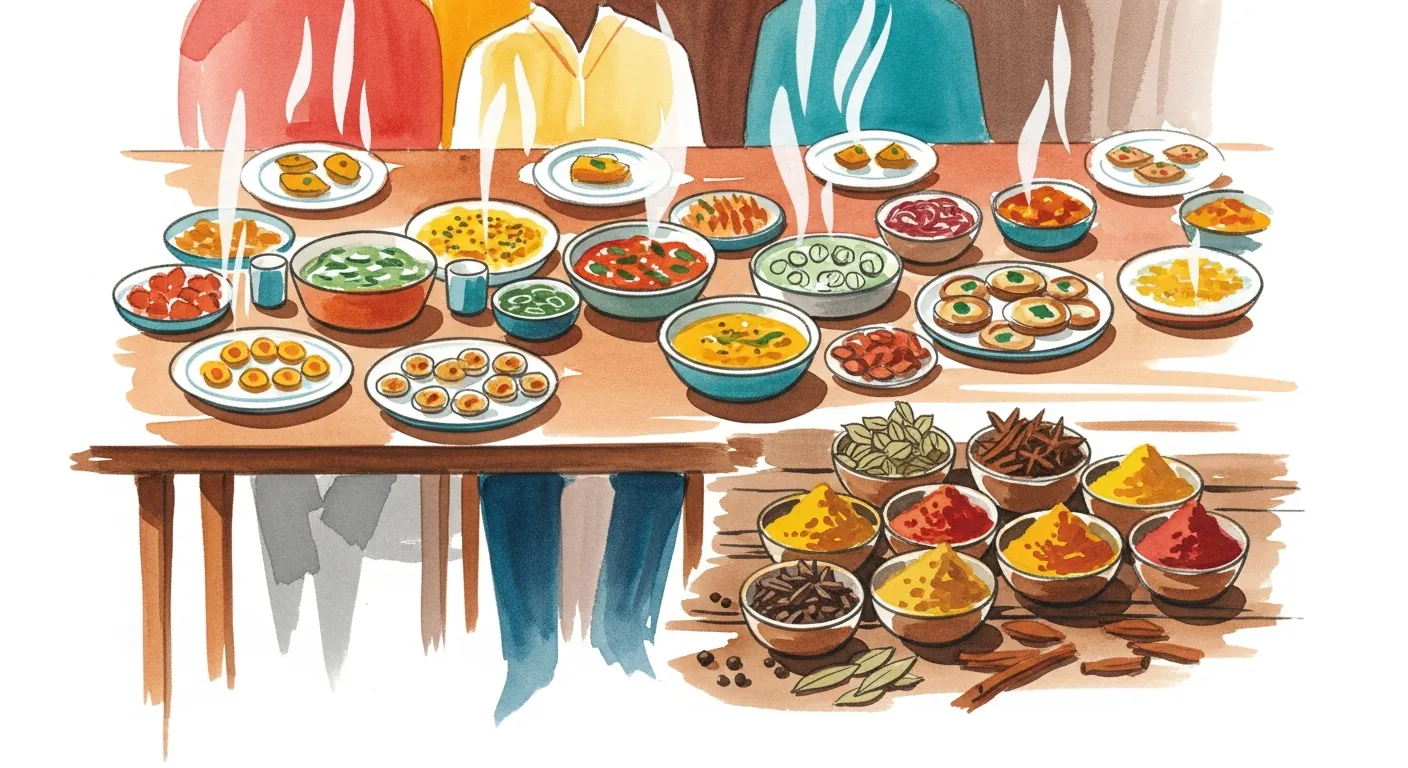
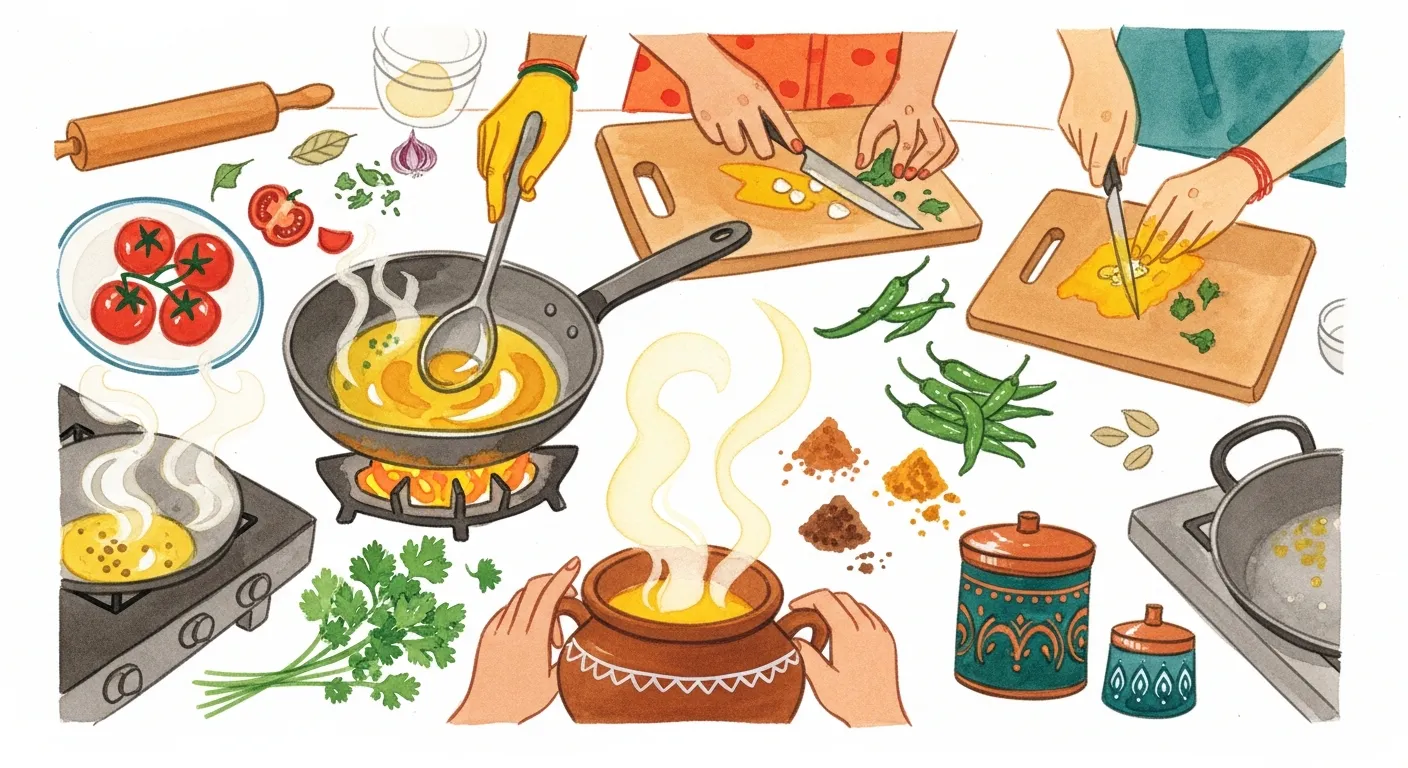
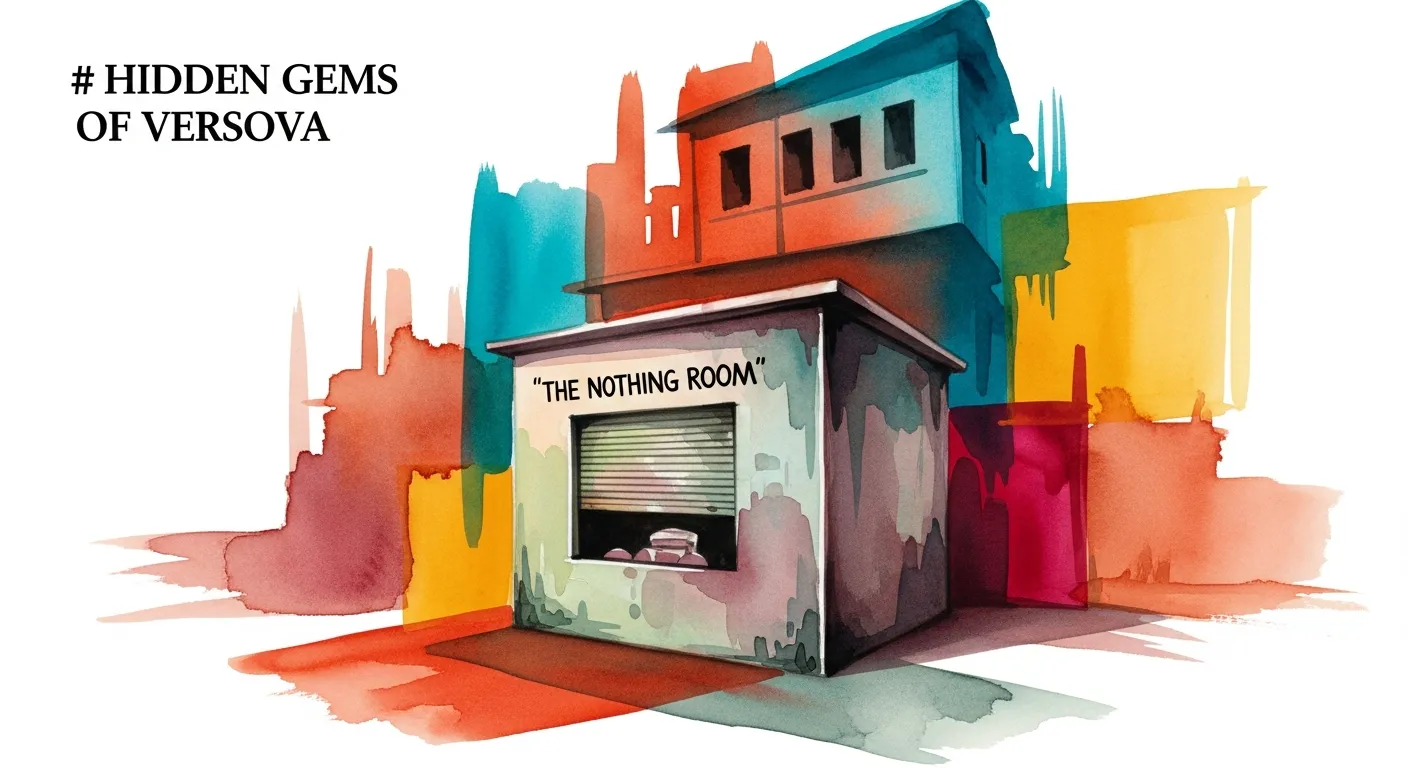
Behind the main road, in the service lanes between Versova and Aram Nagar, there are rooms that look like nothing. No signboard. No customer entrance worth mentioning. A roller shutter, a delivery rider waiting on a bike, a chimney venting into a back alley. These rooms are 300 to 600 square feet. They cost a fraction of the shopfronts. They cook food that ends up on tables across half the western suburbs.
The technical name is shared commercial kitchen. The operators call them cloud kitchens. The chefs who rent them call them, with the affection of people who have escaped something, the space.
Providers like Speed Kitchen have built their entire pitch around the math: ready-to-move-in, delivery-first kitchens on a revenue-share model, low capex, low opex, 24x7 operational support. Translation: you do not buy the equipment. You do not sign a ten-month deposit. You do not negotiate with a landlord who has never cooked a meal in his life. You walk in with a recipe and a brand name and you start the next morning.
The dining room was the most expensive room in the restaurant. So they took it out.
WHAT THIS DOES TO A MENU
This is where it gets interesting. Because the moment you remove the rent of the dining room, you also remove the logic of the menu that was built to fill it.
A restaurant with a 24-seat dining room needs to please 24 people at a time. The menu, by necessity, drifts toward the average. Some North Indian, in case the family wants dal. Some pasta, in case the kid won't eat anything else. Some sizzlers, because somebody at table four always orders sizzlers. The cuisine gets sanded down until it can survive every table.
A delivery-only kitchen in a shared space is doing the opposite arithmetic. It needs to find 40 people across the western suburbs who specifically want one thing. Not 24 average eaters. Forty specific ones. The menu can be narrow because the catchment is wide. Bandra to Malad. Two hours of delivery radius. Roughly four lakh households on the apps.
This is the math that has, in the last three years, allowed Versova to quietly grow kitchens dedicated to single regional cuisines. Mangalorean. Andhra. Naga. Bohri. Chettinad. Awadhi-only, not Mughlai-and-Awadhi. The kind of focus that a brick-and-mortar in Versova could not afford to commit to, because the dining room would not let it.
THE BUDGET FLOOR
What the apps did not break, the shared kitchens did. M&M's Cloud Kitchen in Versova serves North Indian, Mughlai, and biryani at roughly ₹500 for two. A meal for two, delivered, for less than a single cocktail at a Bandra bar.
This is not a price a restaurant with a dining room can offer. Not in this postcode. The rent will not allow it. The waiters will not allow it. The cost of breakage, the cost of the AC running for eight hours, the cost of the bouncer at the door on a Friday night, none of it will allow it.
The most expensive thing in Indian restaurant food is not the ingredient. It is the chair you sit in to eat it.
THE POP-UP, AND WHY IT MATTERS
The shared kitchen is the infrastructure. The pop-up is the culture that sits on top of it.
Industry observers have noted that the pop-up format lets chefs test new ideas, concepts, themes, and cuisines with minimal investment and without the long-term overheads of a full-scale outlet. India Today has written about how the format democratises dining, lets chefs reach new audiences with diverse cuisines, and offers experiences without fixed addresses.
What this means in Versova, on the ground, is this: a chef who has spent ten years in a five-star kitchen cooking somebody else's menu can now, on a Saturday, rent a shared kitchen for eight hours, post on Instagram, take twenty orders for a Coorgi pandi curry thali, cook it, ship it, and clear thirty thousand rupees by Sunday morning.
No lease. No license in their own name. No staff on a payroll. The kitchen has the FSSAI. The kitchen has the gas line. The chef brings the recipe and the audience.

This is not a side hustle. This is, increasingly, a primary career. The chef who would once have spent three years saving up to open a 30-seater is now, in 2026, spending three months building an Instagram following and three weekends a month cooking out of a service lane.
THE PEOPLE WHO CARRY THE SHIFT
This is the part of the story that the breathless coverage of the cloud kitchen revolution tends to skip.
The waiter absorbs it. The dishwasher absorbs it. The 19-year-old from Sitamarhi who came to Mumbai to work the floor at a mid-tier restaurant on Yari Road and is now finding that the mid-tier restaurant on Yari Road has shuttered because half its delivery orders migrated to a kitchen with no waiters at all. Delivery riders, the ones on the bikes outside the roller shutters, are doing more trips for less margin. The economics moved. The labour absorbed the shift.
A restaurant employs, on average, roughly one person per two seats. A cloud kitchen of equivalent revenue employs a third of that.
This is not an argument against the format. It is just an observation about who carries the cost of the rewrite.
THE NEIGHBOURHOOD AS BACKLOT
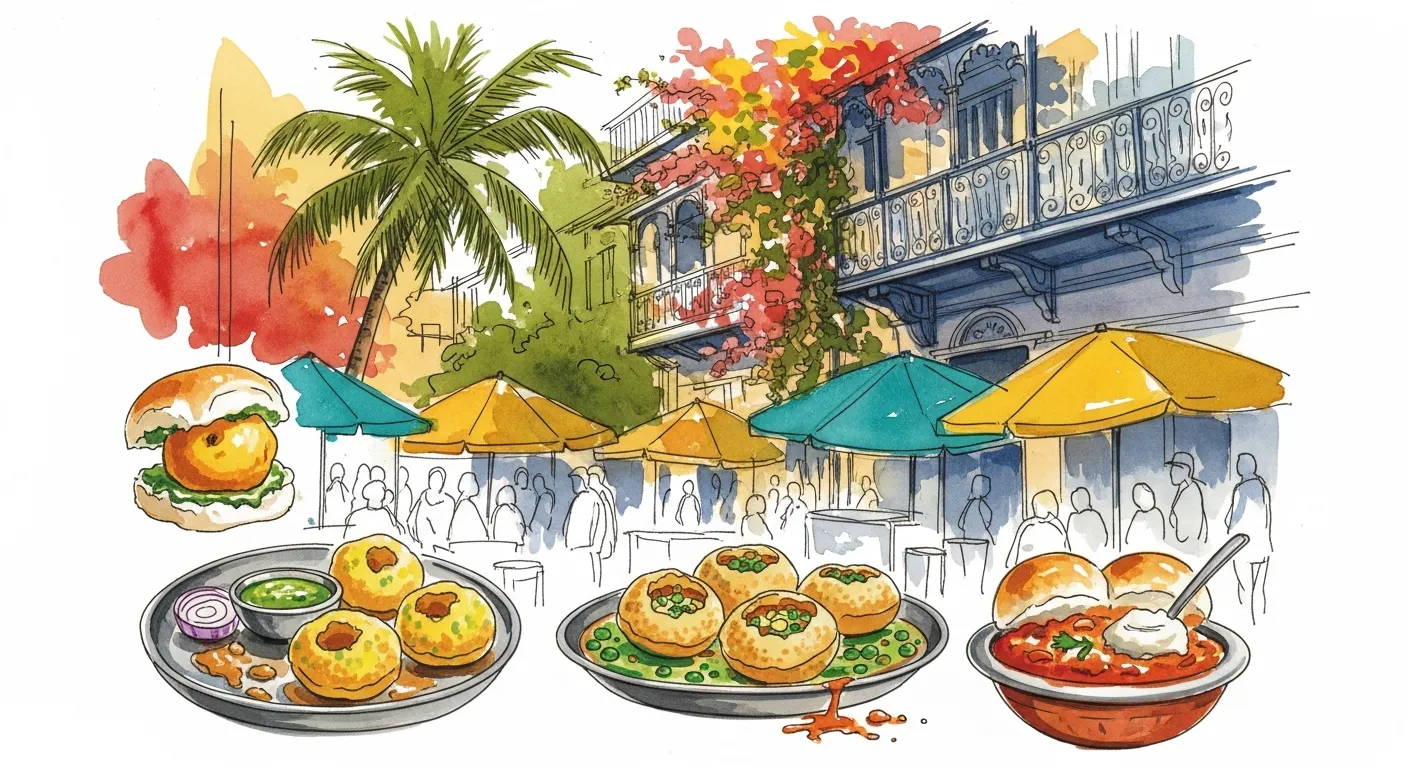
Versova was always the suburb that played itself. The film industry rents flats here. The casting offices sit above the dry cleaners. The strip is half-actor, half-crew, half-everybody-who-services-them. The food economy was built to feed shoots. Two-AM biryani. Five-AM omelette. The kind of demand that did not care what the dining room looked like because nobody was eating in the dining room anyway.
Which is why, of all the neighbourhoods in Mumbai, this is the one where the shared kitchen model fits the existing behaviour like a glove. The customer was already ordering in. The kitchens just acknowledged it and built accordingly.
The shopfronts on the main road still exist. The signboards are still lit. But the kitchen that cooked your dinner tonight is more likely to be in a lane you have never walked down, in a room you would not recognise as a restaurant, run by a chef whose name you found on Instagram and whose face you will probably never see.
The broth came back. The dining room went quiet.
Field Notes
Quick referenceThe word 'restaurant' originally meant a restorative broth, not a room. Mathurin Roze de Chantoiseau first listed them in a Paris pamphlet in 1762.
A 24-seater in Versova: ₹80,000/month rent, ten-month deposit, plus licenses. You're eighteen lakh rupees in before a single plate leaves the kitchen.
Bandra to Malad. Roughly four lakh households on the apps. That's the catchment a cloud kitchen in a Versova service lane can reach in two hours.
A restaurant averages one employee per two seats. A cloud kitchen of equivalent revenue runs on a third of that headcount.
Versova feeds shoots. Two-AM biryani. Five-AM omelette. The customer was already ordering in. The kitchens just built to match.
Get the next story first
Join the Bhukkads. Free, no spam, just stories.
Takes 30 seconds.