The Bakery That Opens at Four
Bhendi Bazaar's Bohri bakers have outlasted plague, partition, and prohibition. The cement mixer might be different.
Generated by Imagen 4
In 1539, a man named Yusuf Najmuddin became the 24th Da'i al-Mutlaq of the Dawoodi Bohra community. He moved the seat of the community from Yemen to Sidhpur in Gujarat. The Bohras, traders by occupation and Ismaili Shia by faith, followed. They settled in Surat, then Ahmedabad, then, when the British turned a fishing archipelago into a port, in Bombay.
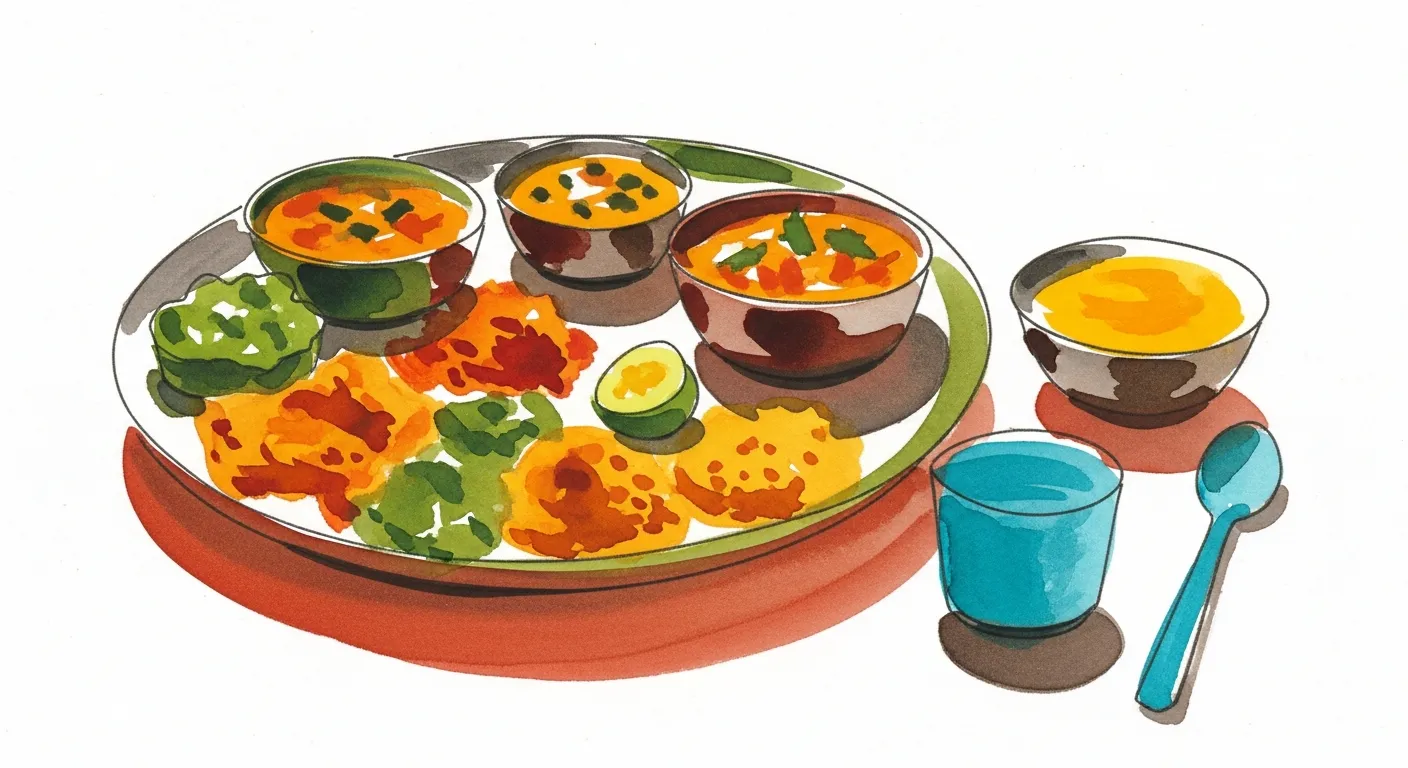
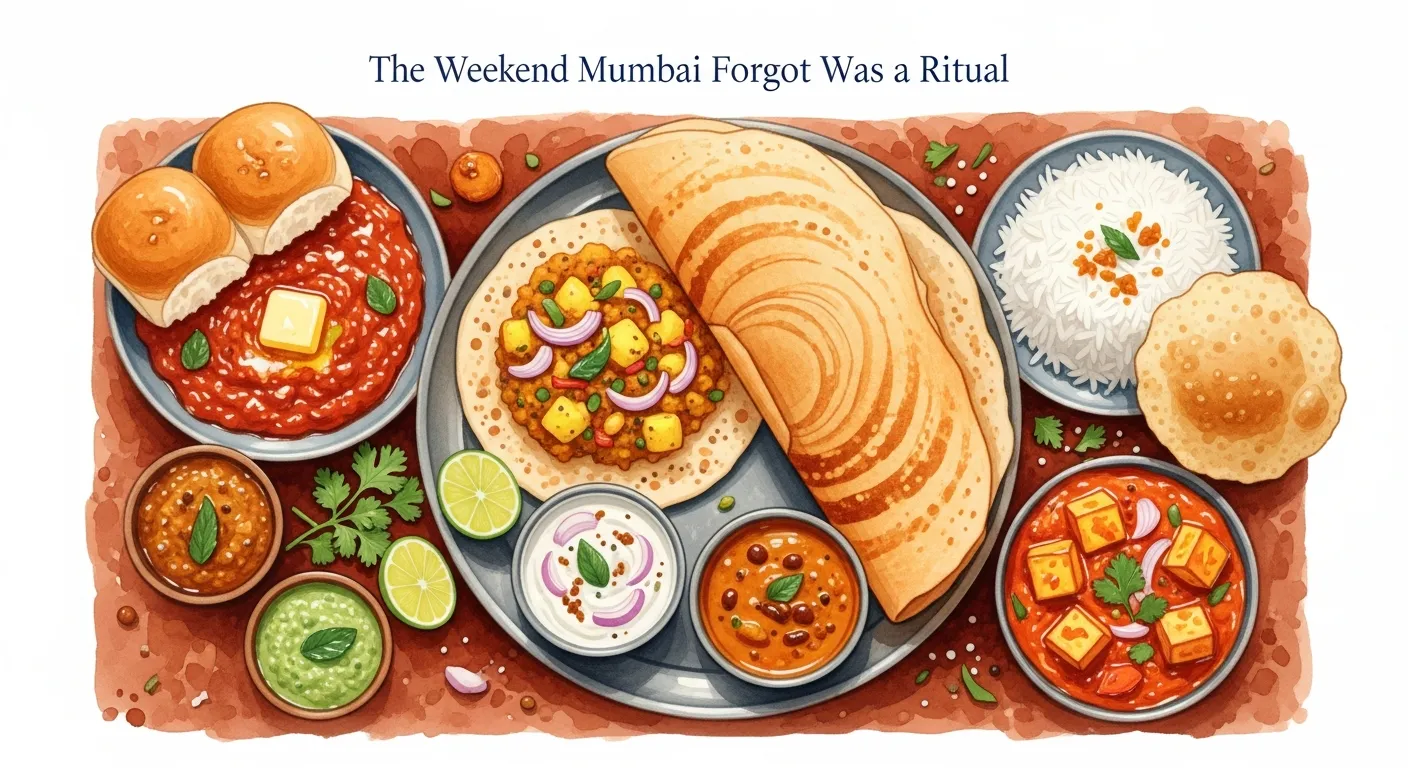
They brought ledgers. They brought cloth. They brought a community kitchen system called the thaal, where eight people eat from one large platter in a fixed sequence, sweet first, then savoury, then sweet again. And they brought bakers, because a community that eats together at sundown during Ramadan needs someone awake at four in the morning making the bread.
Four hundred and eighty-six years later, those bakers are still awake at four in the morning. There are just fewer of them every year.
THE BAZAAR THAT WAS BUILT ON A MISTAKE
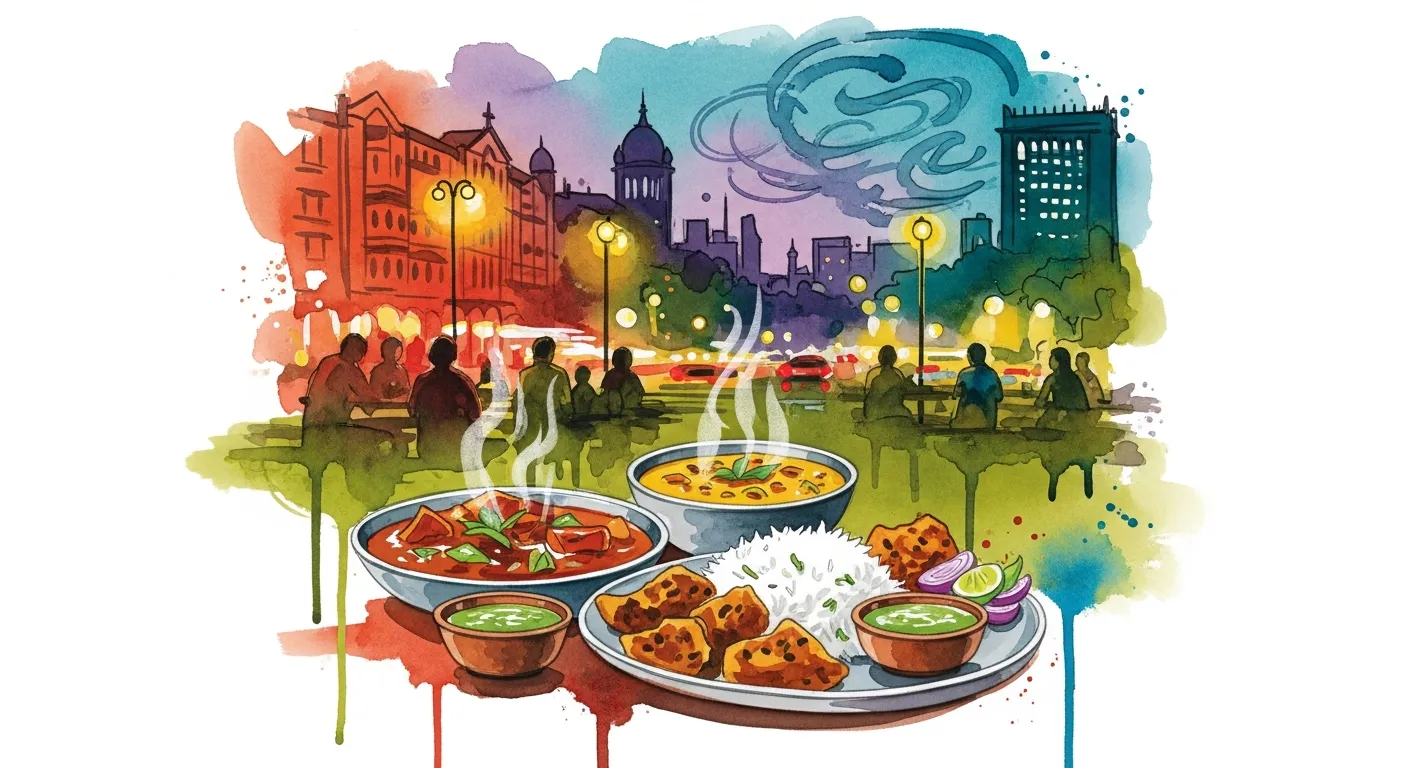
Bhendi Bazaar is not named after the vegetable. The name is a corruption of "Behind the Bazaar," which is what the British called the warren of lanes that sat behind the Crawford Market trading district in the 1860s. Cotton money built it. Plague nearly emptied it. The 1896 outbreak killed an estimated 20,000 people in Bombay over eighteen months, and the municipal authorities responded by widening some streets and ignoring others. Bhendi Bazaar was ignored.
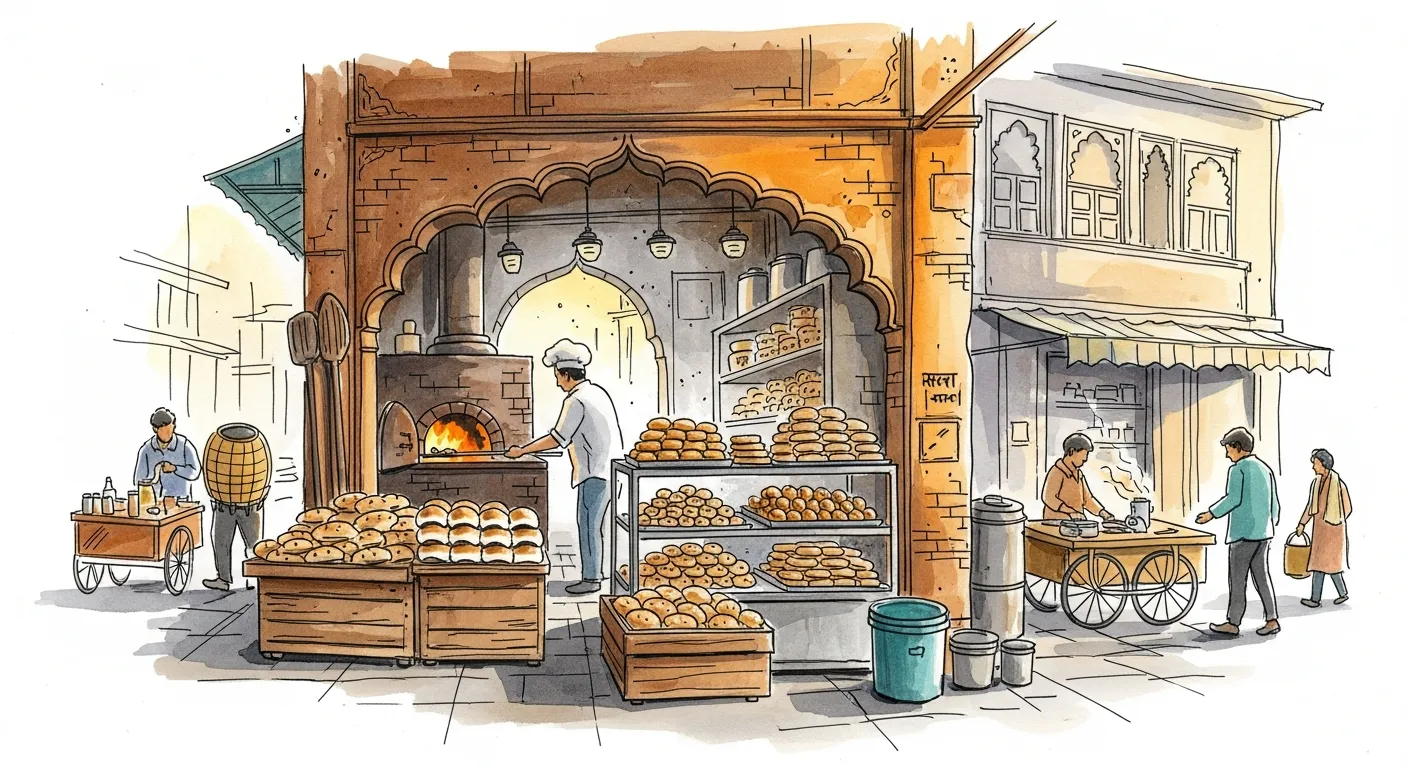
Which is why, by 1920, you had a square mile of three-storey wooden chawls, ground floors converted into shops, the Bohra families upstairs, the bakeries in the basement. The ovens were wood-fired, then coal-fired, then gas. The recipes did not change. Khari biscuit. Nankhatai. Mawa cake. Batasa. The hard, twice-baked rusk that you dip in chai and that, if you are doing it right, makes a sound when it breaks.
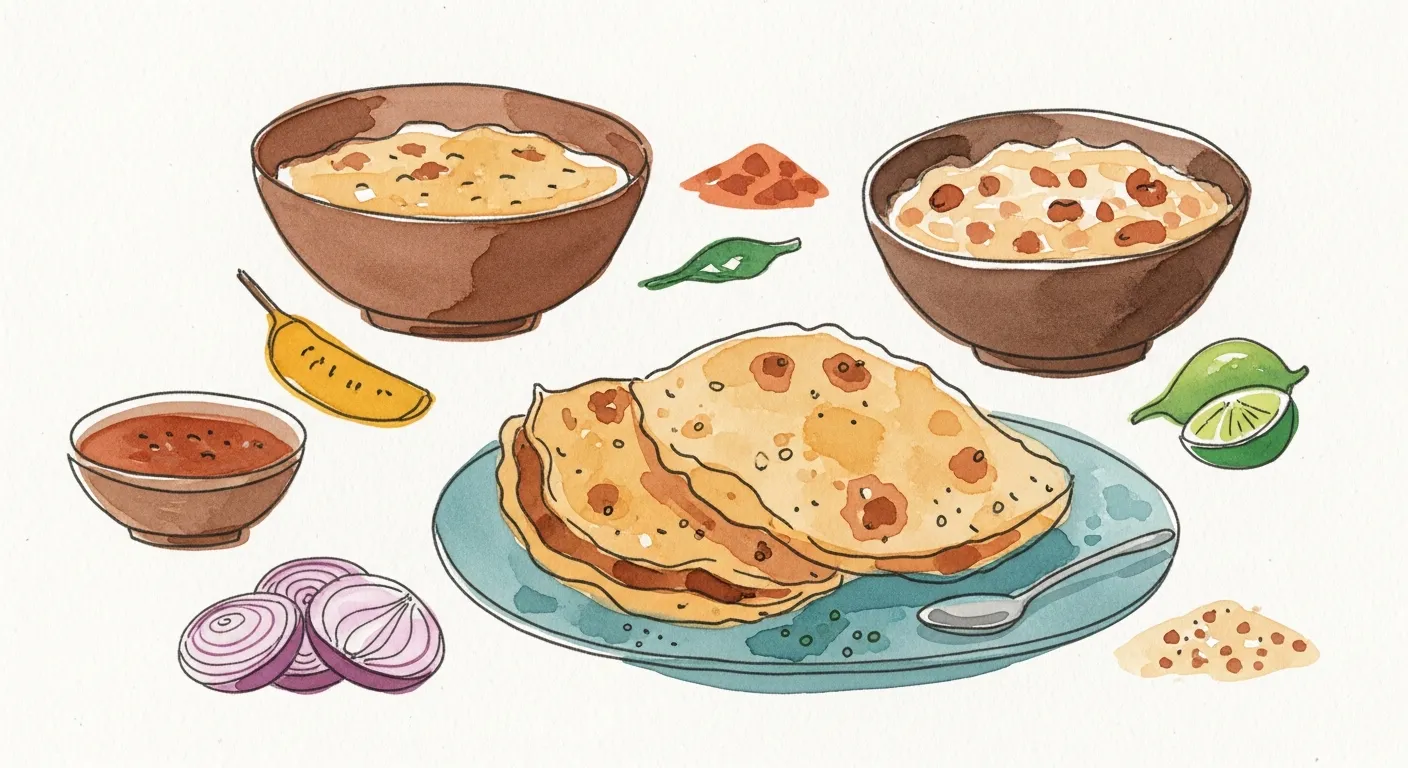
Nobody talks about how a bakery is actually a building. Not a brand, not a recipe, not a chef. A building. With a specific oven, in a specific basement, with a specific chimney that has been venting smoke into the same airshaft since 1923. You cannot move a bakery the way you move a restaurant. The oven is the bakery.
THE TRUST THAT BOUGHT THE NEIGHBOURHOOD
In 2009, the Saifee Burhani Upliftment Trust was set up under the guidance of Syedna Mohammed Burhanuddin, the 52nd Da'i al-Mutlaq. The mandate was simple and enormous. Acquire 16.5 acres of Bhendi Bazaar. Demolish over 250 buildings. Rehouse 3,200 families and 1,250 shops in modern towers with wider roads, lifts, and proper plumbing.
The project is not a private developer flipping land. It is the Bohra community redeveloping itself, under its own religious leadership, with the explicit promise that tenants become owners and shopkeepers receive more carpet area than they had before. On paper, this is the most generous urban renewal project in the city's history.
In practice, the bakery is still a building.
You can promise a baker 400 square feet on the ground floor of a new tower. You cannot promise him the basement, the airshaft, the slow accumulation of soot in a brick chimney that flavours every batch of khari for forty years.
THE FOUR-IN-THE-MORNING ECONOMY
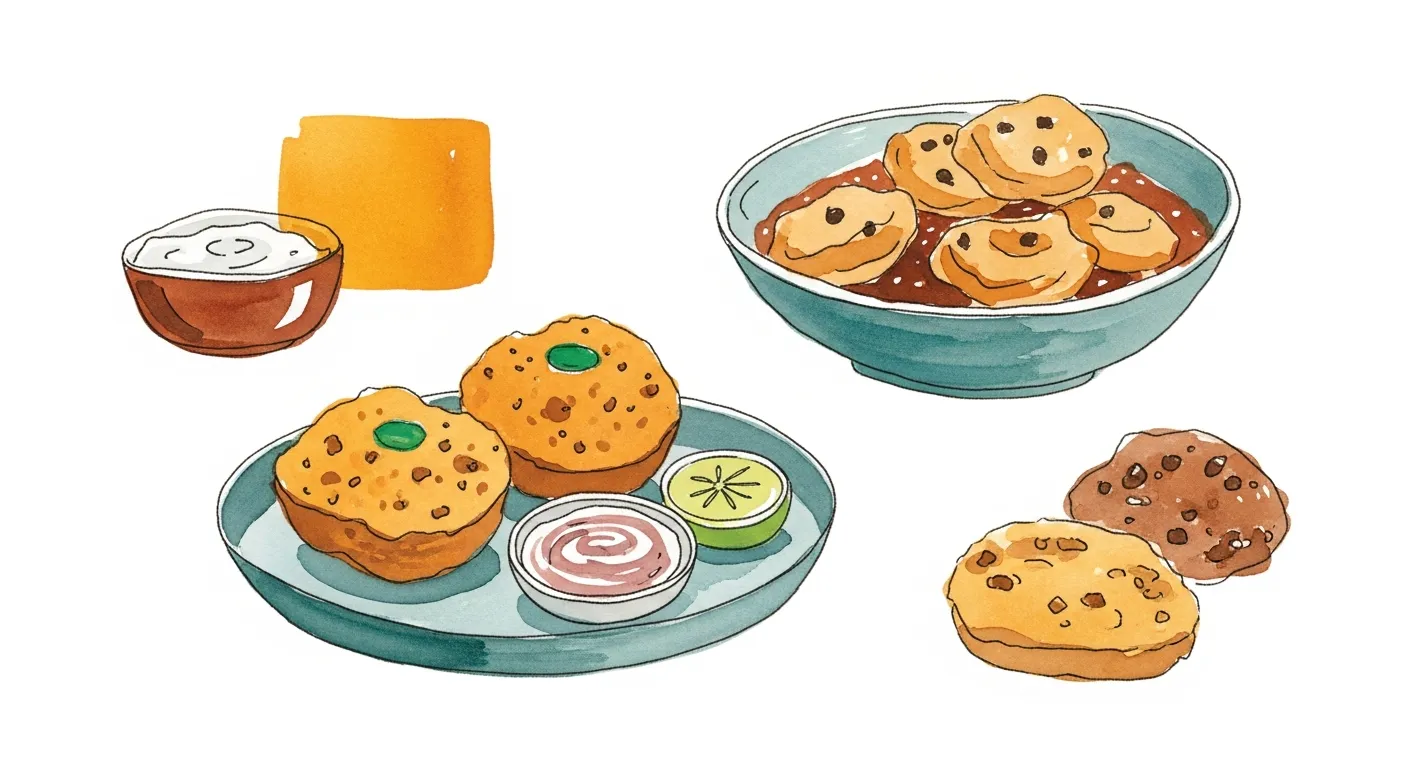
A Bohri bakery runs on a schedule that has not been updated since electrification. The first batch of pao goes in at four. The mawa cakes follow at five. By six, the first chai-stall owners are at the counter, buying khari by the kilo on credit, settling accounts on Friday. By eight, the bakery is empty and the second shift starts on the afternoon biscuits.
The margins are difficult. A kilo of khari sells for around Rs 280. The maida, the dalda, the cardamom, the labour of two men who started at three-thirty, the gas cylinder that now costs what an entire week of fuel cost in 2015. Ingredient costs have risen sharply across the Indian bakery sector, and the small operators who do not buy in bulk are absorbing every rupee of it.
The bakery is the last business in the bazaar where the price of the product has not kept pace with the price of making it.
The other problem is the labour. The men who know how to laminate khari dough by hand, who can tell by the smell when the oven is at 220 degrees, came from specific villages in Uttar Pradesh and stayed in workers' quarters above the shop. Those quarters are gone, or going. The new towers have no bunk rooms. The skilled bakers are ageing out, and the shortage of trained bakery labour is now a national problem, not a local one.
THE CUSTOMER WHO CAME FOR THE PHOTOGRAPH
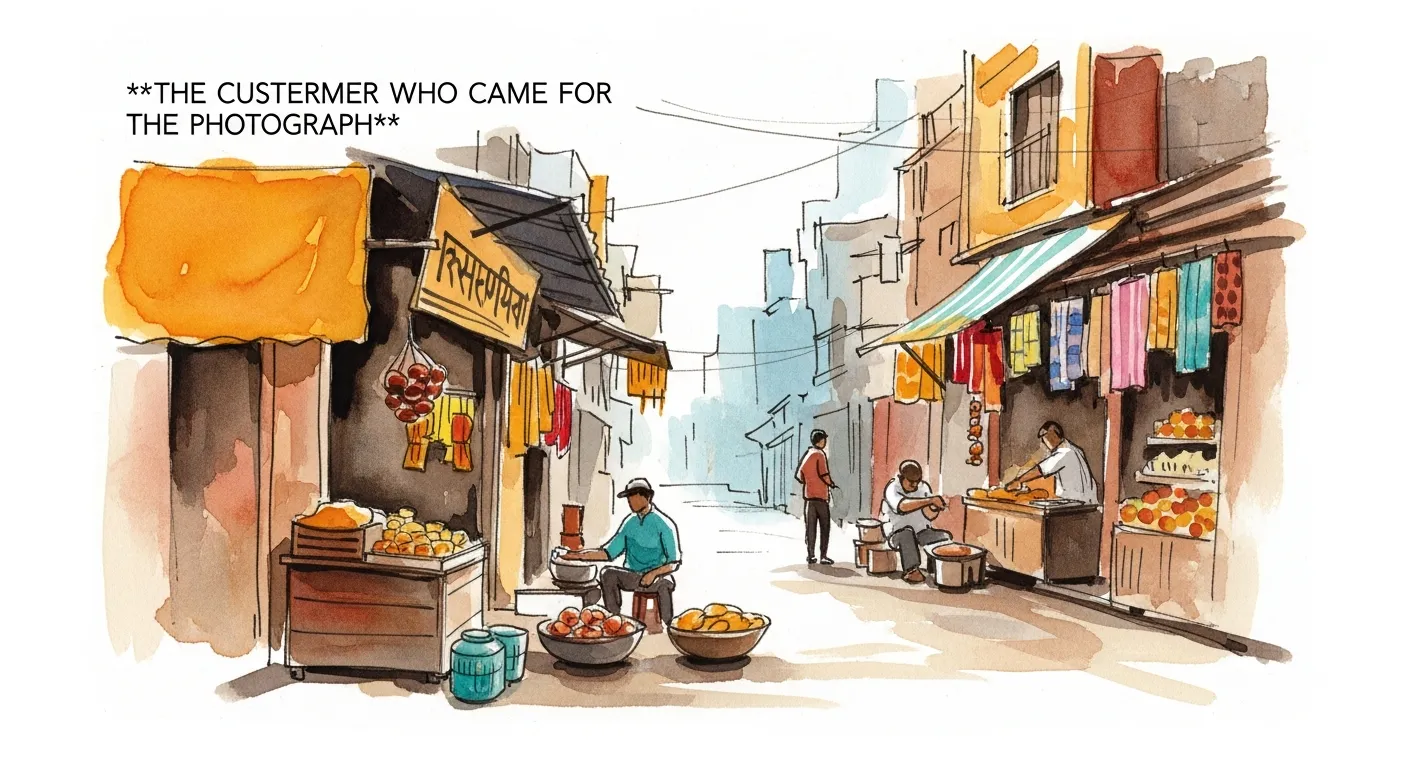
Something else happened, around 2015, that nobody in the bazaar quite saw coming. Bohri Mohallah, the lane that runs through the heart of Bhendi Bazaar, became a food destination. Instagram did it. Food bloggers did it. The smoked malai khaja at Tawakkal Sweets started showing up on weekend reels, and the queue outside on a Saturday night went from twenty people to two hundred.
Tawakkal adapted. It expanded. It now sells smoked desserts, chocolate-stuffed everything, things that did not exist in the Bohri repertoire ten years ago. Prices doubled, then tripled. The food, as one local observer put it, is increasingly "designed for outsiders," where "social validation matters more than flavour".
This is not a criticism of Tawakkal. They moved with the market. They stayed open. The bakeries did not move, because the bakery is a building.
The customer who walks past a 90-year-old bakery to queue for a smoked cheesecake is not a villain. He is just operating on a different definition of what food is for.
THE MARKET THAT GREW WITHOUT THEM
The Indian bakery market was valued at USD 15.05 billion in 2025 and is projected to nearly double to USD 32.05 billion by 2034. None of that growth is happening in Bohri basements. It is happening in cloud kitchens making Korean bento cakes, in artisanal sourdough operations in Lower Parel, in the cafe chains that have made croissants a Tuesday-morning staple for a generation that grew up on Britannia.
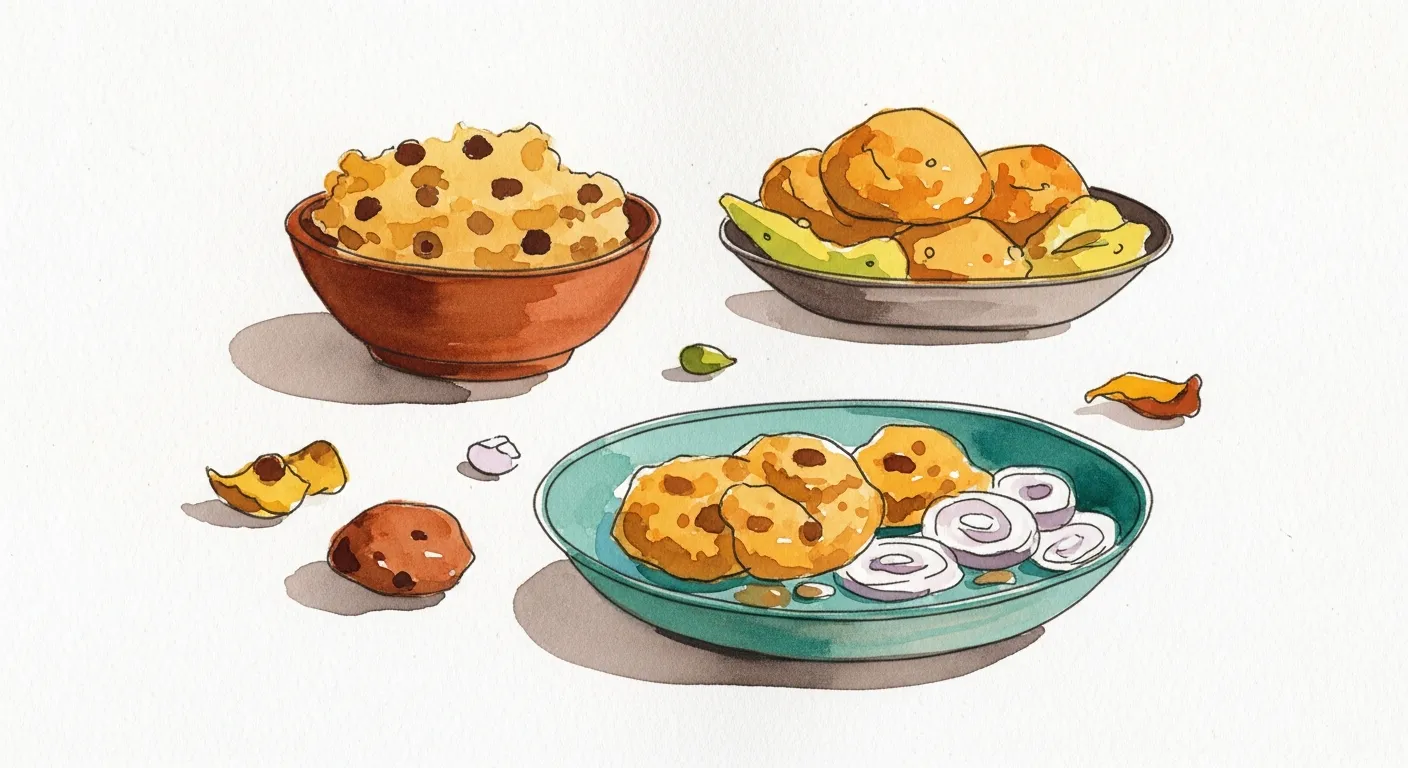
The Bohri bakery is selling the same khari to the same chai stall it sold to in 1985. The chai stall's customer base has not grown. The bakery's costs have tripled. The math is not subtle.
WHAT THE TOWER WILL AND WILL NOT REPLACE
The SBUT plan, to be fair, is thoughtful. The new commercial spaces are meant to retain the character of the old market. Religious and cultural spaces are protected. Shopkeepers receive ownership documents for spaces they previously rented. Three of the seventeen planned clusters have been completed, and residents who have moved into the new towers report what residents always report: better plumbing, no rats, lifts that work, and a strange, persistent feeling that the place they grew up in is no longer where they live.
For a clothing shop, this trade is fine. For a bakery, it is an existential question. The new oven will be electric or gas, certified, ventilated to code. It will not be the brick chimney from 1923. The khari will be a different khari. Maybe better, by some measures. Definitely different.
A recipe is not a list of ingredients. It is a list of ingredients plus a building plus a man who has been doing this for forty years.
Three of the men who have been doing this for forty years are still in the unrenovated lanes, watching the towers go up around them, waiting to see what space they get and whether the new space has room for an oven that takes nine hours to come up to temperature and another twelve to cool down.
THE BATASA TEST
There is a small biscuit, the batasa, that the Bohris bake for mourning gatherings. It is plain. Almost no sugar. The point is that it does not distract. You eat it with chai after a burial, and it is the texture, the way it crumbles in a particular sequence, that does the work. The batasa is not on Instagram. The batasa will never be on Instagram. The batasa is the test of whether a Bohri bakery is still a Bohri bakery.
There are maybe a dozen places left in Bhendi Bazaar where you can buy a proper one. Five years from now, when the towers are finished and the lanes are wider and the basements are gone, there will be fewer.
The ovens are still warm.
Field Notes
Quick referenceThe Dawoodi Bohra community relocated its religious seat from Yemen to Gujarat in 1539, under the 24th Da'i al-Mutlaq. The bakers followed shortly after.
Bhendi Bazaar has nothing to do with okra. It is a British mispronunciation of 'Behind the Bazaar,' the lanes that sat behind Crawford Market in the 1860s.
The SBUT redevelopment covers 16.5 acres, 250-plus buildings, 3,200 families, and 1,250 shops. Three of seventeen planned clusters are complete.
A kilo of khari sells for around Rs 280. The maida, dalda, cardamom, gas, and two men starting at 3:30am are all priced against that same number.
India's bakery sector was valued at USD 15.05 billion in 2025 and is projected to reach USD 32.05 billion by 2034. None of that trajectory runs through Bhendi Bazaar.
Get the next story first
Join the Bhukkads. Free, no spam, just stories.
Takes 30 seconds.