The Weekend Bombay Learned to Pace Itself
A Korean carnival at Kurla, a pier festival that runs until July 23, a Juhu hotel buffet with a live band playing to 4pm, and the market that has been closed on Sundays since 1869. Two days. One city. A schedule.
Generated by Imagen 4
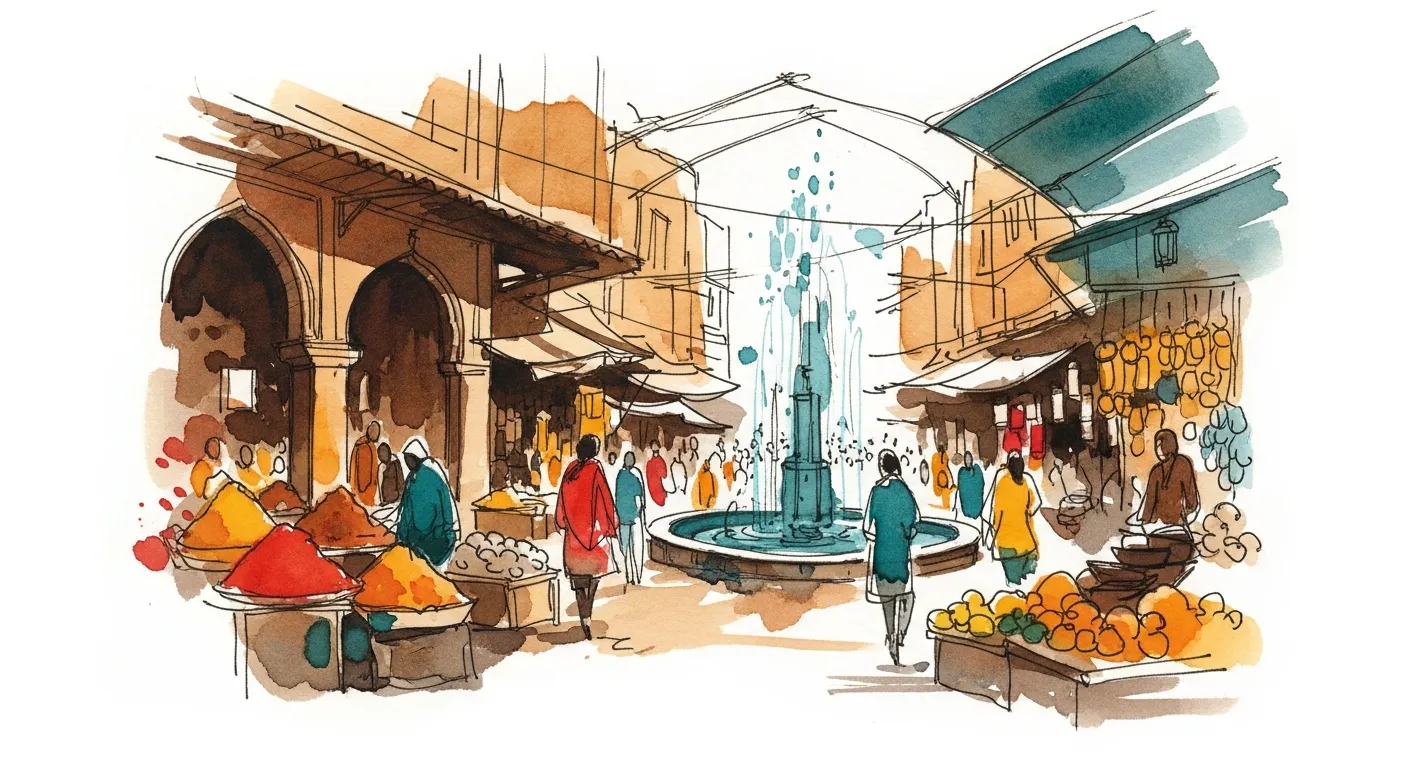
In 1869, a British engineer named Arthur Crawford, then the first Municipal Commissioner of Bombay, opened a covered market in the Fort district. It had a fountain by John Lockwood Kipling, father of Rudyard. It had skylights. It had a gas-lit interior that the Times of India called, at the time, the most modern retail space east of the Suez.
It was closed on Sundays.
One hundred and fifty-seven years later, Crawford Market is still closed on Sundays. The oldest wholesale food market in the city, the place where the mangoes arrive in April and the pomfret arrives at six in the morning, takes the day off. Which is a problem, because Sunday is the day the city has finally decided is for eating.
This is the part nobody talks about. Bombay's weekend food culture did not arrive with the brunch menu. It arrived because a Victorian bylaw closed the biggest market on the day everybody had free, and the city had to invent somewhere else to go.
So the city did. Four generations of it. Here is the schedule.
SATURDAY MORNING: THE MARKET THAT IS OPEN
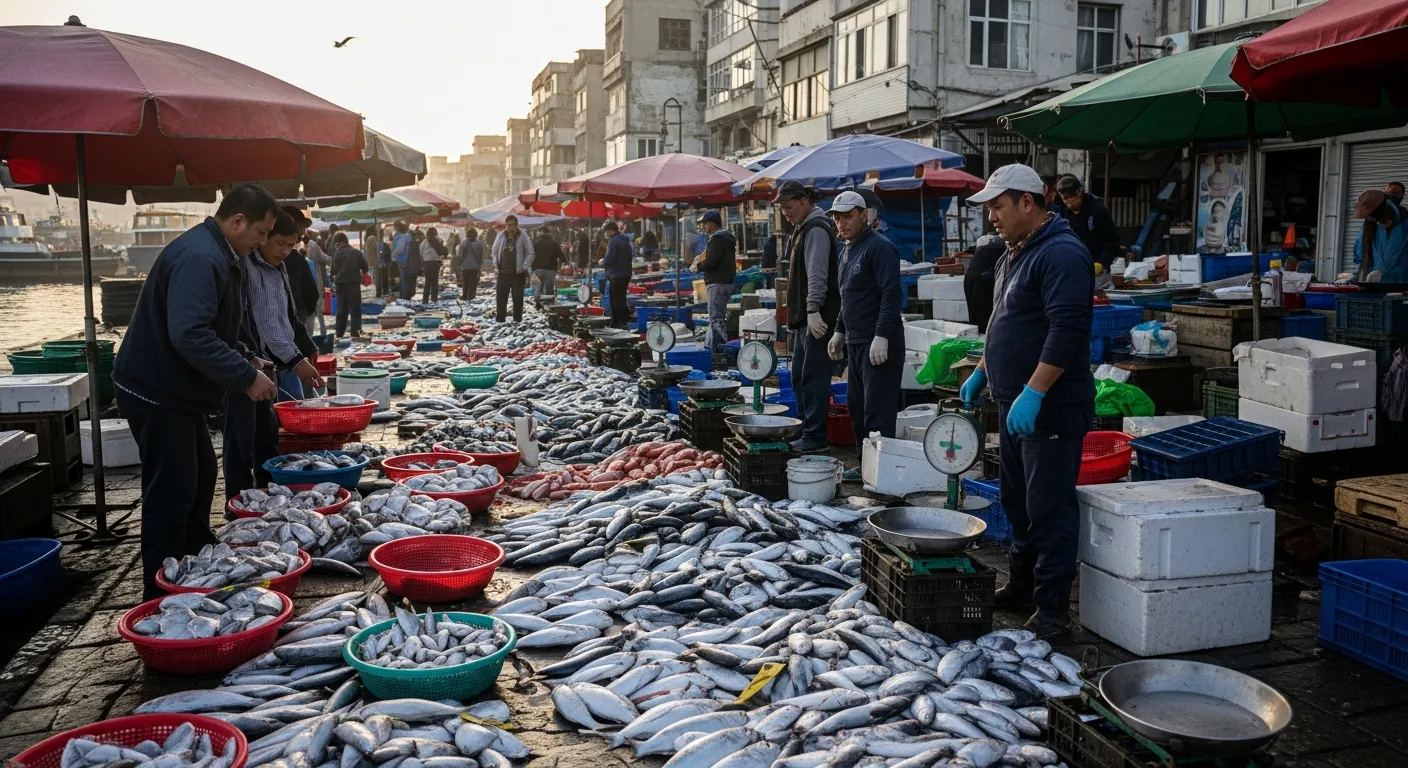
Start where Crawford is not. The Reality Tours guide to Mumbai markets, which does the honest work of listing hours, points out that most of the historic markets around the Fort and Bhuleshwar quarters keep six-day weeks, with the wholesalers taking either Sunday or Monday off depending on their trade. The fish arrives at Sassoon Dock at dawn regardless of the calendar. The Kolis do not observe the Municipal Commissioner's rest day.
Walk Sassoon at 6:30am on Saturday. The pomfret is on ice by seven. The bombil, the Bombay duck that is neither Bombay nor duck, is already being salted by the women who have been salting it since their grandmothers. The tour operator running the walk, Reality Tours & Travel, donates 80 percent of its profits to charity. Which is a detail worth writing down.
The Kolis do not observe the Municipal Commissioner's rest day.
SATURDAY AFTERNOON: THE PIER THAT REMEMBERED ITS JOB
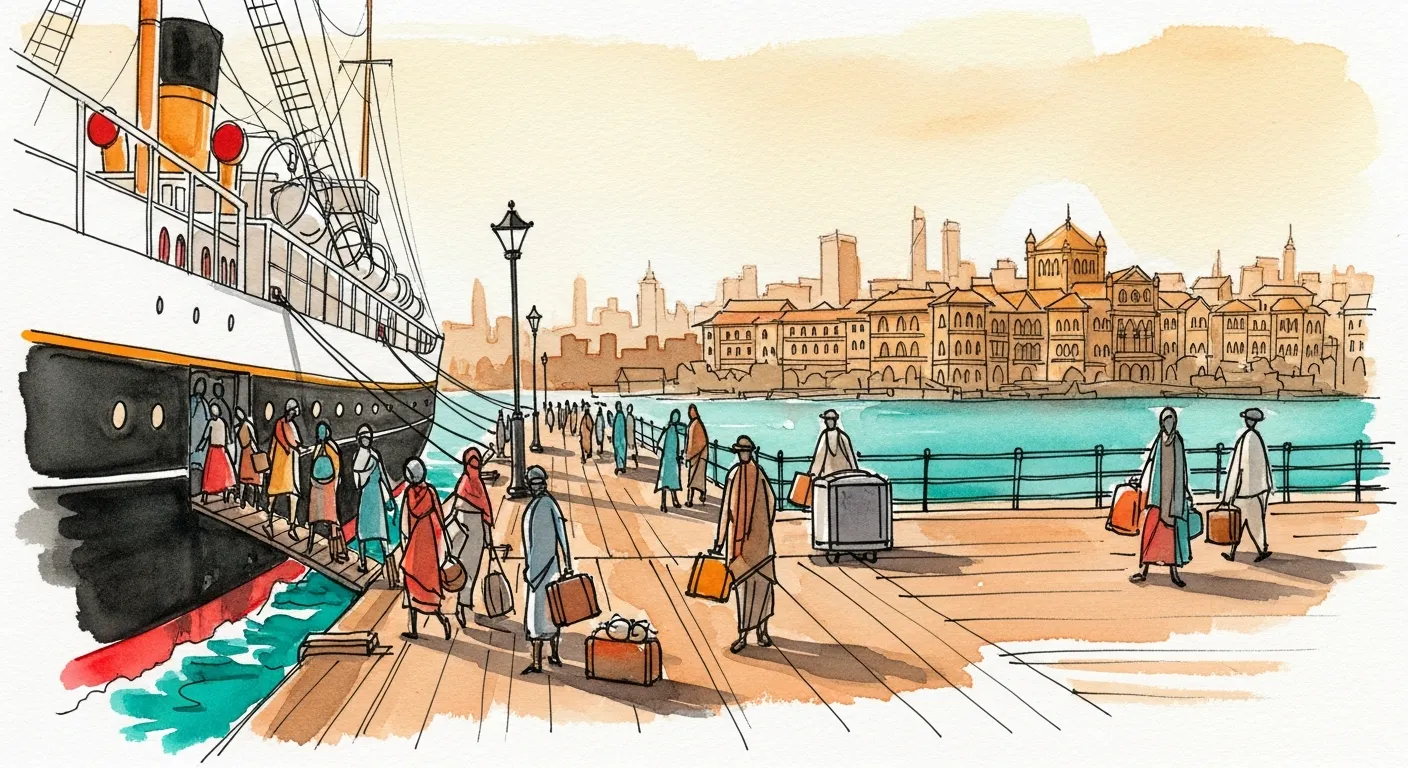
Ballard Pier was built in 1914 as one of the main passenger terminals serving colonial Bombay, where civil servants and their families disembarked after weeks at sea. The pier's job was to receive people who had been briefed on the city but not warned about it.
The ships stopped coming. The pier went quiet.
This July, it is doing something it has not done in over a century. Pier Pop at the Ballard Pier Downtown Experience Centre, a month-long pop-up festival running until July 23, has food stalls, live music, and the kind of curated retail that the pier's original passengers would have found absolutely bewildering. The monsoon is doing its work overhead. The Arabian Sea is doing its work to the west. The pier is finally hosting arrivals again.
The rest of the country runs from the rain. Bombay built a festival around it.
SATURDAY NIGHT: THE STAGE THAT REFUSED TO GO QUIET
The magicpin guide to Mumbai's live-music restaurants opens with a claim that would be easy to dismiss if the numbers did not back it up. Mumbai has the strongest live-music restaurant scene in India, a mix of legacy jazz lounges, indie acoustic spots, Bollywood-themed dinner shows, and big-stage gastropubs.
The Finch in Powai has the acoustic sets. Bonobo in Bandra has the indie bookings that Bombay's music writers have been writing about since the venue opened above Rohit Chawla's old studio building. The guide is direct about the rules. Peak hours are 9pm to midnight on Friday and Saturday. Reserve five days ahead at the top venues. Cover charges run 500 to 1,500 rupees at the weekend rooms.
This is not a suggestion. This is the operating system.
The city has, over the last decade, quietly turned the dinner-and-a-show model into something that functions at scale. The band is not background. The band is the reservation. The food is what happens between sets.
SUNDAY: THE RITUAL THAT ATE THE MORNING
Here is the sentence, verbatim, that BookMyBuffet's 2026 ranking opens with. "Mumbai treats Sunday brunch as a city-wide ritual, and it happens on two fronts."
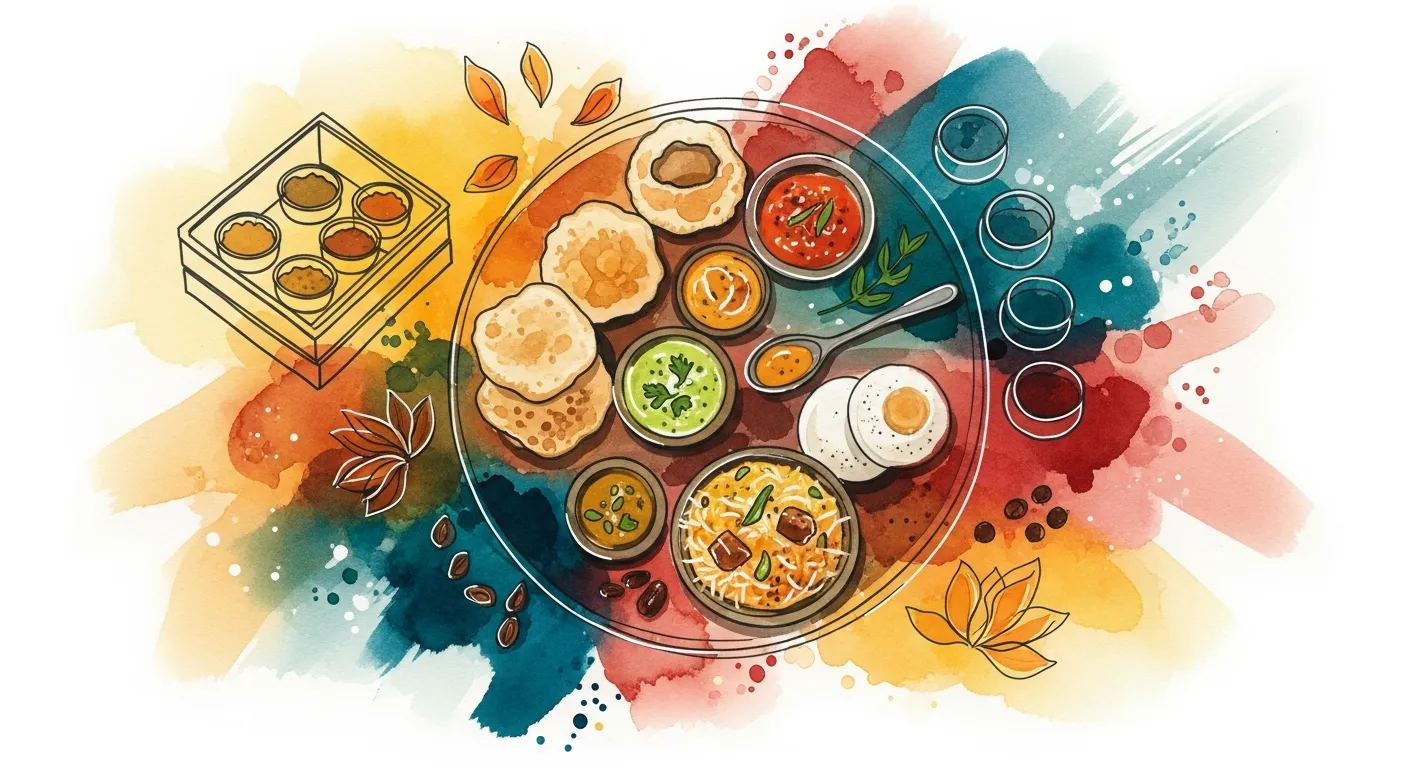
One front is the hotel buffet. The other is the standalone restaurant. The BookMyBuffet ranking gives the top slot to Lotus Cafe at the JW Marriott in Juhu. The reasoning is not hidden. Lotus Cafe runs "a beachside seafood spread where lobster, tiger prawns and oysters fill the bar and a live band plays through to mid-afternoon". The brunch runs Sunday, 12:30pm to 4pm. Rs 2,900++ without alcohol. Rs 4,250++ with the drinks package.
The live band playing to 4pm is the detail that separates the Mumbai Sunday from the Delhi Sunday and the Bangalore Sunday. In Delhi, the band leaves at 2. In Bangalore, there is no band. In Bombay, somebody with a saxophone is still working the room while you are on your third serving of oysters.
Somebody with a saxophone is still working the room while you are on your third serving of oysters.
This is not an accident. Juhu Beach has been the resort strip of the city since the Sun-n-Sand opened in 1962. The hotels along that stretch have spent sixty-four years refining what a Sunday looks like when the guest has flown in from Frankfurt and the local from Bandra is at the next table. The buffet is the meeting point. The band is the equaliser.
SUNDAY EVENING: THE CARNIVAL THAT MOVED SEOUL TO KURLA
And then the following weekend, on July 11 and 12, the schedule gets a guest.
"Mumbai is all set to transform into a mini Seoul as Curly Tales is all set to bring the K-Food Carnival to Dublin Square, Phoenix Marketcity, Kurla, on July 11 and 12," Curly Tales reports. Twenty curated stalls. "Guests can take delight in authentic Korean dishes, desserts and beverages across 20 curated stalls while also playing Korean-inspired games like the Chopstick Challenge and other engaging activities." K-pop performances. Tickets start at Rs 499.
Kurla is not where you would have pointed to in 2010 and said, this is where Bombay's food festivals will happen. Kurla was the junction. The interchange. The place you passed through on the way to somewhere else. Phoenix Marketcity opened in 2011 and, over fifteen years, quietly moved the city's centre of gravity east of the Western line for the first time since the Fort. The K-Food Carnival is the confirmation.
The city that spent 157 years working around a closed Sunday market has finally built a Sunday that does not need it.
THE SCHEDULE
Saturday, 6:30am. Sassoon Dock. The fish is already in.
Saturday, afternoon. Ballard Pier. The pop-up runs until July 23.
Saturday, 9pm. Bandra or Powai. Reserve five days out.
Sunday, 12:30pm. Juhu. The band plays to 4.
Sunday next, July 11 and 12. Kurla. Twenty stalls. The Chopstick Challenge.
Crawford Market is still closed. It has been closed on Sundays since 1869. The city stopped waiting for it a long time ago.
Field Notes
Quick referenceCrawford Market has been closed on Sundays for 157 years. The city built an entire weekend culture around it.
Ballard Pier, quiet for decades, is hosting a food and music festival until July 23. The monsoon is part of the programme.
Lotus Cafe at JW Marriott Juhu: Rs 2,900++ without alcohol, Rs 4,250++ with. Live band until 4pm. Sundays, 12:30pm.
20 Korean food stalls at Phoenix Marketcity, Kurla. July 11 and 12. Tickets from Rs 499.
The Kolis have been salting bombil at Sassoon Dock since before Arthur Crawford drew a single blueprint. 6:30am Saturday. No reservation needed.
Get the next story first
Join the Bhukkads. Free, no spam, just stories.
Takes 30 seconds.