The Saturday Night Menu Nobody Reads
A discovery bar in Khar built around one ingredient. A speakeasy pouring half-cocktails at half the price. A Todi Mill room that took the wardrobe out of the equation. Four rooms. One night. The food menu everyone forgets.
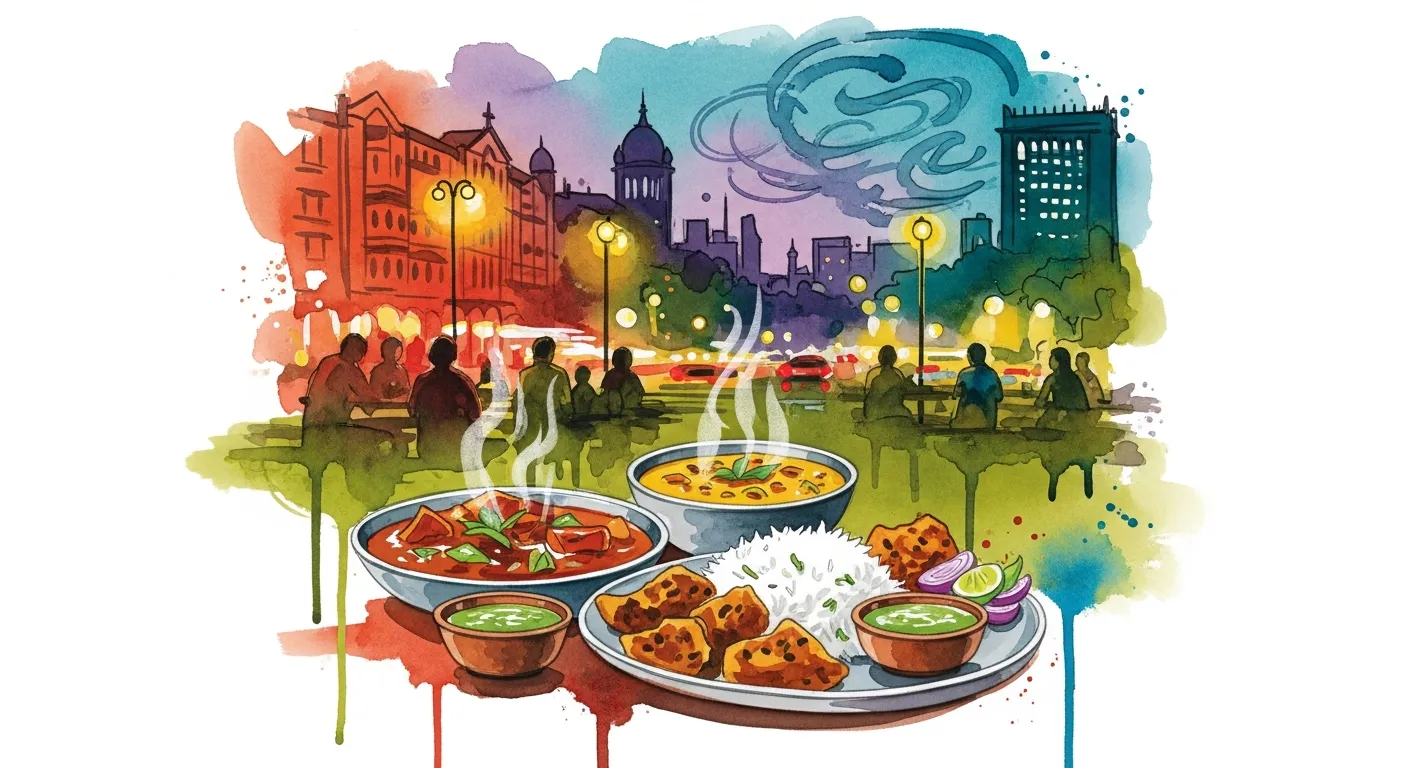
Generated by Imagen 4
In 1934, a bartender in Cuba named Constantino Ribalaigua Vert published a small book called Bar La Florida Cocktails. It listed 150 drinks. It also listed, on the back pages that nobody photographs, the food the bar served alongside them. Croquetas. Small sandwiches. A soup. Constantino understood something the twenty-first century took ninety years to relearn. The bar is not a drinks list with a room attached. The room is the drink. The food is the drink. The pour is one paragraph in a longer sentence.
This is the part nobody talks about. Every review of a Mumbai bar in the last five years has been a review of the cocktail menu. The food menu, the room temperature, the seat count, the walk from the door to the counter, the thing you eat at eleven-fifteen when the second drink lands, all of it goes uncited.
So. Saturday night. Four rooms. Read the whole menu this time.
THE ROOM THAT TOOK THE WARDROBE OUT
Start in Todi Mill. Late Checkout sits deep in the lanes of what used to be one of Mumbai's cotton compounds and is now the financial district's after-hours annex. The Nod calls it "a bright new crystal of a cocktail bar located deep inside the lanes of Todi Mill in Mumbai's financial district." It is 500 metres from where the old Barking Deer brewpub used to stand, which is a walk that anyone who drank in Lower Parel between 2013 and 2020 can do with their eyes closed.
The cocktails have names that sound like they were written by somebody who has stopped taking themselves seriously. Missing Trust Fund. Slow Roast. The bar bites are Asian, not in the pan-Asian-menu sense that everybody was doing in 2018, but in the specific, one-plate-does-one-job way that Bangkok bars have been doing for twenty years. The desserts are, by The Nod's account, artful. This is a word I usually delete. In this room it stays.
But the sentence that matters is the one about the door. "It's designed to take you to a place where going out is more about having a good time, less about difficult wardrobe decisions or the theatre of seeing and being seen."
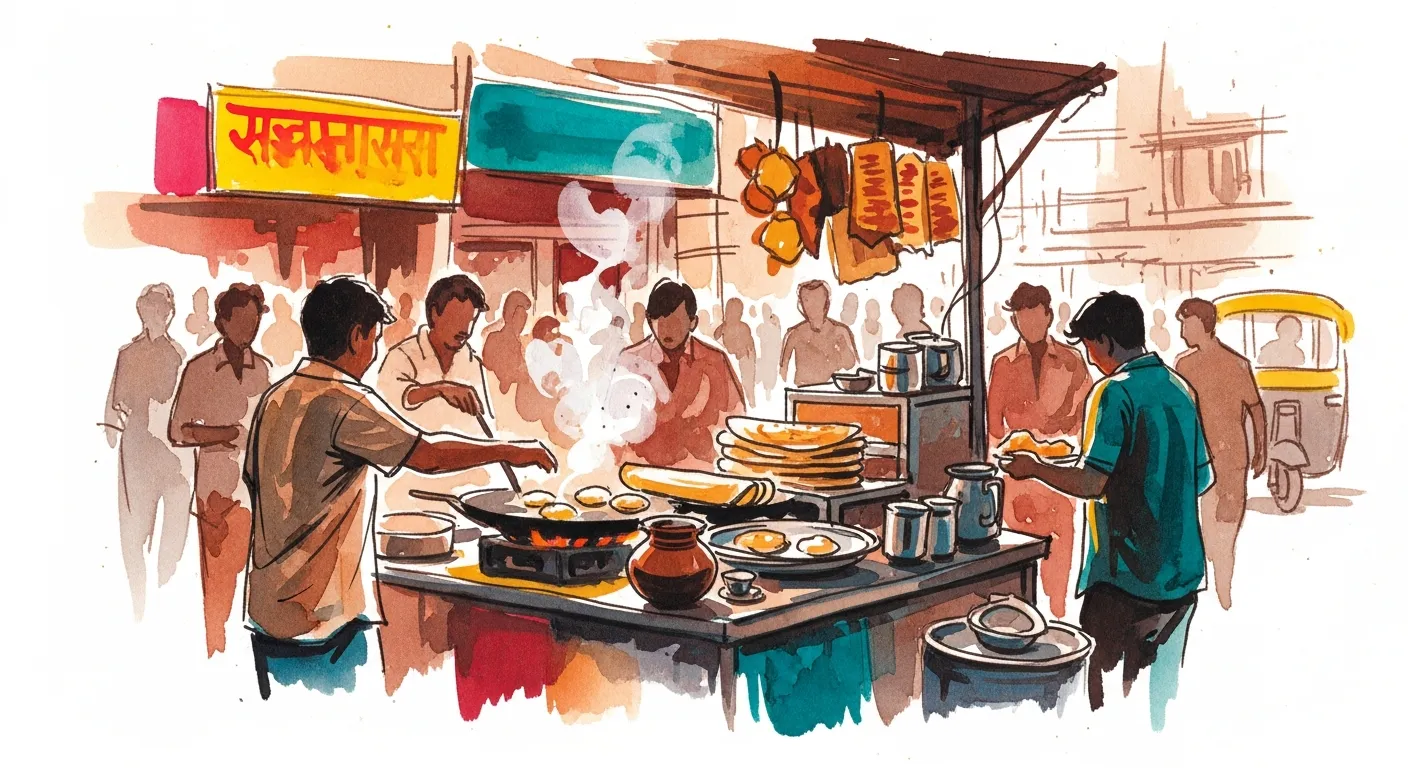
The theatre of seeing and being seen. Mumbai's bar scene spent a decade selling exactly that. Late Checkout is selling its opposite.
Wear what you wore to work. Wear what you wore to the gym. The room does not care.
THE HALF-POUR THAT THINKS LIKE A CHAI STALL
Move to the second stop. Cutting Cocktails is a hidden speakeasy that took the cutting chai and turned it into a bar programme. Half the pour. Half the price. Three cocktails for Rs. 750. This is not a happy hour gimmick. This is a design principle.
Boldoutline: "Cutting Cocktails reimagines Mumbai's iconic cutting chai culture into a hidden speakeasy experience, serving half-sized cocktails at half the price, made for after-work pauses, pre-dinner plans, and unhurried nights out."
Think about what that sentence is actually saying. The full-pour cocktail, the 180ml martini glass, the drink you nurse for forty minutes because you have already paid Rs. 850 for it, is a British import. The cutting chai is a Bombay invention. It is the drink you have when you have twenty-five minutes between two other things. It is the drink you have when you want to sit down without committing to a full stop.
Cutting Cocktails is the first bar in the city to admit that the cocktail could work the same way. Three drinks for Rs. 750 is not a discount. It is a different unit of measurement.
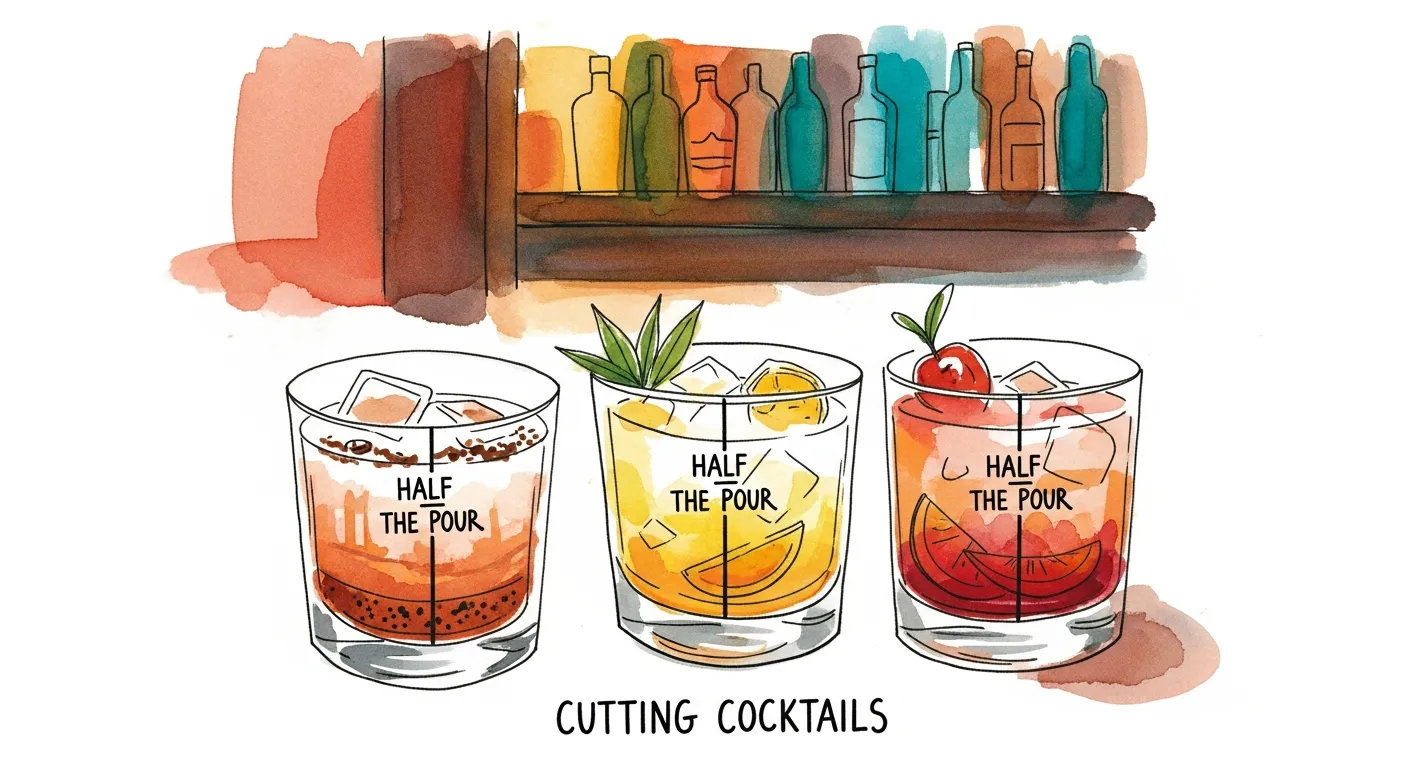
"The atmosphere is intimate, energetic, and easy, encouraging people to pause, hang out, and let the night unfold naturally." That is Boldoutline again, and it is the most honest sentence anyone has written about a Bombay bar this year. The night unfolds. It is not staged. It is not curated. It arrives.
The full-pour cocktail is a British import. The cutting chai is a Bombay invention. Cutting Cocktails is the first bar to admit the two can be the same drink.
THE 25-SEATER IN KHAR THAT PICKED A THEME
Cross the bridge. In Khar, a bartender named Pankaj Balachandran has opened a room called Adam & Eve. The Hindu describes it as "an intimate 25-seater discovery bar," and the phrase discovery bar is doing work I want to slow down on.
Balachandran's premise is one ingredient, one story. Each drink on the menu is built around a single item and the history it drags in behind it. This is not a novelty. This is the way a good bar programme has always worked, except most of them do not admit it. Adam & Eve admits it. The menu is a table of contents.
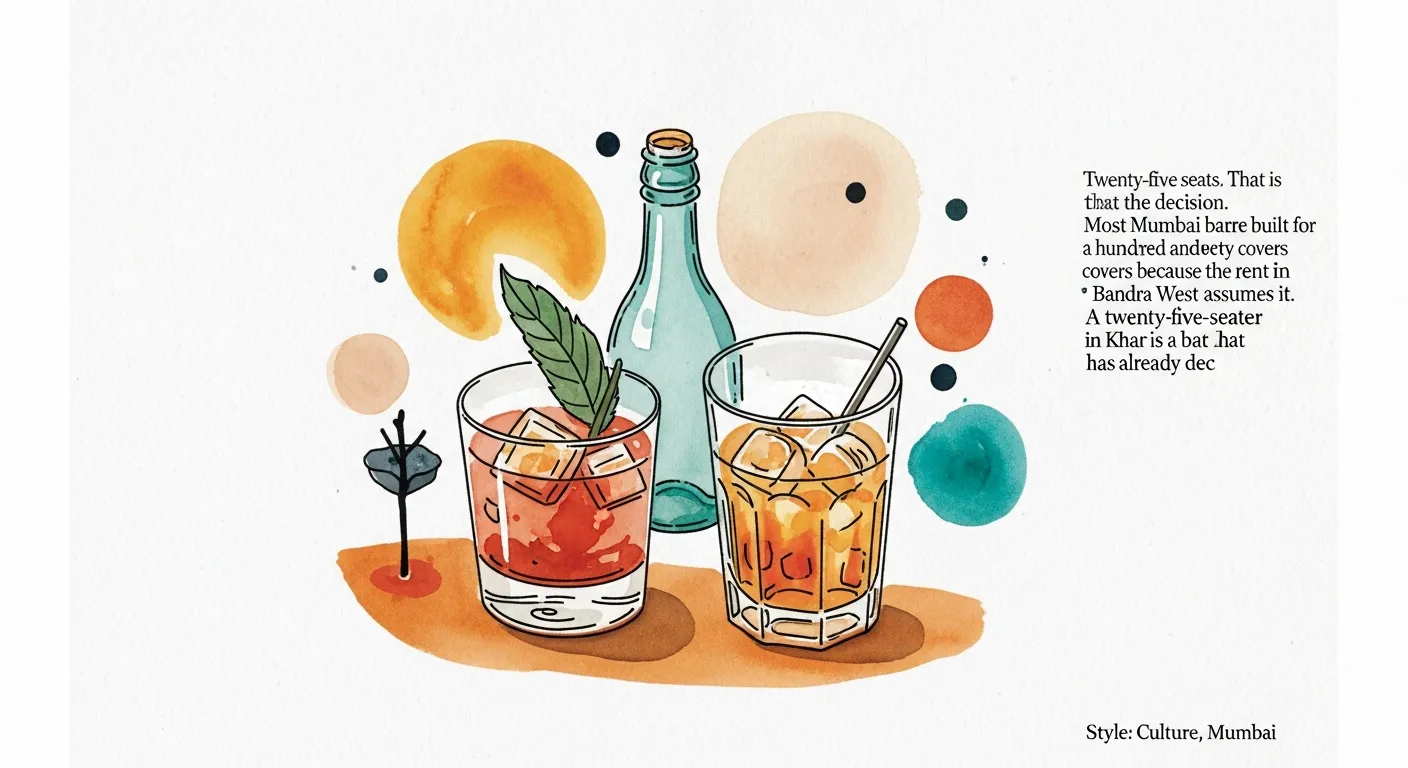
Twenty-five seats. That is a decision. Most Mumbai bars are built for a hundred and twenty covers because the rent in Bandra West assumes it. A twenty-five-seater in Khar is a bar that has already decided it would rather have a conversation than a queue. You will not walk in on a Saturday at nine-thirty and find a table. You will call ahead on Tuesday. You will wait ten minutes at the door if the earlier seating is running long. This is the transaction.
The queue is the point. The queue is what tells you the room has picked a side.
THE BAR THAT LETS YOU BUILD YOUR OWN
End in Lower Parel. Qey has a concept called Sip and Vault. You sit with a mixologist. You build your own cocktail. You store the bottle in a vault with your name on it. You come back the next weekend. The bottle is still there. So is the drink you made last time.
This is a very old idea dressed in new clothes. The private bottle at the Bombay Gymkhana. The reserved decanter at the Willingdon Club. The whisky locker at every members-only bar the British left behind. Qey has taken that idea, stripped the membership card, and handed it to anyone who walks in.
The food menu, which nobody has written about, includes Mushroom Baklava and Lamb Dolma. Read those two dishes again. A Turkish dessert reengineered as a savoury small plate. A stuffed vine leaf that has walked out of a Levantine home kitchen and into a Lower Parel bar. This is not fusion. This is a kitchen that has read more than it has watched.
The Free Press Journal also mentions dairy-washed alcohol on the cocktail list. Milk punch has been a recorded technique since at least the eighteenth century. Clarified milk cocktails as a modern bar method are a different thing, built out of the craft cocktail revival of the 2000s. Qey is using both the history and the method. It came back through a bar in Lower Parel via a route nobody has fully mapped.
THE ROOM IN BALLARD ESTATE WITH THE KASHT TARANG
One more. Ummrao Saaj runs a cocktail programme called Raag. You choose a swara from a Kasht Tarang, the wooden idiophone that produces the seven notes of Indian classical music. The bartender translates the note into a drink. Sa is one flavour. Re is another. Ga is another. The menu is not a menu. It is an octave.
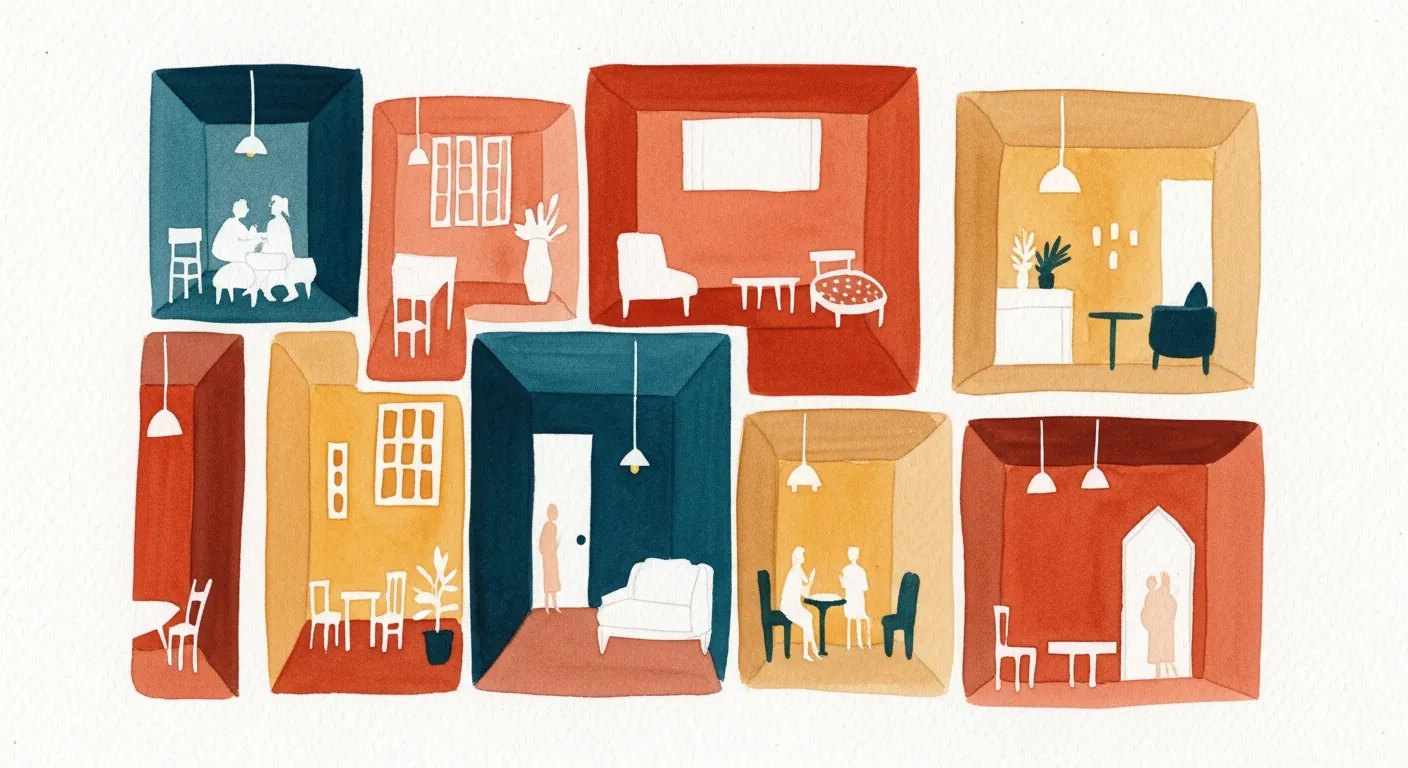
This is the sort of concept that reads like a press release and then, when you sit down and actually order, works. The ingredients are Indian. The framework is classical. The drink is a translation exercise between two languages that have never been asked to speak to each other in a cocktail glass.
Five rooms. Five different arguments about what a Mumbai Saturday night is. Not one of them is about the drink. All of them are about the room.
THE MENU NOBODY READS
Here is the working thesis. The cocktail menu is the part of the bar that gets photographed. The food menu is the part of the bar that gets remembered. The Asian bar bites at Late Checkout. The Mushroom Baklava at Qey. The small plates at Adam & Eve that the reviewers have not gotten around to mentioning. The half-pour at Cutting Cocktails that is not on any menu because the whole bar is the menu.
Read the second page. Read the third page. Ask the bartender what the kitchen is doing well tonight. Order the thing that is not the headline.
Constantino knew this in 1934. The room is the drink. The food is the drink. The pour is one paragraph in a longer sentence.
Saturday. Four rooms. Read all of it.
Field Notes
Quick referenceBar La Florida Cocktails was published in 1934 by Constantino Ribalaigua Vert in Havana. The food pages at the back have never been reviewed.
Three cocktails at Cutting Cocktails for Rs. 750. That is a design principle, not a discount.
Adam & Eve in Khar has 25 seats. Most Mumbai bars are built for 120 covers because the rent demands it.
Qey in Lower Parel serves Mushroom Baklava and Lamb Dolma. Neither has appeared in a single bar review this year.
Ummrao Saaj's cocktail menu is an octave. You pick a swara on the Kasht Tarang. The bartender picks your drink.
Get the next story first
Join the Bhukkads. Free, no spam, just stories.
Takes 30 seconds.