The Drink You Order at Midnight Has a Bibliography
Mumbai's craft cocktail bars stopped pouring drinks and started writing essays. The glass in your hand has footnotes.
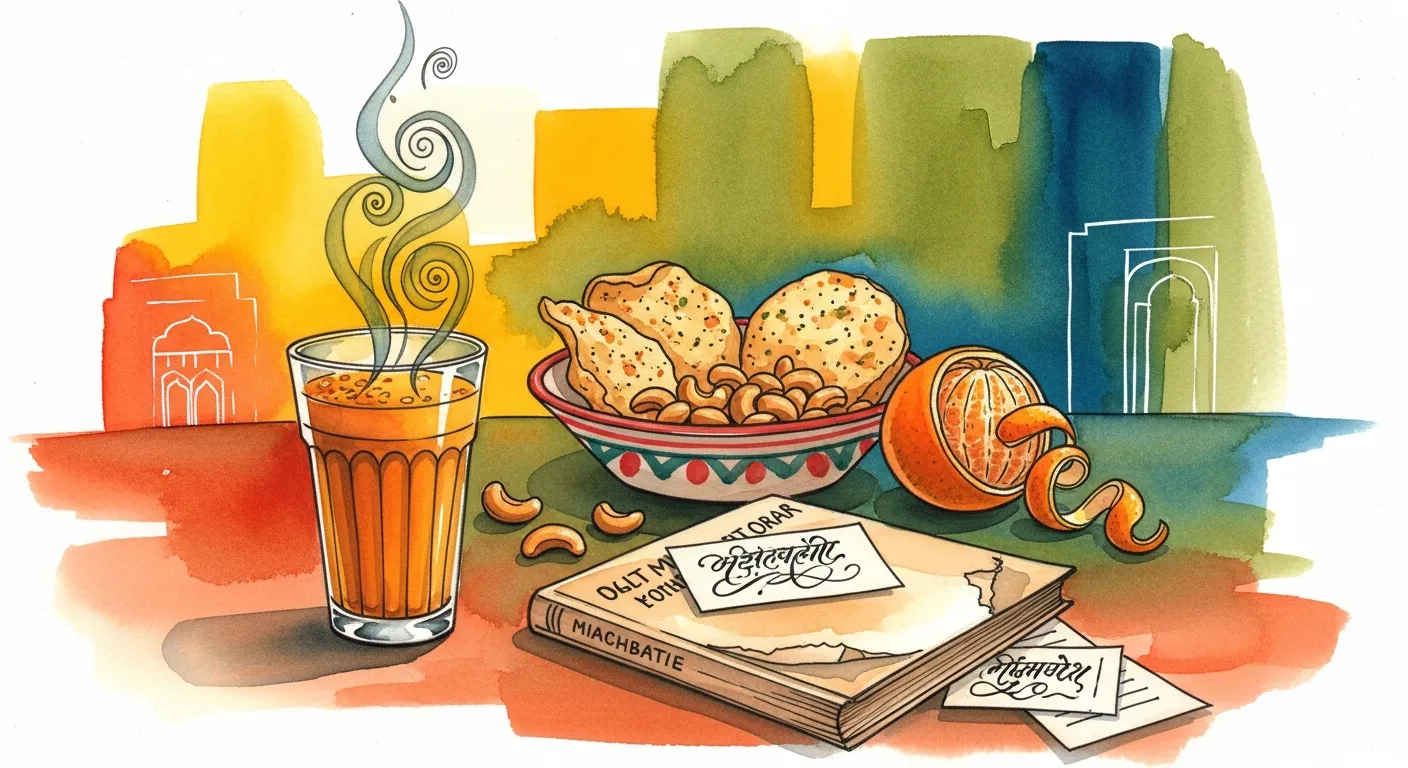
Generated by Imagen 4
There is a moment, somewhere around the second sip of a good drink, when you realise the bartender knows something you don't. Not a secret. Not a trick. A piece of information. He knows what the curry leaf is doing in your glass. He knows why the gin was washed with ghee for forty-eight hours before it ever met the citrus. He knows that the tincture in the dropper bottle next to his station was made with kokum he picked up from a vendor in Ratnagiri three weeks ago. You are drinking his reading list.
This is the part of Mumbai's cocktail scene that nobody talks about. Not the bars. The bibliography.
THE FOUR-INGREDIENT ARGUMENT
The modern cocktail, as a category, is 220 years old. The first known printed definition appeared in a Hudson, New York newspaper called The Balance and Columbian Repository, dated May 13, 1806. Four ingredients. Spirit, sugar, water, bitters. Everything since then has been a debate about how far you can stretch those four things before the drink stops being a drink and becomes a statement.
Mumbai has been very late to this debate, and is now showing up loud.
For most of the twentieth century, drinking in Bombay was a procurement problem, not a creative one. The Bombay Prohibition Act of 1949 made the entire transaction quasi-legal. The permit room was the architecture. The five-star hotel bar was the alternative. The cocktail, in this city, was either a Tom Collins transcribed from a 1962 Esquire guide or it was a rum and Limca served fast. Nobody was writing anything. They were ordering.
The shift, when it came, was not technical. It was editorial.
THE MIXOLOGIST AS AUTHOR
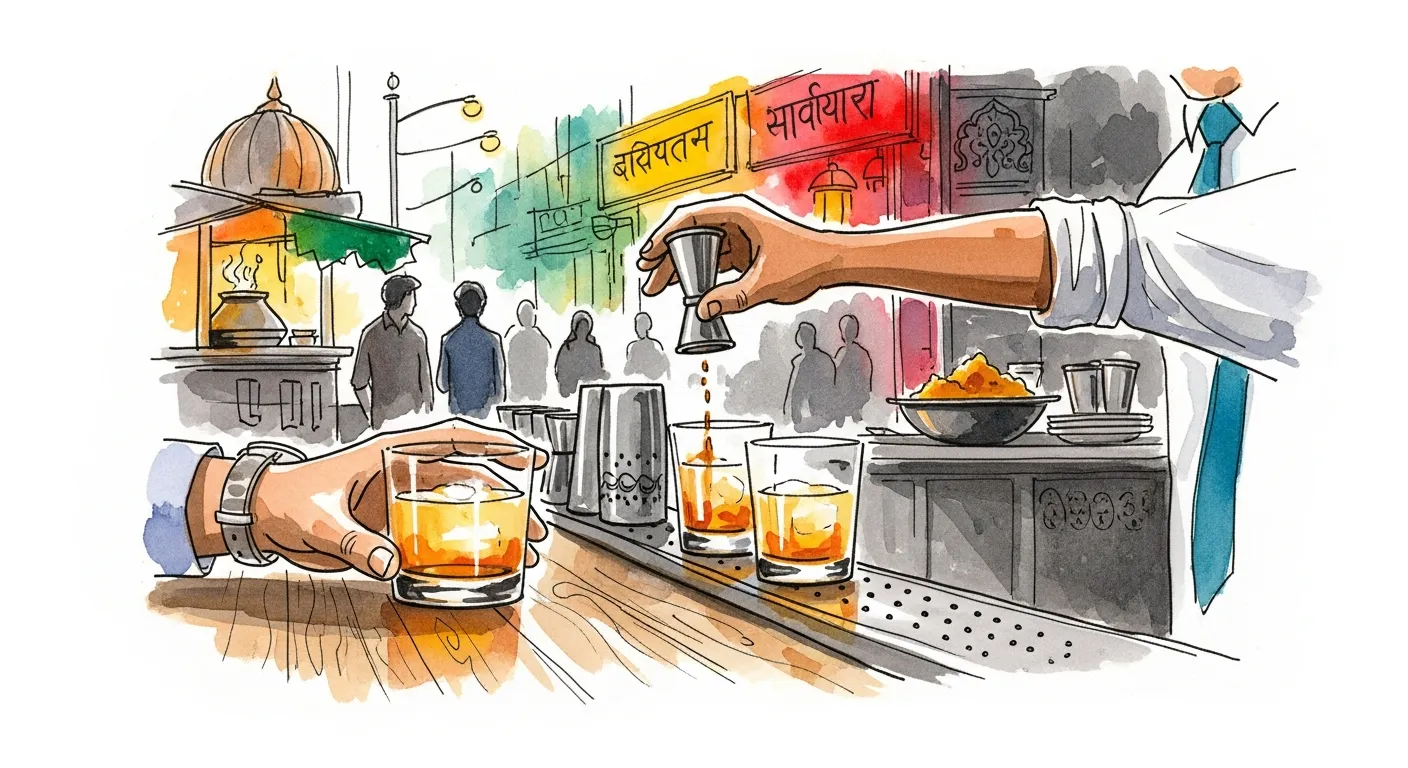
Somewhere around 2015, the bartender in Mumbai stopped being a person who poured drinks and became a person who made arguments. The bottles behind the bar stopped being the menu. The menu became the menu. You opened it and there was a paragraph. There was a name with a story. There was a hyperlocal ingredient you had eaten your whole life and never expected to drink.
Tamarind in a glass. Kokum in a tincture. Curry leaves in a smoke. Gondhoraj lime in a spritz. The Indian pantry, finally, was treated like a bar.
The World's 50 Best Bars noted that Mumbai's leading bars are now pulling from textile traditions, Ayurvedic principles, and indigenous ingredients. PCO Bombay was singled out for textile-inspired cocktails, drinks built around the colours and weaves of Indian cloth. Ekaa, the restaurant from chef Niyati Rao, was singled out for a bar program that treats Ayurveda and seasonal indigenous flora as a working framework, not a marketing line.
This is not garnish. This is a research practice.
The bar stopped pouring drinks. It started publishing.
THE TECHNIQUES NOBODY SEES
Walk into the back of a serious cocktail bar in Mumbai right now and you will find equipment that looks borrowed from a chemistry lab and a charcuterie kitchen. Rotavaps for low-temperature distillation. Vacuum bags for sous-vide infusions. Glass jars of things fermenting in dark corners. Whey separating from yoghurt for a clarified milk punch that will go on the menu next month.
The techniques are not hidden. They are just invisible to the person drinking.
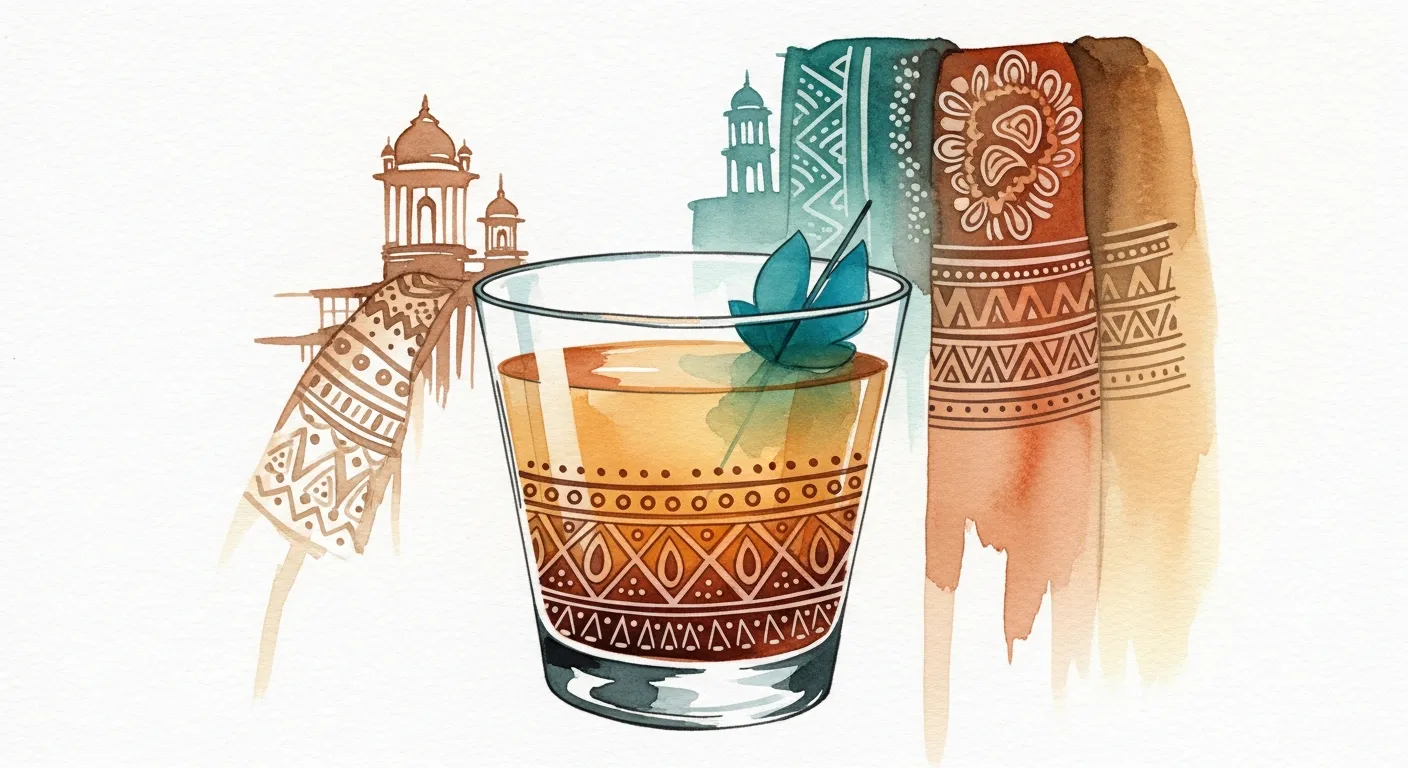
Fat-washing, the process of infusing a spirit with the flavour of a fat and then freezing the fat out, lets a bartender put the taste of ghee or coconut oil into a clear liquid. Smoking, done with a handheld gun or a sealed cloche, adds the memory of fire without the mess of it. Fermentation produces sour, funky, complex base ingredients that no commercial bottle can match. Pickling, the same process your grandmother used for mango achaar, becomes a way to put acid and depth into a drink that does not need a single drop of citrus.
This is what the menu does not tell you. The menu tells you the story. The story is the easy part.
THE BOMBAY CANTEEN AS LIBRARY
The Bombay Canteen, at Kamala Mills, has been doing this longer than most. Its bar program has been listed among Asia's 50 Best Bars, and its approach is essentially literary. Each drink references something. A neighbourhood. A vehicle. A waiter. A vendor. A childhood. The cocktail is a footnote to a memory.
The Rear View references the kaali peeli taxi. The Waiting List references the Udipi restaurant. The drinks themselves are built from indigenous flora, artisanal honey, regional spices. The menu reads like a short story collection by someone who knows the city intimately and is gently refusing to romanticise it.
The bartender at The Bombay Canteen is not making you a drink. He is handing you an essay in a glass and waiting to see if you can read it.
THE NEW WAVE
The bars that have opened since 2023 are pushing the argument further. Time Out's 2026 list of Mumbai's best cocktail bars includes Paradox, Slink and Bardot, KMC Bar and Bistro, and House of Paloma. Each one is a different position on what a bar can be.
Paradox is built around a mystery-led narrative. You do not order a drink. You uncover one. KMC Bar and Bistro leans into the cafe-by-day, bar-by-night format that Mumbai has been slowly learning from Melbourne and Lisbon. House of Paloma is Latin American in its bones, mezcal and tequila and agave doing what gin and whisky used to do in this city.
Sort My Scene's 2025 guide lists Americano, Otra, and Bombay Daak alongside the older names. Each one is a different argument for what the next decade of drinking in Mumbai will look like. Americano leans aperitivo. Otra leans premium and quiet. Bombay Daak leans into the storytelling format, drinks named after postal routes and shipping manifests, the city's old logistics turned into a flavour map.
THE CONCEPT BAR
Hindustan Times noted that the concept bar is now the dominant format in Indian cocktail culture. Coastal-inspired drinks at Gimlet Garden. Storytelling menus that walk you through a flavour map rather than a list of categories. Immersive interiors where the room is part of the drink.
This is not pretension. This is what happens when an industry that spent fifty years importing finally starts exporting.
Yangdup Lama, one of the bartenders most cited in writing about contemporary Indian mixology, has been arguing for years, as he told Soul of Hospitality, that the Indian bar's advantage is the Indian pantry. Storytelling, freshness, in-house mixes, traditional spices. The cocktail does not need to be Indian to be Indian. It just needs to be made by someone who is paying attention to where he is standing.
The advantage was here the whole time. The bartender just had to turn around.
THE DRINK AT HOME
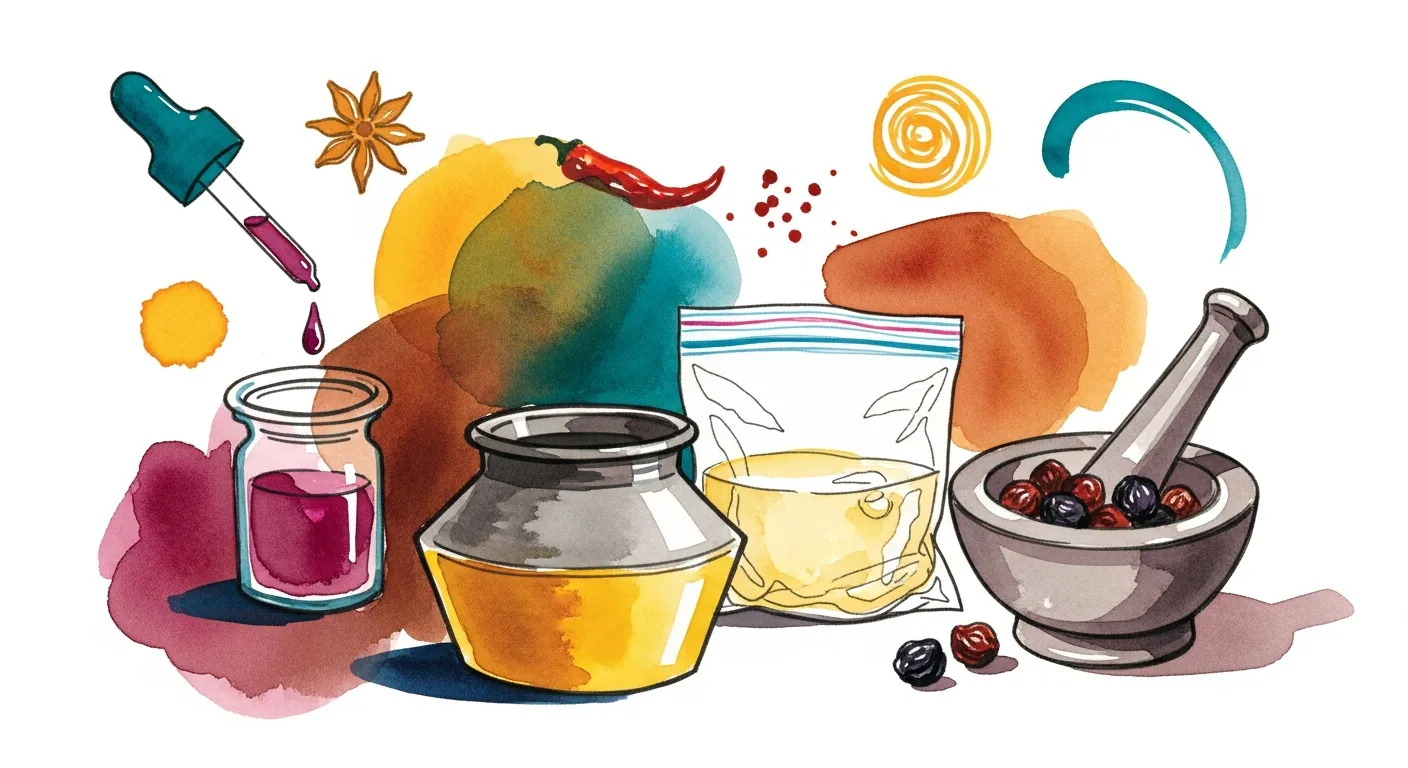
The most useful thing about all of this, if you are not at a bar, is that the techniques travel.
A fat-wash you can do with ghee and gin in a freezer bag overnight. A kokum tincture you can make with vodka and dried kokum from any Maharashtrian grocery in two weeks. A curry leaf syrup you can build in fifteen minutes with sugar, water, and a hot pan. A clarified milk punch, the technique that has been circulating in serious cocktail bars for the last five years, is essentially a chemistry exercise you can do in your kitchen with whey and citrus.
The drink you are trying to make at home is not the drink you had at the bar. It is the technique behind it. The bar is showing you a method. The method is the gift.
You are not buying the cocktail. You are buying the homework that produced it.
THE LAST POUR
There is a moment, somewhere around the third sip, when the drink in your hand stops being a drink and starts being a conversation. With the bartender. With the city. With the version of Mumbai that has decided, finally, that the things growing in its own backyard are worth putting in a glass.
The ice melts. The conversation at the next table gets louder. The bartender, the one you did not notice when you walked in, slides the second glass across the counter without being asked.
He knows what you are drinking. He wrote it.
Field Notes
Quick referenceThe word 'cocktail' was first defined in print on May 13, 1806, in a Hudson, New York newspaper. Four ingredients. That's still the whole argument.
Kokum from Ratnagiri. Gondhoraj lime from Bengal. Curry leaves from the sabzi-wala downstairs. Mumbai's cocktail ingredients have been here for decades. The bars just started paying attention.
You can fat-wash gin with ghee in a freezer bag overnight. The fat carries flavour in. The freeze pulls it out. What stays is taste with no grease. Your freezer is now a bar tool.
The Bombay Prohibition Act of 1949 made drinking in the city quasi-legal for decades. The permit room was the only architecture available. The cocktail menu was not a creative document. It was a workaround.
Bombay Daak names its drinks after postal routes and shipping manifests. The city's old logistics as a flavour map. The bar menu as city archive.
Get the next story first
Join the Bhukkads. Free, no spam, just stories.
Takes 30 seconds.