The Bar Is Telling You a Story. Most Nights, Nobody's Listening.
A taxi, a rooster, a vegetarian speakeasy, a brewery that became a cocktail room. Mumbai's bars stopped pouring drinks and started writing them.
Generated by Imagen 4
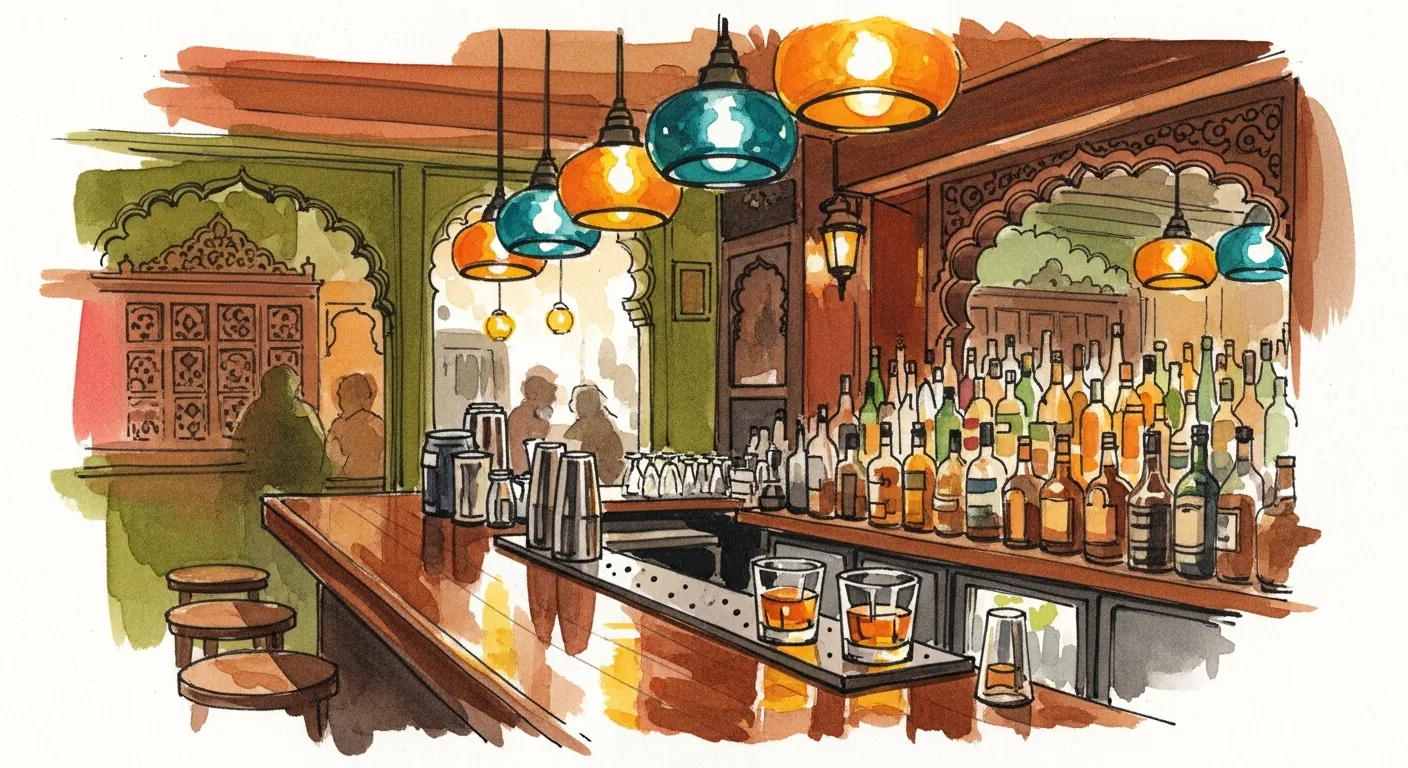
There is an hour in Mumbai, somewhere between the second drink and the third, when the conversation at the next table stops being background and becomes the whole point. You know this hour. I know you know it. The food has arrived and gone cold. The ice has melted twice. Somebody is laughing too hard at something that wasn't that funny. And the bartender, the one you didn't notice when you walked in, is now the most important person in the room because he is the one deciding what comes next.
This is the hour that Mumbai's bars have started writing for.
THE CITY THAT FORGOT IT INVENTED THE DRINK
For most of the last century, drinking in Bombay was a category problem. You drank what the permit room had. You drank what the hotel bar imported. You drank what the licensing regime allowed, which was a narrow strip of possibilities lit by fluorescent tubes and served with a side of papad. The cocktail, in this city, lived in two places only: the five-star hotel, where it was a transcription of London, and the dive bar, where it was a transaction involving rum and Limca.
Nobody was telling a story. They were taking an order.
Then, somewhere around 2015, something shifted. Bars stopped importing their imagination. They started looking out the window. The taxi went past, the rooster crowed somewhere in a Goan memory, the Udipi waiter slapped down a steel tumbler of water, and the bartender, finally, was paying attention.
The drink in your glass started to taste like the city that made it.
THE CANTEEN AND ITS STORIES
The Bombay Canteen, at Kamala Mills, did not invent this approach. But it formalised it. Somebody, at some point in a kitchen meeting nobody filmed, decided that a cocktail menu was not a list of drinks. It was an anthology.
They called them storied cocktails. The Rear View, an ode to the kaali peeli, that black and yellow proof-of-life vehicle every Mumbaikar has at some point thrown up next to. The Waiting List, inspired by the Udipi restaurant, the institution that has fed this city more thalis than the census can count. You order the drink. The menu tells you what it is referencing. The reference is not decorative. The reference is the drink.
The World's 50 Best Restaurants noted that Mumbai's cocktail programs are now drawing from Indian culture, textiles, and indigenous ingredients. PCO Bombay, Ekaa, The Bombay Canteen. Each one a different argument for what a drink can carry.
A cocktail menu is not a list of drinks. It is an anthology.
This is the part that nobody talks about. The bartender is now a writer. The shaker is the pen. The drink lasts twelve minutes on your tongue and then it's gone, but the story it told sits in the room for the rest of the night.
O PEDRO AND THE ROOSTER
In November 2023, O Pedro, the Goan bar in the middle of Mumbai's glitzy business district, launched a menu called Happyland. The mascot was a rambunctious rooster named Rocky. The drinks were Goan in the way Goa actually is, not the way Instagram thinks it is. Less sunset, more siesta. Less feni shot, more long afternoon.
O Pedro had been around since 2017. Six years of building a reputation as the place you went when you wanted the chilled-out cousin of The Bombay Canteen. "O Pedro, the Goan getaway in the heart of Mumbai's glitzy business district, has been lucky to have enjoyed a fan following since it was launched," 30 Best Bars India reported.
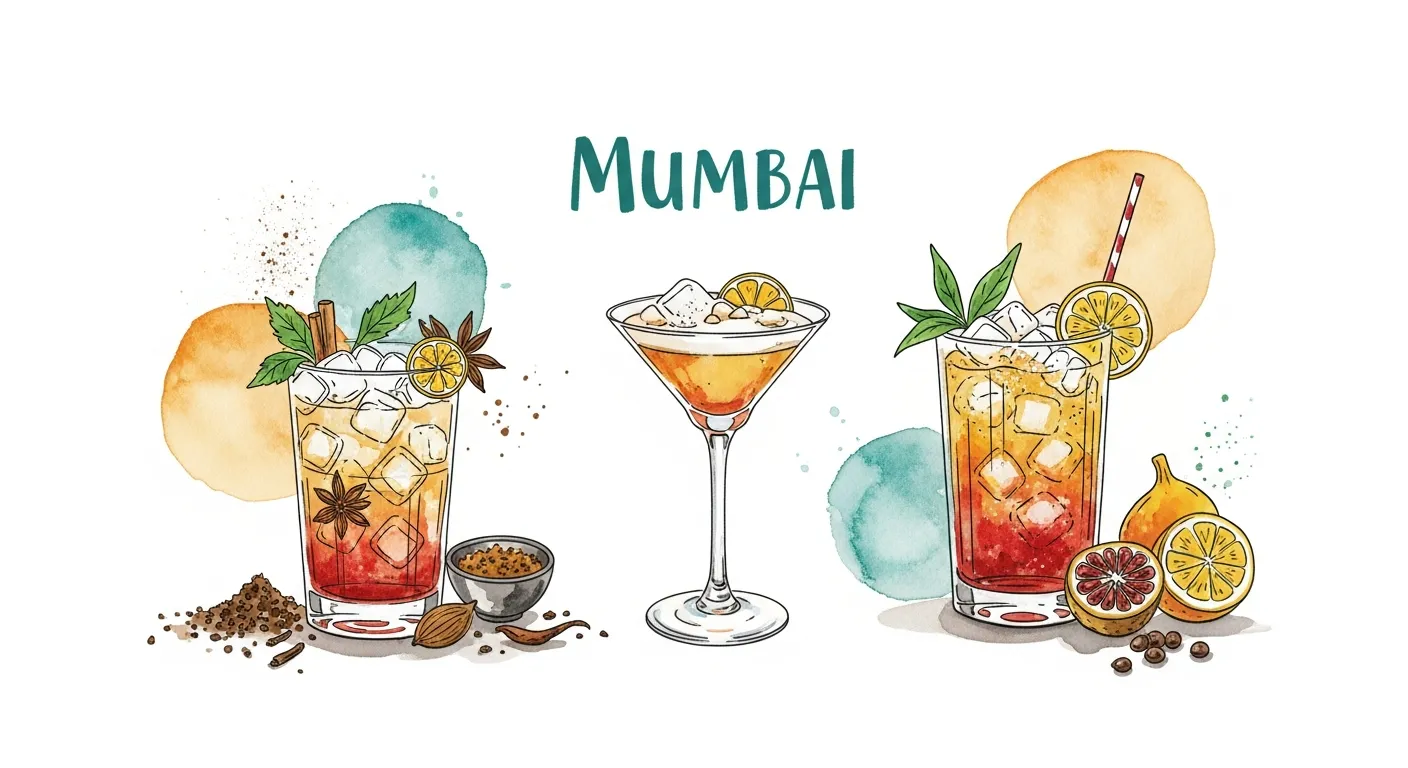
The technique was serious. The mood was not.
"O Pedro's drinks, though equally technique-intense as those at The Bombay Canteen, are to be taken in a lighter vein, to go with the chilled-out vibe," the same publication noted. The bartender's hands were doing precise work. The drinker's job was to not notice.
That is the trick of a good bar. The work disappears. The story stays.
THIRSTY CITY 127, THE ROOM THAT REPLACED A BREWERY
Lower Parel. The address is 127. The space, before it became Thirsty City 127, used to house one of India's first craft breweries. That is a small, specific kind of inheritance. You are drinking in a room that used to make beer. The beer left. The cocktails arrived.
The space is small. The lights are low. The design is intimate enough that you can hear what the table behind you is arguing about, which is part of the point. ELLE DECOR described it as a place focused on cocktail technique rather than novelty, which is a polite way of saying that nobody is setting anything on fire for your phone camera.
This matters. Mumbai's bar scene, for a while, was caught in a spectacle loop. Smoke domes. Liquid nitrogen. Drinks served in light bulbs and bicycle helmets and one memorable case, a syringe. Thirsty City 127 is the room that decided the spectacle was finished. The drink is the spectacle. Sit down. Pay attention.
The beer left. The cocktails arrived. The room remembers both.
CHARLEE, THE VEGETARIAN SPEAKEASY
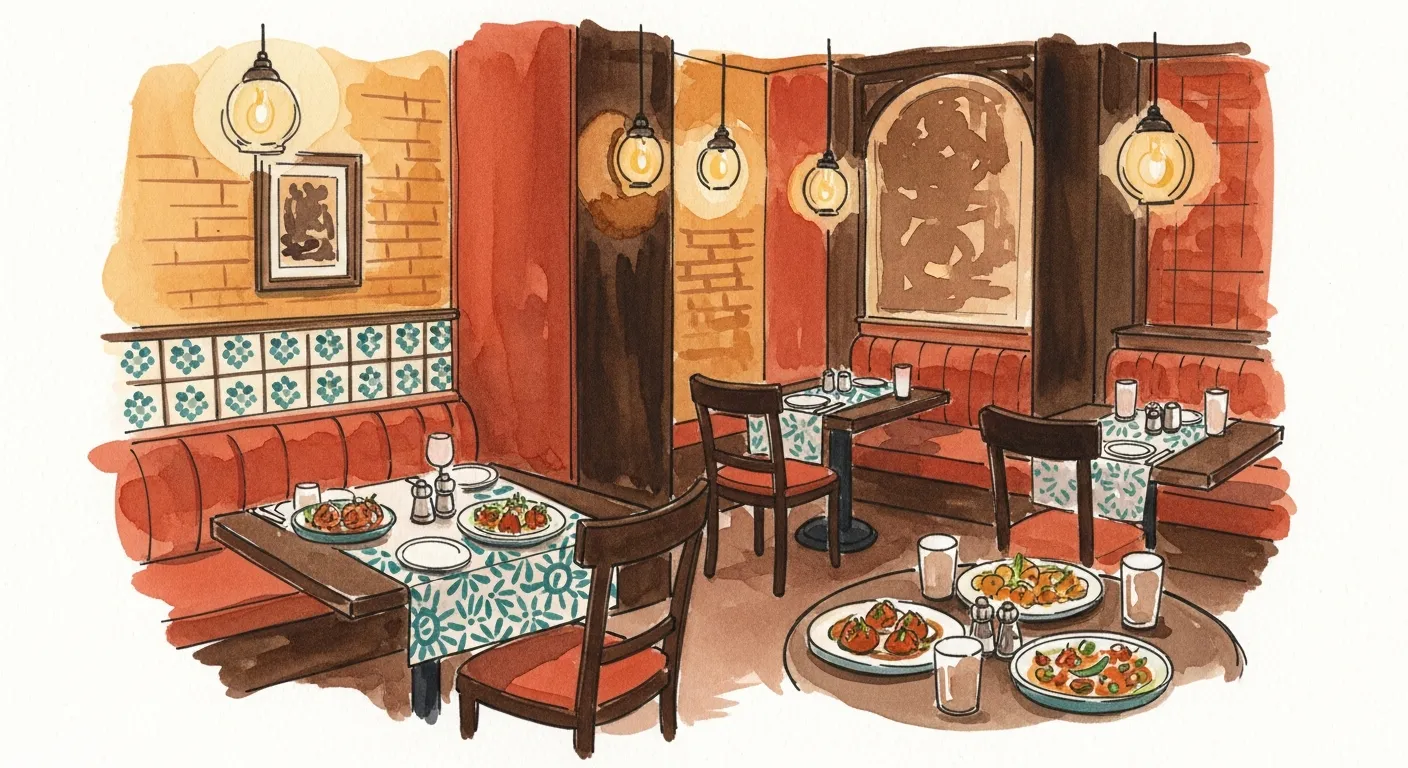
Santacruz. The door is hidden. You have to know where to look. Inside is Charlee, a speakeasy where the entire programme, food and drink, is vegetarian. Not vegetarian by accommodation. Vegetarian by design.
The head mixologist is a man named Sunny. He works with white spirits, roots, and herbs. Turmeric appears in places turmeric is not supposed to appear. The Ideas Lab described his philosophy as using white spirits, roots like turmeric, and complex flavor pairings to offer a fresh perspective on cocktails.
This is the part of Mumbai's bar scene that the city outside the bar scene refuses to take seriously. The assumption is that a vegetarian speakeasy is a compromise. It isn't. It is a constraint that produces invention. The bartender who cannot reach for the obvious has to reach for something else. The something else is often better.
Mumbai was named the best city in India for bars in January 2024, with seven bars from the city making the top 30 list nationally. Seven. In one city. The list was the 4th edition of 30BestBarsIndia, and it confirmed something that anybody drinking in this city after 9 PM already knew.
THE BARTENDER IS A LOCAL HISTORIAN
The shift, when you stand back from it, is not about technique. The technique has always been available. Shaker, jigger, strainer, ice. The shift is about source material.
For decades, the Mumbai bartender's source material was elsewhere. The Manhattan was a place. The Negroni was a man. The Old Fashioned was a method codified in pre-Prohibition America. None of this had anything to do with the city the drink was being served in. The drinker, sitting at the bar, was being asked to imagine themselves somewhere else.
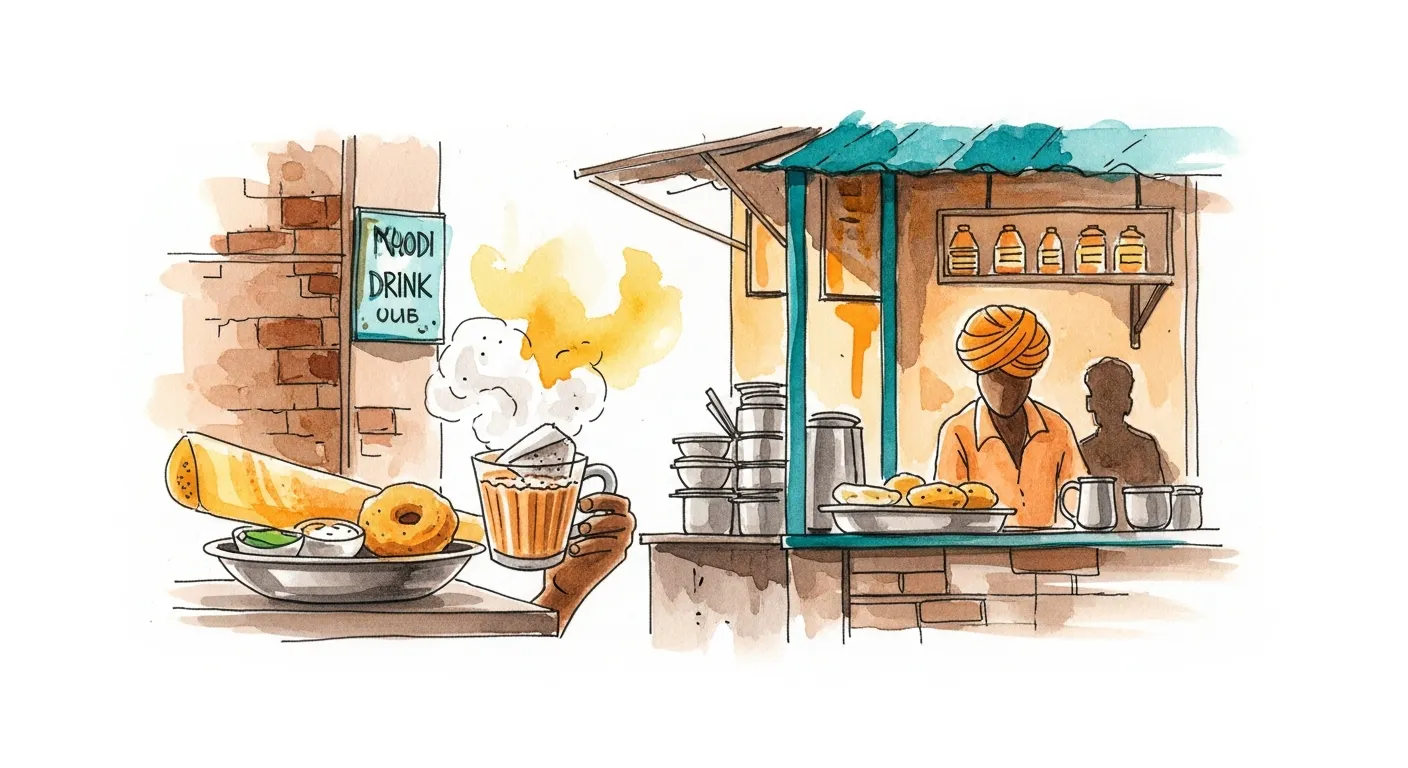
The new generation flipped this. The kaali peeli is not a reference. It is the drinker's life. The Udipi is not a theme. It is the place the drinker had breakfast that morning. The rooster, the brewery, the turmeric root, the Goan siesta. These are not exotic objects being brought into the bar. They are the bar's neighbours.
The drinker is being asked to imagine themselves where they already are.
That is harder than it sounds.
THE HOUR THAT KEEPS COMING
It is past midnight now. The table behind you has settled into the long, soft phase of the evening where nobody is performing anymore. The bartender is wiping down the counter. The ice is finally winning. Somebody is paying a bill that took fourteen minutes to arrive because Mumbai bills always do.
The drink in front of you is half finished. It was, depending on which room you are sitting in, a story about a taxi, or a rooster, or a brewery that closed, or a root that grew somewhere you have never been but your grandmother has.
You will not remember it tomorrow. That is not the point.
The point is that for the twelve minutes it was in your hand, somebody in this city was telling you where you are.
And for once, you were listening.
Field Notes
Quick referenceO Pedro launched its Happyland menu in November 2023. The mascot was a rooster named Rocky. The feni shot was not invited.
Charlee in Santacruz is fully vegetarian, by design. Hidden door. Turmeric in places turmeric was not invited.
Mumbai placed seven bars in the top 30 of India's 4th edition of 30BestBarsIndia in January 2024. One city.
Thirsty City 127 in Lower Parel occupies the former home of one of India's first craft breweries. No smoke domes. No syringes.
The Manhattan is a place. The Negroni is a man. The kaali peeli is the drinker's actual morning.
Get the next story first
Join the Bhukkads. Free, no spam, just stories.
Takes 30 seconds.