The Permit Room That Forgot to Close
Bombay's bars were born from a prohibition that never quite ended. The cocktails are new. The thirst is older than the city.
Generated by Imagen 4
In 1952, Morarji Desai became Chief Minister of the Bombay State. He was a Gandhian, a teetotaller, and a man who believed that the moral health of a province could be legislated through its liver. The Bombay Prohibition Act had been on the books since 1949, but Desai gave it teeth. By the time he was done, you could not legally buy a drink in this city without a permit certifying that you needed alcohol for medical reasons.
Which is how, for the better part of two decades, the most cosmopolitan port in Asia drank on a doctor's note.
The permit rooms came first. Small, low-ceilinged spaces attached to Irani cafes and military canteens, lit by a single tube light, where a man with a stamped card could order a quarter of rum and a plate of salli boti and pretend he was treating a chronic condition. The bartender was not a mixologist. He was a pharmacist. The drink was not a cocktail. It was a prescription.
The law was diluted in 1963 and effectively dismantled by the 1970s, but the architecture survived. The permit rooms became bars. The pharmacists became bartenders. The chronic condition became Friday night.
THE BAR THAT WAS ACTUALLY A LOOPHOLE
Nobody talks about how the Bombay bar is, structurally, a loophole. Everybody talks about the cocktails.
The Excise Department still issues licenses under categories that read like archaeology. FL-II for hotels, FL-III for restaurants, FL-IV for clubs, CL-III for country liquor, E for the foreign-liquor permit room. Every bar in this city is operating under a code written for a sober state. The bartender pouring you a mezcal old fashioned in Pali Hill is doing so under a permit category designed to dispense brandy to tubercular clerks.
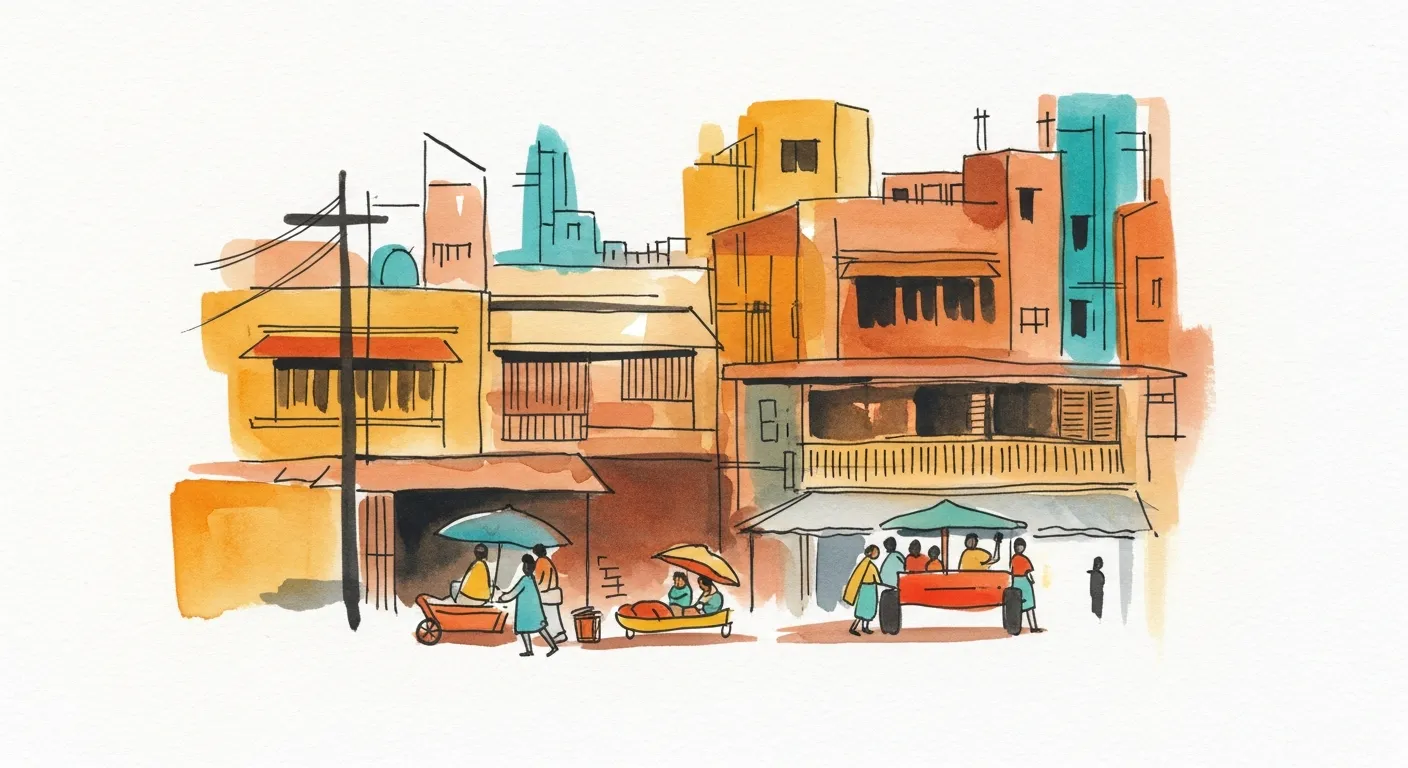
The cocktail revolution in Bombay is not a culinary movement. It is a regulatory accident that found talent.
THE QUEEN OF THE SUBURBS
In 1534, the Sultan of Gujarat ceded a fishing village called Bandora to the Portuguese. The Jesuits arrived a few decades later and built churches at Mount Mary and St Andrew. The East Indian Catholic families who settled the area, the Kolis who were already there, the Goan migrants who came later, all of them lived in a place where wine was sacramental and feni was domestic. Bandra was drinking when the rest of the city was still arguing about it.
This is why, when the prohibition lifted, Bandra was ready. The aunties who had been making homemade port for Christmas had infrastructure. The kuswar at Christmas always involved a bottle. The wedding rosca came with caju feni from a relative in Saligao. By the time the first formal bars opened on Hill Road in the 1970s, the neighbourhood had four hundred years of practice.
Agoda's 2025 Mumbai nightlife guide calls Bandra the Queen of the Suburbs and the creative heart of the city's nightlife. The phrasing is recent. The position is not. Bandra has been the place you went for a drink since before the railway reached it.
THE LIVING GALLERY ON PALI HILL
Up the slope from Hill Road, in the leafy stretch where the bungalows have not yet been converted into towers, sits House of Paloma. The co-founder, Prathik, describes the bar as a living gallery. The phrase is not marketing. It is method.
Paloma's menu is built around the idea that a cocktail is a souvenir. Not from a recipe, but from an emotion. The bar pulls from Mexico City, from Lima, from Buenos Aires. A drink is not a Negroni variant. It is the specific quality of light at 11 pm in a Palermo courtyard, translated into mezcal and pisco and whatever local infusion the bar team has been macerating that week.
A cocktail is a souvenir. Not from a recipe, but from an emotion.
This is a long way from a permit room. It is also, if you squint, the same thing. A small room. A low ceiling. A man behind a counter handing you something you needed without quite knowing why.
THE TINCTURE ROOM IN MAHALAXMI
Across town, behind the racecourse, Ekaa Bar is doing something that the permit rooms could not have imagined. Chef Niyati Rao and her team treat the bar as an extension of the kitchen. Local produce, house infusions, tinctures, chilli syrups, ferments that have been bubbling in a corner since the last monsoon.
The Roadbook list of Mumbai's best bars reads like a map of where the city decided to take its drinking seriously. Ekaa for the produce. Koko for the volume. Aer for the height. Each one solving a different problem.
Ekaa's problem is the most interesting. It is asking what a Bombay cocktail actually tastes like when you stop pretending it is a London cocktail. Tamarind. Curry leaf. Kokum. The pantry of the city's home kitchens, finally allowed into the glass.
THE DIVE BAR THAT REMEMBERED ITSELF
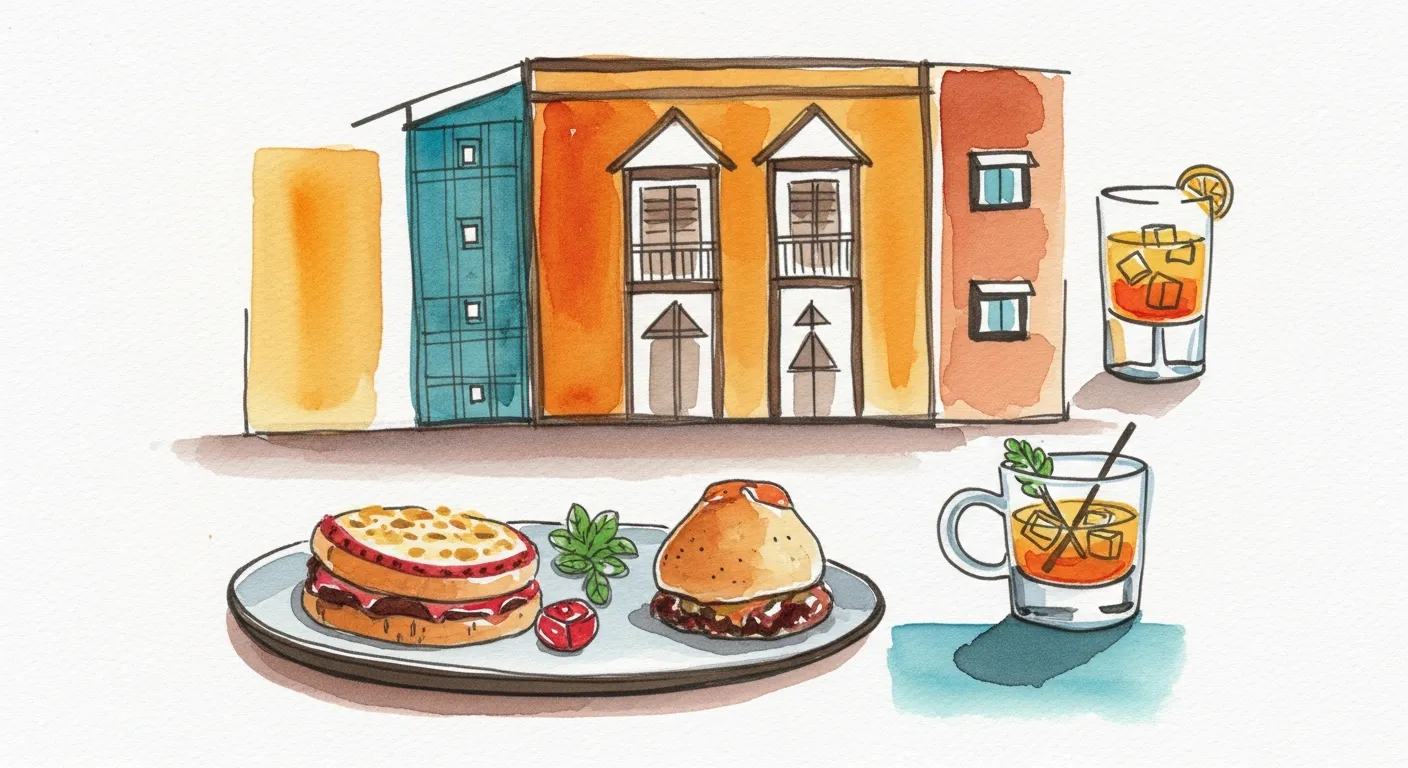
Then there is Versova, where Public Beer Hall and Snack Bar opened recently as what its operators call an ode to nostalgia. The reference points are the classic Indian beer halls, the gymkhana bars with their wood panelling and their honour-system tabs, and the Irani cafes that ran permit rooms in the back.
The nostalgia is real. The Irani cafes that used to attach a permit room to the chai counter are mostly closed now. Bastani is closed. Cafe Naaz on Malabar Hill is closed. The ones that remain, Britannia, Kyani, Yazdani, are not in the bar business any more. The dive bar, the actual dive bar with the formica tables and the chicken lollipop and the rum that arrived in a tea cup if a constable walked past, is a rare format.
Public Beer Hall is not pretending to be that bar. It is acknowledging that the bar existed, and that the city has spent a decade forgetting it. The beer is cold. The snacks are sharp. The lighting is on purpose. It is a dive bar by design, which is the only way a dive bar gets built in 2026.
The first generation made permit rooms. The second generation made lounges. The third generation is making permit rooms again, on purpose.
THE BARTENDER WHO IS ALSO A CHEMIST
Nobody talks about how much chemistry is happening behind these counters. Everybody talks about the garnish.
The bar team at Ekaa runs rotovaps and centrifuges. Paloma's pantry has more glass jars than a homeopath. The Public Beer Hall is doing its own pickles. This is not the cocktail bar as bohemian hangout. This is the cocktail bar as laboratory, staffed by people who could have been in research and chose to be behind a counter at 11 pm on a Wednesday.
The bartender of 1955, with his prescription pad and his bottle of Hercules rum, would not recognise the equipment. He would recognise the impulse. Someone walks in tired. Someone walks in heartbroken. Someone walks in needing exactly one specific thing, and the man behind the counter has spent fifteen years learning how to give it to them.
The permit was for medical reasons. It always was.
THE LOWER PAREL VERTICAL
Lower Parel is the newer wing of this story. The mills closed in the 1980s. The towers went up in the 2000s. The rooftop bars followed, because a city that has spent two centuries drinking at street level decided, very suddenly, that it wanted to drink at four hundred feet. Aer, on top of the Four Seasons, is the most cited example. The view is the cocktail. The cocktail is a courtesy.
This is the part of Bombay nightlife that the permit rooms did not anticipate. The vertical bar. The destination bar. The bar you take a taxi to because it is on top of something. Bandra drinks at eye level. Lower Parel drinks from above.
Both are correct. Neither is older than the other by much. Both descend, in the end, from the same 1949 law and the same stamped card and the same man behind the counter who knew what you needed before you asked.
The permit room never really closed. It just learned to make a better drink.
Field Notes
Quick referenceThe Bombay Prohibition Act passed in 1949. Morarji Desai became Chief Minister in 1952 and gave it real force. A stamped medical permit was the only legal way to drink in the city.
Bandra was ceded to the Portuguese in 1534. Four hundred years of feni, port wine, and kuswar before the first licensed bar opened on Hill Road.
Chef Niyati Rao's bar runs rotovaps and centrifuges. Tamarind, curry leaf, kokum. The Bombay cocktail, finally tasting like Bombay.
Every bar in Mumbai operates under an Excise code written for a dry state. The mezcal old fashioned in Pali Hill is poured under a permit designed for tubercular clerks.
Public Beer Hall opened as an ode to the gymkhana bar and the Irani permit room. A dive bar built on purpose, which is the only kind that gets built now.
Get the next story first
Join the Bhukkads. Free, no spam, just stories.
Takes 30 seconds.