The Estate That Forgot Its Own Pantry
Ballard Estate was built to ship cotton. A century later, its ground floors are shipping pre-colonial ingredients back into the Indian mouth, at fine-dining prices.
Generated by Imagen 4
In 1904, a Scottish engineer named George Wittet arrived in Bombay to work under John Begg, the Consulting Architect to the Government of India. He was 26 years old. He would design the Gateway of India, the Prince of Wales Museum, and the King Edward Memorial Hospital. He would also, between 1908 and 1914, design a commercial district reclaimed from the harbour, named after Colonel J A Ballard of the Bombay Port Trust.
The brief was specific. Yellow Malad stone. Neo-classical facades. Wide arcades that let merchants walk from ship to office without removing their hats. It was the first planned business district in the city, and it was built to serve a single function: get raw material out of India and finished goods in.
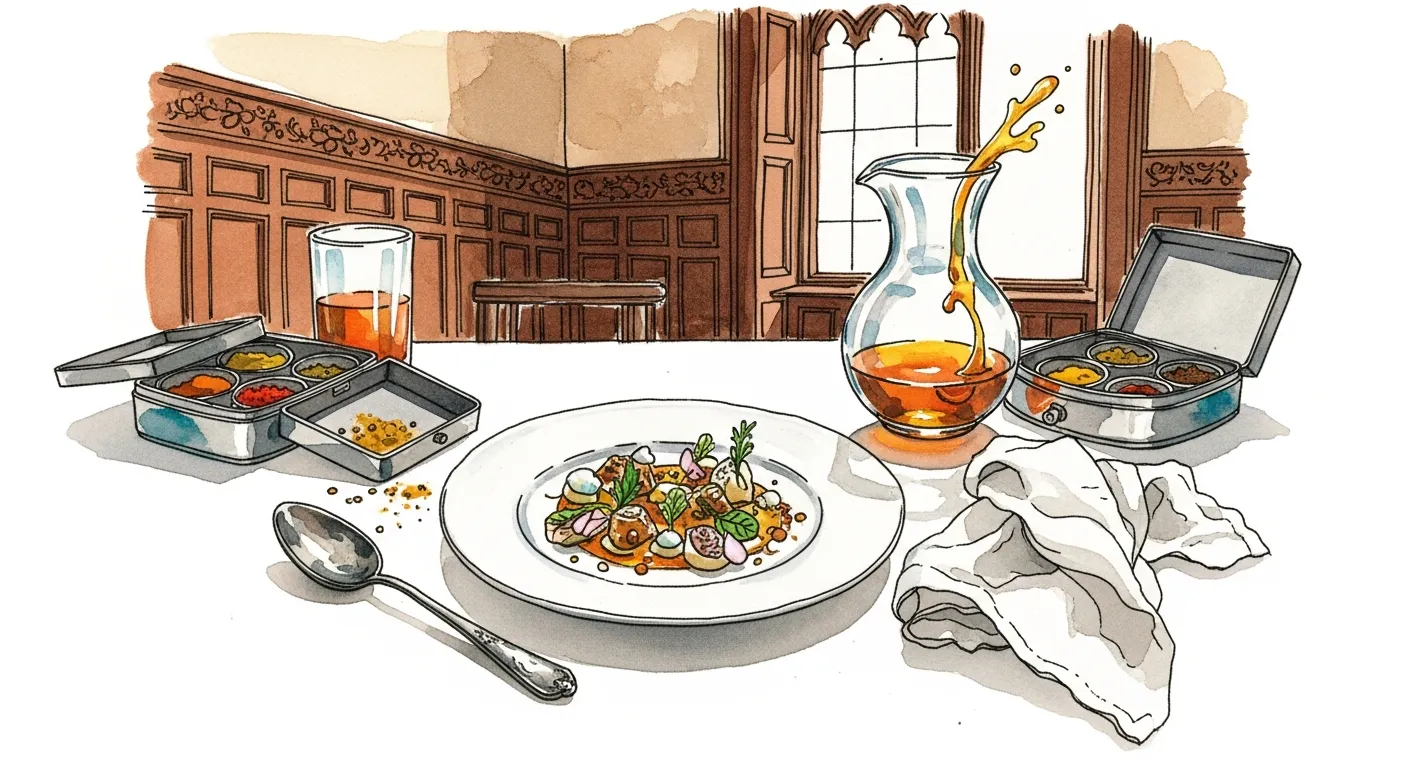
The ground floors were warehouses. The first floors were shipping agents. The pantries upstairs cooked the food of the men who ran the trade. Roasts. Mulligatawny. A version of curry that had been translated into English so many times it no longer answered to its original name.
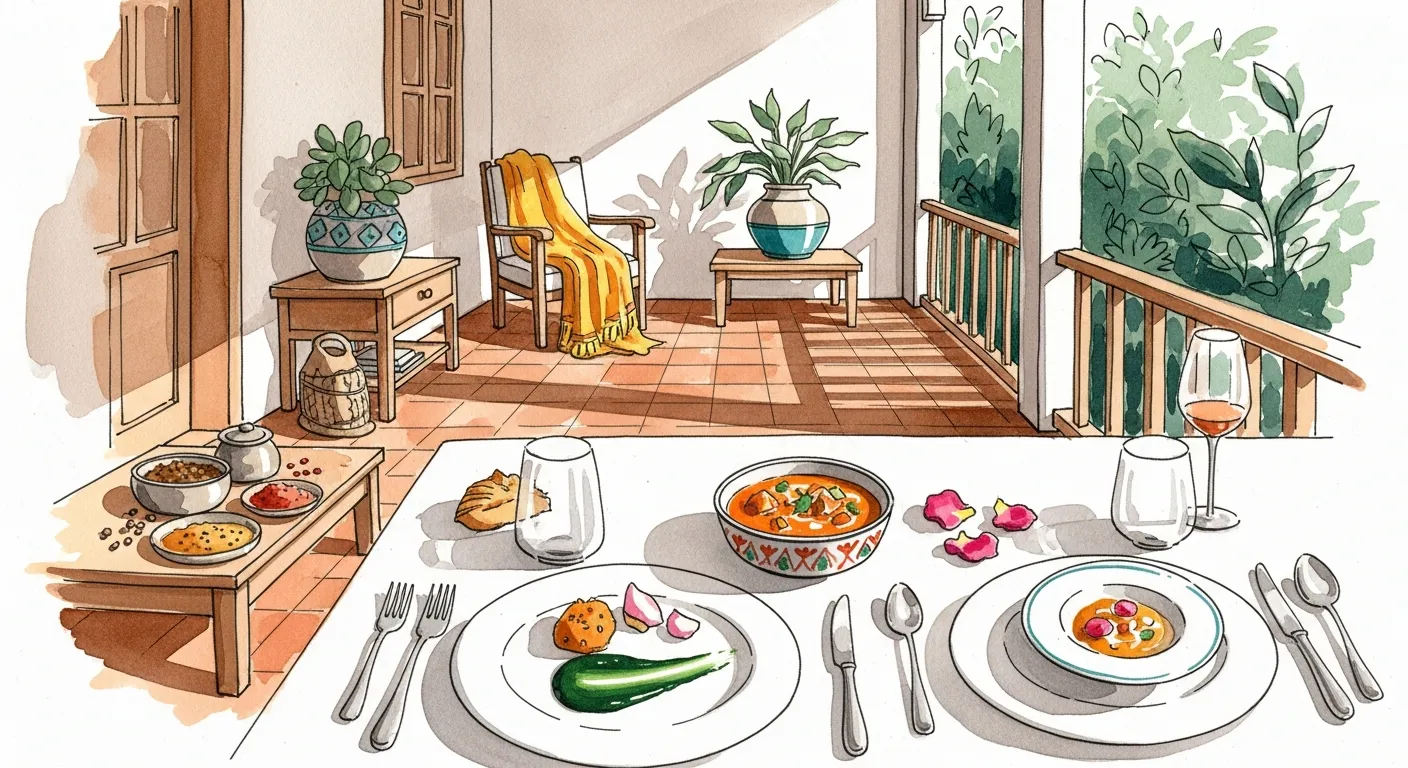
A hundred and eighteen years later, the same ground floors are doing the opposite. They are pulling ingredients out of Jharkhand forests and Naga hillsides and Konkan estuaries and serving them, on bone china, to the descendants of the clerks who used to eat mulligatawny upstairs.
THE DISTRICT THAT WAS DESIGNED FOR EXPORT
Ballard Estate was conceived as the polite face of the docks. The Alexandra Dock, completed in 1914, sat directly behind it. Cotton, opium, tea, and groundnut moved through the gates. The estate's tenants were Mackinnon Mackenzie, Killick Nixon, Volkart Brothers, Forbes Forbes Campbell. Names that owned ships and signed bills of lading and ate dinner at the Bombay Gymkhana.
The food on those tables was not Indian. It could not be. The supply chain that fed the estate was the supply chain that fed the empire, which meant that the most powerful commercial address in the country ate, for roughly fifty years, as if Indian ingredients were something other people grew.
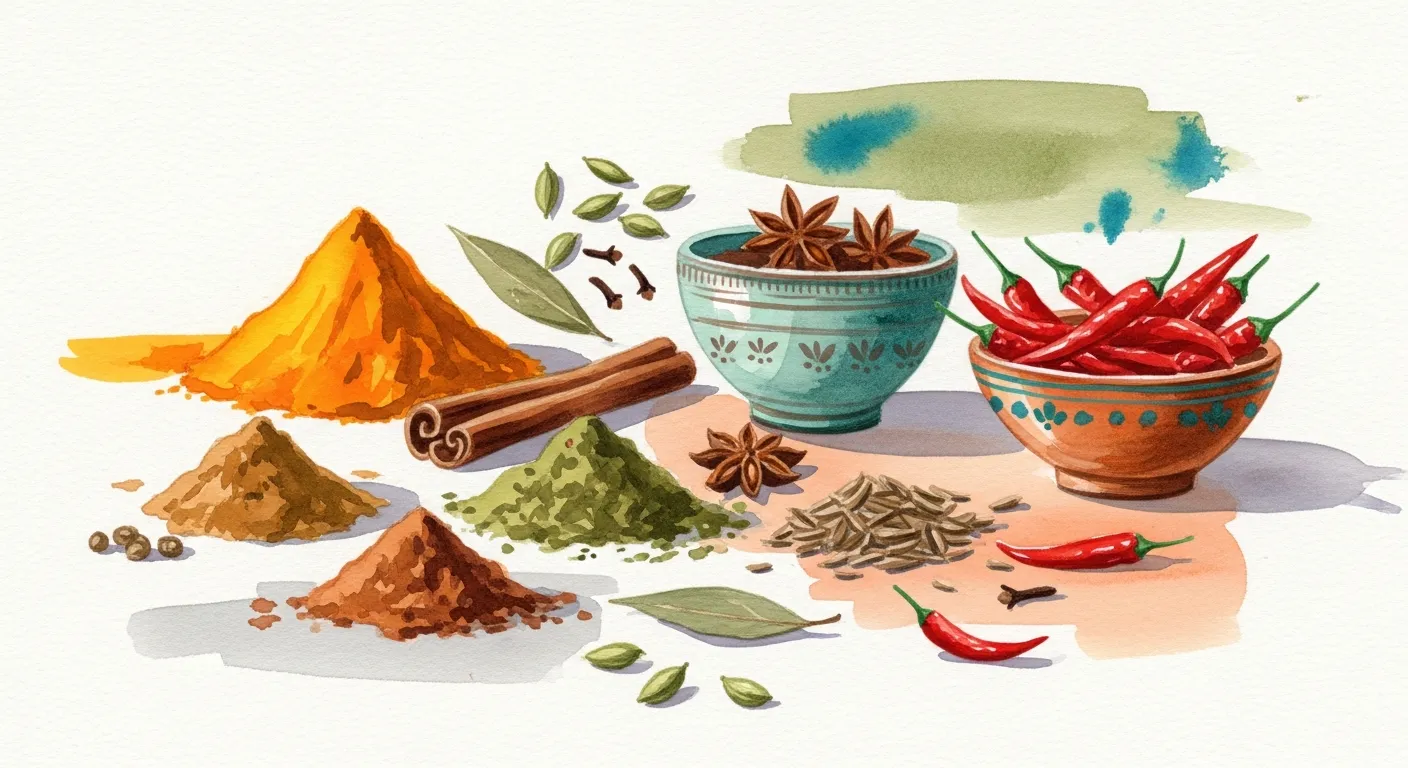
Kokum was not on the menu. Gondhoraj was not on the menu. Mahua was not on the menu. The flower that the Santhal and Gond communities have been distilling, fermenting, and cooking with for generations was, in the eyes of the Ballard Estate kitchen, irrelevant. Not an ingredient worth recording.
The British did not erase Indian ingredients. They just declined to record them on a menu.
THE PIVOT NOBODY TRACKS
Nobody talks about the warehouse conversion. Everybody talks about the chef.
When the Bombay Port Trust began winding down general cargo operations in the 1990s and the shipping agents migrated to Nhava Sheva, Ballard Estate had a structural problem. Heritage buildings with 14-foot ceilings, original teak doors, and a use-case that no longer existed. You cannot turn a shipping office into a residential flat. The bye-laws will not let you. The ceilings are too high to be economical.
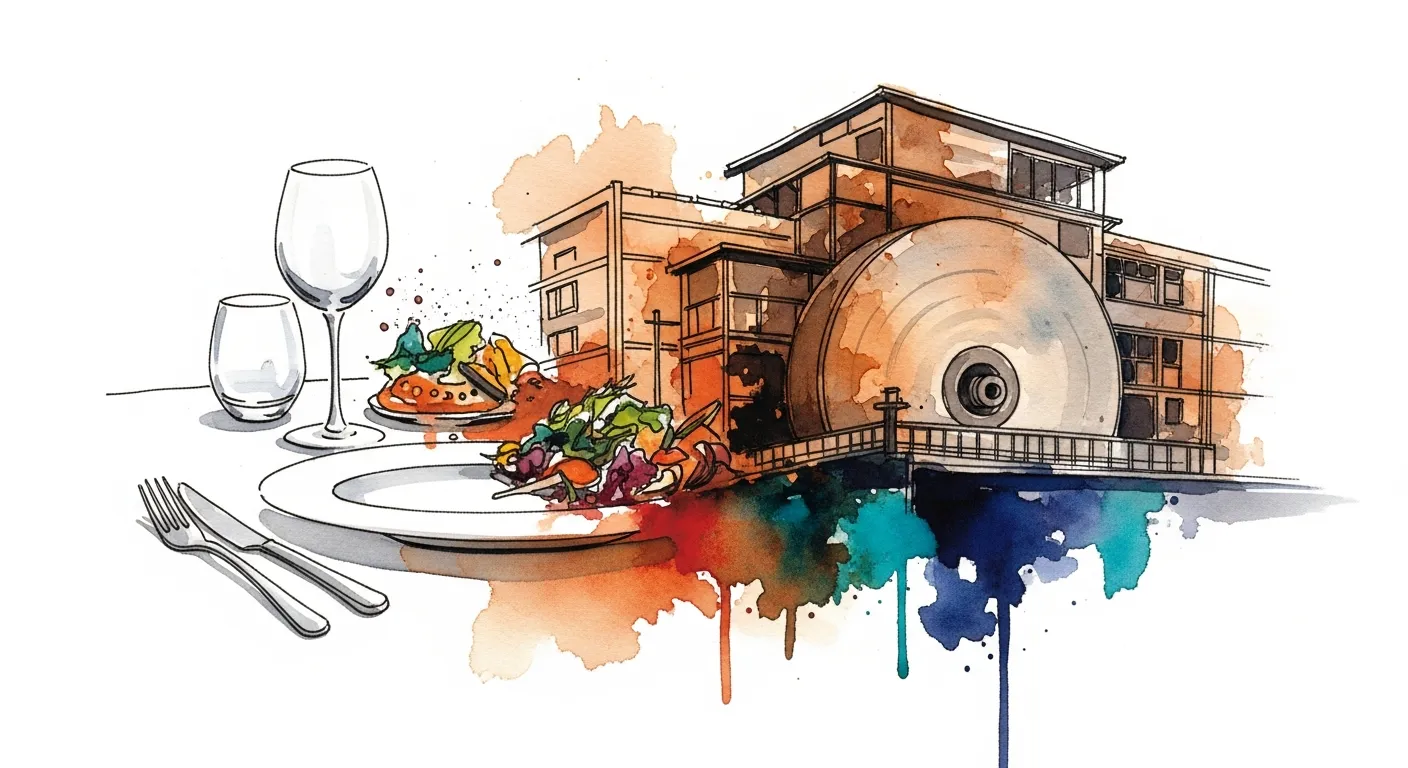
What you can do is turn it into a restaurant. The ceilings become a feature. The teak doors become a photograph. The arcade that once let merchants walk dry from ship to office now lets diners walk dry from valet to host stand.
This is the quiet economic logic of the new Ballard Estate dining scene. The rent is high but the format is fixed. You cannot run a 60-cover bistro out of a 14-foot-ceilinged warehouse. You have to run a 30-cover degustation that charges 4,500 rupees a head, and to justify that ticket, you need a story that 4,500 rupees of pasta cannot tell.
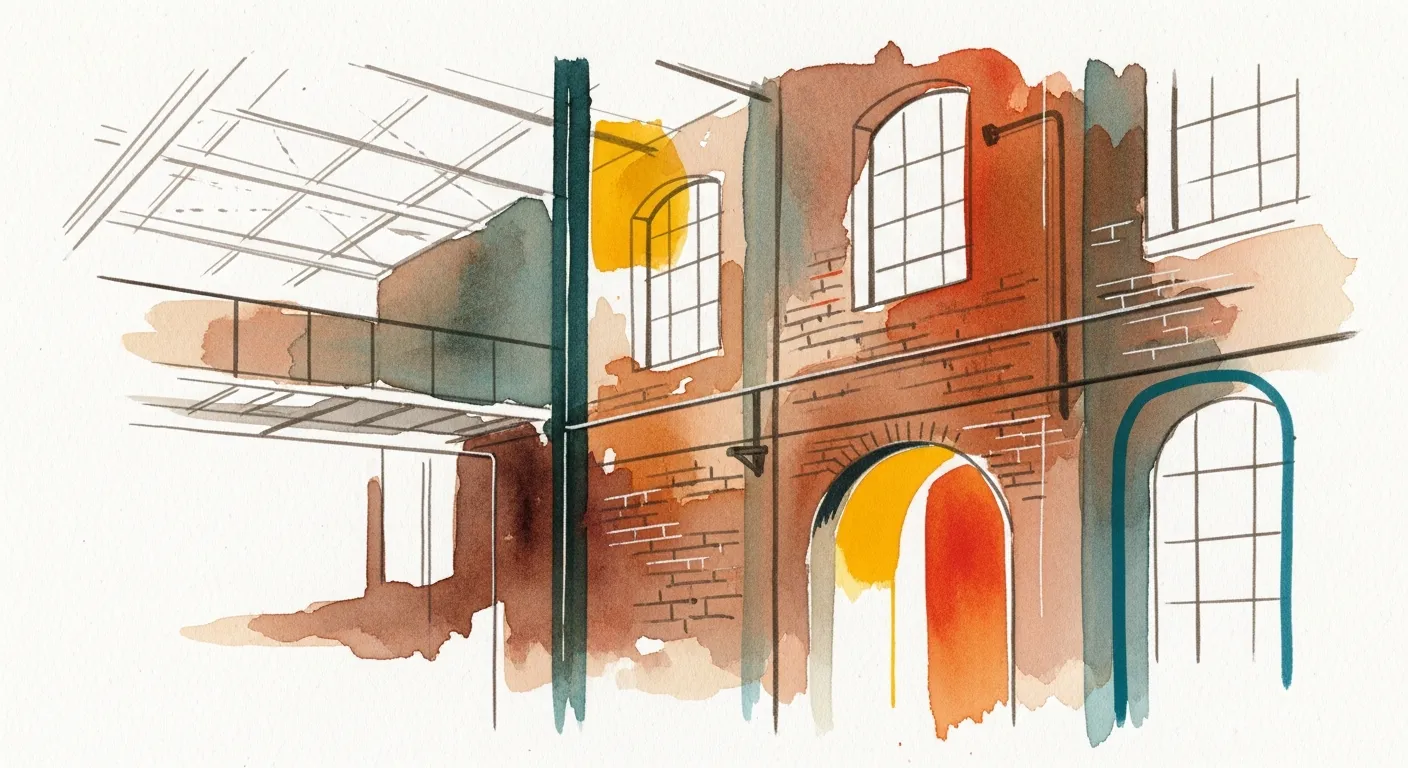
The story is the ingredient.
THE FERMENTER IN THE OLD CUSTOMS BUILDING
Tatler Asia, reporting on Mumbai's indigenous-ingredient movement, documents a Mumbai fine-dining kitchen working with over 150 different indigenous ferments. The chefs collaborate with tribal communities to forage ingredients that have no commercial supply chain, which is a polite way of saying that the kitchen sends a WhatsApp message to a man in a forest and waits.
The ferments are not garnish. They are the spine of the menu. Bamboo shoot from the Northeast, fermented for 18 months in its own liquor. Rice beer starter cultures from Assam. Akhuni, the soybean ferment that the Sumi Naga community has been making for generations and that, until roughly 2015, no fine-dining menu in this country would have dared to print.
The ingredient was always there. The reservation system caught up.
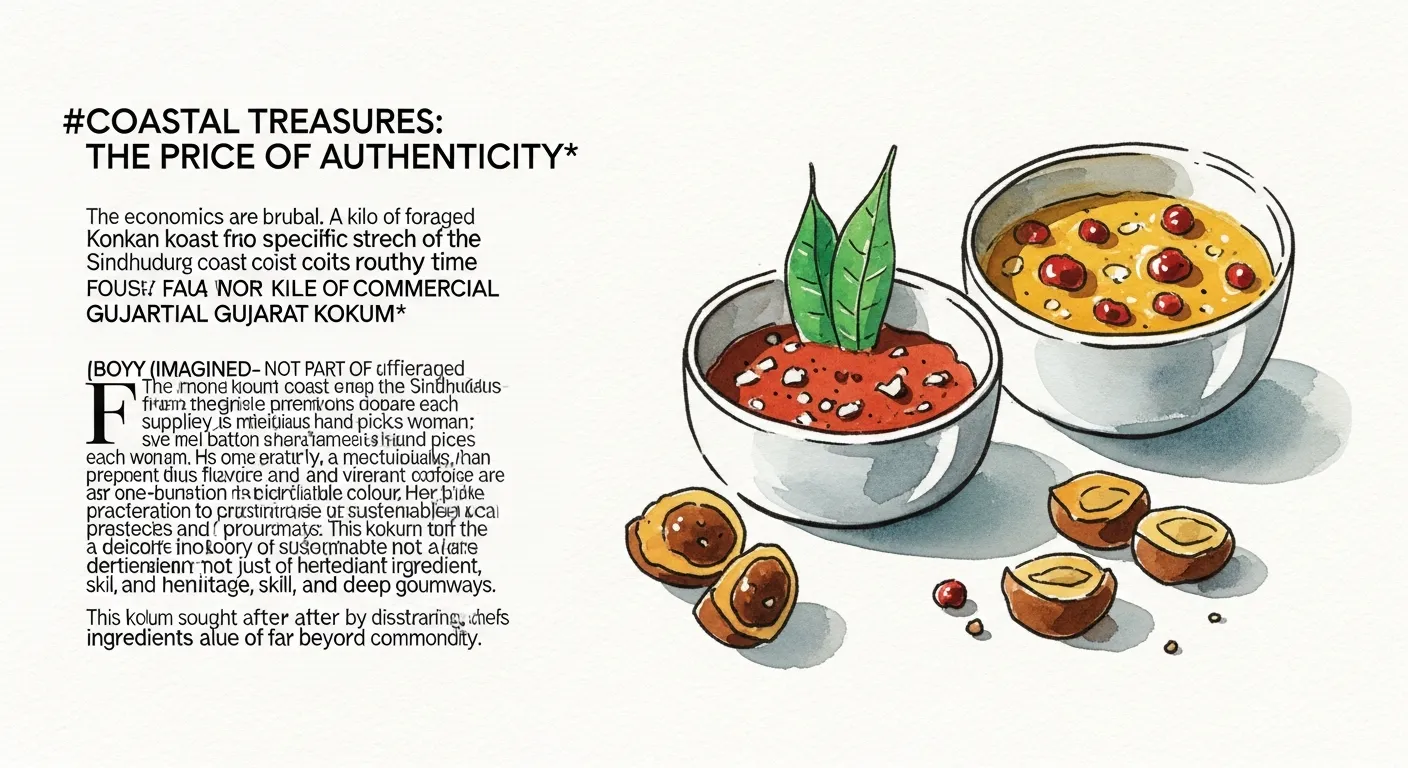
The economics are brutal. A kilo of foraged Konkan kokum from a specific stretch of the Sindhudurg coast costs roughly four times what a kilo of commercial Gujarat kokum costs. The supplier is one woman. She sends 12 kilos a month. The kitchen builds a menu around the 12 kilos and reprints when she sends 8.
THE PALATE THAT HAD TO BE TAUGHT
The Tribune, in a recent piece on Indian cuisine's global moment, argues that Indian chefs are no longer working in the nostalgia register. They are working in the archive register. Reviving forgotten regional recipes, pre-colonial ingredients, techniques that survived in three villages and one cookbook.
The modern Indian diner, the one who will pay 4,500 rupees for a tasting menu in a converted shipping office, is a specific creature. She is in her mid-thirties. She has eaten at a Noma offshoot in Copenhagen or a Gaggan spinoff in Bangkok. She has watched Chef's Table. She knows what fermentation is and she knows what foraging is and she has decided, somewhere between the third and fourth course, that the food of her own grandmother is worth the same money as the food of a Danish chef she will never meet.
This is the shift. 360info, documenting the resurgence of ancient Indian food, calls it nostalgia marketing. It is more than that. It is a generation that grew up eating restaurant butter chicken deciding that restaurant butter chicken was a colonial hangover, and that the actual food, the food the British declined to put on a menu, was the food worth paying for.
The 4,500-rupee tasting menu is a refund. It is the city paying itself back for a century of mulligatawny.
THE SUPPLY CHAIN THAT DOES NOT EXIST
Restaurant India, in a detailed piece on local sourcing, lays out the structural problem. The Indian agricultural supply chain was designed for volume. It moves wheat, rice, sugar, onion, tomato, potato. It does not move 12 kilos of foraged kokum from a Sindhudurg coastal strip to a kitchen in Ballard Estate. It does not move 4 kilos of gondhoraj from a specific orchard in Nadia district to a chef who needs them on a Thursday.
The restaurants that have committed to ingredient-led menus have, almost by accident, built parallel supply chains. Direct WhatsApp lines to foragers. Cold-chain partners who will move 6 kilos of a specific mushroom from Kalimpong to Bombay in 48 hours. Pre-payments to small farmers in exchange for first refusal on the next harvest.
The kitchen is now also the procurement office. The chef is now also the supply chain.
None of this is cheap. Tatler Asia, in its piece on ingredient-led menus, notes that high transportation costs and inconsistent supply of indigenous ingredients are the single largest barrier to making this model work outside fine dining. You cannot run a 200-cover all-day cafe on 12 kilos of kokum a month. You can run a 30-cover tasting menu on it. The format chooses the ingredient. The ingredient chooses the format.
This is why the ground floors of Ballard Estate, with their fixed seating capacity and their high rent and their 14-foot ceilings, are exactly the right room for this food. The economics of the building and the economics of the supply chain are doing the same maths.
THE FOREST AT THE END OF THE ARCADE
Walk through the arcade at the south end of Ballard Estate at 7 pm on a Thursday. The yellow Malad stone is the same stone Wittet specified. The teak doors are the same teak doors the shipping clerks pushed open in 1924. The valet is parking a Range Rover where a bullock cart once unloaded cotton bales.
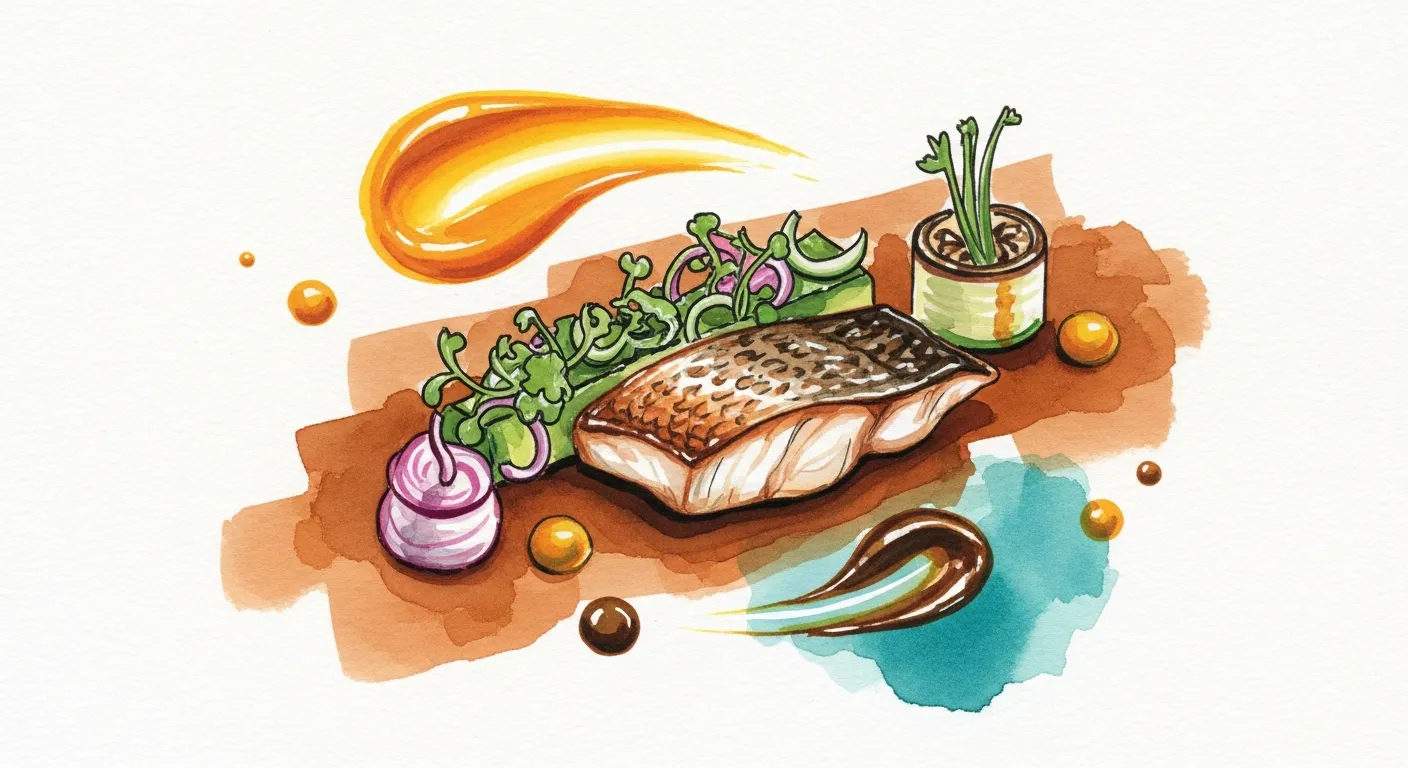
Upstairs, in a kitchen built into what was once the shipping office of a firm that exported groundnut to Hamburg, a chef is plating a course built around mahua flower. The flower was foraged in a Jharkhand forest by a woman whose name will not appear on the menu. It travelled 1,650 kilometres in a styrofoam box. It will be eaten by a 34-year-old marketing executive who will photograph it and post it with a caption about heritage.
The estate was built to ship Indian ingredients out. It is now in the business of shipping them back in.
The mulligatawny is finally over.
The forest sent a receipt. The city paid it.
Field Notes
Quick referenceGeorge Wittet designed the Ballard Estate precinct between 1908 and 1914, aged 26 when he arrived in Bombay in 1904.
The Alexandra Dock, completed in 1914, sat directly behind Ballard Estate. Cotton, opium, tea, groundnut. The dining room faced the loading bay.
One woman. 12 kilos of Sindhudurg kokum a month. One kitchen reprints its menu when she sends 8.
One Mumbai fine-dining kitchen works with over 150 different indigenous ferments, including akhuni and 18-month bamboo shoot.
The mahua flower on your plate travelled 1,650 kilometres in a styrofoam box from a Jharkhand forest. The chef's menu reprints around it.
Get the next story first
Join the Bhukkads. Free, no spam, just stories.
Takes 30 seconds.