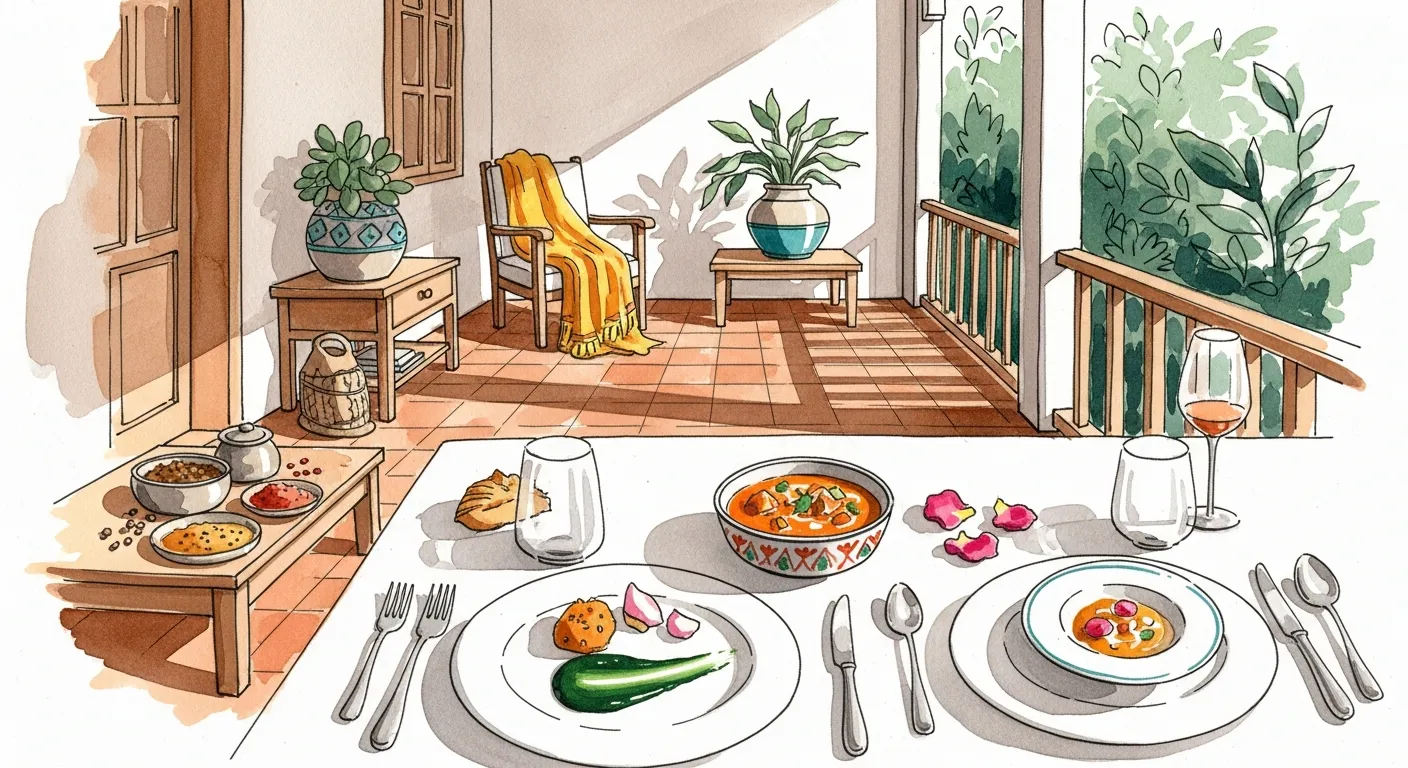
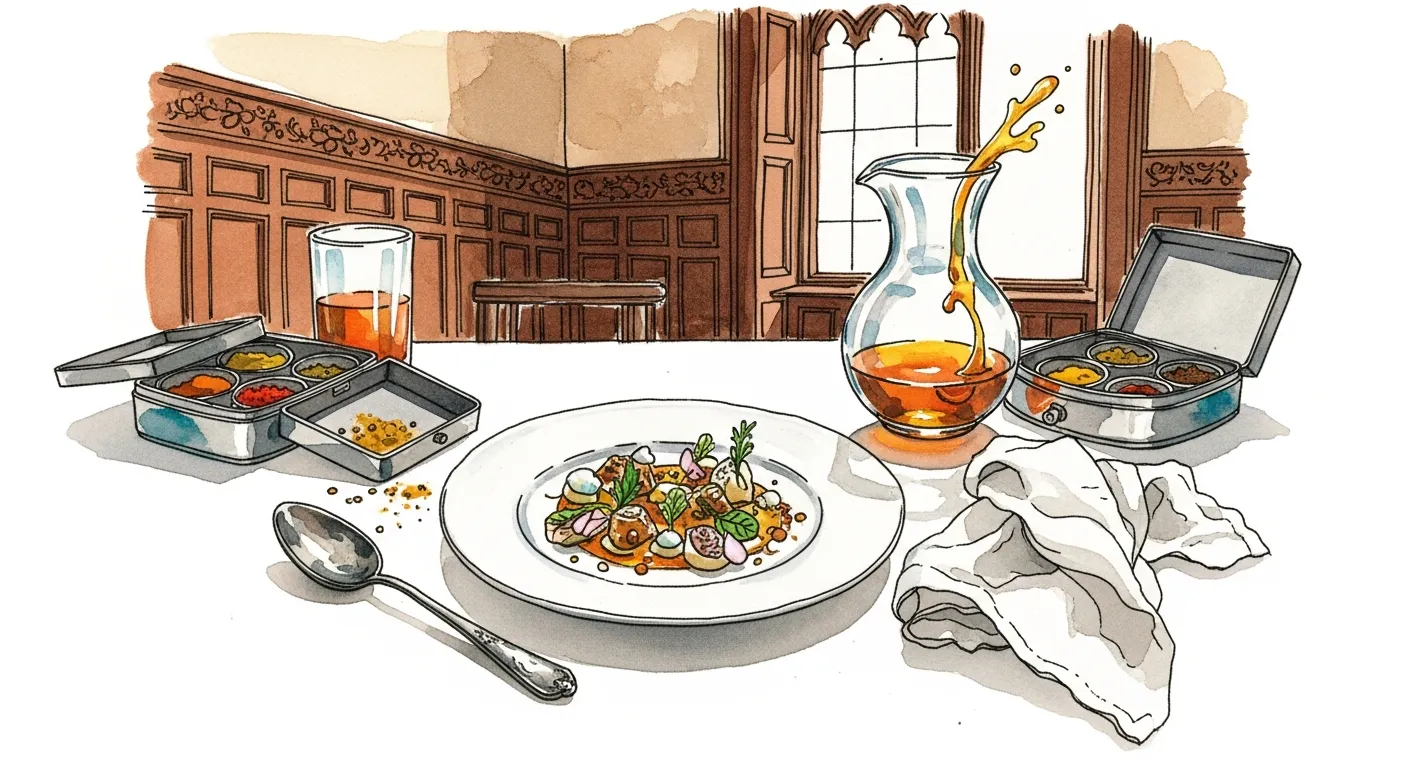
The Fish Nobody Wanted Is On The Tasting Menu
Bandra and Lower Parel's fine-dining rooms are quietly rewiring a four-hundred-year-old supply chain. The middleman is losing. The mackerel is winning.
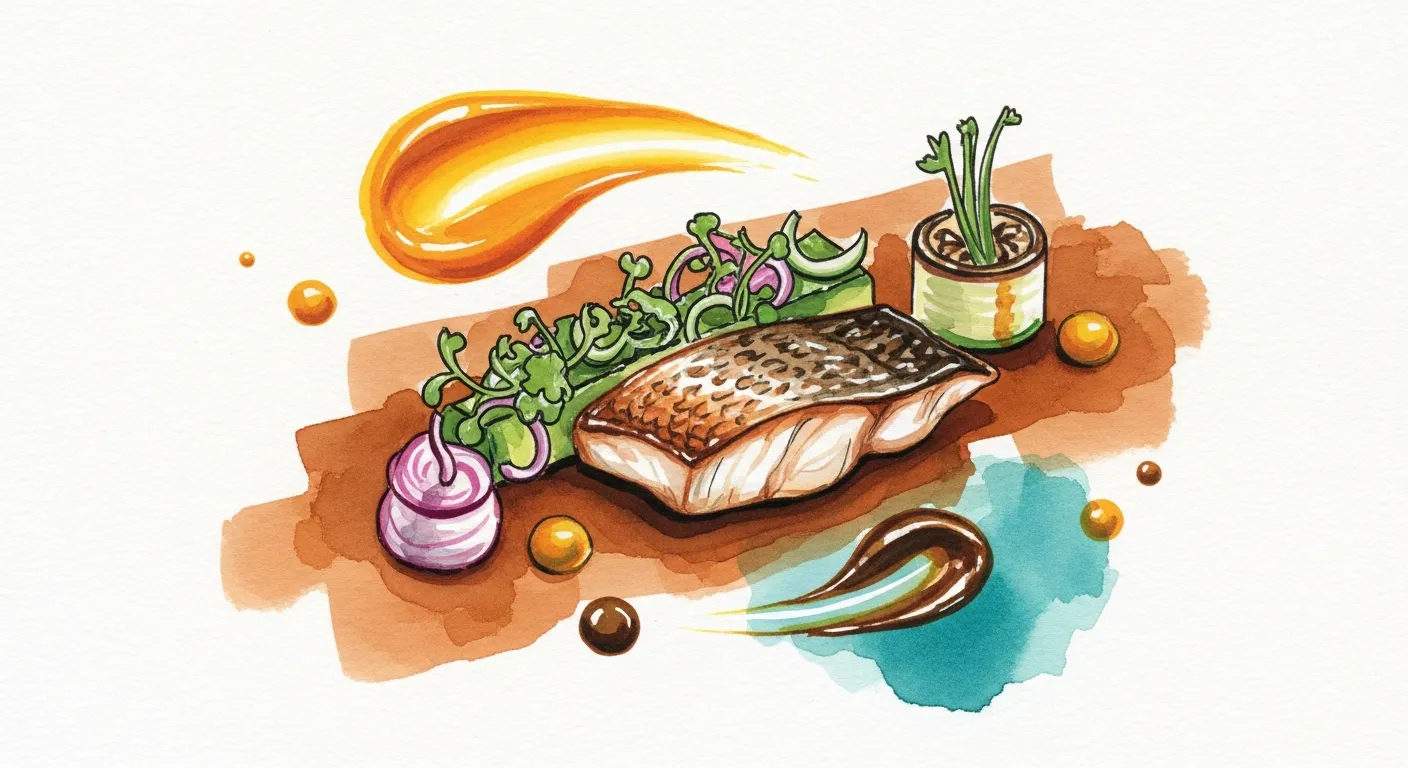
Generated by Imagen 4
In 1661, when the Portuguese handed the seven islands of Bombay to the British as part of Catherine of Braganza's dowry, they left behind two things that would shape the next four centuries of eating on this coast. A grid of small fishing villages, the koliwadas, that had been landing catch here since long before anyone drew a border. And a supply chain that treated the fisherman as the first link and the last afterthought.
The fisherman caught. The middleman priced. The market sold. The kitchen cooked. Between the boat and the plate stood four, sometimes five, sometimes seven people, each taking a cut, each pushing the fisherman's margin down and the diner's bill up. This was true in 1661. It was true in 1861. It was true in 1961. It was true, mostly, in 2011.
It is finally, quietly, in a handful of dining rooms between Bandra and Lower Parel, starting to not be true.
THE COAST NOBODY PUT ON A MENU
The Konkan runs from Daman down to Karwar. Seven hundred and twenty kilometres of coastline. Roughly four hundred fishing villages. A catch list that includes over two hundred commercially edible species. And for most of the last century, a fine-dining menu in Bombay that acknowledged maybe six of them. Pomfret. Surmai. Rawas. Prawns. Lobster if the room was feeling generous. Crab if the chef had a Goan grandmother.
The rest of the catch, the mackerel, the sardines, the mandeli, the bombil that wasn't going into the sun to become Bombay duck, the bangda, the tarli, the small silver fish that koli women sorted on the sand at four in the morning, all of it went to the wet market. To the household kitchen. To the working-class thali. Never to the tasting menu.
The white tablecloth ate imported salmon. The koliwada ate the fish the koliwada caught. These were two economies pretending they were in the same city.
THE PIVOT NOBODY WROTE ABOUT
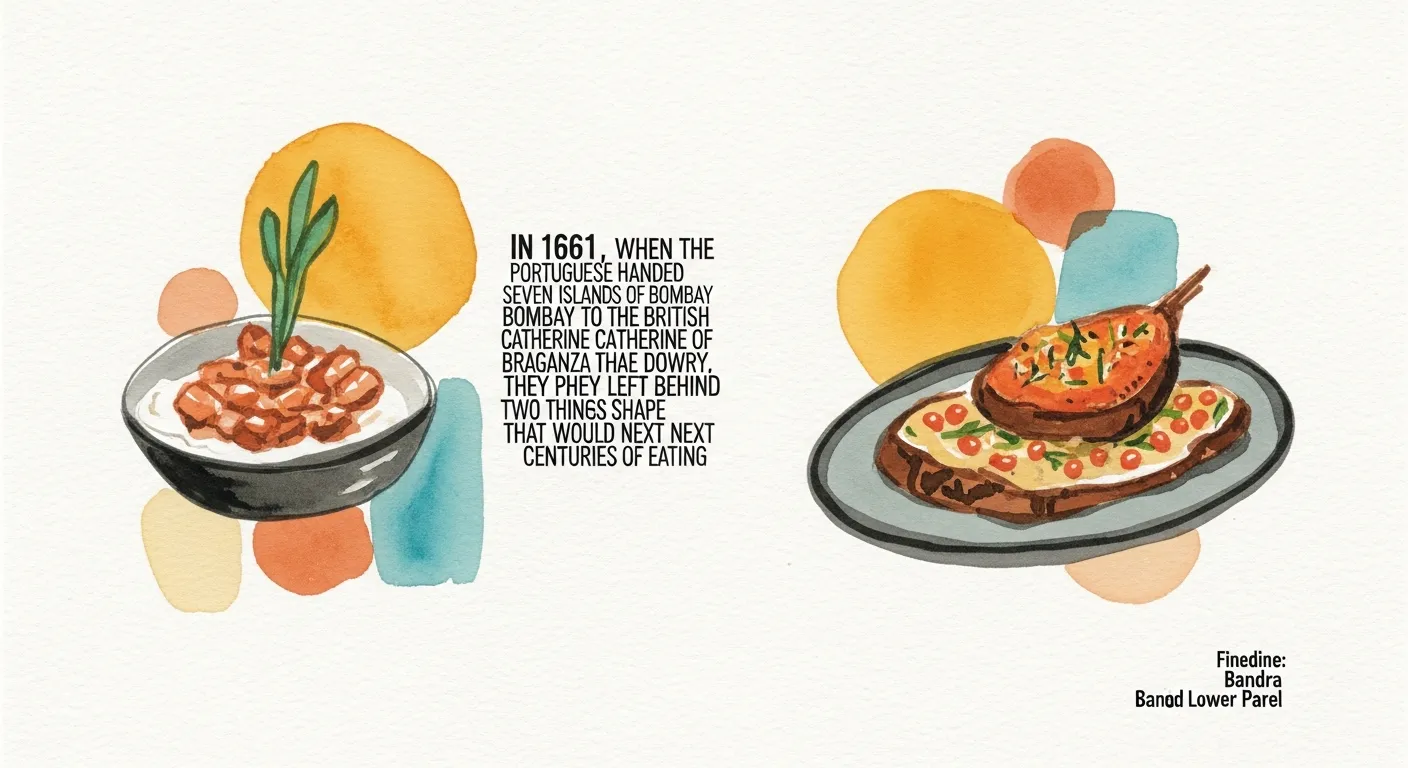
Everybody wrote about the opening of The Bombay Canteen in 2015. The reviews focused on the room, the cocktails, the reinvention of the vada pav as a small plate. Very few reviews focused on the invoice.
Behind the menu was a decision that has taken the industry another decade to catch up to. Source from the Konkan directly. Cut the mandi. Pay the fisherman more than the market rate. In exchange, get first pick of the catch, including the species nobody was asking for.
The middleman was not defeated by ideology. He was defeated by a chef who was willing to drive to Alibag at 5 am.
Zee Zest documented that The Bombay Canteen and its sister property O Pedro built their seafood programmes around the Konkan coast and, critically, around creating demand for lesser-known varieties. Mackerel, the fish that a middle-class Bombay household buys for a hundred and twenty rupees a kilo, started appearing on menus at price points that would have been unthinkable in 2010. Not because the fish had changed. Because the story around the fish had.
THE FARM BEFORE THE FISH
Head inland from the coast and the same rewiring is happening in the soil.
Project Hum sits in Bandra and does something that sounds obvious until you realise how rare it is. It works with local farmers, seasonally, on a rolling agreement, and builds the menu around what the farm is actually growing that week. Not what the wholesaler in Vashi has trucked in from Nashik. Not what the importer has flown in from a farm in the Netherlands. What the farmer in Palghar, or Karjat, or Junnar has pulled out of the ground on Tuesday.
Homegrown reported that Project Hum's model is built on community-supported farming. The restaurant commits to volumes before the season starts. The farmer plants accordingly. The risk, historically carried entirely by the farmer, gets split.
This is not a small thing. The Maharashtra small-farmer economy has run for generations on a single grim arithmetic. Grow the crop. Take it to the APMC. Accept whatever the auction pays that morning. If the price is bad, you lose. If the price is good, the trader takes the upside next week. The farm-to-table contract, when it is written honestly, breaks that loop.
THE INGREDIENT-DRIVEN ROOM
On a lane in Bandra, Nava has taken the argument one step further. Architectural Digest India described it as ingredient-driven, sourcing from diverse Indian regions and plating them inside a modern European framework.
What this means, in practice, is that a diner sits down expecting a European tasting menu and gets a plate anchored by a millet from a specific district, a chilli from a specific village, a vegetable that most Bombay households have never bought because it never makes it to the D-Mart. The technique is French. The pantry is Indian. The invoice goes back to a farmer whose name the kitchen can tell you.
This is a cultural shift that the industry has been circling for years without landing. For most of the post-liberalisation period, fine dining in Bombay meant importing sophistication. Truffles from Alba. Wagyu from Kagoshima. Burrata from a factory in Andhra pretending to be from Puglia. The signal of a serious kitchen was how far its supply chain reached.
The new signal is how short it is.
THE ECONOMICS THE MIDDLEMAN LOSES
Let's do the maths that nobody in the review sections is doing.
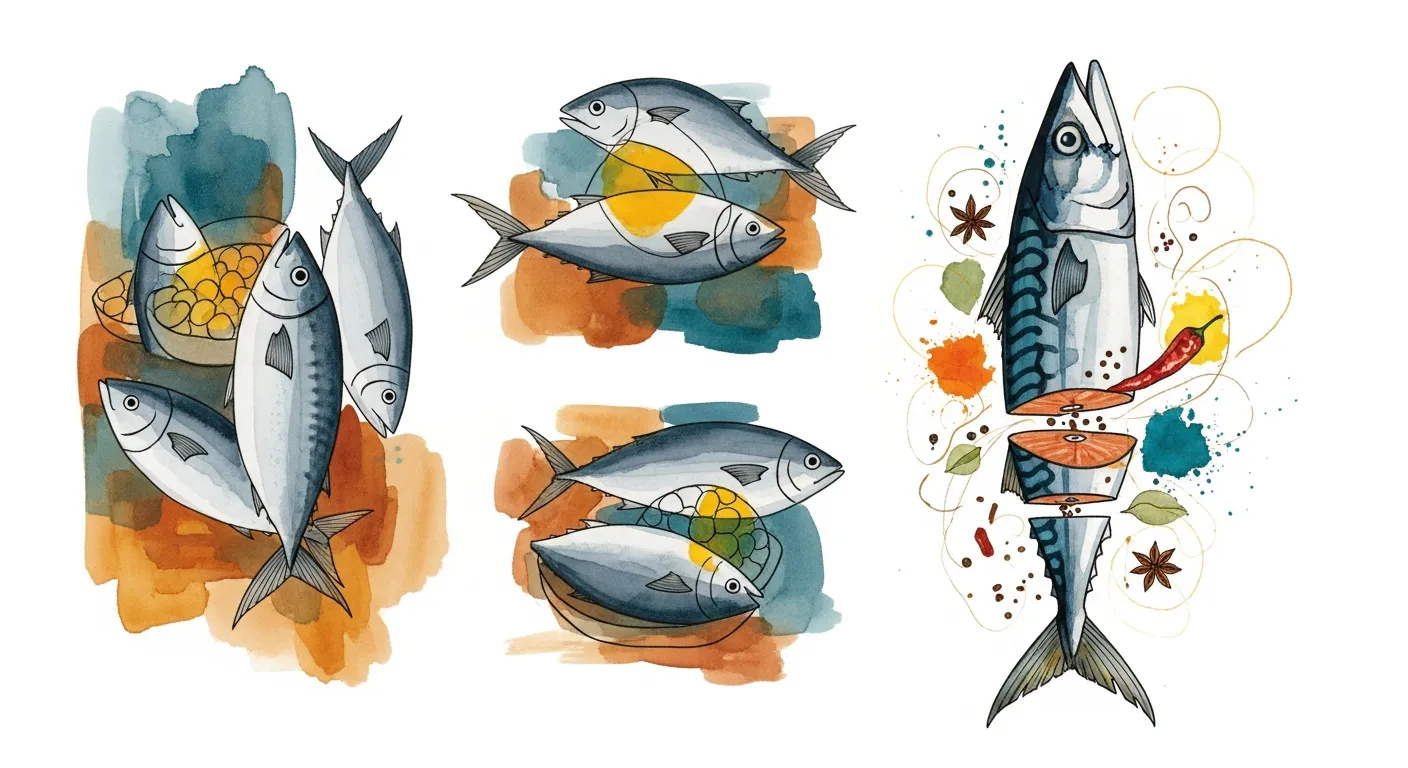
A kilo of mackerel at the Sassoon Dock auction on a July morning might sell to a wholesaler at eighty rupees. That wholesaler sells to a distributor at a hundred and ten. The distributor sells to the restaurant supplier at a hundred and forty. The supplier sells to the restaurant at a hundred and eighty. The restaurant, running a thirty percent food cost, prices the dish around six hundred.
The fisherman got eighty.
When the restaurant buys direct, at a hundred and twenty rupees, the fisherman gets fifty percent more. The restaurant saves sixty rupees a kilo. The four intermediaries get zero. Multiply that by two hundred kilos a week across a dozen restaurants and the numbers stop being cute.
The direct-sourcing model is not charity. It is the first Bombay restaurant economy in four hundred years that pays the fisherman better and the diner less.
Sequel in Bandra West and BKC has been running a version of this since it opened. LBB documented its commitment to ethically sourced ingredients and local produce. The room is small. The margins are honest. The suppliers are named on the menu, which used to be a Californian affectation and is now, in Bombay, a political statement.
THE FISH THAT CAME BACK
Here is the part nobody talks about.
When a fine-dining kitchen puts bangda on the tasting menu at eight hundred rupees a plate, something happens two links down the chain. The koli woman sorting fish on the sand at Versova finds that the buyer who used to offer her sixty rupees a kilo is now offering ninety, because he knows the restaurant supplier is offering a hundred and twenty. The household kitchen that was buying bangda at a hundred and twenty now pays a hundred and forty.
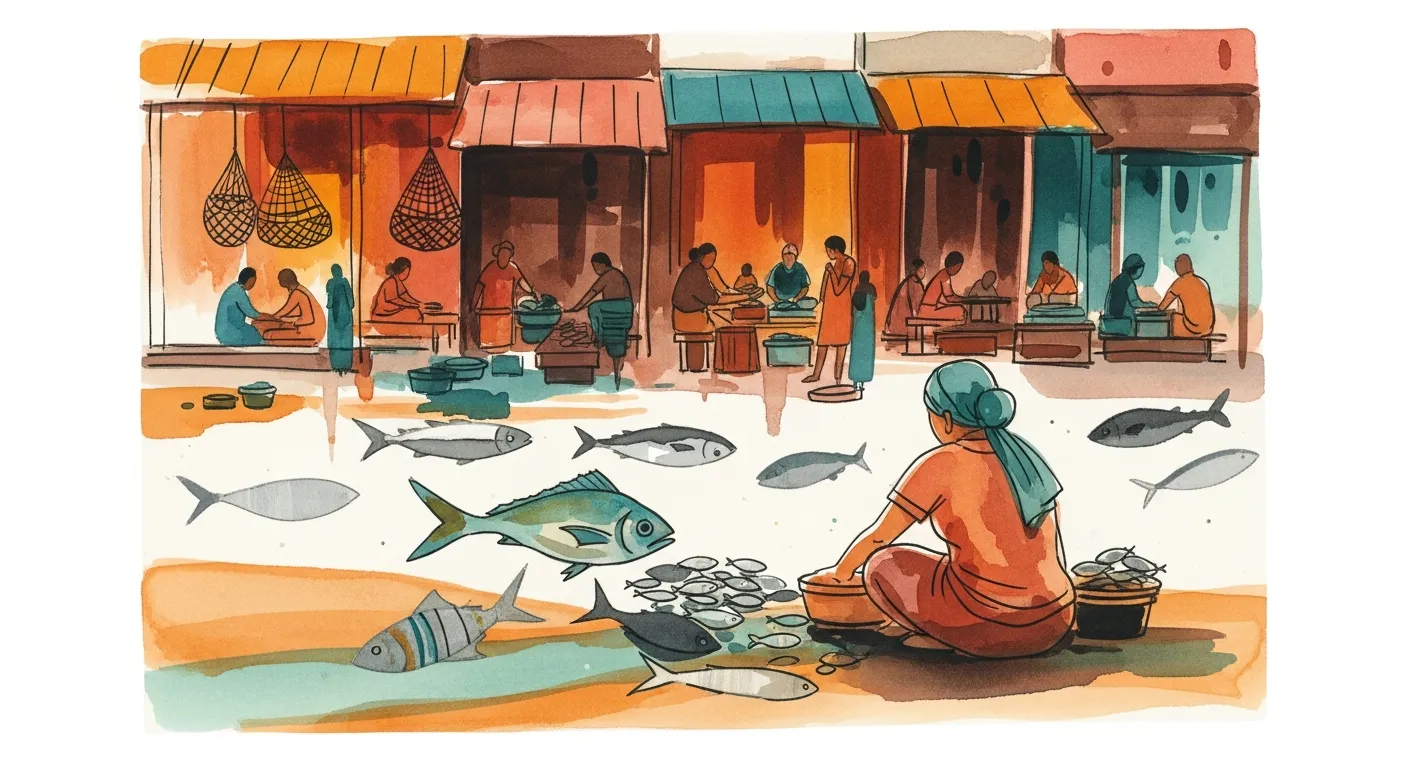
This is the uncomfortable part of the story. Lifting the floor lifts the ceiling. The mackerel that fed a working family in Worli for a hundred years is now the mackerel that anchors a plate in Kamala Mills.
The tasting menu did not invent the fish. It just raised the price of a conversation that was already happening.
Whether that is a victory or a complication depends on which side of the plate you sit on. The fisherman is finally being paid something close to what the catch is worth. The household that has eaten this fish for four generations is being asked to pay for that correction.
Every honest food revolution has a bill. Somebody eventually pays it.
THE CALLBACK
In 1661, the Portuguese handed over the islands and left the koliwadas in place because they could not figure out how else to feed the city. Three and a half centuries later, a handful of kitchens between Bandra and Lower Parel are figuring out the same thing, from the other direction.
The boat is still the first link. The plate is still the last. The people in between are, for the first time in a very long time, fewer.
The mackerel finally made it to the tablecloth. It only took four hundred years.
Field Notes
Quick referenceThe Bombay Canteen opened in 2015. The industry is still catching up.
720 km of Konkan coastline. 400 fishing villages. Six species on the fine-dining menu.
A kilo of mackerel moves from fisherman to restaurant through four middlemen. Each one invisible on the menu.
Direct sourcing gives the fisherman 50% more per kilo. The restaurant saves 60 rupees. The middlemen get nothing.
When the tasting menu priced bangda at 800 rupees a plate, the Versova dock price moved from 60 to 90 rupees a kilo. Someone always pays the correction.
Get the next story first
Join the Bhukkads. Free, no spam, just stories.
Takes 30 seconds.