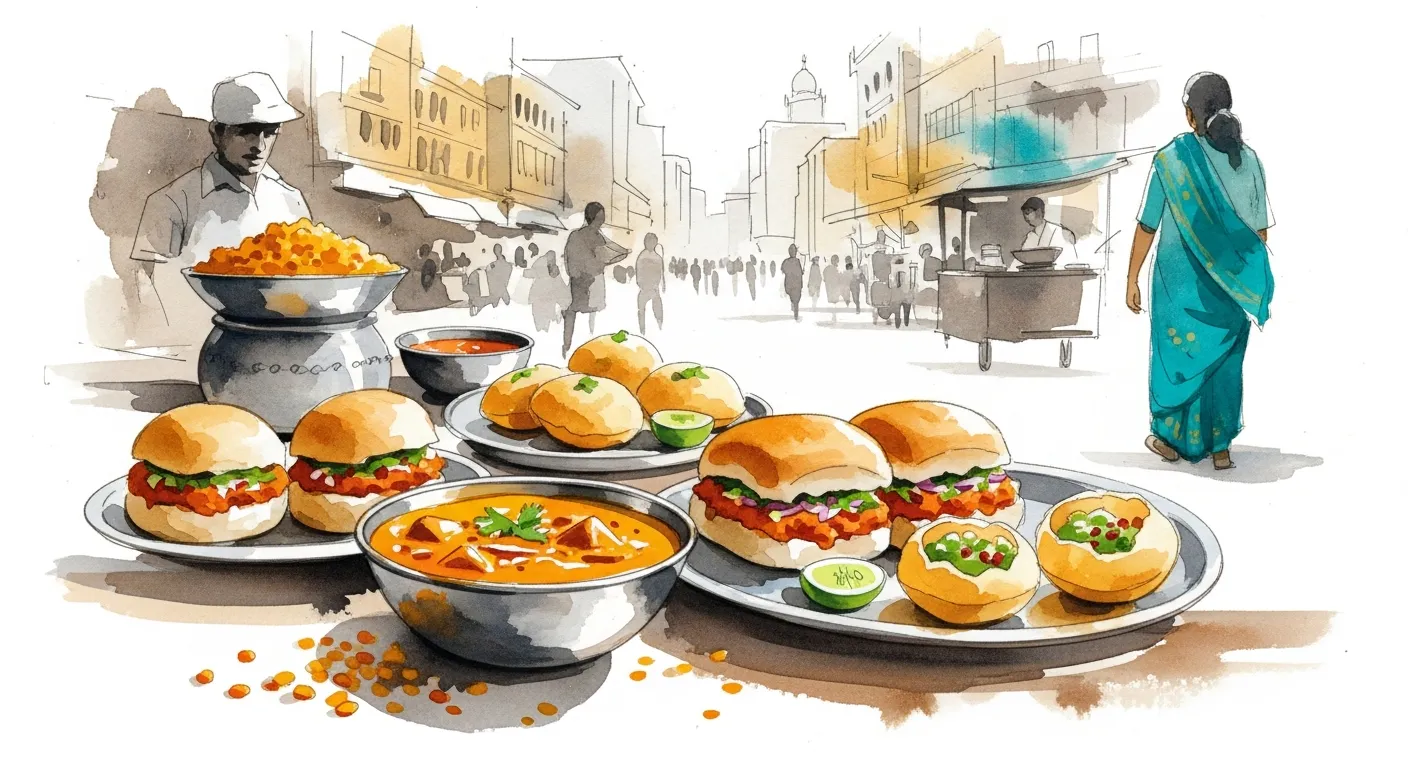
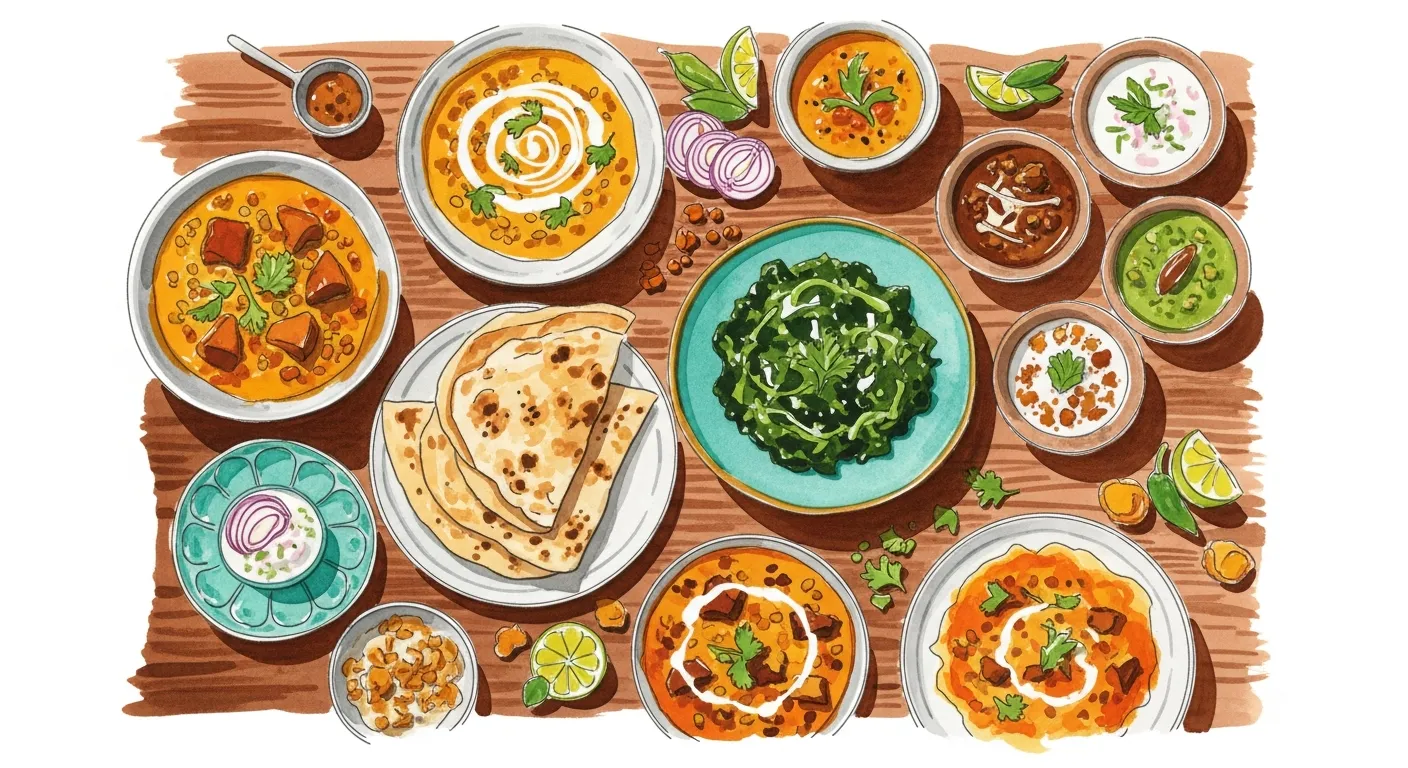
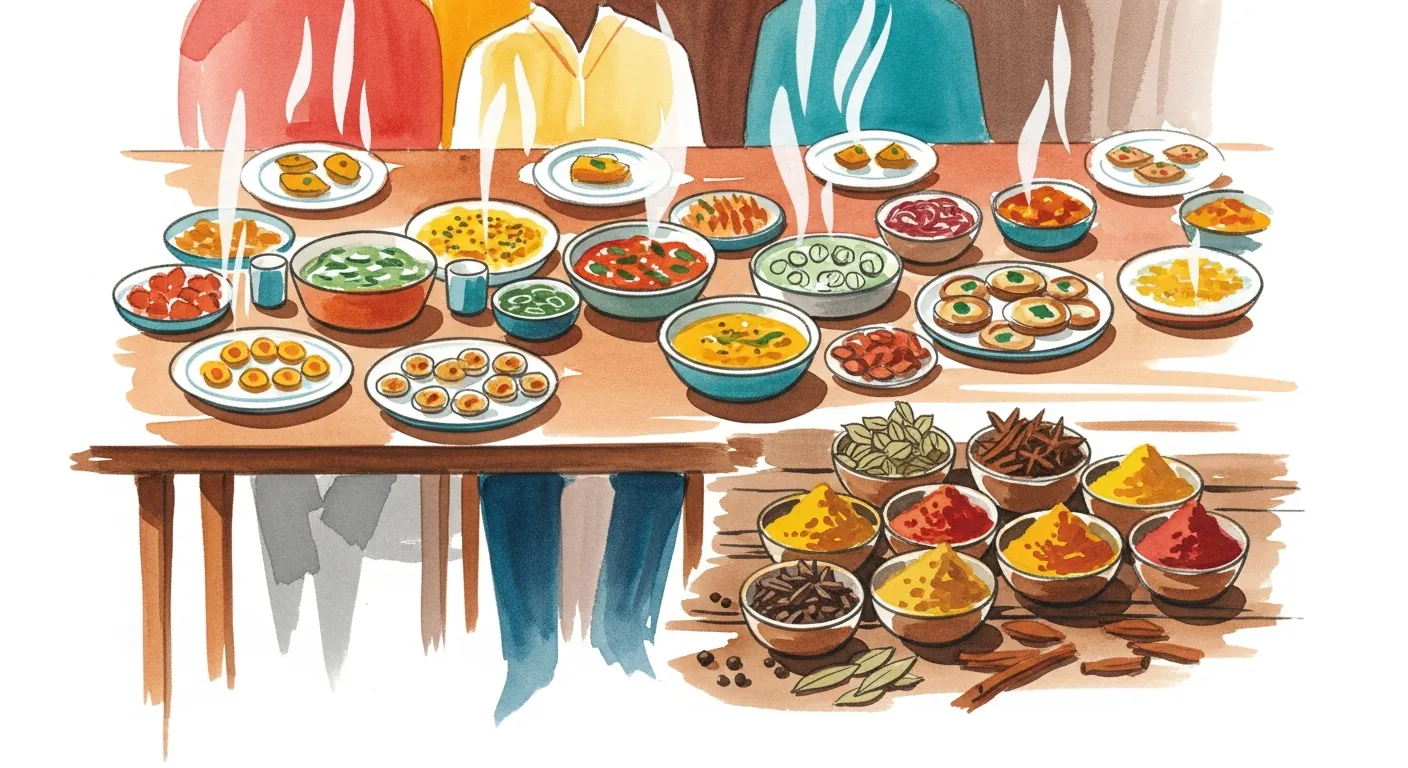
The Table That Lasts One Night
Juhu and Versova have become the city's audition room for cuisines too small to survive a lease. The chefs are young. The rents are punishing. The recipes are older than both.
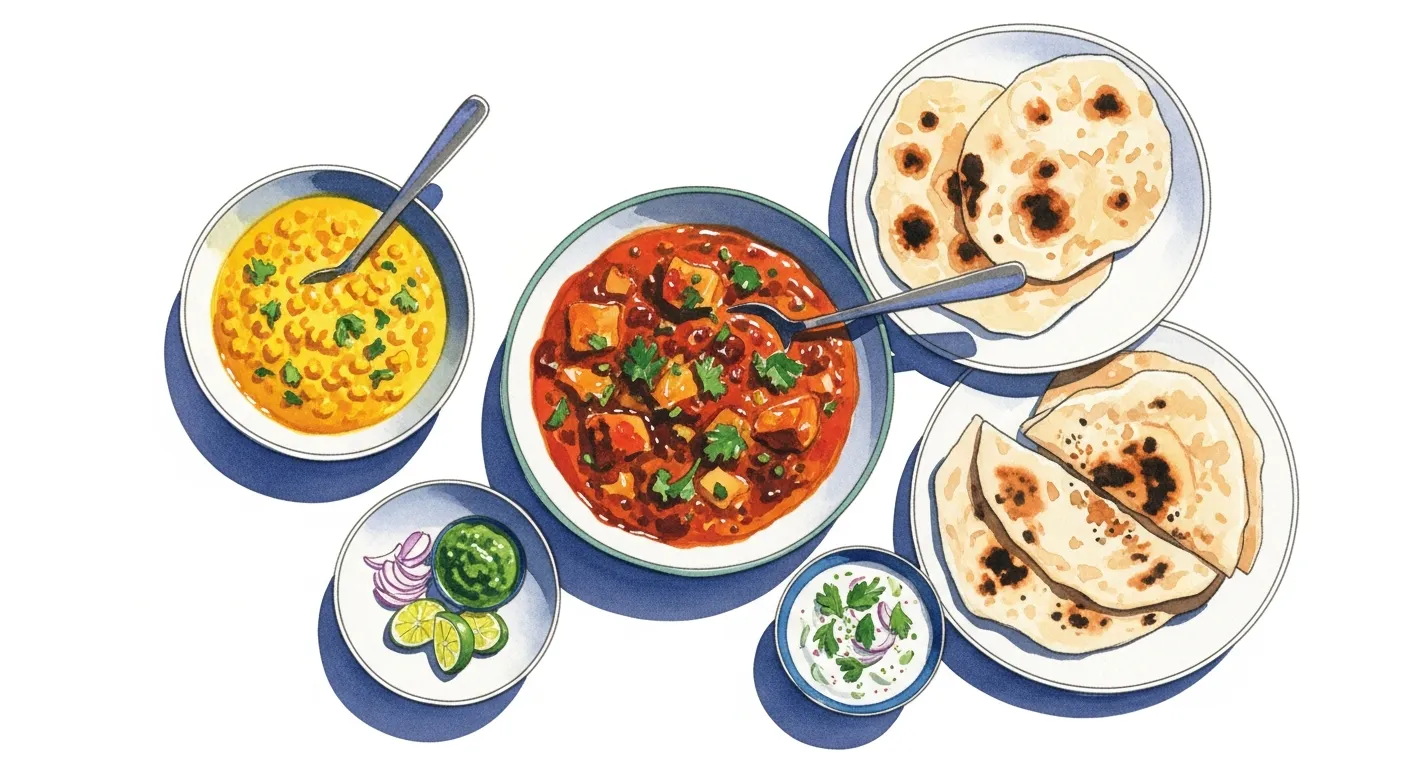
Generated by Imagen 4
In 1923, a man named Vishnudas Bhave staged a Marathi play in a rented hall in Girgaon and went home the same night with his curtain rolled under his arm. The hall went back to being a hall. The audience went back to being shopkeepers. The play, if you asked anyone the next morning, had never happened in that room.
This is the oldest performance format in the city. You rent a space. You bring your own props. You feed the people who showed up. You leave before the rent compounds.
A hundred and three years later, a chef in Versova is doing the same thing with a Karwari fish curry.
THE RENT NOBODY TALKS ABOUT
Nobody talks about the arithmetic.
A standalone restaurant in Juhu, on a lane that has parking and a hoarding and a chance of foot traffic, will ask you for somewhere between four and eight lakh a month in rent before you have bought a single onion. Add a deposit of ten months. Add a kitchen build-out. Add the licences, the FSSAI paperwork, the excise, the gumasta, the fire NOC, the man who comes to check the man who came to check the fire NOC. Before the first plate leaves the pass, you are a crore deep.
This is the part the food press skips. A young chef who wants to cook the food of a single district, say the Saraswat kitchen of Karwar, or the tribal larder of Gadchiroli, or the Pathare Prabhu repertoire of a community that fits inside one Mumbai postcode, cannot mathematically support that menu in a leased room. The audience for a Karwari ambat is real. It is just not 80 covers a night, 30 days a month, 12 months a year, at a price point that clears eight lakh in rent.
The restaurant model assumes a cuisine large enough to feed a lease. Most of India's actual food is smaller than that.

WHAT JUHU AND VERSOVA BECAME
Somewhere around 2019, the geometry shifted. The bungalows of Juhu and the sea-facing flats of Versova, the ones with the long dining tables and the kitchens designed for a household that has long since moved to London, started getting rented out by the evening. Not by the month. By the evening.
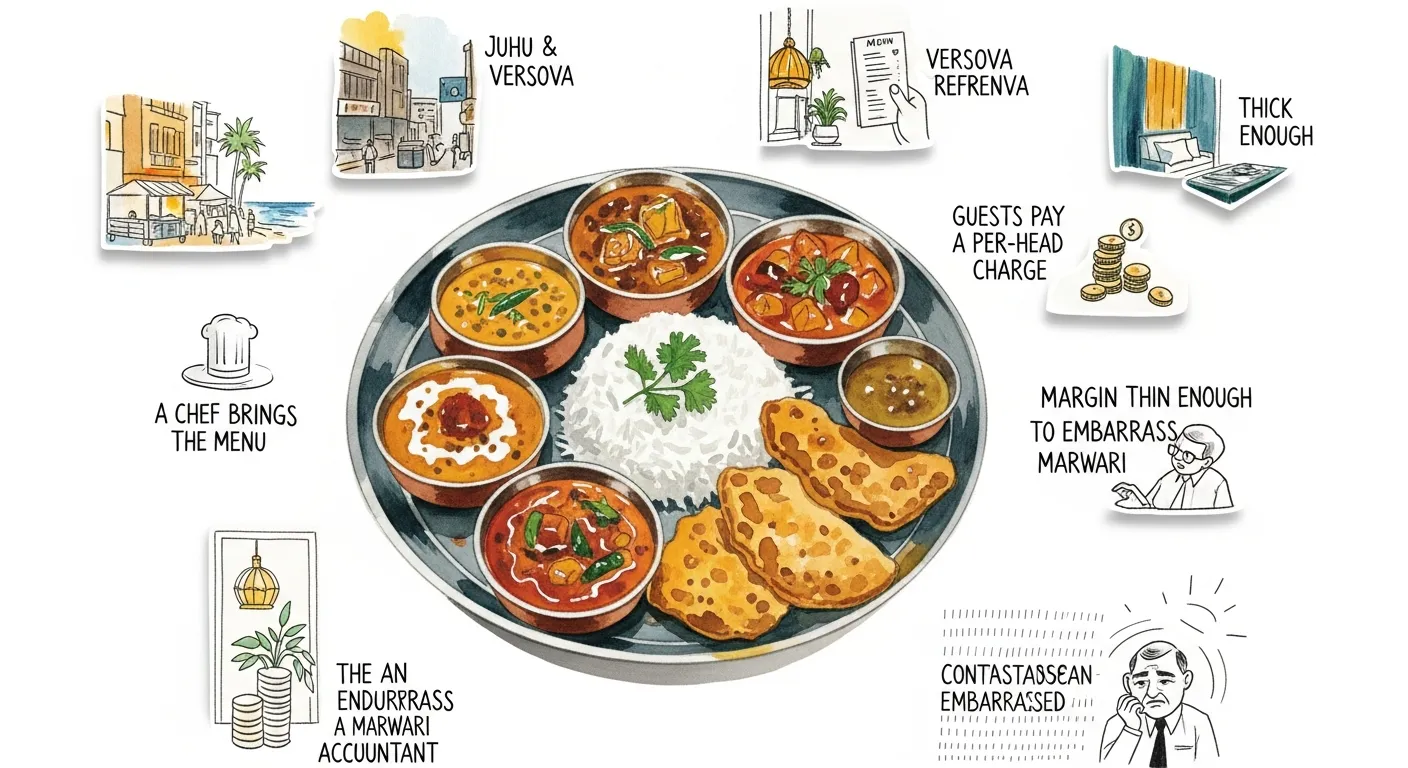
A chef brings the menu. The host brings the room. The guests pay a per-head charge that covers the food, a cut for the host, and a margin thin enough to embarrass a Marwari accountant but thick enough to let the chef cook again next week.
The format is not new. The frequency is. On any given weekend, between the JVPD scheme and the Versova jetty, there are six to ten of these dinners happening in parallel. Slurrp's guide to Mumbai pop-ups lists tasting menus dedicated to coastal cuisines from multiple states and a Union Territory, most of them running out of rooms, not restaurants.
The kitchen has not moved. The dining room has.
THE COOKS WHO DO NOT CALL THEMSELVES CHEFS
The people doing this work are, in a useful number of cases, not chefs in the CIA-trained sense of the word. They are home cooks. They are second-generation cooks. They are women in their fifties who learned a recipe from a mother-in-law in a village in Sindhudurg and who, until 2021, had no reason to think that recipe belonged anywhere outside their own kitchen.
Mint has documented the rise of regional pop-up menus in Mumbai where home chefs collaborate to put out the spicy mutton dishes of Kolhapur and the coconut-heavy curries of Karwar, side by side, for an audience that paid to learn the difference. The collaboration is the point. One cook does not have to fill a room. Two cooks, between them, do.
The economics are blunt. A pop-up of 24 covers, priced at twenty-five hundred a head, grosses sixty thousand. After the host's cut, the ingredients, and the service staff, the chef takes home somewhere between twelve and twenty thousand for one evening of work. Do that twice a month and you have replaced a junior sous chef's salary at a five-star hotel, while cooking your grandmother's food instead of someone else's brand standard.
Elle Gourmet India has reported on a generation of Gen Z culinary entrepreneurs in Mumbai running their kitchens on exactly this arithmetic. Passion is the headline. The subhead is rent.
THE TRIBAL LARDER FINDS A POSTCODE
In the last two years, the pop-up has done something the restaurant could not. It has brought tribal food into the room.
A Tata Steel Foundation pop-up in Mumbai brought indigenous home cooks into a city restaurant for a few nights, putting tribal cuisines in front of an urban audience and routing the proceeds back to the cooks who carry the recipes. The Foundation's framing is clear. The pop-up is not a charity gala. It is a livelihood instrument. The cook is not a guest. She is the chef.
This is the move the standalone restaurant cannot make. A tribal menu, by definition, draws on ingredients that are seasonal, foraged, geographically locked, and unavailable in commercial quantity. A restaurant cannot put mahua flower or red ant chutney on a printed menu in February and again in July. A pop-up can put it on the table for one weekend in March, when the flower is ready, and then close the kitchen until the next harvest.
The pop-up is not a smaller restaurant. It is a different machine.
THE RESIDENCY AS HALFWAY HOUSE
Between the home-cook pop-up and the full-build restaurant, a third format has settled in. The chef residency. Mint has written about residencies in Mumbai as a deliberate platform for talents who do not otherwise have a stage, with operators rotating chefs through their kitchens for a few weeks at a time and encouraging them to experiment with dishes the host menu would never carry.
The residency sits in the gap. The chef gets a real kitchen, a real bar, a real service team, and a real audience. The host gets a story, a refreshed menu, and a fortnight of full covers. The cuisine, whichever specific district or community it comes from, gets a printed menu in a city that takes printed menus seriously.
This is how a Kumaoni bhatt ki churkani ends up on a Versova menu for three weekends in a row, and how the chef who cooks it ends up with a clientele that did not exist on the first night.
THE PART THAT IS NOT NEW
This is where the history catches up.
The pop-up is not an innovation. It is the oldest way to feed a city. The thaal, the langar, the bohni, the wedding pandal, the temple anna daanam, the qawwali night that ended with biryani for two hundred, every one of these is a meal that built its own room and then dismantled it. Bombay has been doing this for four centuries. The Parsis did it for navjotes. The Bohris did it for every Thursday. The Catholics of Bandra did it for every feast. The chawls did it every Ganpati.
Every cuisine in this city already knew how to cook for one night.
What changed in 2019 was that the city's young chefs, the ones who had trained in five-stars and then realised the five-star did not want their grandmother's food, found a way to translate that older logic into rupees. The Juhu bungalow and the Versova flat became the new pandal. The host's dining table became the new banquet hall. The Instagram invite became the new neighbourhood word-of-mouth.
The form is four hundred years old. The kitchen is twenty-six years old. The recipe is older than both.
WHAT IS BEING SAVED
The word preservation is a heavy one. It usually means a museum. A pinned butterfly. A recipe printed in a book nobody cooks from.
This is not that. The recipes being cooked in Juhu and Versova on a Saturday night are not being preserved. They are being eaten. They are being argued about. They are being mispronounced by the guest at seat four and corrected by the cook at the pass. They are being paid for in cash and UPI, and the money is going back to the woman in Sindhudurg who taught her daughter the masala ratio.
That is not preservation. That is circulation.
The difference matters. A cuisine that is preserved is finished. A cuisine that is circulated is working.
Vishnudas Bhave rolled his curtain under his arm in 1923 and walked home through a Girgaon that did not yet have a single permanent theatre. The play came back the next week, in a different hall, for a different crowd. Nobody called it preservation.
They called it dinner.
Field Notes
Quick reference24 covers at Rs 2,500 a head. Sixty thousand gross. The chef takes home twelve to twenty thousand. Twice a month beats a five-star sous chef salary.
Mahua flower and red ant chutney cannot live on a printed restaurant menu year-round. The pop-up puts them on the table for one weekend in March, when the harvest says so.
Bohri thaals every Thursday. Parsi navjote spreads. Chawl kitchens every Ganpati. Bombay has been doing the one-night table for four centuries.
A chef rotates into a Versova kitchen for three weekends. The host gets full covers. The chef gets a clientele. The Kumaoni bhatt ki churkani gets a postcode.
Four to eight lakh a month in Juhu rent. Ten months deposit. Kitchen build-out. Six licences minimum. You are a crore deep before a single onion is bought.
Get the next story first
Join the Bhukkads. Free, no spam, just stories.
Takes 30 seconds.