The Living Room Economy
Pali Hill rents touched Rs 12 lakh a month. A generation of cooks did the math and moved into someone's dining room.
Generated by Imagen 4
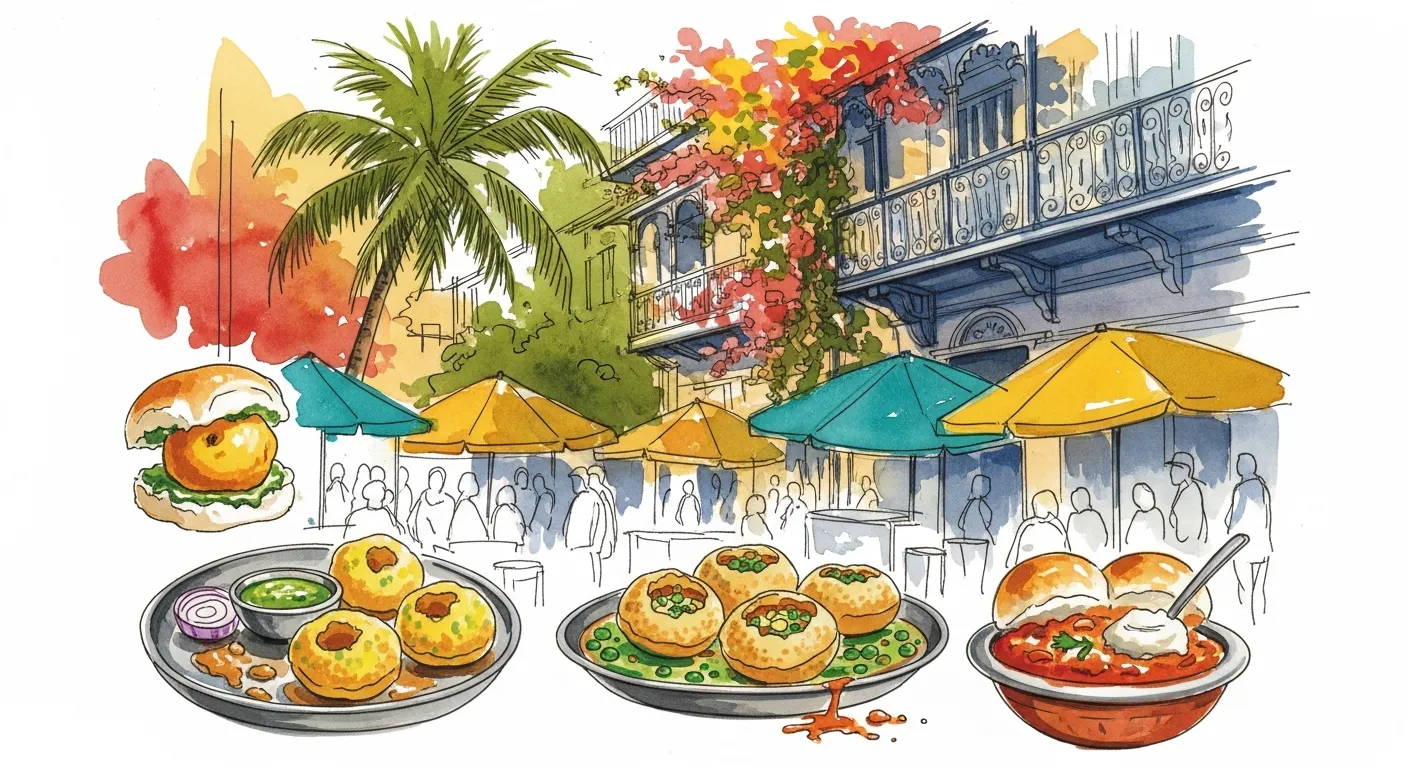
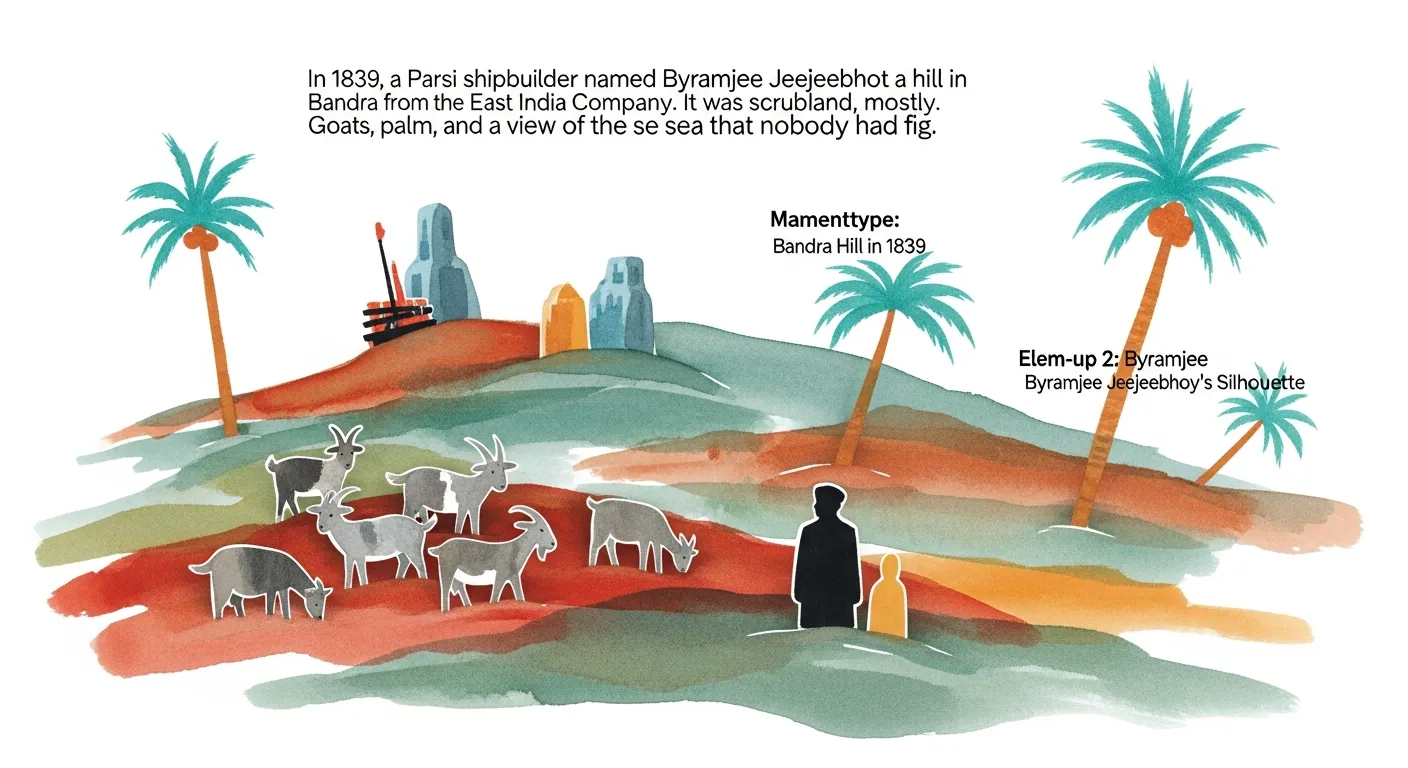
In 1839, a Parsi shipbuilder named Byramjee Jeejeebhoy bought a hill in Bandra from the East India Company. It was scrubland, mostly. Goats, a few palm trees, and a view of the sea that nobody had figured out how to monetise yet. He built a bungalow. Then his friends built bungalows. Then their children inherited the bungalows and the hill acquired a name and the name acquired a postcode and the postcode acquired a price.
A hundred and eighty-seven years later, a 1,900 square foot restaurant space on the same hill rents for Rs 12 lakh a month. That is the rent. Before the deposit. Before the fit-out. Before the first onion is cut.
A generation of cooks looked at that number and did something the restaurant industry was not expecting. They went home.
THE NUMBER THAT CHANGED THE MENU
Rs 12 lakh a month is Rs 40,000 a day in rent alone. To cover that, a restaurant needs to turn roughly 80 covers a day at a Rs 2,000 average, every day, before it pays a single waiter, gas bill, or supplier. In Pali Hill, where parking is a contact sport and a Tuesday lunch crowd is theoretical, that arithmetic is brutal.
Now consider the other model. A cook hosts 25 people in their own living room. Charges Rs 3,500 a head. Does it twice a month. That is Rs 1.75 lakh in revenue from a venue with zero rent, zero front-of-house staff, and a kitchen that was going to exist anyway.
Restaurant India lays out the structural advantage plainly: pop-ups and supper clubs eliminate the front-of-house headcount and the prime real estate commitment, which are the two line items that consume most of a Mumbai restaurant's first three years of revenue.
The restaurant pays rent on every empty chair. The supper club only opens when every chair is sold.
NOBODY TALKS ABOUT THE WAITLIST
The restaurant press writes about supper clubs as a vibe. The intimate evening. The shared table. The chef who emerges from behind a curtain to explain the third course. All true. All also the marketing layer on top of a much harder economic reality.
The part nobody talks about is the waitlist.
A traditional Pali Hill restaurant lives in fear of an empty Tuesday. A supper club lives with a problem in the opposite direction. The seats sell out in hours. The chef cannot scale. The chef does not want to scale. Scaling is the thing that produced the Rs 12 lakh rent in the first place.
This is a deliberate ceiling. The 25-seat number is not a limitation. It is the product.
THE FIND ATELIER AND THE 25-CHAIR RULE
The Find Atelier, profiled by The Nod, runs a 25-seat supper club out of a restored heritage building in Bandra. The format is not accidental. Twenty-five is the largest number that still allows a single conversation across a long table. Twenty-six and the room splits into cliques. Twenty-four and the host loses a paying seat.
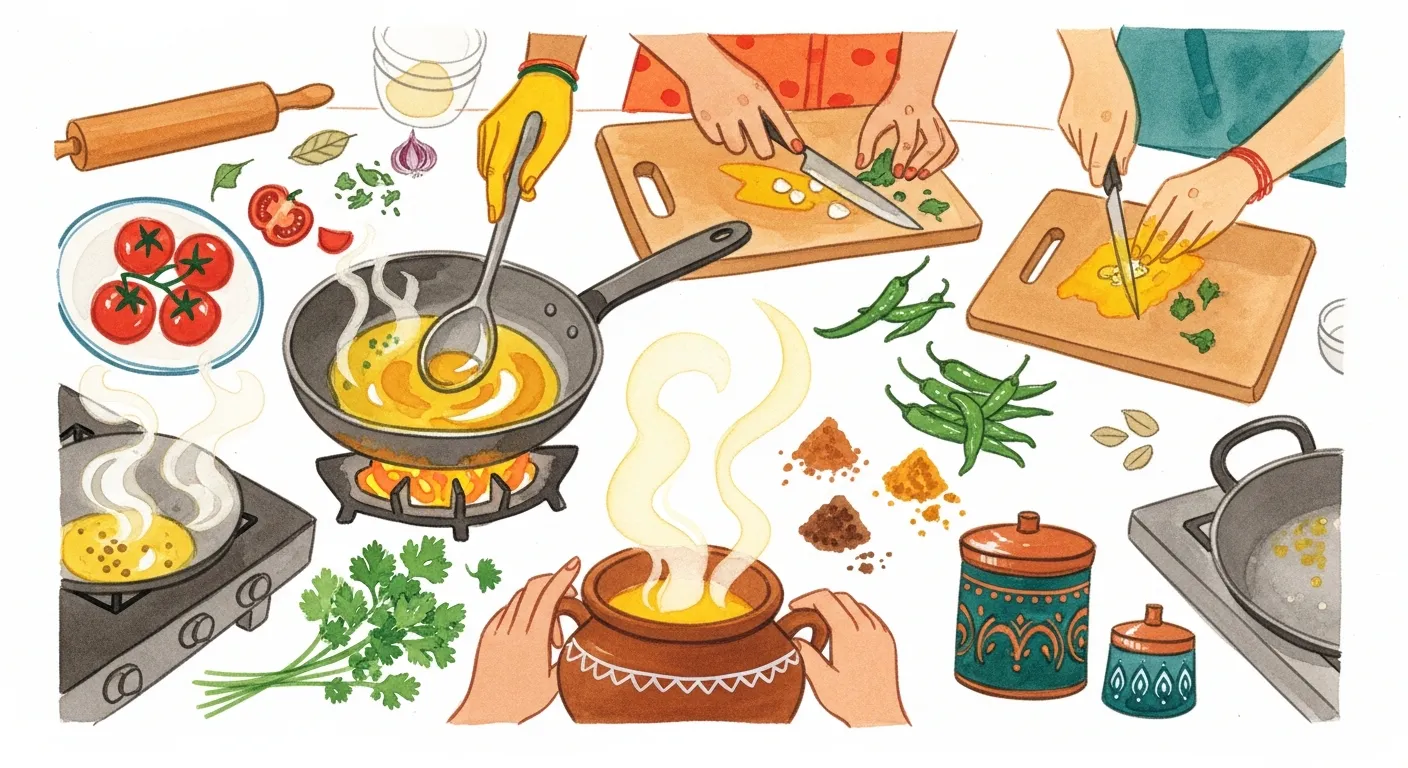
The chef cooks one menu. There is no a la carte. There is no allergy menu printed on cardstock. If you have a problem with prawns, you mention it when you book, and the prawns become something else for your plate alone. The kitchen runs with two people. The service runs with the host and maybe one friend. The dishwasher is the host, after.
Compare this to a 60-cover Pali Hill restaurant on a Saturday night. Eight in the kitchen. Six on the floor. A manager. A cashier. A doorman because parking. A cleaner who arrives at 1 am. Fourteen salaries before the chef earns anything.

AROUND THE TABLE, AND THE THEMED VOYAGE
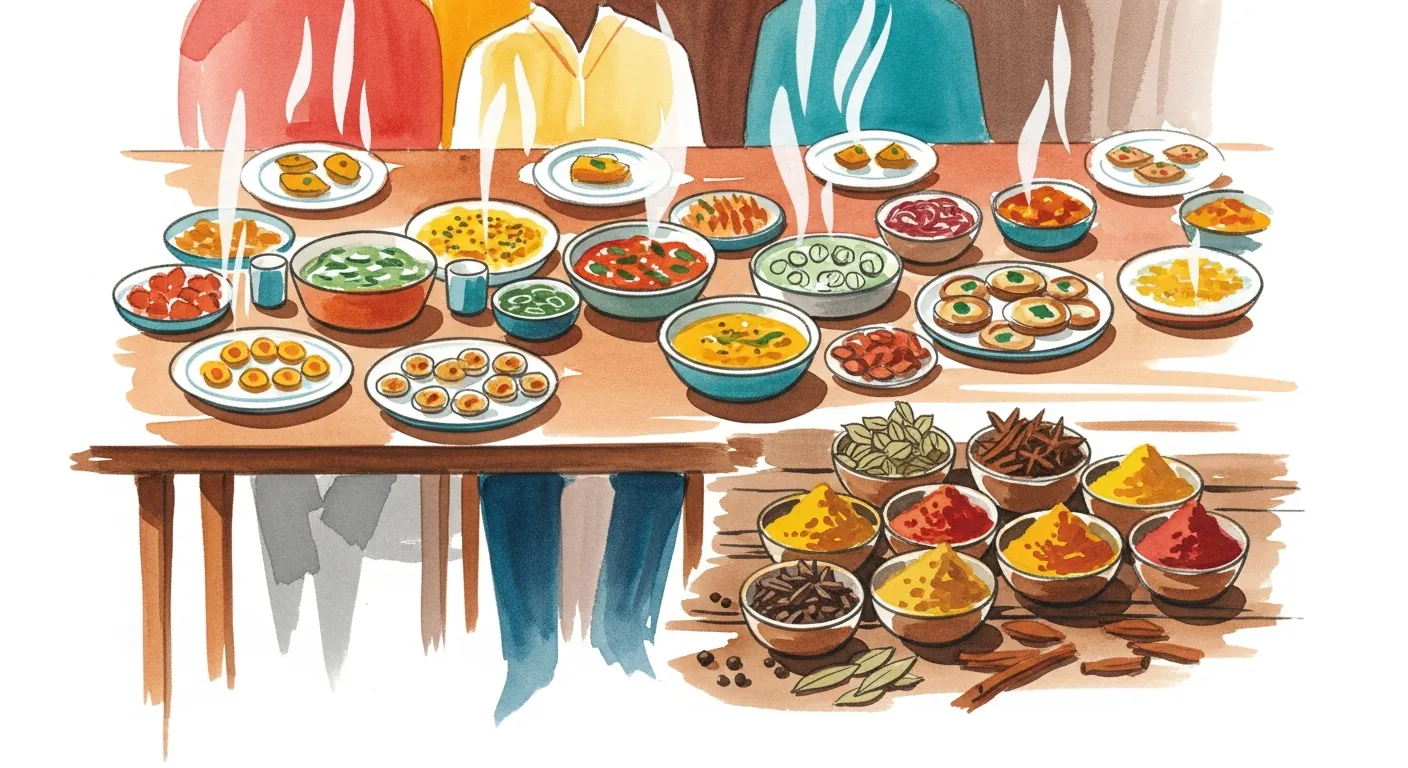
Le Mill's coverage of India's supper club scene names Around the Table in Bandra as one of the format's clearest expressions. The frame is slow food, shared tables, themed culinary voyages. One night it is a Sicilian fisherman's lunch. Another night it is the food of a single Tamil village. Another night it is whatever the chef ate on a holiday in Oaxaca and could not stop thinking about.
A restaurant cannot do this. A restaurant has a menu, and the menu is the brand, and the brand has to be there on Thursday at 3 pm when a tourist walks in expecting the dish they saw on Instagram. The menu is a promise that becomes a prison.
A supper club has no such promise. Each evening is its own argument. The chef cooks what they want to cook, the diners arrive knowing only the theme, and the entire transaction is built on trust rather than on the predictability that a restaurant must sell.
A restaurant sells you what you came for. A supper club sells you what you did not know to ask for.
THE CULTURAL APPETITE THAT MADE IT POSSIBLE
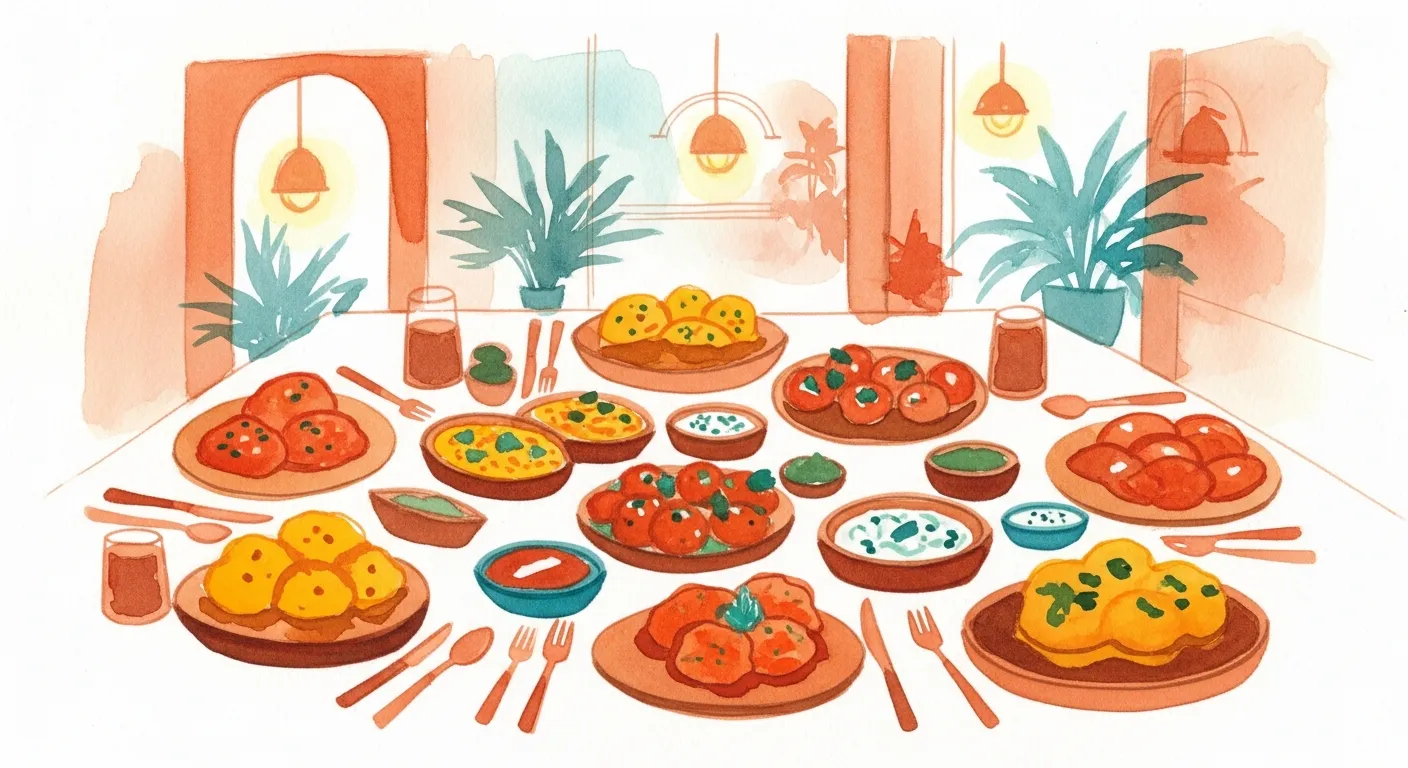
The Times of India tracks the rising popularity of supper clubs in Mumbai, framing them as the experimental, intimate, community-driven counter-move to a dining scene that had become predictable. The diner who has eaten at every BKC fine dining room twice over wants a different texture of evening. Not a louder restaurant. A different verb entirely.
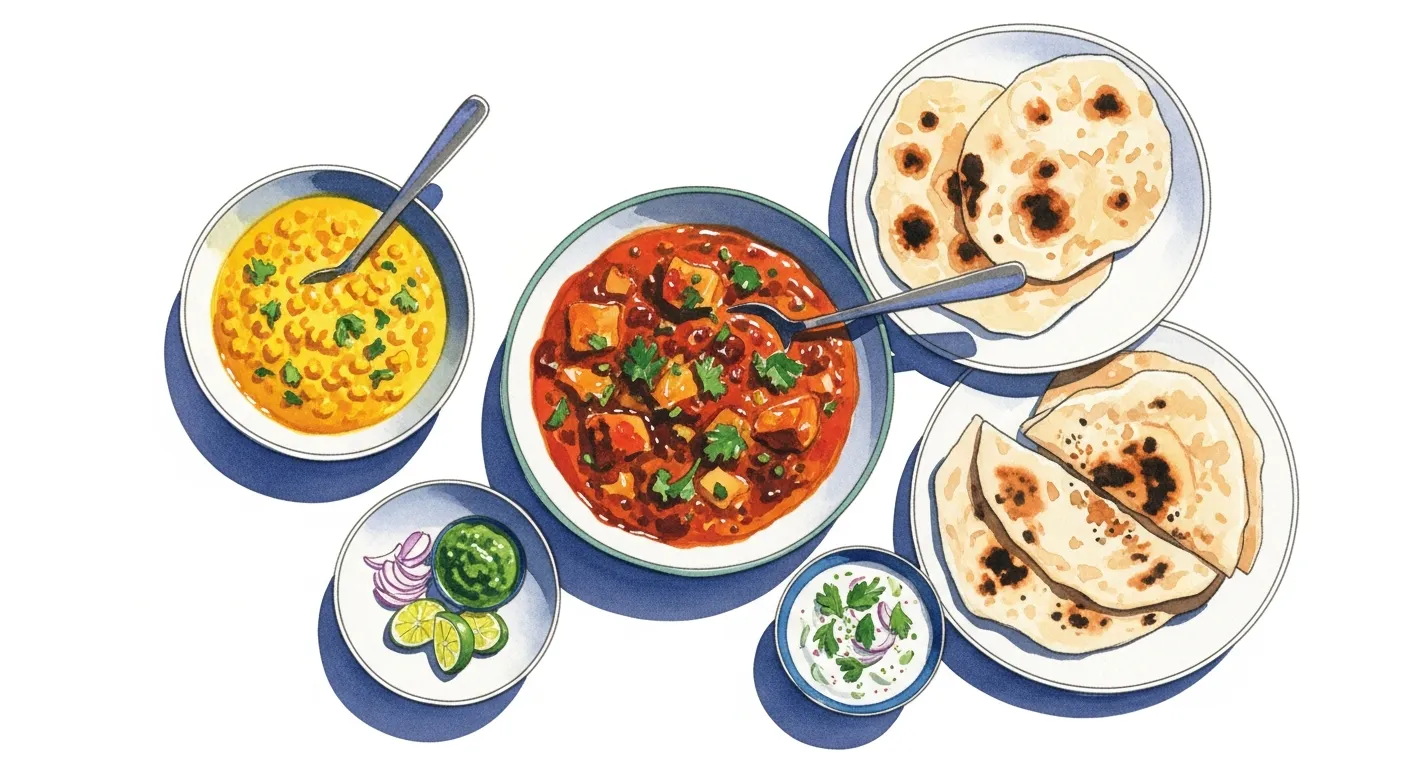
The demand is not new. The Bohris have been hosting thaal dinners for centuries. The Parsi navjote lunch is a bhonu by any other name. The Marwari ghar-ka-khana invitation, the Goan recheado spread at someone's aunty's house in Saligao, the Mangalorean ghee roast that only happens at home in Bantwal. Long tables and home cooking are the oldest form of dining in this country. The supper club did not invent the format. It just figured out how to charge for it.
What changed is that the Pali Hill diner now considers Rs 3,500 for a 25-seat dinner in a stranger's living room a reasonable Saturday night. A decade ago that was a deeply weird proposition. Today it is a category.
THE BUNGALOW QUESTION
There is a quieter side to this story. Pali Hill is still, in pockets, a neighbourhood of low-rise bungalows from the 1940s and 1950s, the kind of houses that have a verandah, a garden, and a kitchen built when domestic help was assumed. These are the houses where the supper clubs happen. The host did not build the venue. They inherited it.
This is the part of the economic story that does not survive transplantation. The supper club model works in Pali Hill specifically because a certain generation of host owns a certain kind of space that the market would otherwise price at Rs 12 lakh a month. The host is, in effect, monetising an inheritance that was never zoned for commerce. The municipality has not figured out what to do about this. The diners are not asking.

THE RESTAURANT THAT STILL HAS TO PAY RENT
None of this means the Pali Hill restaurant is going anywhere. The wedding anniversary crowd still wants a reservation at a known address with a parking valet. The visiting in-laws still want a menu in their hands. The Tuesday lunch meeting still wants a chair that exists at 1 pm without 14 days of notice.
But the supper club has changed what a chef has to do to start cooking professionally in this city. The Rs 12 lakh barrier is no longer the only door. A talented cook with 25 chairs, two burners, and a WhatsApp group of 200 regulars can now do, on a Saturday night, what a restaurant needs 80 covers to match.
Byramjee Jeejeebhoy bought the hill because the land was cheap and the view was free. The view is still free. The land is no longer cheap. The cooks figured out that the dining room was the loophole.
The rent was the problem. The living room was the answer.
Field Notes
Quick referenceRs 12 lakh a month in rent. Rs 40,000 a day before a single ingredient is bought.
25 seats. One menu. No a la carte. The chef cooks what they want. You arrive knowing only the theme.
The supper club works in Pali Hill because the host already owns a 1940s bungalow the market would price at Rs 12 lakh a month.
Twice a month. 25 seats. Rs 3,500 a head. That is Rs 1.75 lakh in revenue from a kitchen that was going to exist anyway.
Byramjee Jeejeebhoy bought Pali Hill from the East India Company in 1839. Scrubland, goats, and a sea view nobody had monetised yet.
Get the next story first
Join the Bhukkads. Free, no spam, just stories.
Takes 30 seconds.