The Community Hall That Became a Kitchen
In Versova and Lokhandwala, a quieter economy is taking shape. Home cooks are pooling rent, sharing gas, and putting regional India on plates that used to belong to bar menus.
Generated by Imagen 4
In 1730, a group of English coffeehouse owners in London figured out something the restaurant would spend another century catching up to. A single kitchen could feed twenty cooks. You did not need to own the room to sell the food. You needed a table, a fire, a name on the door, and a customer willing to sit for an hour. The coffeehouse charged rent. The cook charged for the plate. The customer paid both and never noticed the split.
This was the first shared kitchen. It predates the restaurant, the cafe, the pop-up, the cloud kitchen, and every LinkedIn post that ever used the phrase 'F&B disruption.' It is also, roughly, what is now happening on the ground floor of a converted godown in Lokhandwala and inside a bar in Versova, three hundred years and one ocean away.
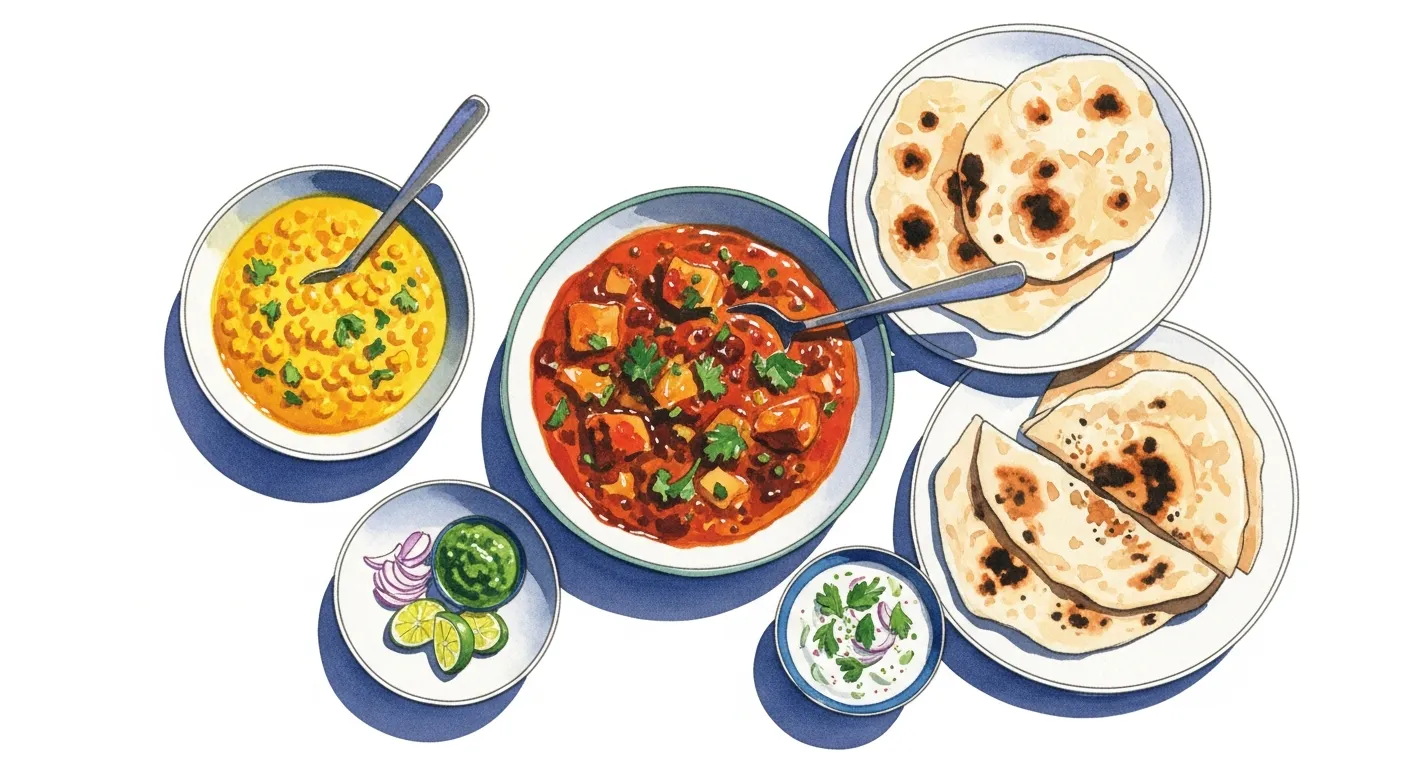
Nobody talks about the economics of the home chef. Everybody wants to talk about the food. The Kashmiri wazwan cooked in a Yari Road flat. The Bohri thaal delivered from a kitchen in Seven Bungalows. The Naga smoked pork that turns up on Sunday morning WhatsApp lists and disappears by lunch. The stories are romantic. The invoices are not.
THE MATHS THAT DOES NOT WORK
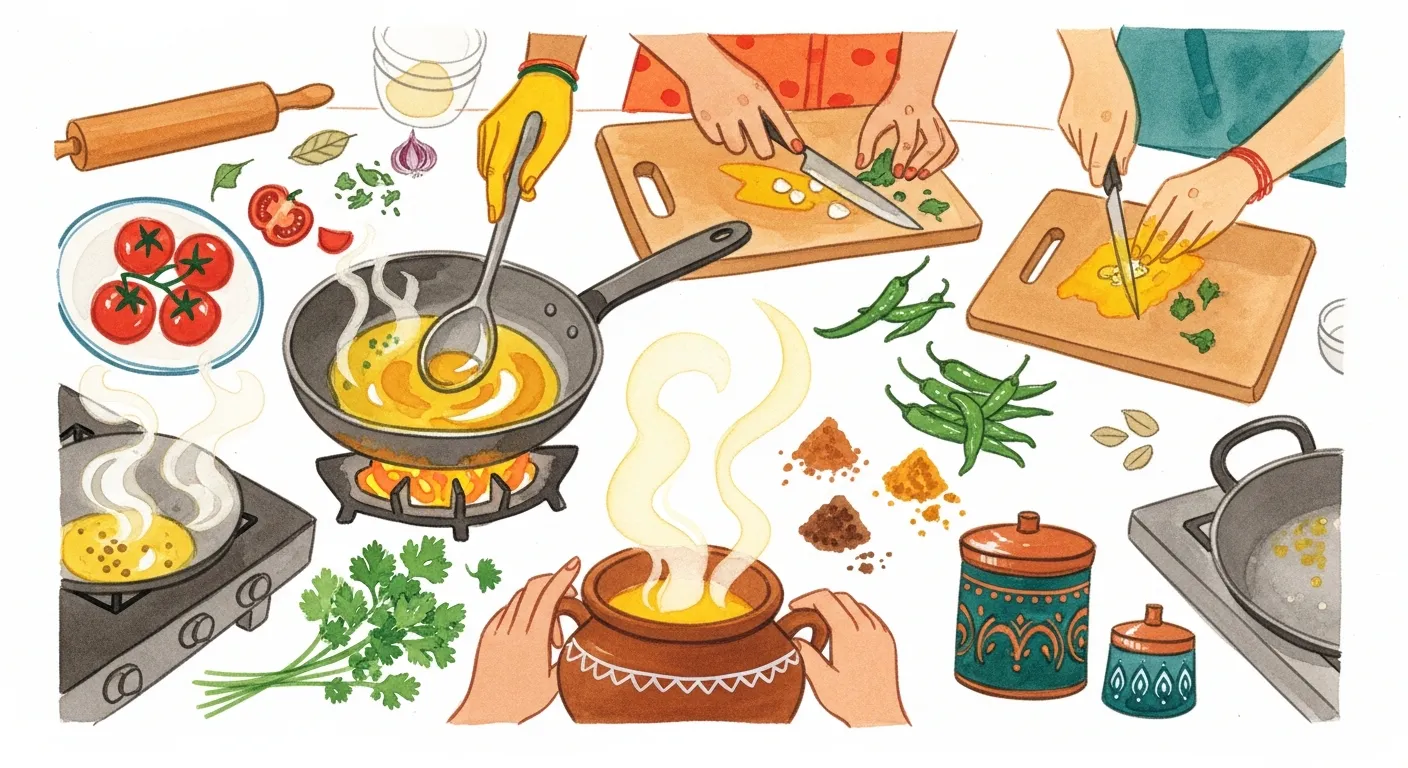
A home chef in Versova cooking for forty covers a weekend runs a specific ledger. Gas cylinder. Ingredients bought retail because wholesale needs a GST number. Packaging. A delivery boy who is really a cousin's friend. A single induction plate. A refrigerator that was never meant to hold twelve kilos of marinated meat. The margin, after all of it, is somewhere between fifteen and twenty-two percent on a good week. On a bad week, when the meat sits an extra day or a customer cancels, it is zero.
Scale is impossible. To scale, you need a commercial kitchen. To rent a commercial kitchen in Andheri West, you need a deposit of two to four lakh rupees and a monthly rent that a WhatsApp list of forty families cannot support. The home chef is trapped in a shape. Forty covers a weekend. No more. No less. Ten years of this and the recipe is famous and the cook is exhausted.
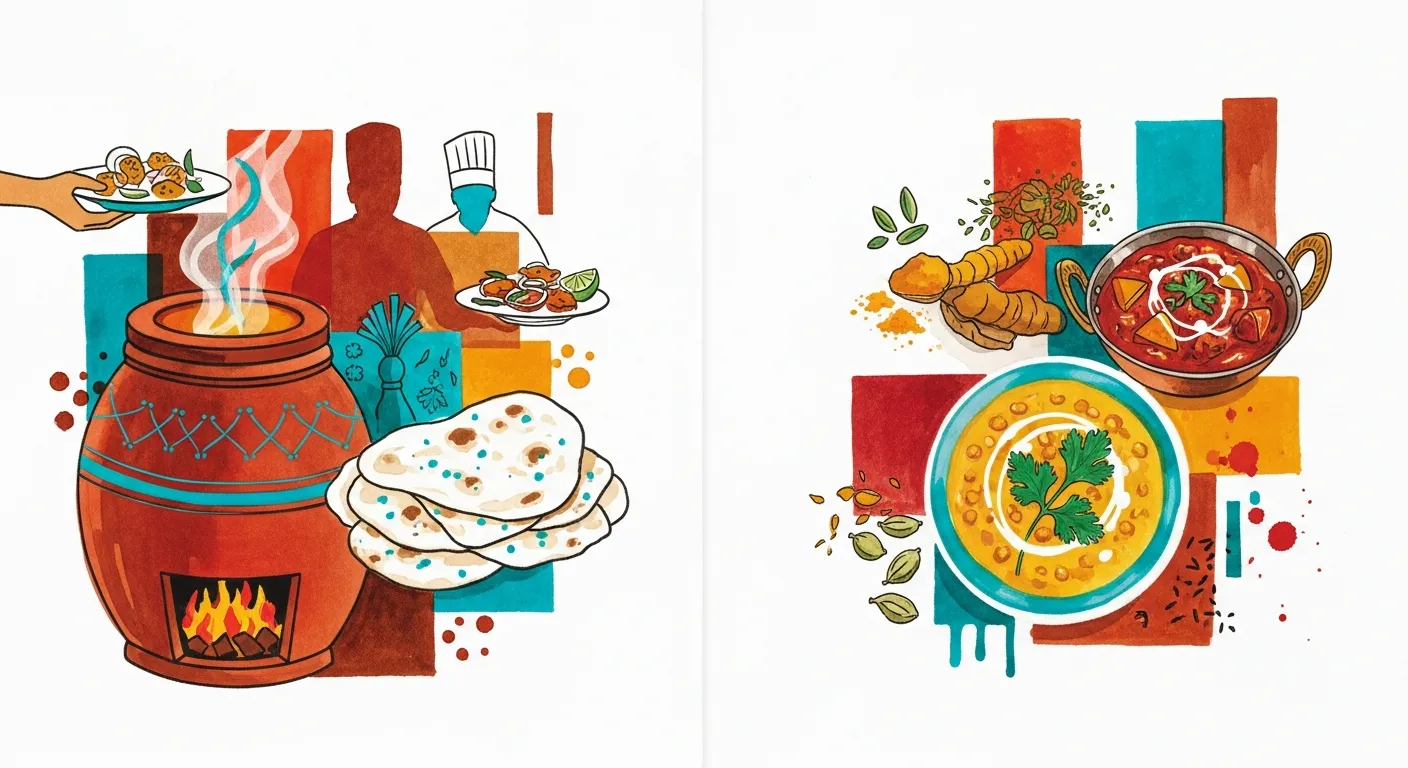
The single kitchen that could feed twenty cooks was not a London invention. It was a London necessity. And it is, three centuries later, a Versova necessity too.
THE ROOM THAT CHANGED THE SHAPE
In February 2026, Public Beer Hall & Snack Bar opened in Versova with a menu described by ET HospitalityWorld as 'hyper-regional,' curated by Chef Sohini Bhattacharya. On paper, this is a bar opening. Another one. Versova has enough.
Read the menu instead. It is not a bar menu. It is a directory of Indian communities you do not usually find on a printed card in a room that also sells draught beer. Dishes from states that the fine-dining circuit has spent twenty years politely ignoring because the ingredients are hard to source and the audience is niche.
A hyper-regional menu is not a marketing phrase. It is a supply-chain decision.
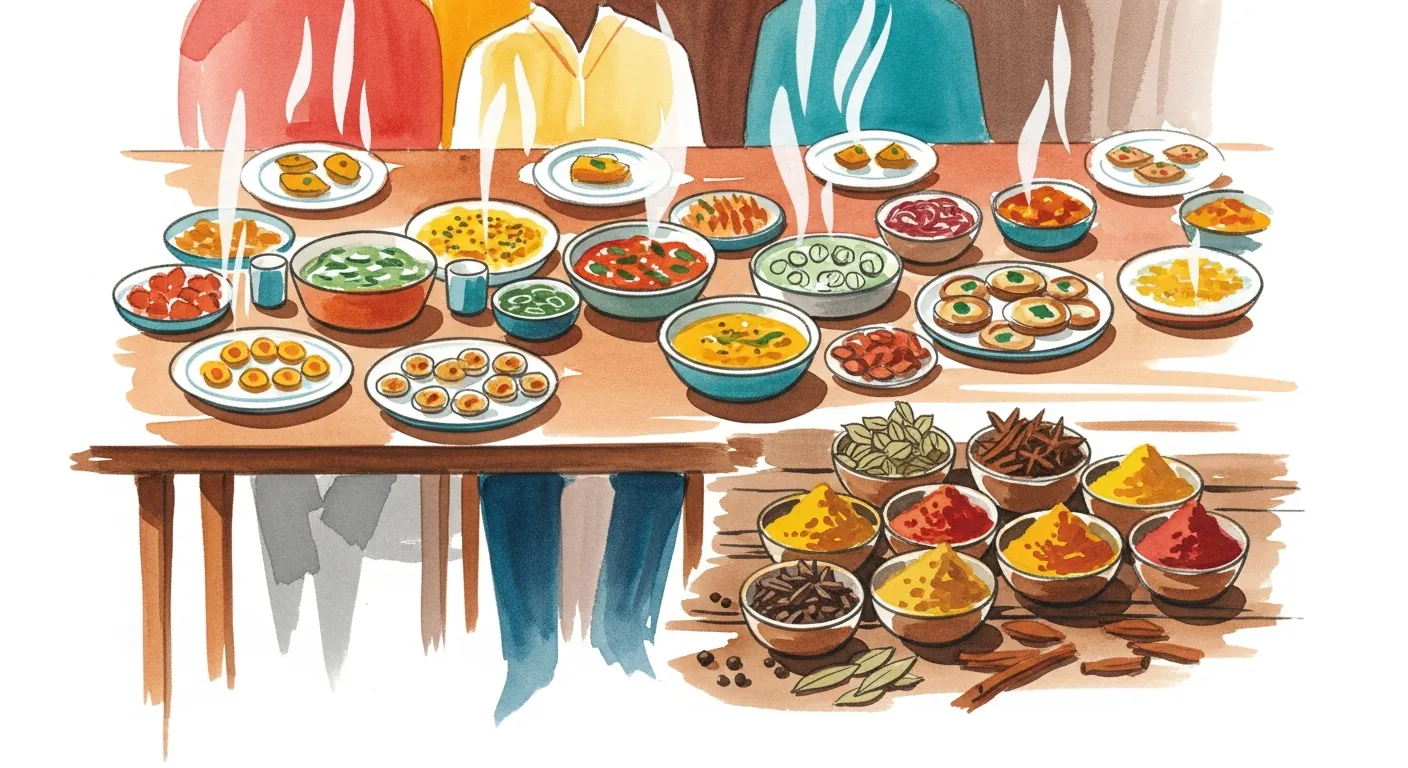
To run a hyper-regional menu, you need cooks who know the region. You do not train a line cook from a hotel school to make the specific fermented bamboo shoot pickle that a Naga home would make. You bring in the person who already knows. You give them the kitchen for a week. You put their food on your menu. You split the cover.
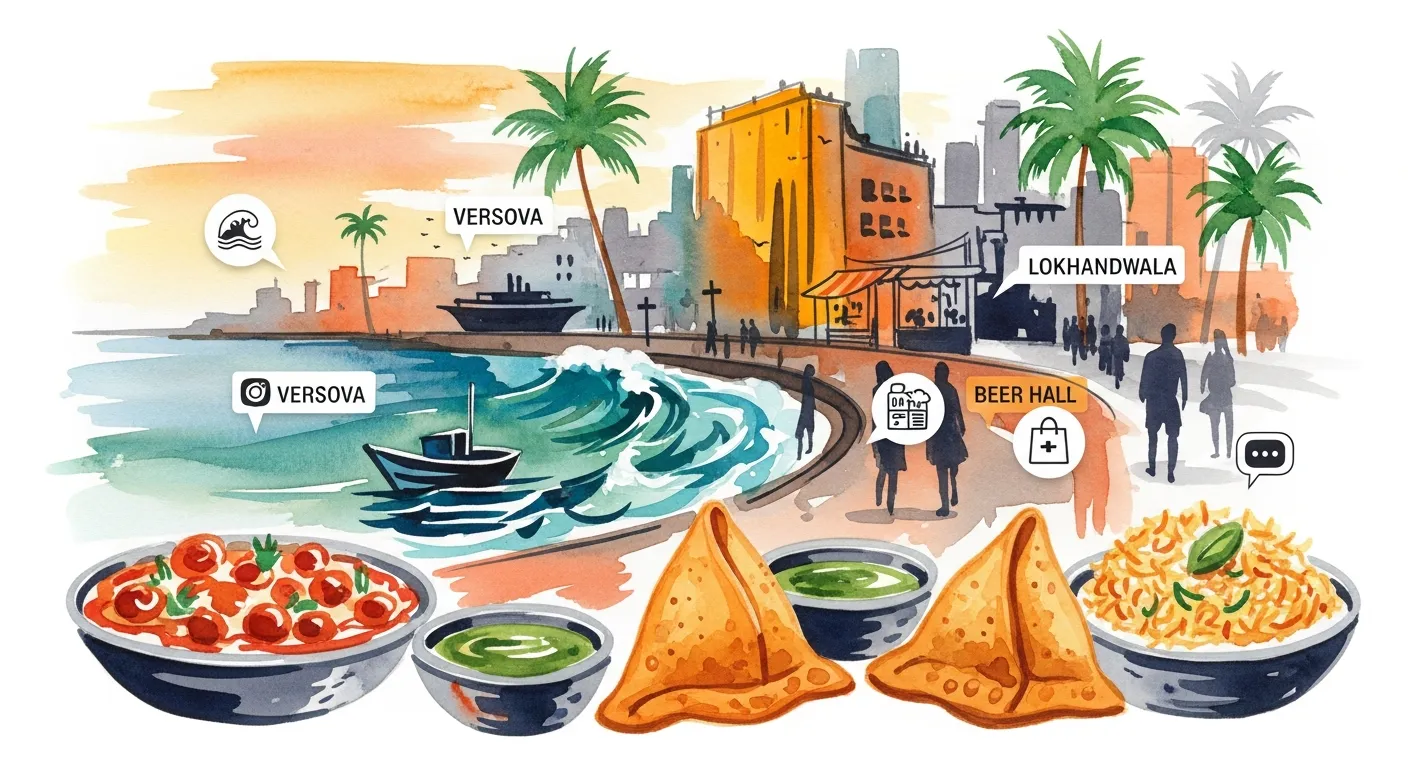
This is not a pop-up in the Instagram sense. This is the coffeehouse model. The room is one economy. The cook is another. They meet on the plate.
THE PLATFORM THAT DOES NOT CALL ITSELF ONE
In June 2026, Foodstories launched in Lokhandwala, described by Restaurant India as a platform that brings together farmers, makers, artisans, producers, and chefs through curated products and experiences. The press release language is standard. The floor plan is not.
What Foodstories is doing, and what the industry has been slow to name, is aggregating the small operator. A cheesemaker from Kodaikanal who moves ten kilos a month. A rice grower from Wayanad who ships in twenty-kilo sacks. A home cook from Andheri who does one weekend service. None of them can afford a shopfront. Together, on a single floor in Lokhandwala, they can. The rent is split. The footfall is shared. The audience that walks in for the cheese discovers the rice, discovers the cook, discovers the pickle, discovers the thali on Saturday afternoon.
This is the same logic that built the wet market. It is also the logic that has been missing from Bombay's fine-dining economy for thirty years, where the single restaurant, the single chef, the single concept has been the default unit.
The pop-up is not a trend. It is a return. The city ate this way for four centuries before it forgot.
THE DELIVERY LAYER NOBODY COUNTS
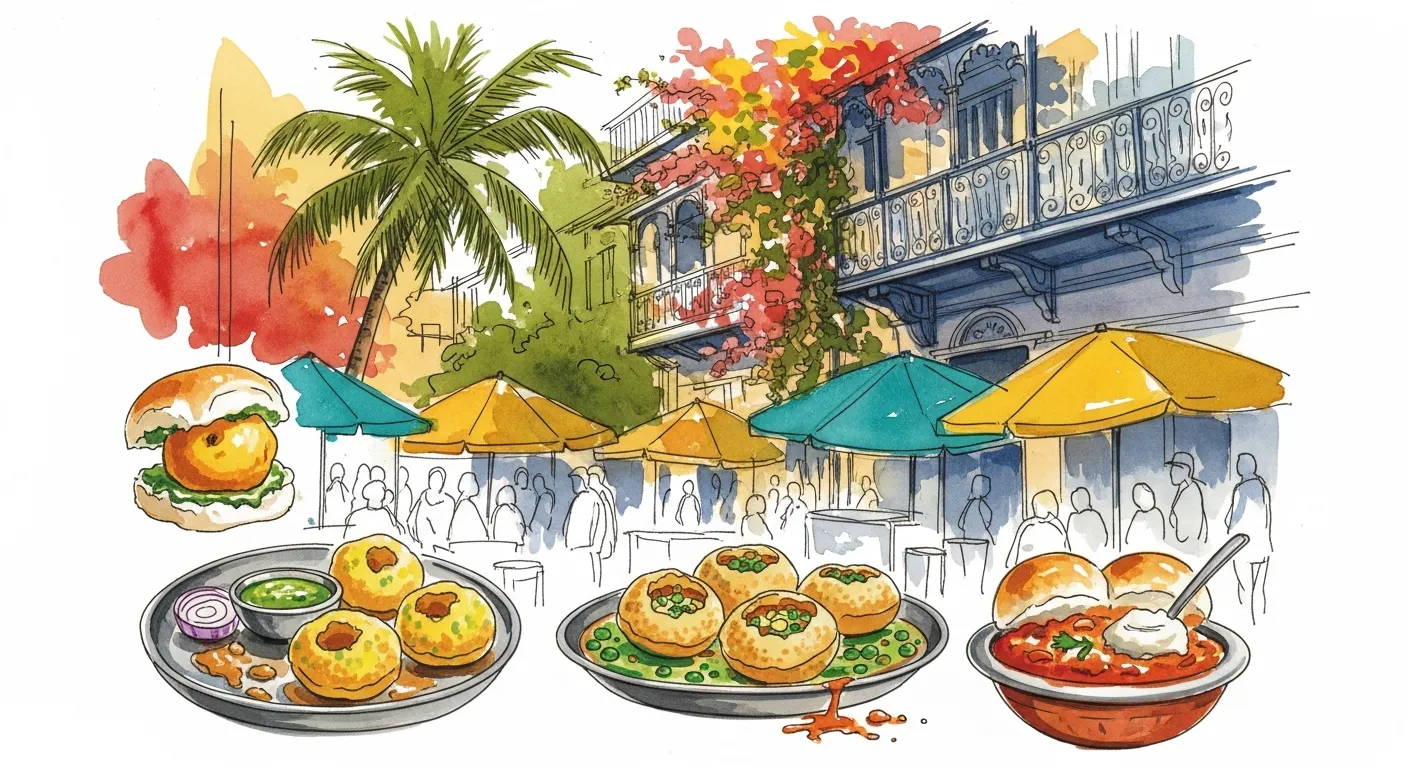
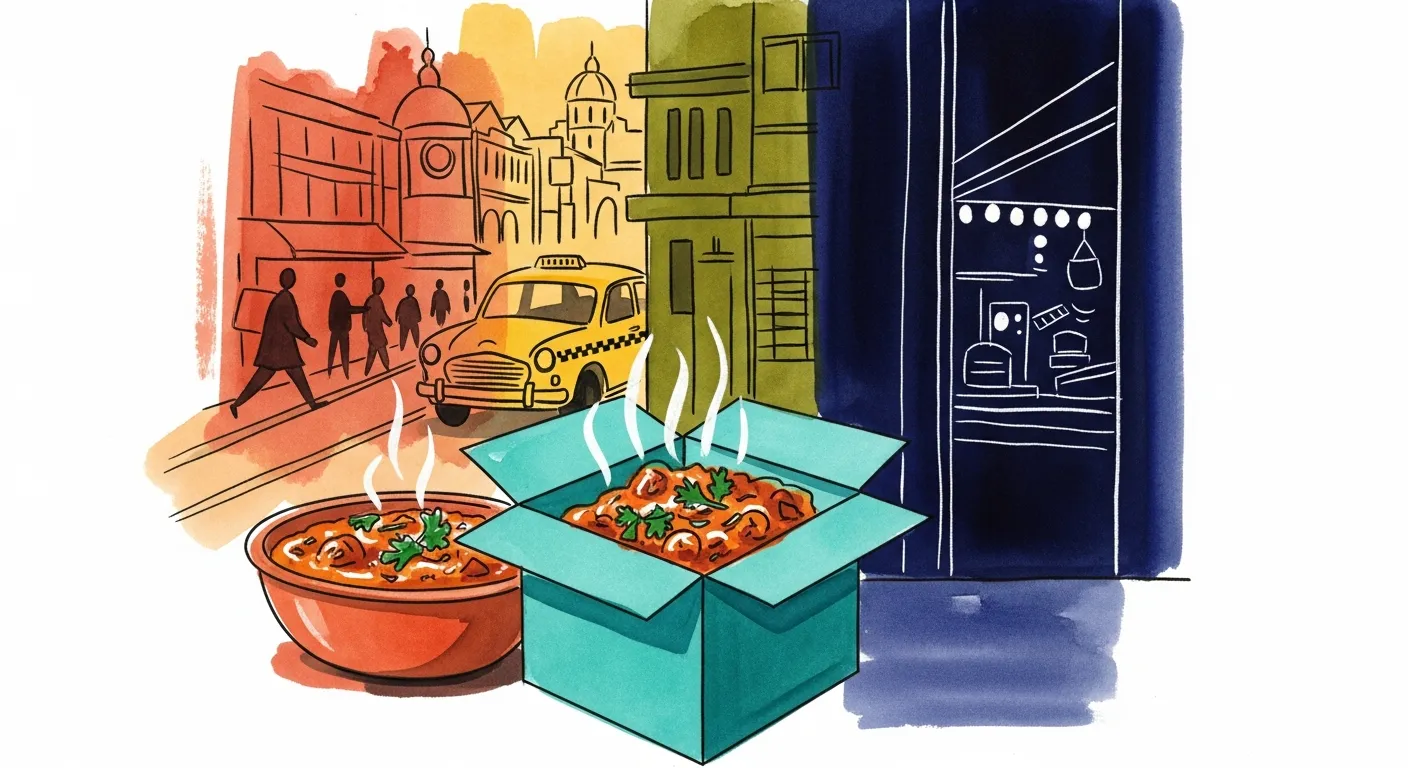
The Pantry, a cloud kitchen, opened in Andheri in June 2025 with a delivery radius that covers Versova and Lokhandwala. On its own, it is one brand. Zoom out and it is the third layer of the same shift.
Layer one, the bar with the rotating regional menu. Layer two, the platform space with the aggregated makers. Layer three, the cloud kitchen with no dining room at all, cooking for the flats above it. Three different rooms, three different rent structures, three different customer touchpoints. The home chef with a WhatsApp list of forty families now has three doors to walk through instead of one.
She can guest-cook a week at Public. She can sell her masala at Foodstories. She can rent an hour on a cloud kitchen line and push a Sunday menu through Swiggy. Ten years ago, none of these doors existed. She had one door, and it opened into her own flat.
THE COOK WHO STOPPED APOLOGISING
The cultural shift is quieter than the economic one, and it matters more.
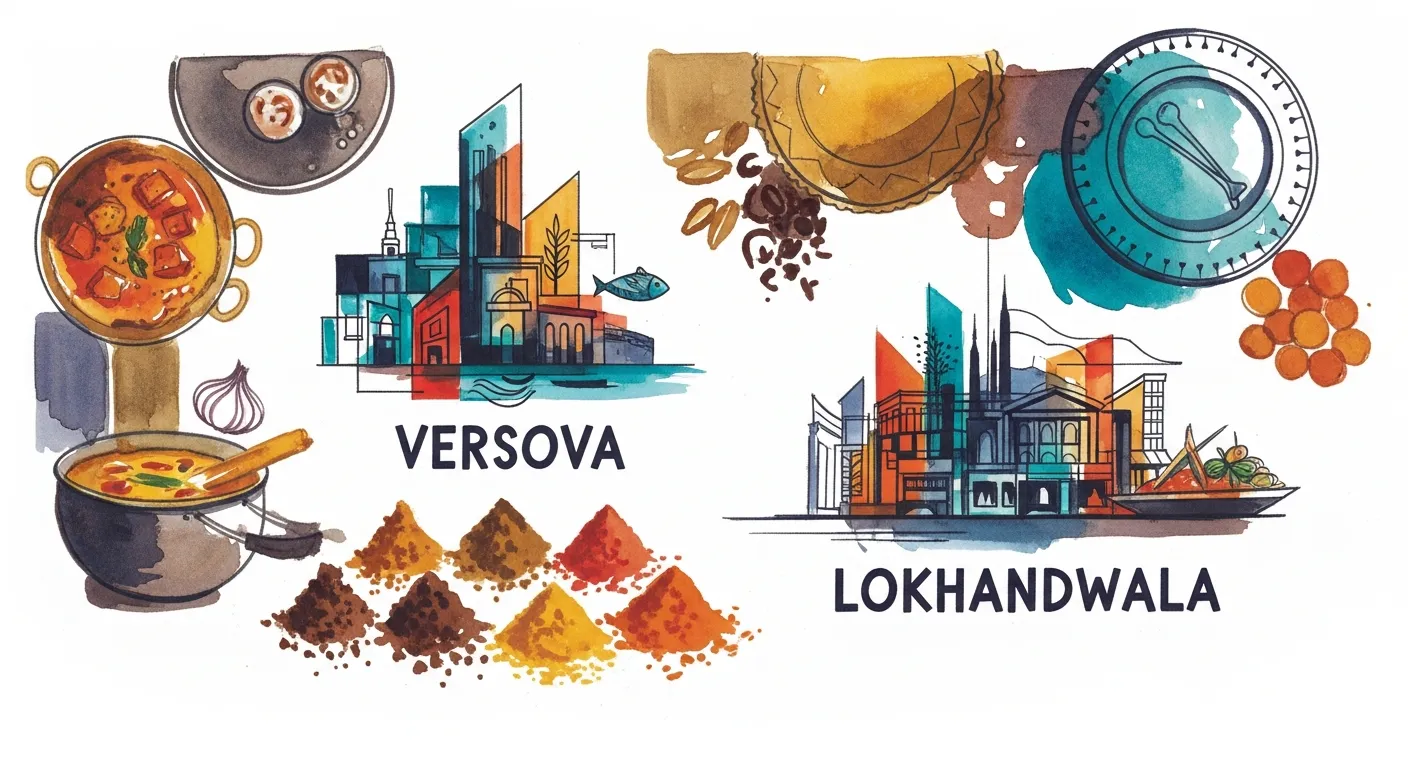
For thirty years, the Bombay restaurant landscape treated regional Indian food as a specialty item. A festival. A month-long promotion in the coffee shop of a five-star. Chettinad in April. Bengali in October. Kashmiri around Eid. The rest of the year, the menu returned to butter chicken and pasta.
The home chef never had that luxury. She cooked her region every day because that was the food she knew. What has changed is that the room now agrees with her. The bar in Versova will put her Assamese fish tenga on its snack menu next to a lager. The platform in Lokhandwala will stock her Kerala chutney next to French cheese. The customer, sitting in a room that a decade ago would have served her a bruschetta, is now eating something her grandmother would recognise.
The white tablecloth ate imported salmon. The neighbourhood room, finally, is eating what the neighbourhood cooks.
THE COFFEEHOUSE, RETURNED
The London coffeehouses of 1730 went quiet not all at once but slowly, across a century, as the restaurant took over the room, the stove, and eventually the idea of what eating out was supposed to mean. The single-owner, single-kitchen, single-menu establishment became the default. It stopped being questioned.
What Versova and Lokhandwala are doing is not new. It is old, remembered. A room with a fire. Twenty cooks. A customer who pays for the plate and the seat and never asks who owns which.
The home chef stops being a home chef the moment somebody else pays her rent.
The WhatsApp list of forty families is still there. It is just, finally, not the only door.
Field Notes
Quick referenceA Versova home chef clearing forty weekend covers takes home fifteen to twenty-two percent on a good week. On a bad one, zero.
Public Beer Hall & Snack Bar, Versova. Hyper-regional menu curated by Chef Sohini Bhattacharya. Opens February 2026.
Foodstories, Lokhandwala. One floor. Farmers, makers, home cooks, artisans. Shared rent. Shared footfall. Launched June 2026.
You cannot train a hotel-school line cook to make fermented bamboo shoot pickle. You bring in the person who already knows.
The shared kitchen predates the restaurant by at least a century. London coffeehouses in 1730 were already splitting rent from the plate.
Get the next story first
Join the Bhukkads. Free, no spam, just stories.
Takes 30 seconds.