The Street That Works One Month a Year, and Survives the Other Eleven
Mohammad Ali Road during Ramadan is a fairground. Mohammad Ali Road in October is a business problem. Both versions have to feed the rent.
Generated by Imagen 4
The Romans had a word for it. Annona. It was the name of both the grain dole and the goddess who supervised it. Rome ran on a calendar of feasts, and the city's food economy was built around the spikes. When the festival came, the bakers borrowed against it. When it passed, they prayed the granaries held. The entire civilisation organised itself around the gap between two meals.
Mohammad Ali Road has the same problem. It just doesn't get written about that way.
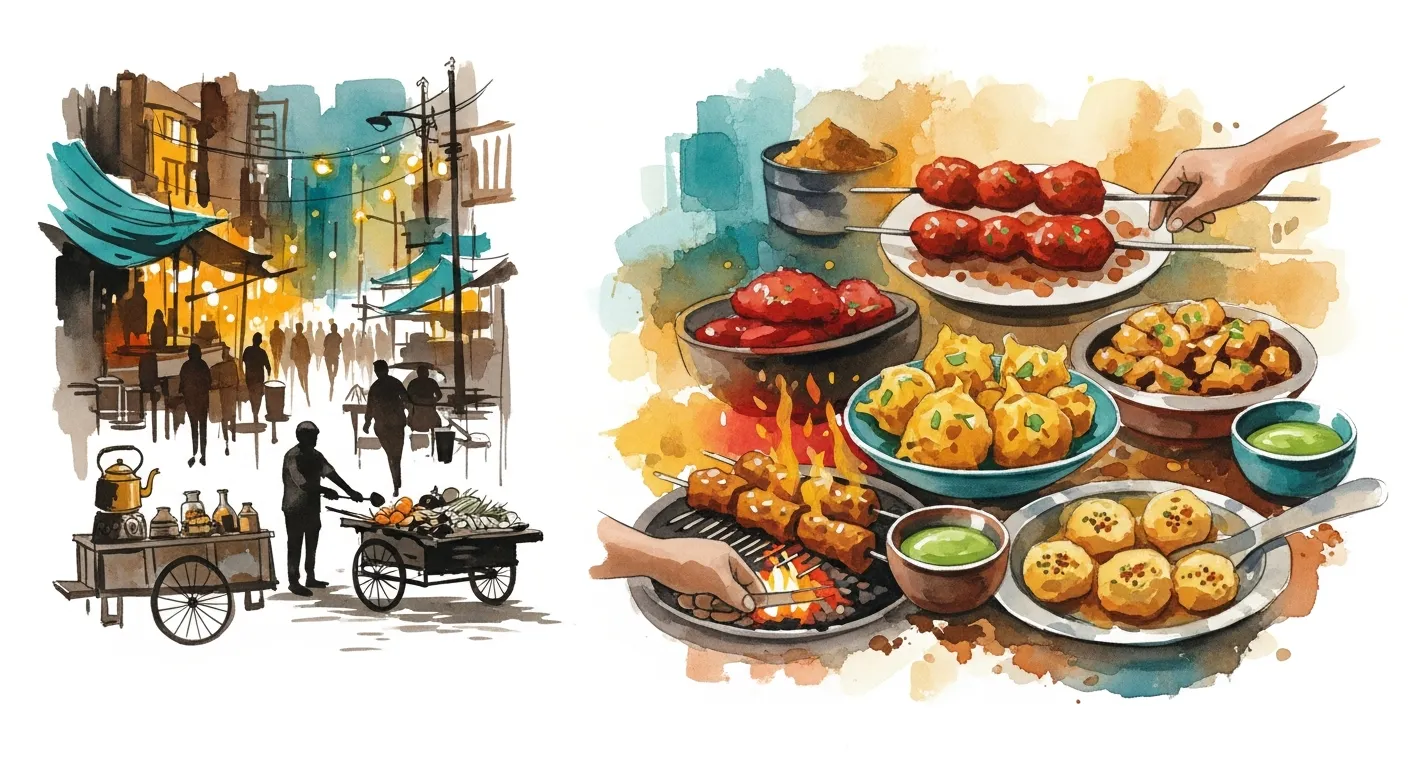
Every year, for thirty nights of Ramadan, the half-kilometre stretch from Minara Masjid down to Bohri Mohalla becomes the most photographed street in the city. The food press shows up. The Instagram reels arrive. The queues at Suleman Usman start at 8 PM and don't end till 3 AM. Then on the morning of Eid, the temporary stalls fold up their tarpaulins, the bhatti coals go cold, and the street goes back to being what it actually is. A working market in South Bombay with rent to pay and twelve months in the year.
THE THIRTY-DAY ECONOMY
Nobody talks about the eleven months.
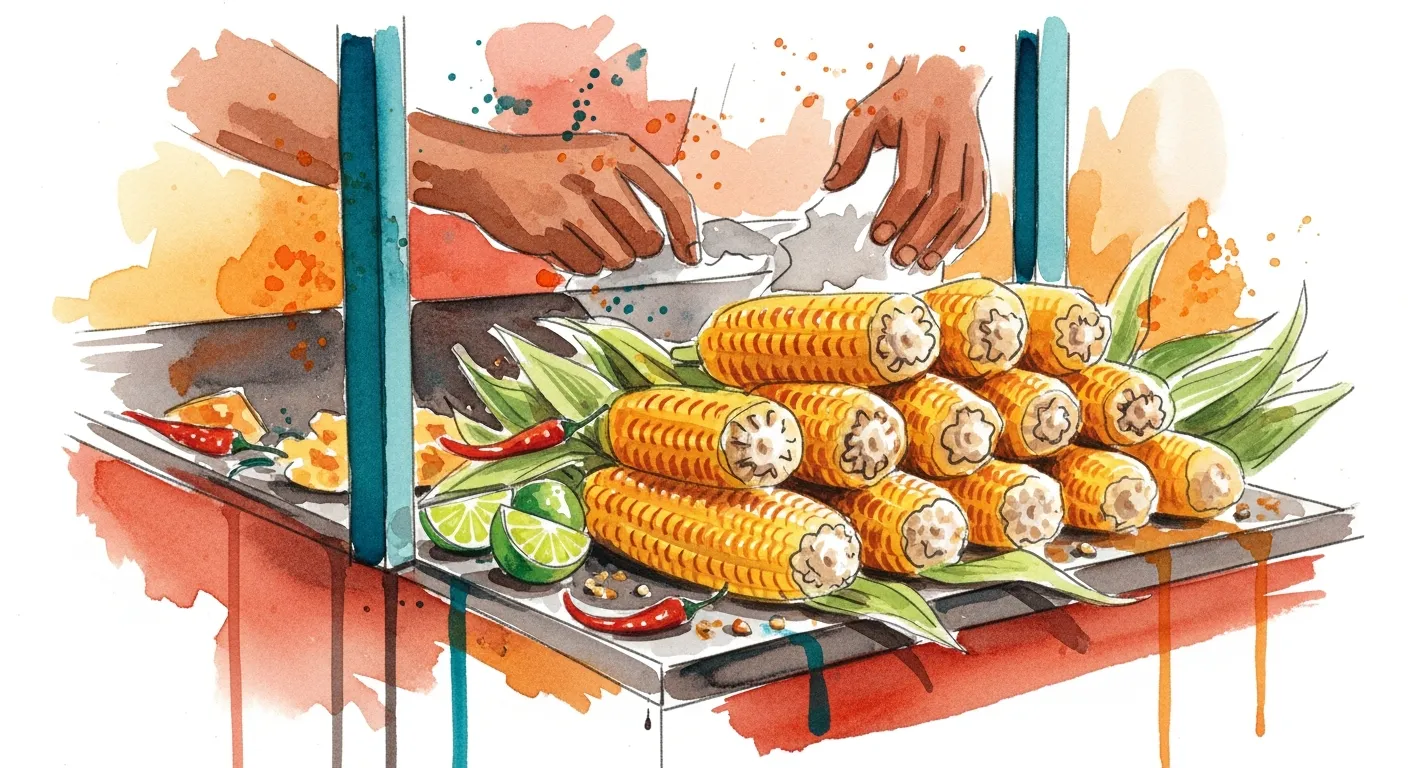
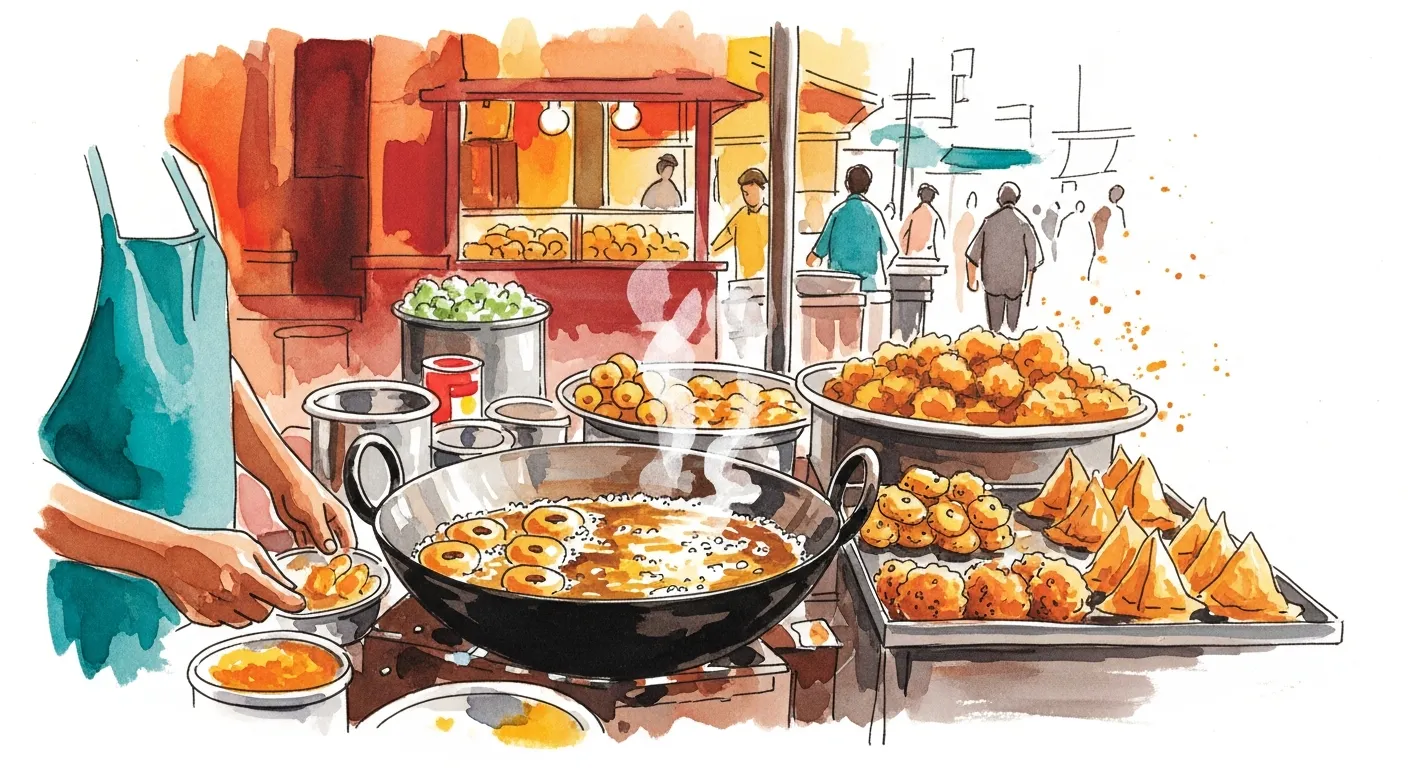
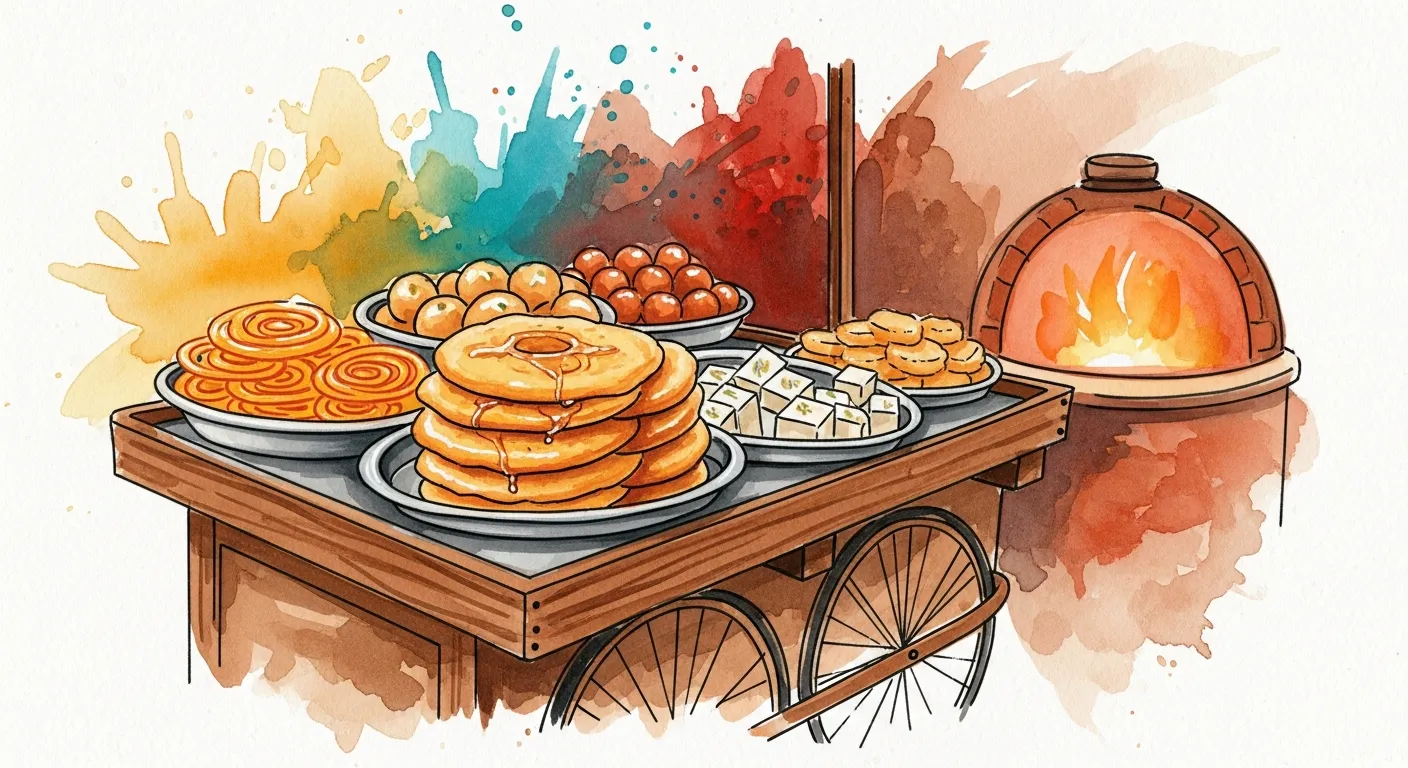
During iftaar season, Mohammad Ali Road runs on a model closer to a music festival than a restaurant district. Hundreds of temporary vendors set up between the permanent shops, paying short-term rents to whoever owns the pavement-adjacent shutter. They sell one or two items, made fast, sold faster. Bhuna, suti kebab, phirni in clay cups, malpua dripping in syrup. The margins are thin but the volume is theatrical. A cart that sells nothing in November can do its annual turnover in a single week of the holy month.
According to TrekGo, once Ramadan ends, most temporary stalls disappear entirely and the street's food economy shifts back to a handful of permanent establishments. Noorani. Suleman Usman. Shalimar. The names that survive because they have walls, a kitchen, a license, and a regular lunch crowd from the offices around Crawford Market and Mohatta Market.
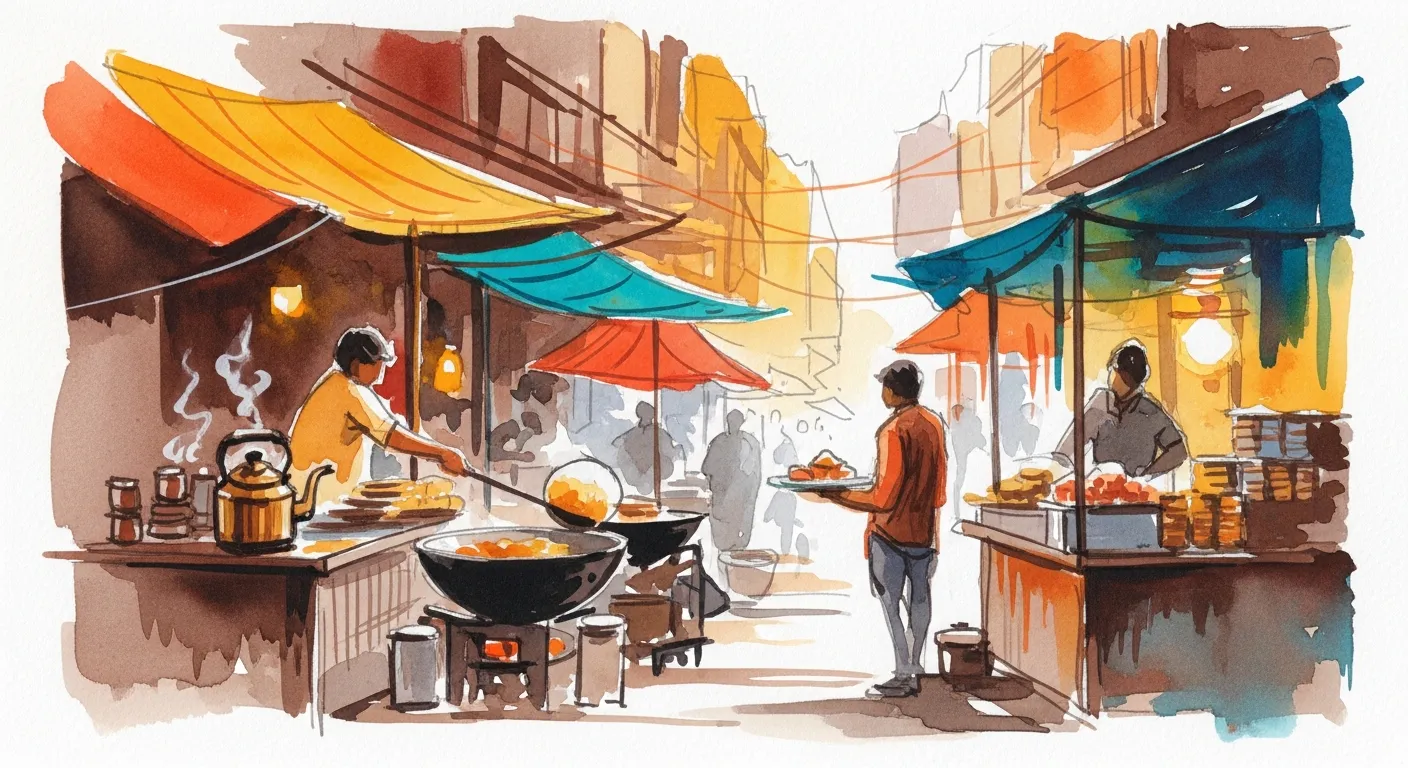
The seasonal vendors do not vanish into thin air. They go back to other jobs. Some run tea stalls in Bhendi Bazaar. Some drive autos. Some travel back to villages in UP and Bihar and sit out the monsoon. The kebab seller you photographed at 1 AM in March is a tailor's assistant in August. The phirni man is helping his cousin run a chicken shop in Madanpura. This is not failure. This is the design.
The street is not a restaurant. It is a stage that gets rented out once a year.
THE PERMANENT ONES
The shops with shutters have a different math. They cannot fold up. They have to figure out what to feed the area when the spotlight moves on.
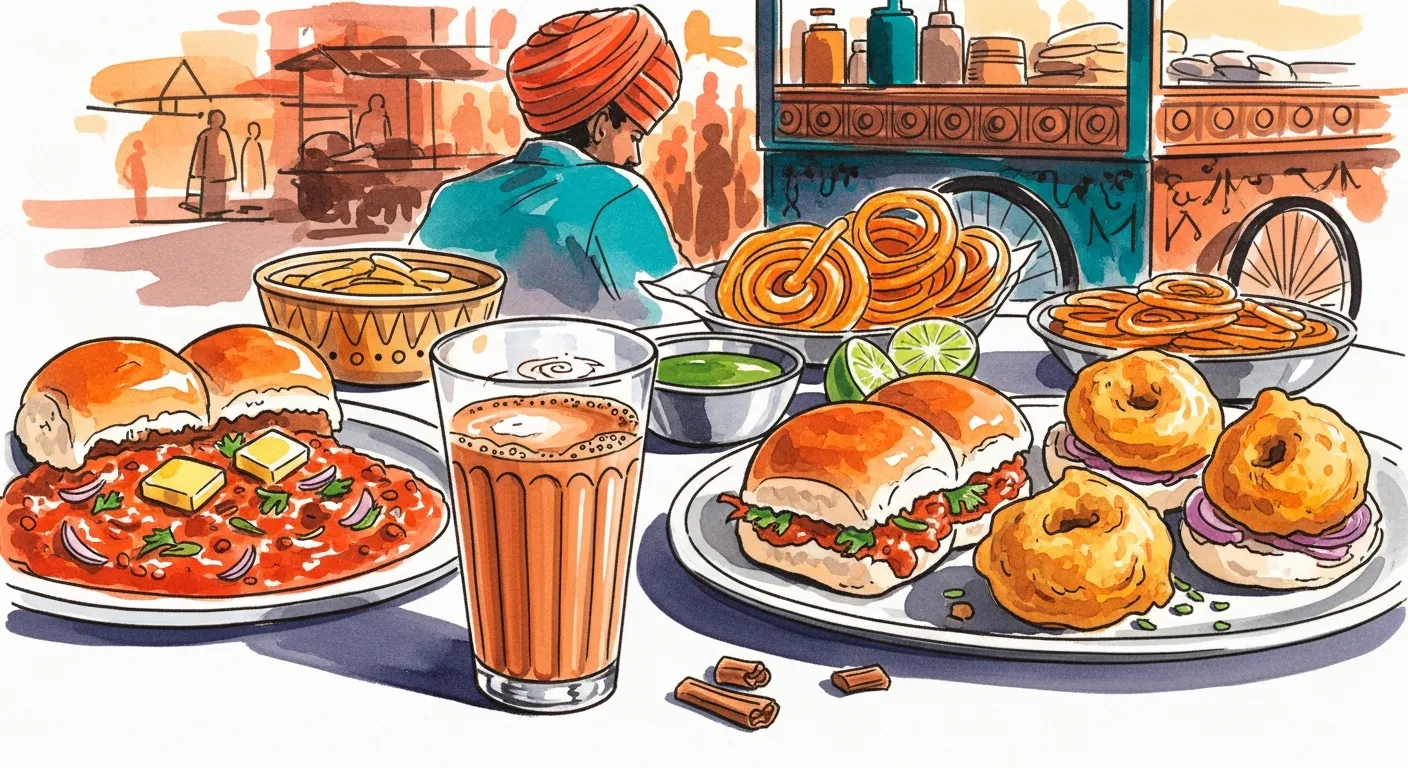
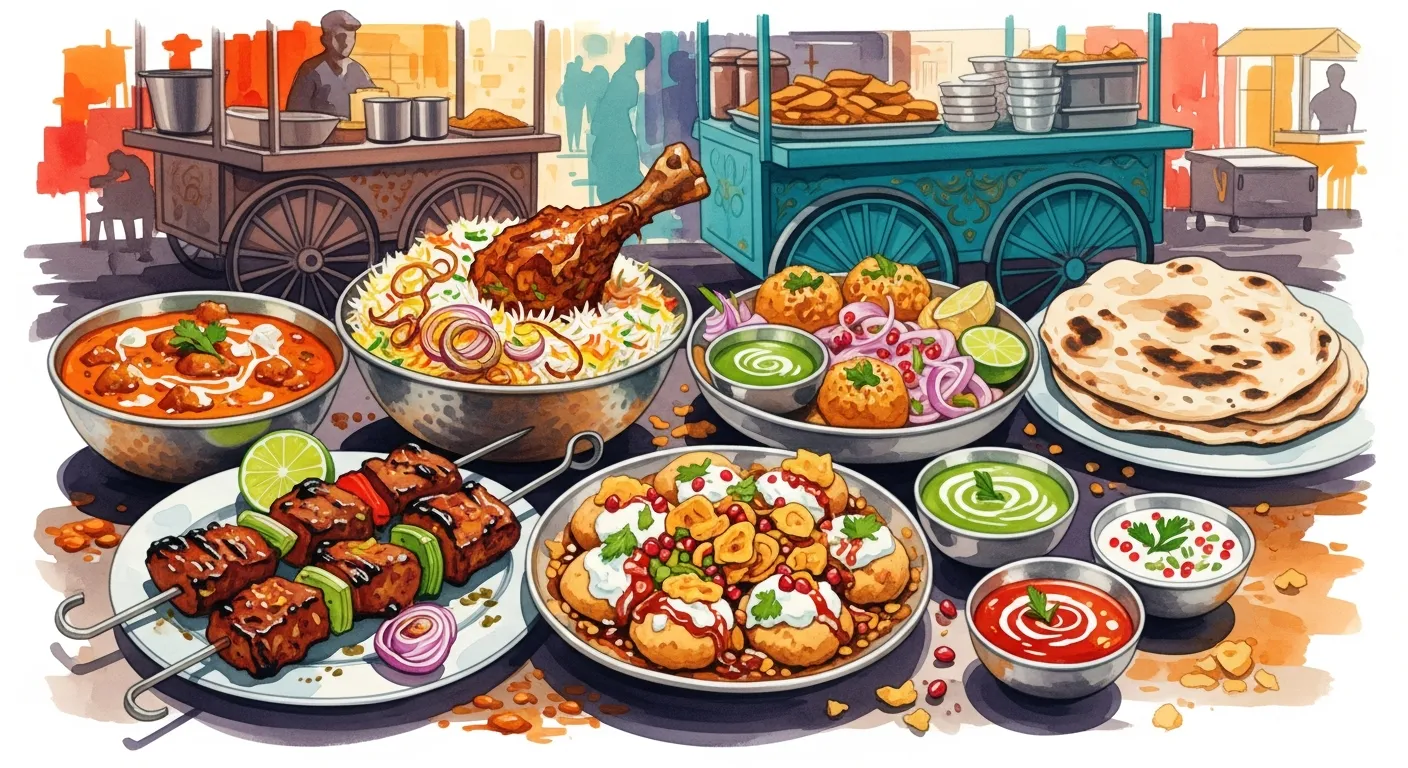
The answer, mostly, is lunch. The trade shifts from a tourist-and-tradition crowd to a working-day crowd. Cloth merchants from Mangaldas Market. Brokers from the Bullion Exchange. Hardware traders from Lohar Chawl. They want a thali, a plate of nihari with khameeri roti, a quick biryani. The menu shrinks. The kebab platters that headline in Ramadan move to the back of the board. The slow-cooked, all-day items, things like paya and nalli nihari, become the workhorses because they can be made in one large degh in the morning and ladled out till evening.
Prices stay low because the customer is a regular, not a pilgrim. The Ramadan visitor pays Rs 80 for a seekh because he's there once a year. The Mangaldas Market broker pays Rs 50 for the same seekh because he's there every Wednesday.
This is the quiet trick of the street. Two pricing structures, one address.
WHAT 2026 EXPOSED
Then Ramadan 2026 happened, and the entire system showed its wiring.
A commercial LPG shortage hit Mumbai in the middle of the iftaar rush. The timing could not have been worse. As Mid-day reported, several eateries on Mohammed Ali Road switched to coal and diesel for cooking mid-rush, slowing production and raising operational costs for some dishes.
Charcoal prices doubled. A sack that cost one thing in February cost twice that by mid-March. The eateries that had built their entire annual budget around the Ramadan spike were watching their margins burn off the top of the bhatti.
Deccan Herald reported that menus shrank in real time. Roast meats and mutton dishes got swapped for chicken and khichda, items that needed less fuel and forgave a less consistent flame. Some owners reported daily losses of around Rs 10,000, with workers sitting idle because there wasn't enough gas to run a full shift.
The Mid-day piece carried a line that explained why some kitchens coped better than others. "A few sweets, such as malpua, are heat-intensive, making their production tough to sustain, whereas tandoori items, including breads, tikkas, and kebabs, are already cooked over coal, so there is no significant shift there."
The tandoor shops barely flinched. The malpua men were ruined.
It was a small detail in a small news cycle, but it explained the whole economy of the street. The kitchens that had stayed loyal to charcoal, the old-school bhatti walas, the kebab houses that never converted to gas, kept working as if nothing had happened. The modernised ones, the places that had switched to LPG for speed and cleanliness, were the ones running at half capacity.
The street rewards the ones who never let go of the old fire.
THE OFF-SEASON SURVIVAL KIT
What the LPG crisis revealed in compressed form is what the off-season demands in slow motion. Cost control. Menu compression. Workforce flexibility. The ability to take a 70 per cent drop in footfall and still keep the lights on.
The permanent establishments do this through five strategies that nobody puts on a menu.
First, the catering pivot. The same kitchen that fed the Ramadan crowd at night becomes a wedding caterer in winter. Bohri Mohalla weddings, Khoja engagement parties, Memon mehfils. The biryani degh travels.
Second, the wholesale move. Several of the older shops sell their raw masalas, slow-cooked gravies, and frozen kebab patties to smaller restaurants across the city. Your favourite kebab in Andheri might have been ground in a back room off Mohammad Ali Road.
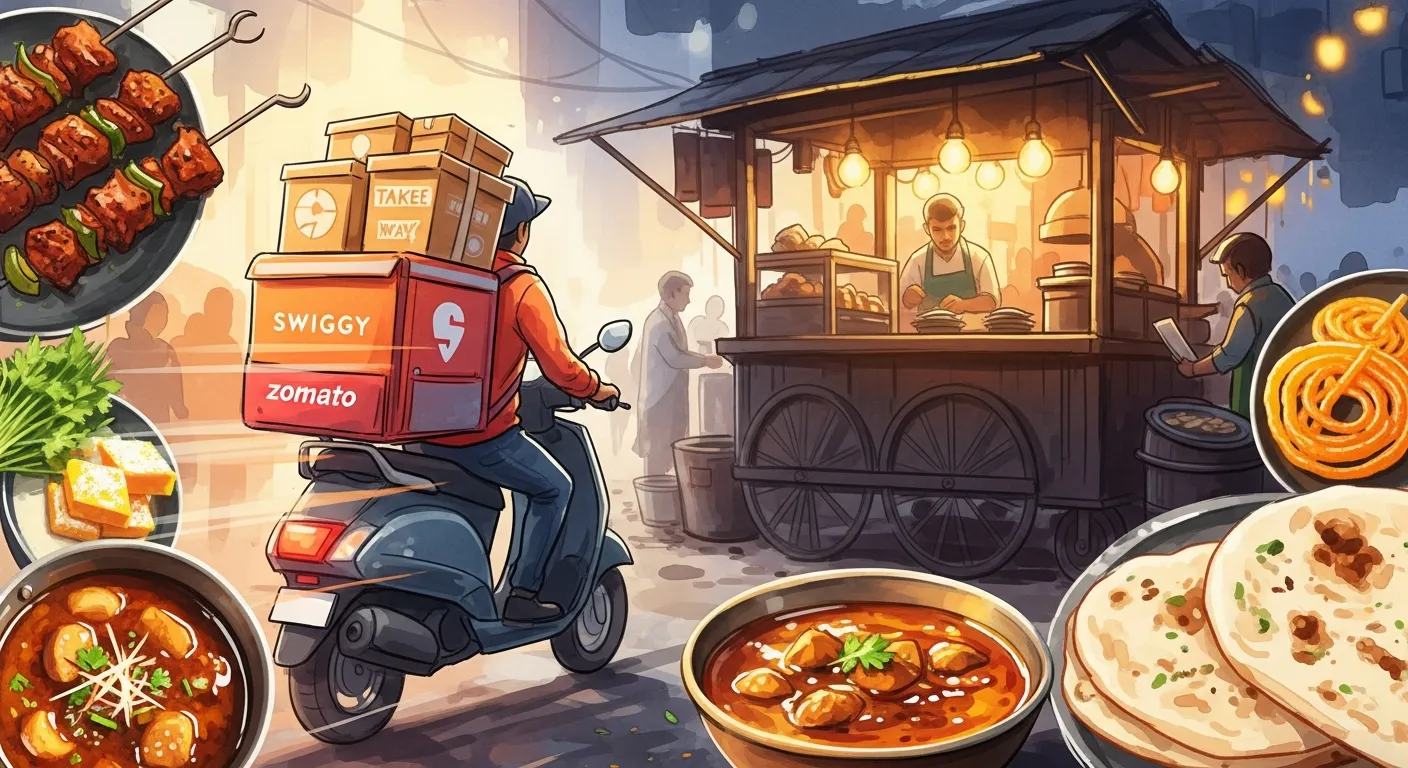
Third, the delivery shift. Swiggy and Zomato changed the calculation. A shop that needed walk-in customers in 2015 now serves a delivery radius of eight kilometres in 2026. The footfall on the street might be down. The kitchen still runs.
Fourth, the rent compression. Many shops on the stretch have been family-owned for three or four generations. The lease was signed when the rupee meant something different. Their biggest survival advantage is that they don't actually pay market rent. A new entrant trying to open a kebab shop on the same street today would be out by the second monsoon.
Fifth, and this is the one an MDPI study on South Bombay street vendors documented in detail, the informal credit network. Vendors lend to each other. Suppliers extend khata. The masala wala lets the biryani shop pay next month. The ice supplier carries the falooda seller through August. The MDPI researchers called it resilience through social networks and informal credit. The men on the street call it bharosa.
The bank account is empty. The notebook is full. Somehow the shop opens tomorrow.
THE QUIET MONTHS
Walk Mohammad Ali Road on a Tuesday afternoon in September. The street is wide. You can actually see the buildings, the old Mughal-arch facades above the shop boards, the iron grills on the first-floor balconies where families still live above their stores. The chai shops are open. The kebab places are quietly turning out lunch orders. The biryani man at Noorani is ladling rice into steel tiffins for a delivery boy who will take them to a textile office in Kalbadevi.
This is the version of the street that pays the rent. The other version, the one with the lights and the cameras and the seekh smoke in the air, is the one that pays the bonus.
The Romans understood the gap between the two. They built a goddess for it.
Mohammad Ali Road just built a notebook, a charcoal bhatti, and a phone number for next year's vendor to come back.
Field Notes
Quick referenceThirty nights of Ramadan generate what most permanent shops cannot match in the other eleven months combined.
Same seekh kebab, two prices: Rs 80 for the Ramadan visitor, Rs 50 for the Wednesday regular from Mangaldas Market.
During the 2026 LPG shortage, charcoal-only tandoor shops kept full service. The modernised LPG kitchens ran at half capacity.
By 2026, delivery apps extended Mohammad Ali Road kitchens to an eight-kilometre radius, keeping the degh running long after the Ramadan crowd left.
The informal credit network documented by MDPI researchers, suppliers extending khata, vendors lending to each other, is what keeps the street open through August.
Get the next story first
Join the Bhukkads. Free, no spam, just stories.
Takes 30 seconds.