The Cafe That Got Its Name in Twenty-Four Hours
A British licensing officer made a joke in 1923. A hundred and two years later, the joke is still serving berry pulao.
Generated by Imagen 4
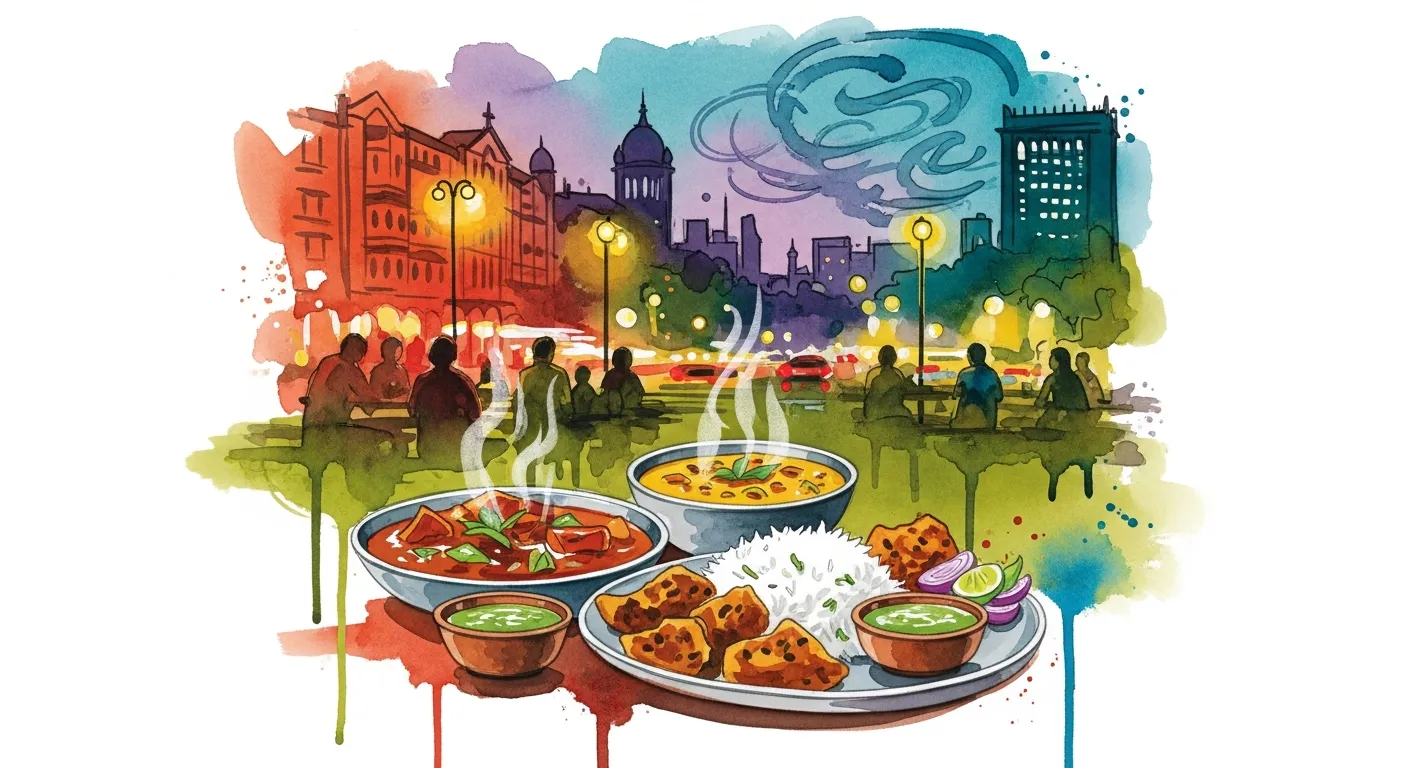
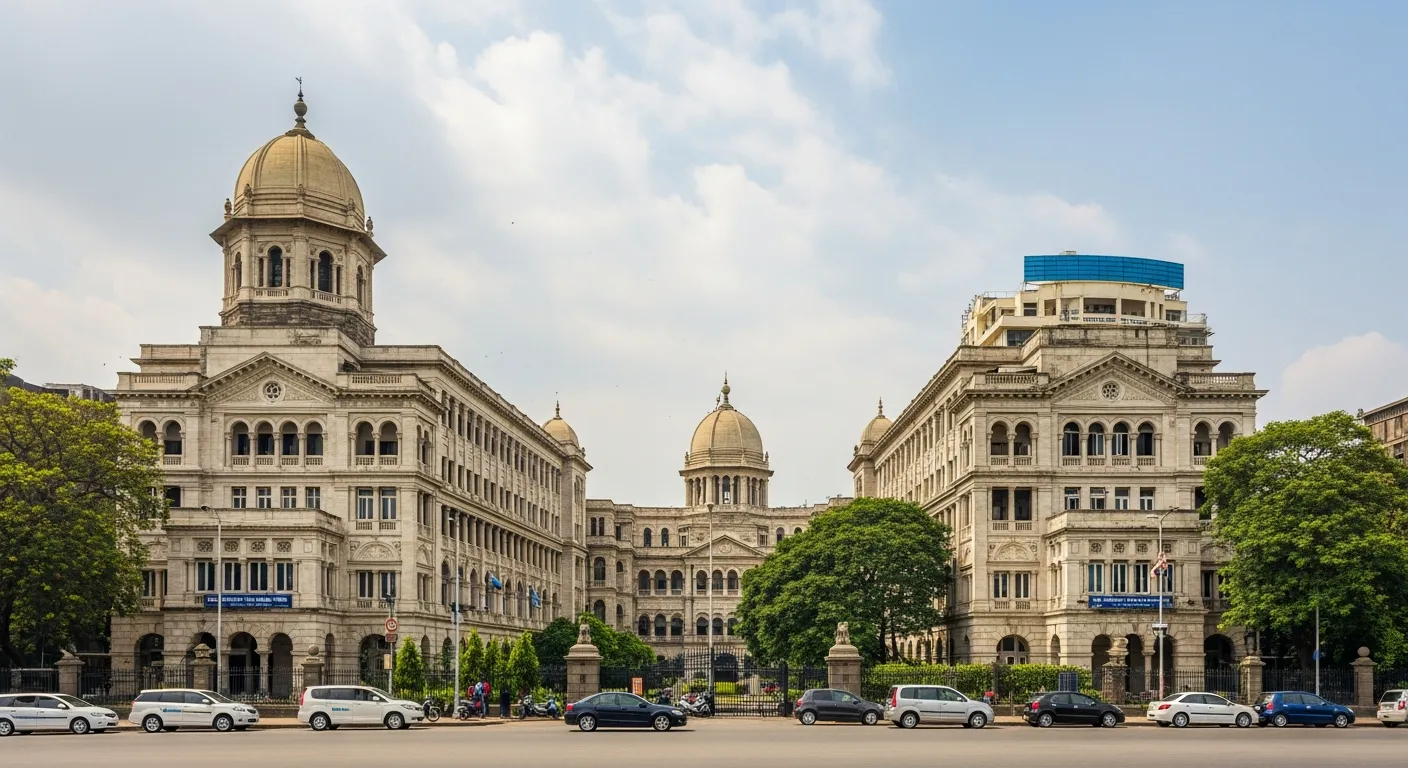
In 1921, the British colonial government finished construction on Ballard Estate. It was named after Colonel John Archibald Ballard, an engineer with the Bombay Port Trust, and it was built on land reclaimed from the harbour using the silt dredged up to deepen the docks. The architect was George Wittet, the same Scotsman who designed the Gateway of India and the Prince of Wales Museum. He gave the estate a uniform Edwardian Neoclassical facade. Yellow basalt, arched colonnades, identical cornices, a Roman grid laid down on what had been seawater a decade earlier.
The estate was meant for shipping offices and trading firms. Lloyd's. P&O. The Bombay Steam Navigation Company. The men who worked these offices were British, Parsi, and Gujarati clerks who needed a place to eat lunch within walking distance of their ledgers.
In 1923, an Iranian emigre named Rashid Meherwan Kohinoor walked into one of these ground-floor units, signed a lease, and went to the licensing office.
He came out with a name that was not his idea.
THE JOKE THAT BECAME A SIGNBOARD
Hungry Onion records the exchange. "Established by Iranian emigre, Rashid Meherwan Kohinoor, in 1923, the eatery got its name from sheer pragmatism on the part of the founder then: a British licensing officer jokingly told Messr Kohinoor that if he gave his establishment a British name, he'll obtain his license within 24 hours."
He called it Britannia. The license arrived the next day.
The most beloved Parsi cafe in Bombay is named after the personification of the British Empire because a clerk in 1923 wanted his paperwork moved up the queue.
This is the kind of origin story that does not survive translation into a brand deck. There is no mission statement. There is no founder's vision. There is a man with a lease, a stove, and a licensing officer with a sense of humour. The signboard was a workaround. A hundred and two years later, the workaround is the heritage.
THE RICE THAT CAME BACK FROM A HOLIDAY
Nobody talks about how recent the famous dish actually is. Everybody talks about how old the restaurant is.
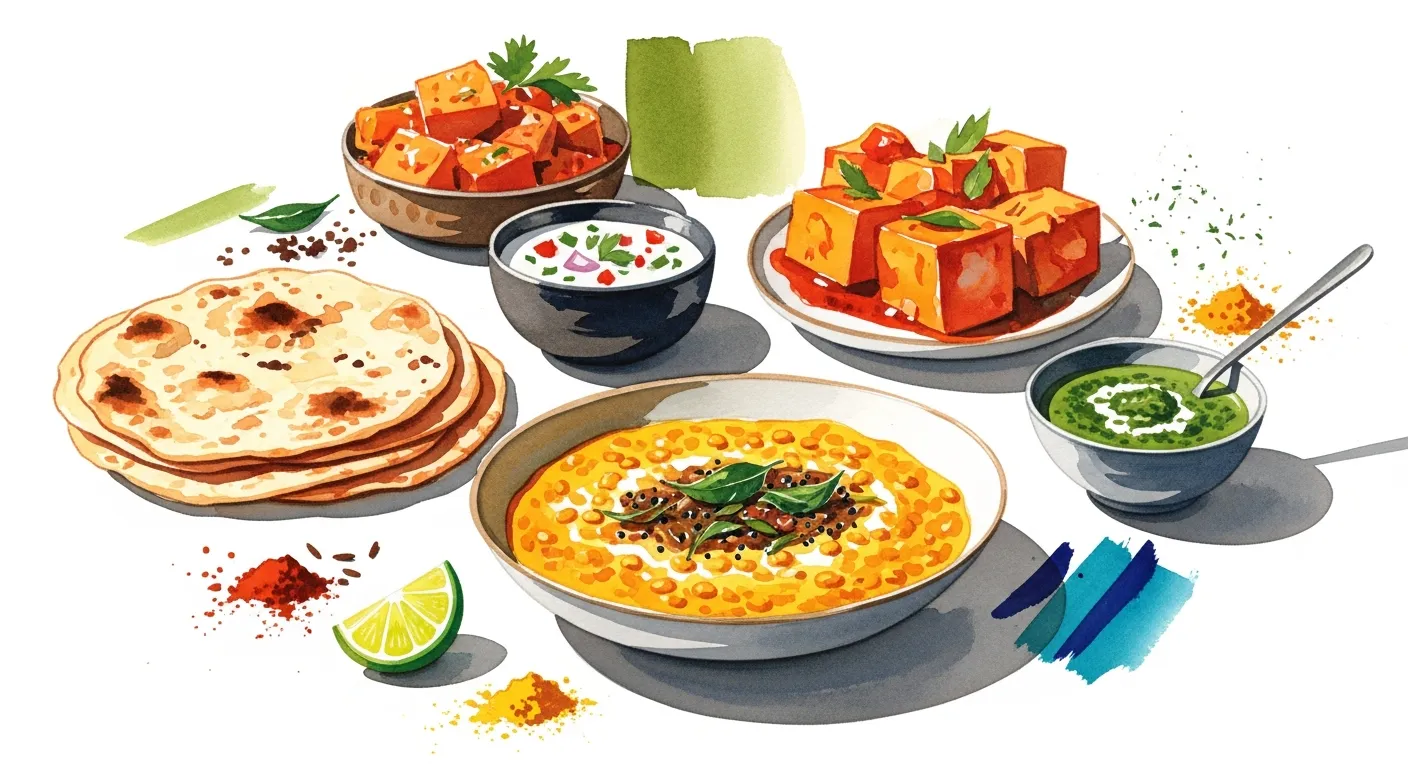
Britannia is, in the popular imagination, synonymous with berry pulao. The plate of basmati rice, mutton or chicken, fried onions, and a fistful of dark red zereshk berries on top. Tourists fly in for it. Food writers describe it as ancestral. It is not. It is younger than the colour television.
Hungry Onion is clear about the provenance. "The dish was actually invented in 1982 by the late Boman Kohinoor's wife, Bachan Kohinoor, when she returned from a holiday in Iran inspired by the Zereshk Polow (Persian Barberry Rice) she'd tasted there."
A woman went on holiday. She tasted a rice. She came back to Ballard Estate and put it on the menu. Forty-three years later it is the reason a queue forms outside the door every lunch service.
A wife went to Iran on holiday. The pulao is the receipt.
The barberries themselves are still flown in from Iran. Slurrp confirms the import line. The bush, Berberis vulgaris, grows in the highlands of Khorasan and South Khorasan. It does not grow in Maharashtra. It does not grow anywhere in India in commercial quantity. Every red speck on every plate of berry pulao at Britannia has crossed the Arabian Sea.
THE GRAVY THAT WASN'T IN THE ORIGINAL RECIPE
Iranian food, as eaten in Tehran or Shiraz, is dry. The kababs come off a skewer. The rice is fluffy and separate. The stews, when they appear, are thin and sour and meant to be eaten in small quantity.
Bombay did not want that.
Hungry Onion notes the adaptation directly. The Persian originals were given more gravy. More body. More of the saucy register that an Indian palate, trained on dal and curry, expects on a plate of rice. The chicken berry pulao at Britannia comes with a small bowl of gravy on the side that has no real Iranian precedent. It exists because the customer asked for it in 1953 and the kitchen said yes.
This is the part of the heritage story that gets edited out. The recipes are not frozen. They are negotiated. Every decade, a small adjustment. The caramel custard sweeter. The raspberry soda colder. The dhansak heavier. The cafe survives because the kitchen listens.
THE BUILDING THAT IS DOING THE HEAVY LIFTING
Nobody talks about the ceiling. Everybody talks about the food.
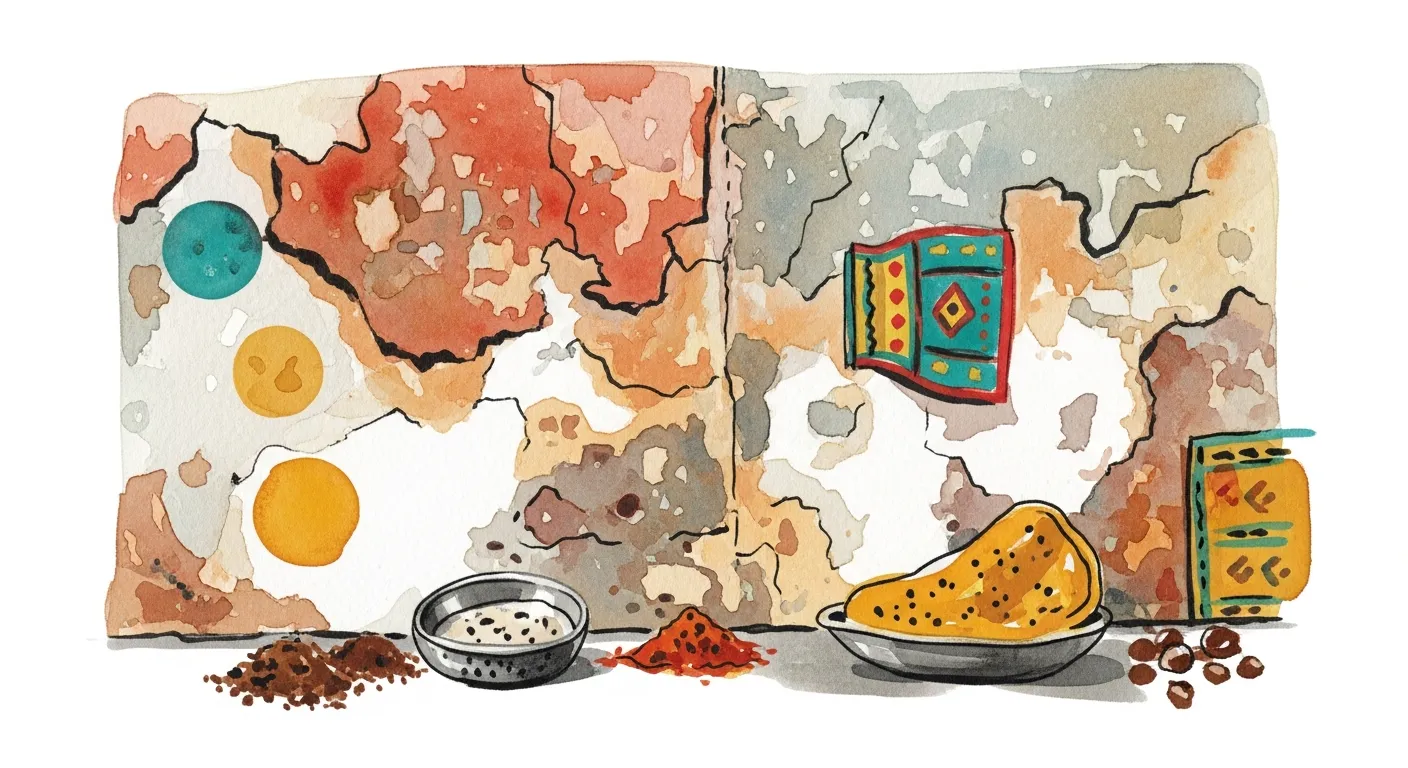
The ground-floor unit Rashid Kohinoor leased in 1923 is a heritage structure inside a heritage estate. Wittet's facade cannot be modified. The high ceilings, the wooden chairs, the long mirrors, the framed portrait of Queen Elizabeth II, the framed portrait of the Indian flag, the dusty chandelier that Hungry Onion catalogued in its visit, the peeling paint that has become its own aesthetic. None of this can be replaced cheaply, and most of it cannot be replaced at all without triggering a conservation review.
The maintenance bill on a 1921 building runs in one direction only. Up. The teak chairs need re-glueing. The mosaic floor needs re-grouting. The fans, original to the period, need their bearings replaced by a man in Kalbadevi who is one of perhaps three people in the city who still does this work.
The peeling paint is not neglect. It is a budget line that has been deferred for fifty years because every rupee that comes through the till goes back into the rice, the mutton, and the rent.
The District listing puts it precisely. "An old-world eatery, the decor remains largely untouched, it adds to the place's nostalgic character." Untouched is the polite word. The accurate word is preserved by mathematics. The cost of fully restoring the interior to 1923 condition would exceed several years of profit. The cost of leaving it alone is zero, and the customers describe the result as heritage.
This is the economic strategy. Do not renovate. Charge for the privilege of sitting inside the un-renovated room.
THE CASH-ONLY POLICY
In 2016, demonetisation happened. In the years since, UPI has eaten retail payments in India to a degree that has no global parallel. Every paan shop in Bhuleshwar takes a QR code. Every chaiwala in Lower Parel has a speaker that announces the deposit out loud.
Britannia takes cash. Only cash. The District listing confirms it across recent reviews. The ATM is around the corner. Bring notes or be turned away politely by Afshin Kohinoor, the current proprietor and grandson of the founder.
This is not a failure to modernise. It is a choice. Card processing fees on a bill of fifteen hundred rupees come to roughly thirty rupees per transaction. On a hundred covers a day, that is three thousand rupees. On a year, that is over ten lakh. For a cafe that operates on the margins that century-old Irani cafes operate on, the card machine is not an upgrade. It is a tax.
The ATM is around the corner. The cafe was here before the ATM.
THE FAMILY THAT KEPT IT OPEN
Rashid Meherwan Kohinoor ran the cafe until his son Boman took over. Boman ran it for roughly six decades, became famous for greeting customers at the door with a Union Jack and a portrait of the British royal family, and lived to over ninety. His wife Bachan invented the berry pulao in 1982. Their son Afshin runs it now.
Three generations. One lease. One menu that has changed only at the edges.
In 2020, Times Now reports, the cafe shut for the pandemic. The shutters came down on a hundred-year-old kitchen for the first time in living memory. Ballard Estate emptied. The clerks worked from home. The lunch queue evaporated.
It reopened. "For over a century, it has preserved its colonial-era ambience, warm hospitality, and timeless recipes through generations," the same outlet recorded.
The pandemic gave the cafe an unexpected gift, which was a forced audit. After the shutters came up, the Kohinoors knew, with hard numbers, what their loyal customer base actually was. The ones who came back in the first week. The ones who paid in cash and tipped in cash and asked after Afshin's family. The ones for whom Britannia was not a heritage Instagram stop but a Wednesday lunch.
THE PRICE OF SITTING IN 1923
A meal for two at Britannia, per Slurrp, runs Rs. 1,500 to Rs. 2,000. That is roughly the cost of a mid-tier meal at any Bandra cafe with exposed brick and a curated playlist. The difference is what the price is buying.
At the Bandra cafe, you are paying for sourcing. The cold pressed olive oil. The single estate coffee. The sourdough that took thirty hours.
At Britannia, you are paying for time. The barberries that flew in from Iran. The teak chair that was made in the 1920s. The recipe that a Parsi woman brought back from a holiday in 1982. The license that a British clerk approved in twenty-four hours in 1923 because the signboard had the right letters.
You are not eating at a restaurant. You are renting a chair in a building that has survived two world wars, one partition, one pandemic, and the quiet fading of the community that built it.
Times Now frames it the way the family probably would. "Britannia & Co, founded in 1923 in Mumbai's Ballard Estate, is a living slice of pre-Independence history."
The paint is peeling. The chandelier is dusty. The cats wander through. The cash piles up in a drawer at the back. The barberries arrive in jute sacks from Tehran. The recipe came home from a holiday. The name came from a joke.
A hundred and two years on, the joke is still funny.
Field Notes
Quick referenceBritannia & Co opened in 1923. The name was a licensing officer's offhand suggestion. The paperwork cleared in 24 hours.
Berry pulao was invented in 1982. Bachan Kohinoor went to Iran, tasted Zereshk Polow, came back, and put it on the menu. Forty-three years of queues followed.
Every barberry on every plate of Britannia's pulao is imported from Khorasan, Iran. Berberis vulgaris does not grow in commercial quantity anywhere in India.
At 100 covers a day, card processing fees would cost the kitchen over ten lakh rupees a year. The ATM is around the corner.
Ballard Estate was designed by George Wittet, the same architect behind the Gateway of India. It was built on land reclaimed from Bombay Harbour using silt dredged from the docks.
Get the next story first
Join the Bhukkads. Free, no spam, just stories.
Takes 30 seconds.