The Kitchen That Followed the Lift Down
Dadar Parsi Colony built itself around a community of 14,000. The community is smaller now. The kitchens are not. A dhansak made on the third floor of a 1930s block is now eaten in a flat in Goregaon, twenty kilometres and one app away.
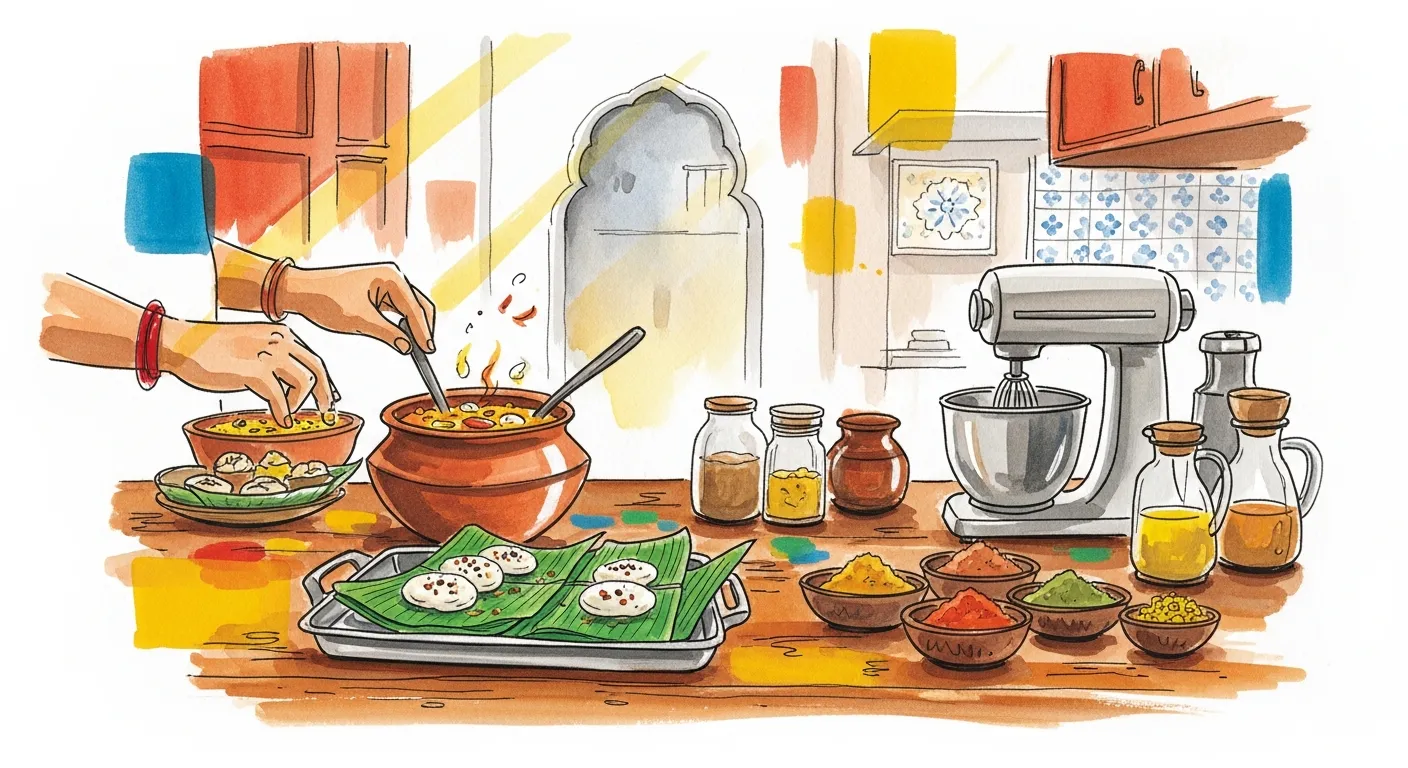
Generated by Imagen 4
In 1899, a plague tore through the lower town of Bombay. The municipal authorities, after burning down a fair portion of Mandvi and Nagpada, decided that the dense chawls of the cotton districts were the problem and that the solution was to build a planned suburb, north of the racecourse, with wide roads and three-storey blocks and proper drainage.
The land was a swamp. The plan was drawn by Mancherji Edalji Joshi, a Parsi engineer with the City Improvement Trust. He spent the next thirty years convincing his community to move into it. The first plots were allotted in 1922. By 1930, the colony had a name. By 1950, it had five fire temples, a gymkhana, two schools, and the densest concentration of Parsis anywhere on earth.
It also had kitchens. Five flats to a building, each with a coal sigri, then a kerosene stove, then a gas connection. Each running on the same set of recipes: dhansak on Sundays, sali boti for weddings, lagan nu custard for the navjote, patra ni machhi for anything that required a banana leaf and a reason.
In 2026, the community is smaller. The kitchens are not.
THE COLONY THAT WAS BUILT FOR A POPULATION THAT NO LONGER LIVES IN IT
Mancherji Joshi planned for roughly 14,000 residents across the Gardens and the surrounding blocks. The current figure, by every credible estimate, sits well under half of that. The flats are still there. The names on the doors are still Mistry and Daruwala and Cooper. But the ratio of empty bedrooms to occupied ones has been climbing for forty years.
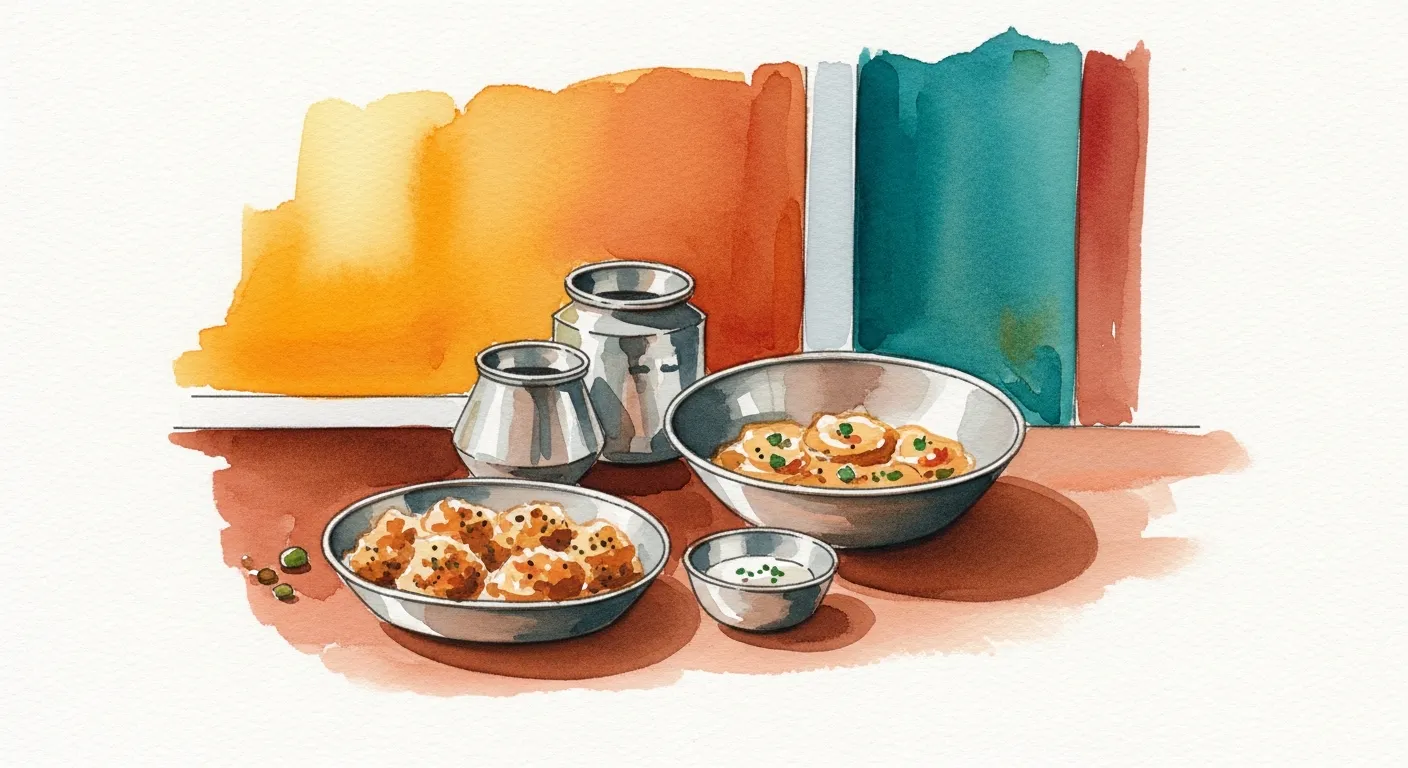
Nobody talks about the deep freezer. Everybody talks about the recipe.
A Parsi kitchen built in 1955 was sized for a joint family of nine. Three generations, a cook, a part-time bai, a Sunday lunch that involved a brass deg and a leg of mutton. That same kitchen, in 2026, frequently houses one woman in her seventies, or a couple whose children are in Toronto, or a single woman who inherited the flat and the dhansak masala her grandmother ground in 1968.
The kitchen is overbuilt. The skill is intact. The audience, the original audience of cousins and brothers-in-law and Sunday guests, is on WhatsApp from another time zone.
The flat is too big for the family. The family is too small for the kitchen.
THE MOTHER, THE DAUGHTER, AND THE 150-YEAR-OLD LEDGER
In 2023, a mother-daughter pair in Mumbai launched Karrylicious Kitchen, a cloud kitchen built on what they describe as a 150-year-old family recipe book. No dine-in. No signboard. A phone, a stove, a courier bag, and a register of customers who order patra ni machhi on Thursday for a Saturday lunch.
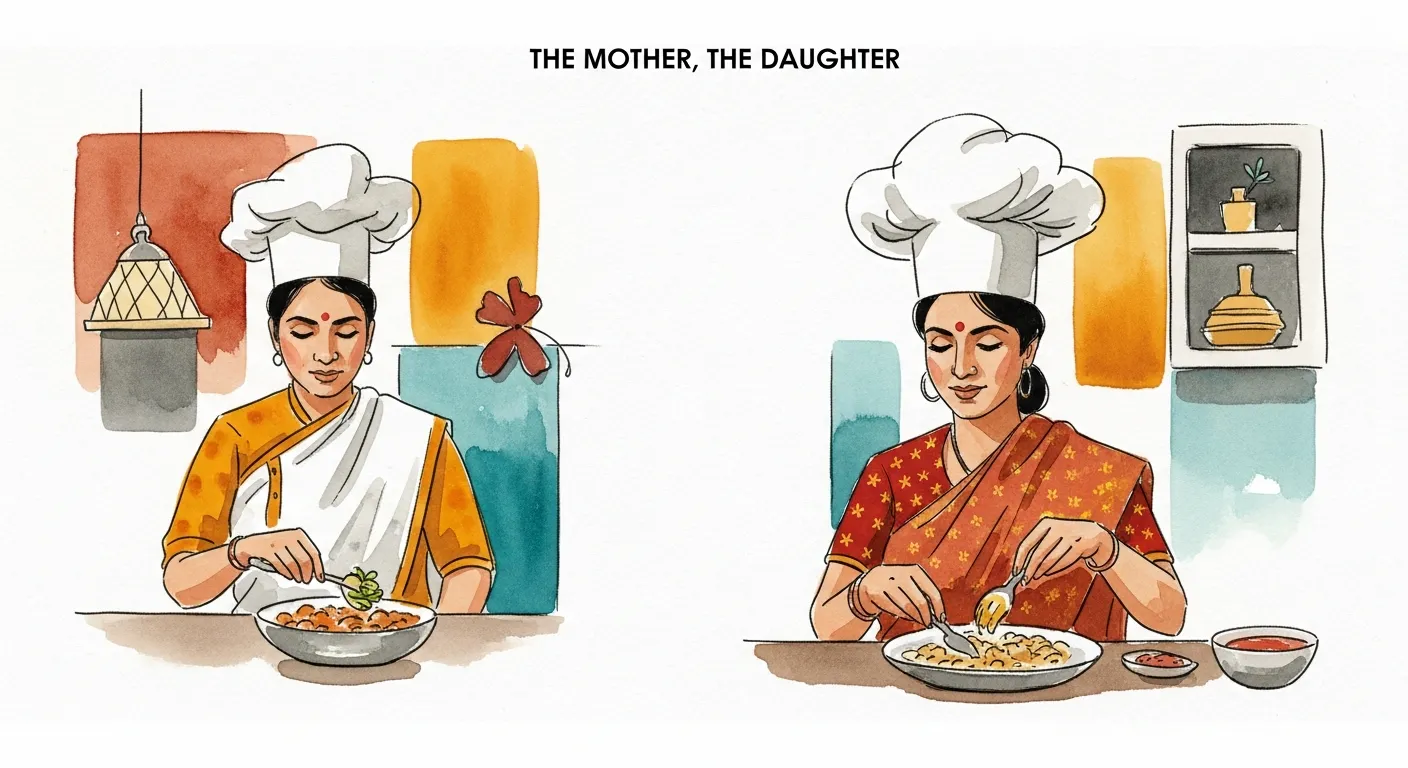
This is not a restaurant. A restaurant has a lease, a chef, a brand consultant, and an investor deck. This is a flat. With an Aadhaar-linked FSSAI registration, a Swiggy partner ID, and a daughter who answers the DMs while the mother browns the onions.
The economics are sharper than they look. A traditional Parsi restaurant in South Bombay carries a rent of roughly fifteen to twenty lakhs a month before a single chicken farcha leaves the kitchen. A home chef in Dadar Parsi Colony carries zero. The flat was bought by a great-grandfather in 1934. The gas connection is in the family trust. The only real costs are mutton, eggs, masala, and the delivery rider's cut.
THE PLATFORMS THAT DID THE COLD CALLING
Swiggy currently lists active Parsi food delivery in Dadar Colony, pulling both traditional kitchens and home-run operations into the same search result. Justdial maintains its own directory of Parsi delivery restaurants in Dadar West, much of which is one woman, one stove, one phone number that has been in the same family since the rotary dial.
And then there is FoodiaQ, a platform that specialises in homemade Parsi food across Mumbai. Not a restaurant aggregator. A home-chef aggregator. The distinction matters. A restaurant aggregator pushes you towards the lowest common menu. A home-chef aggregator pushes you towards the woman who still soaks her dhansak dal overnight because her mother told her the soaking is the dish.
The platforms did not invent the cuisine. They invented the cold call. Before Swiggy, a Parsi woman in a third-floor flat in Rustom Baug had to know your aunt to feed you. After Swiggy, she has to know your pincode.
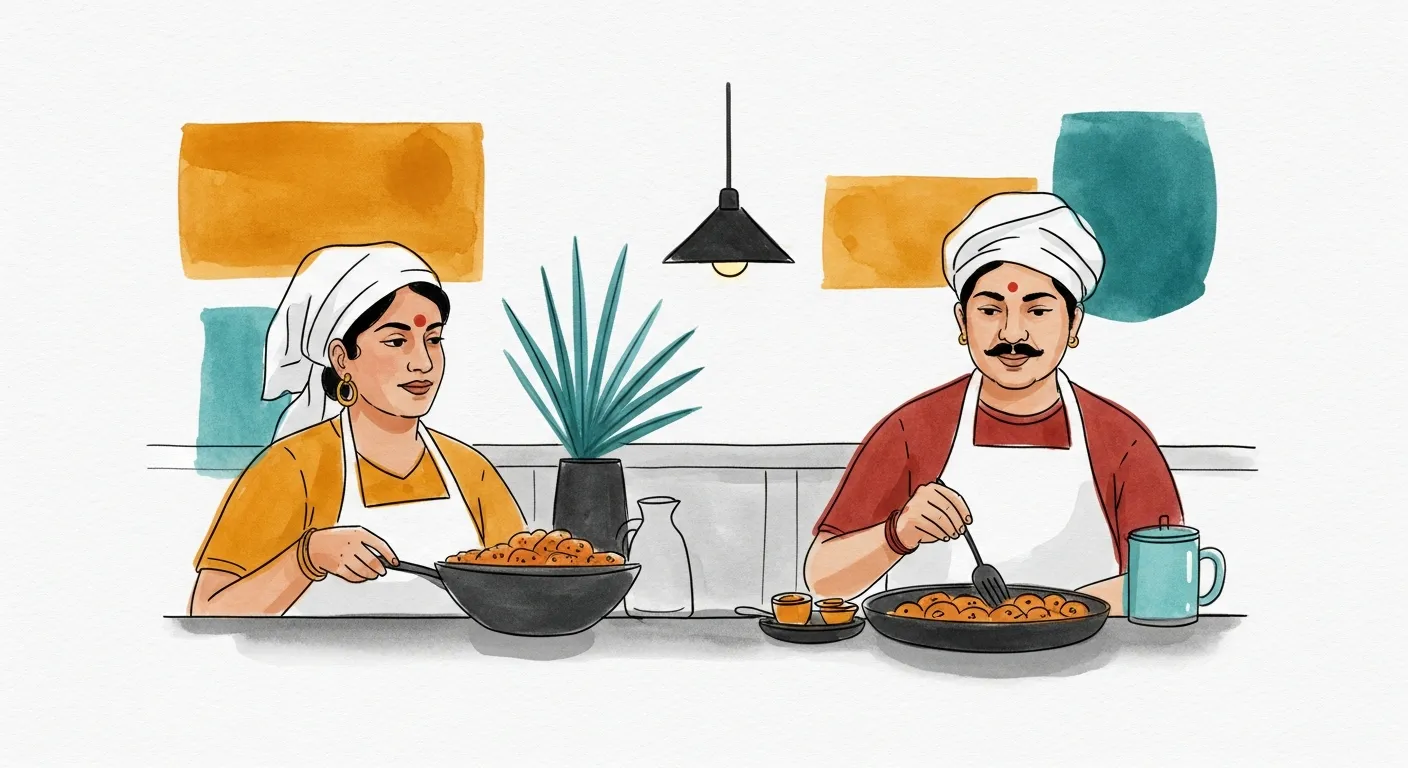
The recipe is 150 years old. The route to the customer is 18 months old.
THE INGREDIENT PROBLEM
The sourcing is harder than it looks. Sambhar masala is not Parsi sambhar masala. The dried Kashmiri chillies have to be the right kind. The vinegar in sali boti is sugarcane vinegar, not synthetic. The jaggery in dhansak is a specific dark grade. The mutton has to be cut by a man who understands that a Parsi stew is bone-forward and that boneless dhansak is a category error.
For decades, this sourcing was solved by walking. Down the lane to the bhandar at Bharucha. To the specific butcher near the Parsi Gymkhana who knew your order before you said it. To the dry-fruit shop on Khodadad Circle that kept Iranian dates because the owner's father had been in the trade since 1948.
Most of those shops are still there. Fewer are. The ones that remain are now serving a clientele scattered across the city, which means the home chef in Dadar is increasingly placing the same order over the phone and having the masala packet brought up by a Dunzo rider.
The digital platform did not just solve the customer end. It solved the supply end. The same app economy that takes the dhansak out also brings the dal in.
THE NON-PARSI CLIENTELE
Nobody talks about who is actually eating this food in 2026.
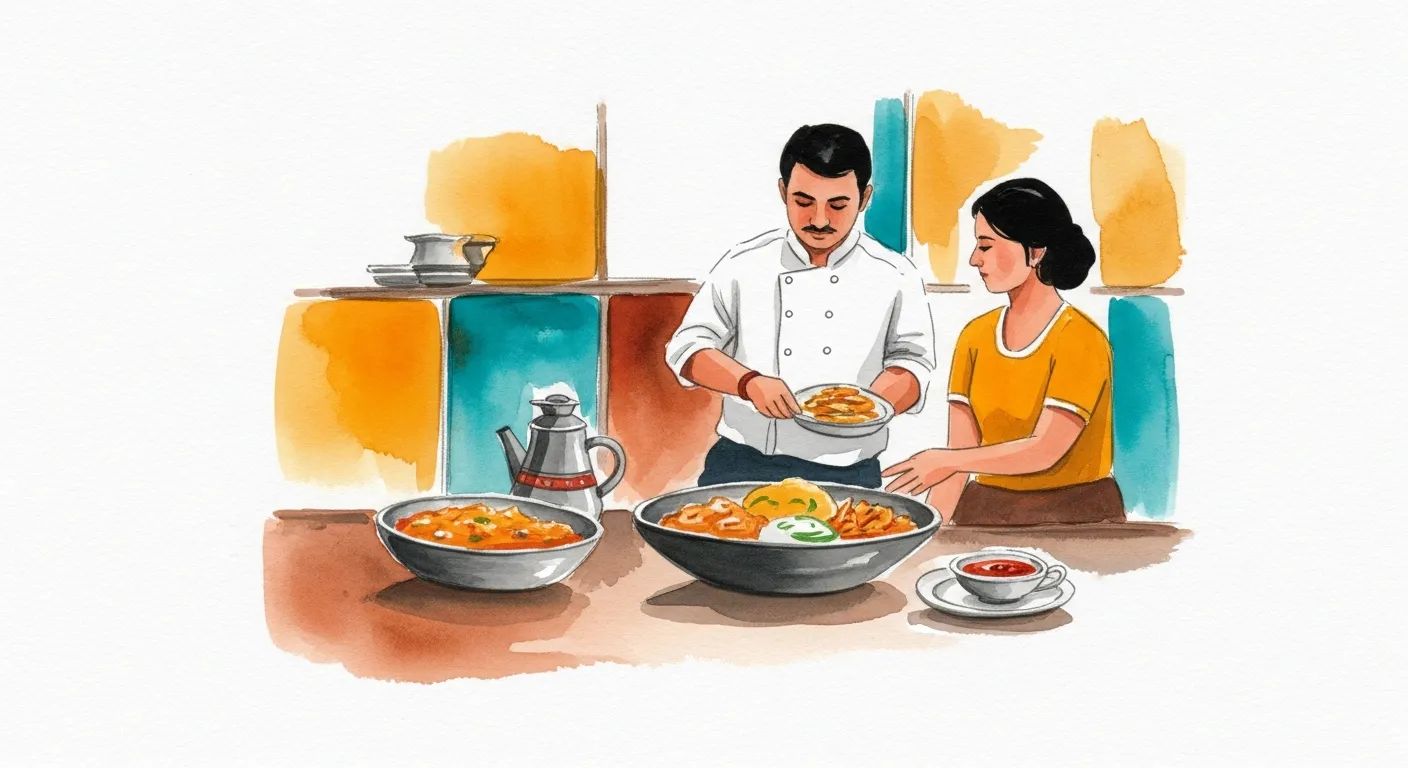
The order tickets, by every account from kitchens that have spoken publicly, are increasingly going to addresses in Goregaon, Andheri, Powai, Thane, neighbourhoods with almost no Parsi population at all. The customer is a thirty-four-year-old product manager who tried sali boti once at a friend's wedding in 2019 and has been hunting for it ever since. Or a Gujarati family in Vile Parle who wants to try patra ni machhi without booking a table at Britannia. Or a Marathi grandmother in Dadar East who orders lagan nu custard for her grandson's birthday because the bakery custard tastes like cornflour.
The community that built the cuisine is not the community that is currently sustaining it. The cuisine is now being kept alive by people who could not pronounce dhansak in 2010.
THE COLONY HAS NOT MOVED
This is the part that matters. The flats in Mancherji Joshi's blocks have not moved. The rents are still controlled. The gas connections still work. The fire temples still ring their bells at the same hours. The kitchens, the same kitchens built for nine and currently feeding two, are now feeding three hundred a week through a screen.
The deg is doing what the deg did in 1955. The route has changed.
Mancherji Joshi drew the colony as a place where a community could feed itself. He did not draw the app. The community drew the app.
The lift goes down. The dhansak goes with it.
Field Notes
Quick referenceThe first plots in Dadar Parsi Colony were allotted in 1922. The colony had its name by 1930. The dhansak recipe is older than both.
A kitchen in Rustom Baug now ships to Goregaon, Thane, Powai. The colony stayed put. The food did not.
Dhansak dal soaked overnight. Not a shortcut. The soaking is the dish.
A South Bombay Parsi restaurant: up to twenty lakhs in rent before the first order. A home kitchen in DPC: zero. The flat was bought in 1934.
Karrylicious Kitchen runs on a 150-year-old family recipe book. No dine-in. No signboard. One phone, one stove, one courier bag.
Get the next story first
Join the Bhukkads. Free, no spam, just stories.
Takes 30 seconds.