The Tiffin That Followed the Train
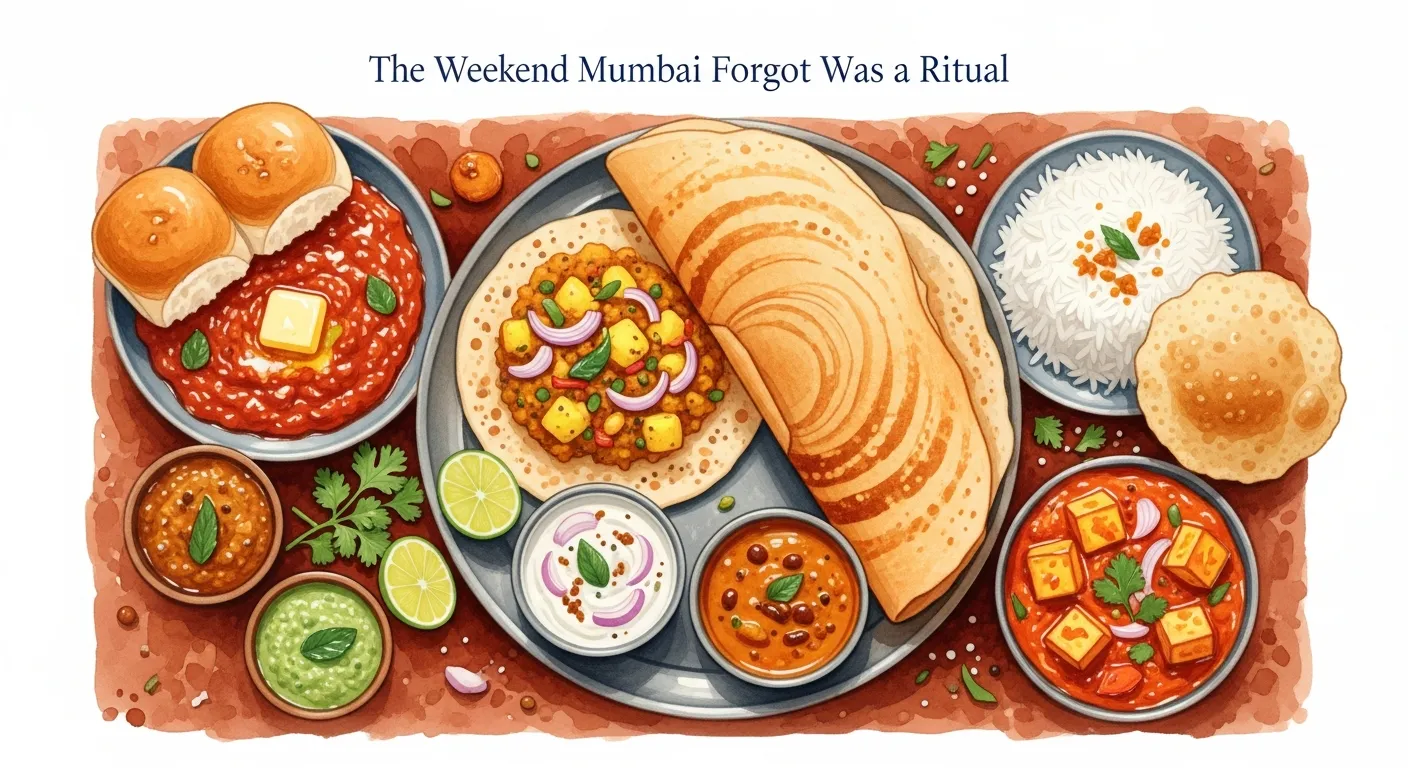
Thane West did not ask for Karnataka butter dosa. It asked for a one-bedroom flat near a tech park. The dosa came with the lease.
Generated by Imagen 4
The Konkan Railway began commercial operations in stages from 1993 and was fully inaugurated on May 20, 1998. It cut the journey from Mangalore to Bombay from a two-day ordeal into a single overnight ride. The men who took those first trains were not chefs. They were software engineers, civil engineers, accountants, junior managers in firms that had just opened back offices in the new commercial belt that ran from Powai through Mulund into Thane. They came with one suitcase. They came with a degree. They came with a tongue that had grown up on benne dosa, on neer dosa, on a specific kind of tamarind rice that their mother made on Saturdays.
They did not bring the mother.
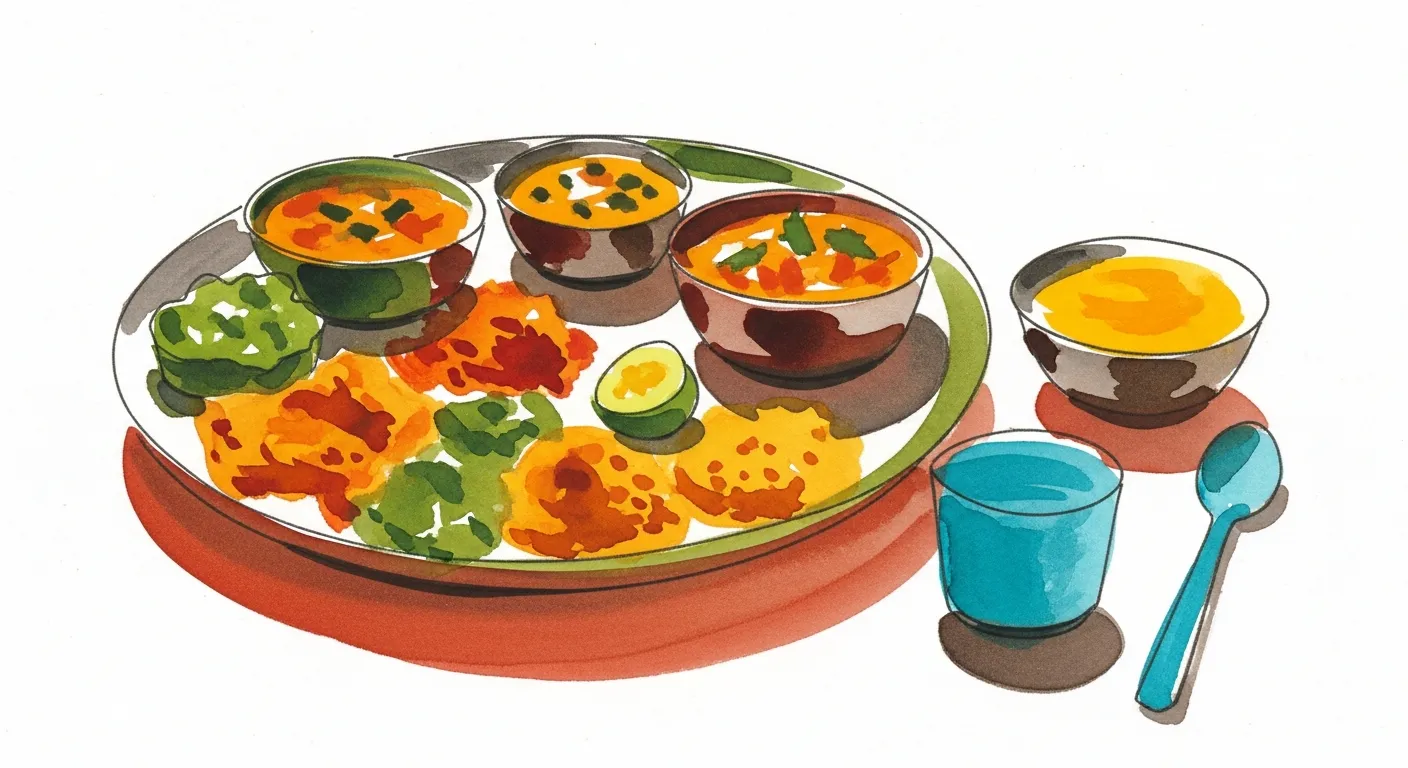
For the first decade, they ate Udupi. Of course they did. Every Bombay neighbourhood had an Udupi by 1990, and the Udupi was an honest compromise: vegetarian, cheap, sambhar that was passable, idli that was steamed in the morning. It was not home. It was the closest thing to home that a city of fourteen million had bothered to build for them.
Then the population reached a tipping point.
THE DISTRICT THAT DOUBLED
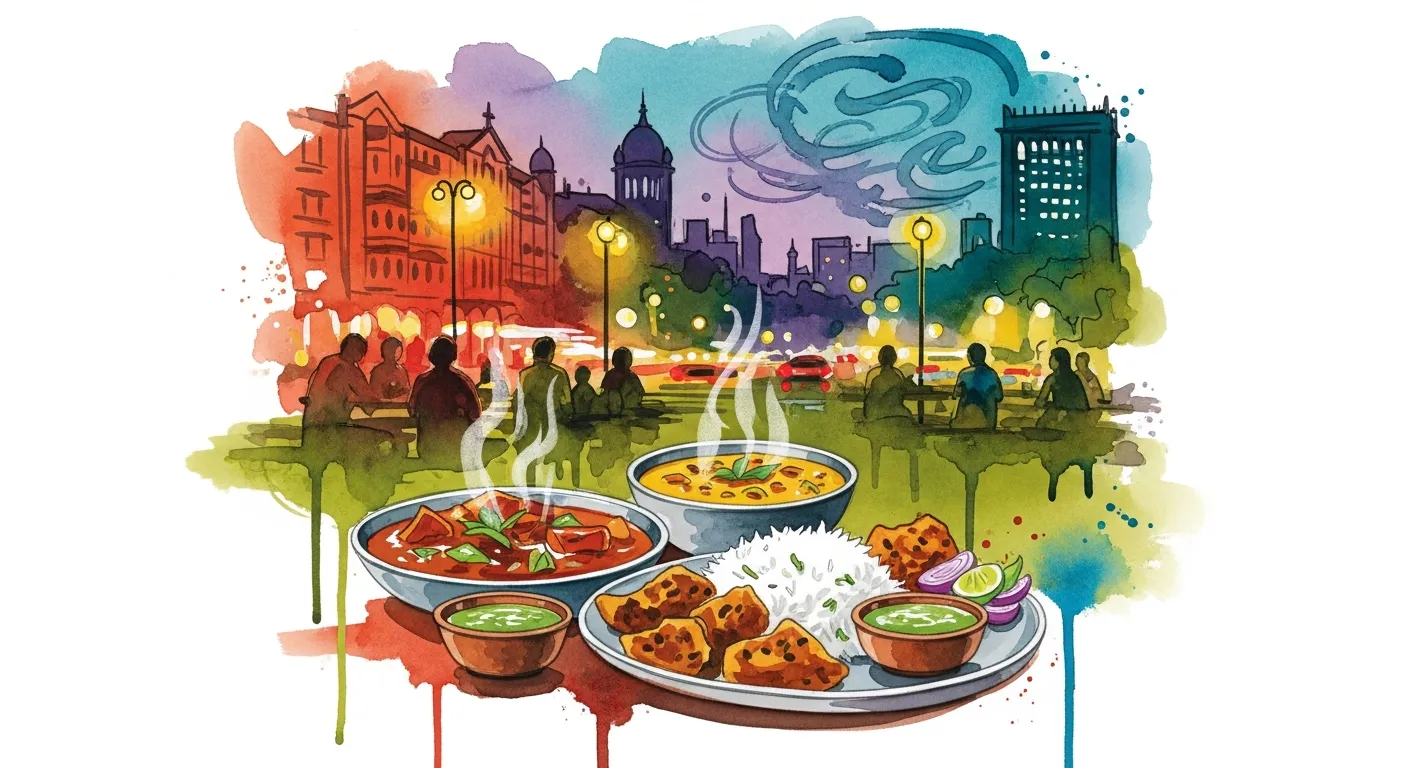
Thane is not a suburb. Thane is a city of its own that the rest of Mumbai pretends is a suburb. The 2011 census put the municipal corporation at 1.84 million. The current estimate is well past 2.4 million, and the largest single chunk of that growth has come from intra-state and inter-state migration into the western pocket: Ghodbunder Road, Hiranandani Estate, Kasarvadavali, the new towers along the Pokhran roads.
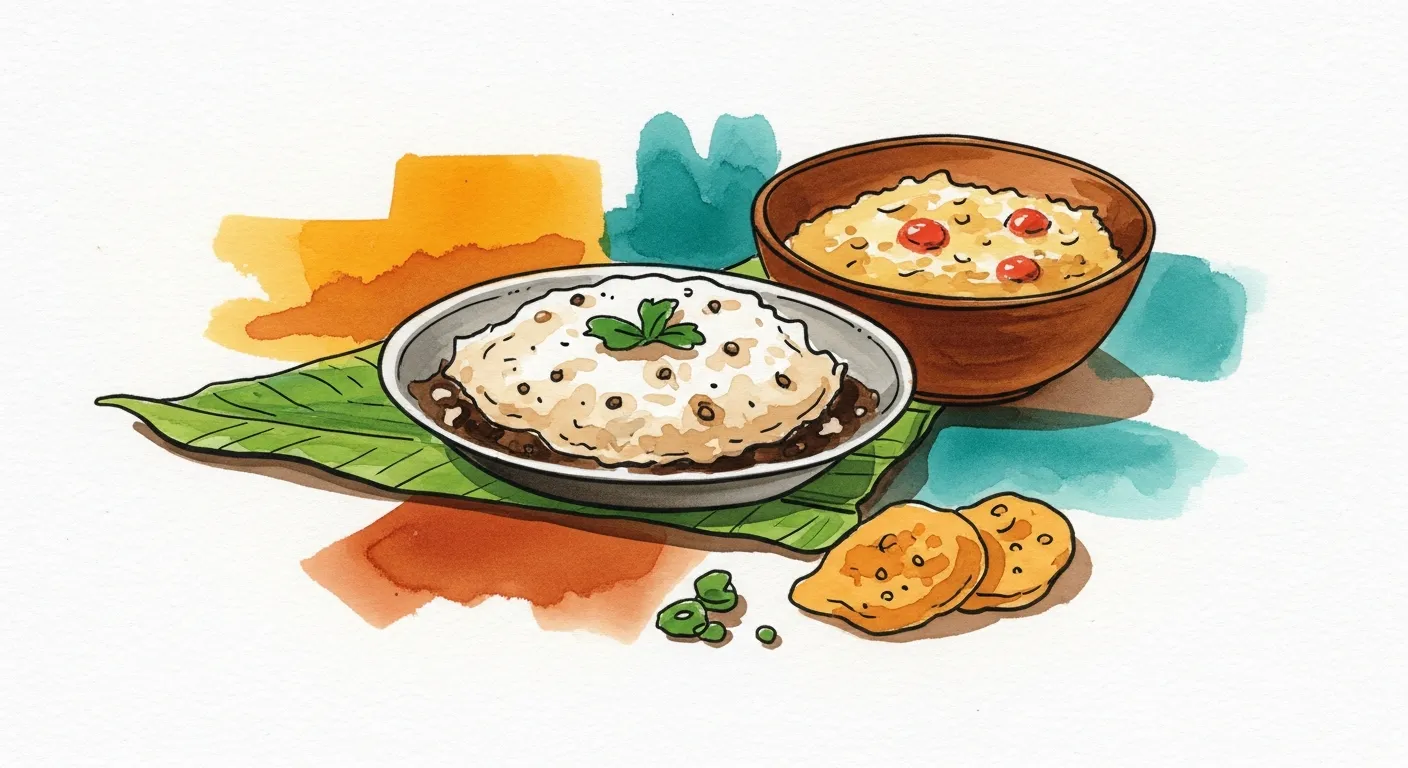
A 2025 research paper on migration patterns in Indian states identifies Thane as a primary urban district for substantial intra-state migration in Maharashtra, with employment as the dominant driver. The paper notes that incoming migrants are concentrated in specific sectors. Construction. IT services. And, critically, accommodation and food services.
This is the loop nobody talks about. The migrants who came to Thane to work in tech are now being fed by a second wave of migrants who came to Thane to feed them.
The first wave brought the appetite. The second wave brought the kitchen.
THE UDUPI WAS NEVER ENOUGH
Nobody talks about how narrow the Udupi menu actually is. Everybody talks about how iconic it is.
The Udupi cafe, as Bombay knows it, was standardised by the Shetty community in the 1930s and 1940s into a fixed grammar of roughly fourteen items. Idli, medu vada, plain dosa, masala dosa, rava dosa, uttapam, sambhar, rasam, curd rice, filter coffee, and a few sweets. That grammar was designed to feed a Fort clerk in 1955. It was not designed to feed a Bangalore-born product manager in 2026 who grew up eating ragi mudde at her grandmother's house in Mandya.
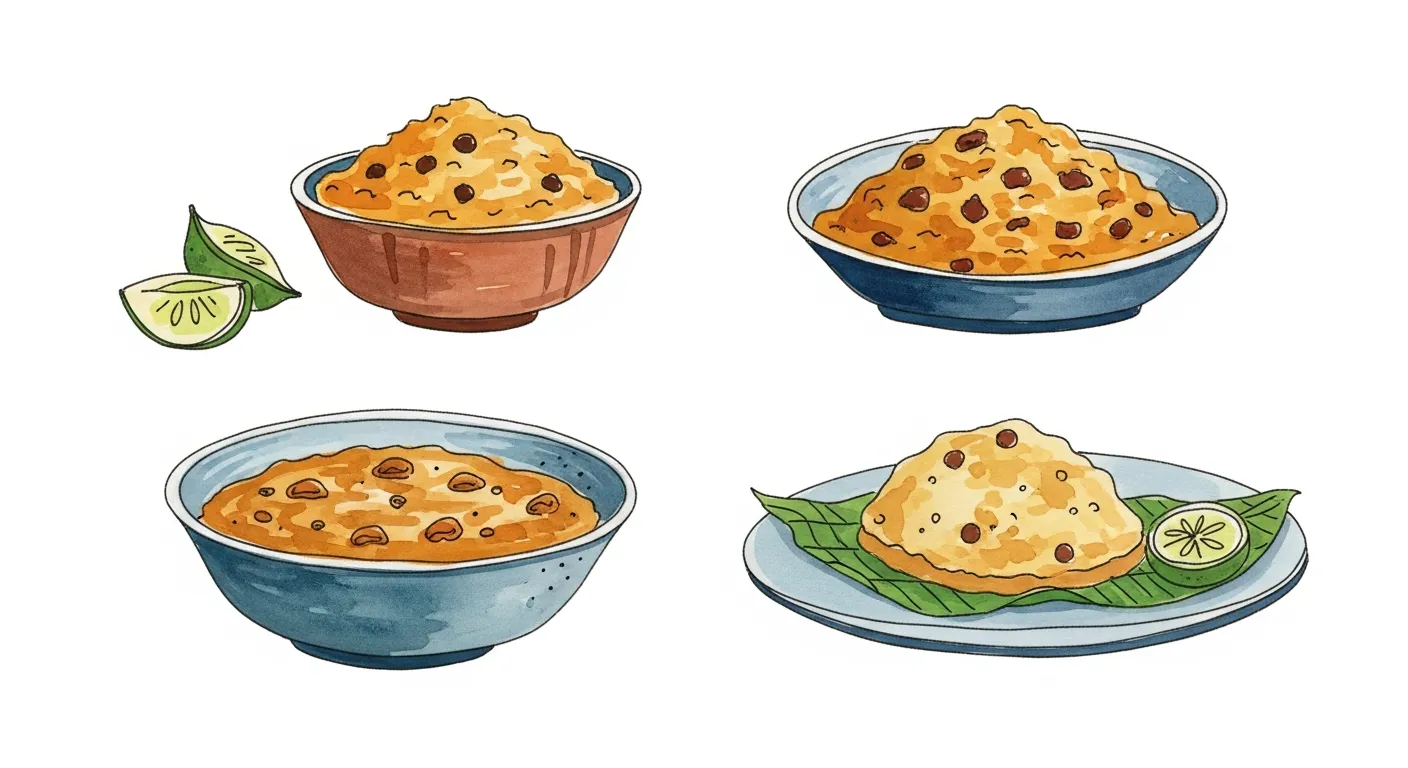
The Udupi menu has roughly fourteen items. Karnataka cuisine alone has hundreds. Tamil Nadu has its own hundreds. Kerala, Andhra, Telangana each have their own. The gap between what Mumbai serves as 'South Indian' and what South Indians actually eat is the gap an entire new economy has walked into.
In April 2026, Benne Reserve opened in Thane with a menu built around Karnataka cuisine, specifically. Benne Garlic Dosa. Ghee Podi Thatte Idli. Donne Biryani served on a stitched leaf cup the way it is served in the military hotels of Bengaluru. This is not a chain pivoting into a new market. This is a chain reading a census.
A few months earlier, Dakshinayan opened a Thane outlet and put Vengaya Oothappam, Puli Sevai, and Chettinad-style curries on the menu. Vengaya Oothappam is a Tamil breakfast. Puli Sevai is a tamarind rice noodle dish that is barely known outside Tamil Nadu. Chettinad belongs to a specific district of southern Tamil Nadu and was, until very recently, something you went to T. Nagar in Chennai to find.
It is now twenty minutes from Viviana Mall.
THE TIFFIN ECONOMY
The restaurants are the visible part. The tiffin services are the iceberg.
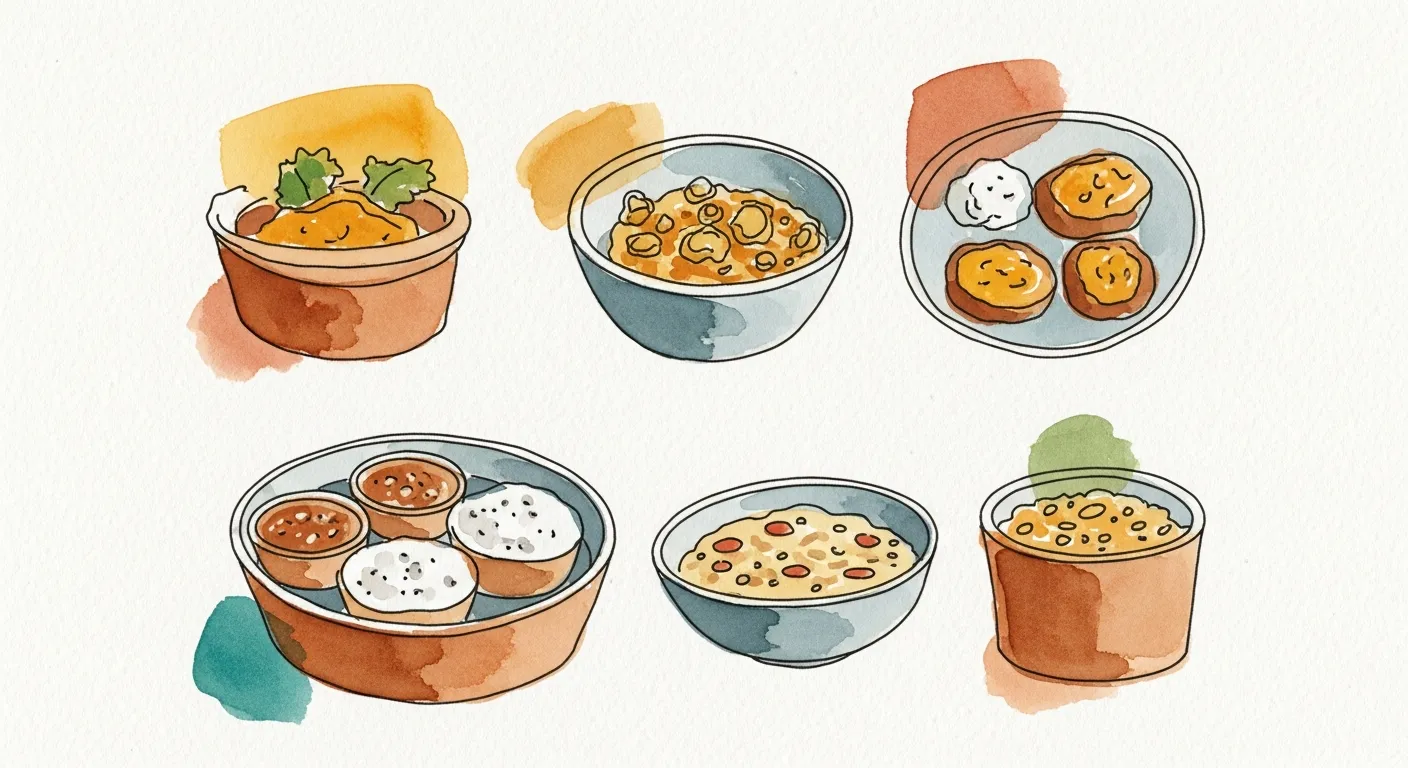
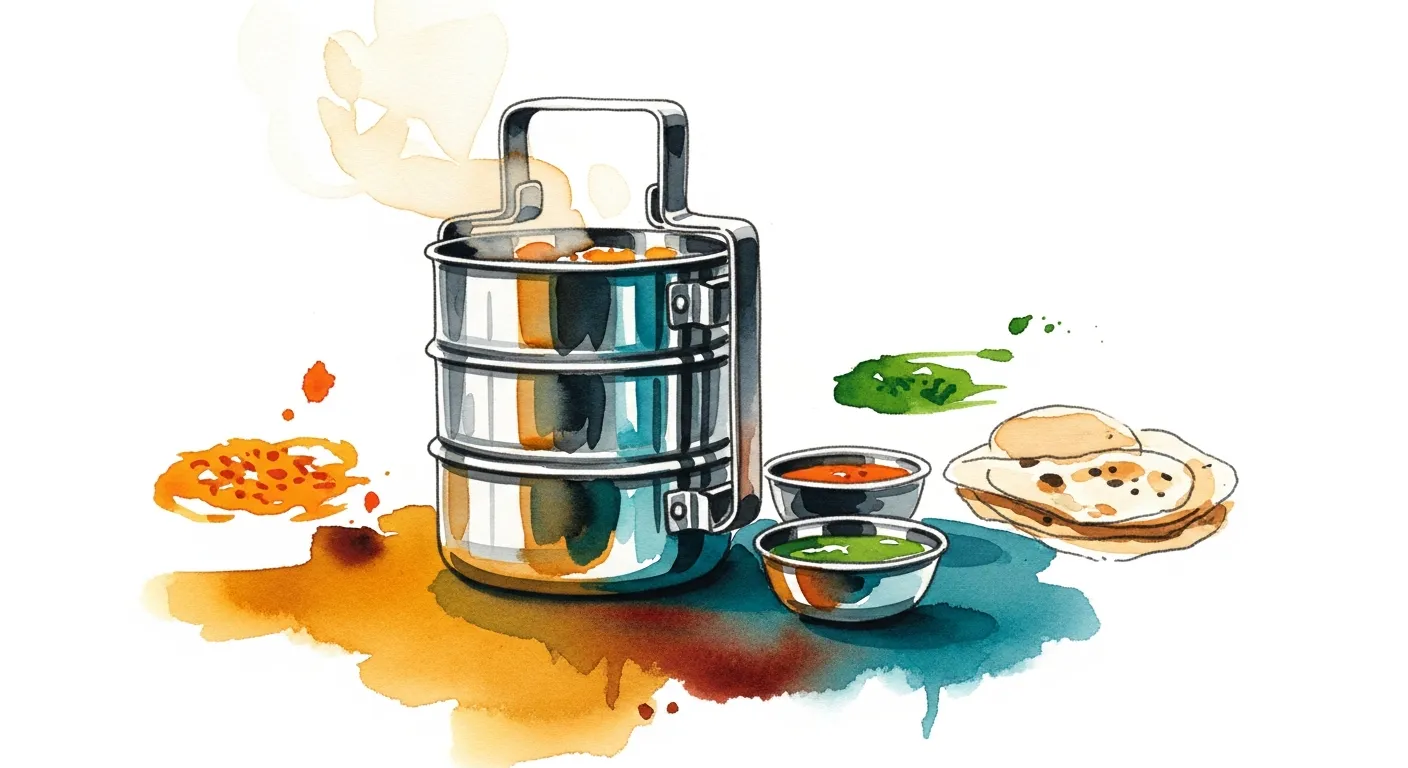
In the towers along Ghodbunder Road, on building WhatsApp groups, on Instagram pages with 800 followers and a UPI handle, the actual feeding of Thane's southern migrant population happens through women cooking in 1BHK kitchens and sending out 30, 40, sometimes 80 dabbas a day. Mini meals. Curd rice with pickle. Bisi bele bath on Wednesdays. Aviyal on Fridays for the Malayalis. A separate menu for the Andhra crowd that wants gongura pachadi and pulihora.
A trade analysis of South Indian tiffin services notes that the segment's growth in urban India is driven by urbanisation, nuclear family structures, the absence of time for home cooking among working professionals and students, and the appeal of fermented vegetarian food. Every one of those drivers is concentrated in Thane West.
The IT professional working hybrid hours. The PG student studying for CA finals. The young couple where both partners work and neither has time to soak rice for four hours. The elderly parent who has flown in from Mysuru for three months and refuses to eat the building canteen food.
The dabba is not nostalgia. The dabba is logistics.
THE NUMBERS UNDERNEATH
India's food services sector is projected to grow at an 8.1% CAGR between 2024 and 2028, with monthly eating out frequency rising 20% to 7.9 times in 2023-24. Those are national numbers. Thane is running ahead of them.
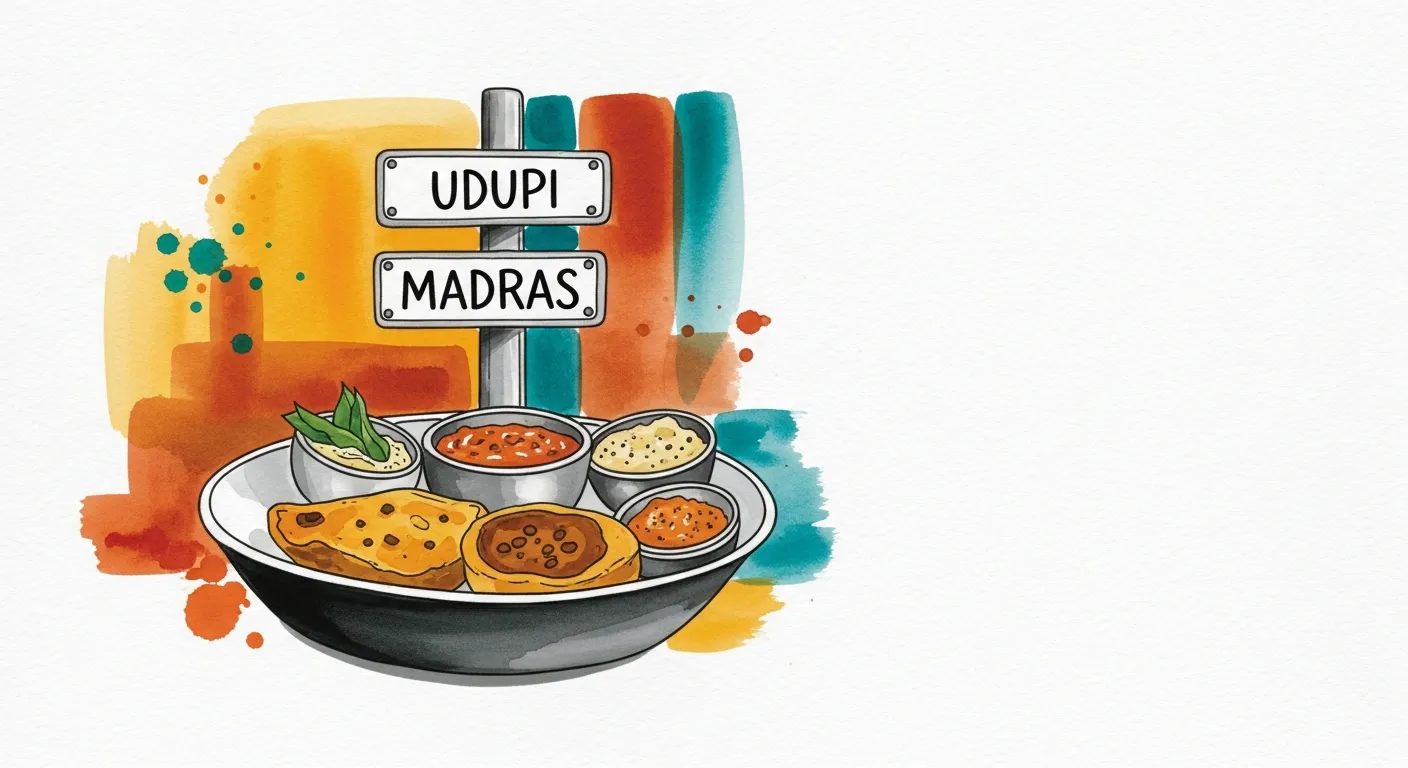
A neighbourhood that had perhaps a dozen recognisable South Indian eateries in 2010 now supports hundreds of food businesses serving regional southern food, the vast majority of them invisible to Zomato because they are tiffin services running on WhatsApp and word of mouth.
The rent maths works. A 1BHK in Kasarvadavali costs less than half of a comparable kitchen lease in Matunga or Chembur. The cook is often the owner. The delivery is often the owner's husband on a two-wheeler. The customer is three buildings away. There is no aggregator commission. There is no GST registration until you cross the threshold. The margin, for a careful operator selling 60 dabbas at 140 rupees each, is real.
THE NAMES ON THE BOARDS
For decades, the South Indian board outside a Bombay restaurant said one of three things. Udupi. Madras. Or, generically, South Indian. The names were interchangeable because the menus were interchangeable.
The new boards in Thane West are specific. Benne Reserve names its butter. Dakshinayan names its four-state geography. The tiffin pages name districts. Mangalorean Meals. Palakkad Iyer Tiffin. Chettinad Kitchen. Coastal Karnataka Home Food. Each name is a flag planted by a community that has decided it is no longer willing to be flattened into 'South Indian.'
This is what happens when a population reaches a size at which it can support its own specificity. Below a certain demographic threshold, you eat what the city offers. Above it, the city starts offering what you eat.
THE LOOP
The research paper on Maharashtra's migration patterns makes a quiet observation that deserves more attention. The migrants moving into Thane for employment are themselves often working in food services. The cook making your bisi bele bath in Hiranandani Estate may have arrived from Udupi district eighteen months ago to work in exactly this kitchen, for exactly this customer, in exactly this building.
The customer flew in for the salary. The cook took the train for the customer. The dabba moves three floors down at 1.15 pm. The rent gets paid. The grandmother in Mandya gets a phone call on Sunday in which her grandchild reports, with some surprise, that the ragi mudde in Thane is actually quite good.
It should be. It came on the same train.
Field Notes
Quick referenceKonkan Railway fully inaugurated May 20, 1998. It turned a two-day journey into one overnight ride and set off a migration that is still arriving.
Thane Municipal Corporation: 1.84 million in 2011. Current estimate: well past 2.4 million. Most of that growth landed in the western pocket.
The standard Udupi menu runs about fourteen items. Karnataka cuisine alone has hundreds. That gap is now a full restaurant category.
60 dabbas a day at Rs 140 each, no aggregator commission, no GST below threshold. The tiffin economy in Thane is invisible to Zomato and perfectly legible to the women running it.
India's food services sector projected to grow at 8.1% CAGR between 2024 and 2028. Monthly eating-out frequency hit 7.9 times in 2023-24. Thane is running ahead of the national curve.
Get the next story first
Join the Bhukkads. Free, no spam, just stories.
Takes 30 seconds.