The Kitchen That Crossed a Border and Kept the Receipts
In Chembur, a generation of Sindhi home cooks is doing the maths their grandmothers never had to. The recipe survives. The margin does not.
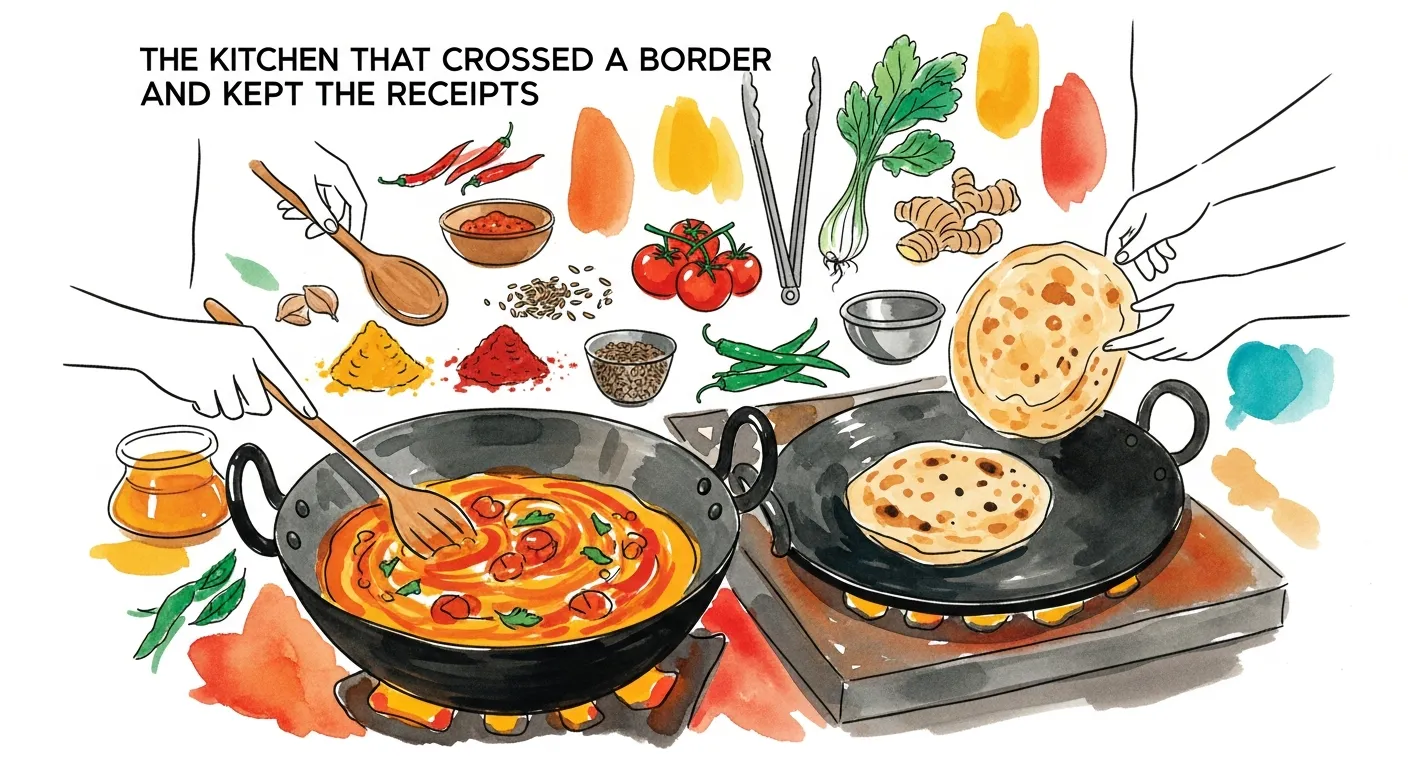
Generated by Imagen 4
In August 1947, a woman named Kamla Advani boarded a train from Hyderabad, Sindh, with two brass vessels, a small cloth bundle of dried mango powder, and no forwarding address. She was 34. She would not see her kitchen again. By the time she reached Bombay, she had been on the road for eleven days. The brass vessels made it. The dried mango powder made it. The recipes, the ones she had learned from her mother-in-law and had never bothered to write down because why would you write down something you did every morning, also made it. They lived in her hands.
Seventy-nine years later, her granddaughter runs a small tiffin service out of a two-bedroom flat in Chembur. She makes dal pakwan on Sunday mornings for a WhatsApp list of about forty families. She uses the same recipe. She is losing money on every plate.
THE COMMUNITY WITHOUT A COUNTRY
In August 1947, when Partition divided British India, Sindh went to Pakistan. The Sindhi Hindus, unlike the Punjabis, did not get a state on this side of the border. They got no Sindh. No linguistic capital. No agricultural belt to fall back on. They got the ports of Bombay, the refugee camps of Kalyan and Ulhasnagar, the industrial estates of Ahmedabad, and a very long list of ingredients they could no longer source.
Brut reported that migration forced Sindhi families to adapt to new regions, climates, and agricultural conditions, replacing ingredients once easily available in Sindh with local alternatives in Rajasthan, Gujarat, Maharashtra, and beyond. The gwar phali went first. The specific chana dal from the fields around Sukkur went next. The sun-dried sana pakoras, made from a lentil paste left on rooftops in a dry Sindhi summer, could not be made the same way in a Bombay monsoon. So the women adapted. They found substitutes. They kept the shape of the dish and swapped the interior.
And then, quietly, they started selling.
THE CAMP THAT BECAME A COTTAGE INDUSTRY
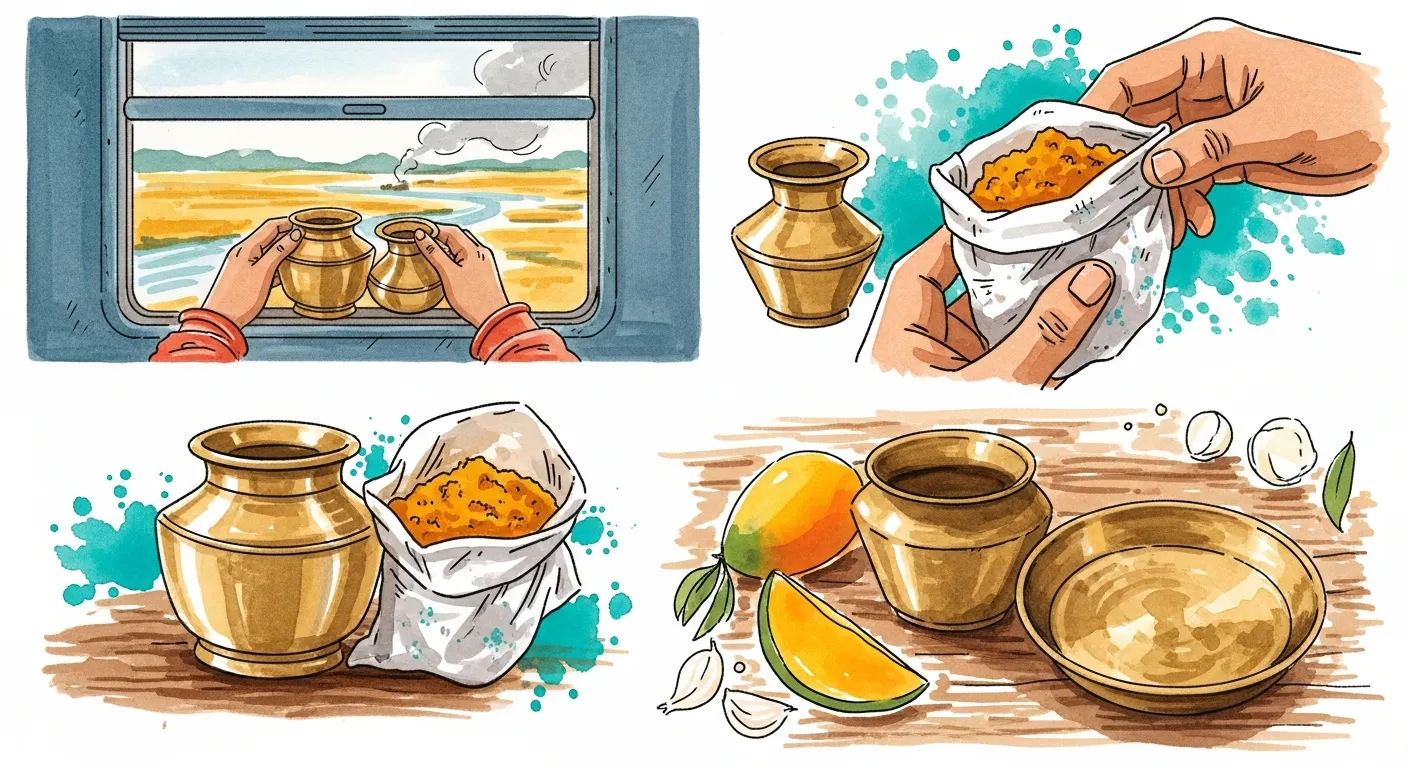
The Lab Mag documented that in the refugee camps of the late 1940s and early 1950s, Sindhi women, many of whom had run their households in Sindh without ever needing to earn, began small cottage operations. Papads. Pickles. Dry snacks. A jar of lolo. A packet of sana pakora. Sold to neighbours, then to the shop at the corner of the camp, then to a wholesaler in Dadar who came by on a bicycle every Thursday.
This is the origin of the Sindhi home chef in Bombay. Not a lifestyle choice. A survival ledger.
By the 1970s, Chembur had absorbed a large Sindhi population. The colony blocks off Sion-Trombay Road, the flats around RK Studio, the lanes behind the Chembur Gymkhana. The tiffin services followed. A woman in Tilak Nagar sending dal pakwan to bachelor engineers at BARC. A grandmother in Deonar making sai bhaji for the Sunday lunch crowd. Nobody called them chefs. They were aunties with a phone number.
Food became the strongest emotional bridge connecting generations to a homeland they could no longer physically access.
That line, from Brut, is the whole thesis of Sindhi cooking in this city. The kitchen was the country. The recipe was the passport.
NOBODY TALKS ABOUT THE INPUT COSTS
Everyone writes about the survival. Nobody writes about the invoice.
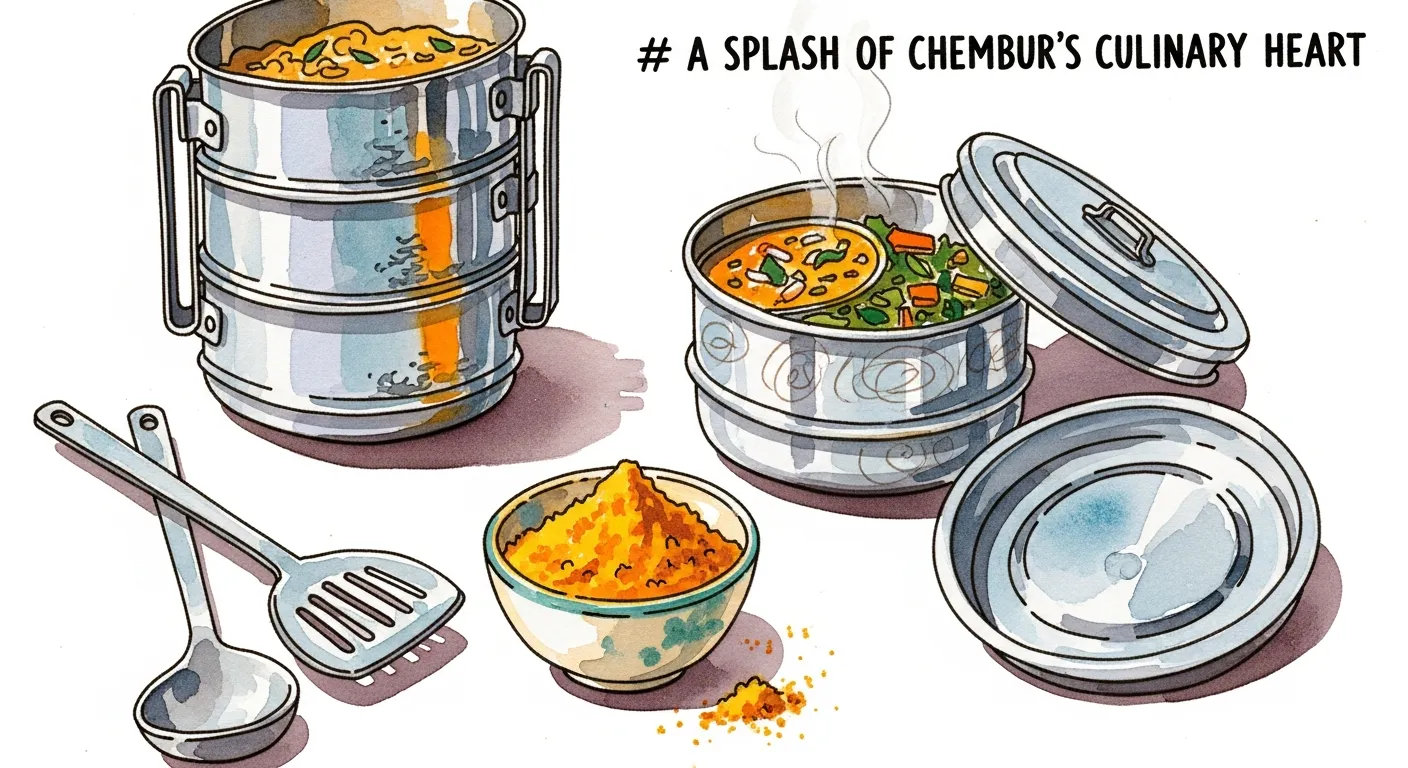
Sai bhaji is a dish of spinach, dill, chana dal, and about seven other greens depending on whose grandmother you ask. The ingredient list is short. The economics are not. A kilo of dill in Chembur's Sindhi Colony market went from around 40 rupees a bunch three years ago to numbers that shift week to week. Chana dal, the backbone of both sai bhaji and dal pakwan, has climbed steadily. Tomatoes, essential for the base, surged 16 percent in the last month alone, with crop damage across Maharashtra and Karnataka pushing wholesale rates to a 23 percent premium over the same period last year.
Grocery bills across Mumbai have climbed noticeably in recent weeks, the reports blame dry weather, crop losses, and higher fuel prices. For a household, this is annoying. For a home chef running a forty-plate Sunday service at a fixed price agreed in January, this is the difference between profit and a favour.
The recipe is a family heirloom. The pricing sheet is a monthly negotiation with the mandi.
THE PAKWAN PROBLEM
Dal pakwan is the easier of the two dishes to approximate. The dal is chana dal, cumin, ginger, a bit of amchur, tempered with a proper tadka. Anybody with a pressure cooker can get close. What separates the aunty tiffin from the restaurant version is the pakwan itself. Thin, crisp, layered maida discs, fried at exactly the right temperature so they hold their structure under the weight of the dal without turning soggy in the twenty minutes it takes to get from Chembur to Ghatkopar.
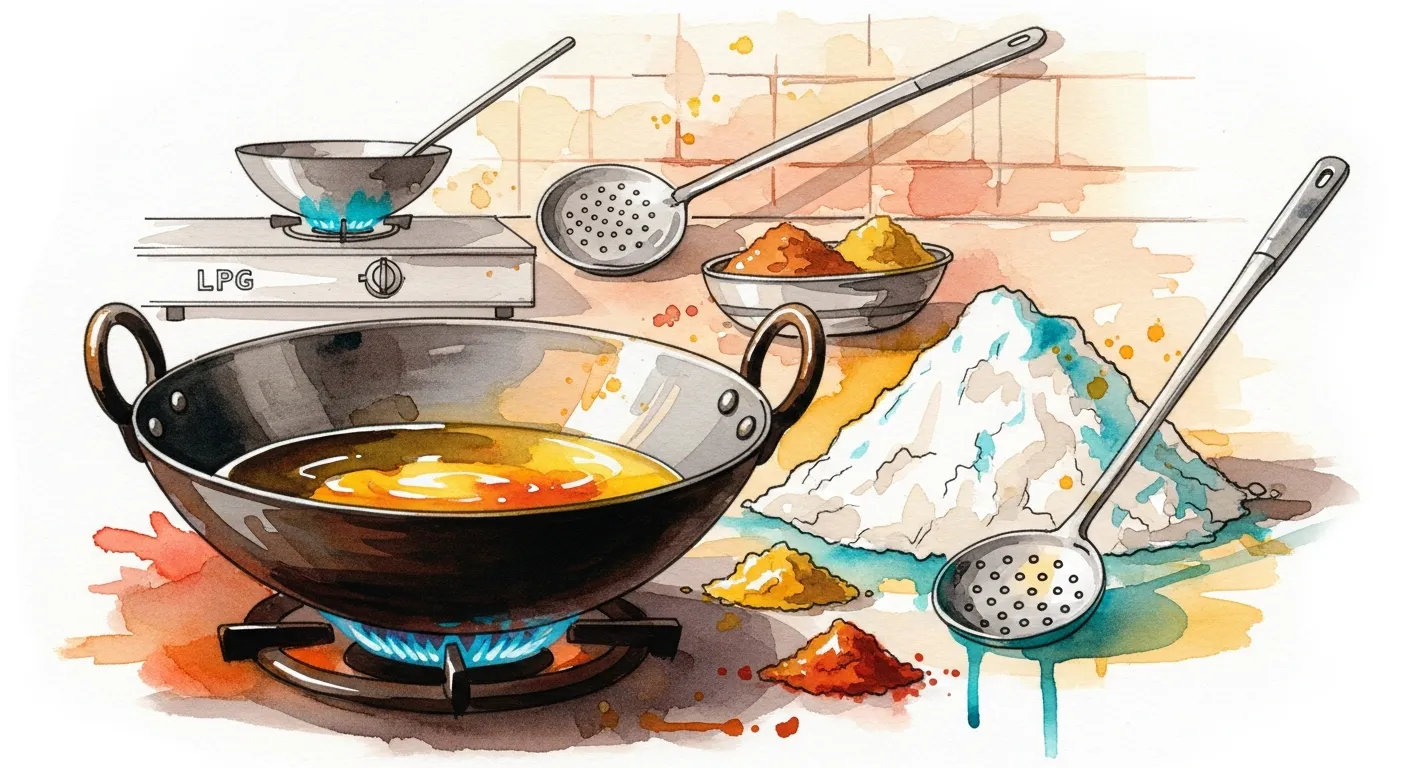
The pakwan is where the maths bites. Refined oil, which sat at roughly 100 rupees a litre in 2020, now runs closer to 160 depending on the brand and the week. Maida is up. LPG for domestic use is up. The one cylinder a month that used to cover a home operation now covers about three weekends of frying.
A plate of dal pakwan on a Chembur home menu goes for somewhere between 180 and 220 rupees. Working backwards through the ingredient cost, the packaging (the disposable box, the small container for the dal, the plastic pouch of chutney, the tape), the delivery boy's cut, and the gas, the margin per plate is thin enough to disappear on a bad tomato week.
THE SPICE THAT WILL NOT COME BACK
Every Sindhi kitchen used to keep a small tin of a spice blend the family had carried from Sindh. Every family's blend was slightly different. Some had more black cardamom. Some leaned on a specific variety of cumin from the Thar. Some included a dried herb that only grew along the Indus and does not grow anywhere in Maharashtra.
The women who knew the exact proportions are, most of them, no longer cooking. Their daughters approximate. Their granddaughters Google. The blend that made the sai bhaji taste like Karachi in 1946 has slowly become the blend that makes it taste like Chembur in 2026, which is not the same thing, but is close enough that most customers do not notice.
The ones who do notice are in their eighties. They are a shrinking market.
In the absence of geographic consolidation, language and culture often weaken over generations, surviving primarily through oral traditions, rituals, and food.
Mid-day's reporting on the Mumbai Sindhi community's cultural preservation work names the stake clearly. When you do not have a state, the dal is the state. When the dal changes, the state changes.
THE WHATSAPP LEDGER
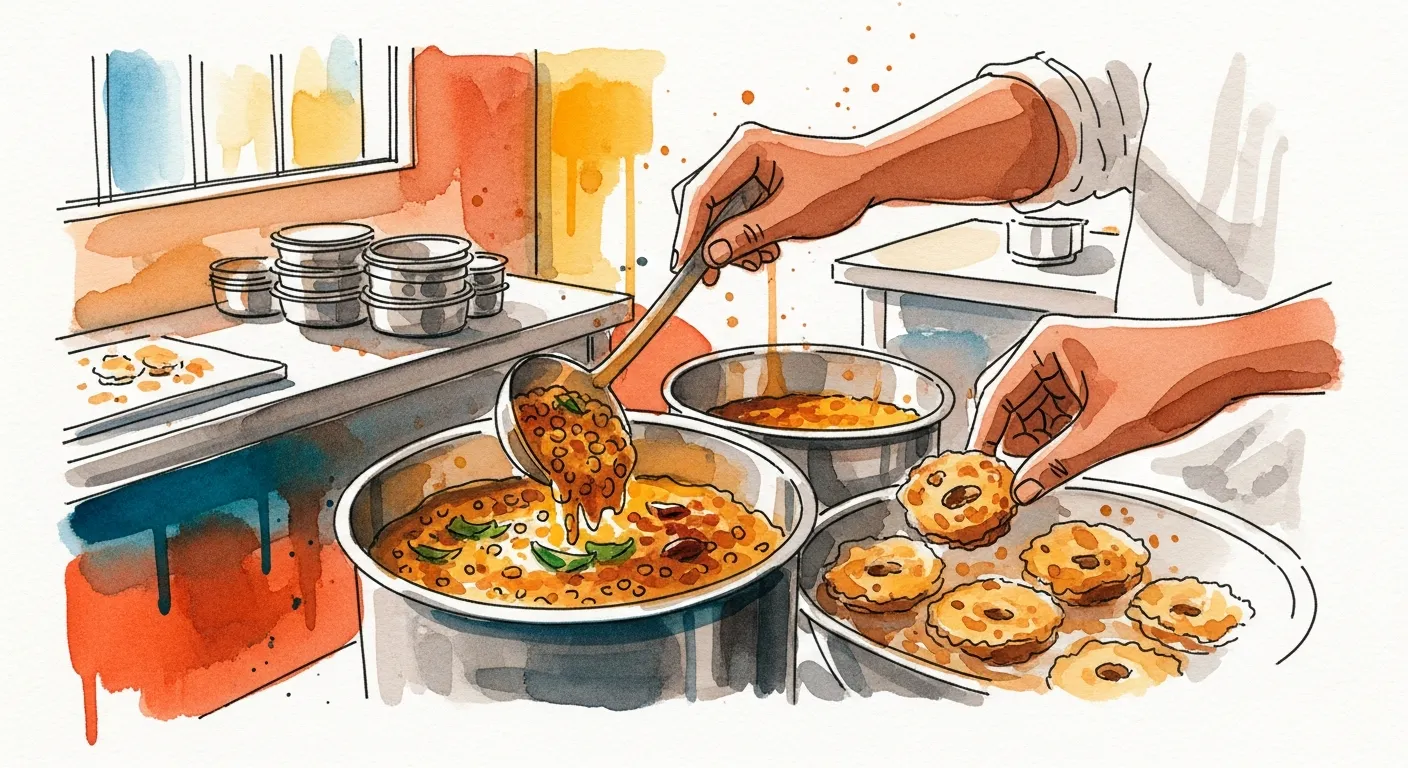
What is holding the line, right now, in Chembur, is a network of about fifty to seventy home operations running on WhatsApp groups, Sunday-morning drops, and reputations built one plate at a time. The customer base is loyal. The customer base is also aging. The children of the customer base order from cloud kitchens and want their dal pakwan in a Zomato window between 9.30 and 11 am, which the home chef, working alone out of a domestic kitchen with one gas stove, cannot fulfil.
A few have adapted. They partner with a local sweet shop for the pakwan fry, keeping the dal in-house. They batch on Saturday for a Sunday drop. They raise prices in small increments, apologetically, over WhatsApp voice notes that begin with sorry beta, but the dal is now 220.
Most of them are not going to be doing this in ten years. Their daughters have jobs. Their granddaughters have opinions about MSG.
WHAT SURVIVES
The recipes are not going anywhere. They are written down now, in blogs, in cookbooks, in the archives of every Sindhi association from Chembur to Ulhasnagar. What is going quiet is the specific version. The one that came off a specific train in 1947, into a specific kitchen in a specific two-bedroom flat, and got made every Sunday for seventy-nine years by hands that learned it from other hands.
The recipe is a document. The making is a practice. One outlives the other only if someone keeps making it.
Kamla Advani's granddaughter, the one running the forty-plate Sunday service, told me last week that she is thinking of stopping. Not this year. Maybe next. The maths does not work. The customers understand. Her mother would have understood too.
The brass vessels are still in the kitchen.
Somebody, eventually, will have to decide what to do with them.
Field Notes
Quick referenceWhen Partition divided British India in August 1947, Sindh went to Pakistan. Sindhi Hindus were the only major community that received no corresponding state on the Indian side of the border.
The colony blocks off Sion-Trombay Road and the lanes behind the Chembur Gymkhana became a dense Sindhi pocket by the 1970s. The tiffin economy followed the population.
A plate of dal pakwan sells for 180-220 rupees. After ingredients, packaging, delivery, and gas, the margin disappears on a bad tomato week.
Refined oil at roughly 100 rupees a litre in 2020 now runs closer to 160. One domestic cylinder that once covered a month of home operations now covers about three weekends of frying.
Fifty to seventy Sindhi home operations currently run out of Chembur on WhatsApp groups and Sunday-morning drops. No storefronts. No signage. Reputations built one plate at a time.
Get the next story first
Join the Bhukkads. Free, no spam, just stories.
Takes 30 seconds.