The Monsoon Math at BKC
Fine-dining kitchens in Bandra Kurla Complex are quietly rewriting their supply chains. The imported burrata is losing to the local hardy green. The spreadsheet is winning.
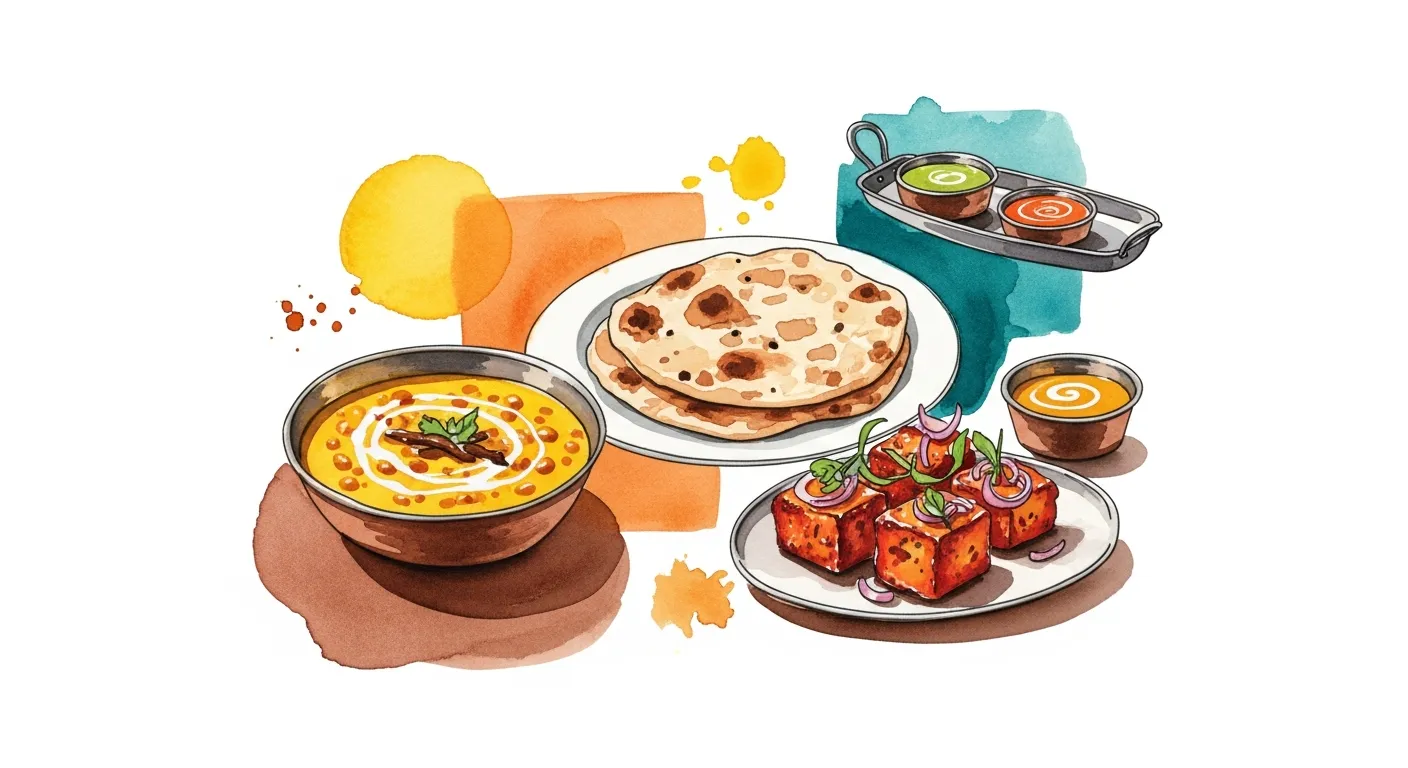
Generated by Imagen 4
In 1975, the Maharashtra government announced that Bombay was running out of Bombay. The island city was full. The mills were shuttering. The Backbay Reclamation had reached its limit. So the planners drew a rectangle on a swamp between Bandra and Kurla, a 370-hectare stretch of mangrove and mudflat that flooded every June, and declared it the future.
It took twenty years to fill in. The National Stock Exchange arrived in 1995. The banks followed. The consulates followed the banks. The restaurants followed the consulates. By 2015, Bandra Kurla Complex had the highest commercial rents in India, higher than Nariman Point, higher than Connaught Place.
And every June, it still floods. Because you cannot un-swamp a swamp. You can only put a Michelin-aspiring kitchen on top of it and hope the truck from the airport gets through.
THE PART NOBODY TALKS ABOUT
Every conversation about fine dining in BKC is a conversation about the menu. The wagyu. The truffle. The burrata flown in Tuesday, plated Wednesday, gone by Thursday. The dining rooms shot for Instagram in that particular golden hour that the tower glass throws at 6:47pm.
Nobody talks about the spreadsheet.
The spreadsheet is where BKC's monsoon actually happens. Four months of the year, from June to September, the imported produce line on the kitchen P&L stops making sense. Air freight gets delayed. The Netherlands lettuce arrives wilted. The Italian tomato passata triples in landed cost because the container ship rerouted around a cyclone off Gujarat. The chef who spent March designing an eight-course tasting menu around Sicilian sea urchin is now, in July, staring at an invoice and doing arithmetic.
This is the story of how the arithmetic is winning.

THE INFLATION NUMBER
Start with the number that every F&B director in BKC has memorised this quarter. Food and beverage inflation in India is projected at 5.8% for the quarter ending September and 6% for fiscal 2027, according to ET Government's June 2026 tracking. That is the headline.
The subhead is worse. Spices, eggs, dairy, tea, and coffee are running between 6% and 12% year on year. Every single one of those categories is a base ingredient. Not a garnish. Not a flourish. The load-bearing wall of a kitchen.
A restaurant that priced its tasting menu in December cannot re-price it in July without losing the corporate table that booked in advance. So the restaurant does the only thing it can. It reworks the menu.
The wagyu stays on the menu. The vegetable next to the wagyu changes three times a season.
THE RESILIENT INGREDIENT
There is a phrase that has entered the vocabulary of Mumbai's high-end kitchens this year, quietly, without a press release. Resilient ingredient.
It means what it sounds like. A crop that does not care about the monsoon. Millets. Hardy greens. Root vegetables that were being grown in Maharashtra long before the Portuguese arrived with the chilli. Kokum. Ambadi. Tender jackfruit. Ingredients that a Marathi grandmother would recognise on sight and a French-trained chef, five years ago, would not have plated at a table charging 4,500 rupees per head.
The Looking Ahead 2026 industry analysis puts it directly. "What is urgently needed is support for small, regional supply chains. This means investing in local aggregation and cold storage so chefs can buy directly from producers without demanding year-round consistency from a climate that no longer behaves consistently."
Read that sentence twice. It is not a manifesto. It is an operations memo. The climate no longer behaves consistently. The kitchen has to.
AMAZONIA, AND THE ROOT
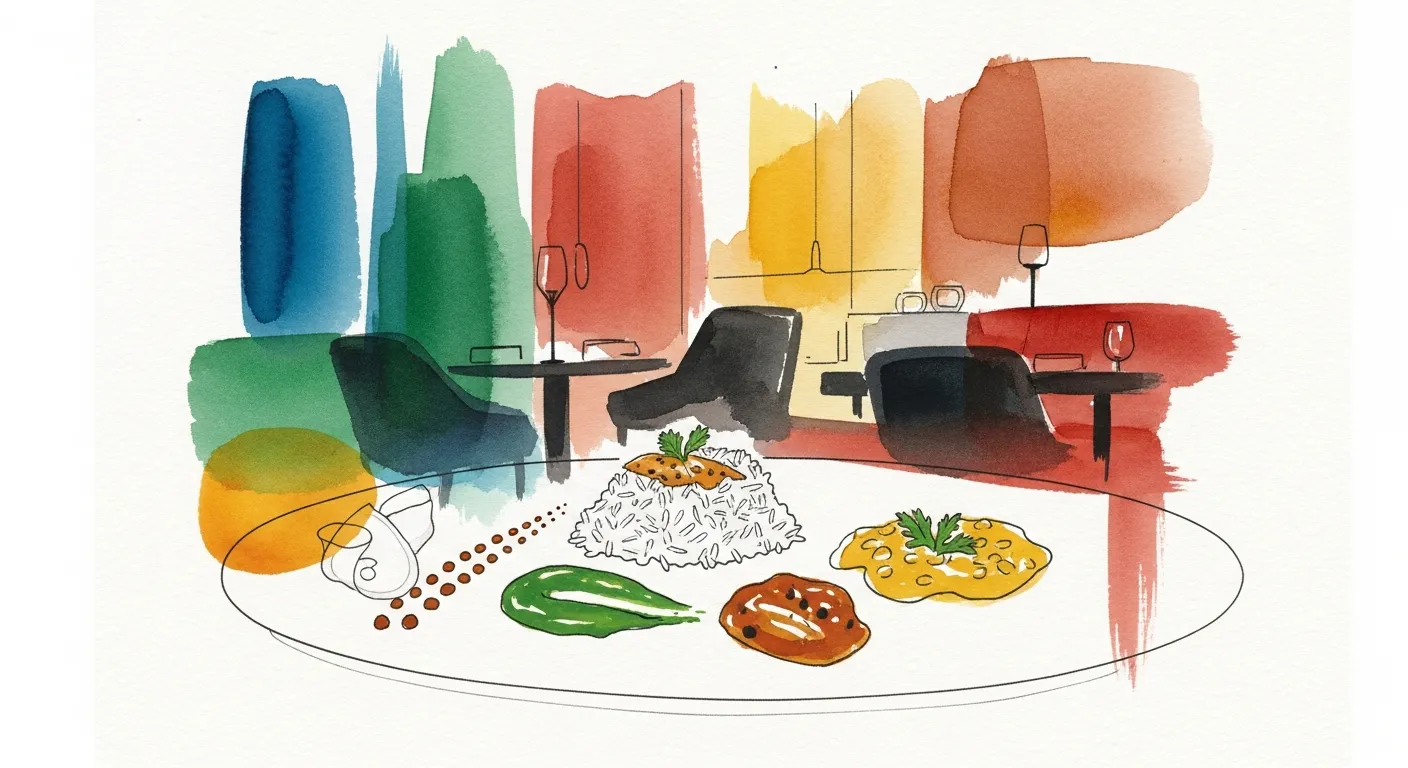
Walk into Amazonia in BKC this month and the monsoon menu tells you the story before the server does. Root and Shoot Skewers. Charcoal Cottage Cheese and Veggies. Lemongrass Hot Pot.
Read those three dishes as a supply chain document. Roots, because roots hold. Shoots, because shoots grow fast and locally. Cottage cheese, because dairy is domestic even at 8% inflation. Lemongrass, because it grows in a pot in Karjat and does not need a plane.
This is not a chef getting spiritual about terroir. This is a chef getting practical about the port.
CINCIN, AND THE ITALY QUESTION
Across BKC, CinCin has restructured around handmade pastas, wood-fired pizzas, and Cicchetti, the Venetian small-plate format built for exactly this problem. Cicchetti evolved in the bacari of Venice as a way to make anything on hand into a dinner. A crostini. A sardine. A pickled artichoke. Whatever the lagoon delivered.
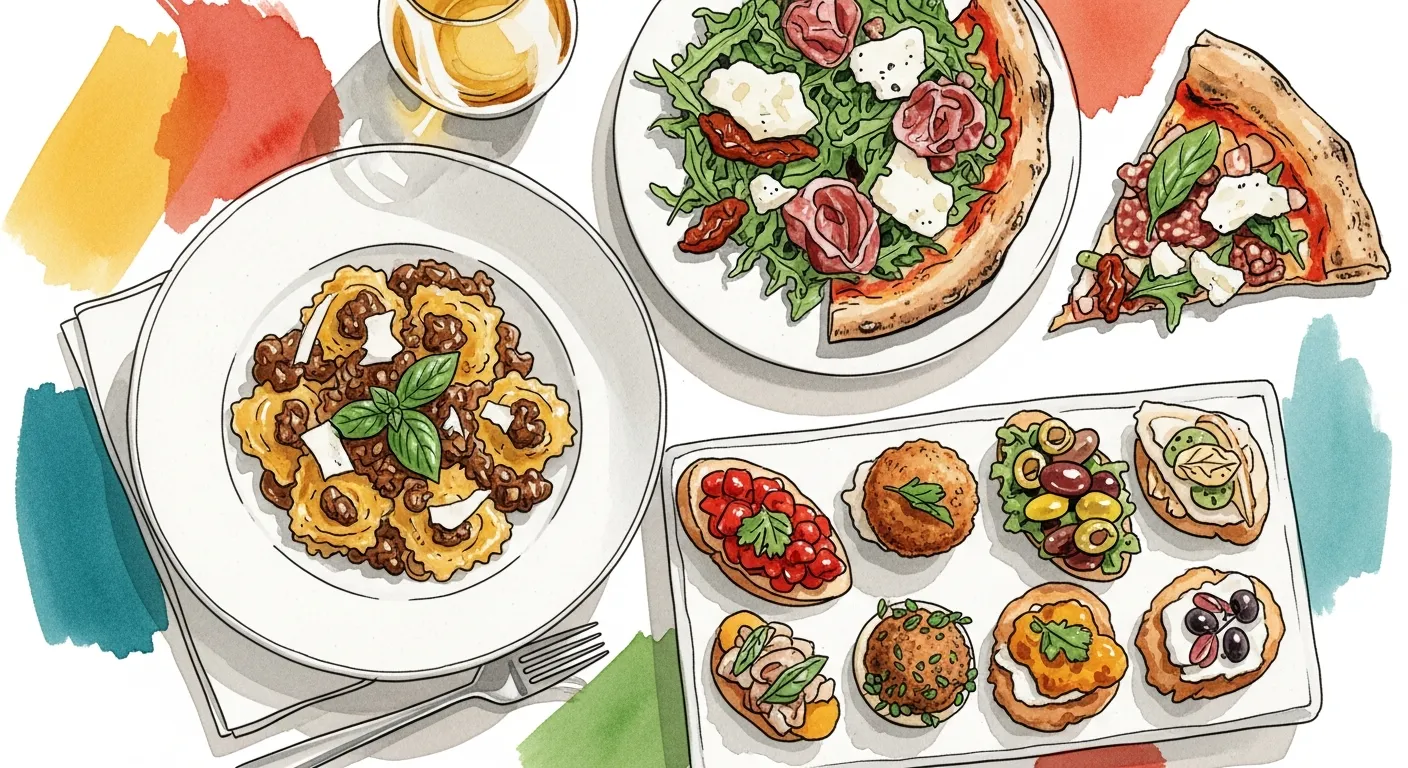
A cuisine born in a wet city that had to work with what the boat brought in. The parallel writes itself.
Amadeo by Oberoi, in the same tower cluster, has gone deeper into regional Italian territory, moving away from the pan-Italian menu that dominated Mumbai fine dining for a decade. Not because it is fashionable. Because a menu built around Puglia can substitute a Konkan tomato for a San Marzano and nobody at the table has to know. A menu built around "Italian" cannot.
THE REAL ESTATE PROBLEM
Here is the sentence from the Looking Ahead 2026 report that every restaurateur in BKC has quoted at me privately and none of them will say on record. "We have still not rationalised real estate cost to P&L. Currently, costs prohibit large-format restaurants; places like Bastian are exceptions."
What that sentence means, translated: the rent has not come down. The imports have gone up. The only lever left to pull is the ingredient.
You cannot renegotiate the tower. You can renegotiate the tomato.
The rent has not come down. The imports have gone up. The only lever left to pull is the ingredient.
THE QUIET SUBSTITUTION
Watch what has happened over eighteen months at BKC's top rooms and a pattern appears. The imported burrata is now, on many menus, a locally-produced burrata from a dairy in Kolar or Pune. The Norwegian salmon has, on some menus, quietly been replaced by an Indian rainbow trout from Sikkim or a kingfish from the Sassoon Dock. The heirloom tomato is coming from Panchgani, not Puglia.
The menu language stays luxurious. The passport of the ingredient has changed.
This is not compromise. This is arithmetic dressed as philosophy. And it is, incidentally, producing better food. The kingfish that was on ice at Sassoon at 6am is on the plate at BKC by 8pm. The Norwegian salmon was on a plane for eleven hours. Freshness is not an aesthetic. Freshness is a distance.
THE HANDCRAFTED DIM SUM
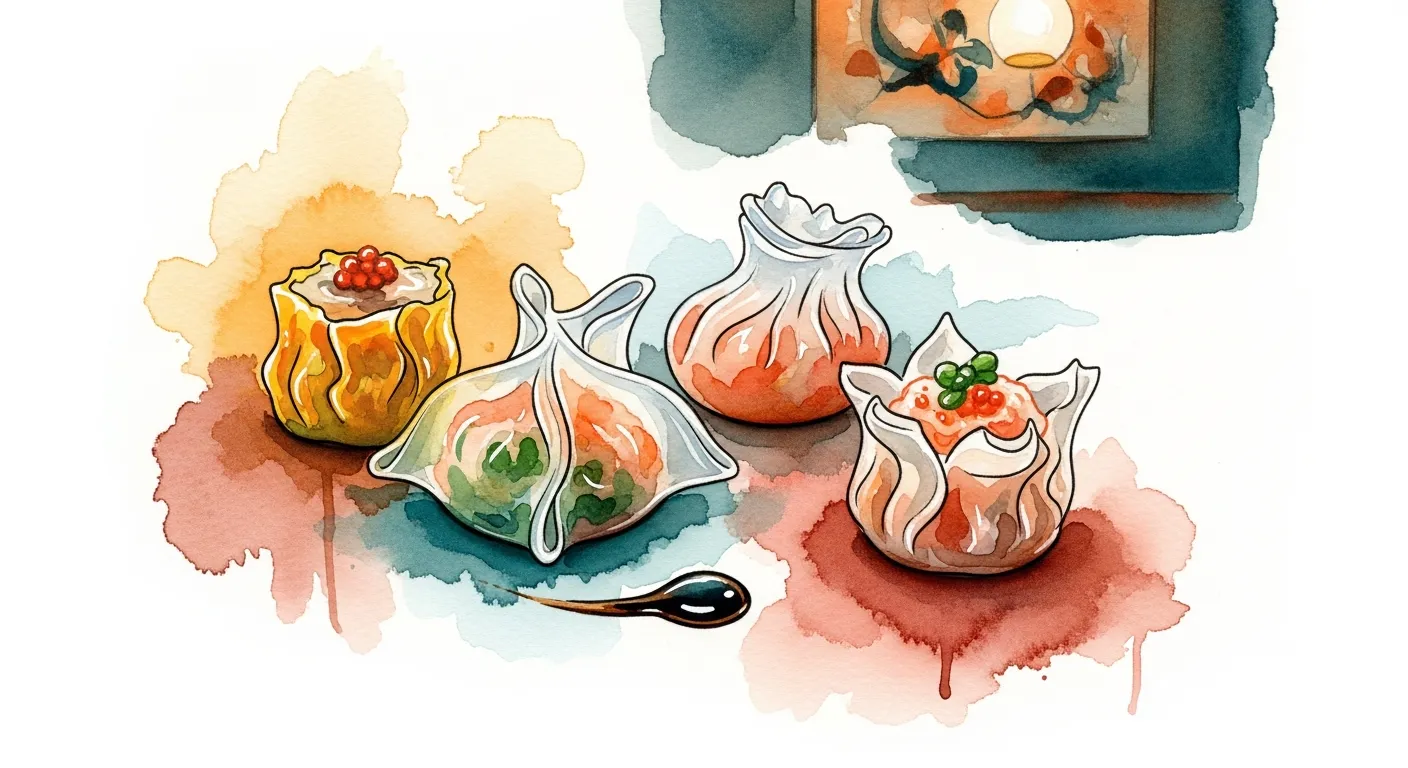
The Luxebook coverage of July 2026's BKC monsoon menus leads with a handcrafted dim sum platter. Read that phrase carefully. Handcrafted. Not imported. Not authentic. Handcrafted, which is code for made here, by our team, from ingredients we can actually get this week.
That is the entire monsoon strategy in one adjective.
THE FUTURE, WHICH IS ALSO THE PAST
The Konkan has been feeding this city for four hundred years. The kokum tree does not care about the container ship. The ambadi leaf grows in the rain, not despite it. The farmer in Karjat with the lemongrass patch has been there for three generations. What is new is not the ingredient. What is new is the BKC tower deciding to buy it.
The planners who reclaimed the swamp in 1975 built a business district on top of a wetland and then imagined that the food inside the towers would arrive from somewhere else. Somewhere with a colder climate and a stronger currency. Somewhere that made sense on the menu.
Fifty years later, the swamp is winning. The kitchens are looking at the maps their grandmothers used. The imported passata is losing to the Panchgani tomato. The rent is still terrible.
Every June, BKC still floods. And the trucks from the airport still get stuck. But the truck from Karjat, the one carrying the lemongrass and the kokum and the hardy greens, that truck is a shorter drive.
Field Notes
Quick referenceSpices, eggs, dairy, tea, and coffee are running 6% to 12% year on year. These are not garnishes. These are the load-bearing walls.
Lemongrass grows in Karjat. Kokum grows in the Konkan. Neither needs a plane. Both are now on BKC tasting menus.
Norwegian salmon: eleven hours on a plane. Sassoon Dock kingfish: on the plate by 8pm the same day. Freshness is a distance.
BKC was a mangrove swamp until 1975. The Maharashtra government drew a rectangle on it and declared it the future. It still floods every June.
The Looking Ahead 2026 report: costs prohibit large-format restaurants in BKC. The rent has not come down. Only the ingredient list has changed.
Get the next story first
Join the Bhukkads. Free, no spam, just stories.
Takes 30 seconds.