The 30% That Ate the Dabba
In Mazagaon, the home-chef economy was built on trust, telephones, and a tiffin passed hand to hand. Then the app arrived with an invoice.
Generated by Imagen 4
In 1662, the Portuguese ceded Bombay to the English Crown as part of Catherine of Braganza's dowry. Mazagaon was part of what came with it. It was a fishing village then, sitting on a hill that overlooked a harbour full of Koli boats and mango orchards so famous that Emperor Shah Jahan had them shipped to his court in Delhi, packed in ice, wrapped in muslin, tied with string.
The mangoes travelled well. The relationships travelled better. The orchard-keeper knew the middleman knew the runner knew the palace kitchen. Four hundred years before an app took a cut, the fruit moved through a chain of people who had names.
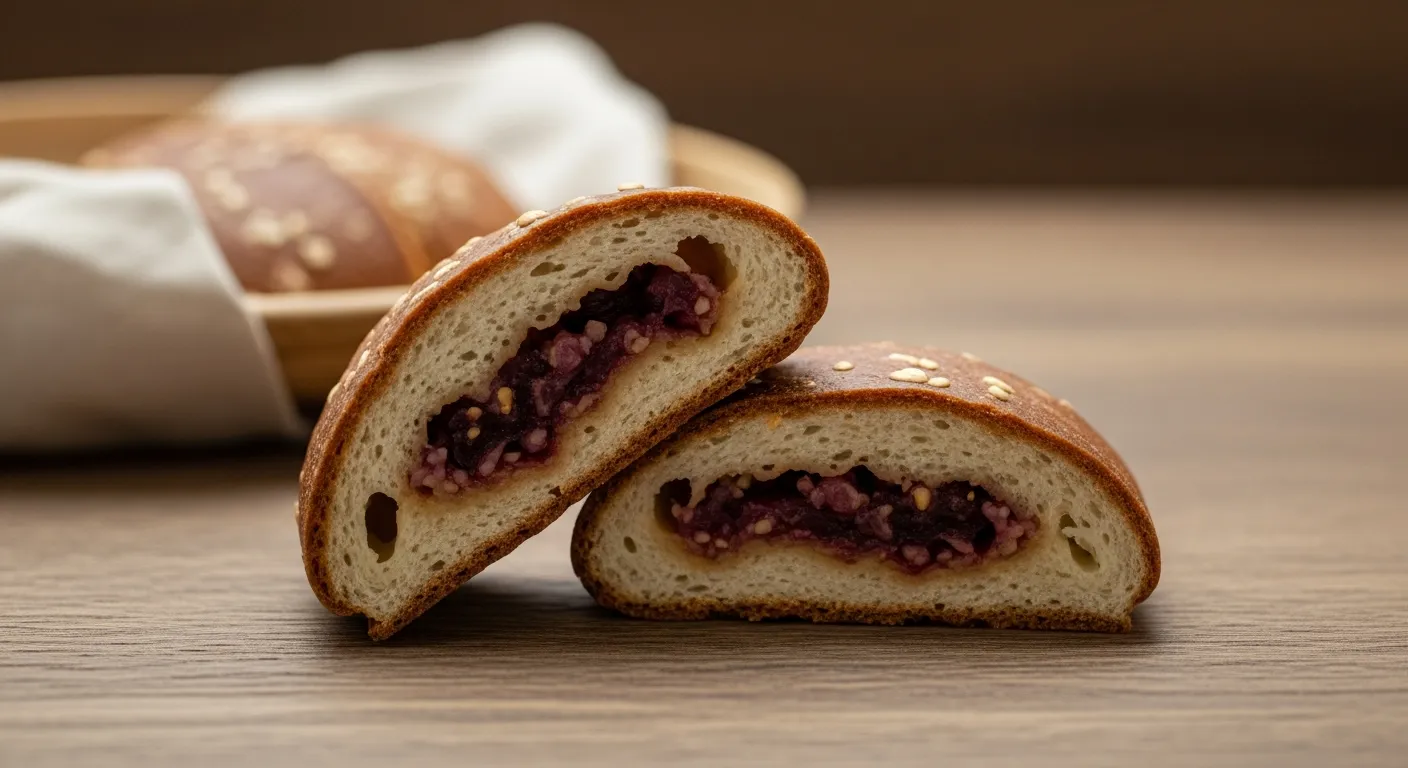
The orchards are gone. The Kolis are fewer. The hill is a warren of chawls, dockyard housing, and Bohra bakeries that have been open since before the mills closed. But the chain, the one where the food moves through named people who know each other, is still how Mazagaon feeds itself. Or was.
THE PART NOBODY TALKS ABOUT
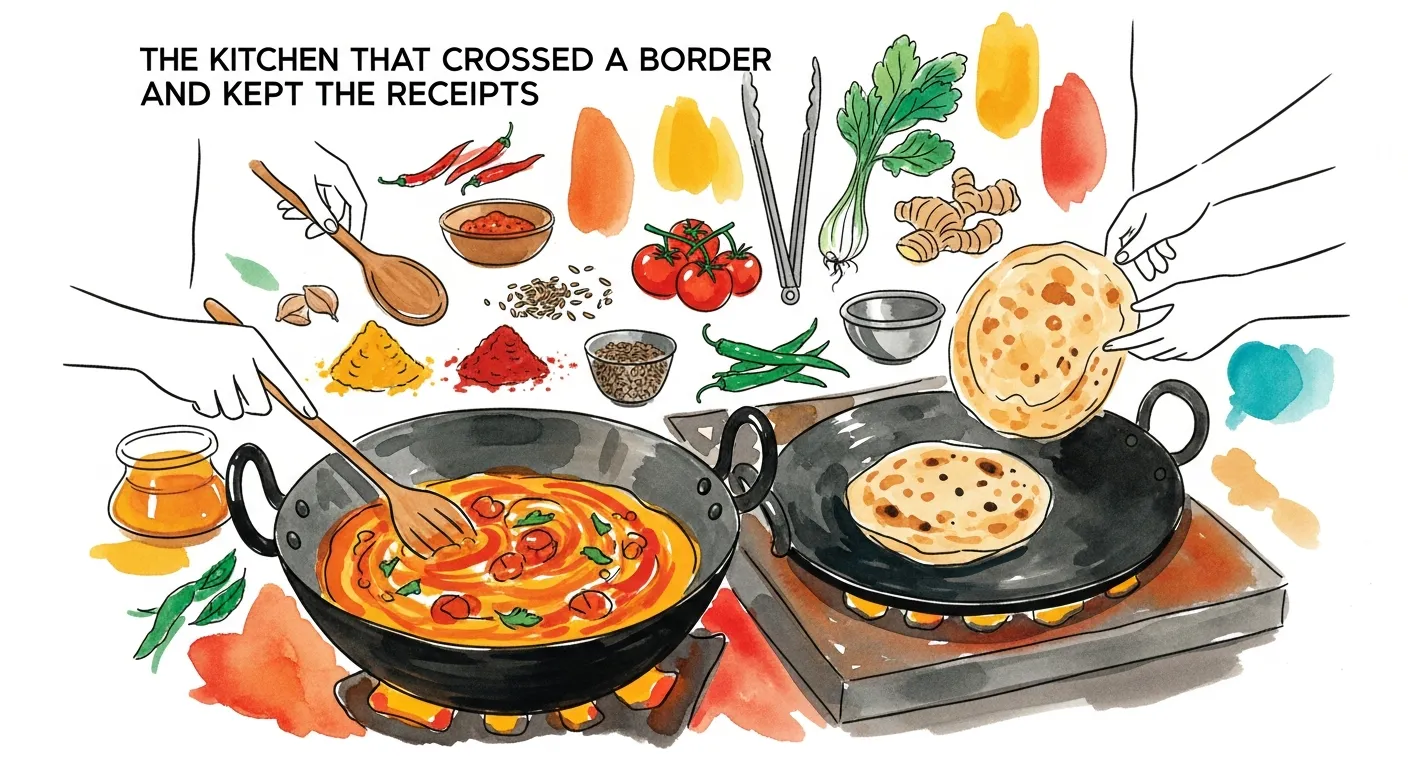
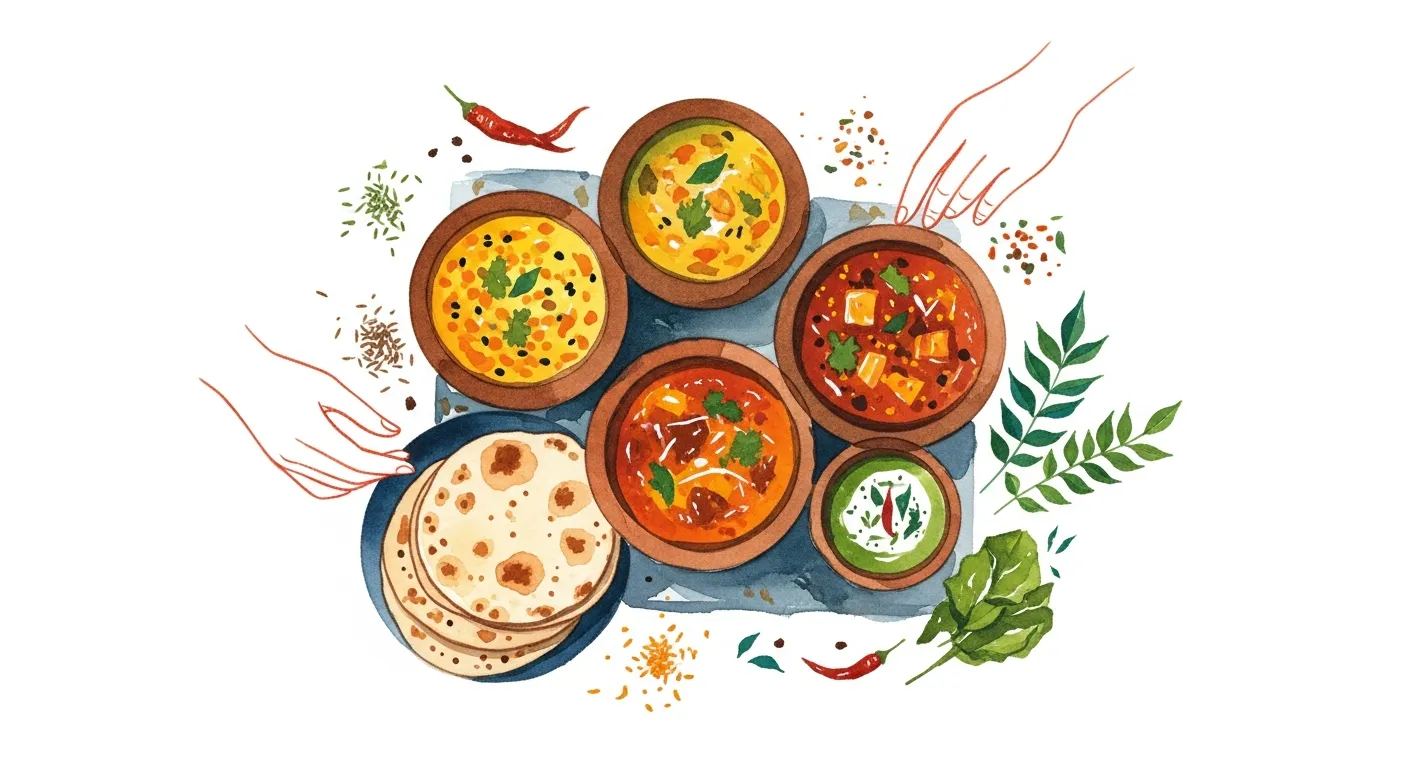
Every conversation about home-chefs in Mumbai is a conversation about authenticity. The Bohri thaal cooked in a Dongri kitchen. The Goan sorpotel simmered in a Byculla one-room. The Mangalorean ghee roast made by an aunty in Mazagaon who learned it from her mother who learned it from hers.
Nobody talks about the spreadsheet.
The spreadsheet is where the home-chef economy actually lives now. And the spreadsheet has a line item that did not exist five years ago. It is called commission. And it is eating the dabba.
THE NUMBER THAT CHANGED THE MATH
Start with the number every home-chef in Mazagaon has learned to recite. According to Fortune India, the average per-order commission charged by food delivery platforms in India rose from 9.6% in 2019 to 24.6% in 2023. That is not a drift. That is a 156% jump in four years.
For a restaurant with a bar, a lunch crowd, and a footprint that absorbs the hit, 24.6% is painful. For a home-chef working out of a two-burner stove in a Mazagaon chawl, cooking 40 tiffins a day at a margin that was already thin, 24.6% is the difference between rent and no rent.
And 24.6% is the average. Prime Awards reports that some home-based chefs face commissions of up to 30% on every sale. Thirty paise on every rupee, gone before the gas bill.
Then there is the platform fee. The Hindu documented that Zomato's platform fee climbed from roughly ₹2 per order to ₹14.90 per order in under three years. A jump of over 645%. The fee is charged to the customer, but the customer only has one wallet. What they pay in fees, they do not pay in food. The order size shrinks. The tip shrinks. The repeat rate shrinks.
The commission is not a fee. It is a new landlord, and the home-chef never signed a lease.
THE MAZAGAON CHAIN, BEFORE THE APP
To understand what is changing, understand what was.
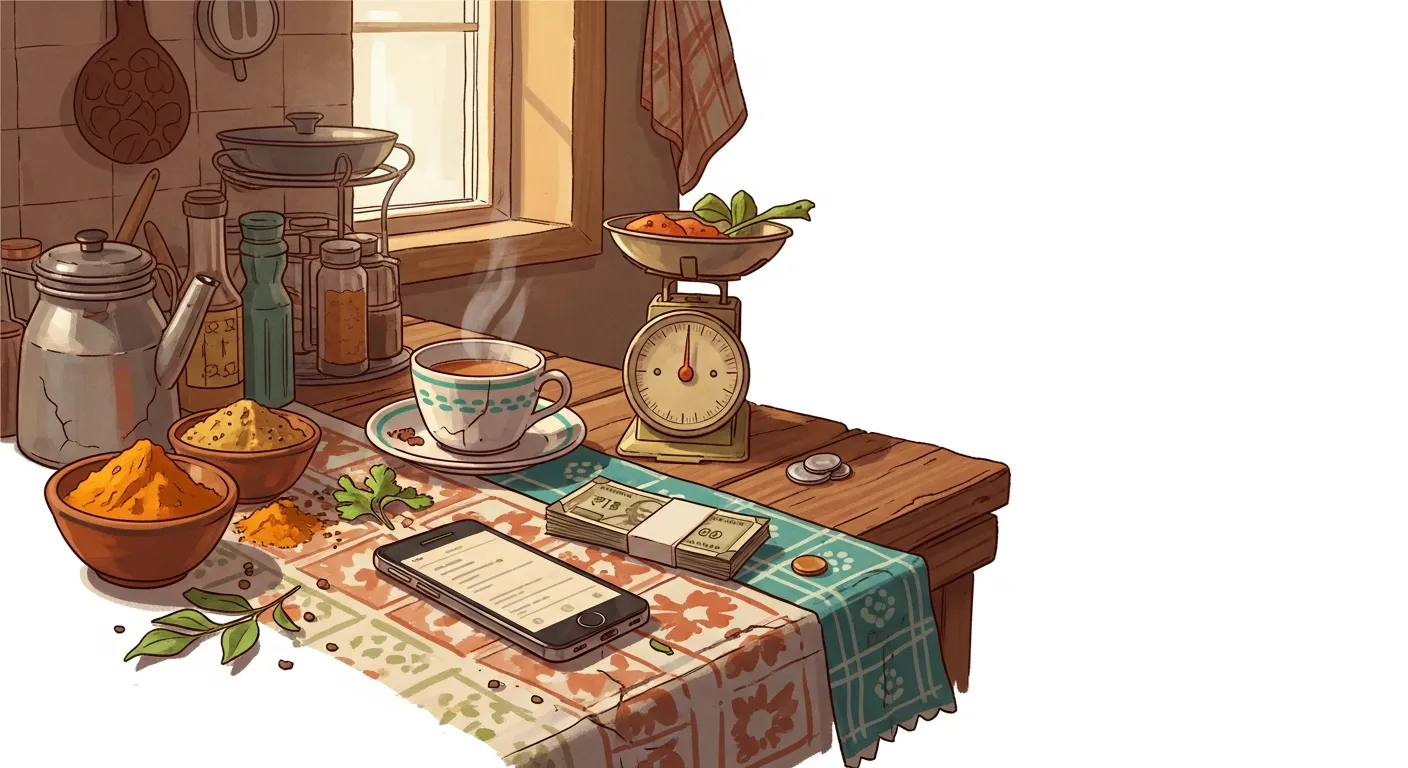
A home-chef in Mazagaon in 2015 had a phone. A steel dabba. A neighbour's teenage son with a cycle. A regular list of maybe 60 customers, most of them from the same three buildings, some from the Mazgaon dockyard offices, a few from the shipping companies down at Reay Road. The order came in on a Nokia. The dabba went out at 12:45. The payment came at the end of the month, in cash, in an envelope, with a chit that said thank you and sometimes a request for extra achaar next week.
The chef knew the customer's name. The customer knew if the chef's daughter had exams. When the chef's father was in hospital, three customers sent food back to her house. When a customer's mother visited from Kerala, the chef made an extra portion of avial because she remembered the mother liked it thin, not thick.
This is not sentiment. This is a business model. It is called relational commerce, and it survived in Mazagaon for the same reason it survived in the Bohra bakeries and the Parsi dairies: because the transaction cost of trust, once you have built it, is zero.
The old model had no commission because the relationship was the commission.
WHAT THE APP DOES TO THE CHAIN
The app does three things at once. It solves a real problem. It creates a new one. And it quietly rewrites who owns the customer.
The real problem is reach. A home-chef in a Mazagaon chawl cannot be found by someone in Lower Parel who wants dal gosht for lunch. The app fixes that in a swipe. Tiffit and platforms like it handle logistics, payments, and discovery in ways a Nokia and a cycle never could. This is not nothing. For a chef who wants to scale from 40 tiffins to 140, the app is oxygen.
The new problem is the cut. At 24.6% average commission, a ₹200 tiffin returns ₹151 to the chef before ingredients, gas, packaging, and the delivery partner's separate fee. A tiffin that used to make ₹80 in margin now makes ₹35. To earn what she used to earn, she has to cook twice as much. Twice the gas. Twice the hours. Same two burners.
The rewrite is subtler and it is the one nobody wants to name. The customer on the app is not her customer. The customer belongs to the platform. She does not have their number. She cannot call them when the daughter has exams. She cannot send extra achaar. The chit in the envelope has been replaced by a star rating, and the star rating is written by someone who has never met her and never will.
She used to cook for 60 people she knew. Now she cooks for 300 people she doesn't.
THE TIMES OF INDIA CAVEAT
There is a counter-current worth naming. The Times of India reported that home-chefs in the post-pandemic years continue to grow through word of mouth and authentic flavours. The old chain has not gone quiet. It has gone parallel.
Mazagaon confirms this. The chefs who are surviving best are the ones running two books at once. The app book, which brings volume, discovery, and the punishing commission. And the WhatsApp book, which brings the 60 original customers, the monthly envelope, the achaar request, and the margin that keeps the lights on.
The app is the shopfront. The WhatsApp is the shop. One pays the rent. The other pays the chef.
THE MEETHI EID MATH
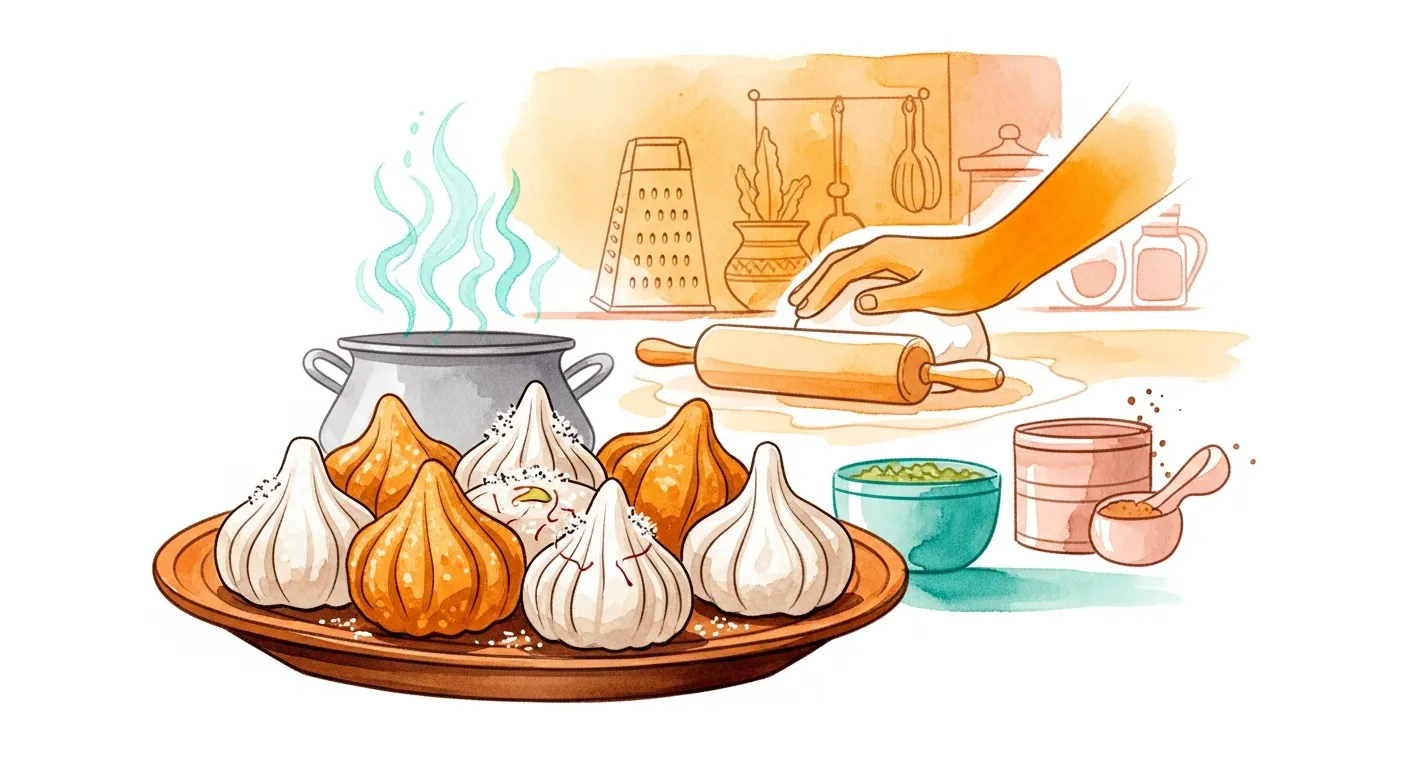
Ask any home-chef in Mazagaon about the festival economy and the numbers get sharper. Meethi Eid orders, Bakri Eid orders, Ganpati orders, Christmas sweets from the East Indian aunties in the old Portuguese quarter. These are the weeks that make the year.
On WhatsApp, a festival order is direct. The customer pays in full, sometimes in advance, and the margin is the margin. On the app, the same order takes a 24.6% haircut before the flour is bought. A ₹5,000 mutton biryani platter for a family of ten returns ₹3,770 to the chef. Take out ₹1,800 in ingredients, ₹200 in gas and packaging, and the platter that used to build the emergency fund now barely covers the day.
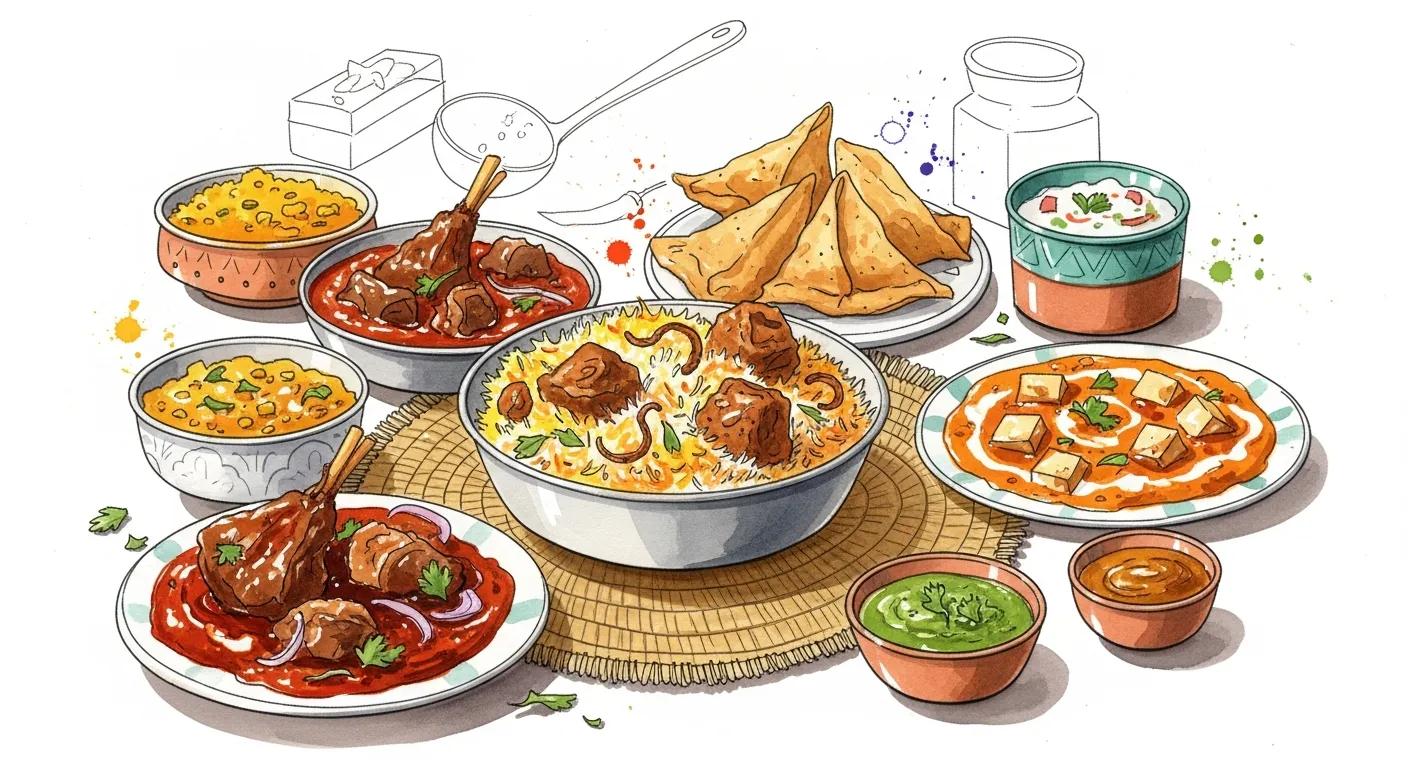
This is why almost every serious home-chef in Mazagaon takes festival orders off the app entirely. The app is for weekday lunch. Eid is for the people whose numbers are still in her Nokia.
WHAT THE 645% ACTUALLY BUYS
The platform fee that jumped from ₹2 to ₹14.90 was justified as investment. Investment in logistics, in tech, in the driver network, in the discovery algorithm. And some of that is true. The app really does deliver in 32 minutes. The tracking really does work. The refund really does hit the wallet.
But for a home-chef in Mazagaon, the 645% did not buy her a better business. It bought her landlord a better business. The commission structure is not designed for a chef with two burners. It is designed for a cloud kitchen with fifteen. The chef and the cloud kitchen pay the same rate. Only one of them can absorb it.
One in three restaurants surveyed said they want lower commissions. 35% said they plan to exit delivery platforms altogether. The restaurants have accountants. The home-chefs have a notebook and a calculator app. The exit rate among home-chefs is not measured because nobody is measuring.
THE QUIET REBUILD
What is happening in Mazagaon now, in 2026, is a quiet rebuild. The chefs who started on apps in 2020 and 2021 are the ones now trying to migrate customers back to WhatsApp. A card in the tiffin. A discount for direct orders. A festival menu shared only on Broadcast. A slow, deliberate un-platforming.
It is not anti-technology. It is anti-commission. The chef will keep the app for reach. She will build the WhatsApp for margin. She will run the two books until one of them, probably the commission book, becomes unworkable and she shuts it.
The dabba is still steel. The chain is being rebuilt, one number at a time.
Four hundred years ago the mangoes moved through named people who knew each other, packed in ice, wrapped in muslin, tied with string. The muslin is now a WhatsApp broadcast. The string is a UPI QR code taped to the inside of the dabba lid. The chain is older than the app. The chain will outlast it.
The orchard-keeper always knew the middleman. She just had to remember his number.
Field Notes
Quick referenceAverage platform commission on food delivery in India: 9.6% in 2019. 24.6% in 2023. A 156% jump in four years.
Zomato's per-order platform fee went from ₹2 to ₹14.90 in under three years. That is a 645% increase charged to the customer, not the kitchen.
A ₹5,000 Eid biryani platter on the app returns ₹3,770 to the chef before a single kilo of mutton is purchased.
The chefs running both an app account and a WhatsApp broadcast list are not hedging. They are running two separate businesses with two separate margin structures.
35% of restaurant operators surveyed said they plan to exit delivery platforms. The home-chef exit rate is not tracked. Nobody is counting.
Get the next story first
Join the Bhukkads. Free, no spam, just stories.
Takes 30 seconds.