The Spice Bottle Outlived the Empire
In a 400-year-old village inside Mazagaon, the East Indians are arguing with their own kitchens. The bottle is winning. The hands are not.
Generated by Imagen 4
In 1534, the Sultan of Gujarat signed away seven islands to the Portuguese. The treaty was called the Treaty of Bassein. It mentioned no spices. It mentioned no bread. It mentioned no community. But the document, signed in a tent on the Konkan coast, would, within a hundred years, produce a people who did not yet exist.
They were Marathi-speaking Roman Catholics. They had been here before the Portuguese arrived. They were converted, in waves, in the villages around Bombay, Bassein, Salsette, Mahim, Mazagaon. They kept their language. They kept their land. They lost their old gods and gained a new calendar of feasts. By the time the British took the islands as dowry in 1661, this community had a name nobody outside the church bothered with for two centuries. East Indians. The name itself a defensive crouch, coined in 1887 to distinguish them from the Goans arriving for British clerical jobs.
They are indigenous to Bombay. They are older than Bombay. And the food they cook on a Sunday afternoon in Matharpacady is older than half the buildings around it.
THE VILLAGE INSIDE THE CITY
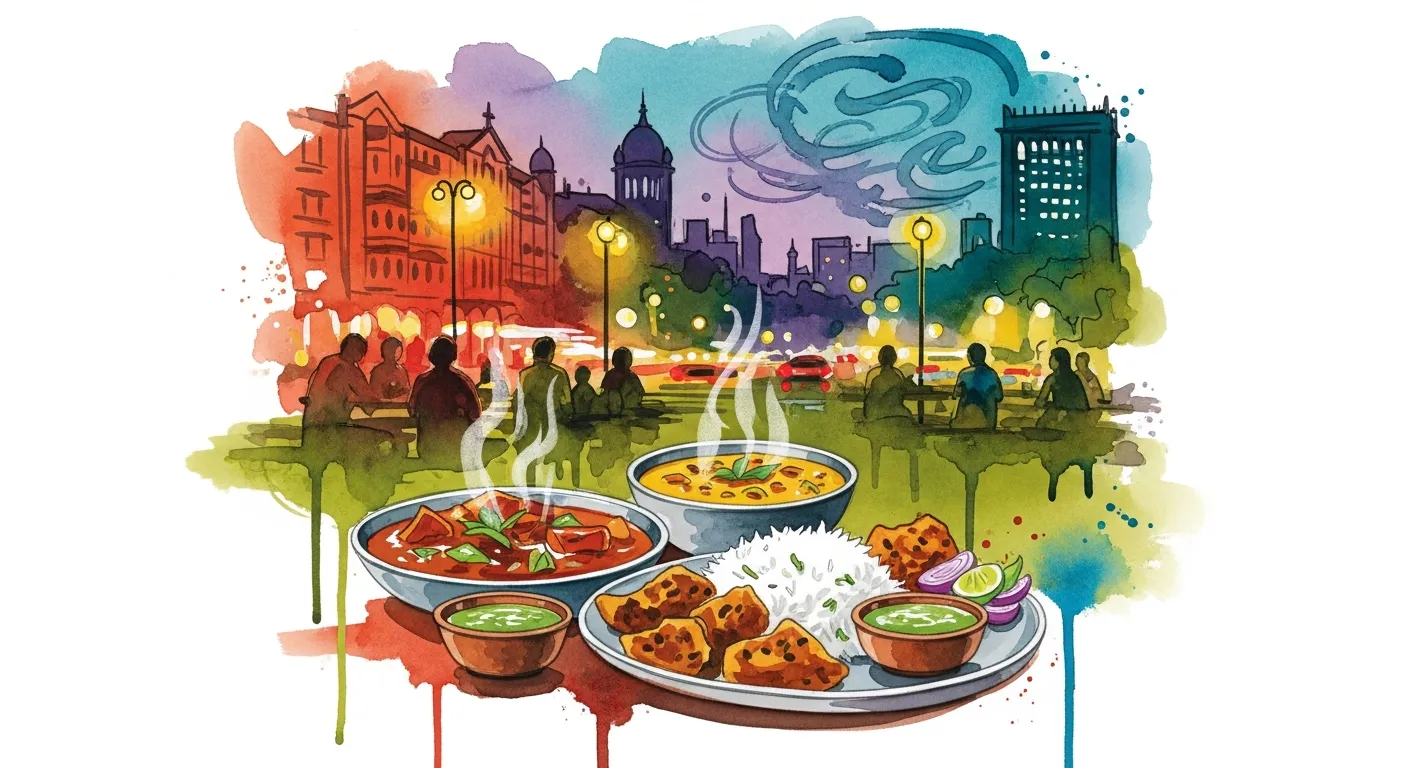
Matharpacady sits in Mazagaon, behind Joseph Baptista Gardens, off Bhandarwada Hill. You enter through a lane so narrow that a delivery rider has to fold his mirrors in. Then the city goes quiet. Indo-Portuguese bungalows with sloping tiled roofs. Wooden balconies. Crucifixes set into outer walls. Hibiscus growing out of clay pots on staircases that have not been straightened since 1890.
The village is roughly 400 years old. It is a listed heritage precinct. It is also, on most weekdays, under quiet siege from redevelopment proposals that would replace its bungalows with the same glass-and-balcony towers visible from every other rooftop in the area.
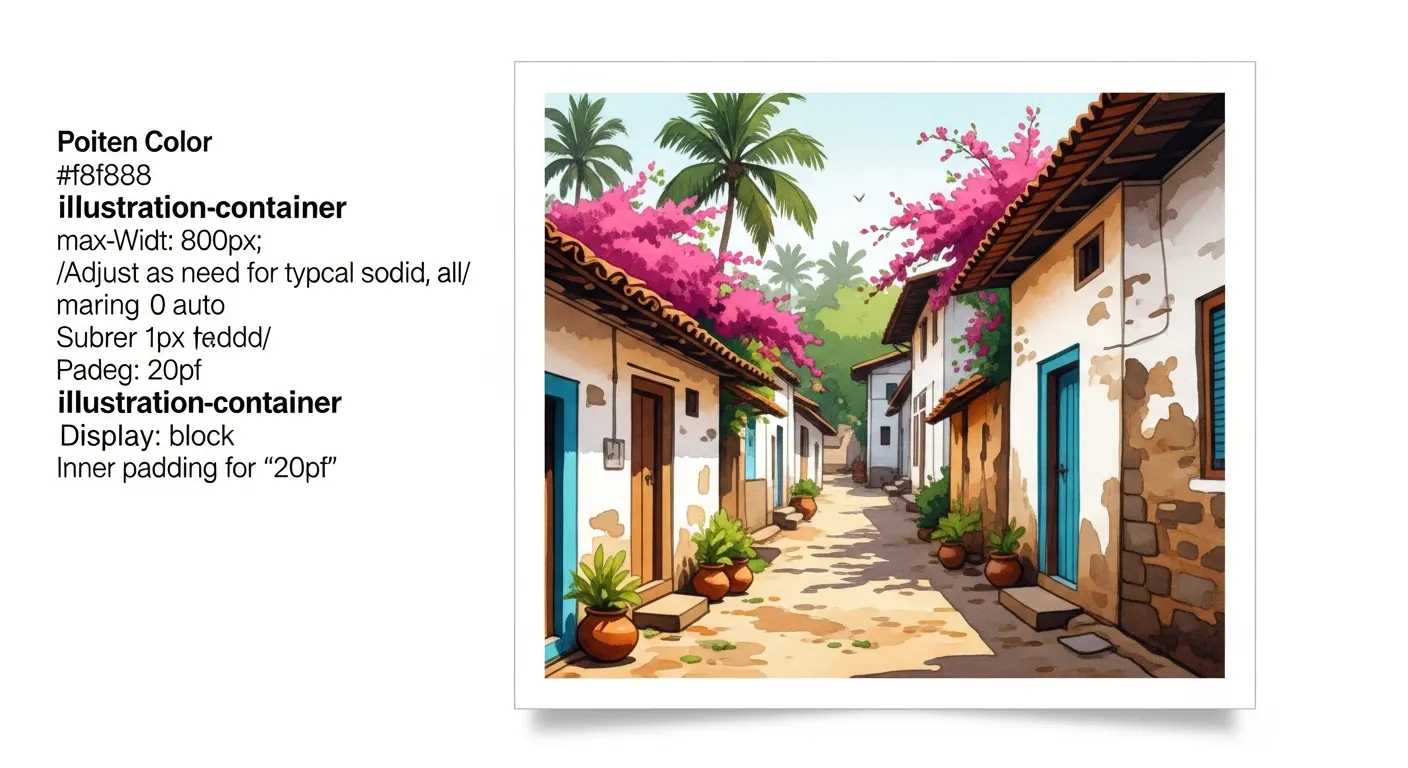
The houses are the part everyone photographs. The kitchens are the part nobody talks about.
The East Indians did not write cookbooks. They wrote daughters.
THE BOTTLE
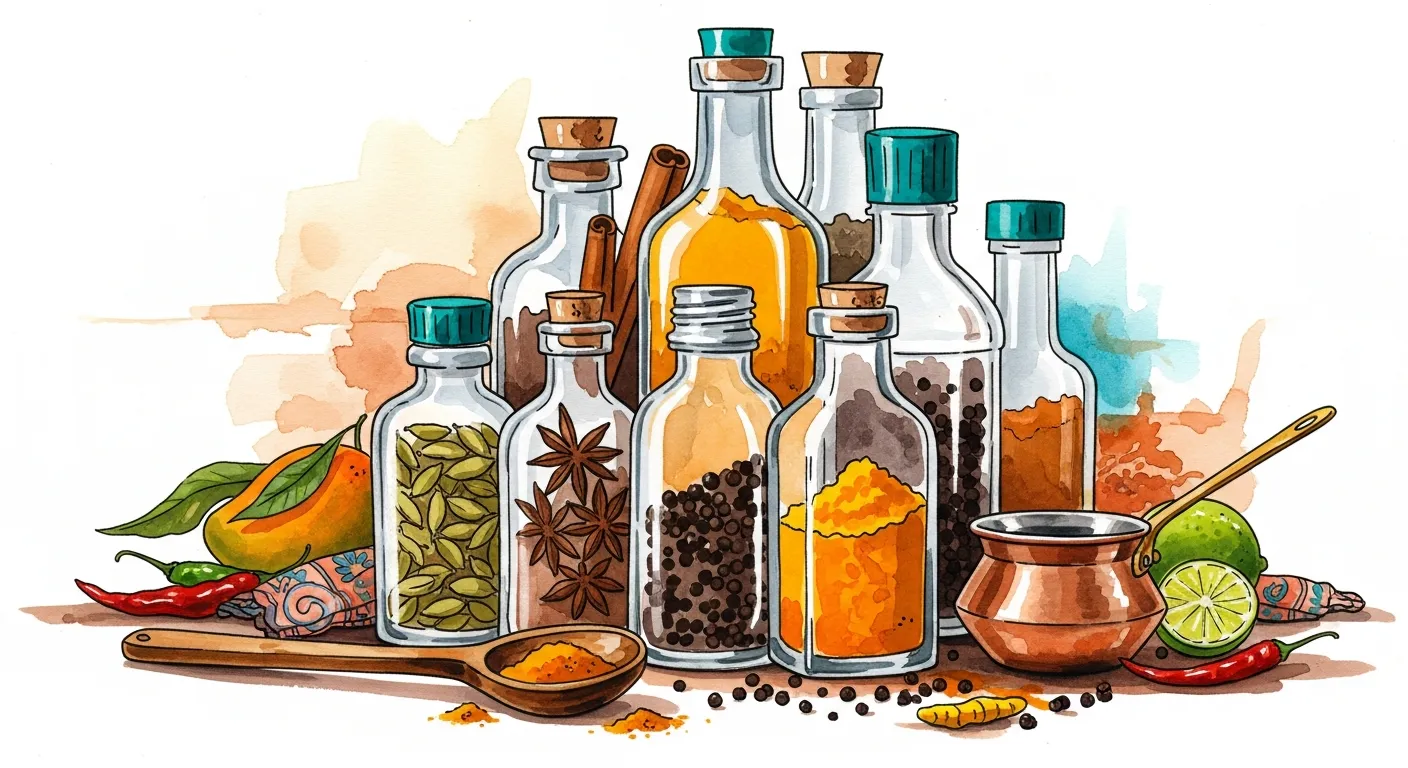
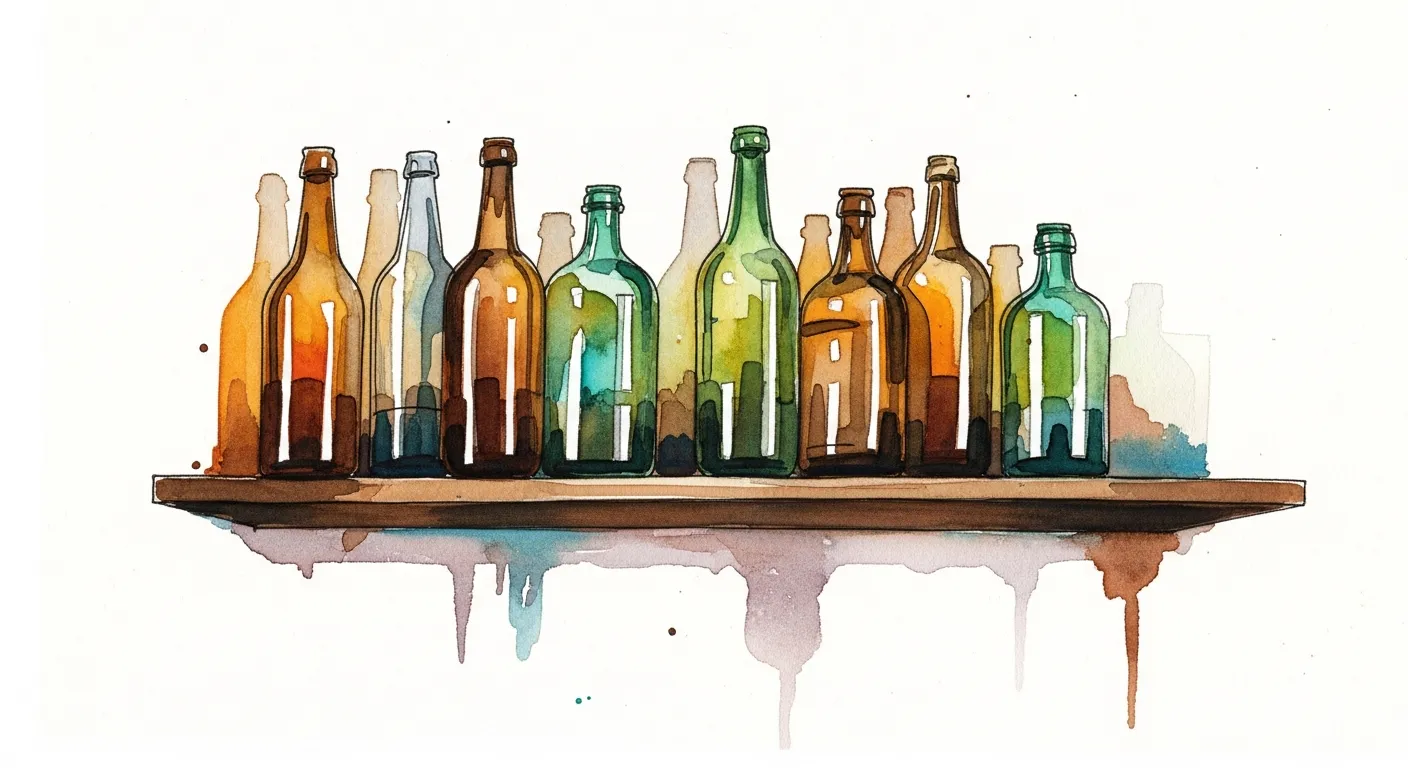
Walk into a Matharpacady kitchen during the dry months, roughly February to May, and you will find, on a high shelf, a row of glass bottles. Narrow necks. Coloured glass, usually brown or green. Filled to the shoulder with a dark red powder that smells of roasted coriander, dried red chillies, peppercorn, cumin, fenugreek, star anise, cinnamon, mace, nutmeg, cloves, caraway, poppy, sesame, turmeric, and roughly forty other things depending on whose grandmother is being quoted.
This is bottle masala. Anywhere from 20 to 60 spices, sun-dried on a terrace, hand-pounded or stone-ground, funnelled into narrow-necked bottles because the small opening lets out less air, and air is the enemy of a masala that has to last a year.
Every East Indian family has its own recipe. The proportions are not written. The proportions are watched. A girl stands next to her mother for a decade before she is allowed to touch the chillies. The bottle is what the household tastes like. Two Matharpacady kitchens, twenty feet apart, will cook the same vindaloo and produce two different dishes, because the bottle is different, and the bottle is the cook.
THE DISHES THE BOTTLE BUILDS
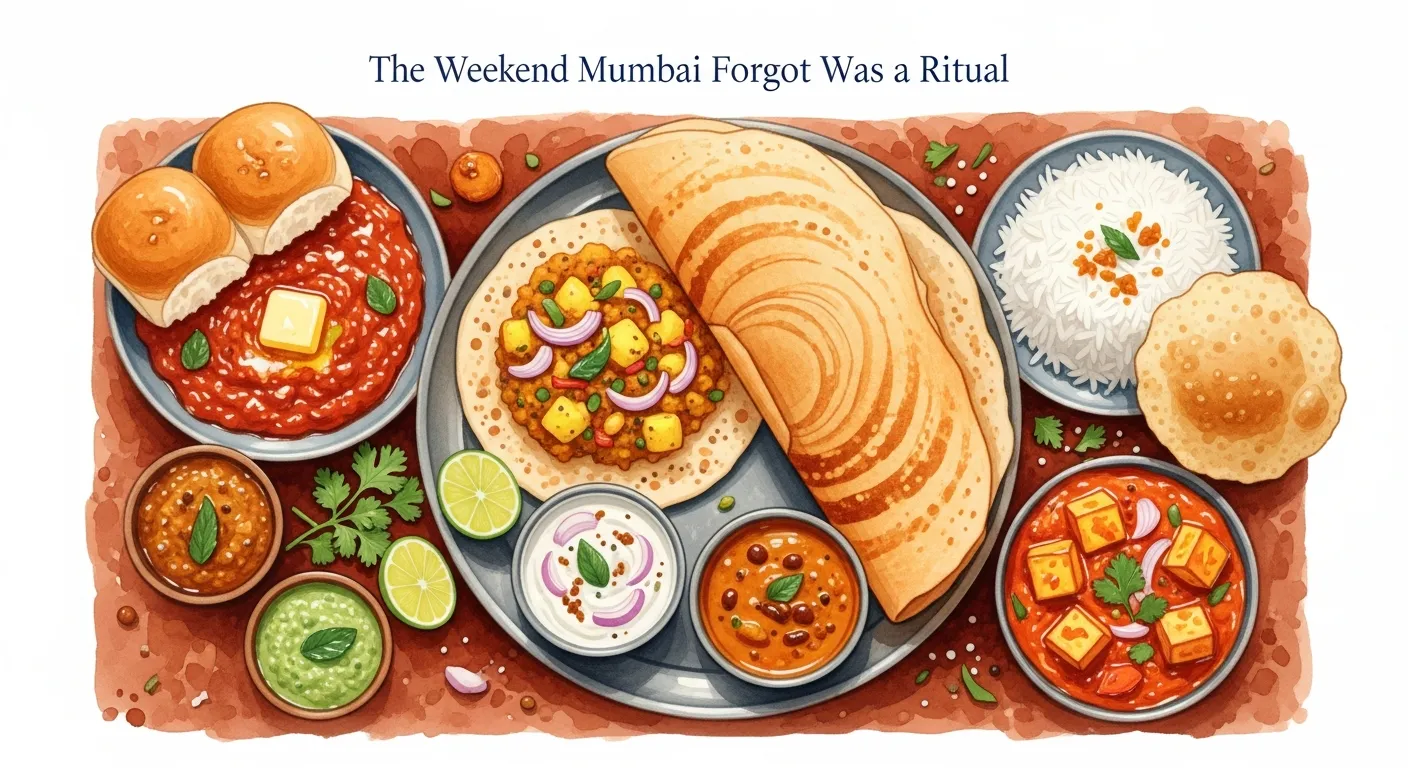
Vindaloo, in the East Indian kitchen, is not the Goan version. It is darker, drier, leaning on the bottle masala rather than on Kashmiri chilli paste. Pork, vinegar made from coconut palm toddy, garlic, the bottle. It sits for a day before it is served. It tastes better on the second day. It tastes like the house it came from.
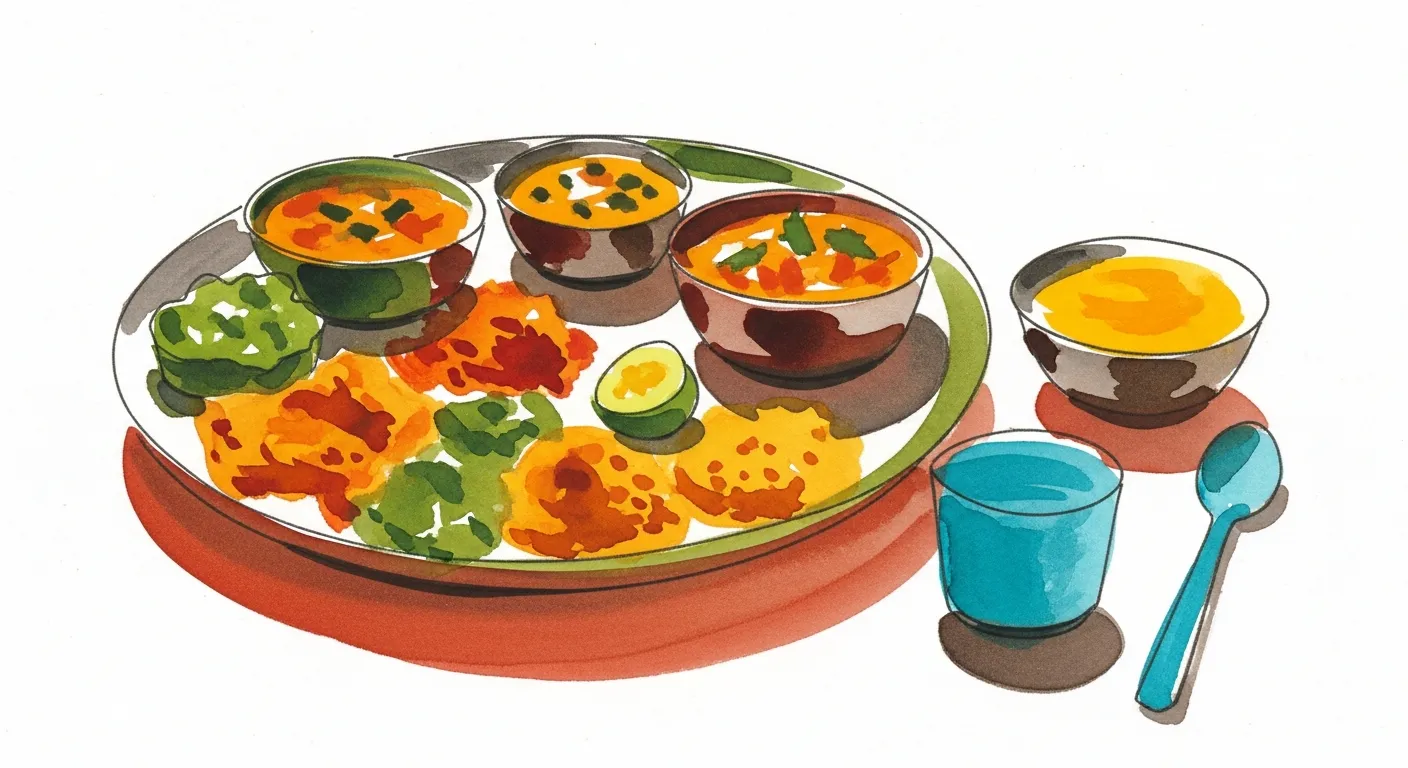
Fugias come with it. Light, airy, deep-fried balls of dough leavened with yeast and toddy, the size of a small lemon, hollow in the middle, pulled apart by hand and used to sponge up the vindaloo gravy. At an East Indian wedding, fugias are mandatory. No fugias, no feast. They sit in cane baskets at the head of the table, and a grandmother counts them, because a fugia short is a guest unfed.
Sorpotel for Christmas. Roast for Easter. Khimad for a christening. Moile for a fast day. Each dish has a day. Each day has a dish. The calendar is the cookbook.
NOBODY TALKS ABOUT THE TERRACE
Nobody talks about the cook. Everybody talks about the masala.
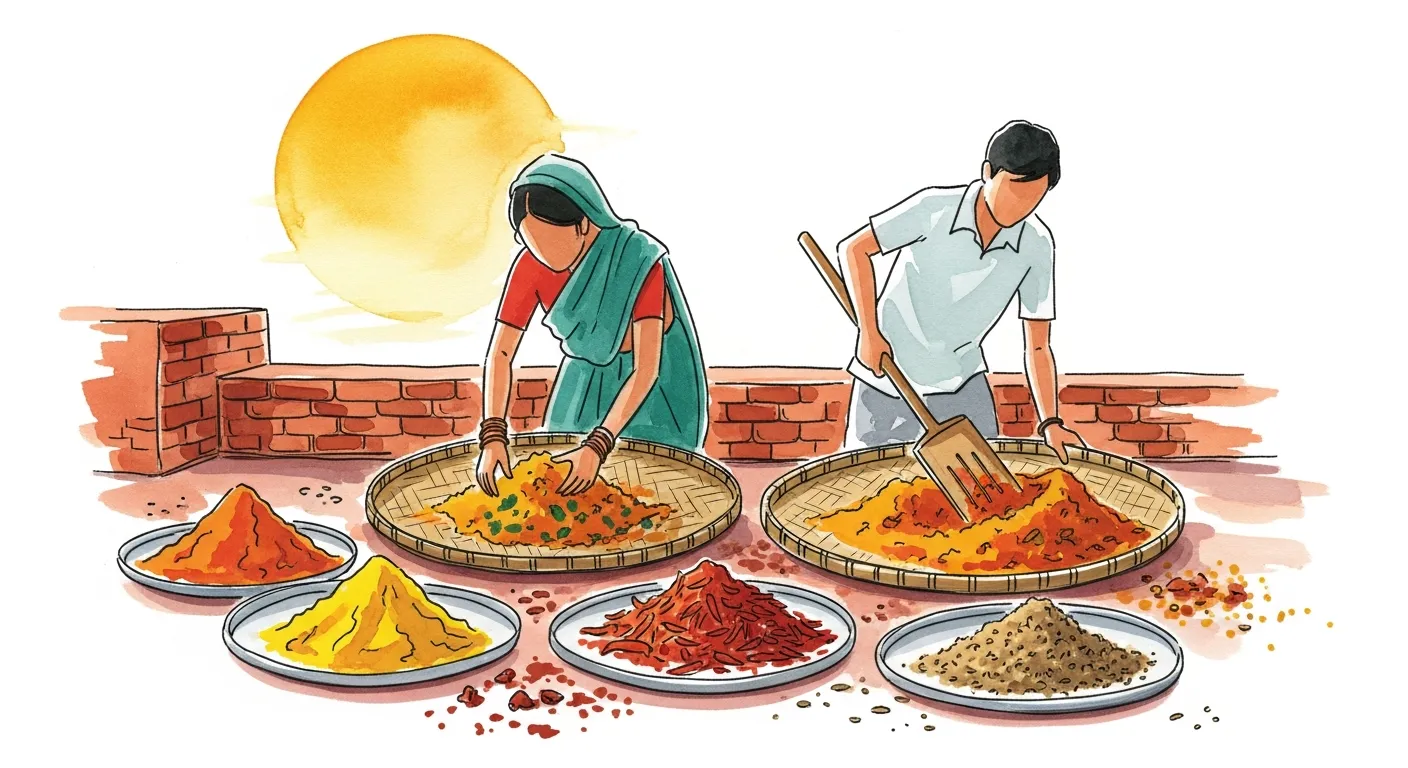
Making a bottle of masala, the real way, takes a terrace, three days of sun, two women, and roughly fifteen kilograms of mixed spices for a year's supply for one household. The spices are sorted, cleaned, dried, roasted on a flat pan, cooled, and taken to a stone grinder or a hand pestle. The grinding is the part that breaks the back. A woman in her sixties in Matharpacady will tell you, without dramatising it, that she ground her mother's masala for thirty years and stopped only when her wrist stopped agreeing.
The terrace is the problem. The flats that replaced the bungalows do not have terraces. The bungalows that remain are shared between four families, and the terrace is contested. The sun is the same. The space is not.
So the women started going to the mill.
THE MILL ON THE GROUND FLOOR
The masala mill is the quiet compromise. You buy your own spices. You take them to a mill in Bhandup or Bandra or Vasai. You watch the mill owner roast and grind them in front of you, because if you do not watch, you will not know what came back in the packet. You carry home the powder. You bottle it. You call it your masala. It is, and it isn't.
The mill saves a week. The mill saves a back. The mill costs roughly 200 rupees per kilogram of grinding, plus the spices. A year's masala for a six-person household, made at a mill, comes to under 8,000 rupees. Made on a terrace, it costs nothing in cash and three days of two lives.
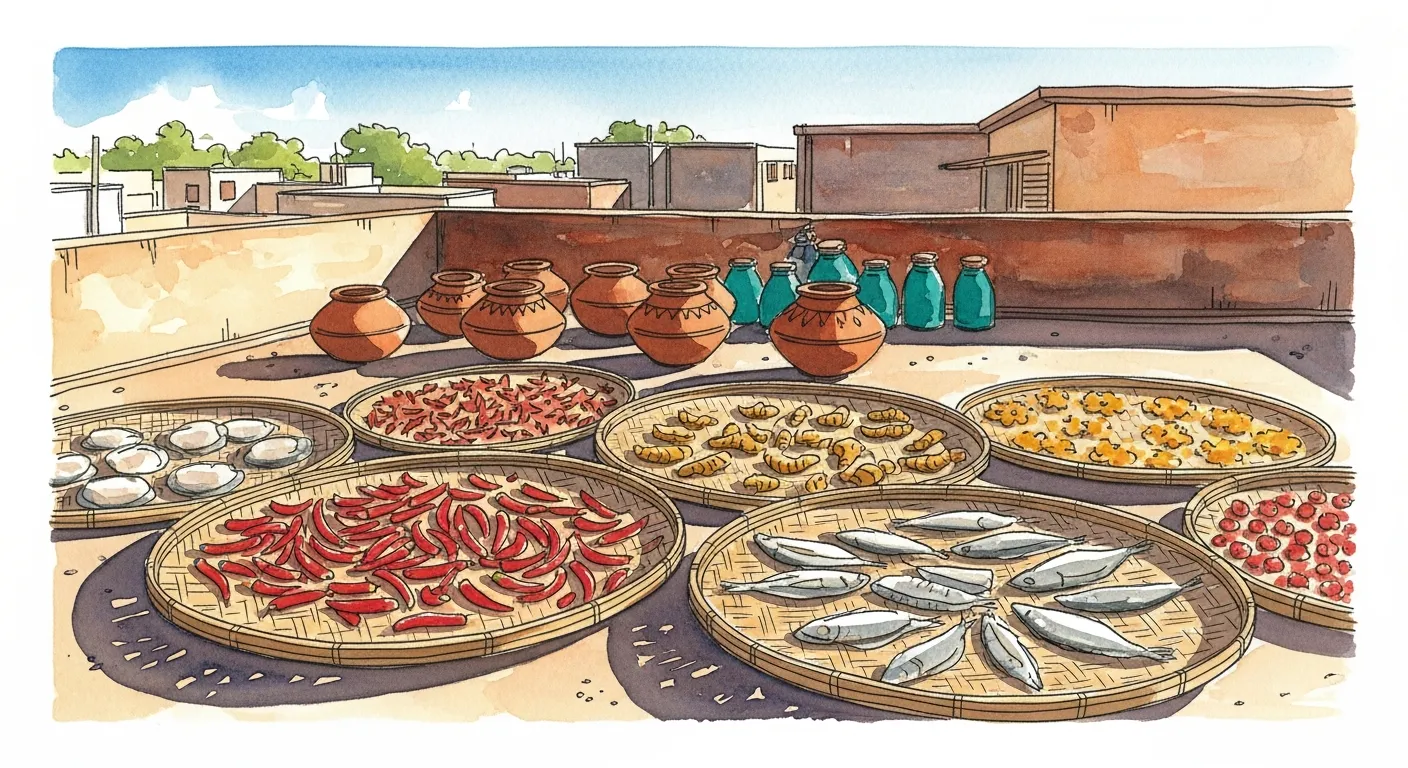
The bottle survived. The terrace did not.
This is the trade. The community has, mostly, made it. A few families in Matharpacady, Manori, Uttan, Vasai, still do it the old way, because they have the terrace and the time and the granddaughter who wants to learn. Most do not. The flavour, the families will tell you, is roughly 80 percent of the original. The other 20 percent is the woman who used to do it.
THE GENERATION THAT IS BEING ASKED
The Matharpacady kitchen is now negotiating with its own granddaughter. She is 26. She works in Lower Parel. She has a small flat in Chembur and a partner who eats fish on Fridays. She wants to learn the vindaloo. She does not have the terrace. She does not have the three days. She has a phone, and a grandmother who has agreed, for the first time, to dictate the recipe out loud.
This is the shift. The recipe is leaving the watching and entering the writing. A cuisine that survived 400 years by refusing to be written down is, in the last decade, being written down, because the alternative is losing it. Community cookbooks have begun appearing. Self-published. Ring-bound. Sold at the church fete after Sunday Mass. The Bandra East Indian Association has one. So does the Bassein Koliwada parish. The recipes are imprecise on purpose. Add masala to taste. The taste is yours.
THE FEAST THAT STILL HAPPENS
On the feast of Our Lady of Glory, the parish that anchors Matharpacady, the village still cooks. Fugias come out of cane baskets. Vindaloo sits in steel handis. Sorpotel arrives in glass jars from a cousin in Manori. The lanes fill with relatives from Vasai and Uttan and Kurla, communities that left Mazagaon decades ago but return for the day. The masala on the table came from a mill. The hand that bottled it did not.
The redevelopment notices keep arriving. The bungalows keep refusing them. The kitchens keep cooking.
Four hundred years ago, a treaty signed in a tent gave the Portuguese seven islands and started a community that nobody planned. The community is still here. The bottle is still on the shelf.
The terrace is the part they are figuring out.
Field Notes
Quick referenceThe East Indian community took its name in 1887, to distinguish itself from Goan Catholics arriving for British clerical jobs. The community itself is centuries older.
Bottle masala contains anywhere from 20 to 60 spices. The narrow neck is structural, not decorative. Less opening, less air, longer shelf life.
A year's bottle masala ground at a mill costs under 8,000 rupees for a six-person household. Made on a terrace the old way, it costs three days and two pairs of hands.
Matharpacady is a listed heritage precinct inside Mazagaon, behind Joseph Baptista Gardens. The lane is so narrow a delivery rider folds his mirrors to enter.
Families from Vasai, Uttan, and Kurla return to Matharpacady every year for the feast of Our Lady of Glory. The masala comes from a mill now. The feast does not care.
Get the next story first
Join the Bhukkads. Free, no spam, just stories.
Takes 30 seconds.