The Bar That Prohibition Built
Two American sailors walked into a hotel in 1933 and accidentally made Bombay's first legal drink. Ninety-two years later, the city is still figuring out what to do with a licence.
Generated by Imagen 4
On December 5, 1933, at 5:32 pm Eastern Time, Utah became the thirty-sixth state to ratify the Twenty-First Amendment. The United States, after thirteen years of speakeasies, bathtub gin, and a homicide rate that would embarrass a small war, officially ended Prohibition.
Somewhere off the Gateway of India, on the same day or thereabouts, two American sailors dropped anchor. They had been at sea long enough to hear the news but not long enough to celebrate it properly. They walked into the ground floor bar of a hotel that had opened its doors thirty-odd years earlier and asked the bartender for something. Anything. Something to mark the fact that back home, a drink was no longer a crime.
The bartender obliged. Gin. Fruit. A flambéed pour of Cognac. No name yet.
That drink is still on the menu. So is the bar.
THE LICENCE NOBODY ELSE HAD
The Harbour Bar at the Taj Mahal Palace opened in 1933 as Bombay's first licensed bar, and arguably the first licensed bar inside a major hotel anywhere in the country. Think about what that means. Before 1933, if you wanted a drink in this city, you were doing it at a club, at home, or at a place that would rather you didn't tell anyone.
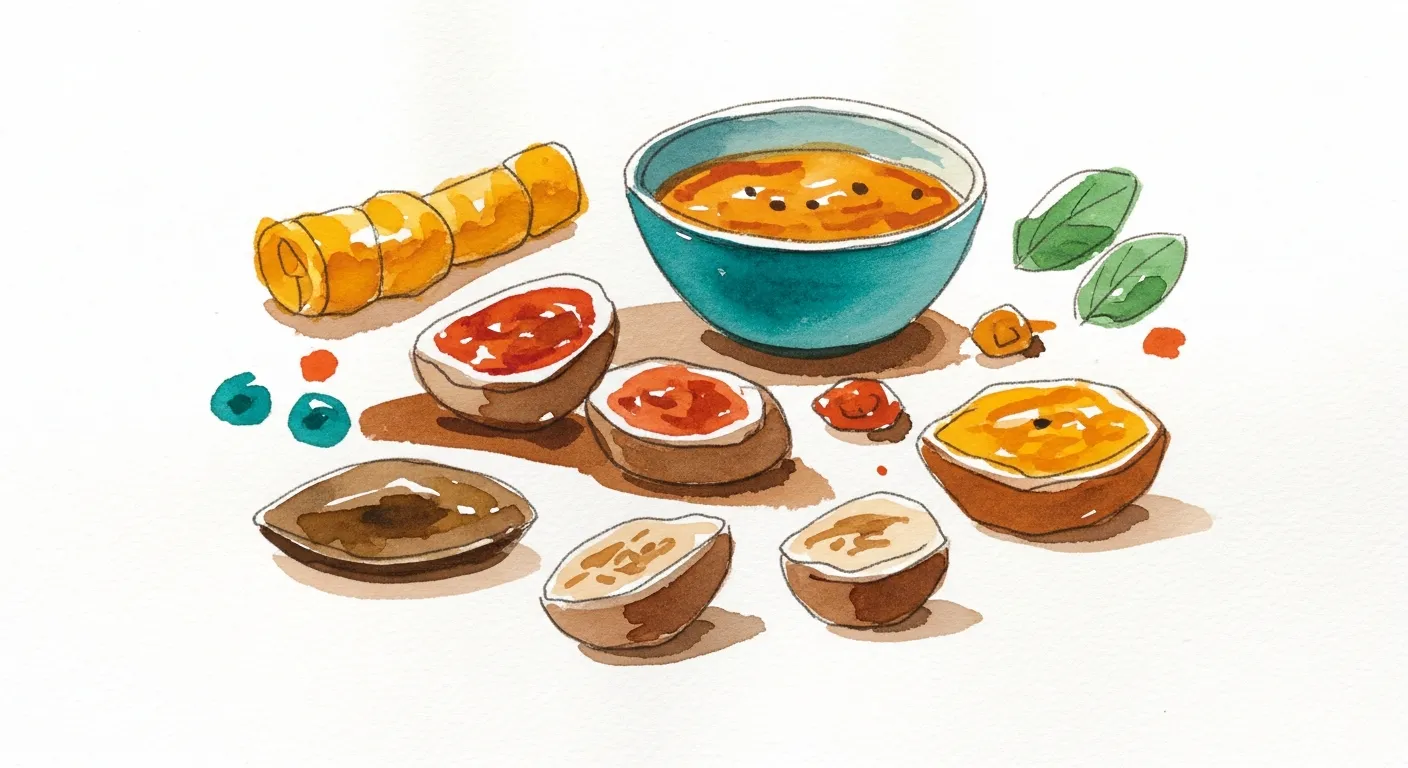
Jamsetji Tata's hotel, thirty years into its life, had somehow got the paperwork through. The room faced the Arabian Sea. The sailors kept coming.
The oldest surviving licensed hotel bar in India opened in 1933 and still pours the drink two Americans invented by accident.
The cocktail was eventually named From the Harbour Since 1933. Not a claim. Not a marketing invention. A dated document, poured into a glass.
Two American sailors who had just anchored their yacht off Gateway of India walked in to the bar and asked for a special drink to celebrate the US decision to end the much reviled prohibition.
THE PART NOBODY TALKS ABOUT
Everybody talks about the Harbour Bar. The colonial grandeur, the Cognac, the sailors. Bombay loves a founding myth, and this one has ships in it.
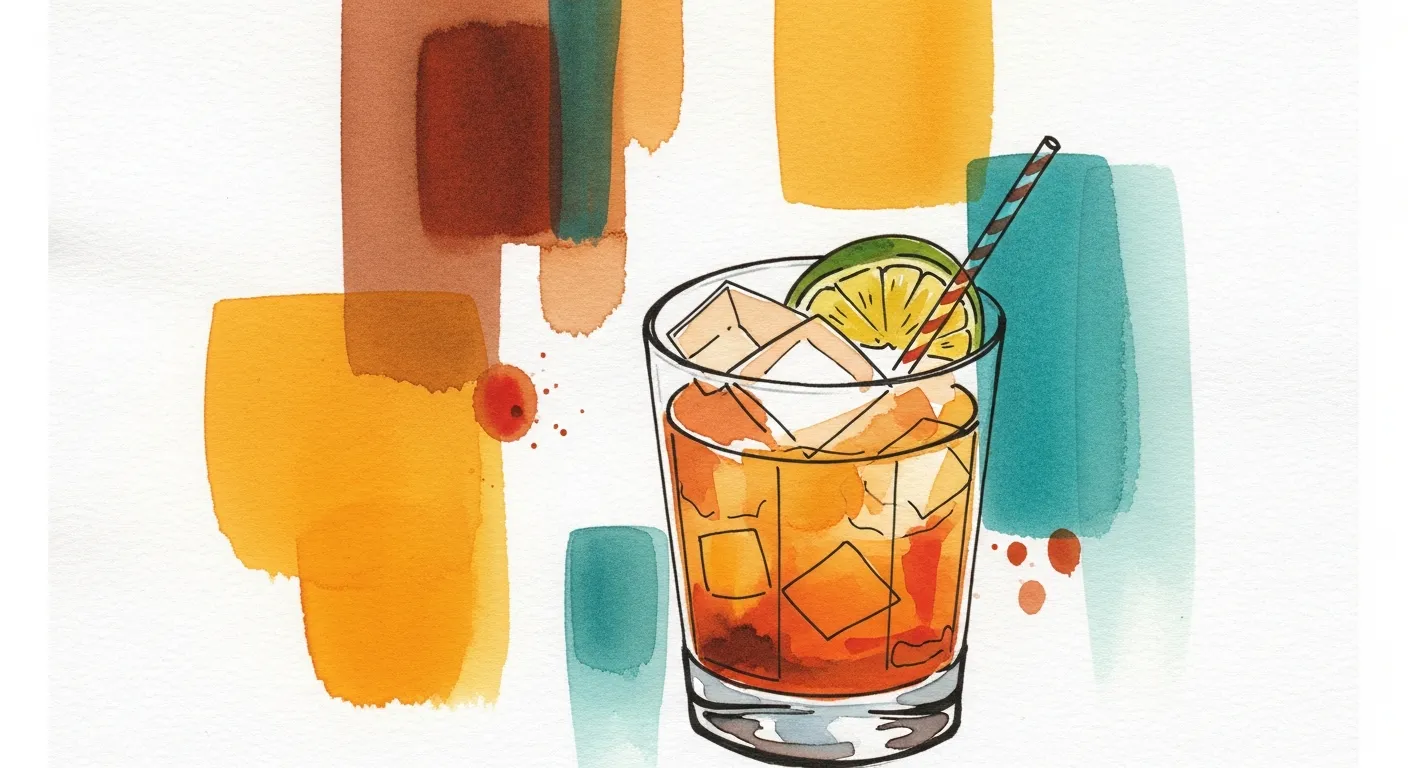
Nobody talks about the fact that this city then spent the next forty years figuring out how to un-license itself. Bombay State went dry in 1949. The Bombay Prohibition Act stayed on the books through most of the fifties and sixties. If you wanted a drink in Bombay in 1962, you needed a permit certifying you were a diagnosed alcoholic. The city that opened India's first legal bar spent half its adult life pretending it hadn't.
The permit rooms of that era, small, dark, cash-only, are the ancestors of every dive bar still standing in Colaba and Fort today. The aesthetic did not come from nostalgia. It came from necessity. Low light because low light attracts less attention. Formica tables because Formica wipes clean. No signboard because a signboard is evidence.
That is why Gokul in Colaba still looks the way it does. Not designed to look cool. Designed to look invisible. The coolness came later, retroactively, once the city decided that surviving was a form of style.
GOKUL, JANATA, AND THE MATH OF THE DIVE
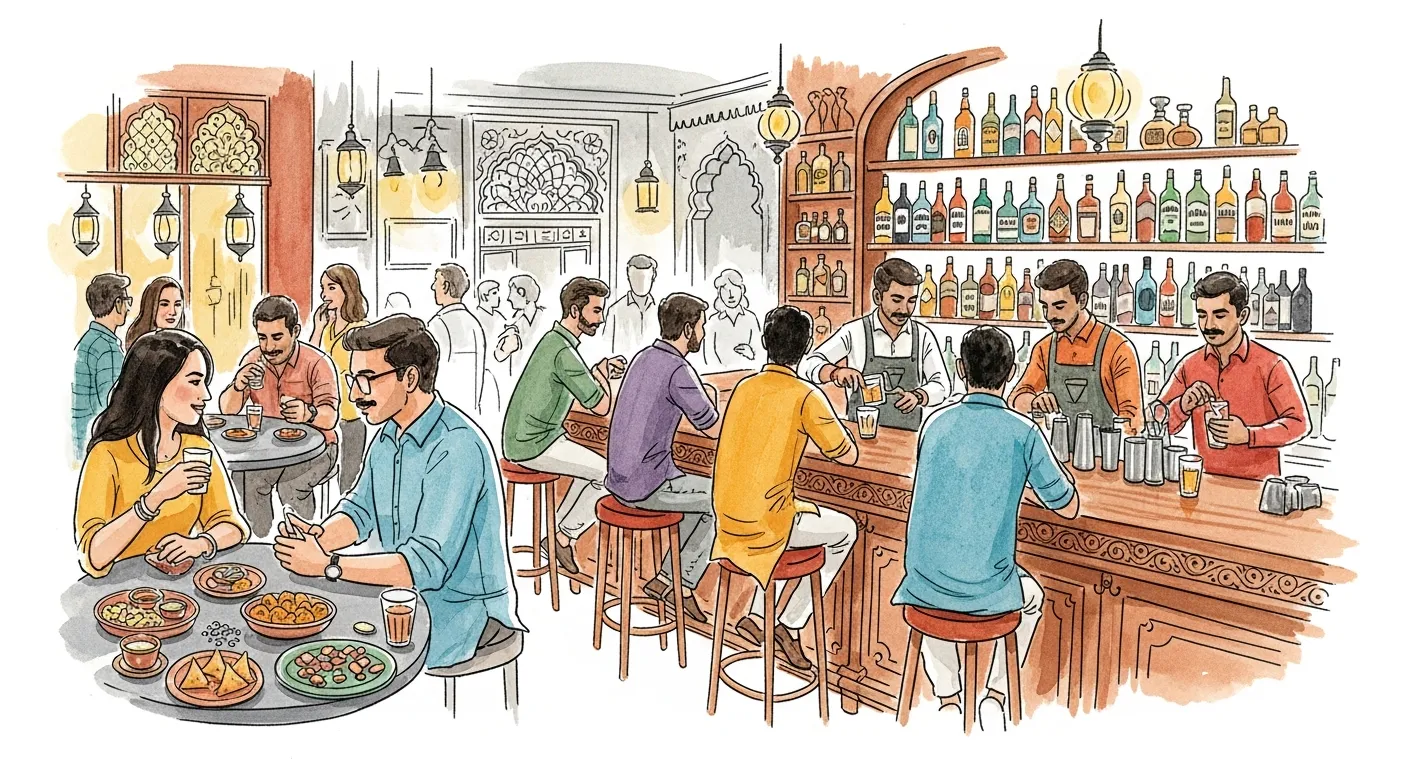
The regulars at Gokul are older than the licence on the door. Journalists at the corner tables. Off-duty cops at the front. Students from Elphinstone who found the place in first year and never left. The drinks are cheap. The rum arrives without ceremony. The chicken lollipop is not ironic, it is just chicken lollipop.
Janata Bar in Fort does the same thing across the city. The fans move air the way fans have moved air for decades. The waiters remember your face before they remember your order. The Kingfisher is cold. The old fashioned is not on the menu because the old fashioned was never the point.
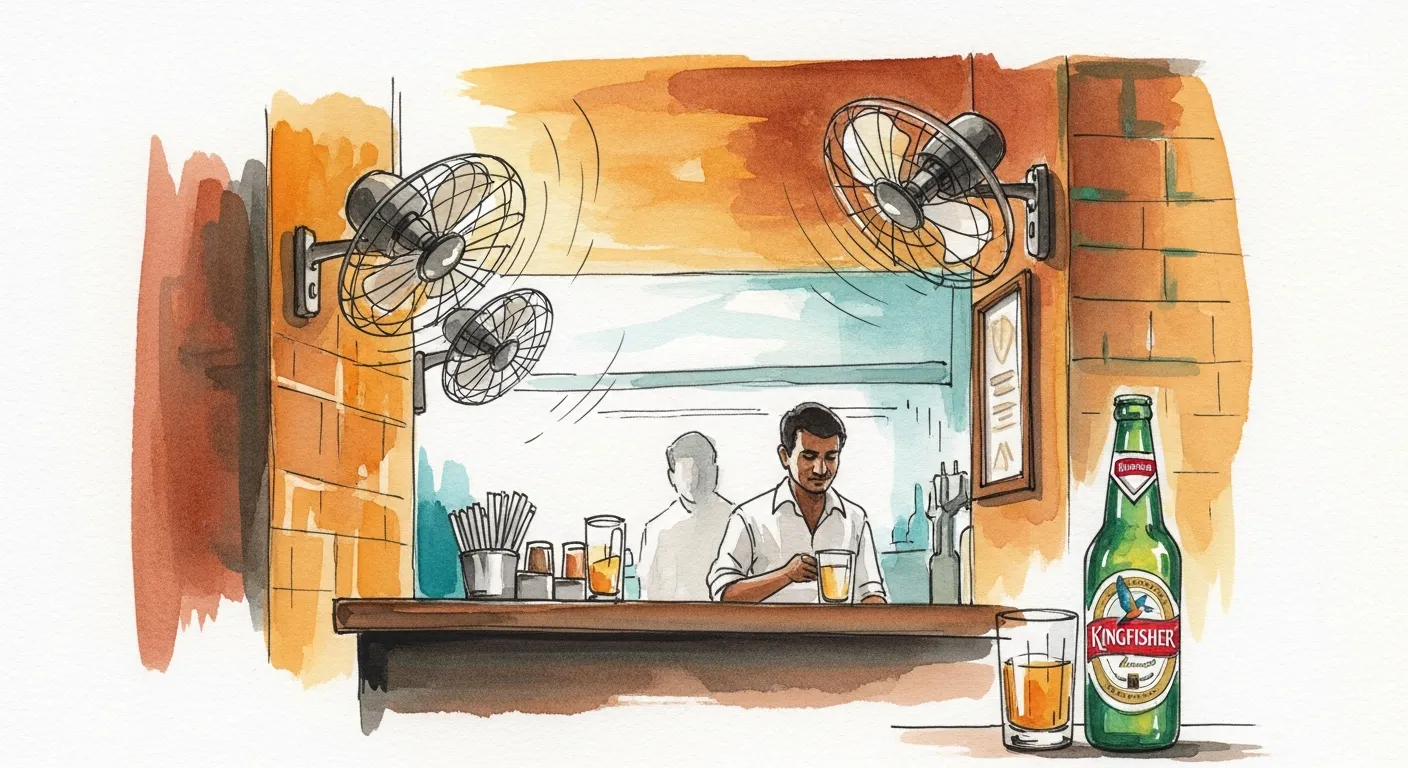
These rooms outlasted Prohibition, liberalisation, the dot-com boom, the 2008 crash, the pandemic, and three generations of Bombay rebranding itself. They did it by not changing.
THE NINETIES CAME BACK
Somewhere around 2019, a generation that had never actually drunk in the nineties decided the nineties were the correct decade to drink in. This is how Bombay Daak in Bandra happened.
Warm yellow lighting. Wooden tables. Cocktails with names like Santra Season and Finding Feni. Santra is orange, Nagpur's orange, the one your grandmother used to peel for you in December. Feni is Goa's cashew spirit that most Bombay bars historically refused to touch because it was too regional, too rough, too specifically Indian.
This nostalgic, almost sepia-toned bar transports you to the drinking culture our parents grew up with, warm yellow lighting, wooden tables, and of course, delicious, classic cocktails that taste just like the 90s.
Toto's Garage, two blocks away, refused to do any of this. Toto's has been Toto's since before Bombay Daak's founders were old enough to drink. The car hood on the ceiling. The rock playing at a volume that rules out conversation. A bill for two that still comes in around INR 1,500. Toto's did not become nineties nostalgia. Toto's just kept being itself long enough for the nineties to come back to it.
THE CUTTING COCKTAIL
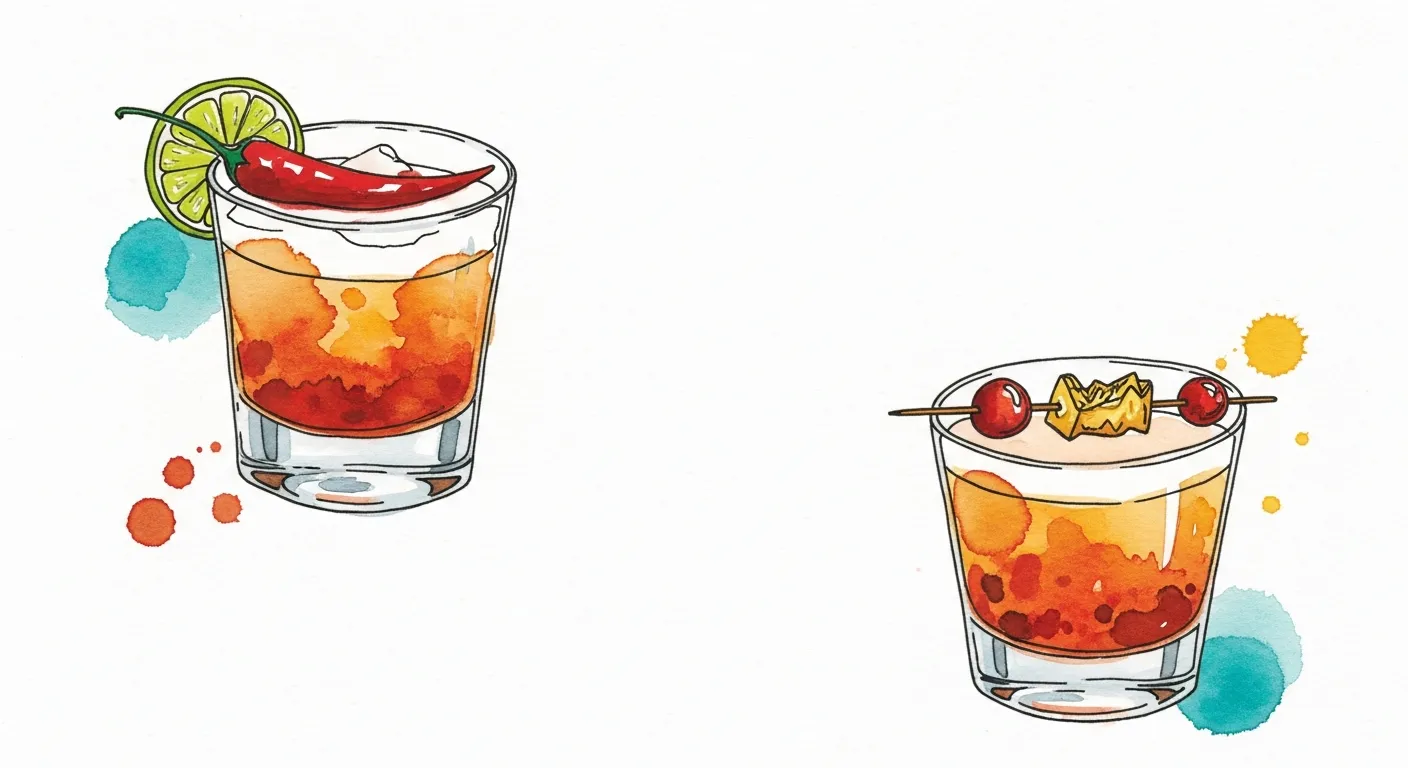
And then there is T24 Retro, which took the most Bombay object of all, the half-glass of cutting chai passed across a tapri counter at 4 pm, and turned it into a cocktail format. Half-sized serves. Experimental. Meant to be drunk in one long sip, the way you drink chai when the train is coming.
The Mirchi Martini is exactly what it sounds like. The Tropical Chai is exactly what it sounds like. The point is not the ingredient list, it is the volume. A cutting cocktail lets you order four things in an evening instead of two, which means you get to taste more of what the bartender is thinking. It is a small idea that only works in a city that already understands the grammar of the half-glass.
THE ARC
Bombay's bar history is not a straight line. It is a loop.
1933: two sailors walk in and ask for a legal drink. 1949: the state makes drinking illegal again. 1962: the permit rooms open, hiding drinkers behind a diagnosis. 1978: Janata opens its doors and never really closes them. 1990s: liberalisation, warm yellow lights, Old Monk. 2019: someone decides the warm yellow lights were the point all along. 2024: a bar in Bandra sells a half-glass of chilli-infused vodka and calls it a cutting.
The drink changes. The room does not. The city does not.
Every generation in Bombay thinks it invented the way it drinks. Every generation is drinking in a room someone else built.
The two American sailors are long gone. Their yacht is not in any harbour records anyone can find. The bartender who served them, whoever he was, does not have a name on the wall. The Cognac still gets flambéed. The bar still faces the sea.
Ninety-two years is a long time to keep the same drink on the menu. In this city, it is barely a shift.
Field Notes
Quick referenceThe Harbour Bar at Taj Mahal Palace opened in 1933 - the same year the US ended Prohibition. Same day, more or less.
Under the Bombay Prohibition Act of 1949, you needed a doctor's certificate diagnosing alcoholism to legally drink in Bombay. The permit room was the workaround.
A bill for two at Toto's Garage in Bandra still comes in around INR 1,500. It has not tried to become anything else.
T24 Retro serves cocktails in half-glass cutting portions. Four drinks an evening instead of two. The tapri grammar applied to vodka.
The man who poured Bombay's first legal bar drink in 1933 has no name on any wall. The Cognac still gets flambéed.
Get the next story first
Join the Bhukkads. Free, no spam, just stories.
Takes 30 seconds.