The Mawa Cake Is Now a Luxury Item
In Fort and Colaba, the Parsi and Irani bakeries that fed Bombay for a hundred years are being squeezed by egg prices, milk hikes, an LPG crisis, and a High Court order about firewood.
Generated by Imagen 4
In 1923, a young man from Yazd named Meherwan Zend walked into a lane behind the Bombay Stock Exchange and opened a bakery. He was one of thousands of Zoroastrians who had left the Persian plateau over the previous century, escaping drought, taxation, and a Qajar administration that had stopped pretending to care. They came by boat to Bombay because the older Parsi community, the ones whose ancestors had arrived in India in the ninth and tenth centuries and made their way to Bombay by the seventeenth, had built the infrastructure to receive them. Housing. Jobs. A fire temple. And, crucially, no restriction on what they could do for a living.
What the Iranis did for a living, mostly, was bake bread.
They took over the corner plots nobody wanted, the awkward triangular junctions where two lanes met at a bad angle, and they put in an oven, a marble counter, some bentwood chairs, and a mirror on the back wall. By the 1950s there were reportedly over 350 Irani cafes in Bombay. Today, according to a Whats Hot Mumbai roundup from August 2025, the count of the ones that actually matter has fallen into the low double digits. Kyani & Co. Britannia & Co. Yazdani. B. Merwan. A handful more.
The reason the count keeps falling is not romance. It is arithmetic.
THE EGG BEFORE THE MAWA CAKE
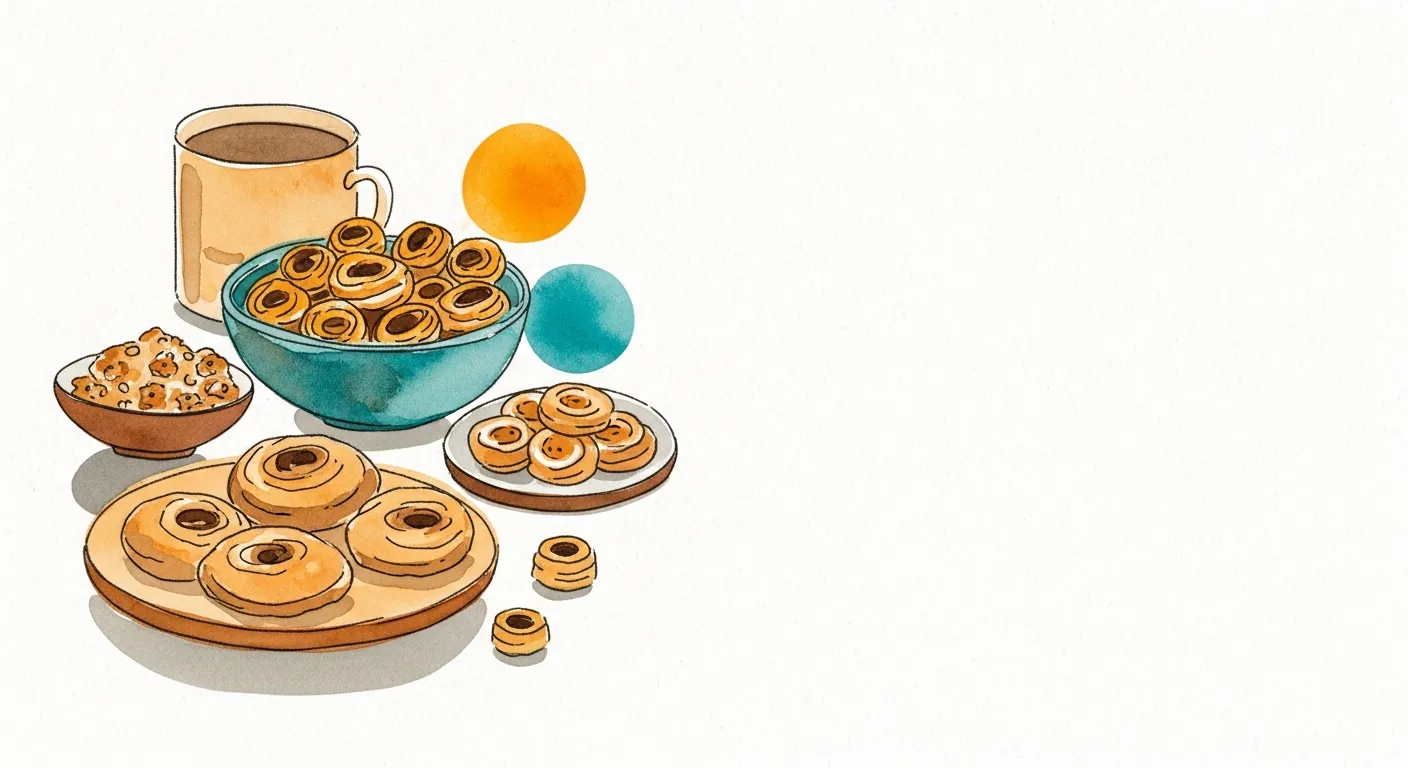
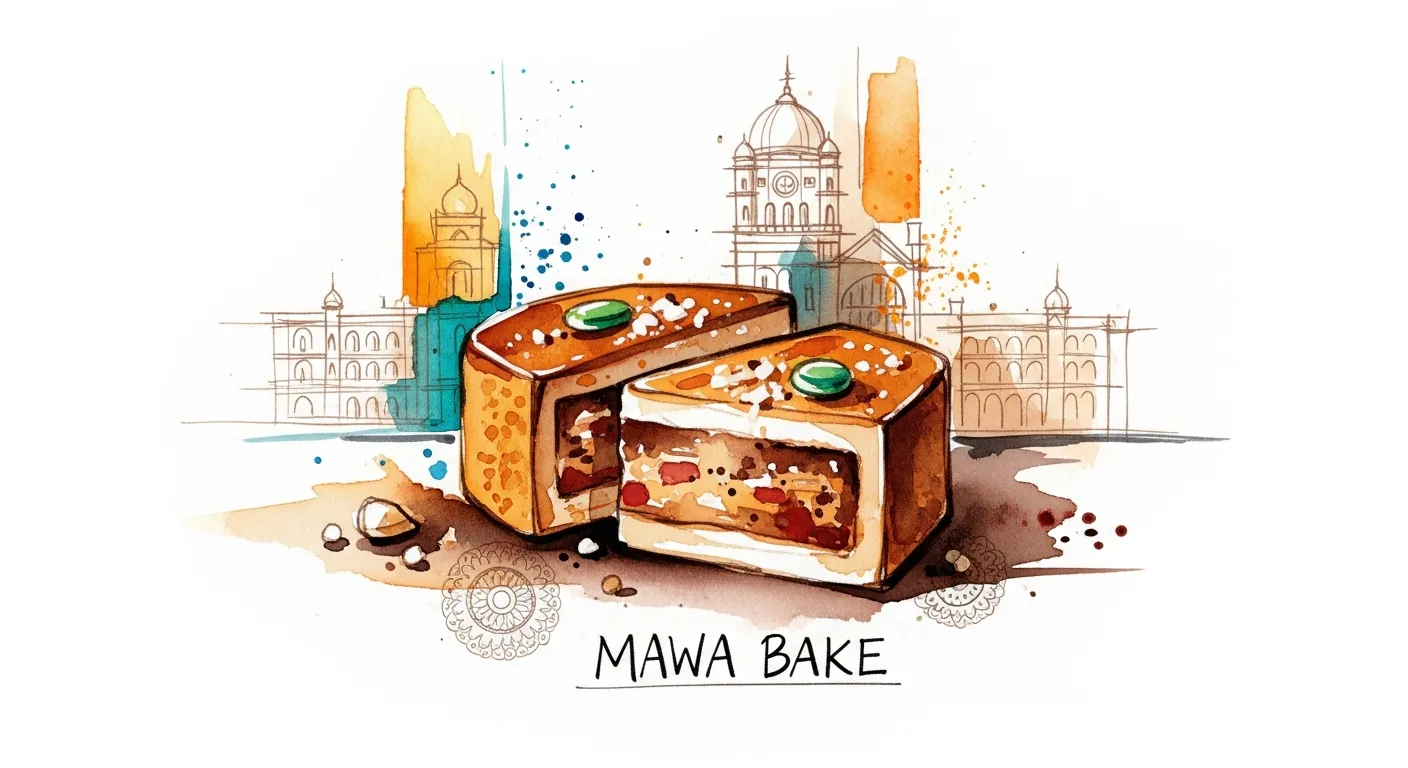
A proper mawa cake, the small brown dome that a Parsi household eats with morning chai and a Fort office worker eats standing up at the counter, is essentially eggs, sugar, ghee, khoya, and a whisper of cardamom. There is nowhere to hide. If the egg gets more expensive, the cake gets more expensive. If the milk that made the khoya gets more expensive, the cake gets more expensive twice.
In June 2025, FnB News reported that wholesale egg prices in Bombay had climbed to 85 to 90 rupees per dozen, a level the trade had not seen in years. The same report noted that bakeries were staring at a 10 to 15 percent rise in input costs. A mawa cake uses roughly one egg per two cakes. A batch of 200 cakes is 100 eggs. Do that six days a week and the annual egg bill has just moved by a number that a family-run bakery with 8 percent margins cannot casually absorb.
Then the milk went up. In May 2026, LatestLY reported that sliced bread rates across Bombay had jumped by 2 to 5 rupees a packet after major dairy cooperatives raised retail milk prices. The industrial bakeries passed the cost through the same week. The legacy Parsi bakeries, whose customers walk in expecting the mawa cake to cost what it cost the last time they were there, took longer. Some are still taking it.
A bun maska held its price for a decade on nostalgia alone. Nostalgia is not an ingredient. It does not appear on the invoice from the dairy.
THE FIRE THAT BUILT THE BREAD
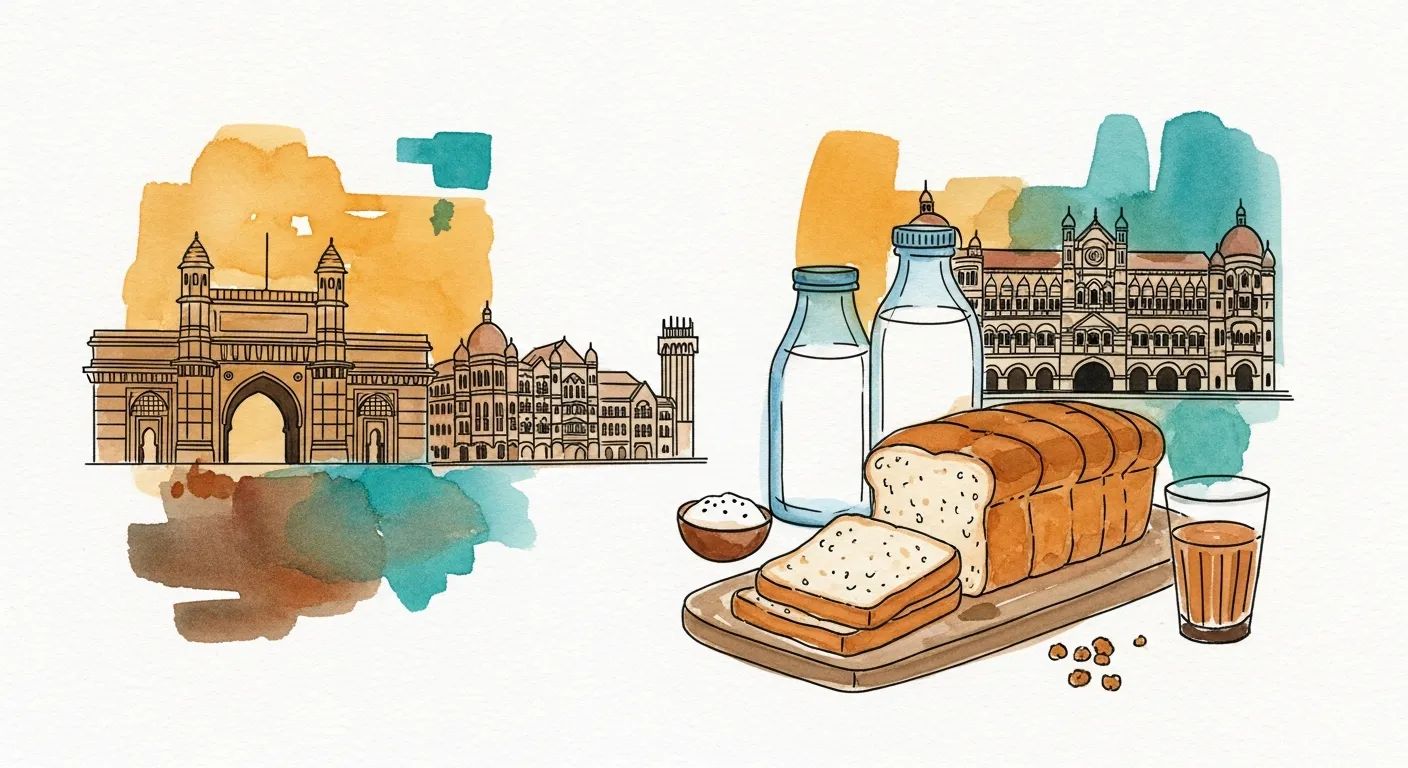
Here is the part nobody talks about. The oven itself is the crisis.
Every iconic Parsi and Irani bakery in Fort and Colaba was built around a wood-fired brick oven. That is where the pao gets its crust. That is where the khari puffs the way it does. That is where the batasa develops the specific dryness that lets it sit in a tin for three weeks and still snap. You cannot get that from a convection oven. You cannot get it from an electric deck. The oven is not equipment. It is the recipe.
In August 2025, India Today reported that century-old bakeries including Kyani and Yazdani were facing a Bombay High Court mandate to switch from wood and coal to greener fuel, with capital expenses of roughly 10 lakh rupees per bakery to make the conversion. Ten lakh is the number for the equipment. It does not include the two to three months of lost production while the old oven is dismantled and a new one is fitted into a space that was built around the old one in 1923.
Then the LPG went short. In March 2026, ThePrint reported that an LPG supply crisis had hit Bombay's bakeries hard, with one Parsi bakery unable to produce its usual 50 to 60 loaves a day because the cylinders simply were not arriving. The bakeries that had already invested the ten lakh to switch off wood were now dependent on a supply chain that could go quiet without warning.
Wood is banned. Gas is unreliable. Electric will not give you the crust. The oven is a puzzle with no clean answer.
THE HANDS THAT KNOW THE DOUGH
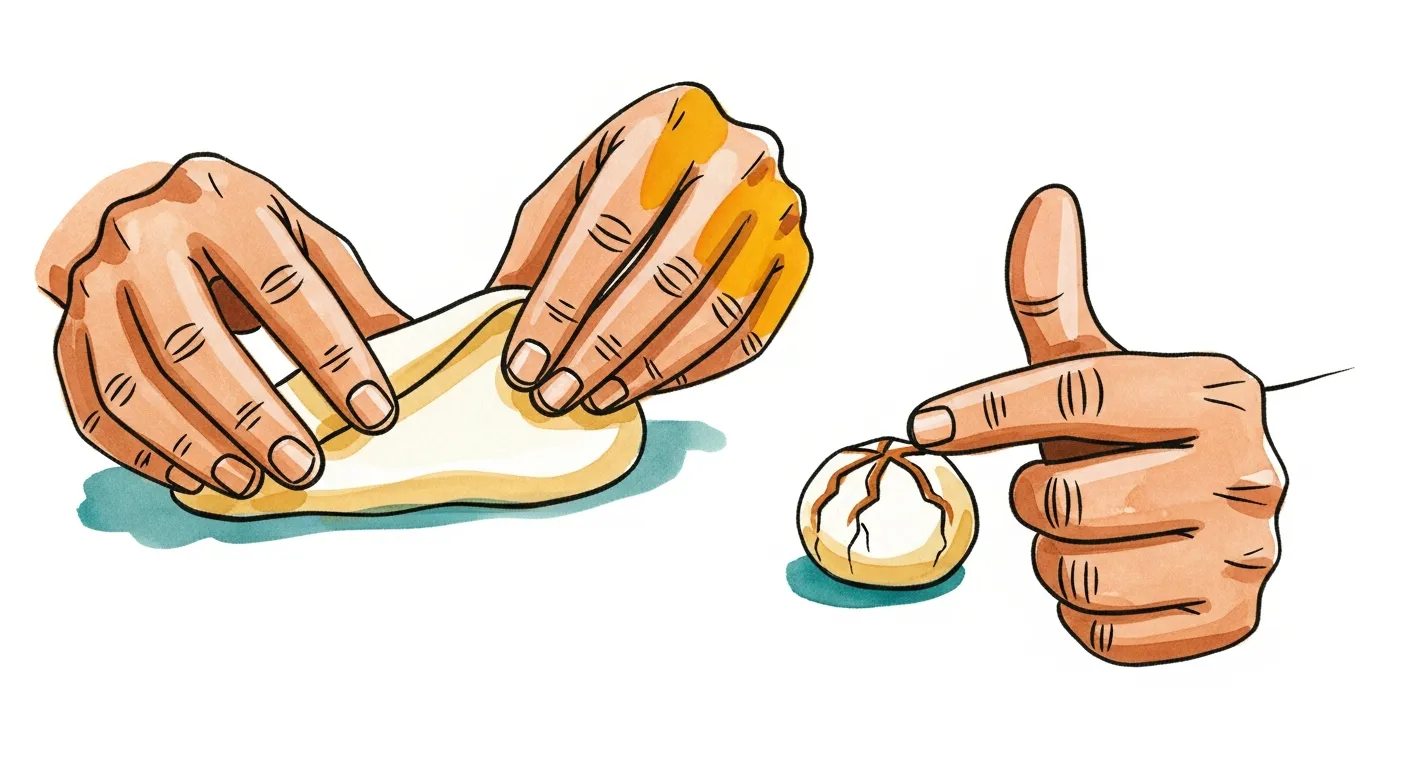
A khari is folded 27 times. A nankhatai is shaped by pressing the ball of the thumb into the dough at a specific angle so the top cracks in the pattern a Parsi grandmother will recognise from twenty feet away. A wedding sev, the sweet vermicelli served at a lagan, is drawn from the pan at the exact second before the sugar seizes. None of this is in a book. It is in the wrist of a baker who started as an apprentice at 14 and is now 62.
The average age of the head baker at the surviving Parsi and Irani bakeries in Fort and Colaba is, by most accounts, north of 55. The apprentices who trained under them in the 1980s and 1990s have mostly moved on to cloud kitchens, hotel patisseries, or Dubai. The kids of the owners are lawyers and consultants. The kids of the bakers are software engineers. Nobody's daughter is going to stand at a wood-fired oven at 4 am to fold a khari 27 times for a wage that competes with a delivery app.
This is not a complaint. It is just what the labour market does. The Parsi and Irani bakeries in Fort and Colaba never paid glamour wages. They paid a stable wage, a room somewhere in the back, chai four times a day, and a job that lasted forty years. That deal made sense in 1975. It makes less sense now.
The mawa cake is not disappearing because people stopped wanting it. It is disappearing because the person who knows how to make it correctly is 60, and there is nobody standing behind him.
THE MENU THAT CANNOT SHRINK
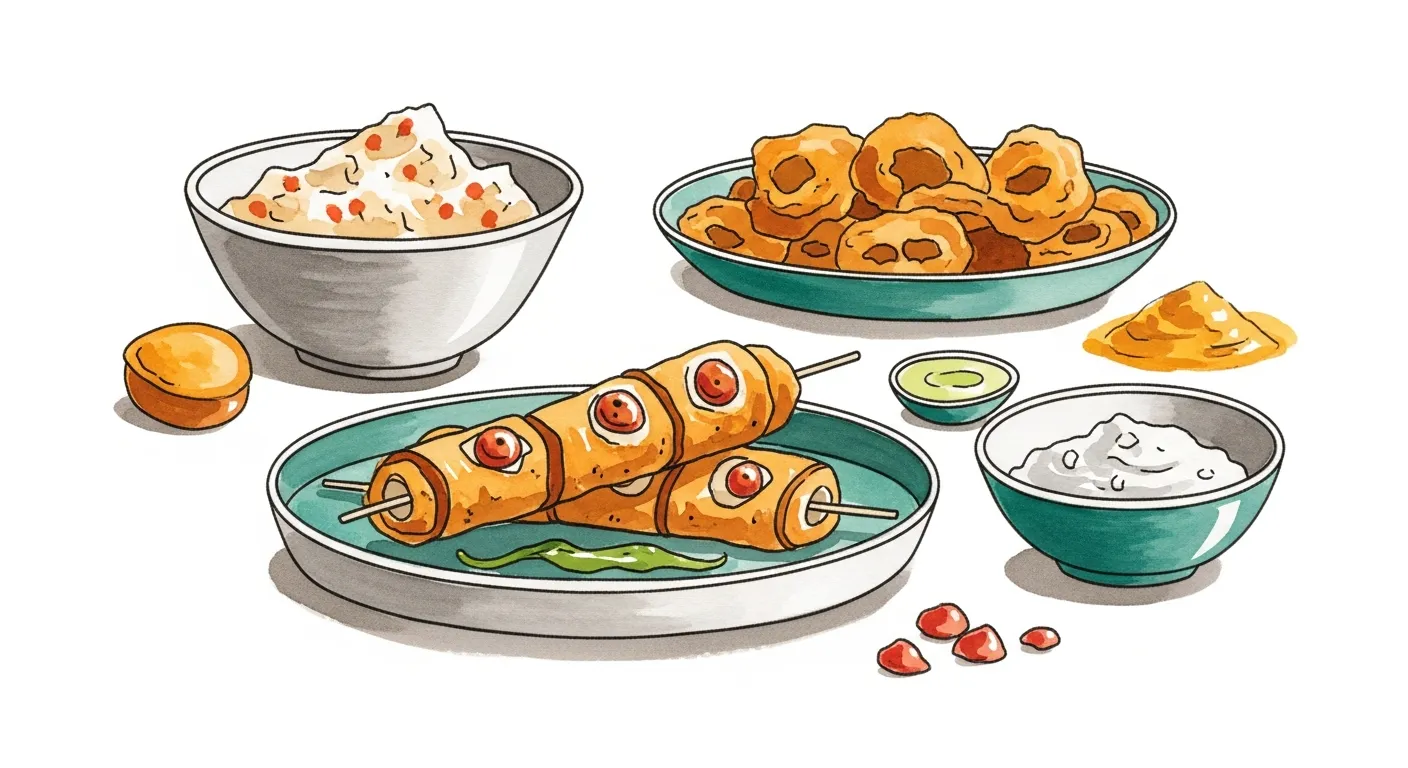
A Parsi bakery cannot rationalise its menu the way a restaurant can. If Britannia & Co. stops making berry pulao, the regulars will tolerate it. If a Fort bakery stops making khari, batasa, nankhatai, mawa cake, wedding sev, dar ni pori, and pao, it stops being a Parsi bakery. It becomes a shop that sells bread. The variety is the identity. Every item on that shelf has a specific role in the community's calendar. Batasa for a condolence visit. Dar ni pori for a navjote. Wedding sev for, obviously, a wedding. Mawa cake for Wednesday.
So the bakery keeps making all of it, in smaller and smaller batches, at higher and higher input costs, on ovens that are one High Court order away from being non-compliant, staffed by bakers who will not be replaced.
THE ONES STILL STANDING
Kyani & Co., opened in 1904 near Metro Cinema, still opens at 7 am. The bun maska is still soft. The mawa cake still sells out by lunch. Britannia & Co. in Ballard Estate, opened in 1923, still runs on the same brass cash counter. Yazdani Bakery on Cawasji Patel Street, opened in 1953, still has the original wooden furniture and the notice board with prices written in chalk. B. Merwan opposite Bombay Central still puts out mawa cakes at dawn and shuts by noon.
Each of these places has, in the last 24 months, absorbed an egg price hike, a milk price hike, an LPG crisis, and a High Court fuel-switch order. Each of them has done it without meaningfully raising prices. That gap, between what it costs to make the mawa cake and what the customer pays for the mawa cake, is being paid out of the owner's margin.
Which is another way of saying it is being paid out of the future.
The mawa cake still costs less than a filter coffee at any chain in the same lane. That is not a victory. That is the problem.
The gap between what it costs to make and what the customer pays is being settled out of the owner's margin. Which is another way of saying it is being settled out of the future.
Field Notes
Quick referenceBy the 1950s, Bombay had over 350 Irani cafes. Today the count that actually matters fits in a low double digit.
85 to 90 rupees per dozen, June 2025. A batch of 200 mawa cakes needs 100 eggs. Six days a week, every week.
Switching from wood to greener fuel costs each bakery roughly 10 lakh rupees, before accounting for months of lost production.
A khari is folded 27 times by hand. The baker who knows the count started as an apprentice at 14. He is now 62.
Kyani & Co. (1904), Britannia & Co. (1923), Yazdani (1953), B. Merwan. All still standing. All still absorbing the gap.
Get the next story first
Join the Bhukkads. Free, no spam, just stories.
Takes 30 seconds.